
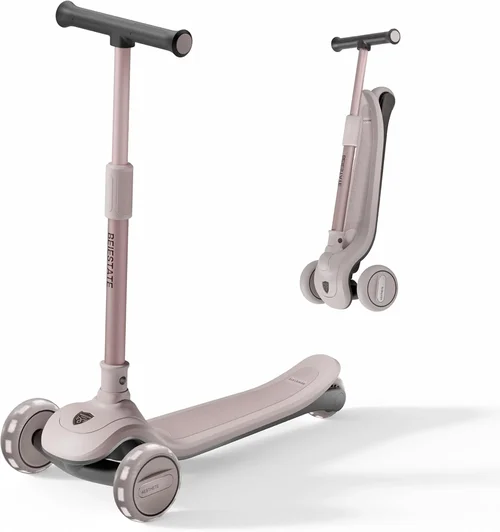
Electric scooters have revolutionized urban mobility, offering a clean, efficient, and fun way to navigate city streets. Among the many options available today, lightweight scooters stand out as the ideal choice for commuters, students, and casual riders who value portability without sacrificing performance. Whether you’re dashing between subway stops, zipping across campus, or simply avoiding traffic jams, a well-chosen lightweight scooter can make your daily routine faster, easier, and more enjoyable. But with dozens of models flooding the market—each boasting different specs, features, and price points—it’s easy to feel overwhelmed.
That’s exactly why this comprehensive buying guide exists. We’ve spent months researching, testing, and analyzing the latest lightweight scooters released in 2025 and early 2026 to bring you expert-backed insights that cut through the marketing noise. In this guide, you’ll learn how to identify the best lightweight scooter for your unique needs, whether you’re on a tight budget or ready to invest in premium engineering. We’ll walk you through critical decision factors like battery life, weight limits, foldability, safety features, and real-world durability—so you won’t end up with a scooter that’s either too flimsy for daily use or too cumbersome to carry upstairs.
The lightweight scooter market has evolved dramatically in recent years. Gone are the days when “lightweight” meant sacrificing power or range. Today’s top models combine aerospace-grade aluminum frames, high-efficiency brushless motors, and smart battery management systems to deliver impressive performance in packages under 25 pounds. Brands like Gotrax, Segway-Ninebot, Xiaomi, and Razor continue to innovate, while newer entrants like Unagi and Apollo are pushing boundaries with modular designs and app connectivity. With so much choice—and so many trade-offs—making an informed decision requires more than just comparing specs. This guide equips you with the knowledge to evaluate what truly matters, avoid costly mistakes, and find a scooter that fits seamlessly into your lifestyle.
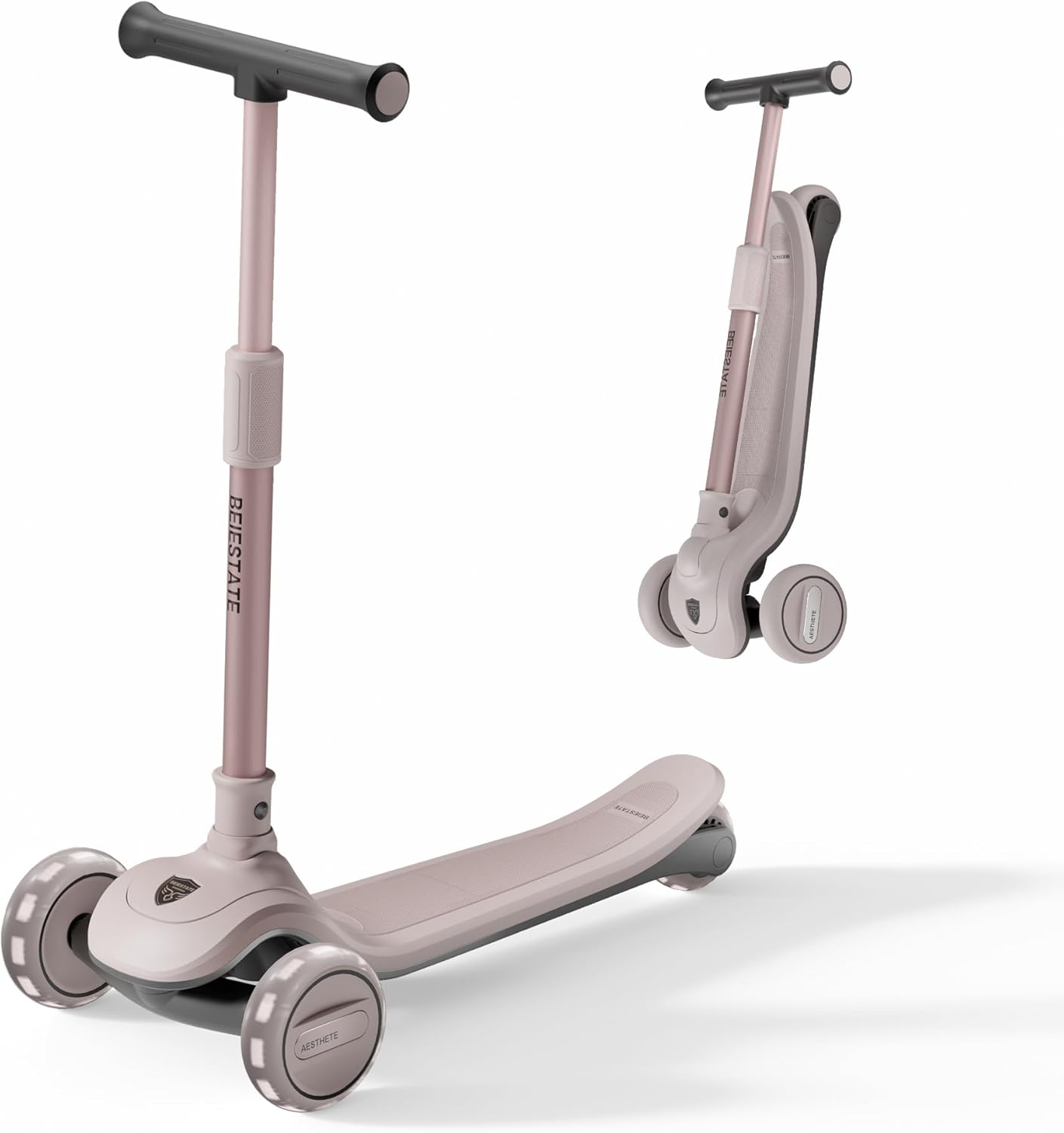
What to Look for When Buying Gotrax
1. Weight and Portability
When shopping for a lightweight scooter, the first thing to consider is, unsurprisingly, its actual weight. Most true “lightweight” models range from 18 to 26 pounds (8–12 kg). Anything over 28 pounds starts to feel cumbersome when lifting it onto public transit, carrying it up stairs, or stowing it under a desk. But weight isn’t just about the number on the scale—it’s also about how that weight is distributed. A scooter with a low center of gravity and ergonomic handlebars will feel easier to manage, even if it’s slightly heavier.
Portability goes beyond just weight. Look for models with one-step folding mechanisms that lock securely in both riding and folded positions. Some scooters, like the Gotrax GXL V2, feature telescoping stems that collapse flush against the deck, reducing overall footprint by nearly 40%. Others include built-in carrying handles or shoulder straps—small details that make a big difference during real-world use. If you plan to take your scooter on buses, trains, or airplanes (yes, some are airline-approved!), measure the folded dimensions and check airline carry-on policies.
2. Battery Life and Range
Range anxiety is real—even for short commutes. While manufacturers often advertise “up to” ranges based on ideal conditions (flat terrain, light rider, no wind), real-world performance typically falls 20–30% short. For most urban riders, a reliable range of 10–15 miles (16–24 km) is sufficient for daily errands or round-trip commutes under 7 miles. However, if you live in a hilly area or carry a backpack regularly, aim for scooters with larger batteries (at least 250Wh capacity).
Lithium-ion batteries dominate the market due to their high energy density and long cycle life. Pay attention to battery placement: under-deck batteries lower the center of gravity and improve stability, while rear-mounted packs can make the scooter tip-prone when folded. Also, check charging time—most lightweight scooters take 3–5 hours to fully charge, but some newer models support fast charging (under 2 hours). Avoid scooters with non-removable batteries unless you’re certain you’ll always have access to outlets near your destination.
3. Motor Power and Performance
Motor power is measured in watts (W), and for lightweight scooters, you’ll typically see ratings between 250W and 500W. A 250W motor is adequate for flat city streets and riders under 160 lbs, but it will struggle on inclines above 10%. For mixed terrain or heavier riders, a 350W–500W motor provides better acceleration and hill-climbing ability without significantly increasing weight.
Brushless DC motors are standard in quality scooters because they’re quieter, more efficient, and require less maintenance than brushed alternatives. Torque matters too—especially at startup. Scooters with regenerative braking often deliver smoother acceleration and recapture energy during deceleration, extending range slightly. Don’t be swayed by “peak power” claims; continuous wattage is what determines real-world performance.
4. Build Quality and Durability
A lightweight scooter must balance featherweight design with rugged construction. Look for frames made from aircraft-grade aluminum (e.g., 6061-T6), which offers excellent strength-to-weight ratios. Avoid scooters with plastic components in high-stress areas like the stem joint or deck supports—these are prone to cracking under repeated stress.
Check the IP rating for water and dust resistance. An IP54 rating means the scooter can handle light rain and splashes, while IPX4 offers basic splash protection. If you ride in wet climates, prioritize higher ratings. Tire type also affects durability: solid rubber tires never go flat but offer a rougher ride; pneumatic (air-filled) tires provide better shock absorption but require occasional inflation and are vulnerable to punctures. Hybrid tires—with air chambers but reinforced sidewalls—are becoming popular for their balance of comfort and reliability.
5. Safety Features
Safety should never be an afterthought. Essential features include bright LED headlights (at least 100 lumens), rear brake lights that activate when braking, and reflective strips on the deck and wheels. Disc brakes or electronic regenerative brakes provide stronger stopping power than foot brakes, especially in emergencies. Some premium models even include turn signals and automatic brake lights—features once reserved for motorcycles.
Stability is another safety factor. Wider decks (at least 5 inches) give your feet more room and improve balance, particularly for new riders. Suspension systems—even simple spring-based ones—help absorb bumps and reduce fatigue on rough pavement. Always wear a helmet, and consider adding wheel lights or a high-visibility vest if riding at night.
6. User Weight Limit and Deck Size
Every scooter has a maximum load capacity, usually between 220 and 300 pounds. Exceeding this limit not only voids warranties but also risks mechanical failure. Heavier riders should look for scooters explicitly rated for their weight, as undersized motors and decks can wear out quickly under excess load.
Deck size directly impacts comfort and control. A narrow deck forces your feet into an unnatural stance, increasing fatigue and reducing maneuverability. Ideally, choose a deck at least 5.5 inches wide and 16 inches long. Some models, like the Gotrax G4, feature anti-slip rubberized decks with textured patterns for better grip—even in wet conditions.
7. Warranty and Customer Support
A good warranty reflects manufacturer confidence in their product. Most reputable brands offer at least a 12-month limited warranty covering defects in materials and workmanship. Some, like Segway, extend coverage to 18 or even 24 months. Read the fine print: many warranties exclude wear items like tires, brakes, and batteries.
Customer support matters just as much. Check if the brand offers responsive email or phone support, repair centers in your region, and readily available replacement parts. Online communities and third-party repair shops can also be lifesavers if official support is slow. Avoid brands with no clear contact information or those that rely solely on automated chatbots.
8. Smart Features and App Connectivity
Modern lightweight scooters increasingly come with Bluetooth-enabled apps that let you monitor battery status, adjust speed modes, lock the scooter remotely, and even track rides via GPS. While not essential, these features add convenience and security. For example, the Gotrax app allows you to set a geofence alert if your scooter moves outside a designated area—a useful anti-theft measure.
However, don’t let flashy tech distract from core functionality. Some apps are buggy or drain the scooter’s battery faster. Test app compatibility with your smartphone OS (iOS/Android) and ensure firmware updates are regularly released to fix bugs and improve performance.
Different Types of Gotrax

Common Buying Mistakes to Avoid
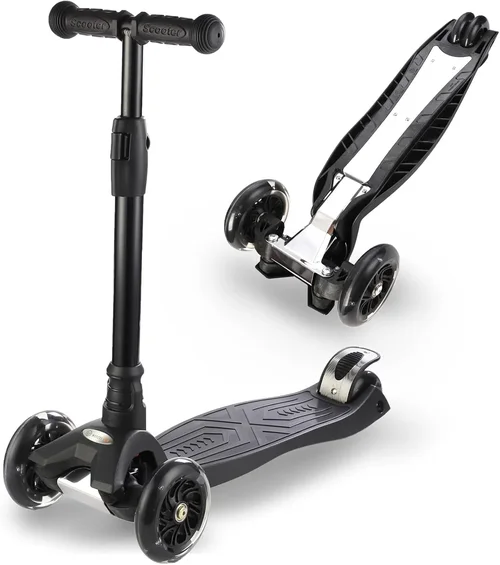
❌ Mistake: Prioritizing Price Over Build Quality
Why it’s bad: Scooters under $200 often use cheap plastics, weak motors, and poorly sealed electronics that fail within months. You’ll end up spending more on repairs or replacements than if you’d bought a mid-tier model upfront.
What to do instead: Set a minimum budget of $250 and focus on brands with proven track records. Look for aluminum frames, IP ratings, and user reviews mentioning longevity.
❌ Mistake: Ignoring Real-World Range Claims
Why it’s bad: Manufacturers test range with lightweight riders on flat surfaces—conditions rarely matched in daily life. Relying on advertised range can leave you stranded.
What to do instead: Divide the claimed range by 1.3 to estimate real-world performance. If you need 12 miles, buy a scooter rated for at least 16 miles.
❌ Mistake: Overlooking Tire Type
Why it’s bad: Solid tires may seem maintenance-free, but they transmit every pothole and crack directly to your wrists, causing fatigue and reducing control on rough roads.
What to do instead: Choose pneumatic or hybrid tires if you ride on uneven pavement. Carry a portable pump and patch kit for emergencies.
❌ Mistake: Skipping the Test Ride
Why it’s bad: Specs don’t reveal how a scooter feels—its balance, throttle response, or brake sensitivity. A scooter that looks great on paper might be twitchy or unstable in practice.
What to do instead: Visit local retailers or borrow from friends before purchasing. Many cities now have scooter rental programs perfect for testing.
❌ Mistake: Neglecting Local Laws and Regulations
Why it’s bad: Some cities restrict scooter speed, require helmets, or ban riding on sidewalks. Fines or confiscation can ruin your investment.
What to do instead: Check your city’s micromobility laws before buying. Opt for speed-limited models if needed, and always wear protective gear.
❌ Mistake: Assuming All Lightweight Scooters Are Equal
Why it’s bad: “Lightweight” is a marketing term—not a standard. A 22-pound scooter from one brand may feel vastly different from another due to design, materials, and ergonomics.
What to do instead: Compare actual dimensions, weight distribution, and user feedback. Don’t judge solely by the number on the box.
❌ Mistake: Forgetting About Storage and Charging
Why it’s bad: Even the most portable scooter becomes useless if you can’t store it at home or charge it at work. Bulky chargers or lack of outlets can be dealbreakers.
What to do instead: Measure your storage space and confirm charging access at key locations. Consider removable batteries if outlets are scarce.
Budget Guidelines: How Much Should You Spend?
Entry-Level ($150–$250): This tier includes basic models like the Gotrax GKS or Razor E100. Expect modest range (6–10 miles), minimal suspension, and plastic-heavy builds. Ideal for teens or occasional weekend use, but not recommended for daily commuting. Battery life degrades faster, and customer support is often limited.
Mid-Range ($250–$450): The sweet spot for most buyers. Scooters like the Gotrax GXL V2 or Xiaomi Mi Essential offer reliable 12–18 mile ranges, decent motors (300W+), and better build quality. You’ll get pneumatic tires, LED lights, and improved folding mechanisms. These models handle light hills and daily wear with ease.
Premium ($450–$700): Designed for serious commuters and enthusiasts. Expect 500W motors, 20+ mile ranges, dual braking systems, and advanced features like app connectivity or regenerative braking. Brands like Unagi and Apollo dominate here, with sleek designs and airline-approved portability. Build quality is exceptional, with warranties often exceeding 18 months.
Luxury ($700+): Top-tier engineering with cutting-edge tech. Models like the Dualtron Mini or Kaabo Mantis Pro offer speeds over 25 mph, full suspension, and customizable ride modes. These are overkill for most casual riders but ideal for those who treat scootering as a primary transport method. Expect premium materials, global service networks, and modular upgrades.
Expert Tips for Getting the Best Deal
1. Buy During Off-Peak Seasons: Scooter sales peak in spring and summer. Shop in late fall or winter (November–February) for discounts of 15–30%. Retailers clear inventory before new models launch.
2. Check Multiple Retailers: Compare prices on Amazon, Best Buy, Walmart, and brand websites. Sometimes direct-from-manufacturer offers include free accessories or extended warranties.
3. Look for Refurbished Units: Certified refurbished scooters from reputable sellers often come with full warranties and cost 20–40% less than new. Ideal for budget-conscious buyers.
4. Read Return Policies Carefully: Some retailers charge restocking fees or won’t accept returns on opened electronics. Aim for at least a 14-day return window with free return shipping.
5. Bundle Accessories: Many brands offer starter kits with helmets, locks, and phone mounts at a discount. Buying separately can cost 25% more.
6. Join Loyalty Programs: Sign up for newsletters to get early access to sales, exclusive promo codes, and firmware update alerts.
7. Test Before You Commit: Use rental services like Lime or Bird to try different scooter types in your neighborhood. Pay attention to comfort, noise, and ease of use.
8. Consider Total Cost of Ownership: Factor in replacement tires, brake pads, and potential battery swaps. A cheaper scooter with high maintenance costs may cost more long-term.
Frequently Asked Questions
Q: Can I take my lightweight scooter on a plane?
A: Most sub-30 lb scooters with batteries under 100Wh are allowed in carry-on luggage by major airlines. Check your scooter’s battery capacity (usually listed in the manual) and confirm with your airline before traveling. Remove the battery if required.
Q: How long do lightweight scooter batteries last?
A: With proper care (avoiding extreme temperatures, not draining to 0%), lithium-ion batteries typically last 300–500 charge cycles—roughly 1.5 to 3 years of daily use. Replace when range drops below 70% of original capacity.
Q: Are lightweight scooters safe for kids?
A: Yes, but only models designed for younger riders (e.g., Gotrax GKS, Razor E300). Ensure the scooter has a lower speed limit (under 10 mph), wide deck, and parental controls. Always supervise children and enforce helmet use.
Q: Do I need insurance for my scooter?
A: In most U.S. states, no—but liability coverage is wise if you ride in public spaces. Some homeowners’ policies extend to micromobility devices. Check with your insurer.
Q: Can I ride my scooter in the rain?
A: Only if it has an IP54 or higher rating. Avoid deep puddles and standing water, which can damage electronics. Dry the scooter thoroughly after wet rides.
Q: How fast do lightweight scooters go?
A: Most range from 12 to 20 mph. Entry-level models cap at 15 mph, while premium versions reach 25+ mph. Speed depends on motor power, rider weight, and terrain.
Q: What’s the difference between hub motors and belt drives?
A: Hub motors (common in lightweight scooters) are integrated into the wheel, offering quiet, maintenance-free operation. Belt drives are louder and require periodic tension adjustments but allow for gear ratios. For portability, hub motors win.
Q: Can I upgrade my scooter’s battery?
A: Rarely. Most manufacturers use proprietary battery packs. Attempting DIY upgrades voids warranties and risks fire. Stick to OEM replacements.
Q: How do I maintain my scooter?
A: Clean monthly with a damp cloth, check tire pressure weekly, lubricate folding joints, and store in a dry place. Avoid charging immediately after riding—let the battery cool first.
Q: What should I do if my scooter gets stolen?
A: Enable GPS tracking via the app (if available), register the serial number with local police, and report to your insurer. Use a U-lock through the frame and a fixed object when parking.
Our Final Recommendations
Best for Budget-Conscious Buyers: Gotrax GXL V2 – At under $300, it delivers 15 miles of range, a 250W motor, and reliable build quality. Perfect for students and short commutes.
Best Overall Value: Xiaomi Mi Essential – Combines sleek design, 18-mile range, and app connectivity for under $400. A favorite among urban commuters worldwide.
Best Premium Option: Unagi Model One – Dual 250W motors, carbon fiber stem, and ultra-lightweight (23 lbs) make this the Tesla of scooters—ideal for those who want performance and style.
Best for Beginners: Razor E300 – Simple controls, low speed (15 mph), and sturdy steel frame provide a safe, confidence-building ride for new users.
Best for Advanced Users: Apollo Air Pro – 500W motor, 22-mile range, and regenerative braking offer pro-level performance in a 26-pound package. Great for hills and longer rides.
Conclusion: Making the Right Choice
Choosing the best lightweight scooter isn’t about finding the flashiest model or the cheapest price tag—it’s about matching the right tool to your lifestyle. Whether you’re navigating crowded campuses, dodging traffic on downtown streets, or simply seeking a greener way to get around, the ideal scooter balances portability, performance, and practicality. By focusing on key factors like weight, range, build quality, and safety—and avoiding common pitfalls like overestimating battery life or ignoring local laws—you’ll set yourself up for years of reliable, enjoyable rides.
Remember, the “best” scooter is the one you’ll actually use. Don’t let analysis paralysis stop you from embracing the freedom and efficiency that electric mobility offers. Take your time, test your options, and prioritize what matters most to you. With the insights in this guide, you’re now equipped to make a confident, informed decision. So charge up, fold down, and hit the road—your perfect lightweight scooter is waiting.