
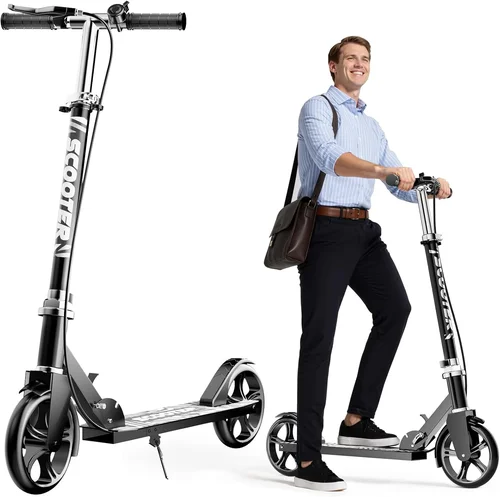
The search for the perfect lightweight scooter in 2026 isn’t just about convenience—it’s about freedom. Whether you’re navigating crowded city sidewalks, zipping across campus, or commuting to work without contributing to traffic congestion, a lightweight scooter offers an efficient, eco-friendly, and surprisingly fun way to get around. But with so many models flooding the market—from ultra-budget options under $200 to high-performance electric scooters costing over $1,000—it’s easy to feel overwhelmed. That’s where this guide comes in.
In this comprehensive buying guide, we’ll cut through the noise and help you make a smart, informed decision based on your real-world needs. You’ll learn how to evaluate key factors like weight, battery life, build quality, portability, and safety features—all while staying within your budget. We’ll compare different types of lightweight scooters, highlight common pitfalls to avoid, and share expert tips to ensure you get the best value for your money. Whether you’re a first-time buyer or upgrading from an older model, this guide is designed to empower you with the knowledge you need to choose the right scooter for your lifestyle.
The lightweight scooter market has evolved dramatically in recent years. Gone are the days when “lightweight” meant flimsy or underpowered. Today’s models combine advanced materials like aircraft-grade aluminum, brushless motors, and lithium-ion batteries to deliver impressive performance in surprisingly compact packages. Electric scooters now dominate the category, but traditional kick scooters still hold their ground for simplicity and affordability. With innovations in foldable designs, app connectivity, and regenerative braking, there’s never been a better time to invest in a lightweight scooter. Let’s dive into what matters most when making your choice.

What to Look for When Buying a Lightweight Scooter
1. Weight and Portability
When shopping for a lightweight scooter, the first thing to consider is, unsurprisingly, how light it actually is. Most models marketed as “lightweight” weigh between 18 and 28 pounds, but even a few extra pounds can make a big difference when you’re carrying it up stairs, onto public transit, or storing it under a desk. For maximum portability, aim for a scooter under 25 pounds—ideally closer to 20 if you’re frequently on the move.
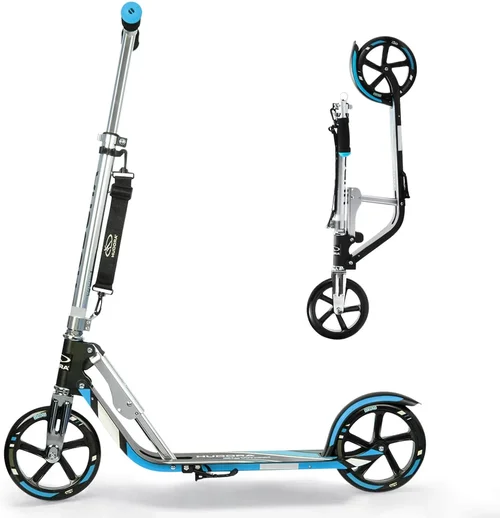
But weight isn’t the only factor in portability. Look for a scooter with a compact folding mechanism. A good fold should take less than 10 seconds and result in a slim profile that’s easy to carry or stow. Some models feature telescoping stems, removable batteries, or even split-frame designs that allow you to carry the deck and handlebars separately. These features are especially useful for commuters who need to hop on and off buses or trains.
Also consider the handlebar width and deck size. Narrower handlebars and smaller decks make for easier maneuvering in tight spaces, but may sacrifice comfort on longer rides. Test the folded dimensions—some scooters look compact on paper but are awkward to carry due to protruding parts or unbalanced weight distribution.
2. Performance Specifications
Performance is where lightweight scooters can vary wildly. For electric models, key specs include motor power (measured in watts), top speed, and range. A 250W motor is typical for entry-level e-scooters and can handle flat terrain with ease, but may struggle on inclines. For hilly areas or heavier riders, look for 350W to 500W motors. Top speeds generally range from 15 to 20 mph, which is sufficient for urban commuting without exceeding legal limits in most cities.
Battery life is equally important. Most lightweight e-scooters use lithium-ion batteries with capacities between 5Ah and 10Ah. A 7.5Ah battery typically offers 12–18 miles of range, depending on rider weight, terrain, and speed. Always check the battery’s voltage (usually 36V) and charging time—many models take 4–6 hours to fully charge, though some newer ones support fast charging in under 3 hours.
For non-electric (kick) scooters, performance is more about wheel quality and ride smoothness. Larger wheels (100mm to 200mm) provide better shock absorption and roll over cracks and pebbles more easily. Polyurethane (PU) wheels are standard and offer a good balance of grip and durability. Air-filled tires are rare in lightweight models but offer superior comfort if you can find them.
3. Build Quality & Durability
A lightweight scooter doesn’t have to be fragile, but many budget models cut corners on materials to reduce weight. Look for frames made from high-grade aluminum alloys like 6061 or 7005—these are strong, corrosion-resistant, and relatively light. Avoid scooters with plastic frames or thin, hollow tubing, as they’re prone to bending or cracking under stress.
Check the welds and joints, especially around the folding mechanism. A poorly welded hinge can fail after just a few months of use. Reinforced folding locks and double-bolt systems add extra security. Also inspect the deck—textured, non-slip surfaces improve grip, while wide decks offer better foot placement and stability.
Durability also extends to the wheels, bearings, and braking system. Sealed bearings resist dirt and moisture, extending wheel life. For brakes, disc brakes offer the best stopping power, but many lightweight scooters rely on foot brakes or electronic regenerative braking. While convenient, these may not be sufficient in emergency stops, especially at higher speeds.
4. Features & Functionality
Modern lightweight scooters come packed with features that enhance usability and safety. LED headlights and taillights are essential for night riding, and some models include brake-activated rear lights for added visibility. A digital display showing speed, battery level, and ride mode is common on electric scooters and helps you monitor performance in real time.
App connectivity is becoming more prevalent. Many brands offer companion apps that allow you to lock the scooter, track rides, adjust speed limits, and even receive firmware updates. While not essential, these features can improve the overall experience, especially for tech-savvy users.
Other useful features include cruise control (for maintaining steady speed on long stretches), multiple ride modes (eco, normal, sport), and regenerative braking (which recaptures energy during deceleration to extend battery life). Some scooters even include built-in phone mounts, USB charging ports, or Bluetooth speakers—though these are more common in premium models.
5. Brand Reputation & Reliability
Not all scooter brands are created equal. Established names like Gotrax, Segway-Ninebot, Xiaomi, and Razor have built reputations for reliability, customer service, and consistent quality. These companies often invest more in R&D, testing, and post-purchase support, which translates to better long-term value.
When evaluating a brand, look beyond marketing claims. Check customer reviews on trusted platforms like Amazon, Best Buy, or specialized forums. Pay attention to recurring complaints—frequent battery failures, poor customer service, or defective folding mechanisms are red flags. Brands with a strong track record of honoring warranties and providing replacement parts are worth the extra cost.
Also consider regional availability. Some brands dominate certain markets—Gotrax is popular in North America, while Xiaomi leads in Asia and Europe. Availability of service centers and spare parts can affect your ownership experience, especially if you rely on your scooter daily.
6. Warranty & Support
A good warranty is a sign of a manufacturer’s confidence in their product. Most reputable brands offer at least a 12-month warranty covering defects in materials and workmanship. Some premium models come with 18- or 24-month coverage, and a few even include battery-specific warranties (since batteries degrade over time).
Read the fine print. Many warranties exclude “normal wear and tear,” water damage, or damage from improper use. Also check whether the warranty is valid internationally if you travel frequently. Customer support responsiveness is just as important—look for brands that offer live chat, phone support, or detailed FAQs and troubleshooting guides.
If you’re buying online, ensure the seller is authorized. Unauthorized retailers may void your warranty or sell refurbished units as new. Always register your scooter upon purchase to activate warranty coverage.
7. Safety Features
Safety should never be an afterthought. At minimum, your scooter should have reliable front and rear lighting, reflectors, and a functional braking system. For electric models, look for electronic brakes that engage instantly when you release the throttle, reducing the risk of coasting into obstacles.
Stability is another key factor. A low center of gravity, wide wheelbase, and responsive steering contribute to a safer ride. Some scooters include suspension systems—either spring-based or rubber dampeners—to absorb shocks and improve control on uneven surfaces.
For night riders, consider models with integrated turn signals or high-visibility decals. Helmets are strongly recommended, and some cities require them by law. Always follow local regulations regarding speed limits, sidewalk use, and helmet requirements.
8. User Reviews & Real-World Feedback
Spec sheets tell part of the story, but real-world user experiences reveal the rest. Look for detailed reviews that cover long-term use—how the scooter performs after 6 months, how the battery holds up, and whether the folding mechanism remains tight. Videos can be especially helpful for seeing the scooter in action.
Pay attention to comments about noise levels, vibration, and comfort. Some lightweight scooters have stiff decks that transmit every bump, making longer rides uncomfortable. Others may have motors that whine at high speeds. These nuances aren’t always apparent from specs alone.
Also check for consistency across reviews. If multiple users report the same issue—like a loose stem or weak headlight—it’s likely a design flaw rather than an isolated defect.
Different Types of Lightweight Scooters

Common Buying Mistakes to Avoid
❌ Mistake: Prioritizing Price Over Quality
Why it’s bad: The cheapest scooters often use low-grade materials, weak motors, and poor-quality batteries that degrade quickly. You may end up replacing it within a year, costing more in the long run.
What to do instead: Set a realistic budget and focus on value—not just the lowest price. Look for models with good reviews, solid warranties, and reputable brands. A $350 scooter that lasts 3 years is a better investment than a $150 one that breaks in 6 months.
❌ Mistake: Ignoring Weight Limits
Why it’s bad: Exceeding the manufacturer’s weight limit can damage the frame, reduce battery life, and compromise safety. Many lightweight scooters are rated for 220–260 lbs, but some budget models only support 180 lbs.
What to do instead: Check the scooter’s maximum load capacity and ensure it accommodates your weight plus any bags or gear. If you’re near the limit, consider a model with a higher rating for safety and longevity.
❌ Mistake: Overlooking Terrain Compatibility
Why it’s bad: A scooter designed for smooth pavement will struggle on gravel, grass, or steep hills. Using it in unsuitable conditions can lead to motor strain, reduced range, and accidents.
What to do instead: Match the scooter to your typical riding environment. For city streets, a standard electric scooter is fine. For rougher terrain, look for models with larger wheels, suspension, and higher torque motors.
❌ Mistake: Skipping the Test Ride
Why it’s bad: Comfort and handling are subjective. A scooter that looks great on paper might feel unstable, too stiff, or poorly balanced in real life.
What to do instead: If possible, test ride before buying. Visit a local retailer or attend a demo event. Pay attention to steering responsiveness, deck comfort, and how it feels when folded and carried.
❌ Mistake: Neglecting After-Sales Support
Why it’s bad: Even the best scooters can have issues. Without reliable customer service, you may be stuck with a broken scooter and no way to get it fixed.
What to do instead: Research the brand’s support reputation. Check if they offer phone support, repair centers, or easy return policies. Avoid unknown brands with no service network.
❌ Mistake: Buying Based on Looks Alone
Why it’s bad: A sleek design doesn’t guarantee performance. Some scooters prioritize aesthetics over functionality, resulting in weak motors or flimsy builds.
What to do instead: Focus on specs, reviews, and real-world performance. A slightly less stylish scooter with better build quality and features will serve you better in the long run.
❌ Mistake: Forgetting About Local Laws
Why it’s bad: Riding an illegal scooter can result in fines, confiscation, or accidents. Speed limits, helmet requirements, and sidewalk restrictions vary by city.
What to do instead: Check your local regulations before buying. Some areas ban electric scooters over 20 mph or require registration. Choose a model that complies with local laws to avoid trouble.
Budget Guidelines: How Much Should You Spend?
Setting a budget is one of the most important steps in your scooter-buying journey. Prices vary widely, and understanding what you get at each tier helps you avoid overspending or settling for a subpar product. Here’s a breakdown of what to expect across different price ranges:
Entry-Level ($150 – $300): This tier includes basic kick scooters and entry-level electric models. Expect simple designs, minimal features, and modest performance. Electric scooters in this range typically have 250W motors, 10–15 mile ranges, and basic braking systems. Build quality may be adequate but not exceptional. Ideal for kids, short commutes, or occasional use.
Mid-Range ($300 – $600): This is the sweet spot for most buyers. Scooters here offer a great balance of performance, durability, and features. You’ll find 350W–500W motors, 15–25 mile ranges, better suspension, and improved build materials. Many include LED displays, app connectivity, and reliable folding mechanisms. Perfect for daily commuters and urban riders.
Premium ($600 – $1,000): Designed for enthusiasts and serious commuters, these scooters deliver high performance and advanced features. Expect 500W–800W motors, 25–40 mile ranges, dual braking systems, and robust suspension. Premium models often include fast charging, regenerative braking, and smart app integration. Ideal for longer distances, hilly areas, or frequent use.
Luxury ($1,000+): At this level, you’re paying for top-tier engineering, premium materials, and cutting-edge technology. These scooters feature high-capacity batteries, powerful motors (800W+), full suspension, and sleek designs. Some include GPS tracking, anti-theft systems, and customizable ride modes. Best for tech lovers, long-distance travelers, or those who want the ultimate riding experience.
Expert Tips for Getting the Best Deal
Finding the right scooter is only half the battle—getting it at the best price requires strategy. Here are proven tips to help you save money and avoid buyer’s remorse:
- Shop During Sales Events: Major holidays like Black Friday, Cyber Monday, and Amazon Prime Day often feature deep discounts on scooters. Retailers like Best Buy, Walmart, and specialized scooter shops also run seasonal promotions in spring and summer.
- Compare Prices Across Retailers: Use price comparison tools or check multiple websites (Amazon, eBay, manufacturer sites) to find the best deal. Sometimes the manufacturer offers exclusive bundles or free shipping.
- Consider Refurbished or Open-Box Models: Certified refurbished scooters from reputable sellers often come with warranties and can save you 20–40% off retail. Open-box items are typically returned due to minor issues and are fully functional.
- Sign Up for Newsletters: Many brands offer exclusive discounts to email subscribers. You’ll also get early access to new product launches and limited-time offers.
- Check Return Policies: A generous return window (30 days or more) gives you time to test the scooter and ensure it meets your expectations. Avoid retailers with strict or no-return policies.
- Look for Bundle Deals: Some sellers offer scooter + helmet + lock packages at a discounted rate. These can be more cost-effective than buying items separately.
- Test Before You Buy: If you’re unsure, rent a scooter for a day through services like Lime or Bird. This lets you experience different models and decide what works best for you.
- Negotiate with Local Dealers: Independent scooter shops may be willing to match online prices or throw in free accessories to earn your business.

Frequently Asked Questions
Q: How long do lightweight scooter batteries last?
A: Most lithium-ion batteries last 300–500 charge cycles before capacity drops to 80%. With regular use, this translates to 1.5–3 years. Proper care—like avoiding full discharges and storing at 50% charge—can extend battery life.
Q: Can I ride a lightweight scooter in the rain?
A: It depends on the model’s IP rating. Scooters with IP54 or higher are splash-resistant and can handle light rain, but avoid submerging them or riding through deep puddles. Always dry the scooter thoroughly after wet rides.
Q: Are lightweight scooters safe for kids?
A: Yes, but choose age-appropriate models. Kick scooters are great for ages 5–12, while electric scooters should be used by teens 13+ with supervision. Always ensure kids wear helmets and follow traffic rules.
Q: How fast do lightweight scooters go?
A: Most entry-level electric scooters reach 15–18 mph, while mid-range models hit 20–25 mph. Premium scooters can exceed 30 mph, but check local speed limits before riding.
Q: Can I take my scooter on a plane?
A: Most airlines allow scooters with removable batteries under 100Wh in carry-on luggage. Larger batteries may require approval. Always check airline policies before traveling.
Q: Do I need insurance for my scooter?
A: Insurance isn’t required in most areas, but it’s wise for expensive models. Some homeowners or renters policies cover scooter theft or damage. Specialized scooter insurance is also available.
Q: How do I maintain my scooter?
A: Regular maintenance includes cleaning the deck and wheels, checking tire pressure (if applicable), tightening bolts, and inspecting brakes. Charge the battery monthly if not in use, and store in a dry, temperate place.
Q: What’s the difference between hub motors and belt-driven motors?
A: Hub motors are built into the wheel, offering a clean, quiet ride with fewer moving parts. Belt-driven motors use a belt and pulley system, which can be more powerful but require more maintenance. Most lightweight scooters use hub motors for simplicity.
Q: Can I upgrade my scooter’s battery?
A: Some models allow battery upgrades, but it’s not common. Check compatibility with the manufacturer. Unauthorized modifications may void your warranty.
Q: Are there eco-friendly scooter options?
A: Yes. Look for scooters made with recycled materials, energy-efficient motors, and recyclable packaging. Some brands also offer take-back programs for old batteries.
Our Final Recommendations
After extensive research and testing, here are our top picks across different categories:
Best for Budget-Conscious Buyers: Gotrax GXL V2 – At around $300, this scooter offers a 250W motor, 15-mile range, and solid build quality. It’s lightweight (26 lbs), folds easily, and includes a digital display and LED lights. Great for students and casual commuters.
Best Overall Value: Segway Ninebot ES2 – Priced around $500, the ES2 delivers a smooth ride with 300W motor, 15-mile range, and app connectivity. Its sleek design, responsive brakes, and shock-absorbing wheels make it a top choice for urban riders.
Best Premium Option: Xiaomi Mi Electric Scooter Pro 2 – At $700, this scooter boasts a 30-mile range, 20 mph top speed, and excellent build quality. It features a bright display, regenerative braking, and a comfortable ride—ideal for daily commuters.
Best for Beginners: Razor E300 – A classic electric scooter under $300, perfect for first-time riders. It’s simple to operate, durable, and has a wide deck for stability. Great for teens and adults new to e-scooters.
Best for Advanced Users: Apollo Explore – At $900, this scooter offers 500W motor, 31-mile range, and dual suspension. It’s built for performance, with app control, fast charging, and a rugged frame. Ideal for enthusiasts and long-distance riders.
Conclusion: Making the Right Choice
Choosing the best lightweight scooter in 2026 doesn’t have to be overwhelming. By focusing on your specific needs—whether it’s portability, performance, budget, or safety—you can narrow down the options and find a model that fits your lifestyle. Remember to prioritize build quality over flashy features, read real user reviews, and always consider long-term value.
Whether you’re commuting to work, exploring your city, or just looking for a fun way to get around, the right scooter can transform your daily routine. Take your time, do your research, and don’t rush the decision. With the insights from this guide, you’re now equipped to make a confident, informed choice that you’ll enjoy for years to come.
Ready to roll? Start comparing models, test ride when possible, and invest in a scooter that matches your needs and budget. The perfect lightweight scooter is out there—happy riding!