

When it comes to choosing a bicycle, weight is often one of the most overlooked—yet critically important—factors, especially for adult riders. Whether you’re commuting through city streets, tackling weekend trail adventures, or simply looking for a more enjoyable ride, a lightweight bike can make a world of difference. A lighter frame translates to easier handling, faster acceleration, reduced fatigue, and greater overall control—especially when navigating hills, tight corners, or carrying your bike up stairs. In 2026, the market for lightweight adult bikes has never been more competitive, with manufacturers leveraging advanced materials like carbon fiber, high-grade aluminum, and innovative engineering to shave off every unnecessary gram without compromising strength or safety.
This comprehensive buying guide is designed to cut through the noise and help you make an informed decision. Whether you’re a seasoned cyclist or a beginner just dipping your toes into the world of two-wheeled freedom, we’ll walk you through everything you need to know. From understanding key performance specs and material differences to avoiding common pitfalls and maximizing your budget, this guide covers all the bases. You’ll learn how to evaluate build quality, compare different bike types, assess brand reputation, and even time your purchase for the best deals. By the end, you’ll have the confidence to choose a lightweight bike that fits your lifestyle, riding goals, and budget—without overpaying for features you don’t need.
The lightweight bike market in 2026 is more diverse than ever. You’ll find everything from ultra-portable folding bikes under 20 pounds to high-performance road machines that tip the scales at just over 15 pounds. Electric-assist models are also getting lighter, thanks to improved battery technology and streamlined motor integration. With options spanning from budget-friendly entry-level models to premium carbon-fiber marvels, there’s truly something for every rider. But with so many choices, it’s easy to get overwhelmed. That’s why this guide focuses on clarity, practicality, and real-world usability—helping you find the perfect balance of weight, performance, durability, and value.

What to Look for When Buying a Lightweight Bike
1. Frame Material: The Foundation of Weight and Performance
The frame is the backbone of any bicycle, and its material plays a decisive role in determining both weight and ride quality. In 2026, the most common materials used in lightweight adult bikes are aluminum, carbon fiber, steel, and titanium—each with distinct advantages and trade-offs.
Aluminum remains the most popular choice for mid-range lightweight bikes due to its excellent strength-to-weight ratio, corrosion resistance, and affordability. Modern aluminum frames are engineered with hydroforming and butted tubing techniques to reduce weight while maintaining stiffness and durability. You’ll typically find aluminum frames weighing between 2.5 to 3.5 pounds, making them ideal for commuters, fitness riders, and recreational cyclists.
Carbon fiber, on the other hand, is the gold standard for high-performance lightweight bikes. It’s significantly lighter than aluminum—often under 2.5 pounds for a full frame—and offers superior vibration damping, resulting in a smoother, more comfortable ride. Carbon frames are also highly tunable, allowing engineers to optimize stiffness in key areas like the bottom bracket and head tube for better power transfer and handling. However, carbon comes at a premium price and can be more susceptible to impact damage, so it’s best suited for experienced riders or those prioritizing performance over cost.
Steel frames, while heavier than aluminum or carbon, are making a comeback in the lightweight segment thanks to advancements in high-tensile and chromoly steel alloys. These modern steel frames can weigh as little as 3.5 to 4.5 pounds and offer exceptional durability, a natural spring-like ride quality, and excellent repairability. They’re a favorite among touring cyclists and urban commuters who value longevity and comfort.
Titanium sits at the top of the luxury spectrum—lightweight, incredibly strong, corrosion-proof, and with a ride quality that blends the best of steel and carbon. Titanium frames typically weigh between 2.8 and 3.2 pounds and can last a lifetime with proper care. However, they come with a steep price tag and are less common, often found in custom-built or boutique models.
When evaluating frame material, consider your riding style, budget, and long-term goals. If you’re looking for the best balance of weight, cost, and durability, aluminum is hard to beat. For maximum performance and comfort, carbon fiber is the way to go—if your budget allows.
2. Weight Distribution and Handling
While total bike weight is important, how that weight is distributed across the frame is equally critical. A well-balanced bike feels more responsive and easier to control, especially during quick maneuvers or when lifting it onto a rack.
Look for bikes with a low center of gravity, which improves stability and makes it easier to put a foot down at stops. This is particularly important for shorter riders or those new to cycling. Additionally, consider the placement of components like the battery (on e-bikes), water bottles, and cargo racks—these can shift the bike’s balance if not properly positioned.
Test rides are invaluable here. A bike might weigh 18 pounds on paper, but if the weight is concentrated in the rear or front, it can feel unwieldy. Pay attention to how the bike handles during tight turns, sudden stops, and when lifting it. A truly lightweight bike should feel nimble and effortless to control, not just light on the scale.
3. Wheel Size and Tire Choice
Wheel size directly affects rolling efficiency, comfort, and overall weight. The most common sizes for adult lightweight bikes are 26-inch, 27.5-inch (650b), 29-inch, and 700c (standard road size). Each has its strengths depending on your intended use.
700c wheels are the standard for road and hybrid bikes, offering low rolling resistance and high speed on paved surfaces. They’re typically paired with narrow tires (23–28mm), which reduce weight and aerodynamic drag. However, narrower tires can sacrifice comfort and grip on rough roads.
27.5-inch and 29-inch wheels are popular on lightweight mountain and gravel bikes. The larger diameter of 29-inch wheels rolls over obstacles more easily, making them ideal for off-road terrain. 27.5-inch wheels offer a compromise between agility and rollover ability, often preferred by riders who want a more responsive feel.
Tire choice also impacts weight. Tubeless-ready tires and lightweight casings can shave off valuable grams, but may require more maintenance. Consider the terrain you’ll ride most often—pavement, gravel, or trails—and choose a wheel and tire combo that balances weight, durability, and performance.
4. Drivetrain and Gearing System
The drivetrain—comprising the chain, cassette, crankset, and derailleurs—is a major contributor to overall bike weight. High-end lightweight bikes often feature premium drivetrain components from brands like Shimano, SRAM, and Campagnolo, which use lightweight alloys and advanced manufacturing to reduce mass without sacrificing reliability.
Look for drivetrains with fewer gears if you’re aiming for minimal weight. For example, a 1x (single chainring) setup eliminates the front derailleur and extra chainrings, reducing complexity and weight. This is common on modern gravel and mountain bikes, where simplicity and reliability are prized.
However, fewer gears mean less range, which can be a drawback on hilly terrain. If you live in a mountainous area or plan to ride long distances, a 2x or even 3x drivetrain might be worth the slight weight penalty for the added versatility.
Also consider the quality of the components. Entry-level drivetrains (like Shimano Tourney or Altus) are heavier and less efficient, while mid-range (Deore, Acera) and high-end (XT, XTR, SRAM GX, Force) groupsets offer significant weight savings and smoother shifting.
5. Braking System: Safety Meets Lightweight Design
Brakes are critical for safety, and modern lightweight bikes offer two main types: rim brakes and disc brakes.
Rim brakes, such as caliper or V-brakes, are lighter and simpler, making them common on entry-level road and hybrid bikes. However, they can struggle in wet conditions and wear down rims over time.
Disc brakes—mechanical or hydraulic—are now the standard on most lightweight adult bikes, especially for commuting, gravel, and mountain riding. They offer superior stopping power, consistent performance in all weather, and don’t wear down rims. Hydraulic disc brakes are lighter and require less hand effort, but they’re more complex and costly to maintain.
When evaluating brakes, look for models with lightweight rotors and calipers. Some high-end bikes use carbon-specific or titanium hardware to reduce unsprung weight, improving ride quality and responsiveness.
6. Suspension: When to Add It (and When to Skip It)
Suspension adds comfort and control on rough terrain, but it also adds weight. Most truly lightweight adult bikes are rigid (no suspension) or feature only front suspension (hardtail).
Full-suspension bikes, while excellent for technical trails, are generally too heavy for casual or urban riding. If you’re primarily riding on paved roads or smooth gravel, a rigid frame will save significant weight and improve pedaling efficiency.
Front suspension forks can be useful for light trail riding or rough city streets, but even these add 2–4 pounds. Look for lightweight forks with lockout features, which allow you to disable suspension on smooth surfaces to reduce energy loss.
For maximum weight savings, consider a rigid fork made from carbon fiber or high-grade aluminum. These offer a small amount of natural flex for comfort without the bulk of suspension components.
7. Accessories and Add-Ons: The Hidden Weight Trap
It’s easy to overlook the cumulative weight of accessories, but they can add up quickly. Common add-ons like racks, fenders, lights, kickstands, and water bottle cages can add 3–8 pounds to your bike.
While some accessories are essential (like lights for commuting), others can be minimized or upgraded to lighter alternatives. For example, carbon fiber bottle cages weigh just a few ounces, and minimalist racks made from aluminum or titanium are significantly lighter than steel versions.
If you plan to carry gear, consider a bike with integrated mounting points and opt for lightweight panniers or a backpack instead of heavy bags. Every gram counts when you’re trying to keep your bike as light as possible.
8. Brand Reputation and Build Quality
Not all lightweight bikes are created equal. A bike might advertise a low weight, but if it’s built with cheap components or poor welding, it won’t last. Stick with reputable brands known for quality craftsmanship and attention to detail.
Top-tier brands like Trek, Specialized, Cannondale, Giant, and Canyon have extensive R&D departments and rigorous testing standards. They often use proprietary technologies—like Trek’s OCLV carbon or Giant’s ALUXX aluminum—to optimize weight and performance.
Emerging brands and direct-to-consumer companies (like Canyon, YT Industries, or Rad Power Bikes) can offer excellent value, but be sure to research user reviews and warranty policies. A lightweight bike is only worth it if it’s reliable and backed by strong customer support.
9. Warranty and After-Sales Support
A lightweight bike is an investment, and a solid warranty protects that investment. Most reputable brands offer at least a 2-year warranty on the frame and 1 year on components, with some extending to 5 or even a lifetime on frames.
Pay attention to what’s covered—some warranties exclude wear items like chains and brake pads, while others cover manufacturing defects only. Also consider the ease of getting service. Brands with local dealers or strong online support make repairs and maintenance much easier.
If you’re buying online, check the return policy and whether the bike comes pre-assembled or requires professional setup. A poorly assembled lightweight bike can be unsafe and negate the benefits of its design.
10. Size and Fit: The Most Important Factor
No matter how light a bike is, it won’t perform well if it doesn’t fit you properly. A poorly sized bike leads to discomfort, inefficient pedaling, and increased risk of injury.
Use a bike size chart based on your height and inseam, but always prioritize a test ride if possible. Pay attention to standover height, reach to the handlebars, and saddle position. A good fit ensures you can ride longer, faster, and more comfortably—making the lightweight advantage even more valuable.
Many brands now offer online fit calculators or virtual consultations to help you choose the right size. Don’t skip this step—your body will thank you.
Different Types of Lightweight Bikes

Common Buying Mistakes to Avoid

❌ Mistake: Prioritizing Weight Over Everything Else
Why it’s bad: A bike that’s ultra-light but poorly built or uncomfortable won’t get ridden. Sacrificing durability, fit, or component quality for a few saved pounds leads to frustration and wasted money.
What to do instead: Focus on a balanced approach. Aim for a lightweight bike that also offers good build quality, proper fit, and reliable components. Remember, a slightly heavier bike that you enjoy riding is better than a featherweight you avoid.
❌ Mistake: Ignoring Fit and Sizing
Why it’s bad: Even the lightest bike in the world will feel awful if it doesn’t fit. Poor fit leads to back pain, numb hands, and inefficient pedaling—completely negating the benefits of a lightweight design.
What to do instead: Use sizing charts, consult with experts, and take a test ride whenever possible. Many shops offer professional bike fitting services to ensure optimal comfort and performance.
❌ Mistake: Overlooking Maintenance Needs
Why it’s bad: Lightweight components, especially carbon frames and high-end drivetrains, often require specialized care. Neglecting maintenance can lead to premature wear, safety issues, and costly repairs.
What to do instead: Learn basic maintenance or find a trusted local shop. Invest in a good lock, pump, and toolkit. Regular cleaning and lubrication keep your lightweight bike performing at its best.
❌ Mistake: Buying Based on Price Alone
Why it’s bad: The cheapest bike isn’t always the best value. Low-cost models often use heavy frames, poor components, and weak warranties, leading to a heavier, less enjoyable ride.
What to do instead: Set a realistic budget and look for the best balance of weight, quality, and features within that range. Mid-range bikes often offer the best value for most riders.
❌ Mistake: Skipping the Test Ride
Why it’s bad: Specs and reviews can only tell you so much. How a bike feels under you—its handling, comfort, and responsiveness—is impossible to gauge without riding it.
What to do instead: Always test ride before buying, even if purchasing online. Many brands offer demo programs or partner with local shops for trial rides.
❌ Mistake: Ignoring Future Needs
Why it’s bad: Buying a bike that only meets your current needs can lead to quick upgrades. For example, a road bike with no rack mounts won’t work for commuting.
What to do instead: Think ahead. Consider where you might ride in the future—will you need cargo capacity, wider tires, or off-road capability? Choose a bike that can grow with you.
❌ Mistake: Falling for “Weight-Washing” Marketing
Why it’s bad: Some brands advertise “lightweight” bikes that only save weight by omitting essential features like brakes, racks, or even pedals. The final build can still be heavy.
What to do instead: Check the complete build weight, including all components. Look for reviews that measure real-world weight with pedals, bottle cages, and other standard parts.
Budget Guidelines: How Much Should You Spend?
Entry-Level ($400–$800): In this range, expect aluminum frames with basic components. Bikes will be functional but heavier, often 25–30 pounds. Ideal for casual riders, short commutes, or occasional use. Brands like Schwinn, Raleigh, and Vilano offer decent options, but prioritize fit and safety over ultra-low weight.
Mid-Range ($800–$1,800): This is the sweet spot for most buyers. You’ll find high-quality aluminum or entry-level carbon frames, reliable drivetrains (Shimano Deore, SRAM NX), and hydraulic disc brakes. Weights typically range from 20–25 pounds. Great for commuting, fitness, and light trail use. Brands like Trek, Giant, and Canyon excel here.
Premium ($1,800–$3,500): For enthusiasts and serious riders, this tier offers advanced carbon frames, high-end components (Shimano XT, SRAM GX), and optimized geometry. Bikes weigh 17–21 pounds and deliver excellent performance and comfort. Ideal for long rides, racing, or technical terrain.
Luxury ($3,500+): Top-tier models feature the lightest materials, cutting-edge tech, and custom builds. Weights can dip below 16 pounds. These are for competitive cyclists, bikepackers, or those who want the absolute best. Expect brands like Specialized S-Works, Canyon Ultimate, or custom titanium builders.
Expert Tips for Getting the Best Deal
– Buy at the Right Time: The best deals on lightweight bikes come in late summer and fall, as shops clear out inventory for new models. Black Friday and end-of-year sales can offer 15–30% off premium models.
– Shop Online for Value: Direct-to-consumer brands like Canyon, YT, and Rad Power Bikes often offer better specs at lower prices than traditional retailers. Just ensure they have a good return policy.
– Consider Last Year’s Model: Bikes from the previous year are often discounted heavily. The differences are usually cosmetic, not performance-based.
– Check for Demo or Used Options: Many shops sell demo bikes at a discount. These are typically well-maintained and come with warranties. Certified pre-owned programs are also worth exploring.
– Negotiate Accessories: When buying in-store, ask for free or discounted accessories like pedals, bottles, or tools. Shops often bundle these to close a sale.
– Look for Manufacturer Rebates: Some brands offer mail-in rebates or financing deals, especially during promotional periods.
– Join Cycling Communities: Online forums and local clubs often share exclusive discounts, group buys, or insider deals.
– Read the Fine Print on Warranties: Ensure the warranty covers the frame, components, and labor. Some brands require registration within 30 days.
Frequently Asked Questions
Q: How light is “lightweight” for an adult bike?
A: In 2026, a truly lightweight adult bike typically weighs under 22 pounds for non-electric models. Road bikes can go as low as 15–17 pounds, while hybrids and gravel bikes range from 18–22 pounds. Electric lightweight bikes aim for under 40 pounds, which is impressive given the motor and battery.
Q: Are carbon fiber bikes worth the extra cost?
A: Carbon fiber offers the best weight savings and ride quality, but it’s expensive. If you’re a performance-focused rider or plan to ride frequently, the investment can pay off. For casual riders, high-quality aluminum is often a better value.
Q: Can I make my bike lighter after purchase?
A: Yes! Upgrading to lighter wheels, tires, handlebars, or seatposts can reduce weight. However, these upgrades can be costly. It’s usually better to buy a lighter bike upfront than to modify a heavy one.
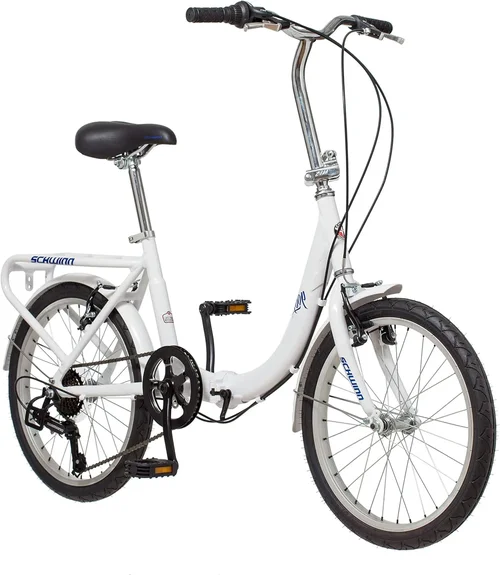
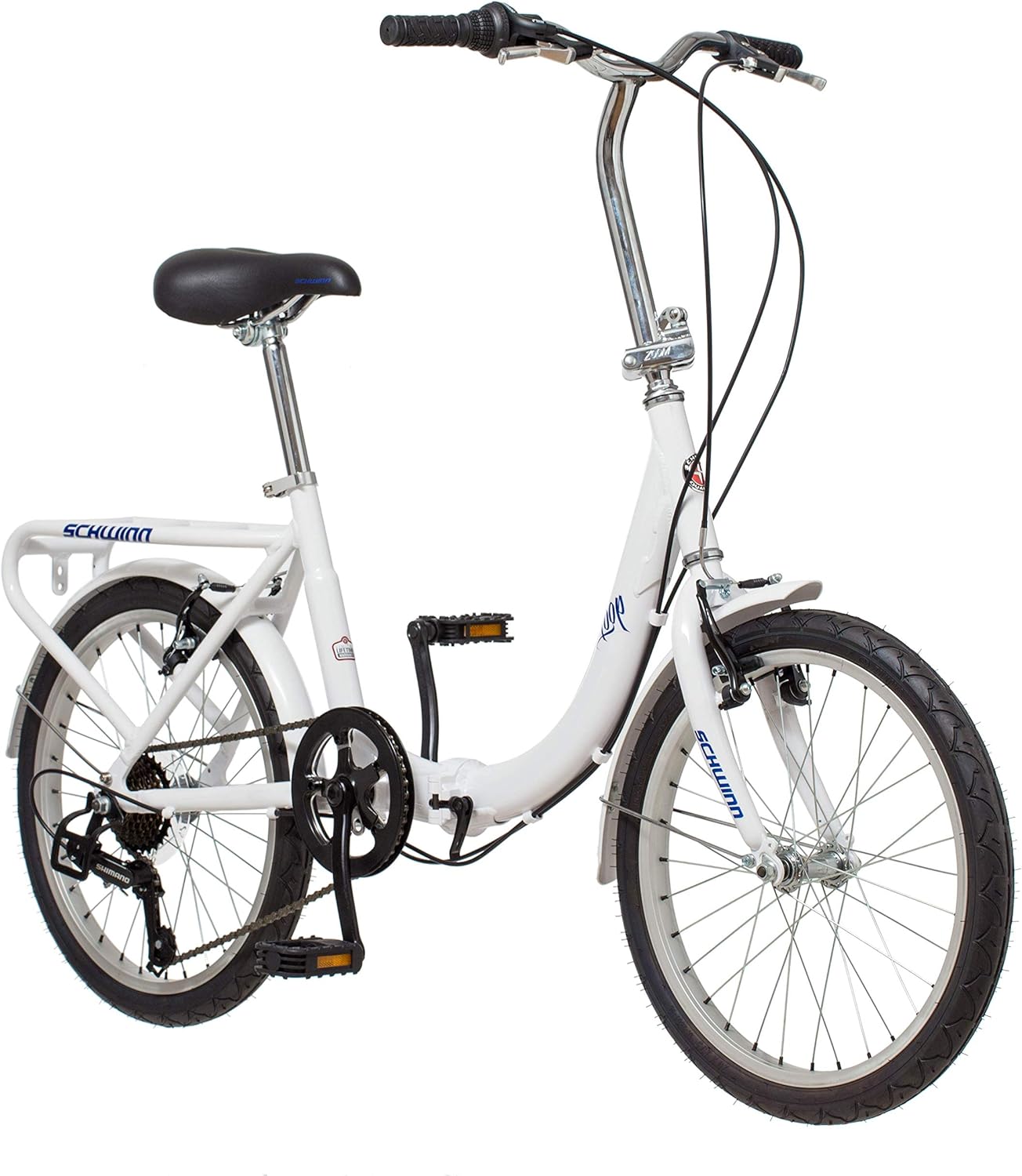
Q: Are folding bikes really lightweight?
A: Many folding bikes are designed for portability and can weigh as little as 18–22 pounds. However, they often sacrifice ride quality and durability. Choose models with aluminum frames and quality components for the best balance.
Q: Do electric bikes have to be heavy?
A: Not anymore. Advances in battery and motor tech have led to e-bikes under 40 pounds. Look for models with integrated batteries and lightweight frames from brands like Specialized, Trek, or Rad Power Bikes.
Q: How important is weight for commuting?
A: Very important if you need to carry your bike upstairs, onto public transport, or store it in tight spaces. A lighter bike makes daily commuting less of a chore.
Q: Can I ride a lightweight bike on trails?
A: Yes, but choose the right type. Gravel bikes and lightweight hardtail mountain bikes are great for light trails. Avoid full-suspension models if weight is your top priority.
Q: What’s the difference between weight and stiffness?
A: Weight is how heavy the bike is; stiffness affects how efficiently power transfers from pedals to wheels. A stiff, lightweight bike accelerates faster and handles better. Look for frames with high stiffness-to-weight ratios.
Q: How do I maintain a lightweight bike?
A: Clean it regularly, lubricate the chain, check tire pressure, and inspect bolts and components. Carbon frames need extra care—avoid overtightening and use torque wrenches.
Q: Is a lighter bike always faster?
A: Not necessarily. Aerodynamics, rider fitness, and rolling resistance matter more at high speeds. But on hills and during acceleration, lighter bikes have a clear advantage.
Our Final Recommendations
Best for Budget-Conscious Buyers: Giant Escape 3 – A lightweight aluminum hybrid under $600, perfect for commuting and casual rides. Reliable components, comfortable geometry, and a weight of just 24.5 pounds.
Best Overall Value: Canyon Endurace AL 7 – A high-performance aluminum road bike with carbon fork, Shimano 105 groupset, and a weight of 19.8 pounds. Priced around $1,500, it offers pro-level specs at a fraction of the cost.
Best Premium Option: Specialized Tarmac SL7 Expert – A race-ready carbon road bike weighing just 16.3 pounds. With SRAM Force eTap AXS and Roval CLX wheels, it’s built for speed and efficiency. Ideal for serious cyclists.
Best for Beginners: Trek FX 3 Disc – A versatile lightweight hybrid with hydraulic disc brakes, 18-speed drivetrain, and a comfortable upright position. Weighs 23.2 pounds and priced around $900.
Best for Advanced Users: Canyon Ultimate CF SLX 8 Di2 – A top-tier carbon race bike with electronic shifting, weighing just 15.9 pounds. Built for performance, precision, and speed.
Conclusion: Making the Right Choice
Choosing the best lightweight bike for adults in 2026 is about more than just numbers on a scale. It’s about finding a bike that fits your body, matches your riding style, and enhances your experience on every ride. From frame materials and component quality to fit and long-term value, every detail matters. While weight is a crucial factor, it should be balanced with durability, comfort, and usability.
As you navigate the options, remember that the “lightest” bike isn’t always the best. Prioritize your needs—whether that’s commuting efficiency, weekend adventure, or competitive performance—and let that guide your decision. Use the insights from this guide to avoid common pitfalls, maximize your budget, and make a confident purchase.
Ultimately, the right lightweight bike will feel like an extension of yourself—effortless to ride, joyous to own, and built to last. Whether you’re gliding through city streets or conquering mountain passes, a well-chosen lightweight bike opens up a world of possibilities. So take your time, do your research, and get ready to enjoy the ride of your life.