
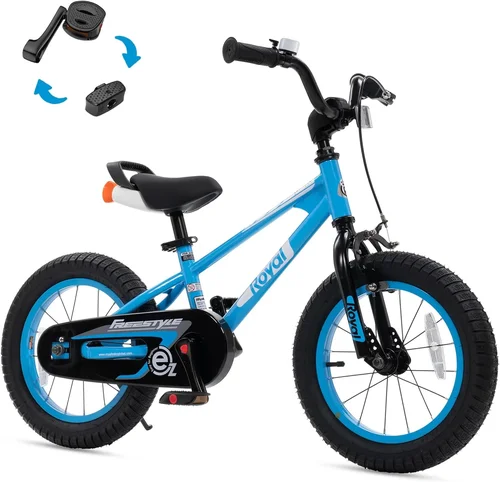
Choosing the right electric bike for your child is more than just picking a flashy ride with lights and speed—it’s about safety, development, confidence, and long-term value. As e-bikes for kids have surged in popularity over the past few years, parents are faced with an overwhelming array of options, from budget-friendly models to high-performance machines designed for off-road adventures. But not all kids’ e-bikes are created equal. Some prioritize flashy designs over structural integrity, while others cut corners on battery life or braking systems—potentially putting young riders at risk. This comprehensive buying guide is here to cut through the noise, helping you make an informed, confident decision that aligns with your child’s age, skill level, and riding environment.
In this guide, you’ll learn exactly what to look for when selecting the best kids’ e-bike in 2026. We’ll break down the most critical factors—from motor power and battery range to frame materials and safety certifications—so you can compare models like a pro. You’ll also discover the different types of kids’ e-bikes available, common pitfalls to avoid, budget expectations, and expert tips for getting the best deal. Whether you’re shopping for a first-time rider or upgrading to a more advanced model, this guide will equip you with the knowledge to choose a bike that’s safe, fun, durable, and worth every penny. The kids’ e-bike market has matured significantly, with brands now offering age-appropriate designs, improved safety features, and better performance than ever before—but knowing how to navigate this evolving landscape is key.

What to Look for When Buying a Kids E-Bike
1. Age, Weight, and Height Compatibility
One of the most overlooked yet crucial factors when buying a kids’ e-bike is ensuring it fits your child properly. A bike that’s too big or too small can be difficult to control, increasing the risk of accidents and discouraging your child from riding. Most manufacturers specify recommended age ranges (e.g., 4–8 years, 8–12 years), but these are only starting points. You should also check the bike’s weight limit and standover height—the distance from the ground to the top tube when the bike is upright. For younger riders, a low standover height allows them to put both feet flat on the ground when stopped, boosting confidence and stability.
Additionally, consider your child’s inseam measurement. A good rule of thumb is that there should be at least 1–2 inches of clearance between the top tube and your child’s groin when standing over the bike. This ensures they can dismount quickly and safely. Weight is another key factor: lighter bikes (under 40 pounds) are easier for kids to handle, especially when starting, stopping, or navigating obstacles. Heavier models may offer more power but can be cumbersome for smaller riders.
2. Motor Power and Assist Levels
The motor is the heart of any e-bike, and for kids, it needs to provide enough power to assist without overwhelming. Most kids’ e-bikes feature hub motors ranging from 250W to 500W. A 250W motor is typically sufficient for flat terrain and younger riders, offering smooth, manageable assistance. For hills or more adventurous riding, a 350W or 500W motor may be preferable. However, higher wattage doesn’t always mean better—especially for beginners. Excessive power can lead to loss of control, particularly if the bike lacks proper speed governors or throttle limits.
Look for bikes with multiple pedal-assist levels (usually 3–5). These allow your child to start with low assistance and gradually increase as their confidence and skill grow. Some models also include a throttle mode, which lets the bike move without pedaling. While convenient, throttle-only riding can be risky for inexperienced riders, so opt for bikes with adjustable or removable throttles. Many reputable brands now include speed limiters that cap the top speed at 10–15 mph, which is ideal for younger children. Always check local regulations—some areas restrict e-bike speeds for minors.
3. Battery Life and Charging Time
Battery performance directly impacts how long your child can ride before needing a recharge. Most kids’ e-bikes use lithium-ion batteries, which are lightweight, long-lasting, and rechargeable. Battery capacity is measured in watt-hours (Wh), with common ranges between 250Wh and 500Wh. A 300Wh battery typically provides 20–40 miles of range, depending on terrain, rider weight, and assist level. For casual neighborhood rides, 20–30 miles is usually sufficient, but if your child plans to explore trails or commute longer distances, aim for 40+ miles.
Charging time is another practical consideration. Most batteries take 3–6 hours to fully charge. Some premium models offer fast-charging capabilities (under 3 hours), which can be helpful if your child wants to ride multiple times in a day. Always check whether the battery is removable—this makes charging easier and allows you to swap in a spare if needed. Also, ensure the battery is securely mounted and protected from impacts, especially if the bike will be used off-road.
4. Braking System and Safety Features
Brakes are arguably the most important safety component on any bike, especially an e-bike that can reach higher speeds. For kids, reliable, easy-to-use brakes are essential. Most quality kids’ e-bikes come with either mechanical disc brakes or hydraulic disc brakes. Mechanical disc brakes are cable-actuated and generally sufficient for lighter riders and moderate speeds. Hydraulic disc brakes offer superior stopping power and modulation, making them ideal for heavier bikes or more aggressive riding.
Avoid bikes with only rim brakes (V-brakes), as they are less effective in wet conditions and wear down faster. Look for bikes with dual brakes—front and rear—so your child can stop safely even if one fails. Some models also include regenerative braking, which helps recharge the battery slightly during deceleration, though this is more common in adult e-bikes.
Additional safety features to consider include:
- LED headlights and taillights for visibility in low-light conditions
- Reflective strips on wheels, frame, and pedals
- Bell or horn for alerting pedestrians
- Kickstand for stable parking
- Speed limiter or parental control app to remotely adjust settings
These features not only enhance safety but also teach responsible riding habits.
5. Frame Material and Build Quality
The frame is the foundation of the bike, and for kids, it needs to be both durable and lightweight. Most kids’ e-bikes use aluminum alloy frames, which offer a great balance of strength, corrosion resistance, and low weight. Steel frames are stronger but significantly heavier, making them less ideal for younger riders. Carbon fiber is rare in kids’ models due to cost, but it’s worth noting for premium builds.
Inspect the welds and joints for smoothness and consistency—poor craftsmanship can lead to cracks or failures over time. The frame should also be designed with a step-through or low-entry geometry, allowing easy mounting and dismounting. Suspension is another factor: front suspension forks can improve comfort on rough terrain, but they add weight and complexity. For city or paved trail riding, a rigid fork may be sufficient. Full suspension is typically overkill for kids unless they’re serious off-roaders.
Finally, check the overall finish—powder-coated frames resist scratches and rust better than painted ones. Look for brands that use rust-resistant hardware (stainless steel or coated bolts) to ensure longevity.
6. Tire Type and Traction
Tires play a major role in ride quality, stability, and safety. Kids’ e-bikes typically come with either slick, semi-slick, or knobby tires. Slick tires are best for paved roads and offer low rolling resistance, making pedaling easier. Semi-slick tires have a smooth center with light tread on the sides, providing a compromise between speed and grip. Knobby tires are designed for off-road use, offering superior traction on dirt, gravel, and mud.
Tire width also matters. Wider tires (2.0”–2.4”) provide better stability and cushioning, which is great for beginners or rough terrain. Narrower tires (1.75”–2.0”) are faster and more efficient on smooth surfaces. Most kids’ e-bikes use 20” or 24” wheels, with 20” being ideal for ages 4–8 and 24” for ages 8–12. Ensure the tires are puncture-resistant or come with inner tubes that can be easily replaced.
Air pressure is another consideration. Underinflated tires increase rolling resistance and risk of pinch flats, while overinflated tires reduce traction and comfort. Teach your child (or check yourself) to maintain proper tire pressure based on the manufacturer’s recommendations.
7. Brand Reputation and Customer Support
Not all e-bike brands are created equal, and this is especially true in the kids’ segment. Established brands like Rad Power Bikes, Trek, Specialized, and Lectric have built reputations for quality, safety, and customer service. They often undergo rigorous testing, offer comprehensive warranties, and provide accessible support channels. In contrast, lesser-known or budget brands may cut corners on components or lack reliable售后 support.
Before buying, research the brand’s history. Look for reviews from other parents, check if they’ve had recalls, and see how they handle warranty claims. A brand that stands behind its products is more likely to offer replacements or repairs if something goes wrong. Also, consider availability of spare parts—can you easily find replacement batteries, brakes, or tires? Some brands have proprietary components that are difficult or expensive to replace.
Customer support should include clear documentation, responsive email or phone support, and possibly a local dealer network. If you’re buying online, ensure the company offers a satisfaction guarantee or return policy.
8. Warranty and Return Policy
A solid warranty is a strong indicator of a manufacturer’s confidence in their product. For kids’ e-bikes, look for at least a 1-year warranty on the frame and motor, and 6–12 months on the battery and electronics. Some premium brands offer 2-year comprehensive coverage. Pay attention to what’s covered—does it include labor, parts, or just defects? Is wear and tear excluded?
The return policy is equally important, especially if you’re buying online. A 30-day return window allows you to test the bike and ensure it’s the right fit. Some companies offer “test ride” programs or partner with local shops for in-person evaluations. Avoid brands with restocking fees or short return windows (under 14 days).
Also, check if the warranty is transferable—this can increase resale value if you plan to sell the bike later. Keep all receipts and register the product as soon as possible to activate coverage.
Different Types of Kids E-Bikes

Common Buying Mistakes to Avoid
❌ Mistake: Prioritizing Price Over Safety
Why it’s bad: The cheapest e-bikes often use subpar components—weak brakes, flimsy frames, or uncertified batteries—that can fail unexpectedly. A bike that saves you $200 upfront might cost you far more in repairs, injuries, or replacements down the line.
What to do instead: Set a realistic budget that includes safety as a non-negotiable. Invest in a bike with certified brakes, a sturdy frame, and a reputable battery. Remember: a safe bike is always a good investment.
❌ Mistake: Ignoring Fit and Size
Why it’s bad: A bike that’s too big or small is hard to control, leading to frustration and accidents. Many parents buy based on age alone, but height and weight matter more.
What to do instead: Measure your child’s inseam and compare it to the bike’s standover height. Test ride if possible. Choose a bike they can handle confidently.
❌ Mistake: Overlooking Local Laws and Regulations
Why it’s bad: Some regions restrict e-bike use for minors, limit speed, or require helmets and licenses. Riding illegally can result in fines or confiscation.
What to do instead: Check your city or state’s e-bike laws. Ensure the bike complies with speed limits and age requirements. Equip your child with proper safety gear.
❌ Mistake: Buying Based on Looks Alone
Why it’s bad: Flashy colors, lights, and decals don’t improve performance. A bike that looks cool but lacks essential features can be unsafe or unreliable.
What to do instead: Focus on functionality first. Choose a bike with solid specs, good reviews, and safety features—then pick a color your child loves.
❌ Mistake: Neglecting Maintenance and Upkeep
Why it’s bad: E-bikes require regular maintenance—tire pressure, brake checks, battery care. Ignoring this leads to poor performance and shorter lifespan.
What to do instead: Teach your child basic upkeep or schedule monthly checks. Keep a maintenance log and follow the manufacturer’s guidelines.
❌ Mistake: Skipping the Test Ride
Why it’s bad: You can’t judge comfort, handling, or fit from specs alone. A bike that looks perfect on paper might feel awkward in real life.
What to do instead: Always test ride before buying. If purchasing online, choose retailers with generous return policies.
❌ Mistake: Assuming All E-Bikes Are the Same
Why it’s bad: Kids’ e-bikes vary widely in quality, safety, and performance. Treating them as interchangeable leads to poor choices.
What to do instead: Research thoroughly. Compare models, read reviews, and prioritize features that match your child’s needs.
Budget Guidelines: How Much Should You Spend?
Kids’ e-bikes span a wide price range, and understanding what you get at each tier helps set realistic expectations.
Entry-Level ($400–$800): These bikes are ideal for young beginners or occasional riders. Expect basic components—mechanical disc brakes, 250W motors, 250–300Wh batteries, and aluminum frames. They’re lightweight and easy to handle but may lack advanced features like suspension or smart controls. Brands like Ancheer and Ecotric offer decent options in this range, though quality can vary.
Mid-Range ($800–$1,500): This is the sweet spot for most families. Bikes in this tier offer better build quality, hydraulic disc brakes, 350–500W motors, and longer battery life (300–400Wh). Many include front suspension, LED lights, and adjustable assist levels. Brands like Rad Power Bikes, Lectric, and Trek dominate this category with reliable, well-reviewed models.
Premium ($1,500–$2,500): Designed for serious young riders, these bikes feature high-performance motors, full suspension, advanced battery systems, and smart features like GPS tracking or app integration. They’re built for off-road adventures and long-distance riding. Expect top-tier components from brands like Specialized, Giant, and Haibike.
Luxury ($2,500+): These are niche products for enthusiasts or competitive young riders. They may include carbon frames, regenerative braking, custom tuning, and professional-grade suspension. While impressive, they’re often overkill for casual use and come with steep maintenance costs.
Expert Tips for Getting the Best Deal
- Shop during off-peak seasons: Late fall and winter are ideal times to buy, as retailers clear inventory for new models. You can often save 10–20% during holiday sales or end-of-season promotions.
- Compare online and in-store prices: Online retailers like Amazon, REI, and direct brand websites often have better deals than local shops. However, in-store purchases allow test rides and immediate support.
- Look for bundle deals: Some brands offer free helmets, locks, or lights with purchase. These add-ons can save you $50–$100.
- Check for refurbished or open-box models: Certified pre-owned bikes from reputable sellers can offer significant savings with full warranties.
- Read the fine print on warranties: Ensure coverage includes both parts and labor, and understand what voids the warranty (e.g., water damage, modifications).
- Use price tracking tools: Websites like Honey or CamelCamelCamel alert you when prices drop on specific models.
- Ask about trade-in programs: Some brands offer discounts when you trade in an old bike, even if it’s not electric.
- Join loyalty programs: Retailers like REI or Backcountry offer member discounts, early access to sales, and rewards points.

Frequently Asked Questions
Q: Are kids’ e-bikes safe?
A: Yes, when chosen and used properly. Look for bikes with speed limiters, reliable brakes, and safety certifications. Always supervise young riders and ensure they wear helmets.
Q: What age is appropriate for a kids’ e-bike?
A: Most kids can start around age 4–5 with a 20” bike and low power. Older children (8+) can handle 24” models with more advanced features. Always consider maturity and riding experience.
Q: Do kids need a license to ride an e-bike?
A: In most U.S. states, no—but laws vary. Some require helmets, restrict speeds, or limit where e-bikes can be ridden. Check local regulations.
Q: How long do kids’ e-bike batteries last?
A: With proper care, lithium-ion batteries last 3–5 years or 500–1,000 charge cycles. Avoid extreme temperatures and don’t store at 0% or 100% charge for long periods.
Q: Can kids ride e-bikes on sidewalks?
A: Generally no—most cities prohibit e-bikes on sidewalks for safety reasons. Stick to bike lanes, trails, or quiet streets.
Q: Are e-bikes harder to maintain than regular bikes?
A: Slightly. In addition to standard bike maintenance, you’ll need to care for the battery and motor. However, most tasks are simple and can be done at home.
Q: Can I convert a regular kids’ bike to electric?
A: Yes, with conversion kits, but it’s often less reliable and safe than a purpose-built e-bike. Kits may void warranties and lack proper integration.
Q: What should I do if the battery stops holding a charge?
A: First, check connections and try a full recharge. If it still fails, contact the manufacturer—most offer battery replacements under warranty.
Q: Are there weight limits for kids’ e-bikes?
A: Yes, typically 100–150 lbs. Exceeding the limit can damage the motor, battery, or frame. Always check the manufacturer’s specifications.
Q: Can siblings share one e-bike?
A: It’s possible if they’re similar in size and weight, but frequent adjustments can wear components. For regular use, individual bikes are safer and more convenient.
Our Final Recommendations
Best for Budget-Conscious Buyers: Rad Power Bikes RadMini Junior – At around $799, this 20” e-bike offers excellent value with a 350W motor, 30+ mile range, and hydraulic disc brakes. It’s lightweight, reliable, and backed by strong customer support.
Best Overall Value: Lectric XP 2.0 Kids – Priced at $899, this folding e-bike combines portability with performance. It features a 500W motor, 40-mile range, and a durable frame—perfect for urban and trail use.
Best Premium Option: Specialized Turbo Levo SL Kids – At $2,200, this is a top-tier e-mountain bike with a lightweight motor, full suspension, and smart connectivity. Ideal for serious young riders.
Best for Beginners: Trek Powerfly 4 Kids – With a low step-through frame, 250W motor, and intuitive controls, this $1,299 bike is perfect for first-time e-bike riders.
Best for Advanced Users: Haibike SDURO Junior 24 – Built for off-road adventures, this $1,899 model features a 500W motor, front suspension, and rugged tires—great for trail enthusiasts.
Conclusion: Making the Right Choice
Choosing the best kids’ e-bike in 2026 doesn’t have to be overwhelming. By focusing on safety, fit, performance, and value, you can find a bike that grows with your child and provides years of enjoyment. Remember: the right e-bike isn’t just about speed or style—it’s about building confidence, encouraging outdoor activity, and creating lasting memories. Take the time to research, compare, and test. Prioritize your child’s needs over trends or marketing hype. And don’t forget the importance of proper gear, supervision, and ongoing maintenance. With the insights from this guide, you’re now equipped to make a smart, informed decision. Happy riding!