
Fat tire electric bikes have surged in popularity over the past few years, and for good reason. These rugged, all-terrain machines combine the power of electric assist with the stability and traction of oversized, knobby tires—making them ideal for everything from sandy beaches and snowy trails to rocky mountain paths and urban commutes. Whether you’re an outdoor adventurer looking to explore remote landscapes or a city dweller seeking a reliable, fun way to get around, a fat tire e-bike can transform your riding experience. But with so many models flooding the market in 2026, choosing the right one can feel overwhelming. That’s where this guide comes in.
In this comprehensive buying guide, we’ll walk you through everything you need to know to make an informed decision. From understanding key performance specs like motor power and battery range to evaluating build quality, safety features, and real-world usability, we’ve done the research so you don’t have to. You’ll learn how to match your needs—whether that’s off-road capability, daily commuting, cargo hauling, or weekend trail riding—with the right bike. We’ll also break down common pitfalls, budget considerations, and insider tips to help you avoid buyer’s remorse and get the best value for your investment. By the end, you’ll have a clear roadmap to finding the perfect fat tire electric bike for your lifestyle.
The fat tire e-bike market has evolved rapidly, with brands ranging from budget-friendly newcomers to established names like Rad Power Bikes, Aventon, and Juiced Bikes offering increasingly sophisticated options. Advances in battery technology, motor efficiency, and frame design mean today’s models are more capable, comfortable, and durable than ever before. However, not all fat tire e-bikes are created equal. Some prioritize speed and range, while others focus on comfort and cargo capacity. Some are built for extreme off-roading, while others are optimized for paved roads and light trails. Understanding these differences is crucial to finding a bike that truly fits your needs—and this guide is designed to help you do just that.

What to Look for When Buying a Fat Tire Electric Bike
1. Motor Power and Type
The motor is the heart of any electric bike, and on a fat tire model, it needs to be strong enough to handle extra weight and challenging terrain. Most fat tire e-bikes come with either hub motors (located in the front or rear wheel) or mid-drive motors (mounted near the pedals). Hub motors are more common in budget and mid-range models because they’re simpler and cheaper to produce. Rear hub motors offer better traction and a more natural riding feel, while front hub motors can feel unbalanced under heavy load.
Mid-drive motors, on the other hand, are generally found on higher-end models. They leverage the bike’s gears for better efficiency and hill-climbing ability, making them ideal for serious off-road use. When it comes to power, look for a motor rated between 500W and 750W for most recreational and commuting needs. Anything above 750W is considered high-performance and may be subject to local regulations—some states and countries classify bikes over 750W as mopeds or motorcycles, requiring registration and licensing.
2. Battery Capacity and Range
Battery performance is arguably the most critical factor when choosing an e-bike. Fat tire bikes consume more energy than standard e-bikes due to increased rolling resistance and weight, so battery capacity matters even more. Battery capacity is measured in watt-hours (Wh), which is calculated by multiplying voltage (V) by amp-hours (Ah). For example, a 48V 14Ah battery delivers 672Wh of energy.
For most riders, a battery with at least 500Wh is recommended. This should provide a range of 25–40 miles on a single charge, depending on terrain, rider weight, assist level, and weather conditions. If you plan to ride long distances, tackle steep hills, or carry heavy loads, aim for 700Wh or more. Removable batteries are a major plus—they allow you to charge the battery indoors and swap in a spare for extended rides.
Also consider battery chemistry. Most e-bikes use lithium-ion (Li-ion) batteries, which offer a good balance of energy density, lifespan, and weight. Avoid older or cheaper chemistries like lead-acid, which are heavier and less efficient. Finally, check the charging time—most batteries take 4–6 hours to fully charge, but some fast-charging models can reach 80% in under 3 hours.
3. Frame Material and Build Quality
The frame is what holds everything together, so durability and material choice are vital. Most fat tire e-bikes use either aluminum alloy or steel frames. Aluminum is lighter, corrosion-resistant, and stiff, making it ideal for performance-oriented bikes. Steel frames are heavier but offer superior shock absorption and durability, which can be beneficial for rough off-road use.
Look for reinforced joints, quality welds, and a well-designed geometry that balances stability and maneuverability. A step-through frame is great for easier mounting and dismounting, especially for older riders or those with mobility issues. Meanwhile, a traditional diamond frame offers better rigidity and power transfer.
Pay attention to weight capacity as well. Fat tire e-bikes are often used for cargo hauling or by heavier riders, so check the manufacturer’s stated weight limit—typically ranging from 250 to 350 pounds. Exceeding this limit can damage the frame, motor, or battery over time.
4. Tire Size and Tread Pattern
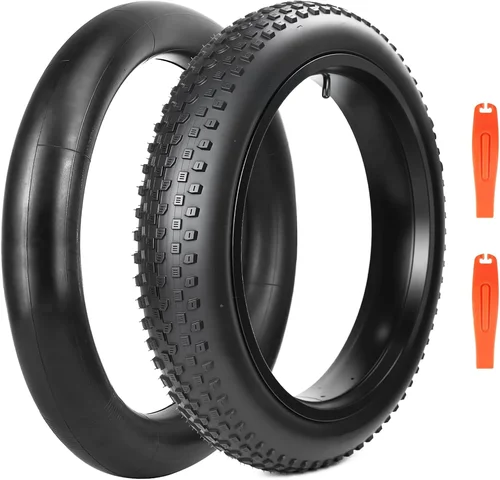
Fat tires are typically 3.8 to 5 inches wide, providing exceptional grip and flotation on soft or uneven surfaces. The standard size is 26” x 4”, but some models come in 20”, 24”, or even 27.5” diameters. Wider tires (4.5”–5”) offer more cushioning and traction but are heavier and slower on pavement. Narrower fat tires (3.8”–4”) strike a better balance between off-road capability and on-road efficiency.
Tread pattern is equally important. Knobby, aggressive treads are best for mud, sand, and snow, while smoother or semi-slick center treads improve rolling efficiency on roads and hard-packed trails. Some bikes come with puncture-resistant tires or tubeless setups, which reduce the risk of flats—especially useful if you’re riding in remote areas.
Also consider tire pressure. Fat tires can be run at lower pressures (as low as 5–15 PSI), which increases comfort and grip. However, too little pressure can lead to rim damage or “pinch flats.” Look for bikes with adjustable suspension or wide rims that support low-pressure riding safely.
5. Suspension System
While not all fat tire e-bikes come with suspension, it’s a valuable feature for off-road comfort and control. Front suspension (fork suspension) is the most common and helps absorb bumps from the front wheel. Full suspension (front and rear) is rare on fat tire e-bikes due to weight and cost but offers the smoothest ride on technical terrain.
Look for suspension with at least 80–120mm of travel for trail riding. Air-sprung forks are lighter and more tunable than coil springs, but coil forks are more durable and require less maintenance. Some bikes use rigid forks (no suspension), which are lighter and more efficient on smooth surfaces but can be harsh on rough trails.
Even without suspension, the large volume of fat tires provides natural cushioning—often referred to as “mechanical suspension.” This makes fat tire bikes surprisingly comfortable on bumpy roads and light trails, even without traditional suspension systems.
6. Braking System
Stopping power is non-negotiable, especially on heavy e-bikes that can reach speeds of 20–28 mph. Mechanical disc brakes are common on entry-level models but require more hand force and regular adjustment. Hydraulic disc brakes are superior—they offer stronger, more consistent braking with less effort and better modulation in wet or muddy conditions.
Look for 180mm or larger rotors for improved heat dissipation and stopping power. Some high-end models feature dual-piston or four-piston calipers for even greater performance. Avoid rim brakes (V-brakes or caliper brakes) on fat tire e-bikes—they lack the power and reliability needed for heavy, fast-moving bikes.
Also consider brake integration. Many e-bikes now feature motor cutoff switches that instantly disengage the motor when the brakes are applied, improving safety and control.
7. Display and Control Interface
The display is your command center—it shows speed, battery level, assist mode, distance, and sometimes navigation or ride stats. Basic LED displays show limited info, while full-color LCD or TFT screens offer detailed data and customization options.
Look for a backlit display that’s readable in direct sunlight and waterproof for all-weather riding. Touchscreen interfaces are becoming more common on premium models and offer intuitive navigation. Some displays connect to smartphone apps via Bluetooth, allowing you to track rides, update firmware, or lock the bike remotely.
Control placement matters too. Throttle and assist level buttons should be within easy reach of your thumb or fingers without taking your hands off the grips. Twist throttles are simple and intuitive, while thumb throttles offer more precise control.
8. Weight and Portability
Fat tire e-bikes are inherently heavy—most weigh between 60 and 80 pounds due to the motor, battery, and oversized components. This can make lifting, storing, or transporting them a challenge. If you plan to carry the bike upstairs, load it into a car, or store it in a small apartment, weight becomes a major consideration.
Some models feature folding frames, which greatly improve portability. Folding fat tire e-bikes are ideal for commuters who need to combine biking with public transit or store the bike in tight spaces. However, folding mechanisms can add complexity and reduce rigidity, so check for solid construction and secure locking hinges.
Also consider wheel size. Smaller wheels (20” or 24”) are easier to manage and store, while 26” wheels offer better rollover ability and stability. If portability is a priority, look for bikes with quick-release wheels or integrated carrying handles.
9. Additional Features and Accessories
Modern fat tire e-bikes often come with a range of built-in features that enhance convenience and safety. Integrated lighting (front and rear) is essential for night riding and is often powered by the main battery. Look for bright LED lights with multiple modes (steady, flashing, daylight running).
Fenders and racks are practical additions—fenders keep mud and water off you in wet conditions, while rear racks allow you to carry groceries, backpacks, or cargo boxes. Some bikes even come with front racks or pannier compatibility for serious hauling.
Other useful features include kickstands (center mounts are more stable than side stands), phone mounts, USB charging ports, and anti-theft systems like GPS trackers or app-based locks. While not essential, these extras can significantly improve your riding experience.
Different Types of Fat Tire Electric Bikes

Common Buying Mistakes to Avoid
❌ Mistake: Prioritizing Price Over Performance
Why it’s bad: The cheapest fat tire e-bikes often cut corners on motor quality, battery capacity, and build materials. You might end up with a bike that overheats on hills, has a short range, or breaks down after a few months.
What to do instead: Set a realistic budget based on your needs. A $1,500 bike won’t perform like a $3,500 model, but it can still be excellent for casual use. Focus on value—look for bikes with good reviews, solid warranties, and reputable components.
❌ Mistake: Ignoring Local Laws and Regulations
Why it’s bad: E-bike laws vary by state and country. Some places restrict motor power, speed, or where you can ride. Buying a 1,000W bike in a 750W-limited area could result in fines or confiscation.
What to do instead: Research your local regulations before buying. Check speed limits, helmet requirements, and whether your bike needs to be registered. Stick to Class 1, 2, or 3 e-bikes (pedal-assist only, throttle-assisted, or speed-limited) as defined by your region.
❌ Mistake: Overlooking Battery Replacement Costs
Why it’s bad: E-bike batteries degrade over time and typically last 500–1,000 charge cycles. Replacing a battery can cost $500–$1,000—sometimes more than half the bike’s original price.
What to do instead: Choose a model with a widely available, standardized battery. Check if the brand offers battery replacement programs or extended battery warranties. Avoid proprietary batteries that are hard to source.
❌ Mistake: Not Test Riding Before Buying
Why it’s bad: E-bikes feel different from regular bikes. Weight distribution, throttle response, and handling can vary significantly between models. Buying online without testing can lead to discomfort or dissatisfaction.
What to do instead: Visit local dealers or attend e-bike demo events. If buying online, choose retailers with generous return policies (30 days or more). Some brands even offer at-home test rides.
❌ Mistake: Neglecting Maintenance Requirements
Why it’s bad: Fat tire e-bikes require regular maintenance—tire pressure checks, brake adjustments, chain lubrication, and battery care. Ignoring these can lead to poor performance, safety issues, or premature wear.
What to do instead: Learn basic maintenance or find a local shop that services e-bikes. Keep a maintenance schedule and invest in quality tools. Some brands offer free tune-ups or service plans.
❌ Mistake: Choosing the Wrong Size or Fit
Why it’s bad: A poorly fitting bike can cause discomfort, reduce control, and increase injury risk. Fat tire bikes are heavy, so proper fit is even more important for safe handling.
What to do instead: Check the manufacturer’s size chart based on your height and inseam. Look for adjustable seat posts and handlebars. If possible, test ride different frame sizes.
❌ Mistake: Falling for “Too Good to Be True” Deals
Why it’s bad: Scam websites and counterfeit brands often sell fake or low-quality e-bikes at suspiciously low prices. These bikes may lack safety certifications, use dangerous batteries, or never arrive at all.
What to do instead: Buy from reputable retailers or directly from established brands. Check for customer reviews, return policies, and contact information. Avoid deals that seem unrealistically cheap.
Budget Guidelines: How Much Should You Spend?
Fat tire electric bikes span a wide price range, and your budget should reflect how you plan to use the bike. Here’s a breakdown of what to expect at different price tiers:
- Entry-Level ($800 – $1,500): These bikes are great for casual riders and light commuting. Expect basic components—hub motors around 500W, 48V 10–12Ah batteries (480–576Wh), mechanical disc brakes, and minimal features. Build quality may be adequate but not exceptional. Ideal for paved roads and light trails. Examples include the Ancheer AN-EB003 or Ecotric Fat Tire.
- Mid-Range ($1,500 – $2,800): This is the sweet spot for most buyers. Bikes in this range offer better motors (500–750W), higher-capacity batteries (600–800Wh), hydraulic disc brakes, and improved displays. You’ll find models with suspension, integrated lights, and racks. Brands like Rad Power Bikes, Aventon, and Juiced Bikes dominate this segment. Perfect for daily commuting, weekend adventures, and moderate off-roading.
- Premium ($2,800 – $4,500): Designed for enthusiasts and serious riders, these bikes feature high-torque mid-drive motors, 700Wh+ batteries, full suspension (on some models), and advanced electronics. Expect top-tier components from brands like Shimano, SRAM, or Magura. Ideal for long-distance touring, technical trails, or cargo hauling. Examples include the RadRover 6 Plus or Aventon Aventure.2.
- Luxury ($4,500+): These are the top-tier machines, often custom-built or from boutique brands. Features may include dual batteries, GPS tracking, smartphone integration, carbon fiber frames, and professional-grade suspension. Built for extreme conditions, long expeditions, or collectors. Not necessary for most riders, but offer unmatched performance and prestige.
Expert Tips for Getting the Best Deal
- Shop During Seasonal Sales: The best time to buy an e-bike is during end-of-season sales (late fall or winter) when retailers clear out inventory. Black Friday, Cyber Monday, and New Year’s sales often feature discounts of 10–30%.
- Buy Direct from the Manufacturer: Many brands offer exclusive deals, free shipping, and extended warranties when you buy directly from their website. You may also get access to newer models before they hit retailers.
- Look for Refurbished or Open-Box Models: Certified refurbished e-bikes are often 20–40% cheaper and come with warranties. These are typically returned items that have been inspected and repaired.
- Check for Government Incentives: Some states and countries offer rebates or tax credits for e-bike purchases. For example, California’s Clean Vehicle Rebate Project (CVRP) offers up to $1,000 for qualifying e-bikes.
- Read Return and Warranty Policies: A good warranty (at least 1 year on the frame, 6–12 months on electrical components) protects your investment. Look for brands with responsive customer service and easy return processes.
- Join Online Communities: Forums like Reddit’s r/ebikes or Facebook groups often share deal alerts, user reviews, and troubleshooting tips. You might even find someone selling a used bike in great condition.
- Consider Financing Options: Many brands offer 0% APR financing for 6–24 months. This lets you spread out the cost without paying extra—just make sure you can afford the monthly payments.
- Test Ride Multiple Models: Don’t settle for the first bike you try. Test ride at least 2–3 models to compare comfort, handling, and features. Pay attention to how the bike feels on hills, turns, and rough surfaces.

Frequently Asked Questions
Q: Are fat tire e-bikes good for commuting?
A: Yes, especially if your commute includes rough roads, gravel paths, or inclement weather. The wide tires provide stability and comfort, while the electric assist makes hills and long distances manageable. However, they’re heavier and slower on pavement than standard e-bikes, so consider your route and storage options.
Q: Can I ride a fat tire e-bike in the snow?
A: Absolutely. Fat tires excel in snow due to their low pressure and large contact patch, which provides excellent flotation. Look for models with aggressive tread and consider adding studded tires for icy conditions.
Q: How fast do fat tire e-bikes go?
A: Most are limited to 20 mph (Class 2) or 28 mph (Class 3) under motor power. Actual speed depends on terrain, rider weight, and assist level. Some high-performance models can reach 30+ mph, but this may violate local laws.
Q: Do I need a license to ride a fat tire e-bike?
A: In most U.S. states, no—Class 1, 2, and 3 e-bikes are treated like regular bicycles. However, check your local regulations. Some areas require helmets, restrict where you can ride, or limit motor power.
Q: How long does the battery last?
A: Battery lifespan is measured in charge cycles—typically 500–1,000 cycles. With regular use, this translates to 2–5 years. Proper care (avoiding extreme temperatures, not draining to 0%) can extend life.
Q: Can I pedal a fat tire e-bike without the motor?
A: Yes. All e-bikes can be ridden like regular bikes. The motor only assists when you pedal or use the throttle. Pedaling without assist is great for exercise or conserving battery.
Q: Are fat tire e-bikes hard to maintain?
A: Not significantly more than regular bikes. Key maintenance includes tire pressure checks, brake adjustments, chain lubrication, and battery care. The motor and battery require minimal upkeep.
Q: Can I take a fat tire e-bike on public transit?
A: It depends on the transit system. Many buses and trains allow folding e-bikes or standard e-bikes during off-peak hours. Check local rules—some prohibit e-bikes due to weight or battery concerns.
Q: What’s the difference between a hub motor and a mid-drive motor?
A: Hub motors are in the wheel and simpler/cheaper but less efficient on hills. Mid-drive motors are near the pedals, use the bike’s gears, and offer better performance and balance—ideal for off-roading.
Q: Can I upgrade components on my fat tire e-bike?
A: Yes, to some extent. You can often upgrade tires, brakes, or displays. However, motor and battery upgrades are complex and may void warranties. Consult a professional before making major changes.
Our Final Recommendations
- Best for Budget-Conscious Buyers: Ecotric Fat Tire – At around $1,200, this bike offers solid performance with a 750W motor, 48V 13Ah battery, and hydraulic disc brakes. Great for casual riders and light off-roading.
- Best Overall Value: Rad Power Bikes RadRover 6 Plus – Priced around $1,999, it combines a powerful 750W motor, 672Wh battery, hydraulic brakes, and a full suite of commuter features. Reliable, well-reviewed, and backed by excellent customer service.
- Best Premium Option: Aventon Aventure.2 – At $2,799, this bike features a 750W rear hub motor, 80-mile range, full suspension, and a sleek design. Ideal for serious adventurers and long-distance riders.
- Best for Beginners: Juiced Bikes CrossCurrent X – With a user-friendly interface, 750W motor, and 70+ mile range, it’s perfect for new e-bike riders who want confidence and comfort.
- Best for Advanced Users: QuietKat Ranger – Built for extreme off-roading, this $4,500+ model features a 1,000W motor, full suspension, and military-grade durability. Ideal for hunters, explorers, and trail enthusiasts.
Conclusion: Making the Right Choice
Choosing the best fat tire electric bike in 2026 comes down to understanding your needs, setting a realistic budget, and doing your research. These bikes are more than just a trend—they’re versatile, powerful machines capable of transforming how you travel, explore, and experience the outdoors. Whether you’re navigating city streets, conquering mountain trails, or cruising along the beach, the right fat tire e-bike can open up new possibilities.
Remember to prioritize key factors like motor power, battery capacity, build quality, and safety features. Avoid common pitfalls like overlooking local laws or skipping the test ride. And don’t forget to consider long-term costs, including maintenance and battery replacement.
Ultimately, the best fat tire e-bike is the one that fits your lifestyle, budget, and riding goals. Take your time, compare options, and choose wisely. With the right bike, every ride can be an adventure.