
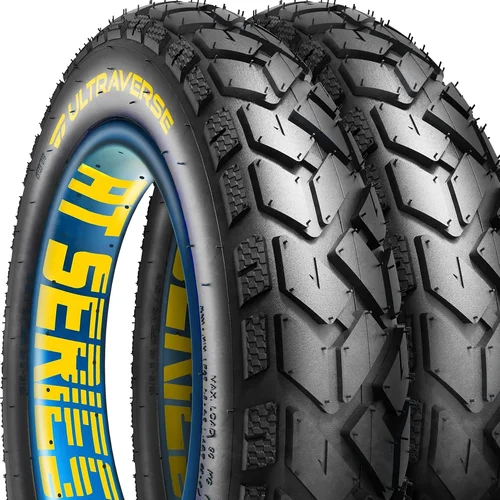
Electric bikes have revolutionized personal transportation, and fat tire e-bikes stand at the forefront of this evolution. Designed to conquer sand, snow, mud, gravel, and uneven terrain with confidence, these robust machines combine the power of electric motors with the stability and traction of oversized tires—typically 3.8 inches or wider. As we move into 2026, the fat tire e-bike market has matured significantly, offering more refined designs, longer battery life, smarter technology, and better value than ever before. Whether you’re an outdoor adventurer seeking off-grid exploration, a commuter navigating city streets in all weather, or someone looking for a fun, low-impact way to stay active, a fat tire e-bike can be a game-changer.
This comprehensive buying guide is crafted to help you cut through the noise and make an informed decision. With dozens of brands flooding the market—from budget-friendly newcomers to established industry leaders—it’s easy to feel overwhelmed. Our goal is to equip you with expert-level knowledge so you can confidently choose the right fat tire e-bike that aligns with your lifestyle, budget, and performance expectations. We’ll walk you through critical factors like motor power, battery capacity, frame materials, suspension systems, and real-world usability. You’ll also learn how to avoid common pitfalls, understand what different price tiers deliver, and discover insider tips to get the best deal.
The fat tire e-bike segment has grown beyond niche off-road use. Today, these bikes are increasingly popular among urban riders who value comfort and stability, families who want safe weekend trail rides, and even seniors seeking accessible mobility solutions. Advances in lithium-ion battery tech, regenerative braking, integrated lighting, and app connectivity have elevated the entire category. In this guide, we’ll break down everything you need to know—from technical specs to practical considerations—so you can ride away with a bike that truly fits your needs.

What to Look for When Buying a Fat Tire E-Bike
1. Motor Power and Type
The motor is the heart of any e-bike, and for fat tire models, it’s especially crucial. Most fat tire e-bikes use either hub motors (located in the front or rear wheel) or mid-drive motors (mounted near the pedals). Hub motors are simpler, more affordable, and easier to maintain, making them ideal for casual riders or those on a budget. Rear hub motors offer better traction and a more natural riding feel, while front hub motors can feel twitchy on loose terrain. Mid-drive motors, though pricier, provide superior weight distribution, hill-climbing ability, and efficiency by leveraging the bike’s gears—ideal for serious off-roaders or hilly regions.
Motor power is measured in watts (W), with common ranges from 500W to 1000W or more. In the U.S., Class 1 and Class 3 e-bikes are limited to 750W peak output, but many fat tire models exceed this for off-road use (though they may be restricted on public roads). A 750W motor is sufficient for most riders on flat terrain or moderate hills, but if you plan to tackle steep inclines, carry heavy loads, or ride in deep snow or sand, consider 1000W or higher. Also, check whether the motor offers pedal assist levels (usually 3–5) and throttle mode—essential for starting from a stop or powering through tough patches.
2. Battery Capacity and Range
Battery life determines how far you can go on a single charge—a critical factor for commuters, explorers, or anyone without frequent charging access. Battery capacity is measured in watt-hours (Wh), calculated by multiplying voltage (V) by amp-hours (Ah). A typical fat tire e-bike battery ranges from 400Wh to 900Wh. For context, a 500Wh battery might give you 30–50 miles on eco mode, but that drops to 15–25 miles on high assist or throttle-only riding.
Consider your daily mileage needs. If you commute 10 miles round-trip, a 400Wh battery is likely sufficient. But if you’re planning weekend adventures or long trail rides, aim for 600Wh or more. Also, check the battery type: lithium-ion (Li-ion) is standard due to its high energy density, long lifespan, and lightweight properties. Avoid older lead-acid or nickel-based batteries—they’re heavier and degrade faster.
Charging time matters too. Most batteries take 4–6 hours to fully charge, but some premium models offer fast-charging capabilities (2–3 hours). Removable batteries are a huge plus—they allow you to charge indoors and reduce theft risk. Always verify whether the battery is included in the price; some budget models sell it separately.
3. Tire Size and Tread Pattern
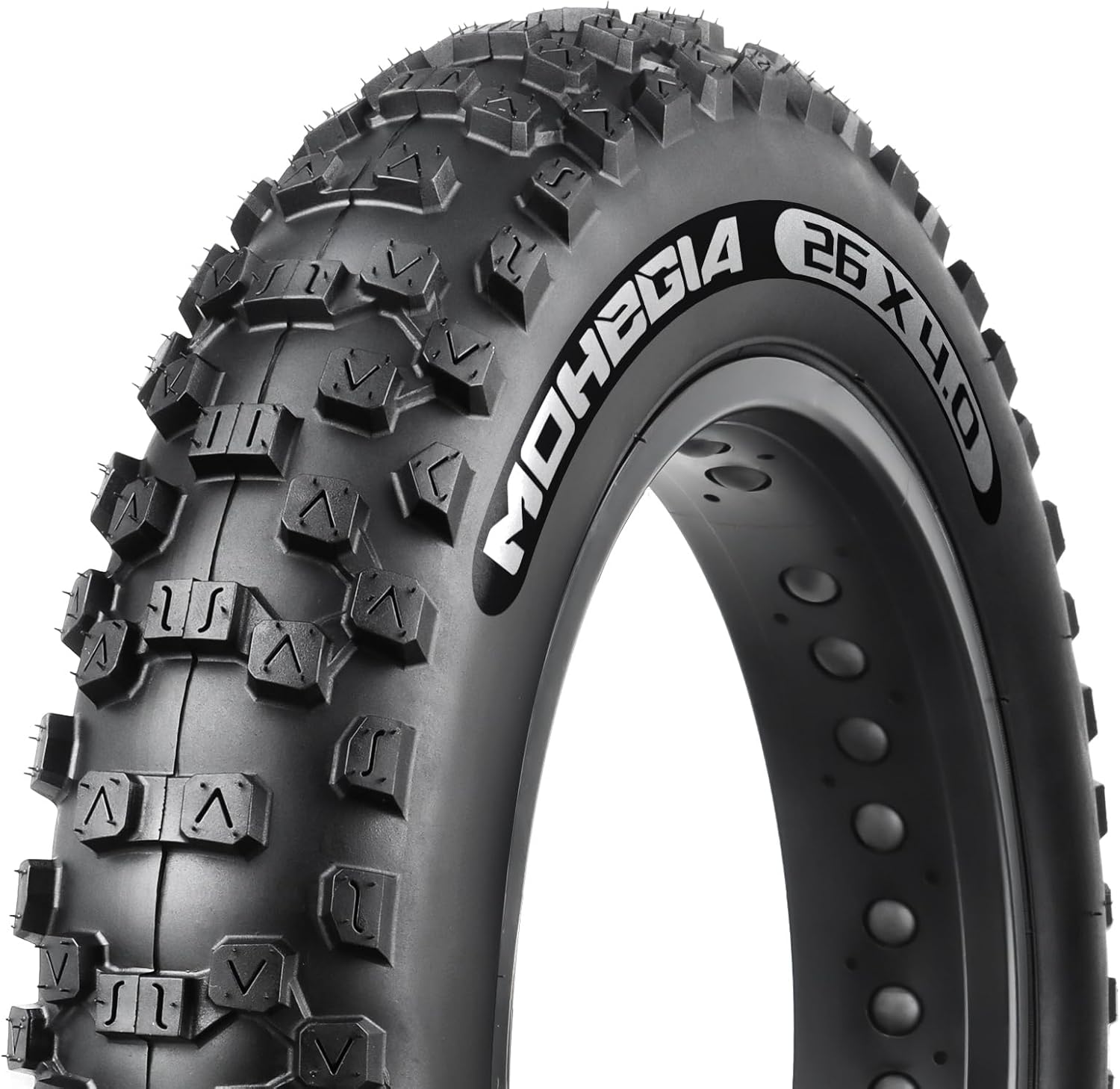
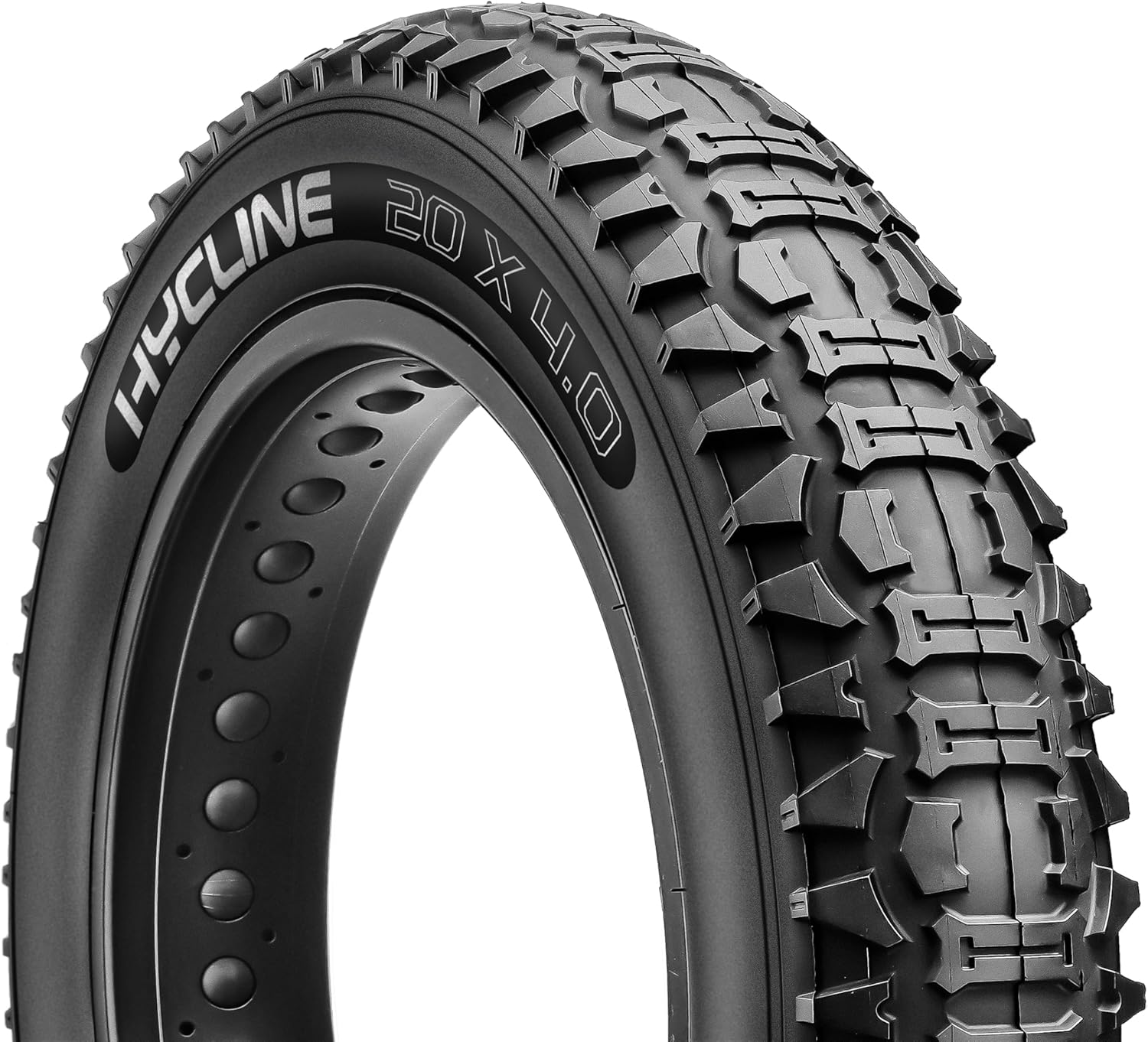
Fat tires aren’t just for show—they provide unmatched stability, shock absorption, and grip on soft or uneven surfaces. Standard fat tire widths range from 3.8″ to 5.0″, with 4.0″ being the sweet spot for most riders. Wider tires (4.5″–5.0″) excel in snow or sand but add rolling resistance and weight, reducing efficiency on pavement. Narrower 3.8″ tires offer a smoother road ride but less off-road capability.
Tread pattern is equally important. Knobby, aggressive treads (like those on mountain bikes) are perfect for mud, dirt, and loose gravel. Semi-slick or hybrid treads with center grooves provide better pavement efficiency while still handling light trails. Some models feature puncture-resistant layers or tubeless-ready rims—worth considering if you ride in thorny or rocky areas.
Don’t overlook tire pressure adjustability. Fat tires can be run at low pressures (5–15 PSI) for maximum traction off-road, then inflated higher (20–30 PSI) for smoother road riding. Look for bikes with wide-rim compatibility (80mm+) to support low-pressure setups safely.
4. Frame Material and Build Quality
The frame bears the brunt of stress, especially on rough terrain, so material choice is vital. Aluminum alloy is the most common—it’s lightweight, rust-resistant, and cost-effective. High-quality 6061 or 7005 aluminum offers excellent strength-to-weight ratios. Steel frames are heavier but incredibly durable and absorb vibrations well, making them great for comfort-focused riders, though they’re prone to rust if not properly treated.
Carbon fiber frames are rare in fat tire e-bikes due to cost and impact vulnerability, but they appear in premium models for their stiffness and lightness. Avoid cheap, thin-gauge steel or low-grade aluminum—they can crack under stress. Inspect welds for smoothness and consistency; poor welding is a red flag for structural weakness.
Also consider geometry: a slacker head tube angle improves stability at speed on descents, while a shorter wheelbase enhances maneuverability. Step-through frames are ideal for riders with limited mobility or those who frequently stop and start in traffic.
5. Suspension System
Fat tires naturally absorb bumps, but adding suspension dramatically improves ride quality—especially on technical trails. Most fat tire e-bikes feature front suspension forks with 80–120mm of travel. Air-sprung forks are lighter and tunable but require maintenance; coil springs are simpler and more durable but heavier.
Full-suspension models (with rear shock) exist but are rare and expensive, typically reserved for high-end mountain e-bikes. For casual trail riding or city use, a quality front fork is sufficient. Look for lockout features—this lets you stiffen the fork for efficient road riding, saving battery and effort.
Avoid bikes with no suspension if you plan to ride off-road. Even on pavement, suspension reduces fatigue and improves control over potholes and curbs.
6. Braking Performance
With added weight from the motor, battery, and fat tires, reliable brakes are non-negotiable. Mechanical disc brakes are common on budget models but require frequent adjustment and lose power when wet. Hydraulic disc brakes are the gold standard—they offer consistent, powerful stopping with minimal hand effort and self-adjust as pads wear.
Look for 180mm or larger rotors for better heat dissipation and stopping power. Some premium models include regenerative braking, which recaptures energy during deceleration to extend range—though the effect is modest on most e-bikes.
Never compromise on brakes. Test them if possible: a good brake should stop the bike confidently from 20 mph without squealing or fading.
7. Display and Smart Features
The display is your command center. Basic LCD screens show speed, battery level, and assist mode. Mid-range models add trip data, odometer, and backlighting. Premium bikes include color TFT displays with GPS navigation, Bluetooth connectivity, and app integration (e.g., tracking rides, adjusting settings, or locking the bike remotely).
Consider usability: can you read the screen in sunlight? Are buttons easy to press with gloves? Some displays are waterproof and shock-resistant—important for all-weather riding. App connectivity allows firmware updates, ride analytics, and anti-theft alerts, but ensure the brand supports long-term software updates.
8. Weight and Portability
Fat tire e-bikes are inherently heavy—typically 60–85 lbs—due to the motor, battery, and robust frame. This affects handling, storage, and transport. If you need to carry the bike upstairs or load it into a car, look for models under 70 lbs or those with folding frames (though folding fat tire e-bikes are rare and often compromise on rigidity).
Check the weight distribution: a well-balanced bike feels more stable. Some models include rear racks or front baskets for cargo, adding utility but also weight. Always verify the bike’s weight capacity (usually 250–350 lbs) to ensure it supports you plus gear.
9. Brand Reputation and Customer Support
Not all e-bike brands are created equal. Established names like Rad Power Bikes, Aventon, Juiced Bikes, and QuietKat have proven track records, extensive service networks, and reliable warranties. Newer or unknown brands may offer tempting prices but often lack spare parts, technical support, or long-term reliability.
Research customer reviews on independent sites (not just the brand’s website). Look for patterns: are there recurring complaints about battery failure, poor assembly, or unresponsive客服? Brands with U.S.-based support centers typically resolve issues faster than those relying on overseas distributors.
10. Warranty and After-Sales Service
A solid warranty protects your investment. Most reputable brands offer:
– 1–2 years on the frame
– 6–12 months on the battery
– 6–12 months on the motor and electronics
Some premium brands extend battery coverage to 2 years or offer prorated replacements. Avoid brands with “limited” warranties that exclude normal wear or require original purchase receipts. Also, check if local bike shops can service the bike—many won’t work on e-bikes without certification.
Different Types of Fat Tire E-Bikes
Common Buying Mistakes to Avoid
❌ Mistake: Prioritizing Price Over Quality
Why it’s bad: Ultra-cheap fat tire e-bikes (under $800) often use low-grade motors, weak batteries, and flimsy frames that fail within months. You’ll spend more on repairs or replacements than if you’d bought a reliable mid-range model.
What to do instead: Set a realistic budget ($1,200+) and focus on value, not just cost. Read reviews, check warranty terms, and prioritize brands with proven reliability.
❌ Mistake: Ignoring Local E-Bike Laws
Why it’s bad: Some fat tire e-bikes exceed legal speed or power limits for public roads. Riding an illegal bike can result in fines, confiscation, or insurance issues.
What to do instead: Check your state and city regulations. Most areas classify e-bikes into three classes based on speed and throttle use. Ensure your bike complies—especially if you plan to ride on bike paths or streets.
❌ Mistake: Overlooking Test Rides
Why it’s bad: Fat tire e-bikes handle differently than regular bikes. What looks good on paper might feel unstable, too heavy, or uncomfortable in real life.
What to do instead: Always test ride before buying. If purchasing online, choose retailers with generous return policies (30-day trials are ideal). Pay attention to seat comfort, steering responsiveness, and braking feel.
❌ Mistake: Neglecting Maintenance Needs
Why it’s bad: E-bikes require regular upkeep—battery care, brake adjustments, tire pressure checks, and drivetrain cleaning. Ignoring maintenance shortens component life and risks safety.
What to do instead: Learn basic maintenance or find a local shop that services e-bikes. Budget $100–$200 annually for tune-ups and parts.
❌ Mistake: Buying Based on Looks Alone
Why it’s bad: A sleek design doesn’t guarantee performance. Some stylish bikes sacrifice functionality—poor weight distribution, weak motors, or inadequate suspension.
What to do instead: Focus on specs and real-world performance. Use aesthetics as a tiebreaker, not the main criterion.
❌ Mistake: Assuming All Fat Tires Are Equal
Why it’s bad: Tire quality varies widely. Cheap tires wear fast, puncture easily, and offer poor grip. They can ruin an otherwise good bike.
What to do instead: Research the tire brand and model. Look for reputable names like Maxxis, Vee Tire, or Schwalbe. Consider upgrading tires later if needed.
❌ Mistake: Not Planning for Charging Access
Why it’s bad: If you live in an apartment or lack outdoor outlets, charging can be a hassle. Non-removable batteries force you to bring the entire bike indoors.
What to do instead: Choose a model with a removable battery. Ensure your living space allows safe charging away from flammable materials.
Budget Guidelines: How Much Should You Spend?
Entry-Level ($800 – $1,500): These bikes are best for casual riders on a tight budget. Expect basic 500W hub motors, 400–500Wh batteries, mechanical disc brakes, and minimal features. Brands like Heybike, Ancheer, and Ecotric offer decent options, but build quality and longevity may be limited. Ideal for paved paths, light trails, and short commutes.
Mid-Range ($1,500 – $3,000): This is the sweet spot for most buyers. You’ll get reliable 750W motors, 600–750Wh batteries, hydraulic disc brakes, quality suspension forks, and useful features like integrated lights and racks. Brands like Rad Power Bikes, Aventon, and Lectric XP dominate this tier with excellent value and customer support.
Premium ($3,000 – $5,000): Designed for enthusiasts and serious adventurers. These bikes feature high-torque mid-drive or 1000W+ hub motors, 800–900Wh batteries, full suspension (on some models), premium components (Shimano drivetrains, RockShox forks), and advanced tech (GPS, app control). QuietKat, Biktrix, and Rambo are top contenders here.
Luxury ($5,000+): For those who demand the best. Expect carbon frames, custom builds, extended-range batteries (1000Wh+), regenerative braking, and professional-grade suspension. These bikes are built for extreme conditions, long-distance touring, or competitive use. Models from brands like Specialized (with fat tire variants) or custom builders fall into this category.
Expert Tips for Getting the Best Deal
1. Shop During Off-Season Sales: Demand peaks in spring and summer. Buy in late fall or winter (November–February) for discounts of 10–30%. Many brands clear inventory for new models.
2. Compare Total Cost of Ownership: A cheaper bike may cost more long-term due to frequent repairs or short battery life. Factor in warranty length, part availability, and expected lifespan.
3. Buy Direct from Manufacturer: Brands like Rad Power Bikes and Aventon sell online, cutting out retailer markups. They often offer exclusive deals, free shipping, and better support.
4. Look for Bundle Deals: Some retailers include free accessories (helmet, lock, rack) with purchase. These can save $100–$200 versus buying separately.
5. Check Return and Trial Policies: Opt for retailers offering 14–30 day return windows. This lets you test the bike in real conditions and return it if it doesn’t fit.
6. Join Loyalty or Referral Programs: Many brands offer discounts for referrals, newsletter sign-ups, or repeat customers. Stack these with seasonal sales for maximum savings.
7. Consider Certified Pre-Owned: Reputable dealers sell inspected, warrantied used e-bikes at 20–40% off retail. Great for trying premium models affordably.
8. Read the Fine Print on Warranties: Ensure coverage includes batteries and motors. Some exclude “commercial use” or require annual servicing at authorized centers.
Frequently Asked Questions
Q: Are fat tire e-bikes street legal?
A: In most U.S. states, yes—if they meet Class 1, 2, or 3 definitions (max 20–28 mph, motor under 750W). However, some cities restrict e-bikes on sidewalks or certain trails. Always check local laws. Off-road models with higher power may be restricted to private land.
Q: How long do fat tire e-bike batteries last?
A: A quality lithium-ion battery lasts 500–1,000 charge cycles, equating to 3–5 years with regular use. Proper care (avoiding full discharges, storing at 50% charge in winter) extends lifespan.
Q: Can I ride a fat tire e-bike in the rain?
A: Yes, most are water-resistant (IP65 rating or higher). Avoid submerging the battery or motor. Dry the bike after wet rides and lubricate the chain to prevent rust.
Q: Do fat tire e-bikes require special maintenance?
A: They need the same care as regular e-bikes: tire pressure checks, brake adjustments, chain lubrication, and battery care. The wider tires may wear faster on pavement, so rotate them periodically.
Q: Are fat tire e-bikes good for beginners?
A: Absolutely. The wide tires provide stability, and pedal assist makes starting and climbing easier. Choose a model with a step-through frame and intuitive controls for the best beginner experience.
Q: Can I convert a regular bike to a fat tire e-bike?
A: Technically yes, but it’s complex and often unreliable. Fat tire frames require specific geometry and fork clearance. It’s usually better to buy a dedicated fat tire e-bike.
Q: How fast can fat tire e-bikes go?
A: Most are limited to 20 mph (Class 1/2) or 28 mph (Class 3) on pedal assist. Throttle-only speeds vary by model but rarely exceed 20 mph legally. Off-road models may go faster but aren’t street-legal.
Q: Are fat tire e-bikes good for seniors?
A: Yes. The stability reduces fall risk, and pedal assist eases joint strain. Look for low step-through frames, comfortable seats, and easy-to-use controls.
Q: What’s the difference between a fat tire e-bike and a mountain e-bike?
A: Mountain e-bikes have standard-width tires (2.0″–2.8″) and are optimized for technical trails. Fat tire e-bikes prioritize flotation on soft surfaces (snow, sand) and comfort over agility. Some bikes blend both styles.
Q: Can I take a fat tire e-bike on a plane?
A: Generally no. Lithium batteries over 160Wh are prohibited in checked luggage and often restricted in carry-ons. Check with airlines—most won’t allow e-bikes due to fire risk.
Our Final Recommendations
Best for Budget-Conscious Buyers: Lectric XP 3.0 Fat Tire – At under $1,000, it delivers 750W power, 4″ tires, hydraulic brakes, and a removable 672Wh battery. Perfect for city and light trail use with surprising build quality.
Best Overall Value: Rad Power Bikes RadRover 6 Plus – A proven favorite with a 750W motor, 672Wh battery, hydraulic brakes, and excellent customer support. Ideal for commuting, errands, and weekend adventures.
Best Premium Option: QuietKat Ranger 1000 – Built for extreme terrain, this 1000W mid-drive beast features a 960Wh battery, full suspension, and military-grade durability. Ideal for hunters, explorers, and off-grid riders.
Best for Beginners: Aventon Aventure.2 – User-friendly with a step-through frame, color display, 750W motor, and integrated lights. Smooth ride and reliable performance make it perfect for new e-bike riders.
Best for Advanced Users: Biktrix Juggernaut Ultra FS – A full-suspension, 1000W mid-drive powerhouse with dual battery support (up to 1,920Wh). Built for technical trails, long-range expeditions, and riders who demand maximum capability.
Conclusion: Making the Right Choice
Choosing the right fat tire e-bike in 2026 is about balancing performance, practicality, and personal needs. These versatile machines open doors to new adventures, easier commutes, and healthier lifestyles—but only if you pick one that truly fits your world. We’ve covered everything from motor types and battery life to budget tiers and common pitfalls, giving you the tools to make a confident, informed decision.
Remember, the “best” bike isn’t the most expensive or feature-packed—it’s the one that aligns with your riding style, terrain, and daily routine. Whether you’re cruising city streets, exploring forest trails, or carrying groceries across town, there’s a fat tire e-bike designed for you. Prioritize quality over flash, test before you commit, and don’t overlook after-sales support.
Now that you’re equipped with expert knowledge, it’s time to take action. Revisit your priorities, compare your top contenders, and when you’re ready, make the leap. The open road—and the off-road—awaits. Ride smart, ride safe, and enjoy every mile.