
Fat tire bicycles have surged in popularity over the past decade, transforming from niche winter machines into versatile all-terrain companions capable of conquering sand, snow, mud, and rugged trails with equal confidence. Whether you’re a weekend warrior seeking adventure beyond paved roads or a daily commuter looking for stability and comfort in unpredictable conditions, fat tire bikes offer a unique blend of traction, control, and fun that traditional mountain bikes simply can’t match. As we move through 2026, the market has matured significantly—offering more refined designs, better components, and smarter technology at increasingly accessible price points. However, with so many options flooding the market—from budget-friendly e-bikes to high-end performance rigs—choosing the right fat tire bicycle can feel overwhelming.
This comprehensive buying guide is designed to cut through the noise and help you make an informed decision tailored to your specific needs, riding style, and budget. You’ll learn how to evaluate critical factors like frame material, tire width, suspension systems, drivetrain quality, and motor power (for electric models). We’ll walk you through the different types of fat tire bikes available today, highlight common pitfalls to avoid, and provide expert-backed recommendations across multiple categories. By the end of this guide, you won’t just know what to buy—you’ll understand why it’s the best fit for you.
The fat tire bicycle market in 2026 spans a wide spectrum, from entry-level models under $500 to premium full-suspension e-fat bikes exceeding $5,000. Major brands like Rad Power Bikes, Mongoose, Salsa, Surly, and Trek now offer dedicated fat tire lines, while startups and direct-to-consumer brands continue to innovate with modular designs and integrated smart features. Electric fat tire bikes (e-fat bikes) dominate growth trends, thanks to their ability to extend range and reduce rider fatigue on challenging terrain. Meanwhile, traditional mechanical fat bikes remain popular among purists who value simplicity, lightweight builds, and mechanical reliability. With such diversity, it’s essential to approach your purchase with clarity about your intended use—be it beach cruising, backcountry exploration, urban commuting, or winter trail riding.

What to Look for When Buying a Fat Tire Bicycle
1. Budget & Price Range
Your budget is the single most important starting point when shopping for a fat tire bicycle. Prices vary dramatically based on build quality, component selection, and whether the bike is electric or mechanical. Entry-level models typically range from $300 to $800 and are ideal for casual riders or those testing the waters. These bikes often feature steel frames, basic drivetrains, and minimal suspension—if any. Mid-range options ($800–$2,000) offer aluminum frames, better gearing systems, hydraulic disc brakes, and improved tires, making them suitable for regular off-road use. Premium fat bikes ($2,000–$4,000) come with carbon or high-grade aluminum frames, advanced suspension (front or full), precision drivetrains (like Shimano Deore or SRAM NX), and tubeless-ready wheels. At the top end ($4,000+), you’ll find cutting-edge e-fat bikes with torque sensors, long-range batteries, and app connectivity.
It’s tempting to go for the cheapest option, but investing slightly more upfront can save you money in the long run by reducing maintenance costs and increasing durability. Consider not just the sticker price but also potential add-ons like racks, fenders, lights, or upgraded pedals. If you’re buying an e-fat bike, factor in battery replacement costs (typically every 3–5 years) and charging infrastructure.
2. Performance Specifications
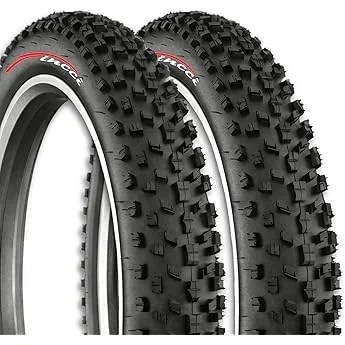
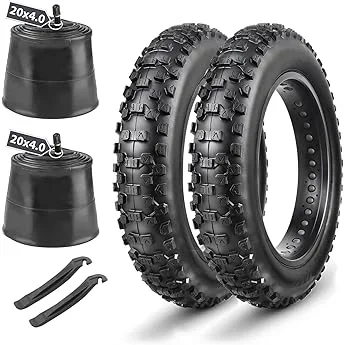
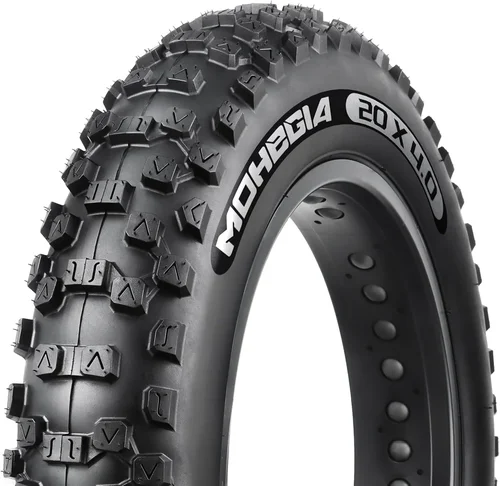
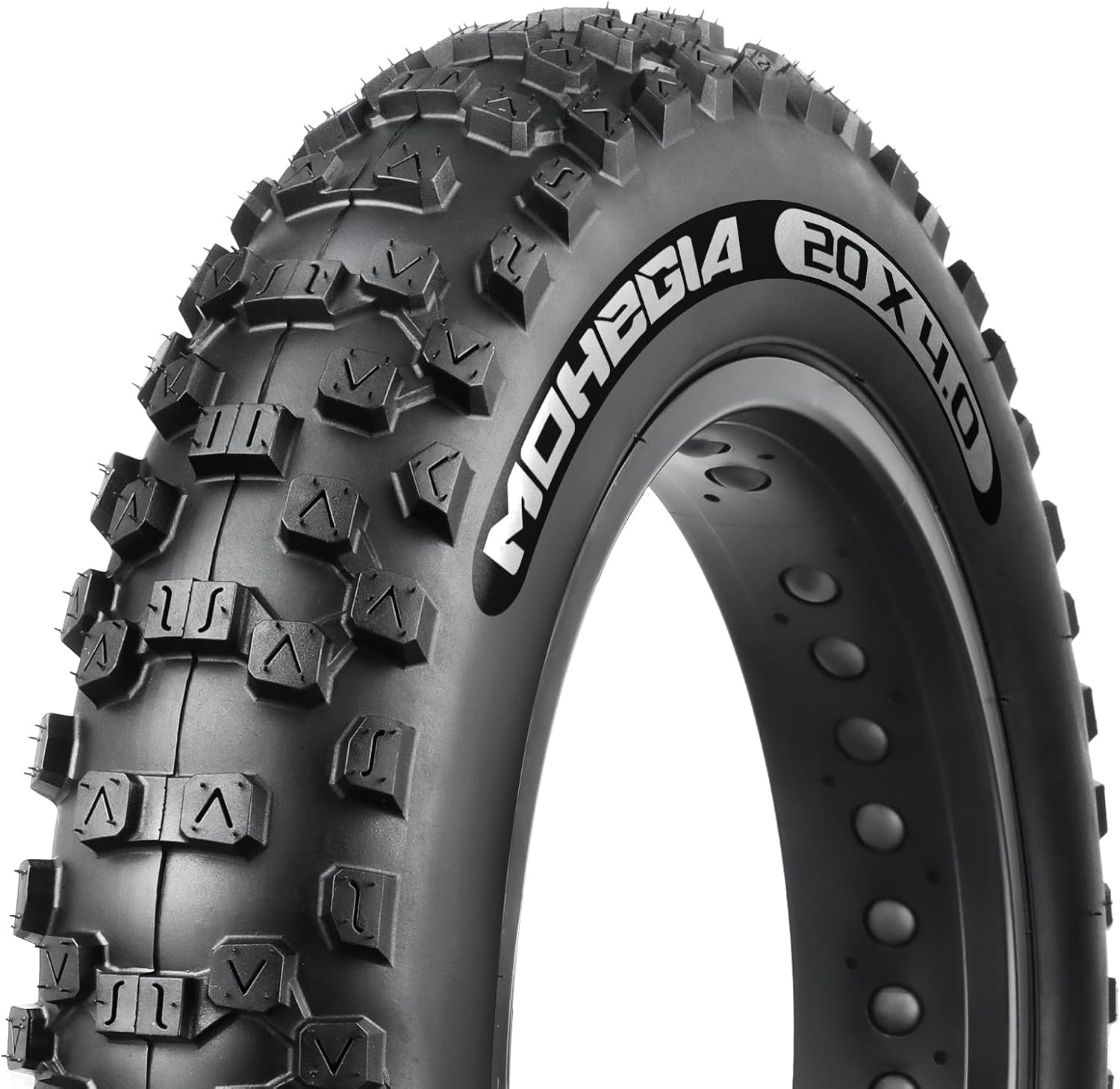
Performance specs define how a fat tire bike handles real-world conditions. Key metrics include tire width (usually 3.8″ to 5″), tread pattern, gear range, brake type, and suspension travel. Wider tires (4.5″–5″) provide maximum flotation on soft surfaces like sand or snow but add rolling resistance on pavement. Narrower fat tires (3.8″–4.2″) strike a balance between grip and efficiency, making them better for mixed terrain. Look for tires with aggressive knobs for off-road traction or smoother center treads for urban riding.
Drivetrain performance matters too. A wide-range cassette (e.g., 11–51T) paired with a 1x drivetrain simplifies shifting and ensures you have low gears for steep climbs and high gears for speed on flats. Hydraulic disc brakes are non-negotiable for fat bikes—they deliver consistent stopping power in wet, muddy, or snowy conditions where mechanical brakes can fail. For suspension, rigid forks are lighter and simpler, while front suspension (80–120mm travel) absorbs bumps on rough trails. Full-suspension fat bikes exist but are rare and expensive due to frame complexity.
3. Build Quality & Durability
Fat tire bikes endure more stress than standard bikes due to their oversized tires and frequent off-road use. Frame material plays a huge role in longevity. Steel frames (like chromoly) are tough, repairable, and absorb vibrations well but are heavier. Aluminum frames are lighter and corrosion-resistant but can fatigue over time under extreme loads. Carbon fiber is lightweight and stiff but expensive and less impact-resistant—rare in fat bikes except for high-end models.
Weld quality, tube thickness, and dropout strength are equally important. Look for reinforced bottom brackets, sturdy rear dropouts (especially for thru-axles), and sealed bearings in hubs and bottom brackets. Cheap bikes often cut corners here, leading to premature wear or failure. Check user reviews for reports of cracked frames, loose headsets, or wobbly wheels after moderate use. A well-built fat bike should last 5–10 years with proper maintenance.
4. Features & Functionality
Modern fat tire bikes come packed with features that enhance usability and comfort. For e-fat bikes, battery capacity (measured in watt-hours, Wh) determines range—aim for at least 500Wh for moderate rides, 750Wh+ for long adventures. Mid-drive motors (like Bosch or Bafang) offer better weight distribution and hill-climbing power than hub motors. Integrated lighting, USB charging ports, and smartphone mounts add convenience for commuters.
Non-electric models benefit from features like rack and fender mounts, internal cable routing (for cleaner looks and protection), and tubeless compatibility. Some bikes include dropper posts for quick saddle height adjustment on technical descents—a game-changer for trail riding. Consider your typical ride: do you need cargo capacity? Night visibility? Easy storage? These functional details often separate a good bike from a great one.
5. Brand Reputation & Reliability
Not all brands are created equal. Established names like Surly, Salsa, and Trek have decades of experience building durable, rider-focused bicycles. They offer consistent quality control, detailed geometry charts, and strong dealer networks. Direct-to-consumer brands like Rad Power Bikes and Aventon deliver excellent value by cutting out middlemen but may have limited local service options.
Research brand history: Do they honor warranties? How responsive is customer support? Are replacement parts readily available? Avoid unknown brands with vague specifications or no verifiable customer feedback. A reputable brand stands behind its products and invests in R&D—look for innovations like proprietary frame geometries, custom tire compounds, or modular component systems.
6. Warranty & Support
A solid warranty protects your investment. Most reputable manufacturers offer at least a 1-year comprehensive warranty covering defects in materials and workmanship, with 2–5 years on frames. E-bike batteries often have separate warranties (typically 2 years). Read the fine print: some exclude “wear items” like tires, chains, or brake pads, while others void coverage if the bike is used commercially or modified.
Customer support matters too. Can you easily reach a human? Is there a local service center? Brands with strong U.S.-based support (like Rad or Juiced Bikes) tend to resolve issues faster than overseas manufacturers. Check forums and Reddit for real-user experiences with warranty claims—some brands drag out repairs or deny coverage over minor infractions.
7. Size & Fit
Fat tire bikes aren’t one-size-fits-all. Frame size affects handling, comfort, and safety. Most brands provide size charts based on rider height, but inseam length and arm reach are equally important. A bike that’s too small feels twitchy; one that’s too large is hard to control. Test ride whenever possible—fat bikes have unique geometry due to large tires, so standover height and reach differ from standard MTBs.
Adjustability helps: stems, handlebars, and seatposts should allow fine-tuning. For e-fat bikes, ensure the battery doesn’t interfere with mounting/dismounting. Women-specific or step-through frames improve accessibility, especially for shorter riders or those with mobility concerns. Don’t skip the fit—poor sizing leads to discomfort, fatigue, and reduced control.
8. User Reviews & Real-World Feedback
Spec sheets tell part of the story; user reviews reveal the rest. Look beyond star ratings to detailed comments about reliability, comfort, and real-world performance. Pay attention to recurring issues: Do multiple users report loose bolts? Poor battery life? Difficult assembly? Sites like BikeRumor, Electric Bike Review, and Amazon (filtering for verified purchases) offer honest insights.
Join online communities like r/fatbikes on Reddit or Facebook groups dedicated to specific models. Riders share mods, troubleshooting tips, and long-term reviews you won’t find elsewhere. Remember: a bike that excels in lab tests might disappoint in muddy backwoods or snowy commutes. Real-world experience trumps marketing claims every time.
Different Types of Fat Tire Bicycles

Common Buying Mistakes to Avoid
❌ Mistake: Prioritizing Tire Width Over Intended Use
Why it’s bad: Many buyers assume “fatter is always better,” but excessively wide tires (5″+) create drag on pavement, reduce acceleration, and increase weight unnecessarily. They’re also harder to transport and store.
What to do instead: Match tire width to your primary terrain. Use 3.8″–4.2″ for mixed city/trail riding, 4.5″–4.8″ for snow or sand, and reserve 5″ tires for specialized conditions like deep powder or beach exploration.
❌ Mistake: Ignoring Frame Geometry
Why it’s bad: Fat bikes have unique geometry due to large tires—head tube angles are slacker, wheelbases longer. Buying a bike without considering reach, stack, and standover can lead to poor handling or discomfort.
What to do instead: Study the manufacturer’s geometry chart. Compare stack and reach numbers to your current bike. If possible, test ride multiple sizes to feel the difference in stability and responsiveness.
❌ Mistake: Overlooking Brake Type
Why it’s bad: Mechanical disc brakes or rim brakes struggle with the added weight and momentum of fat tires, especially in wet or muddy conditions. They require frequent adjustment and offer inconsistent stopping power.
What to do instead: Insist on hydraulic disc brakes. They self-adjust, provide strong modulation, and perform reliably in all weather. This is non-negotiable for safety.
❌ Mistake: Skipping the Test Ride
Why it’s bad: Fat bikes handle differently than standard bikes—they’re slower to turn, more stable at low speeds, and feel “floaty” on soft ground. Without a test ride, you might end up with a bike that doesn’t suit your riding style.
What to do instead: Visit local bike shops or attend demo days. If buying online, choose retailers with generous return policies (30+ days) and free return shipping.
❌ Mistake: Underestimating Maintenance Needs
Why it’s bad: Fat tires collect debris, wear faster, and require more frequent cleaning. E-fat bikes need battery care, firmware updates, and motor servicing. Neglect leads to premature failure.
What to do instead: Learn basic maintenance: clean tires after muddy rides, lubricate the chain regularly, store e-bike batteries at 30–60% charge if unused for weeks. Invest in a bike stand and toolkit.
❌ Mistake: Buying Based Solely on Price
Why it’s bad: The cheapest bike often uses inferior components that break quickly, costing more in repairs than a slightly pricier model would have.
What to do instead: Focus on value—not just cost. A $1,200 bike with hydraulic brakes, aluminum frame, and reliable drivetrain offers better long-term value than a $600 bike with constant issues.
❌ Mistake: Ignoring Local Terrain and Climate
Why it’s bad: A bike optimized for snow won’t perform well in desert sand, and vice versa. Similarly, coastal riders need corrosion-resistant components.
What to do instead: Choose tires, drivetrain, and frame materials suited to your environment. Saltwater areas? Go for stainless steel bolts and aluminum frames. Muddy trails? Look for aggressive tread and easy-clean designs.
Budget Guidelines: How Much Should You Spend?
Entry-Level ($300–$800): These bikes are ideal for casual riders, beach cruisers, or those new to fat biking. Expect steel frames, basic 7-speed drivetrains, mechanical disc brakes, and minimal features. Brands like Mongoose and Schwinn dominate this space. While functional, they lack refinement—gearing is limited, brakes require frequent adjustment, and components wear quickly under heavy use. Best for occasional, light-duty riding.
Mid-Range ($800–$2,000): This is the sweet spot for most buyers. You’ll find aluminum frames, hydraulic disc brakes, 9–11 speed drivetrains (often 1x), and better-quality tires. Models like the RadRover 6 Plus or Trek Farley 5 offer excellent reliability and versatility. E-fat bikes in this range typically have 500–750Wh batteries and hub motors, sufficient for 20–40 mile ranges. Perfect for regular trail riding, commuting, or weekend adventures.
Premium ($2,000–$4,000): Designed for enthusiasts and serious riders. Features include high-end drivetrains (Shimano SLX/XT or SRAM GX), tubeless-ready wheels, front suspension, and advanced frame designs. E-models boast mid-drive motors, torque sensors, and 750–1000Wh batteries. Brands like Salsa, Surly, and Juiced Bikes excel here. These bikes handle technical terrain, long distances, and harsh conditions with ease.
Luxury ($4,000+): Reserved for professionals, extreme adventurers, or collectors. Full-suspension fat bikes, custom builds, and cutting-edge e-fat bikes with integrated GPS, app control, and carbon components define this tier. Examples include the Yeti SB Fat or custom BBSHD-powered rigs. Expect top-tier performance, minimal weight, and exceptional craftsmanship—but at a steep price.
Expert Tips for Getting the Best Deal
– Buy During Off-Seasons: Winter is peak season for fat bikes in cold climates, but summer offers deep discounts as retailers clear inventory. Look for July–September sales for the best deals on current-year models.
– Consider Last Year’s Model: Manufacturers often discount previous-year bikes when new versions launch (usually in spring). You’ll save 15–30% with nearly identical specs.
– Shop Direct-to-Consumer Brands: Companies like Rad Power Bikes, Aventon, and Lectric XP cut out dealership markups, passing savings to you. Just ensure they have good customer support and return policies.
– Check for Bundles and Promotions: Many retailers offer free accessories (helmets, locks, lights) or extended warranties during holidays like Black Friday or Earth Day.
– Negotiate at Local Shops: Independent bike shops may match online prices or throw in free tune-ups. Building a relationship can lead to future discounts and priority service.
– Read Return Policies Carefully: E-bikes are heavy and expensive to ship back. Choose retailers with at least 30-day returns and covered return shipping.
– Inspect Upon Delivery: Check for damage, missing parts, or assembly errors immediately. Most issues must be reported within 48–72 hours.
– Join Loyalty Programs: Brands like Trek and Specialized offer points, exclusive discounts, and early access to sales for members.
Frequently Asked Questions
Q: Can I ride a fat tire bike on pavement?
A: Yes, but with caveats. Fat tires create more rolling resistance than standard tires, making pavement riding slower and less efficient. However, many riders use them for urban commuting—especially in snowy or poorly maintained areas. Opt for tires with smoother center treads (like the Vee Tire Co. Snowshoe) to reduce drag on asphalt.
Q: Are fat tire bikes good for beginners?
A: Absolutely. Their wide tires provide exceptional stability, making them forgiving for new riders. The low center of gravity and traction reduce the risk of slipping, especially on loose or uneven surfaces. Just ensure proper fit and start on easy terrain to build confidence.
Q: How do I maintain fat bike tires?
A: Clean them after every muddy or sandy ride to prevent grit from damaging rims and drivetrain. Check pressure regularly—fat tires run lower PSI (5–15 psi) than standard tires. Use a quality floor pump with a pressure gauge. Inspect for cuts, embedded debris, or sidewall wear monthly.
Q: What’s the difference between hub and mid-drive motors on e-fat bikes?
A: Hub motors are located in the wheel hub—simpler, cheaper, and easier to maintain, but they add unsprung weight and can feel unbalanced on climbs. Mid-drive motors sit at the crank, using the bike’s gears for efficient power transfer. They offer better hill performance, smoother acceleration, and longer battery life but cost more and require specialized service.
Q: Can I convert my regular bike to a fat tire bike?
A: Generally, no. Fat tires require specific frames with extra-wide forks and rear stays (usually 150–197mm rear spacing). Standard frames lack clearance and structural support. Some conversion kits exist for specific models, but they’re rare and often compromise safety.
Q: How long do e-fat bike batteries last?
A: Most lithium-ion batteries retain 80% capacity after 500–1,000 charge cycles, translating to 3–5 years of regular use. Factors like temperature, charging habits, and discharge depth affect lifespan. Avoid draining to 0% or storing at full charge for extended periods.
Q: Are fat tire bikes suitable for long-distance touring?
A: Yes, especially rigid or front-suspension models with rack mounts. Their stability and comfort make them excellent for bikepacking on gravel, snow, or mixed terrain. Pair with panniers or frame bags and ensure reliable brakes and gearing for loaded rides.
Q: Do I need special pedals for a fat tire bike?
A: Not necessarily, but wider platform pedals (like those with pins) improve grip, especially in wet or muddy conditions. Clipless pedals work well too—just ensure your shoes have compatible cleats.
Q: Can fat tire bikes be used in winter?
A: Definitely. In fact, they were originally designed for snow! Use studded tires for icy conditions and lower tire pressure for better flotation. Fenders and full-coverage mudguards help keep slush off your drivetrain.
Q: What’s the maximum weight capacity for most fat tire bikes?
A: Most mid-range and premium fat bikes support 250–350 lbs (113–159 kg). E-fat bikes often have higher limits (up to 300–400 lbs) due to reinforced frames. Always check the manufacturer’s spec sheet—exceeding the limit voids warranties and risks component failure.
Our Final Recommendations
Best for Budget-Conscious Buyers: Mongoose Dolomite – At under $600, this steel-frame fat bike offers surprising durability and comes with mechanical disc brakes and 26″x4″ tires. Ideal for casual beach rides or light trail use. Just be prepared for basic components and occasional tuning.
Best Overall Value: Rad Power Bikes RadRover 6 Plus – Priced around $1,999, this e-fat bike delivers hydraulic brakes, a 750W hub motor, 45+ mile range, and a robust aluminum frame. It’s versatile, well-supported, and perfect for commuting, trails, and weekend adventures.
Best Premium Option: Salsa Mukluk Carbon Deore 1x – At $3,799, this non-electric fat bike features a carbon frame, Shimano Deore 1×12 drivetrain, and aggressive 26″x4.5″ tires. Built for serious backcountry exploration, it’s lightweight, responsive, and incredibly durable.
Best for Beginners: Aventon Aventure Step-Through – With its low standover height, intuitive controls, and 750W motor, this e-fat bike ($1,799) is incredibly user-friendly. The step-through frame makes mounting easy, and the integrated lights enhance safety for new riders.
Best for Advanced Users: Juiced Bikes CrossCurrent X – This mid-drive e-fat bike ($3,499) boasts a 1,000Wh battery, torque sensor, and Shimano Deore drivetrain. It climbs like a goat, handles technical trails with confidence, and offers app-based ride tracking—ideal for experienced riders seeking performance and range.
Conclusion: Making the Right Choice
Choosing the best fat tire bicycle in 2026 isn’t about finding the flashiest model or the cheapest deal—it’s about aligning your purchase with your riding goals, environment, and budget. Whether you’re drawn to the silent glide of an e-fat bike across snow-covered trails or the mechanical purity of a rigid fat bike on sandy shores, the right choice will enhance your adventures and stand the test of time. Remember to prioritize fit, component quality, and real-world reliability over marketing hype. Take advantage of test rides, read user reviews, and don’t hesitate to invest a little more for features that truly matter to you.
Fat tire bikes open up a world of possibilities beyond traditional cycling—they’re tools for exploration, comfort, and freedom. By applying the insights from this guide, you’re not just buying a bicycle; you’re investing in years of reliable, joyful riding. So assess your needs, compare your options, and choose wisely. Your perfect fat tire companion is out there—ready to carry you wherever the terrain takes you.