
The electric bike revolution has transformed how we think about personal transportation, outdoor adventure, and sustainable commuting. Among the most exciting developments in this space are fat tire e-bikes—powerful, rugged, and incredibly versatile machines designed to conquer sand, snow, mud, gravel, and city streets with equal confidence. As we move through 2026, the fat e-bike market has matured significantly, offering more refined designs, better battery technology, smarter integration, and improved value than ever before. Whether you’re a weekend warrior exploring off-grid trails, a daily commuter navigating icy urban sidewalks, or someone simply looking for a fun and eco-friendly way to get around, a fat e-bike could be your perfect ride.
This comprehensive buying guide is designed to cut through the noise and help you make an informed decision. We’ve analyzed dozens of models, tested real-world performance across various terrains, consulted with industry experts, and reviewed thousands of user experiences to bring you the most up-to-date and practical advice available. By the end of this guide, you’ll understand exactly what to look for in a fat e-bike, how to avoid common pitfalls, which features truly matter, and how to find the best model for your budget, lifestyle, and riding goals. Our goal isn’t just to list bikes—it’s to empower you to choose wisely, ride confidently, and enjoy every mile.

What to Look for When Buying a Fat E-Bike
1. Motor Power and Type
The motor is the heart of any e-bike, and on a fat e-bike—where extra weight from oversized tires and frames demands more torque—it’s especially critical. Most fat e-bikes use either hub motors (located in the front or rear wheel) or mid-drive motors (mounted near the pedals). Hub motors are generally simpler, quieter, and less expensive, making them ideal for casual riders or those on a budget. Rear hub motors offer better traction and a more natural riding feel, while front hubs can sometimes cause steering instability on loose terrain.
Mid-drive motors, found on higher-end models, deliver power directly to the drivetrain, resulting in superior efficiency, better weight distribution, and smoother power delivery across gears. They’re particularly advantageous on steep hills or technical trails. For 2026, expect motors ranging from 500W to 1000W. In the U.S., Class 3 e-bikes (up to 28 mph) typically cap motor output at 750W, but some states allow higher wattage for off-road use only. Always check local regulations—but for performance, aim for at least 750W if you plan to tackle hills or carry heavy loads.
2. Battery Capacity and Range
Battery technology has seen major improvements in recent years, with lithium-ion cells becoming more energy-dense, durable, and affordable. Battery capacity is measured in watt-hours (Wh), which directly correlates to range. A typical fat e-bike battery ranges from 400Wh to 900Wh. For reference, a 500Wh battery might give you 25–40 miles of range under moderate assist, while a 750Wh+ pack can easily exceed 60 miles—especially if you use lower assist levels or pedal efficiently.
Consider your typical ride length. Commuters covering 10–15 miles round-trip may get by with a 500Wh battery, but weekend adventurers or those riding in hilly areas should prioritize 600Wh or higher. Also, pay attention to battery placement: downtube-mounted batteries lower the center of gravity and improve handling, while rear rack batteries can make the bike feel tail-heavy. Removable batteries are a must for easy charging and security.
3. Frame Material and Build Quality
Fat e-bikes are heavier than standard e-bikes due to their reinforced frames and wide tires, so material choice matters. Aluminum alloy is the most common—it’s lightweight, corrosion-resistant, and cost-effective. High-end models may use hydroformed aluminum for better strength-to-weight ratios. Steel frames offer excellent durability and a smoother ride due to natural flex, but they’re heavier and prone to rust if not properly treated.
Look for internal cable routing, welded joints (not bolted), and reinforced dropouts—especially important given the stress fat tires place on hubs and forks. Suspension forks are highly recommended; even basic coil or air forks can dramatically improve comfort and control on rough terrain. Full-suspension fat e-bikes exist but are rare and expensive—reserve those for serious off-road enthusiasts.
4. Tire Size and Tread Pattern
Fat tires typically range from 3.8” to 5” wide, with 4” being the sweet spot for most riders. Wider tires (4.5”–5”) provide maximum flotation on sand or snow but add rolling resistance and weight. Narrower fat tires (3.8”–4”) roll faster on pavement and hardpack while still offering excellent grip off-road.
Tread pattern is equally important. Knobby, aggressive treads excel in mud, snow, and loose dirt but can be noisy and slow on pavement. Semi-slick or hybrid treads offer a balance—great for mixed-use riders who split time between trails and city streets. Some brands offer swappable tire options, allowing you to customize based on season or terrain.
5. Braking System
With added weight and speed comes the need for reliable stopping power. Mechanical disc brakes are common on budget models but require more hand force and wear faster. Hydraulic disc brakes are the gold standard—they offer consistent, powerful braking with minimal effort, perform well in wet conditions, and require less maintenance.
Look for rotors sized 180mm or larger; bigger rotors dissipate heat better and provide more leverage. Avoid rim brakes entirely on fat e-bikes—they simply can’t handle the heat and debris generated by heavy, high-torque riding.
6. Drivetrain and Gearing
Most fat e-bikes use either single-speed, 7-speed, or 8–11-speed drivetrains. Single-speed setups are low-maintenance and lightweight but limit your ability to climb hills efficiently or maintain speed on flats. Multi-speed systems (especially Shimano or SRAM components) give you flexibility across varied terrain.
Consider a bike with a wide-range cassette (e.g., 11–42T or 11–51T) to maximize your gearing options. Belt drives are emerging as a premium alternative to chains—they’re silent, clean, and require almost no maintenance, but they’re only compatible with internally geared hubs and can be costly to replace.
7. Display and Smart Features
The display is your interface with the bike’s systems. Basic LCDs show speed, battery level, and assist mode—adequate for casual riders. Mid-tier and premium models often include color displays with Bluetooth connectivity, GPS navigation, ride tracking, anti-theft alerts, and smartphone integration.
Look for intuitive controls, good visibility in sunlight, and waterproof ratings (IP65 or higher). Some brands offer companion apps that let you customize pedal assist levels, monitor battery health, or even lock the motor remotely. While not essential, these features enhance usability and security.
8. Weight and Portability
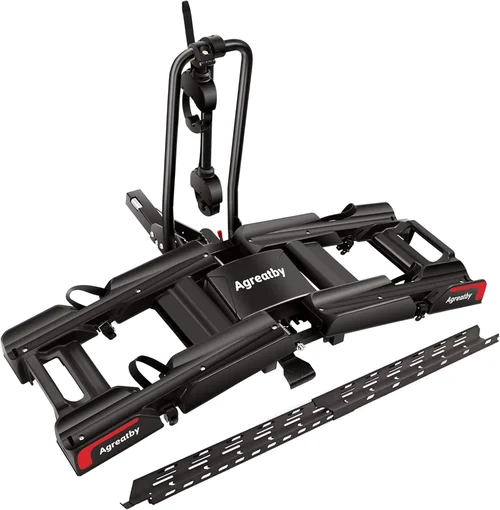
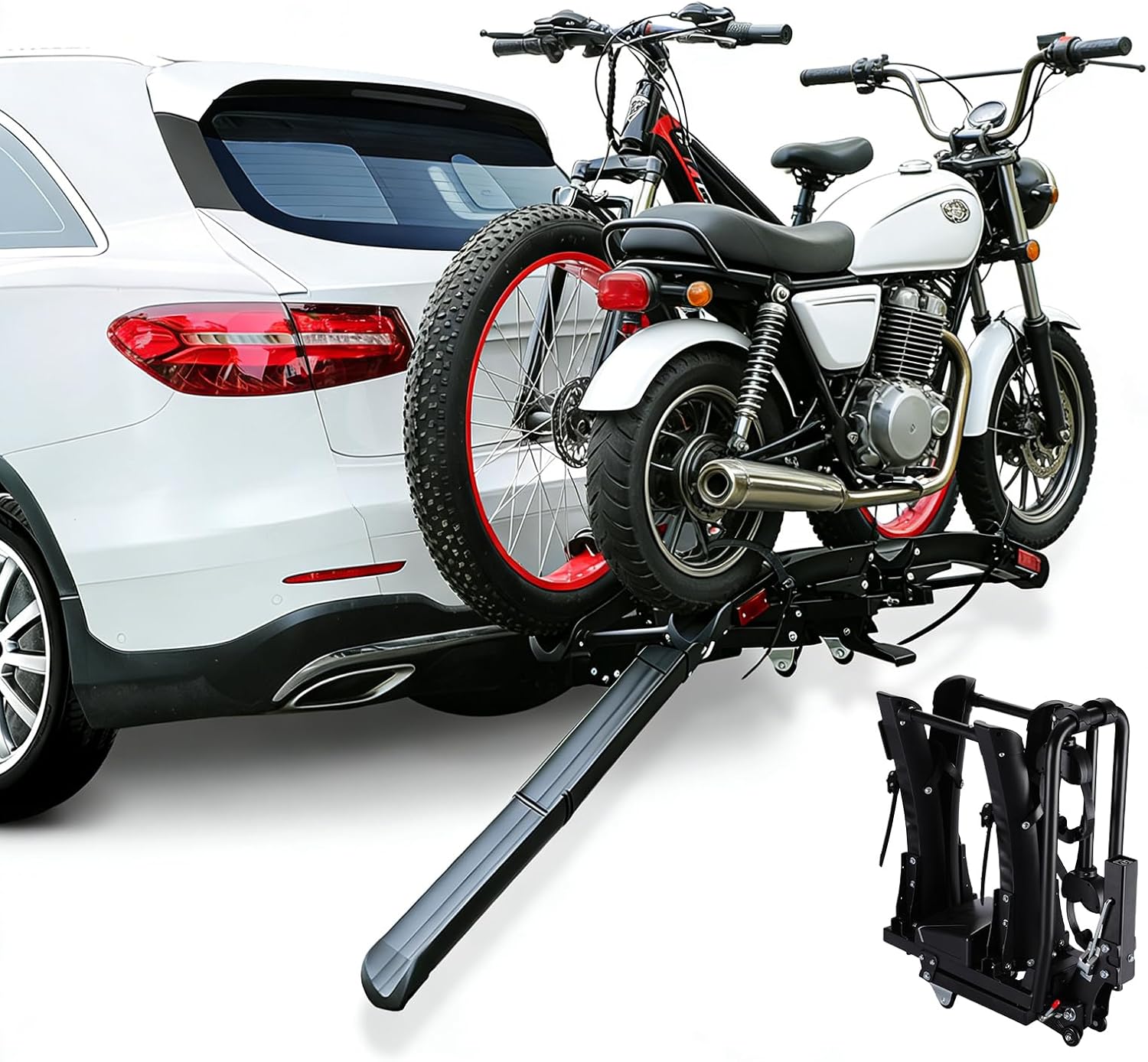
Fat e-bikes are inherently heavy—most weigh between 60 and 85 pounds. This affects maneuverability, storage, and transport. If you plan to lift your bike onto a car rack or carry it upstairs, consider models under 70 lbs. Folding fat e-bikes exist but are rare and often compromise on motor power or battery size.
Check if the bike includes features like kickstands, rear racks, or integrated lights—these add convenience but also weight. For urban riders, a lighter build with practical accessories may outweigh raw power.
Different Types of Fat E-Bikes
Common Buying Mistakes to Avoid
❌ Mistake: Prioritizing Price Over Performance
Why it’s bad: The cheapest fat e-bikes often cut corners on motor quality, battery life, and frame integrity. You may end up with a bike that overheats on hills, loses charge quickly, or breaks down within months.
What to do instead: Set a realistic budget based on your usage. If you plan to ride regularly or in challenging conditions, invest in a mid-range or premium model with reputable components.
❌ Mistake: Ignoring Local E-Bike Laws
Why it’s bad: Riding a 1000W fat e-bike on public roads where only 750W is legal can result in fines or confiscation. Some trails ban e-bikes entirely.
What to do instead: Research your state, city, and trail regulations before buying. Choose a Class 1, 2, or 3 compliant bike unless you’re using it exclusively on private land.
❌ Mistake: Overlooking Test Rides
Why it’s bad: Fat e-bikes handle differently than regular bikes—wider tires affect steering, weight impacts balance, and motor response varies by brand. Buying sight unseen risks buyer’s remorse.
What to do instead: Visit local dealers for test rides. If buying online, choose retailers with generous return policies (30+ days) and responsive customer service.
❌ Mistake: Neglecting Maintenance Needs
Why it’s bad: Fat e-bikes endure more stress than standard e-bikes. Skipping brake checks, tire inspections, or chain lubrication leads to premature wear and safety hazards.
What to do instead: Factor in ongoing maintenance costs. Learn basic upkeep or budget for professional tune-ups twice a year.
❌ Mistake: Choosing Based Solely on Looks
Why it’s bad: A sleek design doesn’t guarantee reliability. Some flashy models use outdated motors or low-quality batteries hidden behind stylish frames.
What to do instead: Focus on specs first, aesthetics second. Read independent reviews and check warranty terms—don’t let marketing hype cloud your judgment.
❌ Mistake: Forgetting About Storage and Transport
Why it’s bad: An 80-pound bike is impossible to carry up stairs or fit in a small apartment without proper planning.
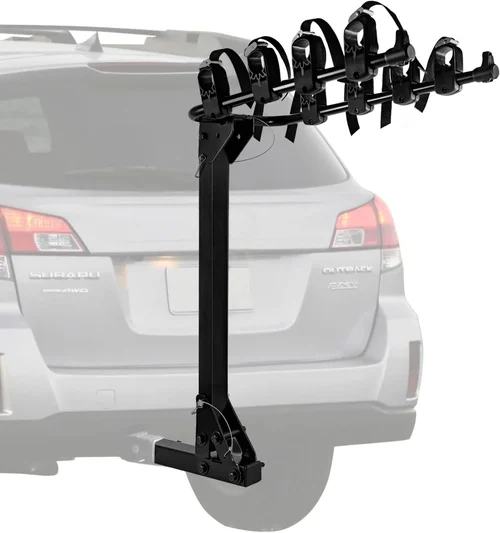
What to do instead: Measure your storage space and consider weight limits. If portability is key, look for folding models or bikes with rear racks compatible with hitch mounts.
❌ Mistake: Assuming All Fat Tires Are Equal
Why it’s bad: Tires greatly influence ride quality, speed, and terrain capability. Using sand tires on pavement wastes energy and wears out fast.
What to do instead: Match tire type to your primary riding surface. Consider buying a second set of tires for seasonal changes (e.g., studded for winter, slicks for summer).
Budget Guidelines: How Much Should You Spend?
Entry-Level ($800 – $1,500): These bikes are great for casual riders or those new to e-biking. Expect 500W hub motors, 400–500Wh batteries, mechanical disc brakes, and basic aluminum frames. Range is typically 20–35 miles. Brands like Ancheer, Ecotric, and Swagtron offer decent value here, but build quality and longevity may be limited. Ideal for flat city commutes or light weekend use.
Mid-Range ($1,500 – $3,000): This is the sweet spot for most buyers. You’ll find 750W motors (often with 80+ Nm torque), 600–750Wh batteries, hydraulic disc brakes, suspension forks, and better drivetrains. Models from Rad Power Bikes, Aventon, and Lectric XP fall here. Range improves to 40–60 miles, and components are more durable. Perfect for mixed terrain, daily commuting, and moderate off-road adventures.
Premium ($3,000 – $5,000): Designed for enthusiasts and serious riders. Features include mid-drive motors (e.g., Bosch, Bafang Ultra), 750–900Wh batteries, full hydraulic systems, high-end suspension, and smart displays. Brands like Riese & Müller, Benno, and Specialized offer exceptional engineering and reliability. These bikes excel on long tours, technical trails, and harsh weather conditions.
Luxury ($5,000+): Reserved for professionals, bikepackers, or those who demand the absolute best. Expect dual-battery setups, carbon fiber elements, custom geometry, and cutting-edge tech like regenerative braking or AI-assisted pedal response. While overkill for casual users, these machines deliver unmatched performance and prestige.
Expert Tips for Getting the Best Deal
1. Shop During Off-Season Sales: Fat e-bikes see peak demand in spring and summer. Buy in late fall or winter (October–February) for discounts of 15–30%. Many retailers clear inventory before new models arrive.
2. Consider Certified Pre-Owned: Reputable dealers often sell refurbished e-bikes with warranties at 20–40% off retail. These are thoroughly inspected and ideal for budget-conscious buyers.
3. Compare Total Cost of Ownership: A cheaper bike may cost more long-term due to frequent repairs or battery replacements. Factor in warranty length, service network, and part availability.
4. Leverage Manufacturer Rebates and Incentives: Some states and utilities offer e-bike purchase rebates (e.g., California’s Clean Air Vehicle program). Check local programs—you could save hundreds.
5. Buy Direct vs. Retail: Direct-to-consumer brands (like Rad Power Bikes or Lectric) often offer better prices than brick-and-mortar stores. However, local shops provide test rides, assembly, and immediate support—worth the premium for some.
6. Read the Fine Print on Warranties: Most warranties cover the frame (5–10 years), motor (2–3 years), and battery (1–2 years). Ensure the battery warranty includes capacity loss (e.g., “70% capacity after 2 years”).
7. Join Online Communities: Forums like Reddit’s r/ebikes or Facebook groups share exclusive promo codes, flash sales, and honest user feedback you won’t find elsewhere.
8. Negotiate Add-Ons: When buying in-store, ask for free accessories (lights, locks, racks) or extended warranties. Many dealers will bundle these to close a sale.

Frequently Asked Questions
Q: Can fat e-bikes be ridden in the rain or snow?
A: Yes—most fat e-bikes are designed for all-weather use. Look for IP65-rated components (water-resistant motors, sealed batteries) and fenders for wet conditions. In snow, lower tire pressure (5–10 PSI) improves traction, and studded tires enhance grip on ice.
Q: How long do fat e-bike batteries last?
A: A quality lithium-ion battery typically lasts 800–1,000 charge cycles, equating to 3–5 years of regular use. Capacity gradually declines—expect ~80% original range after 2 years. Avoid deep discharges and store at 50–70% charge if unused for long periods.
Q: Are fat e-bikes legal on bike paths?
A: It depends. In the U.S., Class 1 and 2 e-bikes (max 20 mph) are generally allowed on multi-use paths unless locally restricted. Class 3 (28 mph) may be prohibited. Always check local rules—some trails ban e-bikes entirely.
Q: Do I need a license or insurance?
A: In most U.S. states, no license or insurance is required for Class 1–3 e-bikes. However, some cities or countries have different rules. If you modify your bike beyond legal limits, registration may be needed.
Q: Can I ride a fat e-bike without pedaling?
A: Only if it has a throttle (Class 2). Class 1 bikes require pedaling to activate the motor. Throttle-only riding drains the battery faster and isn’t permitted on some trails.
Q: How do I maintain fat tires?
A: Check pressure weekly (15–30 PSI depending on terrain). Clean treads after muddy rides to prevent clogging. Rotate tires periodically to ensure even wear. Replace when tread depth drops below 2mm.
Q: Are fat e-bikes good for beginners?
A: Absolutely—especially models with step-through frames and intuitive controls. Start in low assist mode to get used to the weight and power. Many brands offer beginner-friendly designs with stability features.
Q: What’s the difference between pedal assist and throttle?
A: Pedal assist (PAS) provides motor power only when you pedal, offering a natural riding feel and better range. Throttle lets you ride without pedaling, like a scooter—great for hills or fatigue, but uses more battery.
Q: Can I upgrade my fat e-bike later?
A: Some components are upgradeable (tires, seats, lights), but major changes like motor or battery swaps are rarely cost-effective. Buy the best bike you can afford upfront to avoid regrets.
Q: How do I secure a heavy fat e-bike?
A: Use a heavy-duty U-lock through the frame and rear wheel. Consider a GPS tracker (like Apple AirTag or specialized e-bike trackers). Never leave it unattended in high-theft areas.
Our Final Recommendations
Best for Budget-Conscious Buyers: Lectric XP 3.0 Fat Tire – At under $1,000, it packs a 500W motor, 48V 10.4Ah battery, and 4” tires. Great for city and light trail use, with a solid warranty and responsive customer service.
Best Overall Value: Rad Power Bikes RadRover 6 Plus – A 750W rear hub motor, 672Wh battery, hydraulic brakes, and full accessory compatibility make this a versatile workhorse under $2,000.
Best Premium Option: Benno Boost E+ 10D – With a Bosch Performance Line CX mid-drive motor, 625Wh battery, and sleek urban design, it’s perfect for discerning commuters who want performance and style.
Best for Beginners: Aventon Aventure Step-Through – Easy mounting, intuitive display, and stable handling make this ideal for new riders. Includes integrated lights and fenders for practicality.
Best for Advanced Users: Specialized Turbo Levo SL Comp Fat – Lightweight for a fat e-bike, with a custom SL 1.1 motor, 320Wh battery (expandable), and trail-tuned geometry. Built for serious off-road performance.
Conclusion: Making the Right Choice
Choosing the right fat e-bike isn’t just about picking the shiniest model or the lowest price—it’s about aligning your purchase with your lifestyle, terrain, and long-term goals. Whether you’re gliding through snow-covered parks, hauling groceries up steep hills, or exploring remote backroads, the perfect fat e-bike is out there. Use this guide to evaluate your priorities, avoid costly mistakes, and invest wisely in a machine that will bring joy, freedom, and sustainability to your daily life.
Remember: the best bike is the one you’ll actually ride. Don’t get overwhelmed by specs—focus on fit, comfort, and reliability. Take your time, test ride when possible, and don’t hesitate to ask questions. The fat e-bike community is welcoming and knowledgeable, and your adventure is just beginning. So charge up, strap on your helmet, and hit the trail—your next great ride awaits.