
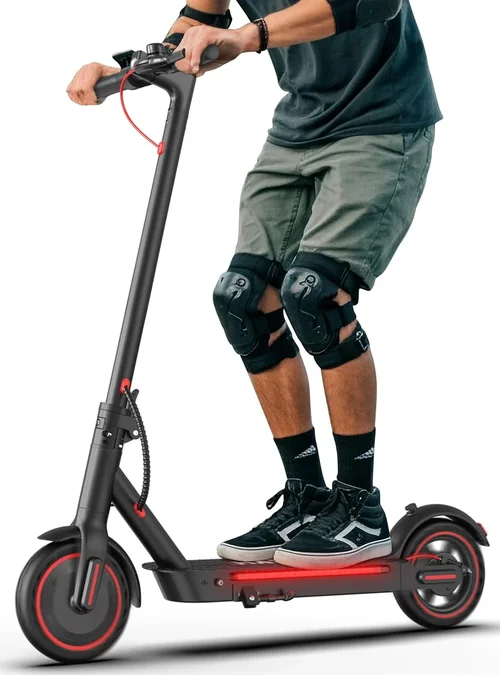
Electric scooters have evolved from niche gadgets into essential urban mobility tools. Whether you’re dodging traffic during rush hour, commuting to work, or simply exploring your city on weekends, a reliable electric scooter can transform how you move through urban environments. With cities becoming more congested and parking increasingly expensive, e-scooters offer a practical, eco-friendly, and often faster alternative to cars or public transit. But with dozens of brands, hundreds of models, and rapidly advancing technology, choosing the right electric scooter for city use has never been more confusing—or more important.
This comprehensive buying guide is designed to cut through the noise and help you make an informed decision. Whether you’re a first-time buyer or upgrading from an older model, we’ll walk you through every critical factor—from performance specs and build quality to budget considerations and hidden costs. You’ll learn how to evaluate real-world range, understand motor power vs. torque, assess portability for apartment dwellers, and avoid common pitfalls that lead to buyer’s remorse. By the end of this guide, you’ll have a clear roadmap tailored to your lifestyle, commute distance, and budget, so you can confidently choose the best electric scooter for your city adventures.
The electric scooter market has exploded in recent years, driven by advancements in battery technology, smarter design, and growing demand for sustainable transportation. In 2026, you’ll find everything from ultra-lightweight commuter scooters under $300 to high-performance machines capable of 40+ mph speeds and 50-mile ranges. Brands like Gotrax, Xiaomi, Segway-Ninebot, Apollo, and Unagi dominate the space, each offering unique strengths. Some prioritize affordability and simplicity, while others pack in premium features like regenerative braking, app connectivity, and all-terrain tires. Understanding where your needs fit within this spectrum is the first step toward finding your ideal ride.
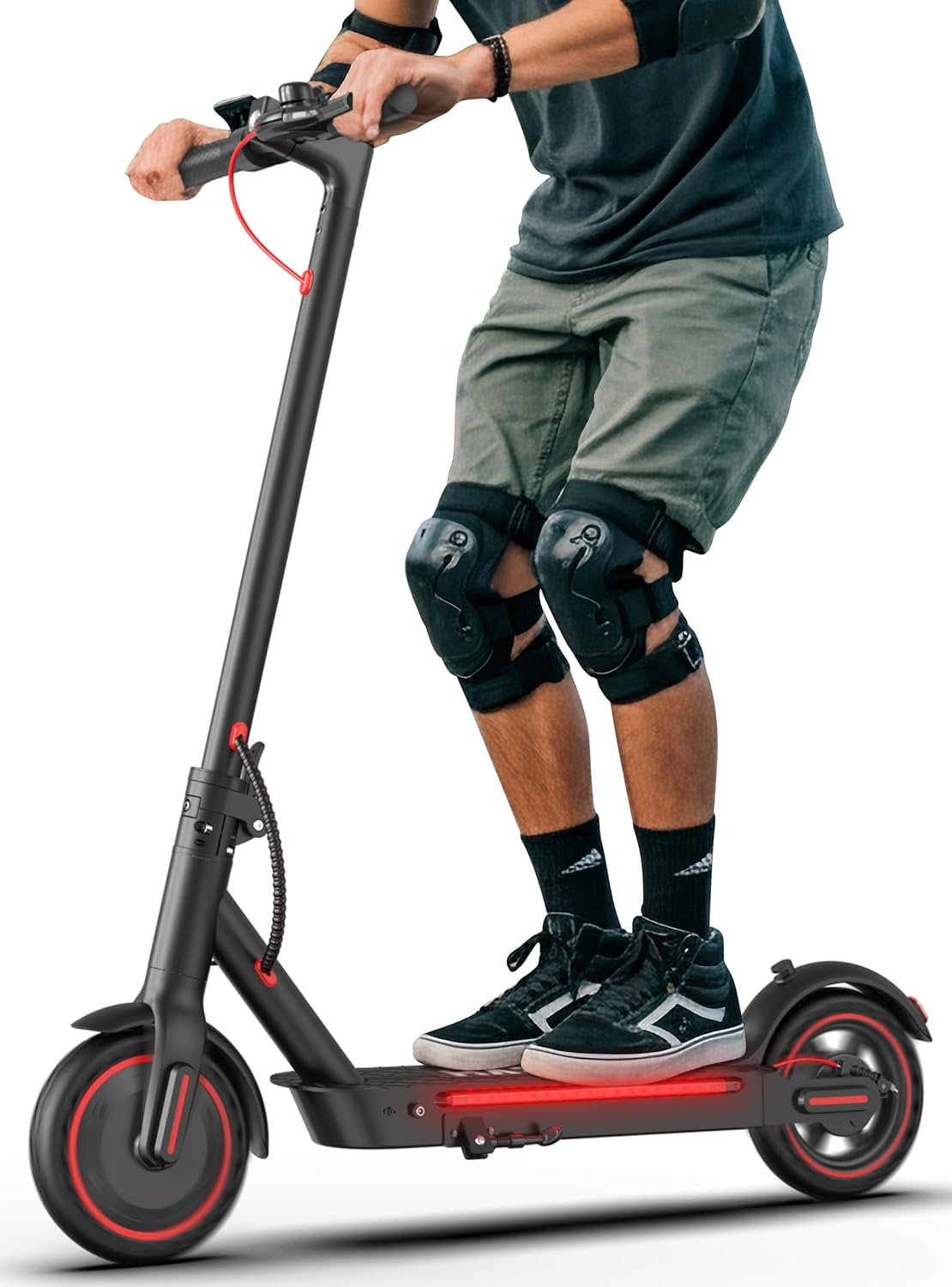
What to Look for When Buying Gotrax
1. Budget & Price Range
Your budget will heavily influence your options, but it’s crucial to understand what you’re getting—or not getting—at different price points. Entry-level scooters (under $400) often use lower-capacity batteries and weaker motors, which can struggle on hills or with heavier riders. Mid-range models ($400–$800) typically offer better build quality, longer range, and more reliable components. Premium scooters ($800+) come with advanced features like dual motors, suspension systems, and smart diagnostics. Don’t forget to factor in potential add-ons: helmets, locks, phone mounts, and replacement tires can add $50–$150 to your total cost. A good rule of thumb: spend at least $350 for a safe, durable city commuter that won’t leave you stranded after six months.
2. Performance Specifications
Performance isn’t just about top speed—it’s about real-world usability. For city commuting, look for a motor rated between 250W and 500W. Anything below 250W may struggle with inclines common in hilly cities like San Francisco or Seattle. Torque matters too: higher torque means quicker acceleration from stops, which is vital when merging into bike lanes or crossing intersections. Range is another critical spec, but manufacturers often quote “ideal conditions” range (flat ground, light rider, no wind). Subtract 20–30% from advertised range for realistic expectations. For example, a scooter claiming 20 miles might realistically deliver 14–16 miles in mixed urban terrain. Also check charging time: most take 4–6 hours, but some fast-charge models can reach 80% in under 3 hours.
3. Build Quality & Durability
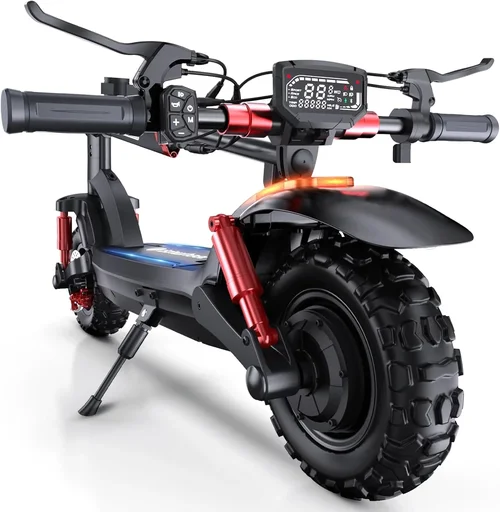
City riding exposes scooters to potholes, curbs, rain, and constant vibration—so durability is non-negotiable. Look for frames made from aircraft-grade aluminum or reinforced steel. Avoid plastic-heavy designs, especially in the deck and stem, as they’re prone to cracking. Check the IP rating: IPX4 means splash-resistant (good for light rain), while IPX5 or higher offers better protection against water jets. Tires matter too: solid rubber tires are puncture-proof but offer a harsher ride; pneumatic (air-filled) tires provide better shock absorption but require occasional maintenance. Weld quality, hinge mechanisms, and cable routing should feel solid—not flimsy or rattly. A well-built scooter should last 2–3 years with regular use.
4. Features & Functionality
Modern e-scooters come packed with features, but not all are essential. Essential city features include bright LED headlights and taillights (for visibility at night), a responsive electronic brake (or disc brake for higher speeds), and a clear LCD display showing speed, battery level, and mode. Regenerative braking can extend range by converting kinetic energy back into battery power—useful in stop-and-go traffic. App connectivity (via Bluetooth) allows firmware updates, ride tracking, and anti-theft locking, but isn’t necessary for everyone. Avoid scooters with overly complex interfaces or gimmicky features like built-in speakers unless they genuinely enhance your experience. Simplicity often equals reliability.
5. Brand Reputation
Not all brands are created equal. Established names like Gotrax, Xiaomi, and Segway-Ninebot have proven track records for reliability and customer service. Gotrax, in particular, has built a strong reputation for affordable, no-frills scooters that perform well for daily commuting. Check online forums, Reddit communities (like r/ElectricScooters), and YouTube reviews to see long-term user experiences. Be wary of unknown brands offering “too good to be true” specs at rock-bottom prices—they often cut corners on safety certifications or use counterfeit batteries. A reputable brand also means easier access to replacement parts and firmware support down the line.
6. Warranty & Support
A solid warranty is a strong indicator of a manufacturer’s confidence in their product. Most reputable brands offer at least a 12-month warranty covering motor, battery, and controller failures. Some premium brands extend this to 18 or even 24 months. Read the fine print: many warranties exclude wear-and-tear items like tires, brakes, or fenders. Also check if the company provides local service centers or requires you to ship the scooter back for repairs—this can add weeks of downtime. Gotrax, for instance, offers U.S.-based customer support and a standard 1-year warranty, which is competitive for its price range. Always register your scooter upon purchase to activate coverage.
7. Size & Portability
If you live in an apartment, take public transit, or need to carry your scooter upstairs, portability is key. Look for a folding mechanism that’s quick and secure—ideally with a locking latch. Weight matters: under 30 lbs is ideal for most adults to carry comfortably; over 40 lbs becomes cumbersome. Deck size should accommodate your foot comfortably without feeling cramped, but not so large that it’s unwieldy when folded. Handlebar height should be adjustable or suit your stature to avoid back strain. Some scooters feature telescoping stems or compact folds that fit under train seats or in car trunks. Measure your storage space before buying—some folded scooters are deceptively bulky.
8. User Reviews & Ratings
Never rely solely on manufacturer specs. Real-world user reviews reveal quirks, failures, and hidden strengths you won’t find in marketing materials. Focus on reviews from verified purchasers on platforms like Amazon, Best Buy, or specialized e-scooter sites. Pay attention to comments about battery degradation after 6–12 months, brake responsiveness in wet conditions, or stem wobble at high speeds. Look for patterns: if multiple users report the same issue (e.g., “motor cuts out on hills”), it’s likely a design flaw. Conversely, consistent praise for comfort, reliability, or customer service is a great sign. Gotrax scooters, for example, often receive high marks for value and ease of use, though some users note limited hill-climbing ability on base models.
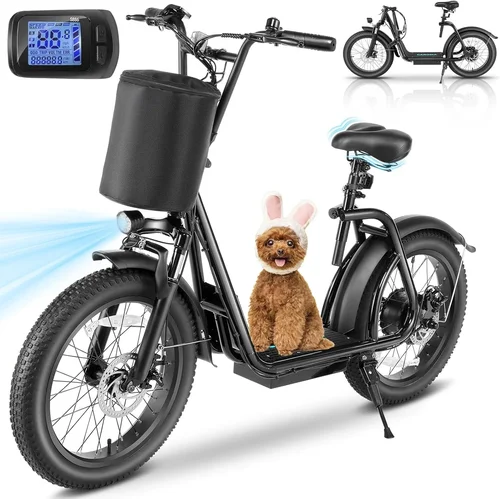
Different Types of Gotrax

Common Buying Mistakes to Avoid
❌ Mistake: Prioritizing Top Speed Over Real-World Usability
Why it’s bad: Scooters advertised with 30+ mph speeds often sacrifice range, braking power, and stability. In dense cities, you’ll rarely exceed 15–20 mph due to traffic, pedestrians, and safety concerns. High-speed scooters also tend to be heavier and less portable.
What to do instead: Focus on balanced performance: a 15–20 mph top speed is sufficient for most urban commutes. Prioritize acceleration, braking, and comfort over raw speed.
❌ Mistake: Ignoring Weight and Portability
Why it’s bad: A heavy scooter becomes a burden if you need to carry it up stairs, onto buses, or store it in a small apartment. Many buyers regret choosing powerful but bulky models that are impractical for daily use.
What to do instead: Test the weight yourself—lift the scooter when folded. Aim for under 35 lbs if portability matters. Consider where and how you’ll store it daily.
❌ Mistake: Overlooking Tire Type
Why it’s bad: Solid tires eliminate flats but transmit every bump directly to your wrists and spine. Pneumatic tires offer a smoother ride but require occasional inflation and are vulnerable to punctures.
What to do instead: Choose pneumatic tires if you ride on rough roads or prioritize comfort. Opt for solid tires only if you value low maintenance and ride mostly on smooth pavements.
❌ Mistake: Buying Based Solely on Advertised Range
Why it’s bad: Manufacturers test range under perfect conditions—light riders, flat terrain, no wind. Real-world range is typically 20–30% lower, especially in hilly cities or cold weather.
What to do instead: Calculate your daily commute distance and choose a scooter with at least 50% more advertised range than you need. Always check user reviews for real-world range reports.
❌ Mistake: Skipping Safety Features
Why it’s bad: Poor lighting, weak brakes, or lack of reflectors increase accident risk, especially at night or in wet conditions. Some budget scooters omit essential safety components to cut costs.
What to do instead: Ensure your scooter has a bright headlight, functional taillight, and reliable braking (preferably electronic + mechanical). Add reflective tape or wearable lights for extra visibility.
❌ Mistake: Neglecting After-Sales Support
Why it’s bad: Without proper warranty coverage or accessible customer service, a malfunctioning scooter can become a paperweight. Some brands outsource support to unresponsive third parties.
What to do instead: Research the brand’s support reputation before buying. Check if they offer U.S.-based service, spare parts availability, and clear warranty terms.
❌ Mistake: Forgetting About Local Laws
Why it’s bad: Many cities restrict e-scooter speed, require helmets, or ban riding on sidewalks. Using an illegal scooter can result in fines or confiscation.
What to do instead: Check your city’s regulations. Choose a scooter that complies with local speed limits (often 15–20 mph max) and consider models with speed limiters.
Budget Guidelines: How Much Should You Spend?
– Entry-Level ($250–$400): Ideal for short commutes (under 5 miles), light riders, and flat terrain. Expect basic features, shorter range (8–12 miles), and limited hill-climbing ability. Models like the Gotrax GXL V2 offer solid value here. Best for students or occasional riders.
– Mid-Range ($400–$700): The sweet spot for most city commuters. These scooters balance performance, durability, and price. Look for 15–25 mile ranges, better motors (350W+), pneumatic tires, and improved brakes. The Gotrax XR Elite and G4 excel in this tier.
– Premium ($700–$1,200): For enthusiasts, longer commutes, or those who prioritize comfort and speed. Features include dual motors, advanced suspension, app integration, and extended warranties. The Gotrax Apex fits here, offering sporty performance without breaking the bank.
– Luxury ($1,200+): Top-tier machines with cutting-edge tech, premium materials, and exceptional build quality. Often used by delivery riders or serious commuters. While Gotrax doesn’t currently offer models in this range, brands like Apollo and Dualtron dominate here.
Expert Tips for Getting the Best Deal
– Buy During Off-Peak Seasons: Scooter sales dip in winter (November–February). Retailers often discount older models to clear inventory. Black Friday and Cyber Monday offer significant savings, but spring launches (March–April) may have better新品 availability.
– Shop Directly from Manufacturers: Brands like Gotrax frequently offer exclusive discounts, free shipping, or bundled accessories (helmets, locks) on their official websites—better than third-party retailers.
– Check Refurbished or Open-Box Options: Certified refurbished scooters from reputable sellers come with warranties and can save you 20–30%. Ensure they include full battery health reports.
– Read Return Policies Carefully: Some retailers charge restocking fees or only accept returns within 7–14 days. Gotrax offers a 30-day return window on direct purchases—use it to test real-world performance.
– Test Ride When Possible: If buying locally (e.g., at Best Buy or Micro Center), ask to test the scooter. Feel the acceleration, braking, and ride comfort. Online buyers should watch detailed video reviews that simulate real riding conditions.
– Consider Total Cost of Ownership: Factor in replacement tires, brake pads, and potential battery replacements (every 2–3 years). Cheaper scooters may cost more long-term due to frequent repairs.
– Join Owner Communities: Forums and Facebook groups often share discount codes, repair tips, and early alerts on sales. Gotrax owners frequently post deals on r/Gotrax.
– Negotiate Bundles: If buying in-store, ask if they’ll throw in a helmet, phone mount, or extended warranty at no extra cost—especially during slow sales periods.

Frequently Asked Questions
Q: How far can I really ride on a single charge?
A: Real-world range depends on rider weight, terrain, speed, and weather. A 20-mile advertised range typically translates to 14–16 miles for a 160-lb rider in mixed city conditions. Always plan for 20–30% less than the manufacturer’s claim.
Q: Are electric scooters safe for city riding?
A: Yes, when used responsibly. Wear a helmet, follow traffic laws, avoid sidewalks where prohibited, and maintain your scooter regularly. Choose models with good brakes and lights for added safety.
Q: Can I ride my scooter in the rain?
A: Only if it has an IPX4 rating or higher. IPX4 protects against splashes, but avoid deep puddles or heavy downpours. Wet conditions reduce tire grip and braking efficiency—ride cautiously.
Q: How long does the battery last?
A: Most lithium-ion batteries retain 80% capacity after 500–800 charge cycles (about 2–3 years of daily use). Avoid draining to 0% regularly and store at 50–70% charge if unused for weeks.
Q: Do I need insurance for my electric scooter?
A: In most U.S. states, no—but check local laws. Some cities require liability insurance for high-speed models. Consider adding coverage to your renters or homeowners policy for theft or damage.
Q: Can I take my scooter on public transit?
A: Many buses and trains allow folded scooters, but policies vary. Check with your local transit authority. Lightweight, compact models like the Gotrax GXL V2 are ideal for multimodal commuting.
Q: What’s the difference between hub motors and belt drives?
A: Hub motors (common in Gotrax scooters) are integrated into the wheel—simple, quiet, and low-maintenance. Belt drives offer more torque and serviceability but require occasional tension adjustments and are noisier.
Q: How do I maintain my scooter?
A: Clean regularly, check tire pressure (if pneumatic), tighten bolts, lubricate moving parts, and store indoors. Inspect brakes and battery connections monthly. Keep firmware updated via the app if available.
Q: Are there age or weight limits?
A: Most scooters support riders up to 220–300 lbs. Check the specs. Age-wise, manufacturers recommend 14+, but younger riders should always wear protective gear and ride under supervision.
Q: What if my scooter breaks down?
A: Contact the manufacturer first—most offer troubleshooting guides. For warranty claims, keep your receipt and register the product. Gotrax provides U.S.-based support with average response times under 48 hours.
Our Final Recommendations
– Best for Budget-Conscious Buyers: Gotrax GXL V2 – At $349, it delivers reliable performance, 12-mile range, and a lightweight frame perfect for students and short commutes. No frills, but excellent value.
– Best Overall Value: Gotrax XR Elite – With pneumatic tires, 25-mile range, and a smooth ride, it’s ideal for daily city use. Priced at $479, it balances cost, comfort, and capability better than most competitors.
– Best Premium Option: Gotrax Apex – For those who want speed and sporty handling, the Apex hits 40 mph with hydraulic brakes and front suspension. At $729, it’s a high-performance machine without luxury pricing.
– Best for Beginners: Gotrax G4 – Easy to use, app-connected, and packed with safety features like dual braking and a bright headlight. The 32-mile range gives peace of mind for new riders exploring longer routes.
– Best for Advanced Users: Gotrax Apex – Enthusiasts will appreciate the customizable ride modes, regenerative braking, and robust build. It’s built for riders who demand performance and responsiveness.
Conclusion: Making the Right Choice
Choosing the best electric scooter for city use isn’t about finding the fastest or most feature-packed model—it’s about matching the scooter to your specific lifestyle, commute, and priorities. Whether you value affordability, portability, range, or performance, the key is to focus on real-world usability over marketing hype. Gotrax offers a compelling lineup that covers most urban needs, from the budget-friendly GXL V2 to the high-octane Apex. Remember to factor in safety, durability, and after-sales support, not just specs on a spec sheet.
Take your time, read user reviews, test ride when possible, and don’t hesitate to start with a mid-range model that gives you room to grow. Your perfect city scooter is out there—it just needs to align with how you move through your world. Once you find it, you’ll wonder how you ever lived without it. Happy riding!