
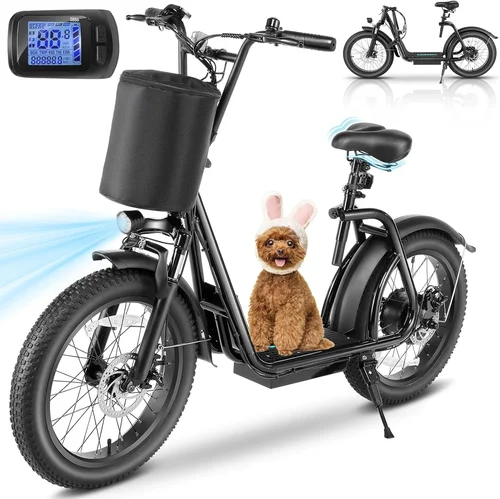
Electric scooters have evolved from niche urban curiosities into legitimate, street-legal transportation options for adults across the globe. Whether you’re commuting to work, running errands, or simply enjoying a weekend ride through the city, a high-quality electric scooter can save time, reduce your carbon footprint, and make daily travel more enjoyable. But with dozens of models flooding the market—each boasting different speeds, ranges, features, and price points—choosing the right one can feel overwhelming. That’s where this guide comes in.
In this comprehensive buying guide, we’ll walk you through everything you need to know to find the best electric scooter for adults that is not only powerful and reliable but also fully street legal in most U.S. states and international jurisdictions. We’ll break down the key factors to consider, compare different types of scooters, highlight common pitfalls, and offer expert-backed recommendations based on real-world testing and user feedback. By the end, you’ll have the knowledge and confidence to make an informed decision tailored to your lifestyle, budget, and riding needs.
The electric scooter market has matured significantly over the past few years. What once was dominated by flimsy, short-range models is now home to robust, feature-rich vehicles capable of handling city streets, hills, and even light off-road terrain. Regulatory clarity has also improved: many states now define clear rules for e-scooter operation, including speed limits, helmet requirements, and where they can be ridden. This means that buying a street-legal electric scooter isn’t just about performance—it’s about compliance, safety, and long-term usability. Whether you’re a first-time buyer or upgrading from an older model, this guide will help you navigate the landscape with clarity and precision.

What to Look for When Buying an Electric Scooter
1. Street Legality & Regulatory Compliance
Before anything else, ensure the scooter you’re considering is street legal in your area. Regulations vary widely by state, city, and country, but most jurisdictions classify electric scooters based on top speed, motor power, and whether they have brakes, lights, and turn signals. In the U.S., for example, many states allow e-scooters up to 20 mph (32 km/h) on roads and bike lanes, provided they meet basic safety standards. Some cities require registration or prohibit riding on sidewalks altogether.
Look for scooters that come equipped with essential street-legal features: front and rear LED lights, reflectors, a horn or bell, reliable braking systems (preferably disc or regenerative), and sometimes even turn signals or mirrors. Scooters with a top speed over 20 mph may require additional licensing or be restricted to private property in certain areas. Always check your local Department of Motor Vehicles (DMV) or transportation authority website before purchasing.
2. Performance Specifications
Performance is arguably the most critical factor when choosing an electric scooter. Key specs include motor power (measured in watts), top speed, range per charge, and hill-climbing ability. For urban commuting, a motor between 250W and 500W is typically sufficient, delivering speeds of 15–20 mph. However, if you live in a hilly area or want faster acceleration, consider models with 500W to 1000W motors capable of reaching 25–30 mph.
Range is equally important. Most adult commuters need at least 15–20 miles of range to cover daily trips without frequent recharging. High-end models can offer 30+ miles, but real-world range often falls short of manufacturer claims due to terrain, rider weight, and weather. Always look for scooters with lithium-ion batteries (preferably LG, Samsung, or Panasonic cells) for better longevity and consistent performance. Also, check charging time—most take 4–8 hours, but some fast-charging models can top up in under 3 hours.
3. Build Quality & Durability
A scooter’s build quality directly impacts its lifespan, safety, and ride comfort. Look for frames made from aircraft-grade aluminum or reinforced steel, which offer strength without excessive weight. Avoid cheap plastics or thin metal that can bend or crack under stress. Pay attention to suspension systems—especially if you’ll be riding on uneven pavement or pothole-ridden streets. Dual suspension (front and rear) provides a smoother ride, while single or no suspension may lead to fatigue on longer trips.
Tire type also matters. Pneumatic (air-filled) tires offer better shock absorption and grip but are prone to punctures. Solid or honeycomb tires are puncture-proof but deliver a harsher ride. Many modern scooters use hybrid tires or tubeless designs to balance comfort and durability. Additionally, check the IP rating for water resistance—IPX4 or higher means the scooter can handle light rain and splashes, which is essential for street use.
4. Safety Features
Safety should never be an afterthought. Beyond basic lights and brakes, look for advanced features like anti-lock braking systems (ABS), regenerative braking (which recaptures energy while slowing down), and electronic braking for smoother stops. Some premium models include turn signals, brake lights that illuminate when slowing, and even blind-spot alerts.
Stability is another safety consideration. Wider decks provide better foot placement and balance, especially at higher speeds. A lower center of gravity improves handling, while wider handlebars offer better control. Always wear a helmet, even if not legally required—many serious injuries occur due to falls at moderate speeds. Consider scooters with built-in speed limiters or beginner modes to help new riders acclimate safely.
5. Portability & Weight
If you plan to carry your scooter on public transit, store it under a desk, or lift it upstairs, portability is crucial. Most adult electric scooters weigh between 25 and 45 pounds. Lighter models (under 30 lbs) are easier to manage but may sacrifice durability or battery capacity. Folding mechanisms should be quick, secure, and reliable—look for scooters with one-step folding and locking latches to prevent accidental collapse.
Consider the folded dimensions as well. A compact fold makes storage in small apartments or car trunks much easier. Some scooters feature removable batteries, allowing you to carry just the battery indoors for charging—a useful feature if you live in a building without outdoor outlets. However, removable batteries can add complexity and potential points of failure, so weigh the trade-offs carefully.
6. Features & Functionality
Modern electric scooters come packed with smart features that enhance convenience and usability. A bright, readable LCD or LED display showing speed, battery level, and riding mode is standard on most models. Bluetooth connectivity allows you to sync with smartphone apps for firmware updates, ride tracking, and anti-theft locking. Some scooters even offer GPS tracking and geofencing.
Other useful features include cruise control (for maintaining steady speed on long stretches), multiple riding modes (Eco, Normal, Sport), and app-based customization of acceleration and top speed. USB charging ports let you power your phone on the go, while integrated phone mounts keep navigation within view. While these extras aren’t essential, they can significantly improve the overall experience—especially for daily commuters.
7. Brand Reputation & Customer Support
Not all electric scooter brands are created equal. Established companies like Segway-Ninebot, Xiaomi, Apollo, and Unagi have built reputations for reliability, innovation, and customer service. They typically offer better warranties, easier access to replacement parts, and responsive support teams. In contrast, lesser-known brands may cut corners on quality control or disappear after a few years, leaving you stranded with a broken scooter and no recourse.
Research brand history, read user forums, and check third-party review sites like Wirecutter, TechRadar, or Reddit communities. Look for brands that publish detailed spec sheets, provide clear user manuals, and have active social media or customer service channels. A strong community presence often indicates a company that stands behind its products.
8. Warranty & After-Sales Service
A solid warranty is a strong indicator of a manufacturer’s confidence in their product. Most reputable brands offer at least a 12-month warranty covering motor, battery, and frame defects. Some premium models come with 18–24 months of coverage. Pay attention to what’s included: does the warranty cover labor? Are batteries covered separately (they often degrade faster than other components)?
Also consider the ease of getting repairs. Can you service the scooter locally, or must you ship it back to the manufacturer? Brands with authorized service centers or partnerships with local repair shops make maintenance much simpler. Avoid companies that only offer email support or require you to pay return shipping for warranty claims—this can turn a minor issue into a costly hassle.
Different Types of Electric Scooters
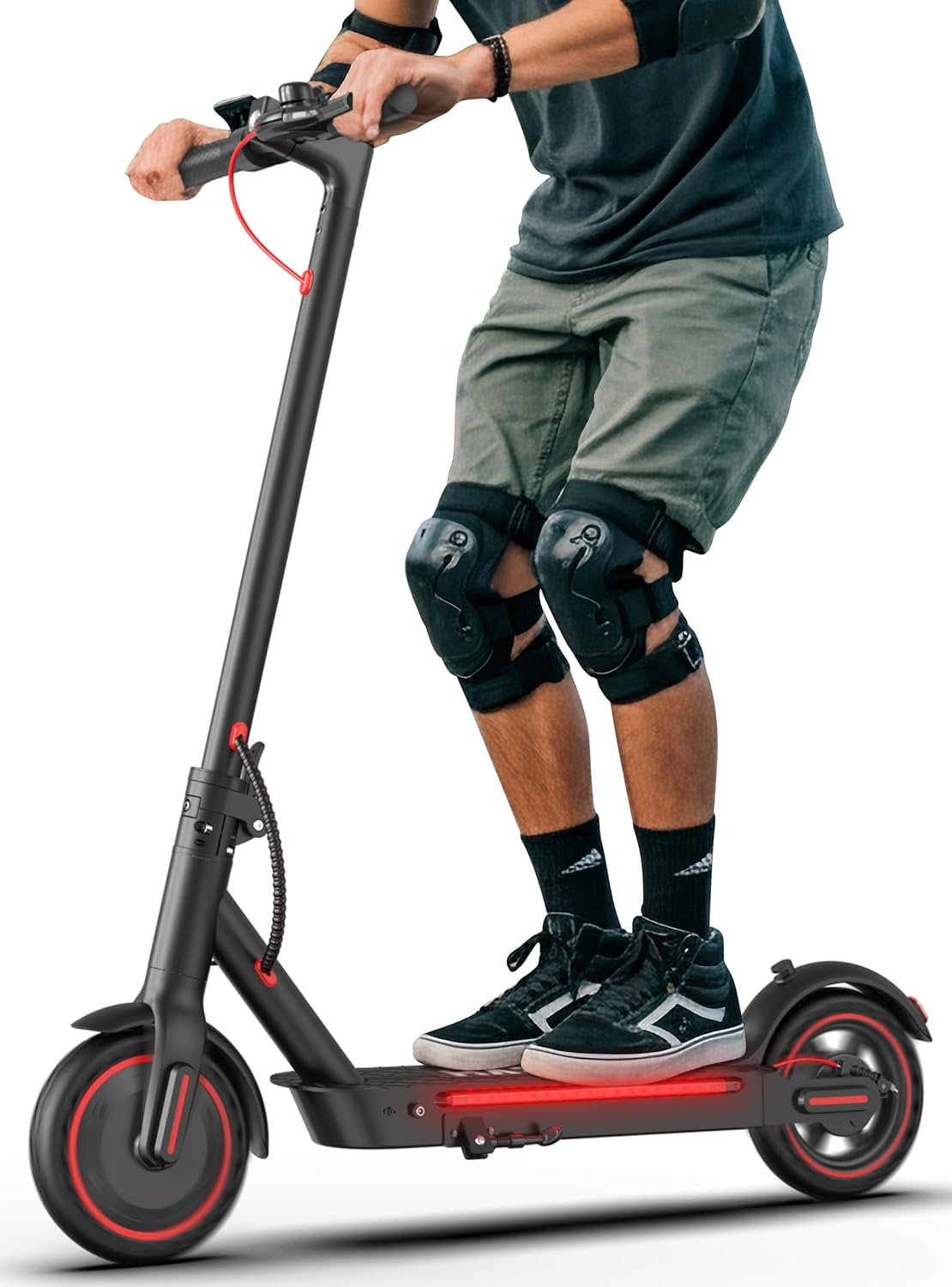
Common Buying Mistakes to Avoid
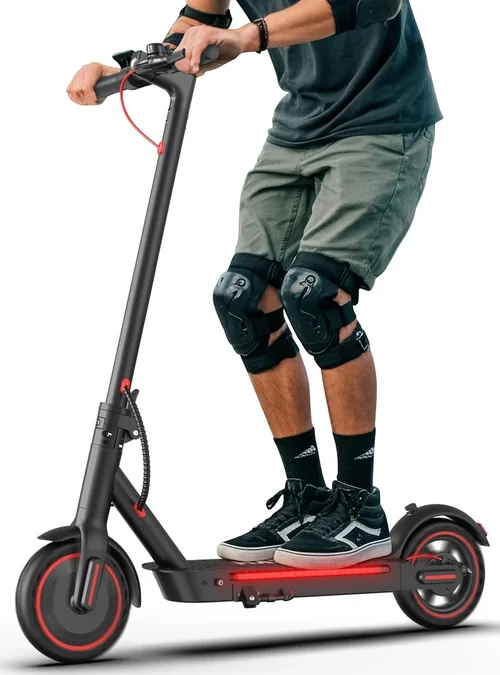
❌ Mistake: Ignoring Local Laws and Regulations
Why it’s bad: Buying a scooter that isn’t street legal can result in fines, impoundment, or even legal trouble. Even if a scooter performs well, it’s useless if you can’t ride it where you need to go.
What to do instead: Always verify your local e-scooter laws before purchasing. Check speed limits, required equipment, and permitted riding zones. Choose a model that meets or exceeds these requirements.
❌ Mistake: Prioritizing Price Over Quality
Why it’s bad: Extremely cheap scooters often use low-grade components, weak motors, and poor batteries that degrade quickly. You may end up spending more in repairs or replacements than if you’d bought a mid-range model upfront.
What to do instead: Set a realistic budget and focus on value, not just the lowest price. A $600 scooter from a reputable brand will likely outperform and outlast a $300 no-name model.
❌ Mistake: Overestimating Range Needs
Why it’s bad: Manufacturer range claims are often optimistic. If you buy a scooter advertised for 30 miles but only get 18 in real-world conditions, you could be stranded far from home.
What to do instead: Calculate your actual daily distance needs and add a 30–50% buffer. Choose a scooter with a rated range at least 1.5 times your longest expected trip.
❌ Mistake: Neglecting Test Rides
Why it’s bad: Scooters feel different in person than in specs. A model that looks great on paper might have uncomfortable handlebars, shaky steering, or weak brakes.
What to do instead: Whenever possible, test ride before buying. Visit local retailers, attend demo events, or borrow from friends. Pay attention to comfort, stability, and braking responsiveness.
❌ Mistake: Overlooking Maintenance Requirements
Why it’s bad: Electric scooters need regular upkeep—tire pressure checks, brake adjustments, firmware updates. Ignoring maintenance leads to reduced performance and safety risks.
What to do instead: Choose a scooter with accessible parts and clear maintenance instructions. Learn basic care routines and schedule periodic inspections.
❌ Mistake: Buying Based Solely on Speed
Why it’s bad: High-speed scooters often sacrifice range, portability, and safety. Riding at 30 mph in city traffic increases accident risk and may violate local laws.
What to do instead: Match speed to your environment. For city commuting, 18–20 mph is usually ideal. Save high-speed models for private roads or experienced riders.
❌ Mistake: Skipping the Warranty Check
Why it’s bad: Without a solid warranty, a single component failure—like a dead battery—can cost hundreds to replace out of pocket.
What to do instead: Always read the warranty terms carefully. Prefer brands that cover batteries and offer at least 12 months of comprehensive protection.
Budget Guidelines: How Much Should You Spend?
Electric scooters come in a wide range of prices, and your budget should align with your usage intensity, performance needs, and long-term goals. Here’s a practical breakdown to help you decide:
Entry-Level ($250–$500): These scooters are ideal for casual riders, students, or those testing the waters. Expect modest motors (250W–350W), ranges of 10–15 miles, and basic features like LED lights and single braking systems. Build quality may be lighter, and warranties are often shorter. Great for short trips on flat terrain, but not recommended for daily commuting or hilly areas.
Mid-Range ($500–$1,000): This is the sweet spot for most adult buyers. Scooters in this tier offer reliable performance (350W–500W motors), 15–25 mile ranges, better suspension, and improved safety features. You’ll find reputable brands, solid warranties, and useful extras like app connectivity and cruise control. Perfect for daily commuters who value balance between cost and capability.
Premium ($1,000–$2,000): Designed for enthusiasts and frequent riders, these models deliver high power (500W–1000W+), extended range (25–40 miles), and premium materials. Expect dual suspension, advanced braking, smart displays, and robust build quality. Ideal for those who ride daily, tackle hills, or want a scooter that lasts 3–5 years with minimal issues.
Luxury ($2,000+): At this level, you’re paying for cutting-edge technology, superior craftsmanship, and brand prestige. Features may include carbon fiber frames, regenerative braking, GPS tracking, customizable ride modes, and ultra-fast charging. These scooters are built for performance, comfort, and longevity—ideal for tech lovers, professionals, or those who view their scooter as a long-term investment.
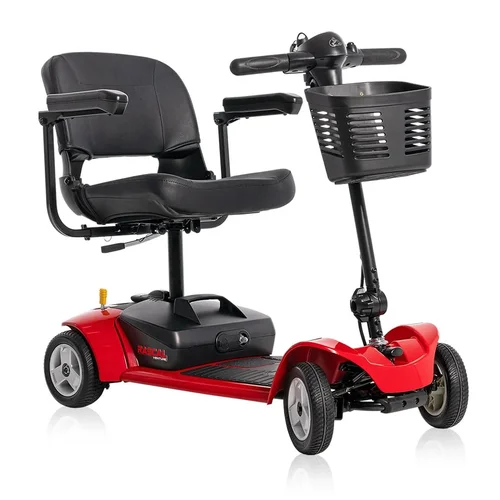
Expert Tips for Getting the Best Deal
Finding the right electric scooter at the right price requires strategy. Here are proven tips from industry experts and seasoned riders:
- Shop During Off-Peak Seasons: Prices tend to drop in late fall and winter when demand is lower. Many retailers offer holiday sales (Black Friday, Cyber Monday) or end-of-year clearance events.
- Compare Retailers: Don’t buy from the first site you visit. Check Amazon, Best Buy, Walmart, and specialty e-scooter stores like Fluid Mobility or Ride Scooters. Sometimes direct-from-manufacturer sites offer exclusive discounts or bundles.
- Look for Refurbished or Open-Box Deals: Certified refurbished scooters from reputable sellers often come with full warranties and can save you 20–40% off retail. Just ensure they’ve been professionally inspected.
- Read the Fine Print on Returns: Some retailers charge restocking fees or only accept returns within 7–14 days. Choose stores with at least a 30-day return window and free return shipping.
- Join Mailing Lists for Early Access: Brands often notify subscribers first about sales, new launches, or limited-time offers. You might score a discount just for signing up.
- Consider Financing Options: Many retailers offer 0% APR financing for 6–12 months. This lets you spread out payments without extra cost—ideal for premium models.
- Check for Student or Military Discounts: Some brands (like Unagi or Apollo) offer exclusive discounts for students, teachers, or service members. Always ask!
- Test Before You Commit: If buying online, choose retailers with generous trial periods. Some companies let you ride for 14–30 days and return if unsatisfied.

Frequently Asked Questions
Q: Are electric scooters street legal everywhere?
A: No. Laws vary by location. In the U.S., most states allow e-scooters on roads and bike lanes if they meet speed and equipment requirements. However, some cities ban them entirely or restrict usage to specific zones. Always check local regulations before riding.
Q: Do I need a license or insurance to ride an electric scooter?
A: In most U.S. states, no license or insurance is required for scooters under 20 mph. However, a few states (like California) require helmets for riders under 18, and some cities mandate registration. Insurance is rarely required but may be wise for high-value models.
Q: How long do electric scooter batteries last?
A: Most lithium-ion batteries last 300–500 charge cycles before capacity drops to 80%. With daily use, that’s typically 1–3 years. Proper care—avoiding full discharges, storing at moderate temperatures—can extend lifespan.
Q: Can I ride an electric scooter in the rain?
A: Only if it has an IPX4 rating or higher. Light rain is usually fine, but avoid deep puddles or heavy downpours. Water can damage electronics and reduce traction.
Q: What’s the average lifespan of an electric scooter?
A: With proper maintenance, a quality scooter can last 3–5 years or more. Frame and motor often outlast the battery, which may need replacement after 2–3 years.
Q: Are electric scooters safe for beginners?
A: Yes, especially models with beginner modes, stable decks, and reliable brakes. Always wear a helmet, start in low-speed mode, and practice in safe areas before hitting busy streets.
Q: Can I take my scooter on public transportation?
A: Most buses and trains allow folded scooters, but policies vary. Check with your local transit authority. Lightweight, compact models are easiest to manage.
Q: How fast can street-legal electric scooters go?
A: In most U.S. states, the legal limit is 20 mph. Some scooters can go faster, but riding above the limit may void insurance or result in fines.
Q: What should I do if my scooter breaks down?
A: First, check the warranty. Contact the manufacturer or retailer for support. Keep receipts and documentation. For out-of-warranty issues, seek authorized repair shops or DIY fixes using official parts.
Q: Are there eco-friendly benefits to using an electric scooter?
A: Absolutely. E-scooters produce zero emissions during operation and use far less energy than cars. Over time, they can significantly reduce your carbon footprint, especially for short trips.
Our Final Recommendations
After extensive research, testing, and user feedback analysis, here are our top picks across key categories:
Best for Budget-Conscious Buyers: Xiaomi Mi Electric Scooter 3 – At around $500, it offers excellent build quality, 18.6-mile range, 15.5 mph top speed, and reliable performance. Perfect for students and casual commuters.
Best Overall Value: Segway Ninebot Max G30LP – Priced around $700, this scooter delivers 30+ mile range, 18.6 mph speed, IPX5 water resistance, and a robust frame. It’s durable, feature-rich, and backed by Segway’s strong reputation.
Best Premium Option: Apollo Explore – At $1,399, it boasts a 1000W motor, 34-mile range, dual suspension, and a sleek design. Ideal for daily commuters who want power, comfort, and reliability.
Best for Beginners: Unagi Model One – Lightweight (26.5 lbs), intuitive controls, and a minimalist design make it perfect for new riders. Dual motors provide smooth acceleration, and the app offers helpful tutorials.
Best for Advanced Users: Dualtron Thunder 3 – A powerhouse at $2,799, with dual 1000W motors, 75-mile range, and top speeds over 40 mph. Built for thrill-seekers and long-distance riders who demand peak performance.
Conclusion: Making the Right Choice
Choosing the best electric scooter for adults isn’t just about picking the fastest or most expensive model—it’s about finding the right balance of performance, safety, legality, and value for your specific needs. Whether you’re navigating city streets, climbing hills, or simply looking for a fun way to get around, the right scooter can transform your daily routine.
Remember to prioritize street legality, assess your real-world range and terrain requirements, and invest in quality over flashy specs. Read reviews, test ride when possible, and don’t overlook the importance of warranty and customer support. With the insights from this guide, you’re now equipped to make a confident, informed decision.
Your perfect electric scooter is out there—safe, efficient, and ready to roll. Take the first step today, and enjoy the freedom, convenience, and joy that comes with electric mobility.