
Electric scooters have evolved from quirky urban novelties into serious transportation solutions—especially for adults who need reliable, efficient, and safe rides that can handle real-world demands. If you’re around 250 pounds or heavier, the stakes are even higher. Many budget scooters simply aren’t built to support your weight safely or efficiently, leading to poor performance, reduced battery life, premature wear, or even safety hazards like brake failure or motor burnout. That’s why choosing the right electric scooter isn’t just about convenience—it’s about safety, longevity, and getting real value for your investment.
This comprehensive buying guide is designed specifically for adults weighing 250 lbs or more who want a scooter that won’t let them down. Whether you’re commuting to work, running errands across town, or just exploring your city on weekends, we’ll walk you through every critical factor—from motor power and deck strength to suspension systems and warranty coverage. By the end of this guide, you’ll know exactly what to look for, which models truly deliver under heavier loads, and how to avoid common pitfalls that could cost you time, money, or worse. The market in 2026 offers more capable and durable options than ever before, but not all scooters are created equal when it comes to supporting higher-weight riders.
—

What to Look for When Buying an Electric Scooter for 250+ lbs
1. Weight Capacity & Structural Integrity
When you’re over 250 pounds, the single most important specification isn’t top speed or range—it’s the scooter’s maximum weight capacity. Most entry-level scooters cap out at 220–260 lbs, which leaves little margin for error if you carry a backpack, groceries, or wear heavy winter clothing. Always choose a scooter rated for at least 300 lbs to ensure safety and optimal performance. Look for reinforced frames made from aircraft-grade aluminum or high-tensile steel, as these materials resist bending and fatigue under sustained load.
The deck (the standing platform) should be wide, thick, and non-slip. A narrow or flimsy deck can flex dangerously under weight, affecting balance and control. Check user reviews for mentions of “creaking,” “flexing,” or “cracking”—these are red flags. Brands like Apollo, Varla, and Dualtron design their scooters with reinforced decks and triple-clamp stems to handle heavier riders without compromising stability.
2. Motor Power & Torque
Motor power directly impacts acceleration, hill-climbing ability, and overall ride smoothness—especially under load. For riders at or above 250 lbs, a motor under 500W will struggle on inclines, drain the battery faster, and may overheat during extended use. Aim for a continuous power rating of at least 600W, with peak outputs of 800W or higher for better responsiveness.
Dual-motor scooters (with one motor per wheel) are ideal for heavier riders because they distribute the workload, reduce strain on individual components, and provide superior traction—particularly useful in wet or uneven terrain. Scooters like the Varla Eagle One Pro (dual 1000W motors) or the Apollo Phantom (dual 800W) excel here, offering smooth acceleration even when fully loaded.
Torque matters just as much as raw wattage. Higher torque means quicker starts from a stop and better performance on hills. Look for scooters with brushless hub motors, which are more efficient, quieter, and longer-lasting than brushed alternatives.
3. Battery Capacity & Real-World Range
Battery capacity is measured in watt-hours (Wh). For a 250+ lb rider, a battery under 400Wh will likely deliver only 50–70% of its advertised range due to increased energy demands. To get reliable 15–20 mile range, you’ll need a battery of at least 500–600Wh. Lithium-ion (Li-ion) batteries are standard and preferred for their energy density and longevity.
Pay attention to voltage (V) and amp-hour (Ah) ratings too: a 48V 13Ah battery (624Wh) will outperform a 36V 15Ah (540Wh) in real-world conditions because higher voltage improves efficiency under load. Also, check if the battery is removable—this allows for easier charging, replacement, and theft prevention.
Real-world testing by riders of similar weight is invaluable. Manufacturer range claims often assume a 150–170 lb rider on flat ground with no wind. Always read third-party reviews or forums like Reddit’s r/ElectricScooters for honest feedback on range performance.
4. Suspension & Ride Comfort
Without proper suspension, every bump, crack, and pothole transmits shock directly to your joints—a major concern for heavier riders who exert more downward force. At minimum, look for front suspension (spring or hydraulic). Full suspension (front and rear) is strongly recommended for anyone over 250 lbs, especially if you ride on city streets with uneven pavement.
Air-filled tires (pneumatic) offer the best shock absorption but require maintenance (pumping, puncture risk). Solid or honeycomb tires are maintenance-free but deliver a harsher ride. Many premium scooters now use hybrid systems—like the Ninebot Max G30LP’s self-healing tires—or advanced airless designs that mimic pneumatic comfort without flats.
Test rides are ideal, but if unavailable, watch YouTube reviews that show the scooter navigating rough terrain. Listen for rattling or excessive vibration—signs of poor build quality or inadequate damping.
5. Braking System & Safety Features
Stopping power is non-negotiable. Disc brakes (mechanical or hydraulic) are vastly superior to drum or foot brakes for heavier riders. Dual disc brakes (front and rear) provide balanced stopping force and reduce the risk of skidding or fishtailing. Regenerative braking, which recaptures energy while slowing down, is a nice bonus but shouldn’t replace mechanical brakes.
Look for scooters with ABS (anti-lock braking systems) or electronic brake modulation—these prevent wheel lockup during hard stops, crucial for maintaining control at speed. LED headlights, taillights, turn signals, and reflectors are also essential for visibility, especially if you ride at night.
Never compromise on brakes. A scooter that can’t stop safely is dangerous regardless of its speed or range.
6. Portability & Foldability
If you plan to carry your scooter onto public transit, store it under a desk, or lift it into a car trunk, weight and fold size matter—but not at the expense of durability. Many ultra-light scooters sacrifice structural integrity to hit sub-30 lb weights, making them unsuitable for heavier riders.
Aim for a balance: scooters like the Apollo City 2024 (42 lbs) or the Segway Ninebot GT2 (48 lbs) offer robust builds while remaining manageable. Check the folding mechanism—look for double-lock systems that prevent accidental unfolding. Handlebar width should be narrow enough for easy carrying but wide enough for stability.
Remember: “portable” doesn’t mean “flimsy.” Prioritize strength first, then convenience.
7. Brand Reputation & Community Support
Not all brands are equal when it comes to supporting heavier riders. Established companies like Apollo, Dualtron, Varla, and Segway have dedicated engineering teams and customer bases that include large-framed users. They often provide detailed weight-testing data and responsive support.
Avoid unknown brands selling ultra-cheap scooters on Amazon or eBay with vague specs. These often use low-grade motors, counterfeit batteries, or misleading weight ratings. Check for certifications like UL 2271 (battery safety) and IP ratings (water/dust resistance).
Online communities like ScooterGrid, ElectricScooterInsider, and Facebook groups can offer real-user insights. Ask directly: “How does this scooter perform at 250+ lbs?” You’ll often get honest, unfiltered answers.
8. Warranty & After-Sales Service
A strong warranty reflects manufacturer confidence in their product. For scooters supporting 250+ lbs, look for at least a 12-month warranty covering motor, battery, and frame. Premium brands like Apollo offer 18–24 months, sometimes with optional extensions.
Check what’s included: labor costs, shipping, and whether you need to send the entire scooter or just the faulty part. Some brands have local service centers; others require you to ship internationally, which can take weeks.
Read the fine print. Many warranties void coverage if the scooter is used beyond its rated weight—even by 10 lbs. That’s another reason to choose a model with a generous weight buffer.
—
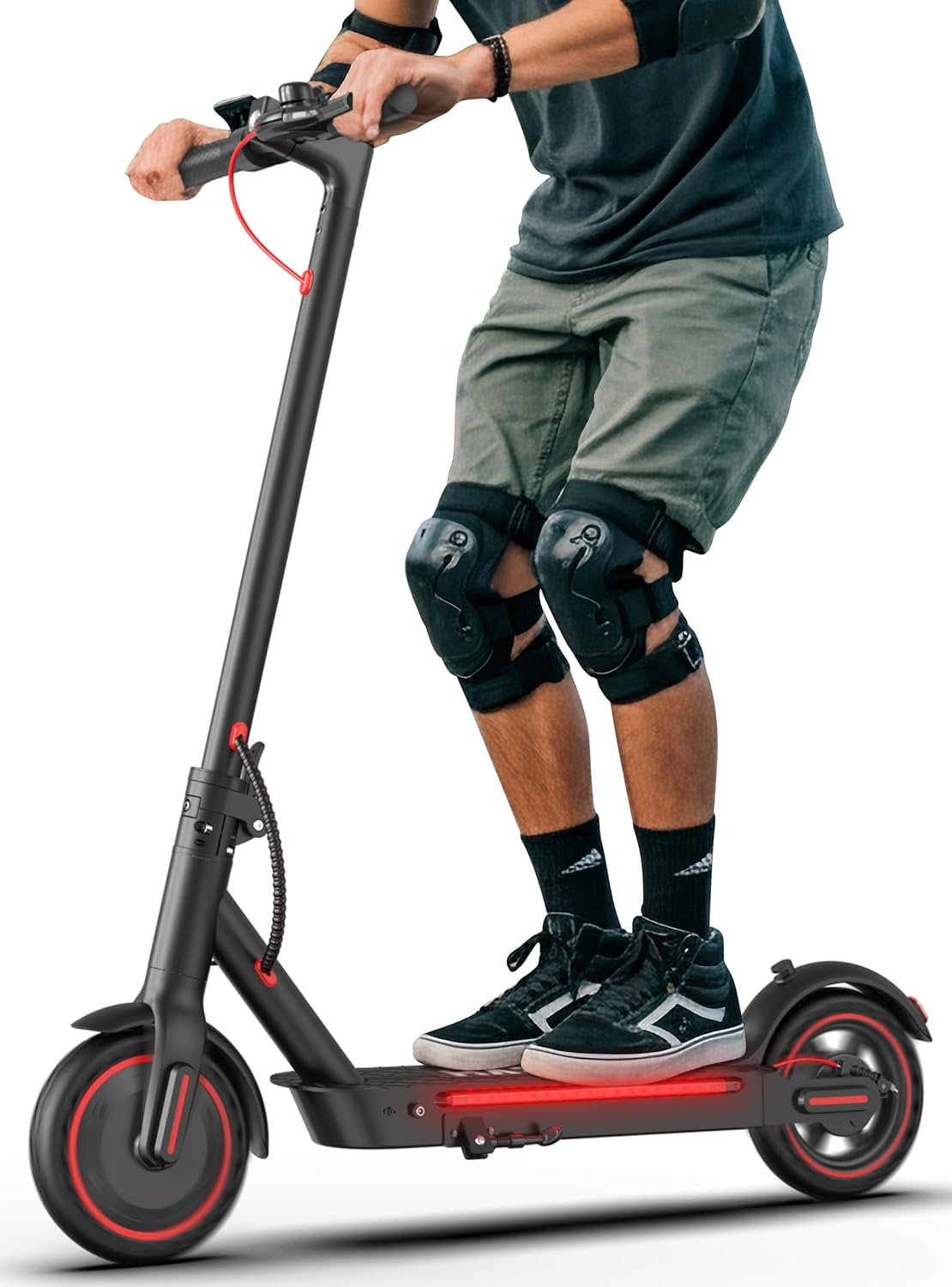
Different Types of Electric Scooters for Heavy Riders
—
Common Buying Mistakes to Avoid
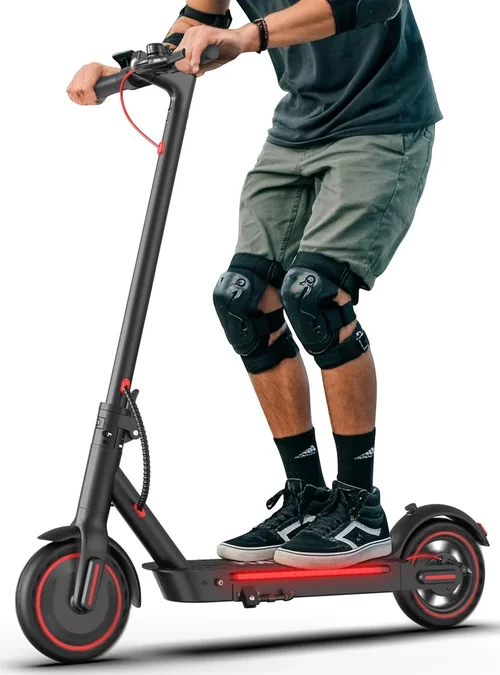
❌ Mistake: Ignoring the Weight Limit
Why it’s bad: Exceeding the scooter’s rated capacity strains the motor, drains the battery faster, and can cause catastrophic mechanical failure—like a snapped stem or seized motor—while riding.
What to do instead: Always choose a scooter rated for at least 300 lbs. Treat the manufacturer’s limit as an absolute maximum, not a target.
❌ Mistake: Prioritizing Top Speed Over Torque
Why it’s bad: A scooter that hits 25 mph looks impressive on paper, but if it struggles to accelerate from a stop or climb a 10% grade, it’s unsafe and frustrating to ride—especially when loaded.
What to do instead: Focus on continuous motor power (watts) and real-user reports of hill performance. Torque matters more than peak speed for daily usability.
❌ Mistake: Choosing Based Solely on Price
Why it’s bad: Cheap scooters often use undersized motors, weak frames, and low-quality batteries that degrade quickly under heavy use. You’ll end up replacing it within a year.
What to do instead: View your scooter as a long-term investment. Spending $200 more upfront can save you $500 in repairs or replacements down the line.
❌ Mistake: Overlooking Suspension
Why it’s bad: Without suspension, repeated impacts from rough roads accelerate wear on bearings, wheels, and even the battery. It also increases fatigue and reduces control.
What to do instead: Even if you mostly ride on smooth paths, opt for at least front suspension. Full suspension is worth the extra cost for comfort and longevity.
❌ Mistake: Assuming All “UL Certified” Batteries Are Equal
Why it’s bad: Some brands use third-party batteries that meet basic UL standards but aren’t optimized for high-drain scenarios like heavy riders or frequent hill climbs.
What to do instead: Research the battery manufacturer (e.g., Samsung, LG, Panasonic cells are gold standards). Avoid scooters with unnamed or generic battery brands.
❌ Mistake: Skipping the Test Ride
Why it’s bad: Specs don’t tell the whole story. A scooter might feel unstable, wobble at speed, or have mushy brakes—issues invisible in product photos.
What to do instead: Visit local retailers or attend scooter demo events. If unavailable, buy from retailers with generous return policies (30 days or more).
❌ Mistake: Neglecting Software & App Features
Why it’s bad: Basic scooters lack ride modes, cruise control, or battery health monitoring—features that enhance safety and usability, especially for heavier riders who need consistent performance.
What to do instead: Look for scooters with companion apps that allow speed limiting, regenerative braking adjustment, and firmware updates. These extend lifespan and improve ride quality.
—
Budget Guidelines: How Much Should You Spend?
Entry-Level ($400–$700):
At this price, you’ll find scooters like the Gotrax GXL V2 or Segway Ninebot ES2—but most are only rated for 220–260 lbs. A few exceptions exist, such as the Gotrax G4 (300 lb capacity, 48V 15Ah battery), which offers surprising value. Expect basic suspension, single disc brakes, and modest range (12–18 miles). Ideal for light, occasional use on flat terrain.
Mid-Range ($700–$1,500):
This is the sweet spot for most 250+ lb riders. Models like the Apollo City 2024 ($1,299) or Varla Pegasus ($899) deliver dual motors, full suspension, 600–800W continuous power, and 25–30 mile range. Build quality improves significantly, with reinforced frames and better waterproofing (IPX5 or higher). Great for daily commuting and mixed terrain.
Premium ($1,500–$2,500):
Here, you get enthusiast-grade performance. The Apollo Phantom ($1,899) and Dualtron Thunder 3 ($2,499) offer 1,000W+ motors, hydraulic brakes, app connectivity, and premium components. These scooters handle hills, long distances, and rough roads with ease. Battery swaps, customizable ride modes, and extended warranties are common.
Luxury ($2,500+):
For those who want the best, models like the Dualtron X2 or Inokim Ox Super provide cutting-edge tech, carbon fiber elements, and ultra-long range (40+ miles). These are overkill for casual riders but ideal for tech lovers, long-distance commuters, or those who prioritize ride quality above all.
—
Expert Tips for Getting the Best Deal
– Buy during off-season sales: Late fall and winter (October–February) often see discounts as retailers clear inventory for new models. Black Friday and Cyber Monday are prime times.
– Check manufacturer websites first: Brands like Apollo and Varla frequently offer exclusive deals, free shipping, or bundled accessories (helmets, phone mounts) not available on Amazon.
– Use price-tracking tools: Set alerts on CamelCamelCamel (for Amazon) or Honey to catch price drops. Some scooters fluctuate by $100–$200 monthly.
– Consider refurbished or open-box: Certified refurbished models from reputable sellers come with warranties and can save 20–30%. Avoid “used” scooters with unknown histories.
– Read return policies carefully: Ensure you have at least 14–30 days to test the scooter. Some retailers charge restocking fees or require you to pay return shipping.
– Join loyalty programs: Brands like Segway and Ninebot offer points, early access to sales, and member-only discounts.
– Negotiate with local dealers: Independent scooter shops may match online prices or throw in free maintenance for the first year.
– Watch for bundle deals: Scooters sold with helmets, locks, or extra batteries often provide better value than buying items separately.
—

Frequently Asked Questions
Q: Can a 250 lb person safely ride an electric scooter?
A: Absolutely—but only if the scooter is specifically designed for that weight. Choose models rated for 300+ lbs with strong motors, durable frames, and reliable brakes. Safety depends on matching your weight to the scooter’s engineering limits.
Q: Will my range be shorter because I weigh more?
A: Yes. Heavier riders consume more battery power, especially on hills or during acceleration. Expect 20–40% less range than advertised. Always plan routes with charging options or carry a portable charger.
Q: Are folding scooters strong enough for heavy riders?
A: It depends. Many folding mechanisms are weak points. Look for scooters with double-lock folding systems and reinforced hinges. Non-folding scooters are generally stronger but less portable.
Q: Do I need insurance or registration?
A: In most U.S. states, no—but laws vary. Check local regulations. Some cities require helmets, lights, or restrict scooter use to bike lanes. Always wear a helmet regardless.
Q: How often should I maintain my scooter?
A: Monthly checks: tire pressure (if pneumatic), brake pad wear, bolt tightness, and battery health. Clean the deck and inspect for cracks after 6 months of regular use.
Q: Can I upgrade my scooter’s battery for more range?
A: Some brands allow it (e.g., Dualtron), but most don’t. Upgrading voids warranties and can overload the motor or controller. Better to buy a scooter with sufficient range upfront.
Q: What’s the average lifespan of an electric scooter?
A: With proper care, 3–5 years. The battery typically degrades after 500–800 charge cycles (about 2–3 years of daily use). Motors and frames can last much longer if not overloaded.
Q: Are there scooters with seats for heavier riders?
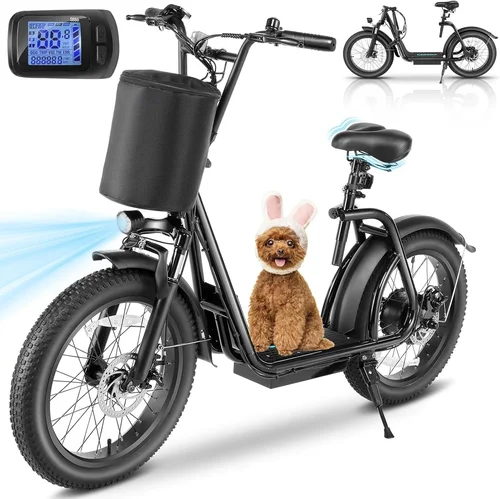
A: Yes! Models like the Apollo Explore or Nanrobot D6+ 2.0 offer optional or built-in seats and support 330+ lbs. Seated scooters reduce fatigue on long rides.
Q: How do I know if a scooter’s specs are accurate?
A: Cross-reference multiple sources: official specs, YouTube reviews, and user forums. Be skeptical of exaggerated claims like “40-mile range” from a 300Wh battery—it’s physically unlikely.
Q: Should I worry about water resistance?
A: Yes. Even if you avoid rain, puddles and wet roads are common. Aim for IPX4 (splash-resistant) or higher. IPX5+ allows light rain riding, but never submerge the scooter.
—
Our Final Recommendations
– Best for Budget-Conscious Buyers: Gotrax G4 ($599)
With a 300 lb capacity, 48V battery, and solid build, it’s the most capable budget option for heavier riders. Lacks full suspension but excels in value.
– Best Overall Value: Apollo City 2024 ($1,299)
Dual 600W motors, full suspension, 30-mile range, and IPX5 rating make it ideal for daily commuters over 250 lbs. Excellent warranty and customer support.
– Best Premium Option: Apollo Phantom ($1,899)
Dual 800W motors, hydraulic brakes, and a 40-mile range. Built like a tank with app control and cruise control. Perfect for demanding riders.
– Best for Beginners: Segway Ninebot GT2 ($1,199)
User-friendly interface, self-healing tires, and 285 lb capacity (with buffer). Great for those new to electric scooters who still need durability.
– Best for Advanced Users: Dualtron Thunder 3 ($2,499)
2,400W peak power, 52V battery, and customizable ride modes. For riders who want maximum performance, speed, and tech features.
—
Conclusion: Making the Right Choice
Choosing the right electric scooter when you weigh 250 lbs or more isn’t just about finding something that “holds your weight”—it’s about investing in a vehicle that keeps you safe, comfortable, and confident on every ride. The market in 2026 offers more robust, intelligent, and rider-focused options than ever before, but cutting corners on specs can lead to disappointment or danger.
Prioritize weight capacity, motor power, suspension, and braking above all else. Use this guide to compare models honestly, read real-user feedback, and avoid the traps that ensnare uninformed buyers. Remember: a scooter is only as good as its weakest component under load. Spend wisely, maintain diligently, and enjoy the freedom that comes with a ride built to handle you—not the other way around.
Your perfect scooter is out there. Now you know exactly how to find it.