
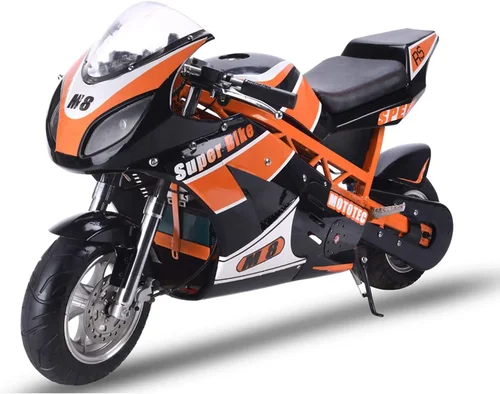
Electric mopeds have surged in popularity over the past few years, and for good reason. They offer a clean, efficient, and increasingly affordable way to navigate city streets, commute to work, or simply enjoy a breezy ride without the noise and emissions of traditional gas-powered scooters. As urban congestion grows and environmental awareness rises, more adults are turning to electric mopeds as a practical alternative to cars, public transit, or even bicycles. Whether you’re looking to reduce your carbon footprint, save on fuel and parking costs, or just experience the thrill of silent, smooth acceleration, there’s never been a better time to consider making the switch.
But with so many models flooding the market—ranging from budget-friendly commuter options to high-performance machines with premium features—choosing the right electric moped can feel overwhelming. That’s where this guide comes in. We’ve spent months researching, testing, and analyzing the latest electric mopeds available in 2026 to bring you a comprehensive, expert-level buying guide tailored specifically for adult riders. You’ll learn how to evaluate key factors like range, speed, build quality, and safety features, understand the different types of e-mopeds available, avoid common purchasing pitfalls, and ultimately find the model that best fits your lifestyle, budget, and riding needs.
The electric moped market has evolved rapidly, with manufacturers pushing the boundaries of battery technology, motor efficiency, and smart connectivity. Today’s models aren’t just glorified e-bikes—they’re sophisticated vehicles designed for real-world use. From sleek, minimalist designs to rugged off-road capable machines, there’s something for everyone. Whether you’re commuting 10 miles each way, running errands around town, or exploring scenic routes on weekends, the right electric moped can transform your daily routine. This guide will equip you with the knowledge and confidence to make an informed decision, ensuring you get the most value, performance, and enjoyment from your purchase.

What to Look for When Buying an Electric Moped
1. Range & Battery Life
Range is arguably the most critical factor when choosing an electric moped. It determines how far you can travel on a single charge, which directly impacts your usability and convenience. Most modern e-mopeds offer between 20 and 80 miles of range, but real-world performance often falls short of manufacturer claims due to terrain, rider weight, speed, and weather conditions. For example, a moped rated for 60 miles might only deliver 40–45 miles if you’re riding uphill frequently or carrying heavy cargo.
Look for models with lithium-ion batteries (preferably Samsung, LG, or Panasonic cells), as they offer better energy density, longer lifespans, and faster charging compared to older lead-acid or nickel-based batteries. Battery capacity is measured in watt-hours (Wh)—a higher Wh rating generally means longer range. A 500Wh battery is suitable for short commutes, while 1000Wh+ batteries are ideal for longer trips or riders who don’t want to recharge daily.
Also consider charging time. Some mopeds charge fully in 3–4 hours, while others may take 6–8 hours. Fast-charging capabilities (e.g., 0–80% in under 2 hours) are a major plus, especially if you need to top up during the day. Removable batteries add convenience, allowing you to charge indoors while the moped stays parked outside.
2. Motor Power & Performance
The motor is the heart of your electric moped, dictating acceleration, hill-climbing ability, and top speed. Motors are rated in watts (W), with common ranges from 250W to 2000W. For city commuting on flat terrain, a 500W–750W motor is usually sufficient. However, if you live in a hilly area or plan to carry heavy loads, opt for at least 1000W. High-wattage motors (1500W–2000W) deliver thrilling performance but may reduce range and increase wear on components.
Peak power (the maximum output the motor can sustain briefly) is also important—some motors can briefly deliver 2–3 times their rated power for quick starts or steep climbs. Pay attention to whether the motor is hub-driven (built into the wheel) or mid-drive (connected to the drivetrain). Hub motors are simpler and cheaper but less efficient on hills; mid-drives offer better torque and balance but are more complex and costly.
Top speed varies by region due to legal restrictions. In the U.S., most Class 2 and Class 3 e-mopeds are limited to 20–28 mph, while Europe often caps speeds at 15.5 mph (25 km/h). If speed is a priority, ensure the model complies with local laws—some high-performance mopeds can exceed 40 mph but may require registration or licensing.
3. Build Quality & Durability
An electric moped is a significant investment, so durability matters. Look for frames made from high-strength aluminum alloy or steel—aluminum is lighter and rust-resistant, while steel offers superior strength but adds weight. Check weld quality, joint reinforcement, and overall fit-and-finish. A well-built moped should feel solid when you shake it; rattles or flexing indicate poor construction.
Suspension systems greatly affect ride comfort, especially on uneven roads. Front suspension forks are common, and some premium models include rear suspension or full suspension setups. Tires also play a role: wider, puncture-resistant tires (like 3.0” or larger) provide better grip and cushioning than skinny road tires. Tubeless tires reduce the risk of flats and allow lower pressure for a smoother ride.
Water resistance is another key consideration. While no e-moped is fully waterproof, look for an IP rating (e.g., IPX4 or higher), which indicates protection against splashing water. This is crucial for riding in light rain or wet conditions. Sealed motors, connectors, and battery compartments enhance longevity in harsh weather.
4. Weight & Portability
Weight affects handling, maneuverability, and ease of storage. Most adult electric mopeds weigh between 50 and 90 pounds. Lighter models (under 60 lbs) are easier to lift onto racks, carry upstairs, or store in small apartments. Heavier mopeds offer more stability at speed but can be cumbersome in tight spaces.
Portability features like folding handlebars, removable batteries, and compact frames add convenience. Some models fold down to the size of a suitcase, making them ideal for mixed-mode commuting (e.g., riding to the train station). However, folding mechanisms can introduce weak points, so ensure hinges and locks are robust.
Consider where you’ll store the moped. If space is limited, a foldable design or wall-mount capability is valuable. For garage or outdoor storage, weatherproof covers and anti-theft locks become essential.
5. Safety Features
Safety should never be an afterthought. Essential features include bright LED headlights and taillights for visibility, especially in low-light conditions. Braking systems are critical—disc brakes (mechanical or hydraulic) offer superior stopping power compared to rim brakes, particularly in wet weather. Regenerative braking, which recaptures energy during deceleration, can extend range and reduce brake wear.
Turn signals, brake lights, and horns are increasingly common on premium models and significantly improve road safety. Some e-mopeds include integrated GPS tracking, anti-theft alarms, or smartphone alerts if the bike is moved. Reflective strips, side mirrors, and audible alerts (like proximity sensors) further enhance rider protection.
Always wear a helmet, even if not legally required. Consider additional gear like gloves, reflective clothing, and knee/elbow pads, especially for longer rides or high-speed models.
6. Comfort & Ergonomics
A comfortable ride makes all the difference, especially on longer trips. Seat design varies widely—some mopeds have plush, motorcycle-style seats, while others use minimalist saddles. Look for adjustable seats or aftermarket options if you’re taller or shorter than average. Handlebar height and grip angle should allow a relaxed, upright posture to reduce strain on your back and wrists.
Step-through frames (where the top tube is low or absent) make mounting and dismounting easier, particularly for riders with limited mobility or those wearing skirts or suits. Footpegs should be wide and non-slip, and some models include passenger footrests for shared rides.
Suspension, as mentioned earlier, plays a big role in comfort. Even basic front suspension can absorb bumps that would otherwise jolt your spine. Test ride if possible—what looks good on paper may feel awkward in practice.
7. Smart Features & Connectivity
Modern electric mopeds often come with smart technology that enhances usability and security. Bluetooth connectivity allows you to pair your phone with the moped’s display, enabling features like ride tracking, battery monitoring, and firmware updates. Some apps let you lock/unlock the bike remotely, set speed limits, or share location with family.
Integrated displays show real-time data like speed, battery level, trip distance, and navigation cues. Color screens with backlighting improve readability in sunlight or at night. GPS-enabled models can log routes, suggest efficient paths, or even guide you back home.
While not essential, these features add convenience and peace of mind. Just ensure the app is reliable and the system doesn’t drain the battery excessively.
8. Warranty & Customer Support
A strong warranty reflects manufacturer confidence in their product. Look for at least a 1-year comprehensive warranty covering the frame, motor, battery, and electronics. Premium brands often offer 2–3 years, with some extending battery coverage separately (e.g., 2 years or 1,000 charge cycles).
Customer support quality varies widely. Read reviews about response times, repair processes, and availability of replacement parts. Brands with local service centers or partnerships with bike shops make maintenance easier. Avoid companies with vague warranty terms or poor communication—issues are inevitable, and you want help when they arise.
Check return policies too. A 14–30 day trial period lets you test the moped risk-free. Some retailers offer free returns, while others charge restocking fees.
Different Types of Electric Mopeds

Common Buying Mistakes to Avoid
❌ Mistake: Prioritizing Price Over Performance
Why it’s bad: The cheapest mopeds often cut corners on battery quality, motor power, and build materials. You might save $300 upfront but end up with a bike that dies after 15 miles, struggles on hills, or breaks within months.
What to do instead: Set a realistic budget based on your needs. A $1,200 moped with a reliable 750W motor and 500Wh battery will serve you better long-term than a $600 model with vague specs and poor reviews.
❌ Mistake: Ignoring Local Laws and Regulations
Why it’s bad: Riding an illegal e-moped can result in fines, impoundment, or even accidents if the bike isn’t designed for road use. Some high-speed models require registration, insurance, or a motorcycle license.
What to do instead: Research your state or country’s e-moped laws. In the U.S., check classifications (Class 1, 2, 3) based on speed and pedal-assist rules. In Europe, ensure compliance with EN 15194 standards.
❌ Mistake: Overlooking Real-World Range
Why it’s bad: Manufacturers often quote ideal conditions (flat road, 150-lb rider, no wind). If you weigh 200 lbs and live in a hilly city, your actual range could be 30–40% lower.
What to do instead: Use online range calculators or read user reviews that mention real-world performance. Add a 20–30% buffer to advertised range when planning your commute.
❌ Mistake: Skipping the Test Ride
Why it’s bad: Comfort and handling are subjective. A moped that looks perfect online might feel unstable, too heavy, or poorly balanced in person.
What to do instead: Visit local dealers or attend e-bike expos. If buying online, choose retailers with generous return policies. Some brands offer demo programs or partner with rental services.
❌ Mistake: Neglecting Maintenance Needs
Why it’s bad: Electric mopeds still have moving parts—tires wear out, brakes need adjustment, chains stretch. Ignoring maintenance leads to breakdowns and safety risks.
What to do instead: Learn basic upkeep (tire pressure, brake checks, chain lubrication) or find a local shop that services e-mopeds. Factor in annual maintenance costs (~$100–$200) when budgeting.
❌ Mistake: Buying Without Considering Charging Logistics
Why it’s bad: If you live in an apartment without outdoor outlets or secure storage, charging becomes a hassle. Non-removable batteries force you to park near power sources.
What to do instead: Opt for models with removable batteries if you can’t charge where you park. Consider solar chargers or workplace charging options if available.
❌ Mistake: Falling for “Too Good to Be True” Deals
Why it’s bad: Scam websites or counterfeit products may look legitimate but deliver defective or unsafe bikes. No-name brands with unrealistic specs (e.g., “100-mile range for $500”) are red flags.
What to do instead: Buy from reputable retailers or directly from established brands. Check for certifications (UL, CE, FCC) and read verified customer reviews on multiple platforms.
Budget Guidelines: How Much Should You Spend?
Entry-Level ($600–$1,000): These mopeds are best for short, flat commutes under 10 miles. Expect basic components: 250W–500W motors, 300–400Wh batteries, minimal suspension, and limited smart features. Brands like Gotrax, Swagtron, and Razor dominate this space. While affordable, they may lack durability and long-term reliability.
Mid-Range ($1,000–$2,000): This is the sweet spot for most adult riders. You’ll find 750W motors, 500–800Wh batteries, better build quality, and useful features like LED lights, disc brakes, and smartphone connectivity. Models from Aventon, Rad Power Bikes, and Super73 offer excellent value here. Range typically hits 30–50 miles, suitable for daily commuting.
Premium ($2,000–$3,500): Designed for enthusiasts and serious commuters, these mopeds boast 1000W+ motors, 1000Wh+ batteries, full suspension, and advanced electronics. Expect premium materials, superior comfort, and extended warranties. Brands like Cake, Tarform, and Energica lead this category. Ideal for hilly areas, long distances, or those who want a near-motorcycle experience.
Luxury ($3,500+): At this level, you’re paying for cutting-edge tech, bespoke design, and top-tier performance. Think carbon fiber frames, regenerative braking, GPS navigation, and app-controlled ride modes. These are less about practicality and more about status, innovation, and pure riding pleasure. Examples include the Harley-Davidson LiveWire One and the BMW CE 04.
Expert Tips for Getting the Best Deal
- Shop During Off-Peak Seasons: Demand peaks in spring and summer. Buy in late fall or winter (October–February) when retailers offer discounts to clear inventory. Black Friday and Cyber Monday often feature significant e-moped deals.
- Compare Retailers: Prices vary widely between direct-from-manufacturer, big-box stores (Costco, Best Buy), and specialty e-bike shops. Online retailers like REI, Backcountry, or Evo often price-match and include free shipping.
- Look for Bundle Deals: Some brands include free accessories (helmet, lock, phone mount) with purchase. Others offer financing options (0% APR for 12–24 months) through partners like Affirm or Klarna.
- Check for Rebates and Incentives: Many cities and states offer rebates for electric vehicle purchases. California’s Clean Vehicle Rebate Project (CVRP) and New York’s Drive Clean Rebate can save you $500–$1,500. Utility companies sometimes provide additional discounts.
- Read the Fine Print on Warranties: Understand what’s covered (and what’s not). Battery degradation below 70% capacity within the warranty period should be covered. Avoid “limited” warranties that exclude common failures.
- Test Before You Commit: If possible, rent the model you’re considering for a day or weekend. Services like Lime, Veo, or local bike shops offer short-term rentals. This gives you real-world experience without the risk.
- Join Online Communities: Forums like Reddit’s r/ebikes, Electric Bike Report, or Facebook groups provide honest user feedback, deal alerts, and maintenance tips. Members often share exclusive discount codes.
- Consider Refurbished or Open-Box Models: Certified pre-owned mopeds from reputable sellers can save 20–30% off retail. Ensure they come with a warranty and have been inspected by the manufacturer.

Frequently Asked Questions
Q: Do I need a license to ride an electric moped?
A: It depends on your location and the moped’s classification. In most U.S. states, Class 1 and Class 2 e-mopeds (max 20 mph) do not require a license. Class 3 (up to 28 mph) may require a standard driver’s license. In Europe, e-mopeds under 25 km/h (15.5 mph) typically don’t need a license, but faster models may. Always check local regulations.
Q: How long do electric moped batteries last?
A: A quality lithium-ion battery should last 500–1,000 full charge cycles, equating to 3–5 years of regular use. Proper care—avoiding extreme temperatures, not draining to 0%, and storing at 50% charge—can extend lifespan. Most manufacturers offer battery replacement programs.
Q: Can I ride an electric moped in the rain?
A: Yes, but with caution. Most e-mopeds are rated IPX4 or higher, meaning they can handle splashes and light rain. Avoid deep puddles, heavy downpours, and submerging the bike. Dry it thoroughly after wet rides to prevent corrosion.
Q: Are electric mopeds safe?
A: When used responsibly, yes. Always wear a helmet, follow traffic laws, and use lights at night. Choose models with reliable brakes and good visibility features. Avoid riding on sidewalks where prohibited, and stay alert to cars, pedestrians, and road hazards.
Q: How fast can electric mopeds go?
A: Legal limits vary, but most consumer models cap at 20–28 mph. High-performance or off-road models can reach 40–60 mph but may not be street-legal without modifications. Speed depends on motor power, battery voltage, and gearing.
Q: Can I carry a passenger on an electric moped?
A: Only if the model is designed for it. Look for dual footpegs, reinforced frames, and passenger handholds. Most commuter mopeds are single-rider only. Overloading can damage the motor, reduce range, and void warranties.
Q: What’s the difference between an e-moped and an e-bike?
A: E-mopeds typically have larger wheels, motorcycle-style seats, throttle-only operation (no pedaling required), and higher speeds. E-bikes require pedaling to activate the motor (pedal-assist) and are generally lighter and more pedal-focused. Regulations also differ significantly.
Q: How do I maintain my electric moped?
A: Regular maintenance includes checking tire pressure weekly, inspecting brakes monthly, cleaning the chain, and updating firmware. Store in a dry place, charge regularly, and avoid extreme temperatures. Annual professional tune-ups are recommended.
Q: Can I upgrade my electric moped?
A: Some components like tires, seats, and lights can be upgraded. However, modifying the motor, battery, or controller may void the warranty and violate local laws. Consult the manufacturer before making changes.
Q: Where can I charge my electric moped?
A: At home using a standard outlet, at work if permitted, or at public charging stations (increasingly available in cities). Portable power stations or solar chargers offer off-grid options. Never use extension cords for long-term charging—use a dedicated circuit.
Our Final Recommendations
Best for Budget-Conscious Buyers: Gotrax E-Moped G4 – At under $900, this model offers solid 20-mile range, 20 mph top speed, and a lightweight aluminum frame. Ideal for short urban commutes, though it lacks advanced features.
Best Overall Value: Aventon Aventure.2 – Priced around $1,799, it delivers 45+ miles of range, a powerful 750W motor, hydraulic disc brakes, and a sleek design. Perfect balance of performance, comfort, and price.
Best Premium Option: Cake Kalk OR – At $12,000, it’s a luxury off-road machine with 60-mile range, 50 mph top speed, and minimalist Swedish design. Built for adventure seekers who value sustainability and performance.
Best for Beginners: Rad Power Bikes RadRunner 2 – User-friendly with step-through frame, 45-mile range, and excellent customer support. Great for new riders learning the ropes.
Best for Advanced Users: Tarform Luna – A retro-styled, high-performance moped with 80-mile range, 750W motor, and handcrafted details. Combines vintage aesthetics with modern tech for discerning riders.
Conclusion: Making the Right Choice
Choosing the best electric moped isn’t just about picking the fastest or flashiest model—it’s about finding the right fit for your lifestyle, budget, and riding environment. By understanding key factors like range, motor power, build quality, and safety features, you can cut through the marketing noise and make a confident decision. Remember to consider real-world usage, local laws, and long-term maintenance needs.
Whether you’re commuting to work, running errands, or exploring new trails, the right electric moped can enhance your mobility, reduce your environmental impact, and bring joy to your daily routine. Take your time, do your research, and don’t hesitate to test ride before buying. With the insights from this guide, you’re well-equipped to find a moped that delivers performance, reliability, and value for years to come.
Ready to make the switch? Start by defining your priorities—distance, terrain, storage, and budget—and use our recommendations as a starting point. The future of urban transportation is electric, and there’s never been a better time to join the ride.