
Electric mini bikes for adults have exploded in popularity over the past few years—and for good reason. These compact, eco-friendly machines offer a thrilling blend of speed, convenience, and portability that traditional bicycles or bulky e-bikes simply can’t match. Whether you’re commuting through city traffic, zipping around campus, exploring off-road trails, or just looking for a fun weekend ride, an electric mini bike delivers instant torque, silent operation, and zero emissions. As urban congestion grows and sustainability becomes a top priority, more adults are turning to these nimble two-wheelers as a practical alternative to cars, scooters, or public transit.
But with dozens of models flooding the market—from budget-friendly imports to high-performance engineering marvels—it’s easy to feel overwhelmed. How do you know which one fits your lifestyle, budget, and riding needs? That’s where this comprehensive buying guide comes in. We’ve tested, researched, and analyzed the latest electric mini bikes available in 2026 to bring you everything you need to make a smart, informed decision. You’ll learn how to evaluate key specs like motor power and battery life, understand the differences between street-legal and off-road models, avoid common pitfalls, and find the perfect balance of performance, durability, and value. Whether you’re a first-time buyer or upgrading from an older model, this guide will arm you with expert insights so you can ride away confident in your choice.
The electric mini bike market has matured significantly since its early days of clunky prototypes and unreliable batteries. Today’s models feature advanced lithium-ion packs, brushless motors, regenerative braking, smartphone connectivity, and even GPS tracking. Brands like Segway-Ninebot, Super73, Talaria, and Cake have pushed the boundaries of design and functionality, while new entrants continue to innovate with modular frames, swappable batteries, and AI-assisted ride modes. With options ranging from under $500 to over $5,000, there’s truly something for every rider—but not all mini bikes are created equal. Performance, safety, legality, and long-term reliability vary dramatically across price points and manufacturers. This guide cuts through the noise to help you identify what truly matters when choosing your ideal electric mini bike.

What to Look for When Buying an Electric Mini Bike
1. Motor Power & Performance
The motor is the heart of any electric mini bike, determining how fast you can go, how well you climb hills, and how responsive the throttle feels. Most adult-focused mini bikes feature brushless DC motors ranging from 500W to 3,000W. A 500W–750W motor is sufficient for flat urban commutes and light recreational riding, offering speeds up to 20 mph. For hilly terrain or faster acceleration, look for 1,000W–2,000W motors, which can reach 25–30 mph. High-performance models (2,000W+) are built for off-road adventures or thrill-seekers who want 35+ mph speeds and instant torque.
Pay attention not just to peak wattage but also continuous power rating—some cheaper bikes advertise “peak” power that they can only sustain for seconds. Also consider motor placement: hub motors (in the wheel) are simpler and cheaper, while mid-drive motors (near the pedals) offer better weight distribution and efficiency, especially on inclines.
2. Battery Capacity & Range
Battery life directly impacts how far you can ride on a single charge—a critical factor if you plan to use your mini bike for daily commuting or long weekend excursions. Battery capacity is measured in watt-hours (Wh). A typical entry-level bike might have a 360Wh battery, giving you 15–20 miles of range. Mid-range models often feature 500Wh–700Wh packs (25–40 miles), while premium bikes boast 800Wh+ batteries capable of 50+ miles.
Look for lithium-ion (Li-ion) or lithium iron phosphate (LiFePO4) chemistry—both offer good energy density and longevity. Avoid older lead-acid batteries, which are heavy, slow to charge, and degrade quickly. Charging time also matters: most Li-ion batteries take 3–6 hours to fully recharge. Some high-end models support fast charging (under 2 hours) or swappable batteries, letting you carry a spare for extended rides.
3. Build Quality & Durability
An electric mini bike takes a beating—from potholes and curbs to rain, dust, and daily wear. A well-built frame made from aluminum alloy or chromoly steel resists rust and handles stress better than flimsy steel or plastic composites. Check weld quality, joint reinforcement, and overall rigidity. Suspension matters too: front suspension forks absorb shocks on rough roads, while full suspension (front and rear) is essential for off-road or trail riding.
Tires are another durability checkpoint. Pneumatic (air-filled) tires provide better grip and comfort than solid rubber, but they’re prone to punctures. Some models use puncture-resistant tubes or tubeless setups. Always inspect the drivetrain—chains should be rust-resistant, and belts (on higher-end models) require less maintenance than chains.
4. Weight & Portability
One of the biggest appeals of mini bikes is their compact size and ease of transport. However, “mini” doesn’t always mean lightweight. Entry-level models may weigh 40–50 lbs, while performance-oriented bikes with large batteries and reinforced frames can tip the scales at 70–90 lbs. If you need to carry your bike upstairs, load it into a car trunk, or store it in a small apartment, prioritize models under 60 lbs.
Folding mechanisms add convenience but can compromise structural integrity if poorly designed. Look for secure locking hinges and minimal flex when folded. Some brands offer optional carrying bags or integrated handles. Remember: lighter isn’t always better—if it sacrifices stability or battery capacity, it may not suit your needs.
5. Legal Compliance & Street Legality
Not all electric mini bikes are legal to ride on public roads or bike lanes. Regulations vary by country, state, and even city. In the U.S., federal law classifies e-bikes under three categories based on speed and motor assistance. However, many mini bikes exceed these limits—especially those with throttles that propel the bike without pedaling—and may be considered motor vehicles requiring registration, insurance, or a license.
Always check local laws before purchasing. Some states ban throttle-only operation above 20 mph, while others restrict where you can ride (e.g., sidewalks vs. roads). Off-road or “dual-sport” models are often street-legal with proper lighting, mirrors, and turn signals. If you plan to commute legally, ensure your bike meets Class 1, 2, or 3 e-bike standards or has DOT/EPA certification for motorized vehicles.
6. Safety Features
Safety should never be an afterthought. Essential features include bright LED headlights and taillights (with brake-activated strobes), reflective strips, and audible horns or bells. Disc brakes (mechanical or hydraulic) offer far superior stopping power compared to rim brakes, especially in wet conditions. Regenerative braking, found on some premium models, also helps recharge the battery while slowing down.
Stability features matter too: wider handlebars improve control, and lower center of gravity enhances balance. Some advanced bikes include traction control, anti-lock braking systems (ABS), or fall detection that automatically cuts power if the bike tips over. Always wear a helmet—even if not legally required—and consider adding turn signals or mirrors for urban riding.
7. Brand Reputation & Customer Support
With so many new brands entering the space, it’s crucial to choose a manufacturer with a proven track record. Established names like Segway-Ninebot, Super73, and Talaria have years of user feedback, robust service networks, and reliable firmware updates. Lesser-known brands may offer tempting prices but often lack spare parts, clear warranties, or responsive customer service.
Research online forums, Reddit communities, and YouTube reviews to see real-world experiences. Look for brands that publish detailed spec sheets, offer transparent return policies, and provide firmware updates for app-connected bikes. A strong community presence is a good sign—it means you’ll find help if something goes wrong.
8. Warranty & After-Sales Service
A solid warranty protects your investment. Most reputable brands offer 6–12 months on the entire bike and 12–24 months on the battery. Premium manufacturers may extend coverage to 2+ years. Read the fine print: some warranties exclude “wear items” like tires, brakes, or chains, or void coverage if you modify the bike.
After-sales service is equally important. Can you easily order replacement parts? Is there a local repair shop or authorized service center? Some companies ship directly from overseas warehouses, leading to long wait times for repairs. Others partner with local retailers for faster support. Always verify warranty terms before buying.
Different Types of Electric Mini Bikes

Common Buying Mistakes to Avoid
❌ Mistake: Prioritizing Price Over Build Quality
Why it’s bad: Cheap mini bikes often use thin steel frames, weak motors, and low-capacity batteries that degrade quickly. You might save $200 upfront but end up replacing the bike within a year due to frame cracks, battery failure, or motor burnout.
What to do instead: Invest in a mid-range model ($800–$1,500) from a reputable brand. Look for aluminum frames, name-brand batteries (like Samsung or LG cells), and user-replaceable parts. The long-term cost per mile will be far lower.
❌ Mistake: Ignoring Local Laws and Regulations
Why it’s bad: Riding an illegal mini bike can result in fines, confiscation, or even liability in accidents. Many high-speed models aren’t street-legal in residential areas or require special permits.
What to do instead: Research your city and state laws before buying. Check maximum speed limits, throttle restrictions, helmet requirements, and where you’re allowed to ride. When in doubt, choose a Class 3 e-bike-compliant model or one with adjustable speed modes.
❌ Mistake: Overlooking Battery Real-World Range
Why it’s bad: Manufacturers often quote “ideal condition” range (flat terrain, no wind, light rider). In reality, hills, cold weather, and aggressive riding can cut range by 30–50%.
What to do instead: Divide the advertised range by 1.5 to estimate real-world performance. If you need 20 miles, buy a bike rated for 30+. Also consider battery swap options or carrying a portable charger.
❌ Mistake: Skipping Test Rides or Reviews
Why it’s bad: Specs don’t tell the whole story. A bike might look great on paper but feel unstable, have jerky throttle response, or suffer from poor ergonomics.
What to do instead: Watch detailed video reviews (especially on YouTube), read long-term user feedback on forums like Electrified Riders or Reddit’s r/ElectricBikes, and if possible, test ride at a local dealer or pop-up event.
❌ Mistake: Neglecting Maintenance Requirements
Why it’s bad: Electric mini bikes still need regular upkeep—tire pressure checks, brake adjustments, chain lubrication (if applicable), and firmware updates. Ignoring maintenance leads to premature wear and safety risks.
What to do instead: Choose a model with accessible service points, clear maintenance guides, and available spare parts. Set calendar reminders for routine checks every 100–200 miles.
❌ Mistake: Assuming All “Mini” Bikes Are Portable
Why it’s bad: Some “mini” bikes weigh over 80 lbs and aren’t foldable, making them impractical for apartment dwellers or multi-modal commuters.
What to do instead: Measure your storage space and consider how you’ll transport the bike. If portability is key, prioritize lightweight (<55 lbs) and foldable designs—even if it means slightly less power or range.
❌ Mistake: Buying Based Solely on Aesthetics
Why it’s bad: A sleek retro design or flashy color might catch your eye, but if the bike lacks essential features like good brakes, suspension, or battery life, you’ll regret it quickly.
What to do instead: Use style as a tiebreaker—not the main criterion. Focus first on performance, safety, and reliability, then choose a design that matches your taste.
Budget Guidelines: How Much Should You Spend?
Entry-Level ($300–$600): These bikes are best for casual riders or teens. Expect basic 500W motors, 15–20 mile range, minimal suspension, and limited warranties. Brands like Ancheer or Ecotric offer decent value here, but build quality varies. Ideal for occasional park rides or short errands—but not daily commuting.
Mid-Range ($800–$1,500): This is the sweet spot for most adult buyers. You’ll get reliable 750W–1,000W motors, 25–40 mile range, aluminum frames, disc brakes, and better batteries. Models like the Segway X160 or Super73-RX fall here. Great for commuting, light off-roading, and daily use with solid durability.
Premium ($1,800–$3,500): Built for enthusiasts and serious riders. Features include 1,500W–2,000W motors, 50+ mile range, full suspension, app connectivity, and premium components (e.g., hydraulic brakes, tubeless tires). Talaria Sting MX3 and Cake Kalk OR are standout examples. Perfect for trail adventures, long commutes, or tech-savvy riders.
Luxury ($4,000+): Top-tier engineering with cutting-edge tech: carbon fiber frames, 3,000W+ motors, swappable batteries, ABS, GPS tracking, and custom tuning via smartphone apps. These are for collectors, professionals, or those who want the absolute best. Expect exceptional performance, but also higher maintenance costs and complexity.
Expert Tips for Getting the Best Deal
- Shop During Off-Seasons: Prices drop in late fall and winter when demand is low. Many retailers clear inventory before new models launch in spring.
- Compare Direct-to-Consumer vs. Retail: Brands like Super73 or Talaria sell directly online with better margins, while big-box stores (Best Buy, Walmart) may offer in-person support but higher markups.
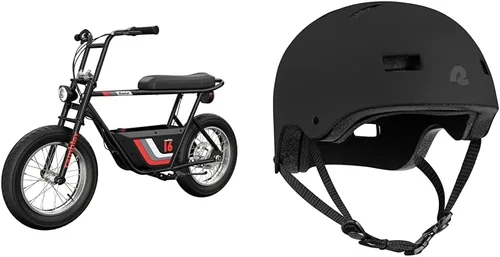
- Look for Bundled Deals: Some sellers include free helmets, locks, or extended warranties during promotions. These can save you $100+.
- Check Refurbished or Open-Box Options: Certified pre-owned bikes from reputable sellers often come with warranties and cost 20–30% less than new.
- Read Return Policies Carefully: Some companies charge restocking fees (10–15%) or only accept returns within 7–14 days. Aim for 30-day windows with free return shipping.
- Join Brand Communities: Follow your favorite brands on social media or sign up for newsletters. Early access to sales, beta firmware, and exclusive discounts are common perks.
- Consider Financing: Many brands offer 0% APR financing through Klarna or Affirm, spreading payments over 6–12 months without extra cost.
- Verify Firmware Updates: App-connected bikes receive performance tweaks and bug fixes. Ensure the brand actively supports software updates—not all do.

Frequently Asked Questions
Q: Are electric mini bikes safe for adults?
A: Yes, when used responsibly and equipped with proper safety features. Always wear a helmet, obey traffic laws, and avoid riding in heavy rain or icy conditions. Choose models with disc brakes, lights, and stable geometry for added safety.
Q: Can I ride an electric mini bike on sidewalks?
A: It depends on local laws. In many U.S. cities, e-bikes are prohibited on sidewalks and must use bike lanes or roads. Check municipal codes—some allow sidewalk riding only for Class 1 e-bikes under 20 mph.
Q: How long do electric mini bike batteries last?
A: Most lithium-ion batteries retain 80% capacity after 500–800 charge cycles, translating to 2–4 years of daily use. Proper care (avoiding full discharges, storing at 50% charge in winter) extends lifespan.
Q: Do I need a license to ride an electric mini bike?
A: In most states, no—if the bike meets e-bike classifications (motor under 750W, speed under 20 mph with throttle or 28 mph with pedal assist). High-speed models may require a motorcycle license or registration.
Q: Can I modify my electric mini bike for more speed?
A: Technically yes, but it voids warranties, may be illegal, and can compromise safety. Overvolting the motor or removing speed limiters increases fire risk and component stress. Stick to factory settings unless you’re an experienced technician.
Q: What’s the difference between a mini bike and a moped?
A: Mopeds typically have larger engines (50cc+), require registration, and are classified as motor vehicles. Electric mini bikes are usually lighter, quieter, and fall under e-bike regulations—unless they exceed speed/power limits.
Q: How do I maintain my electric mini bike?
A: Clean it regularly, check tire pressure weekly, inspect brakes monthly, lubricate the chain (if applicable), and update firmware. Store indoors and avoid extreme temperatures.
Q: Are electric mini bikes waterproof?
A: Most are water-resistant (IP54 or IP65 rated), meaning they can handle light rain but shouldn’t be submerged or pressure-washed. Avoid deep puddles and dry the bike after wet rides.
Q: Can I take my mini bike on public transit?
A: Many buses and trains allow folded or compact e-bikes, but policies vary. Check with your local transit authority—some require bikes to be under 50 lbs or stored in bags.
Q: What happens if my battery dies mid-ride?
A: You can usually pedal manually (if the bike has pedals), though it will be heavy. Carry a portable charger or plan routes with charging stations. Swappable battery models let you replace it instantly.
Our Final Recommendations
Best for Budget-Conscious Buyers: Segway X160 – At around $1,000, it offers excellent build quality, 28 mph top speed, 31-mile range, and street-legal compliance. Perfect for urban commuters who want reliability without breaking the bank.
Best Overall Value: Super73-RX – Priced near $2,000, this retro-styled cruiser delivers 28 mph, 40+ mile range, premium suspension, and a vibrant community. Ideal for riders who want style, performance, and versatility.
Best Premium Option: Talaria Sting MX3 – With a 2,000W motor, 60-mile range, and full off-road capability, this $3,200 beast dominates trails and streets alike. Built for serious riders who demand top-tier performance.
Best for Beginners: Ancheer AN-EB01 – A sub-$600 entry point with simple controls, 20 mph speed, and easy assembly. Great for first-timers testing the waters before upgrading.
Best for Advanced Users: Cake Kalk OR – This $12,000 Swedish masterpiece combines minimalist design with race-level specs: 3,000W motor, 70-mile range, and aerospace-grade materials. For those who want the pinnacle of electric mini bike engineering.
Conclusion: Making the Right Choice
Choosing the best electric mini bike for adults isn’t just about picking the fastest or cheapest option—it’s about finding the right balance of performance, safety, legality, and lifestyle fit. We’ve covered everything from motor specs and battery life to legal compliance and long-term maintenance, so you can confidently navigate this exciting market. Remember: your ideal bike depends on how you plan to use it. A college student needs something lightweight and affordable, while an adventure seeker demands rugged durability and high torque. Prioritize your must-have features, set a realistic budget, and don’t rush the decision.
Take your time, read real user reviews, and whenever possible, test ride before you buy. The right electric mini bike will transform your daily commute, open up new recreational possibilities, and deliver years of silent, emission-free joy. Whether you’re zipping through city streets or carving up mountain trails, there’s a perfect model out there waiting for you. Use this guide as your roadmap—and get ready to ride into the future.