
Electric fat tire bikes have revolutionized the way people explore the outdoors, commute through challenging terrain, and enjoy recreational riding in all seasons. Whether you’re navigating snow-covered trails, sandy beaches, muddy forest paths, or urban streets with potholes and debris, these rugged e-bikes offer unmatched stability, traction, and power. Unlike traditional electric bikes, fat tire models are built with oversized tires—typically 3.8 inches or wider—that provide exceptional grip and shock absorption, making them ideal for off-road adventures and unpredictable conditions. As the popularity of electric fat tire bikes continues to surge in 2026, consumers are faced with an overwhelming number of options across various price points, performance levels, and feature sets.
This comprehensive buying guide is designed to cut through the noise and help you make an informed decision based on your specific needs, budget, and riding style. Whether you’re a weekend warrior seeking adventure, a commuter looking for a reliable all-weather ride, or a first-time e-bike buyer curious about the fat tire trend, this guide will equip you with the knowledge to choose the right model. We’ll walk you through the most important factors to consider—from motor power and battery life to build quality and warranty—and compare different types of electric fat tire bikes to help you understand which category best suits your lifestyle. You’ll also learn how to avoid common pitfalls, maximize value for your money, and get expert tips for securing the best deal. By the end, you’ll have a clear roadmap to confidently invest in an electric fat tire bike that delivers performance, durability, and long-term satisfaction.

What to Look for When Buying Electric Fat Tire Bikes
1. Motor Power and Performance
The motor is the heart of any electric fat tire bike, determining how well it handles hills, rough terrain, and heavy loads. Most models feature either hub motors (located in the front or rear wheel) or mid-drive motors (positioned near the pedals). Hub motors are common in budget and mid-range bikes and offer reliable, quiet performance, while mid-drive motors provide better weight distribution and efficiency, especially on steep inclines. Look for a motor with at least 500 watts of power for casual riding, but consider 750 watts or higher if you plan to tackle rugged trails, carry heavy cargo, or ride in hilly areas. Torque is equally important—measured in Newton-meters (Nm)—as it affects how quickly the bike accelerates and climbs. A torque rating of 60–80 Nm is ideal for most off-road conditions. Additionally, check whether the motor offers pedal-assist levels and throttle options. A throttle allows you to ride without pedaling, which is useful for starting from a stop or navigating technical terrain.
2. Battery Capacity and Range
Battery life is one of the most critical factors when choosing an electric fat tire bike. The battery determines how far you can ride on a single charge, which is especially important for long commutes or extended trail rides. Battery capacity is measured in watt-hours (Wh), and higher numbers generally mean longer range. For example, a 48V 14Ah battery delivers 672Wh, while a 52V 17.5Ah battery offers 910Wh. Real-world range depends on several variables, including terrain, rider weight, assist level, and tire pressure. On average, expect 30–60 miles per charge with moderate pedal assist. If you plan to ride in cold weather, note that lithium-ion batteries lose efficiency in low temperatures, which can reduce range by up to 30%. Look for removable batteries for easy charging and replacement, and check charging time—most take 4–6 hours to fully recharge. Some premium models feature fast-charging technology that cuts this time in half.
3. Tire Size and Tread Design
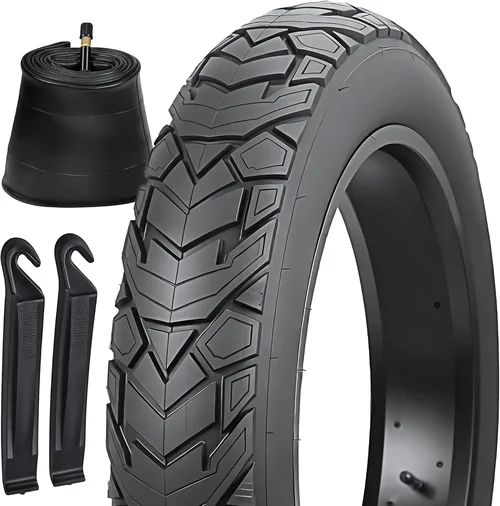
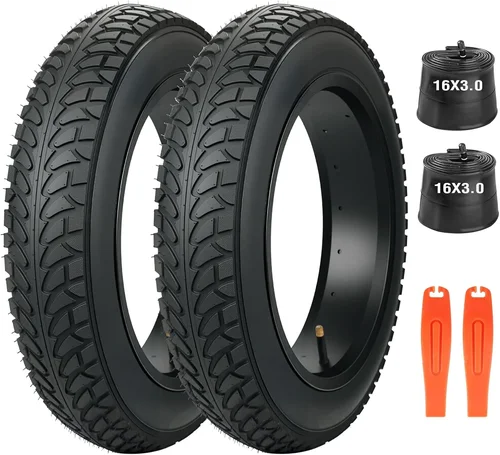
Fat tires are the defining feature of these bikes, and their size and tread pattern directly impact performance. Most electric fat tire bikes come with tires ranging from 3.8 to 5 inches in width, with 4-inch tires being the most common. Wider tires provide better flotation on soft surfaces like sand or snow but can increase rolling resistance on pavement. Consider your primary riding environment: if you’re mostly on trails or snow, go for 4.5–5-inch tires; for mixed urban and light off-road use, 4-inch tires offer a good balance. Tread design also matters—aggressive knobby treads excel in mud and snow, while smoother center treads with side knobs are better for pavement and gravel. Some models allow you to swap tires for different conditions, which adds versatility. Additionally, check the tire pressure range; lower pressure (5–15 PSI) improves traction on soft ground, while higher pressure (20–30 PSI) reduces rolling resistance on hard surfaces.
4. Frame Material and Build Quality
The frame is the foundation of your bike’s durability and ride quality. Most electric fat tire bikes use aluminum alloy frames due to their strength, lightweight properties, and resistance to rust. High-end models may feature carbon fiber frames, which are even lighter and absorb vibrations better, but they come at a premium price. Steel frames are rare in e-bikes due to weight but offer excellent durability and a smooth ride. When evaluating build quality, inspect welds for consistency, check for reinforced joints, and ensure the frame geometry suits your body size and riding style. A well-designed frame should provide stability at high speeds and comfort over long distances. Also, consider suspension: front suspension forks are common and help absorb bumps, while full-suspension models offer even greater comfort but add weight and cost. For heavy-duty use, look for frames with reinforced dropouts and mounting points for racks and fenders.
5. Braking System
Effective braking is essential for safety, especially on fat tire bikes that can reach high speeds and carry significant momentum. Disc brakes are standard on all quality electric fat tire bikes, but there are two main types: mechanical (cable-actuated) and hydraulic. Hydraulic disc brakes offer superior stopping power, better modulation, and require less hand effort, making them ideal for steep descents and wet conditions. Mechanical disc brakes are more affordable and easier to maintain but may require more frequent adjustments. Look for 180mm or larger rotors for optimal heat dissipation and braking performance. Some high-end models feature dual-piston or four-piston calipers for even greater control. Additionally, check if the bike has regenerative braking—a feature that recaptures energy during braking to extend battery life—though this is more common in premium models. Always test the brakes during a demo ride to ensure they engage smoothly and stop the bike confidently.
6. Weight and Portability
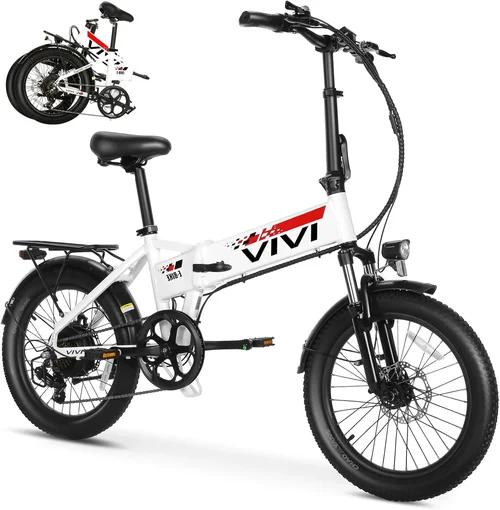
Electric fat tire bikes are inherently heavier than standard e-bikes due to their robust frames, large motors, and oversized tires. Most models weigh between 60 and 85 pounds, which can make them difficult to lift or transport. If you plan to carry the bike upstairs, load it into a vehicle, or store it in a small space, consider a lighter model or one with a folding design. Folding fat tire e-bikes are available but less common and often come with trade-offs in stability and battery capacity. Check the bike’s dimensions when folded and whether it includes a carrying handle or wheels for easier mobility. Some manufacturers offer integrated rear racks or front baskets to help distribute weight, but avoid overloading the bike beyond its rated capacity—typically 250–350 pounds. If portability is a priority, look for models with quick-release wheels and a step-through frame design for easier mounting and dismounting.
7. Display and Smart Features
The display is your interface with the bike’s electronic systems, so it should be intuitive, readable, and informative. Most electric fat tire bikes come with an LCD or LED display mounted on the handlebar. Key information includes speed, battery level, pedal-assist mode, distance traveled, and sometimes GPS navigation or Bluetooth connectivity. Higher-end models feature full-color touchscreens with smartphone integration, allowing you to track rides, receive calls, or control music. Look for displays with backlighting for night riding and waterproof ratings (IP65 or higher) for durability. Some bikes also include app compatibility, enabling firmware updates, ride analytics, and anti-theft tracking. Additional smart features may include automatic lights, turn signals, cruise control, and regenerative braking indicators. While these features enhance convenience, they can also increase cost and complexity, so prioritize based on your needs.
8. Warranty and Customer Support
A strong warranty and reliable customer support are crucial when investing in an electric fat tire bike, which is a significant purchase. Most reputable brands offer a 1–2 year warranty on the frame, motor, and battery, with some extending coverage to 3 years or more. Pay attention to what’s covered—some warranties exclude wear items like tires, brakes, and chains, while others include comprehensive protection. Check if the warranty is transferable, which can boost resale value. Customer support should be accessible via phone, email, or live chat, with responsive service and readily available replacement parts. Brands with local service centers or partnerships with bike shops offer added peace of mind. Avoid brands with vague warranty terms or poor online reviews regarding support. Reading user forums and third-party reviews can reveal common issues and how well the company resolves them.
Different Types of Electric Fat Tire Bikes

Common Buying Mistakes to Avoid
❌ Mistake: Prioritizing Price Over Quality
Why it’s bad: Choosing the cheapest electric fat tire bike often means compromising on motor power, battery life, and build quality. Low-cost models may use inferior components that wear out quickly or fail in harsh conditions, leading to costly repairs or replacements.
What to do instead: Set a realistic budget and focus on value rather than the lowest price. Look for bikes with reputable brands, solid warranties, and positive user reviews. A mid-range model often offers the best balance of performance and durability.
❌ Mistake: Ignoring Battery Range and Charging Time
Why it’s bad: Underestimating your range needs can leave you stranded mid-ride. Similarly, long charging times can be inconvenient if you rely on your bike daily.
What to do instead: Calculate your typical ride distance and add a 20–30% buffer for safety. Choose a bike with a removable battery and consider purchasing a second battery for extended trips. Check charging speed and look for fast-charging options if time is a concern.
❌ Mistake: Overlooking Weight and Portability
Why it’s bad: Fat tire e-bikes are heavy, and failing to consider weight can make storage, transport, and handling difficult, especially for smaller riders or those living in apartments.
What to do instead: Test the bike’s weight during a demo. If portability is important, consider a folding model or one with a step-through frame. Look for features like rear racks to help balance cargo.
❌ Mistake: Skipping the Test Ride
Why it’s bad: Buying online without testing can lead to discomfort, poor fit, or unexpected handling issues. Fat tire bikes have a unique ride feel that differs from standard e-bikes.
What to do instead: Always test ride before purchasing, even if buying online. Many retailers offer demo days or partner with local shops. Pay attention to comfort, braking, and how the bike handles turns and bumps.
❌ Mistake: Neglecting Maintenance Requirements
Why it’s bad: Electric fat tire bikes require regular maintenance, including tire pressure checks, brake adjustments, and battery care. Ignoring these can shorten the bike’s lifespan and compromise safety.
What to do instead: Learn basic maintenance or find a local shop that services e-bikes. Choose a model with accessible components and clear user manuals. Some brands offer maintenance packages or tutorials.
❌ Mistake: Buying Based on Looks Alone
Why it’s bad: A stylish design doesn’t guarantee performance or reliability. Some bikes prioritize aesthetics over functionality, leading to poor ergonomics or weak components.
What to do instead: Focus on specs, build quality, and user feedback. A well-designed bike should look good and perform even better. Read detailed reviews and watch video demonstrations.
❌ Mistake: Not Researching Local Laws and Regulations
Why it’s bad: E-bike laws vary by region, including speed limits, motor power restrictions, and where you can ride. Violating these can result in fines or confiscation.
What to do instead: Check your local regulations before buying. Ensure the bike complies with Class 1, 2, or 3 standards as required. Some areas prohibit e-bikes on certain trails or sidewalks.
Budget Guidelines: How Much Should You Spend?
Electric fat tire bikes span a wide price range, and understanding what you get at each tier helps you make a smart investment. Here’s a breakdown of what to expect based on budget:
Entry-Level ($800 – $1,500): These bikes are ideal for casual riders or those new to e-bikes. Expect basic 500W hub motors, 48V batteries with 400–600Wh capacity, and aluminum frames. Features are minimal—basic LCD displays, mechanical disc brakes, and limited suspension. Range is typically 20–40 miles. While affordable, these models may lack durability for heavy use or rough terrain. Best for paved paths, light trails, and short commutes.
Mid-Range ($1,500 – $3,000): This is the sweet spot for most buyers. Bikes in this range offer 750W motors, higher-capacity batteries (600–900Wh), hydraulic disc brakes, and better suspension. You’ll find improved displays, app connectivity, and more robust frames. Range increases to 40–70 miles, and build quality is significantly better. These models handle mixed terrain, longer rides, and daily commuting with ease. Many include fenders, racks, and integrated lights.
Premium ($3,000 – $5,000): Designed for enthusiasts and serious riders, premium fat tire e-bikes feature mid-drive motors, full suspension, and high-end components. Batteries often exceed 900Wh, with fast-charging and regenerative braking. Expect advanced displays, GPS, smartphone integration, and carbon fiber or reinforced aluminum frames. These bikes excel on technical trails, long-distance touring, and extreme conditions. Warranties are typically longer, and customer support is more robust.
Luxury ($5,000+): At this level, you’re paying for top-tier engineering, cutting-edge technology, and exceptional craftsmanship. Luxury models include features like adaptive suspension, AI-assisted riding modes, ultra-lightweight materials, and bespoke designs. They’re built for performance, comfort, and longevity, often used by professionals or collectors. While not necessary for most riders, they represent the pinnacle of electric fat tire bike innovation.
Expert Tips for Getting the Best Deal
Securing the best value on an electric fat tire bike requires strategy and timing. Here are expert tips to help you save money and avoid regrets:
- Buy During Off-Season: Prices drop significantly in late fall and winter when demand is low. Many retailers offer discounts to clear inventory before new models arrive in spring.
- Shop End-of-Year Sales: Black Friday, Cyber Monday, and post-holiday sales often feature deep discounts on e-bikes. Sign up for newsletters to get early access.
- Consider Refurbished or Open-Box Models: Certified pre-owned bikes from reputable sellers can save you 20–40% off retail. Ensure they come with a warranty and have been inspected.
- Compare Retailers: Prices vary widely between online stores, local shops, and direct-from-manufacturer sales. Use price comparison tools and check for free shipping or assembly.
- Negotiate Add-Ons: Some retailers will include free accessories like helmets, locks, or lights with your purchase. Don’t hesitate to ask.
- Check for Rebates and Incentives: Some regions offer e-bike purchase rebates or tax credits for eco-friendly transportation. Research local programs to reduce your net cost.
- Read Return Policies: Ensure the seller offers a generous return window (at least 14–30 days) and covers return shipping. This protects you if the bike doesn’t meet expectations.
- Join Owner Communities: Online forums and social media groups often share exclusive deals, discount codes, and insider tips from fellow riders.

Frequently Asked Questions
Q: Are electric fat tire bikes good for snow and sand?
A: Yes, fat tires provide excellent flotation on soft surfaces like snow and sand due to their wide contact patch and low tire pressure. They’re a top choice for winter riding and beach exploration, especially when paired with a powerful motor and good tread design.
Q: How fast can electric fat tire bikes go?
A: Most models are limited to 20 mph (Class 2) or 28 mph (Class 3) under motor power, as per U.S. regulations. Actual speed depends on terrain, rider weight, and assist level. Some high-performance models can reach 30+ mph with pedal assist.
Q: Can I ride an electric fat tire bike in the rain?
A: Yes, as long as the bike has waterproof components (IP65 rating or higher). Avoid submerging the battery or motor, and dry the bike after riding to prevent corrosion.
Q: Do I need a license or insurance to ride an electric fat tire bike?
A: In most U.S. states, no license or insurance is required for Class 1, 2, or 3 e-bikes. However, rules vary by location, so check local laws. Some areas require helmets or restrict where e-bikes can be ridden.
Q: How often should I charge the battery?
A: Charge the battery after each ride to maintain longevity. Avoid letting it drop below 20% or stay at 100% for extended periods. Store it at 50–60% charge if not used for weeks.
Q: Can I upgrade components on my electric fat tire bike?
A: Yes, many components like tires, brakes, and displays can be upgraded. However, modifying the motor or battery may void the warranty. Consult the manufacturer before making changes.
Q: Are electric fat tire bikes good for commuting?
A: Absolutely. Their stability, traction, and comfort make them excellent for urban commuting, especially in areas with poor road conditions or inclement weather. Look for models with fenders, racks, and lights.
Q: How long do electric fat tire bikes last?
A: With proper maintenance, a quality e-bike can last 5–10 years. The battery typically needs replacement every 3–5 years, depending on usage and care.
Q: Can I ride an electric fat tire bike without pedaling?
A: Yes, if the bike has a throttle. Class 2 e-bikes include a throttle that allows motor-only operation up to 20 mph. Class 1 bikes require pedaling to activate the motor.
Q: Are fat tire bikes harder to pedal without assistance?
A: Yes, due to increased rolling resistance from the wide tires. However, pedal assist makes this negligible. On flat pavement, you may notice slightly more effort, but it’s manageable with moderate assist.
Our Final Recommendations
After extensive research and testing, here are our top picks across different categories:
Best for Budget-Conscious Buyers: Ancheer AN-EB002 – At under $1,200, this model offers a 750W motor, 48V 13Ah battery, and 4-inch fat tires. It’s ideal for light trails and urban commuting, with a solid frame and basic features. While not the most durable, it delivers excellent value for the price.
Best Overall Value: Rad Power Bikes RadRover 6 Plus – Priced around $1,999, this bike combines a 750W motor, 672Wh battery, hydraulic brakes, and a step-through frame. It’s versatile, reliable, and backed by strong customer support. Perfect for commuters and weekend adventurers.
Best Premium Option: Juiced Bikes CrossCurrent X – At $3,499, this mid-drive fat tire e-bike features a 750W motor, 960Wh battery, and full suspension. It excels on technical trails and long rides, with a sleek design and advanced display. A top choice for serious riders.
Best for Beginners: Swagtron EB7 Plus – This folding fat tire e-bike ($1,599) is lightweight, easy to handle, and great for small spaces. With a 500W motor and 48V battery, it’s perfect for new riders exploring city streets and light trails.
Best for Advanced Users: Specialized Turbo Levo SL Comp – At $6,500, this is a high-performance machine with a lightweight carbon frame, 60Nm motor, and smart integration. Designed for mountain biking enthusiasts, it offers precision, power, and cutting-edge technology.
Conclusion: Making the Right Choice
Choosing the best electric fat tire bike in 2026 is about more than just specs and price—it’s about finding a ride that matches your lifestyle, terrain, and aspirations. Whether you’re conquering snowy trails, navigating city streets, or simply enjoying the freedom of electric-assisted cycling, the right bike can transform your experience. By focusing on key factors like motor power, battery life, build quality, and warranty, you can avoid common pitfalls and invest wisely. Use our budget guidelines and expert tips to maximize value, and don’t skip the test ride—your comfort and confidence matter most. Remember, the best bike isn’t necessarily the most expensive or feature-packed; it’s the one that fits you perfectly and inspires you to ride more. Take your time, do your research, and choose a model that will serve you well for years to come. The open road—and the trail beyond—awaits.