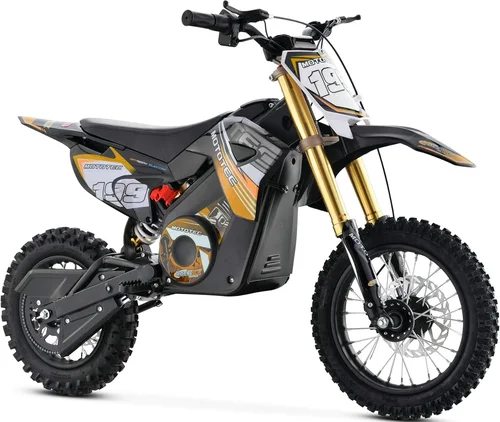
Electric dirt bikes have exploded in popularity over the past few years, and by 2025, they’ve evolved from niche novelties into serious contenders in the off-road world. Whether you’re a weekend trail rider, a motocross enthusiast, or a parent looking for a safe, quiet ride for your kid, electric dirt bikes now offer performance, reliability, and innovation that rival—and in some cases surpass—their gas-powered counterparts. With zero emissions, near-silent operation, and lower maintenance costs, it’s no surprise that more riders are making the switch.
But with so many models flooding the market, choosing the right electric dirt bike can feel overwhelming. That’s where this comprehensive buying guide comes in. We’ve tested, researched, and analyzed the top electric dirt bikes of 2025 to help you make an informed decision. In this guide, you’ll learn what to look for in performance, build quality, battery life, and safety features. We’ll break down the different types of electric dirt bikes, compare price ranges, highlight common pitfalls to avoid, and provide expert recommendations tailored to your needs—whether you’re on a tight budget or ready to invest in a high-end machine.
The electric dirt bike market in 2025 is more competitive than ever. Major brands like KTM, Husqvarna, and Yamaha have joined pioneers like Zero Motorcycles and Sur Ron in offering powerful, feature-rich models. Meanwhile, emerging companies are pushing the boundaries with lightweight frames, swappable batteries, and smart connectivity. This guide will walk you through every critical factor—from motor power and suspension to warranty and brand reputation—so you can confidently choose the best electric dirt bike for your riding style, terrain, and budget.

What to Look for When Buying an Electric Dirt Bike
1. Budget & Price Range
Your budget is the foundation of your purchase decision. Electric dirt bikes range from under $1,000 for basic youth models to over $15,000 for professional-grade machines. It’s essential to set a realistic budget that aligns with your intended use. A beginner or casual rider might be perfectly happy with a $2,000–$4,000 bike, while competitive racers or serious trail explorers may need to invest $8,000 or more for top-tier performance and durability.
Keep in mind that the upfront cost is only part of the equation. Factor in long-term savings: electric bikes have fewer moving parts, no oil changes, and minimal maintenance compared to gas bikes. However, battery replacement every 3–5 years can cost $1,000–$2,500, so consider that in your total cost of ownership. Also, don’t forget to budget for essential gear like helmets, gloves, and protective clothing—safety should never be compromised.
2. Performance Specifications
Performance is where electric dirt bikes truly shine. Unlike gas engines, electric motors deliver instant torque, giving you explosive acceleration from a standstill. When evaluating performance, focus on three key specs: motor power (measured in kW or horsepower), top speed, and range (how far you can ride on a single charge).
For example, a 5–10 kW motor is ideal for beginners and light trail riding, while 15–20 kW models are better suited for aggressive off-roading and motocross. Top speeds typically range from 30 mph on entry-level bikes to over 70 mph on high-performance models. Range varies widely—some bikes offer only 20–30 miles, while others can exceed 80 miles with efficient riding. Always check real-world range tests, as manufacturer claims can be optimistic.
3. Build Quality & Durability
Off-road riding is tough on equipment, so build quality is non-negotiable. A well-constructed electric dirt bike should feature a robust frame (usually aluminum or chromoly steel), high-quality suspension (front forks and rear shock), and durable components like wheels, brakes, and drivetrain.
Pay attention to the suspension travel—longer travel (8–12 inches) is better for rough terrain and jumps. Look for reputable suspension brands like WP, Showa, or Öhlins, even on mid-range models. The frame should feel solid and well-welded, with no flex or rattling. Check for IP ratings (Ingress Protection) for water and dust resistance—IP67 is ideal for muddy or wet conditions.
Also consider the weight of the bike. Lighter bikes (under 150 lbs) are easier to handle and maneuver, especially for younger or less experienced riders. However, ultra-light models may sacrifice durability. Aim for a balance between weight and strength.
4. Battery Technology & Charging
The battery is the heart of any electric dirt bike. In 2025, most models use lithium-ion (Li-ion) or lithium iron phosphate (LiFePO4) batteries. Li-ion offers higher energy density and lighter weight, while LiFePO4 is more durable and safer, with a longer lifespan—ideal for frequent riders.
Key battery specs to consider include capacity (measured in kWh), voltage (typically 48V, 72V, or 96V), and charging time. A 2–4 kWh battery is standard for mid-range bikes, providing 40–80 miles of range. Fast-charging capability (0–80% in under 2 hours) is a major plus, especially if you plan to ride all day.
Swappable batteries are a game-changer. Models like the Zero FXE and Sur Ron Storm Bee allow you to carry a spare and extend your ride without waiting to recharge. This feature is especially valuable for long trail rides or competitive events.
5. Features & Functionality
Modern electric dirt bikes come packed with smart features that enhance safety, performance, and convenience. Look for regenerative braking, which recaptures energy during deceleration and extends range. LED lighting is standard on most 2025 models, improving visibility and safety during night rides.
Digital displays are increasingly common, showing speed, battery level, ride mode, and even GPS navigation on premium models. Some bikes offer Bluetooth connectivity and companion apps that let you track ride data, adjust settings, and receive firmware updates.
Other useful features include quick-release wheels for easy transport, adjustable suspension settings, and tool-less maintenance access. While not essential, these extras can significantly improve your riding experience.
6. Brand Reputation & Reliability
Not all electric dirt bike brands are created equal. Established manufacturers like KTM, Husqvarna, and Yamaha bring decades of engineering expertise and rigorous testing to their electric models. They also offer better dealer networks and customer support.
However, innovative startups like Sur Ron, Talaria, and Cake have disrupted the market with high-performance, affordable bikes. These brands often lead in technology and design but may have limited service centers or shorter track records.
Research customer reviews, warranty claims, and recall history. A brand with a strong reputation for reliability and customer service will save you headaches down the road. Also, check if the company offers firmware updates—this ensures your bike stays up-to-date with performance improvements and bug fixes.
7. Warranty & Support
A solid warranty is a sign of a manufacturer’s confidence in their product. Most reputable brands offer at least a 1–2 year warranty on the bike and a separate 2–3 year warranty on the battery. Some premium models come with 3-year comprehensive coverage.
Read the fine print: does the warranty cover the motor, controller, and electronics? Is it voided by off-road use or modifications? Also, consider where you can get service. Brands with local dealers or authorized service centers make repairs and maintenance much easier.
Customer support matters too. Can you reach a real person quickly? Are parts readily available? Look for brands with responsive support teams and active online communities where users share tips and troubleshooting advice.
8. Size & Portability
Size affects both performance and practicality. Youth models are designed for riders under 5′ tall, with lower seat heights (28–32 inches) and reduced power. Adult bikes typically have seat heights of 34–38 inches and are built for riders 5’6″ and up.
Portability is crucial if you plan to transport your bike frequently. Look for models with folding handlebars, removable batteries, and lightweight frames. Some bikes weigh under 120 lbs, making them easy to load into a truck or trailer. Others exceed 200 lbs and may require a ramp or assistance.
Also consider storage space. If you live in an apartment or have limited garage space, a compact, foldable design might be worth the trade-off in performance.
Different Types of Electric Dirt Bikes

Common Buying Mistakes to Avoid
❌ Mistake: Ignoring Real-World Range
Why it’s bad: Manufacturers often advertise range based on ideal conditions—flat terrain, slow speeds, and minimal load. In reality, aggressive riding, hills, and cold weather can cut range by 30–50%. Relying on advertised range can leave you stranded.
What to do instead: Look for independent range tests from reviewers or user forums. Aim for a bike with at least 20–30% more range than you actually need. Carry a spare battery if possible, or plan your routes around charging stations.
❌ Mistake: Overlooking Suspension Quality
Why it’s bad: Cheap suspension leads to a harsh ride, reduced control, and increased fatigue. It can also damage other components over time due to excessive vibration and impact.
What to do instead: Prioritize bikes with reputable suspension brands and adjustable settings. Test ride if possible—feel how the bike handles bumps and jumps. For serious off-roading, invest in a model with at least 8 inches of travel front and rear.
❌ Mistake: Choosing Based on Price Alone
Why it’s bad: The cheapest bike isn’t always the best value. Low-cost models often cut corners on build quality, battery life, and safety features, leading to higher long-term costs and potential safety risks.
What to do instead: Balance price with features and durability. A $3,000 bike with a solid frame, good suspension, and reliable battery is often a better investment than a $1,500 model that breaks down frequently.
❌ Mistake: Neglecting Safety Features
Why it’s bad: Electric bikes can accelerate faster than gas bikes, increasing the risk of accidents if riders aren’t prepared. Lack of lighting, poor brakes, or no traction control can be dangerous.
What to do instead: Ensure the bike has strong hydraulic disc brakes, LED lights, and a kill switch. Consider models with traction control or ride modes that limit power for beginners. Always wear full protective gear.
❌ Mistake: Not Checking Warranty & Support
Why it’s bad: A bike with a weak warranty or poor customer service can become a money pit if something goes wrong. Repairs may be expensive or impossible if parts aren’t available.
What to do instead: Choose brands with at least a 2-year warranty and accessible service centers. Read warranty terms carefully—some exclude off-road use or battery degradation.
❌ Mistake: Buying the Wrong Size
Why it’s bad: A bike that’s too big or too small is hard to control, uncomfortable, and unsafe. It can also lead to poor riding posture and increased fatigue.
What to do instead: Match the bike to your height, weight, and skill level. Test ride if possible. For kids, choose a model with adjustable seat height and power settings.
❌ Mistake: Skipping the Test Ride
Why it’s bad: Specs don’t tell the whole story. How a bike feels—its balance, throttle response, and comfort—can only be judged by riding it.
What to do instead: Whenever possible, test ride before buying. Attend demo days, visit dealerships, or rent a similar model. Pay attention to how it handles on different terrains.
Budget Guidelines: How Much Should You Spend?
- Entry-Level ($800 – $2,500): Ideal for kids, beginners, or casual riders. These bikes offer basic performance (2–5 kW motors), limited range (20–40 miles), and simpler components. Examples include the Razor MX650 and Segway X260. Great for learning, but not built for aggressive riding.
- Mid-Range ($2,500 – $6,000): The sweet spot for most riders. These bikes balance performance, durability, and features. Expect 5–12 kW motors, 40–70 mile range, quality suspension, and better batteries. Models like the Sur Ron Light Bee and Talaria Sting fall here. Perfect for trail riding and weekend adventures.
- Premium ($6,000 – $12,000): For serious enthusiasts and competitive riders. These bikes offer 12–20 kW motors, top speeds over 60 mph, long range, and race-grade components. Examples include the Zero FXE and KTM Freeride E-XC. Built for performance and durability.
- Luxury ($12,000+): Top-tier machines with cutting-edge technology, lightweight materials, and professional-level performance. The Cake Kalk OR and Husqvarna EE 5 represent this tier. Designed for experts, racers, and those who want the absolute best.

Expert Tips for Getting the Best Deal
- Buy at the Right Time: Look for end-of-season sales (late summer/fall) when dealers clear inventory. Black Friday and holiday sales also offer discounts. New model releases in spring often mean price drops on previous-year bikes.
- Shop Online and In-Store: Compare prices across retailers like RevZilla, Rocky Mountain ATV, and direct from manufacturers. Online often has better deals, but in-store lets you inspect the bike and get expert advice.
- Check for Bundles: Some retailers offer packages with helmets, gloves, or spare batteries at a discount. These can save you $200–$500 compared to buying separately.
- Negotiate: Don’t be afraid to haggle, especially at local dealers. Ask for free shipping, extended warranty, or accessories.
- Read Return Policies: Ensure the seller offers a 14–30 day return window. This gives you time to test the bike and return it if it doesn’t meet expectations.
- Consider Used Bikes: Certified pre-owned models from reputable dealers can save you 20–40%. Check battery health and service history carefully.
- Join Online Communities: Forums like Electric Bike Report and Reddit’s r/ElectricMotorcycles share deals, reviews, and insider tips.
- Watch for Firmware Updates: Some brands release performance upgrades for free. Register your bike to stay informed.

Frequently Asked Questions
Q: Are electric dirt bikes street legal?
A: Most electric dirt bikes are not street legal out of the box. However, some models like the Zero FXE and Cake Kalk& can be registered for road use with proper lighting, mirrors, and licensing. Check local laws—requirements vary by state and country.
Q: How long do electric dirt bike batteries last?
A: Battery lifespan depends on usage and care. Most lithium-ion batteries last 500–1,000 charge cycles, equating to 3–5 years of regular use. Proper charging (avoiding full discharges and extreme temperatures) can extend life.
Q: Can I ride an electric dirt bike in the rain?
A: Yes, but only if the bike has a high IP rating (IP67 or higher). Avoid deep water or submersion. Dry the bike thoroughly after wet rides to prevent corrosion.
Q: How fast do electric dirt bikes go?
A: Speeds range from 25 mph on youth models to over 70 mph on high-performance bikes. Most adult trail bikes hit 40–60 mph, which is more than enough for off-road fun.
Q: Do electric dirt bikes require maintenance?
A: Yes, but far less than gas bikes. Regular tasks include checking tire pressure, cleaning the chain, inspecting brakes, and updating firmware. No oil changes or carburetor tuning needed.
Q: Are electric dirt bikes good for beginners?
A: Absolutely. Their smooth power delivery, lightweight design, and quiet operation make them ideal for learning. Many have beginner modes that limit speed and torque.
Q: Can I upgrade my electric dirt bike?
A: Some components like tires, suspension, and controllers can be upgraded. However, major modifications may void the warranty. Check with the manufacturer first.
Q: How do I charge an electric dirt bike at home?
A: Most bikes come with a standard wall charger. A 2–4 kWh battery takes 2–6 hours to charge. For faster charging, consider a Level 2 charger (240V), but ensure your electrical system can handle it.
Q: Are electric dirt bikes environmentally friendly?
A: Yes. They produce zero emissions during operation and have a lower carbon footprint over their lifetime compared to gas bikes, especially when charged with renewable energy.
Q: What safety gear do I need?
A: Always wear a DOT-approved helmet, gloves, goggles, chest protector, knee pads, and sturdy boots. Full motocross gear is recommended for off-road riding.
Our Final Recommendations
- Best for Budget-Conscious Buyers: Sur Ron Light Bee X – At around $4,500, it offers incredible value with a 6 kW motor, 60-mile range, and rugged build. Perfect for trail riding and light off-roading.
- Best Overall Value: Talaria Sting – Priced at $5,500, it delivers 12 kW of power, swappable batteries, and premium components. A favorite among enthusiasts for its balance of performance and affordability.
- Best Premium Option: Zero FXE – At $11,995, it’s a high-end machine with 20 kW power, 80+ mile range, and street-legal capability. Ideal for serious riders who want top-tier performance.
- Best for Beginners: Razor MX650 – A $1,200 youth bike with adjustable speed control and durable construction. Great for kids and first-time riders.
- Best for Advanced Users: Cake Kalk OR – A $13,000 Swedish masterpiece with carbon fiber parts, 15 kW motor, and race-ready specs. Built for experts and off-road purists.
Conclusion: Making the Right Choice
Choosing the best electric dirt bike in 2025 doesn’t have to be overwhelming. By focusing on your needs—whether that’s budget, performance, durability, or ease of use—you can narrow down the options and find a bike that delivers endless fun and reliability. Remember to prioritize safety, research thoroughly, and take advantage of test rides and expert advice.
Electric dirt bikes are more than just a trend—they’re the future of off-road riding. With advancing technology, improving infrastructure, and growing community support, there’s never been a better time to make the switch. Whether you’re carving trails, racing on tracks, or introducing your kids to the thrill of riding, the right electric dirt bike will enhance every adventure.
So gear up, charge up, and get out there. The perfect ride is waiting—just make sure it’s the one that fits you.