

Electric dirt bikes have surged in popularity over the past few years, and for good reason. They offer a thrilling off-road experience without the noise, emissions, or maintenance headaches of traditional gas-powered motorcycles. Whether you’re an adrenaline junkie looking to conquer rugged trails, a weekend warrior seeking eco-friendly recreation, or someone who simply wants a reliable way to explore nature, electric dirt bikes are changing the game. As we move into 2026, the market is more competitive than ever—brands are pushing the boundaries of battery life, power output, and smart technology integration.
This comprehensive buying guide is designed to cut through the noise and help you make an informed decision. We’ll walk you through every critical factor—from performance specs and build quality to budget considerations and brand reliability. You’ll learn how to match your riding style and terrain needs with the right machine, avoid common pitfalls, and ultimately choose a bike that delivers both value and excitement. By the end of this guide, you won’t just know which models are hot right now—you’ll understand why they’re worth your investment.
The electric dirt bike market has matured significantly. No longer niche toys, today’s adult electric dirt bikes rival their gasoline counterparts in power, range, and durability. Major manufacturers like Sur Ron, Segway, Talon, and Cake have entered the fray, while startups continue to innovate with modular designs, swappable batteries, and app-connected diagnostics. With prices ranging from under $1,000 to well over $10,000, there’s truly something for every rider and every budget. Let’s dive in and find your perfect match.
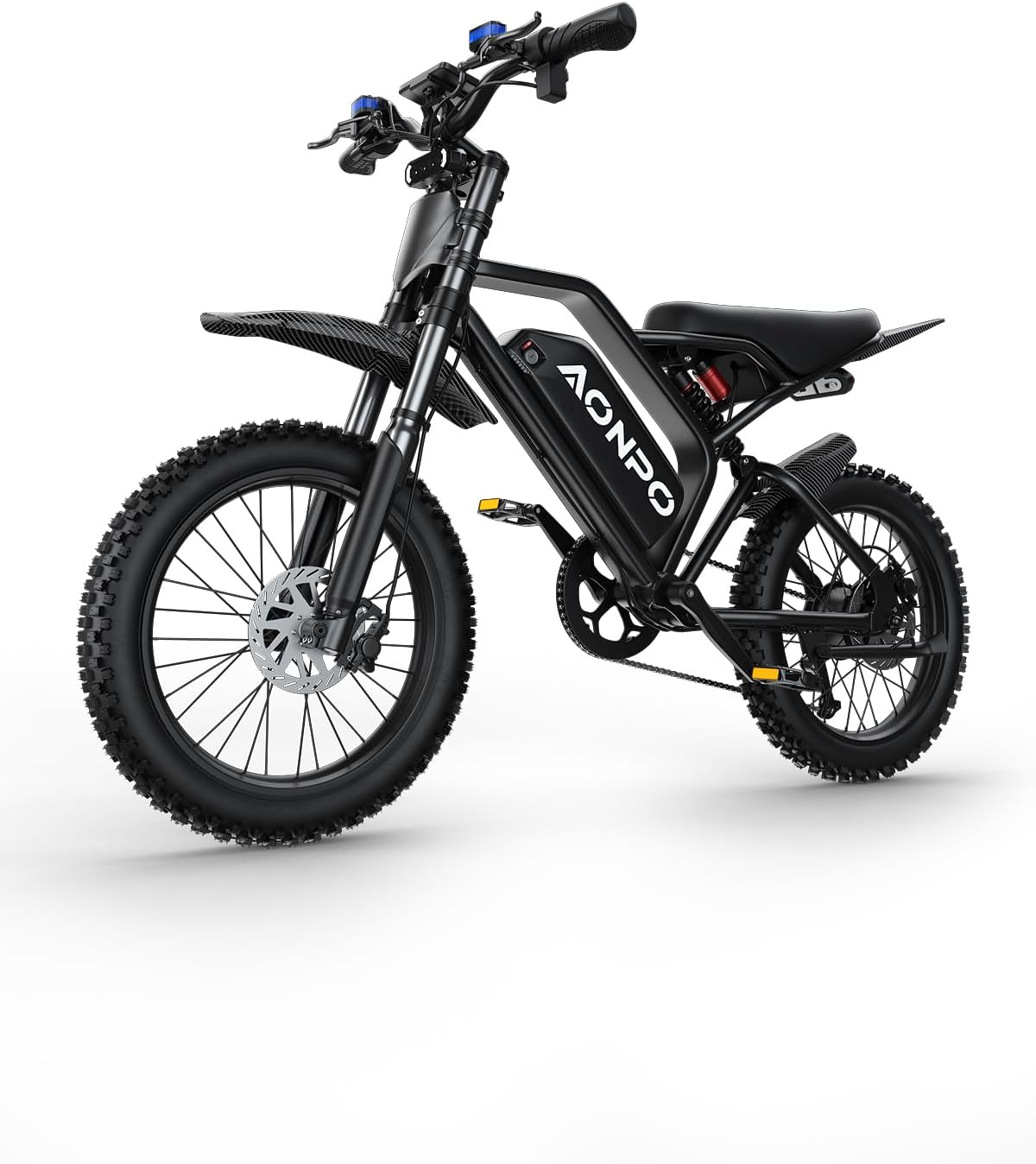
What to Look for When Buying Electric Dirt Bikes
1. Budget & Price Range
Your budget is the foundation of your purchase decision. Electric dirt bikes span a wide spectrum—from entry-level models under $1,500 to high-performance machines exceeding $12,000. It’s tempting to go for the cheapest option, but cutting corners can lead to poor performance, frequent breakdowns, and safety risks. Conversely, overspending on features you’ll never use is equally wasteful.
Consider not just the upfront cost but also long-term expenses: battery replacements (typically every 3–5 years), tires, brakes, and potential upgrades. A mid-range bike ($3,000–$6,000) often offers the best balance of quality, performance, and durability for most adult riders. If you’re serious about off-roading or plan to ride frequently, investing in a premium model with robust components pays off in reliability and resale value.
2. Performance Specifications
Performance is where electric dirt bikes truly shine—and where they differ most dramatically. Key specs to evaluate include motor power (measured in watts or horsepower), top speed, torque, range per charge, and hill-climbing ability.
Most adult electric dirt bikes feature brushless DC motors ranging from 3,000W to 12,000W+. For casual trail riding, a 5,000W motor is usually sufficient. But if you’re tackling steep inclines, rocky terrain, or carrying extra gear, aim for 7,000W or higher. Torque matters even more than top speed—electric motors deliver instant torque, giving you explosive acceleration from a standstill, which is crucial for technical riding.
Range varies widely based on battery capacity (measured in watt-hours, or Wh) and riding conditions. A 48V 20Ah battery (960Wh) might give you 20–30 miles on moderate terrain, while a 72V 30Ah pack (2,160Wh) can push 50+ miles. Always check real-world user reports, as manufacturer claims often assume ideal conditions.
3. Build Quality & Durability
An electric dirt bike takes a beating—mud, rocks, jumps, and weather exposure are all part of the ride. That’s why build quality is non-negotiable. Look for frames made from high-tensile steel or aircraft-grade aluminum, which offer strength without excessive weight. Suspension systems should include adjustable front forks and rear shocks with adequate travel (at least 8 inches for serious off-roading).
Check the IP rating for water and dust resistance—IP65 or higher means the electronics are well-protected against splashes and dirt ingress. Brakes should be hydraulic disc brakes (not mechanical), offering consistent stopping power even when wet or muddy. Also inspect weld quality, bolt tightness, and cable routing; sloppy assembly often leads to premature failure.
4. Battery Technology & Swappability
The battery is the heart of any electric dirt bike. Lithium-ion (Li-ion) batteries dominate the market due to their high energy density, long cycle life, and lightweight design. Avoid older lead-acid or nickel-based chemistries—they’re heavier, less efficient, and degrade faster.
Battery voltage (e.g., 48V, 60V, 72V) affects power delivery and speed. Higher voltage generally means better performance but also higher cost and weight. Capacity (Ah) determines range—more amp-hours equal longer rides. Look for batteries with built-in Battery Management Systems (BMS) to prevent overcharging, overheating, and deep discharge.
Swappable batteries are a game-changer for serious riders. Models like the Sur Ron Light Bee X and Cake Kalk OR allow you to carry spare packs and extend your ride time indefinitely. This feature is especially valuable for multi-day adventures or competitive racing.
5. Weight & Portability
Weight impacts handling, maneuverability, and ease of transport. Most adult electric dirt bikes weigh between 100 and 180 pounds. Lighter bikes (under 130 lbs) are easier to lift after a fall, navigate tight trails, and load onto trucks or trailers. However, very light frames may sacrifice durability.
Consider how you’ll transport your bike. If you’re hauling it in a car trunk or small trailer, weight and dimensions matter. Some models fold or disassemble partially for compact storage. Also think about center of gravity—a low, balanced weight distribution improves stability on uneven terrain.
6. Features & Functionality
Modern electric dirt bikes come packed with smart features. Regenerative braking recovers energy during deceleration, slightly extending range. Multiple riding modes (Eco, Sport, Race) let you tailor power output to conditions. LED lighting improves visibility for dawn/dusk rides. Digital displays show speed, battery level, trip distance, and error codes.
Some high-end models integrate Bluetooth connectivity with smartphone apps for ride tracking, GPS navigation, firmware updates, and theft alerts. While these extras aren’t essential, they enhance usability and safety. Just ensure core functions—like throttle response and brake sensitivity—aren’t compromised by overly complex electronics.
7. Brand Reputation & Community Support
Not all brands are created equal. Established names like Sur Ron, Segway-Ninebot, and Talon have proven track records, strong customer support, and active rider communities. These networks provide invaluable resources: troubleshooting tips, mod guides, spare parts availability, and group rides.
Newer or lesser-known brands may offer tempting deals, but they often lack reliable service networks or long-term parts support. Research forums like Reddit’s r/electricbikes or Endless Sphere for real user experiences. A brand with responsive customer service and transparent warranty policies is worth paying a premium for.
8. Warranty & After-Sales Support
A solid warranty protects your investment. Most reputable brands offer 1–2 years on the frame and motor, and 6–12 months on the battery. Some premium models include extended coverage or battery replacement programs. Read the fine print: many warranties void if the bike is modified, used commercially, or damaged due to improper maintenance.
Check if the company provides local service centers or authorized repair shops. If you live in a rural area, mail-in repairs can be slow and costly. Also verify spare parts availability—can you easily replace a controller, throttle, or fork seal if needed?
Different Types of Electric Dirt Bikes

Common Buying Mistakes to Avoid

❌ Mistake: Prioritizing Top Speed Over Torque
Why it’s bad: High top speed sounds impressive, but it’s often achieved at the expense of low-end torque—the force that gets you moving from a stop or climbs hills. On technical trails, instant torque matters far more than how fast you can go on a straightaway.
What to do instead: Focus on motor torque ratings (measured in Nm) and real-world hill-climbing performance. Look for bikes with strong acceleration in the 0–20 mph range, which is where most off-road riding happens.
❌ Mistake: Ignoring Battery Real-World Range
Why it’s bad: Manufacturers often quote range under perfect conditions—flat terrain, light rider, eco mode. In reality, aggressive riding, hills, and cold weather can cut range by 30–50%.
What to do instead: Read independent reviews and forum posts from actual owners. Aim for a bike with at least 20–30% more claimed range than you actually need.
❌ Mistake: Overlooking Suspension Quality
Why it’s bad: Cheap suspension leads to harsh rides, reduced control, and increased fatigue. It can also damage other components over time due to excessive vibration.
What to do instead: Inspect suspension specs: look for adjustable preload, compression, and rebound damping. Test how it handles bumps—if it bottoms out easily or feels too stiff, keep looking.
❌ Mistake: Buying Based Solely on Price
Why it’s bad: The cheapest bike often uses inferior motors, weak frames, and low-quality batteries that fail prematurely. You’ll end up spending more on repairs or replacements.
What to do instead: Compare value, not just price. A $4,000 bike with a 2-year warranty, swappable battery, and hydraulic brakes may be a better long-term investment than a $2,500 model with constant issues.
❌ Mistake: Neglecting Local Laws and Regulations
Why it’s bad: Many areas restrict where electric dirt bikes can be ridden. Some require registration, helmets, or prohibit off-road use entirely. Getting fined or having your bike confiscated is a real risk.
What to do instead: Check your state, county, and trail regulations before buying. Some bikes are street-legal with turn signals and mirrors; others are strictly off-road only.
❌ Mistake: Skipping Safety Gear
Why it’s bad: Electric dirt bikes can reach speeds over 50 mph. Without proper protection, a fall can result in serious injury.
What to do instead: Always wear a DOT-approved helmet, goggles, gloves, chest protector, and knee/elbow pads. Consider armored jackets for high-speed or technical riding.
❌ Mistake: Assuming All Brands Offer Equal Support
Why it’s bad: If your bike breaks down and the brand has no local service or slow response times, you could be sidelined for weeks.
What to do instead: Choose brands with strong U.S. or regional support networks. Look for companies that offer online troubleshooting, video guides, and quick-turnaround repairs.
Budget Guidelines: How Much Should You Spend?
Entry-Level ($1,000 – $2,500): These bikes are great for beginners or casual riders on smooth trails. Expect modest power (3,000W–5,000W), basic suspension, and limited range (15–25 miles). Brands like Razor, MotoTec, and some Chinese imports dominate this space. Ideal for learning the basics, but not built for heavy abuse.
Mid-Range ($2,500 – $6,000): This is the sweet spot for most adult riders. You’ll get reliable 5,000W–8,000W motors, decent suspension travel, hydraulic brakes, and 25–40 mile range. Models like the Sur Ron Light Bee, Segway X260, and Talon T-500 offer excellent balance of performance, durability, and features. Perfect for weekend warriors and intermediate off-roaders.
Premium ($6,000 – $10,000): Designed for serious enthusiasts and competitive riders. These bikes boast 8,000W–12,000W motors, race-grade suspension, lightweight frames, and advanced electronics. Expect 40–60 mile range, swappable batteries, and app connectivity. Examples include the Cake Kalk OR, Sur Ron Storm Bee, and Alta Motors Redshift (if available). Built to handle extreme terrain and daily abuse.
Luxury ($10,000+): The pinnacle of electric dirt biking. These are hand-built, limited-production machines with cutting-edge tech, carbon fiber components, and bespoke tuning. They’re for collectors, pros, or those who want the absolute best. Think of them as the Tesla Roadster of dirt bikes—exceptional performance, but with a matching price tag.

Expert Tips for Getting the Best Deal
1. Buy During Off-Season (Late Fall to Early Spring): Demand peaks in spring and summer. Retailers often discount older models or offer bundle deals (free helmet, charger, or gear) during winter months to clear inventory.
2. Shop Direct from Manufacturer: Brands like Sur Ron and Cake frequently run exclusive promotions, early-bird discounts, or referral programs on their websites. You’ll also get full warranty coverage and direct support.
3. Consider Refurbished or Demo Units: Many companies sell certified pre-owned or demo bikes at 15–30% off retail. These are thoroughly inspected, come with warranties, and are nearly indistinguishable from new.
4. Join Rider Communities: Facebook groups, Reddit forums, and local clubs often share flash sales, group buys, or member-exclusive discounts. Some brands offer affiliate codes for community leaders.
5. Negotiate Accessories: If a bike is priced firm, ask for free add-ons like a spare battery, upgraded charger, or protective skid plate. Dealers may prefer giving gear over lowering the price.
6. Check Return Policies: Ensure you have at least 14–30 days to test the bike. Some retailers offer “ride-and-return” windows, especially for online purchases.
7. Test Ride Whenever Possible: Feeling the bike’s balance, throttle response, and suspension is irreplaceable. Attend demo days, local events, or visit specialty dealers that allow test rides.
8. Read the Warranty Fine Print: Some brands prorate battery coverage or exclude certain components. Know what’s covered and for how long before you buy.

Frequently Asked Questions
Q: Are electric dirt bikes street legal?
A: It depends on your location and the bike’s specifications. Most electric dirt bikes are classified as off-road vehicles and cannot be ridden on public roads. However, some models (like the Segway X260 or Cake Kalk&) can be made street-legal with added lights, mirrors, and registration. Always check local DMV and DOT regulations.
Q: How long do electric dirt bike batteries last?
A: A quality lithium-ion battery typically lasts 800–1,200 charge cycles, which translates to 3–5 years of regular use. Proper care—avoiding full discharges, storing at 50% charge in cool conditions, and using the correct charger—can extend lifespan significantly.
Q: Can I ride an electric dirt bike in the rain?
A: Yes, but with caution. Most modern electric dirt bikes have IP65 or higher ratings, meaning they’re protected against water jets and dust. Avoid submerging the bike or riding through deep puddles. Dry it thoroughly after wet rides to prevent corrosion.
Q: How fast do electric dirt bikes go?
A: Speeds vary widely. Entry-level models top out around 25–35 mph, while high-performance bikes can exceed 60 mph. Torque delivery is instant, so acceleration often feels faster than the speedometer indicates.
Q: Do I need a license to ride an electric dirt bike?
A: For off-road use on private land or designated trails, no license is usually required. However, if you plan to ride on public roads or state parks, licensing, registration, and insurance may be mandatory. Rules vary by state.
Q: How do I maintain my electric dirt bike?
A: Regular maintenance includes cleaning after rides, checking tire pressure, lubricating the chain, inspecting brake pads, and ensuring all bolts are tight. Monthly, check battery terminals for corrosion and update firmware if applicable. Annual professional servicing is recommended for suspension and motor components.
Q: Can I upgrade my electric dirt bike?
A: Absolutely. Common upgrades include higher-capacity batteries, performance controllers, upgraded suspension, better tires, and lighting kits. However, modifications may void your warranty, so proceed carefully and consult the manufacturer.
Q: Are electric dirt bikes quieter than gas bikes?
A: Yes—significantly. While they produce a high-pitched whine from the motor, they’re far quieter than internal combustion engines. This makes them ideal for riding in noise-sensitive areas or early morning adventures without disturbing wildlife or neighbors.
Q: What’s the difference between hub motor and mid-drive motor?
A: Hub motors are built into the wheel (usually rear), offering simplicity and direct power but less weight balance. Mid-drive motors sit near the pedals (or crank), providing better weight distribution, improved hill climbing, and regenerative braking efficiency. Most high-end electric dirt bikes use mid-drive systems.
Q: How do I transport my electric dirt bike?
A: Use a motorcycle ramp and secure it with ratchet straps in a truck bed or trailer. For cars, consider a hitch-mounted carrier (ensure it supports the weight). Always remove the battery during transport to reduce risk and comply with safety regulations.
Our Final Recommendations
Best for Budget-Conscious Buyers: Sur Ron Light Bee LBX – At around $4,500, it delivers exceptional value with a 6,000W motor, 40+ mile range, and rugged build. Ideal for beginners and intermediate riders who want premium performance without the premium price.
Best Overall Value: Segway X260 – Priced near $5,000, this street-legal enduro offers 8,000W power, swappable batteries, and excellent suspension. Its versatility makes it perfect for both trail and urban riding.
Best Premium Option: Cake Kalk OR – At $12,000, it’s a masterpiece of Swedish engineering. With 11,000W of silent power, carbon fiber elements, and app integration, it’s built for riders who demand the absolute best.
Best for Beginners: Talon T-500 – Around $3,200, this bike offers smooth power delivery, forgiving suspension, and intuitive controls. Great for learning off-road techniques without overwhelming new riders.
Best for Advanced Users: Sur Ron Storm Bee – The 12,000W beast with dual battery support, race suspension, and aggressive geometry. Built for experienced riders who tackle extreme terrain and demand relentless performance.
Conclusion: Making the Right Choice
Choosing the right electric dirt bike isn’t just about picking the fastest or flashiest model—it’s about aligning your purchase with your riding goals, terrain, budget, and lifestyle. Whether you’re exploring quiet forest trails, competing in local races, or simply enjoying the thrill of silent acceleration, there’s an electric dirt bike perfectly suited to your needs.
Remember to prioritize safety, invest in quality gear, and choose a brand that stands behind its products. Take your time, do your research, and don’t hesitate to test ride multiple models. The right bike will not only deliver adrenaline-pumping fun but also become a trusted companion on countless adventures.
As electric technology continues to evolve, 2026 promises even greater innovations—longer ranges, smarter systems, and more sustainable materials. But the fundamentals remain the same: match the machine to the rider. Now that you’re armed with expert knowledge, go out there, find your perfect ride, and experience the future of off-road freedom.