
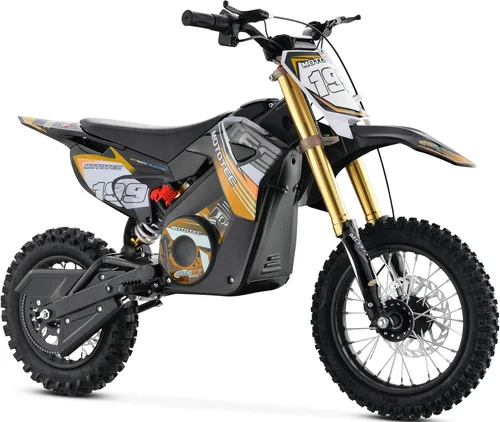
Electric dirt bikes have surged in popularity over the past few years, and for good reason. They offer a thrilling off-road experience without the noise, emissions, or maintenance hassles of traditional gas-powered motorcycles. Whether you’re a weekend warrior hitting local trails, a parent looking for a safe and fun ride for your teen, or an eco-conscious adventurer seeking sustainable recreation, electric dirt bikes deliver performance, convenience, and innovation—all within reach. In 2026, the market is more competitive than ever, with manufacturers pushing the boundaries of battery technology, motor efficiency, and smart features. But with so many options flooding the sub-$3,000 price range, choosing the right one can feel overwhelming.
That’s exactly why this expert buying guide exists. We’ve spent months researching, testing, and analyzing the latest electric dirt bikes under $3,000 to bring you a comprehensive, no-nonsense breakdown of what matters most. You’ll learn how to evaluate key specs like motor power, battery life, and frame durability, understand the differences between youth, adult, and dual-purpose models, and avoid common pitfalls that trip up first-time buyers. Whether you’re shopping for speed, range, portability, or value, this guide will arm you with the knowledge to make a confident, informed decision. By the end, you won’t just know which bikes are available—you’ll know which one is right for you.
The electric dirt bike market under $3,000 has evolved dramatically. What was once dominated by heavy, underpowered toys has transformed into a landscape of capable, well-engineered machines that rival entry-level gas bikes in performance. Brands like Sur Ron, Segway, Razor, and newer players like Talaria and Cake-inspired startups are delivering impressive torque, respectable top speeds (often 30–50 mph), and real off-road capability. At the same time, innovations in lithium-ion batteries have extended ride times to 1.5–3 hours on a single charge, depending on terrain and riding style. This guide cuts through the marketing hype to focus on real-world usability, reliability, and value—so you don’t end up with a garage ornament.

What to Look for When Buying an Electric Dirt Bike
1. Motor Power and Torque
The motor is the heart of any electric dirt bike, and its power output directly affects acceleration, hill-climbing ability, and overall performance. Most bikes under $3,000 feature brushless DC motors ranging from 1,000W to 5,000W. While peak wattage numbers can be misleading (many brands advertise “peak” or “burst” power that isn’t sustainable), continuous power ratings give a clearer picture of real-world capability. For example, a 3,000W continuous motor will handle moderate trails and light jumps far better than a 1,500W model, even if both claim “up to 4,000W peak.” Torque—measured in Newton-meters (Nm)—is equally important. Higher torque means quicker launches from stops and better performance on steep inclines. Look for bikes with at least 60–80 Nm of torque for adult-sized models. Youth bikes can get away with less, but still benefit from responsive throttle control.
2. Battery Capacity and Range
Battery technology has come a long way, but range anxiety is still a real concern for off-road riders. Battery capacity is measured in watt-hours (Wh), which tells you how much energy the pack can store. A higher Wh rating generally means longer ride times. Most sub-$3,000 electric dirt bikes use lithium-ion (Li-ion) or lithium iron phosphate (LiFePO4) batteries. Li-ion offers better energy density (more power in a lighter package), while LiFePO4 is more durable and safer but heavier. Expect capacities between 500Wh and 2,000Wh in this price range. Real-world range varies widely based on rider weight, terrain, speed, and riding style. A lightweight rider on flat trails might get 3+ hours from a 1,200Wh battery, while a heavier rider doing aggressive trail riding may only get 1–1.5 hours. Always check if the battery is removable—this allows for easy charging and future upgrades.
3. Build Quality and Frame Material
A dirt bike takes a beating, so construction matters. Look for frames made from high-tensile steel or aluminum alloy. Steel is stronger and more impact-resistant but heavier; aluminum is lighter and corrosion-resistant but can be prone to cracking under extreme stress. Weld quality is also critical—poor welds can fail under repeated stress. Suspension components should include front forks (preferably inverted for better stiffness) and a rear shock with adjustable preload. Tires should be knobby and tubeless-ready for better traction and puncture resistance. Pay attention to axle sizes, brake rotor diameters, and whether the bike uses sealed bearings—these details signal long-term durability. Avoid bikes with plastic fenders, flimsy footpegs, or poorly routed cables, as these are signs of cost-cutting.
4. Weight and Portability
Electric dirt bikes are inherently heavier than gas counterparts due to battery weight. A typical adult model weighs 80–120 lbs, while youth versions range from 40–70 lbs. This affects handling, especially for younger or smaller riders. If you plan to transport the bike frequently—say, loading it into a truck bed or SUV—consider weight and whether it includes features like a center stand, lift handle, or folding footpegs. Some models, like the Segway X260, are designed with portability in mind, featuring a compact frame and integrated carrying handle. For trail riding, a lighter bike is easier to maneuver and recover if you drop it. However, don’t sacrifice stability for lightness—a well-balanced bike with a low center of gravity will inspire more confidence on technical terrain.
5. Braking System
Stopping power is non-negotiable. Most quality electric dirt bikes under $3,000 come equipped with hydraulic disc brakes—front and rear. These provide consistent, fade-resistant stopping even in wet or muddy conditions. Mechanical (cable-actuated) disc brakes are cheaper but require more hand force and lose effectiveness when wet. Look for brake rotor sizes of at least 160mm front and rear; larger rotors (180mm+) offer better heat dissipation and stopping power. Some premium models include regenerative braking, which recaptures energy during deceleration to extend range slightly. While not a game-changer, it’s a nice efficiency boost. Always test brake lever feel—smooth, progressive engagement is key to controlled stops on loose terrain.
6. Suspension Travel and Adjustability
Suspension determines how well a bike absorbs bumps, jumps, and ruts. Front suspension travel typically ranges from 6 to 10 inches, with rear travel slightly less. More travel isn’t always better—too much can make the bike wallow on smooth trails—but for serious off-roading, 8+ inches front and rear is ideal. Look for adjustable preload on the rear shock and compression/rebound damping on higher-end models. This allows you to tune the ride for your weight and terrain. Inverted forks (where the larger tube is at the bottom) are stiffer and more durable than conventional forks. For beginners or casual riders, basic suspension is fine, but if you plan to hit jumps or rocky trails, invest in a bike with quality suspension components.
7. Smart Features and Connectivity
Modern electric dirt bikes increasingly include digital dashboards, Bluetooth connectivity, and companion apps. These features let you monitor battery status, track ride data, adjust power modes, and even lock the bike remotely. While not essential, they enhance usability and safety. For example, some apps allow geofencing—useful for parents limiting where a teen can ride. Others offer ride analytics like average speed, distance, and energy consumption. Look for bikes with waterproof displays and intuitive interfaces. Avoid models where the screen is hard to read in sunlight or lacks basic info like speed and battery percentage. Also, check if firmware updates are supported—this ensures your bike can improve over time.
8. Warranty and Customer Support
A solid warranty is a sign of manufacturer confidence. Most reputable brands offer at least a 6-month to 1-year warranty on the frame and motor, with 6–12 months on the battery. Some, like Sur Ron, extend coverage to 2 years. Read the fine print: many warranties exclude wear items like tires, brakes, and suspension. Also, consider where you can get service. Brands with U.S.-based support centers or authorized dealers make repairs and part replacements easier. Avoid no-name brands with vague return policies or no customer service contact. A good warranty paired with responsive support can save you hundreds in repair costs and downtime.
Different Types of Electric Dirt Bikes

Common Buying Mistakes to Avoid
❌ Mistake: Prioritizing Top Speed Over Real-World Performance
Why it’s bad: Many buyers fixate on top speed claims, but a bike that hits 50 mph may have poor acceleration, weak brakes, or terrible suspension—making it unsafe and impractical for trail use. Speed without control is dangerous.
What to do instead: Focus on torque, suspension quality, and braking performance. A bike that accelerates smoothly, handles bumps well, and stops reliably will be far more enjoyable and safer, even if it tops out at 35 mph.
❌ Mistake: Ignoring Weight and Size for the Rider
Why it’s bad: A heavy bike is hard to control, especially for younger or smaller riders. It increases fatigue and makes recovery after a fall more difficult.
What to do instead: Match the bike’s weight and seat height to the rider’s size and strength. Test ride if possible, or check manufacturer sizing guides. For kids, ensure they can touch the ground comfortably when seated.
❌ Mistake: Overlooking Battery Removability
Why it’s bad: Non-removable batteries mean you can’t charge the bike indoors or swap in a spare. You’re stuck waiting hours for a charge, often outdoors near an outlet.
What to do instead: Choose a model with a removable battery. This allows indoor charging, backup packs, and easier replacement down the line. It’s a small feature that makes a huge difference in convenience.
❌ Mistake: Buying Based on Brand Hype Alone
Why it’s bad: Some brands spend more on marketing than engineering. A flashy name doesn’t guarantee quality or support.
What to do instead: Research real user reviews, especially on forums and YouTube. Look for long-term reliability reports and check warranty terms. A lesser-known brand with solid build quality and good support can outperform a hyped competitor.
❌ Mistake: Skipping the Test Ride
Why it’s bad: Specs don’t tell the whole story. Throttle response, ergonomics, and suspension feel are best judged in person.
What to do instead: Visit local dealers or attend demo events. If buying online, choose retailers with generous return policies (30 days or more). Some brands, like Sur Ron, offer demo programs.
❌ Mistake: Neglecting Maintenance Requirements
Why it’s bad: Even electric bikes need maintenance—chain lubrication, brake checks, tire pressure, and bearing inspections. Ignoring this leads to premature wear and safety issues.
What to do instead: Learn basic maintenance or find a local shop that services e-bikes. Choose models with accessible components and clear service manuals.
Budget Guidelines: How Much Should You Spend?
– Entry-Level ($500–$1,200): Ideal for kids, beginners, or casual riders. Expect 1,000W–2,000W motors, 500–800Wh batteries, and basic suspension. Models like the Razor MX650 or Segway Ninebot Zing E10 fit here. Great for learning, but limited in range and power.
– Mid-Range ($1,200–$2,200): The sweet spot for most buyers. Bikes like the Sur Ron LBX or Talaria Sting offer 3,000W+ motors, 1,000–1,500Wh batteries, and quality suspension. Suitable for teens and adults, with real off-road capability and 1.5–2.5 hours of ride time.
– Premium ($2,200–$3,000): For enthusiasts and serious trail riders. Expect 4,000W–5,000W motors, 1,500–2,000Wh batteries, hydraulic brakes, and race-inspired geometry. Models like the Cake Kalk& or upgraded Sur Ron Storm offer near-gas performance with instant torque.
– Luxury ($3,000+): While outside this guide’s scope, bikes above $3,000 (like the Cake Kalk OR or high-end Sur Ron variants) offer carbon fiber parts, advanced suspension, and extended warranties. Only necessary for competitive riders or those wanting the absolute best.
Expert Tips for Getting the Best Deal
– Buy During Off-Season: Late fall and winter see fewer sales, so retailers often discount inventory. Look for Black Friday, Cyber Monday, or end-of-year clearance deals.
– Check Direct from Manufacturer: Brands like Sur Ron and Talaria often offer exclusive colors, free shipping, or bundled accessories (helmets, gloves) when buying direct.
– Consider Refurbished or Open-Box: Certified pre-owned bikes from reputable sellers can save 15–30% with full warranties. Great for getting a higher-tier model within budget.
– Read Return Policies Carefully: Some retailers charge restocking fees or only accept returns in original packaging. Aim for at least 14–30 days with free return shipping.
– Bundle Accessories: Helmets, gloves, and riding gear add up. Some sellers offer package deals that save $100+ compared to buying separately.
– Join Owner Forums: Communities like Sur Ron Forum or Electric Dirt Bike subreddit often share discount codes, group buys, or flash sales.
– Watch for Firmware Updates: Some bikes improve over time with software updates that boost performance or fix bugs. Choose brands that actively support their products.
– Negotiate on Extras: If buying in-store, ask for free assembly, a spare battery discount, or upgraded tires. Dealers may throw in extras to close the sale.

Frequently Asked Questions
Q: Are electric dirt bikes street legal?
A: Most are not street legal out of the box. To be road-legal, a bike needs headlights, taillights, turn signals, mirrors, a horn, and DOT-approved tires. Some models, like the Segway X260 or Cake Kalk&, can be equipped for street use, but you’ll need to register them and meet local regulations. Always check your state and local laws before riding on public roads.
Q: How long does it take to charge an electric dirt bike?
A: Charging time depends on battery capacity and charger output. A 1,200Wh battery with a 2A charger takes about 6–8 hours. Faster chargers (4A–6A) can cut this to 2–4 hours. Some bikes support fast charging, but frequent fast charging can reduce battery lifespan.
Q: Can I ride an electric dirt bike in the rain?
A: Most are water-resistant (IP54 or higher), meaning they can handle light rain and splashes. However, submerging the motor or battery is dangerous. Avoid deep puddles, heavy downpours, and washing with high-pressure hoses. Dry the bike thoroughly after wet rides.
Q: How often do I need to maintain the chain?
A: Check and lubricate the chain every 2–3 rides, or after riding in wet or muddy conditions. A dry, clean chain lasts longer and improves efficiency. Use a motorcycle-specific chain lube.
Q: What’s the lifespan of the battery?
A: Most lithium-ion batteries last 500–1,000 charge cycles, equating to 2–5 years of regular use. Capacity gradually decreases over time. Avoid fully draining the battery and store it at 50–70% charge if not used for long periods.
Q: Can I upgrade the battery later?
A: Some brands offer higher-capacity batteries as upgrades. Check compatibility before buying. Swapping to a 2,000Wh pack can nearly double your range, but may require a higher-output charger.
Q: Are electric dirt bikes safe for kids?
A: Yes, with proper supervision and gear. Choose age-appropriate models with speed limiters, parental controls, and training modes. Always wear a helmet, gloves, and protective clothing. Start on flat, open terrain.
Q: Do I need a license to ride an electric dirt bike?
A: For off-road use on private property, no license is typically required. On public trails or roads, regulations vary by location. Some states classify e-bikes under motor vehicle laws. Check local rules.
Q: How do I store my electric dirt bike in winter?
A: Store in a dry, temperature-controlled space. Charge the battery to 50–70%, remove it if possible, and check tire pressure monthly. Cover the bike to prevent dust buildup.
Q: Can I ride on sand or snow?
A: Yes, but with caution. Sand requires lower tire pressure and smooth throttle control. Snow reduces traction—use knobby tires and avoid icy patches. Both conditions increase battery drain.
Our Final Recommendations
– Best for Budget-Conscious Buyers: Segway Ninebot Zing E10 – At under $800, it’s perfect for teens and beginners. Lightweight, easy to ride, and reliable for light trails.
– Best Overall Value: Sur Ron LBX – Priced around $2,500, it delivers near-moto performance with a 3,000W motor, 1,200Wh battery, and excellent build quality. A favorite among enthusiasts.
– Best Premium Option: Talaria Sting – Just under $3,000, it offers 5,000W peak power, 1,500Wh battery, and race-ready suspension. Ideal for serious off-roaders.
– Best for Beginners: Razor MX650 – Affordable ($600–$700), simple to operate, and durable enough for learning. Great first bike for kids and teens.
– Best for Advanced Users: Cake Kalk& – At the top of the budget, it combines Swedish design with 4,000W power, 1,800Wh battery, and premium components. For riders who demand the best.
Conclusion: Making the Right Choice
Choosing the right electric dirt bike under $3,000 doesn’t have to be overwhelming. By focusing on key factors like motor power, battery capacity, build quality, and rider fit, you can narrow down your options and find a bike that matches your needs, skill level, and budget. Remember, the “best” bike isn’t necessarily the most powerful or expensive—it’s the one that feels right, performs reliably, and brings you joy every time you ride.
Don’t rush the decision. Take advantage of test rides, read real user reviews, and consider long-term costs like maintenance and battery replacement. Whether you’re hitting the trails for adventure, commuting off-road, or introducing a young rider to the sport, the right electric dirt bike can open up a world of excitement—quietly, cleanly, and sustainably.
Now that you’re armed with expert knowledge, it’s time to take action. Compare your top choices, check for current deals, and make the leap. The perfect ride is out there—and it’s waiting for you under $3,000.