
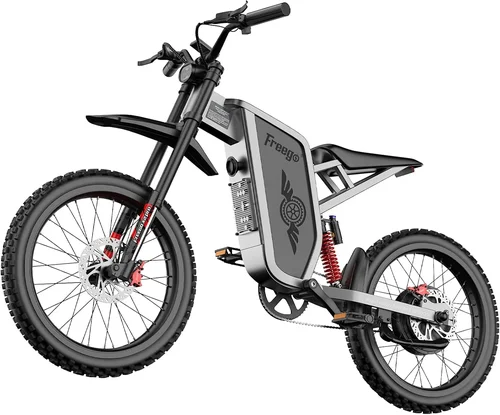
Electric dirt bikes for adults are no longer just a futuristic concept—they’re here, and they’re revolutionizing off-road riding. With zero emissions, whisper-quiet operation, and instant torque delivery, electric dirt bikes offer a thrilling alternative to traditional gas-powered models. Whether you’re an adrenaline junkie tackling rugged trails, a weekend warrior exploring backcountry paths, or an eco-conscious rider looking to minimize your environmental footprint, there’s never been a better time to go electric.
This comprehensive buying guide is designed to help you navigate the rapidly evolving world of adult electric dirt bikes in 2026. We’ll walk you through everything you need to know—from performance specs and build quality to budget considerations and brand reliability—so you can make a confident, informed decision. You’ll learn how to match your riding style and terrain needs with the right bike, avoid common pitfalls, and ultimately find the perfect machine that delivers power, durability, and value. By the end of this guide, you won’t just know what to buy—you’ll know why it’s the right choice for you.
The market for electric dirt bikes has exploded in recent years, driven by advancements in battery technology, motor efficiency, and sustainable design. Major manufacturers like KTM, Husqvarna, and Zero Motorcycles now offer high-performance models, while innovative startups such as Cake, Sur-Ron, and Talaria are pushing boundaries with lightweight, agile designs. At the same time, more affordable options from brands like Segway, Razor (yes, even Razor!), and Eco-Rider are making electric off-roading accessible to beginners and budget-conscious riders alike. With so many choices, it’s easy to feel overwhelmed—but that’s exactly why this guide exists.
—
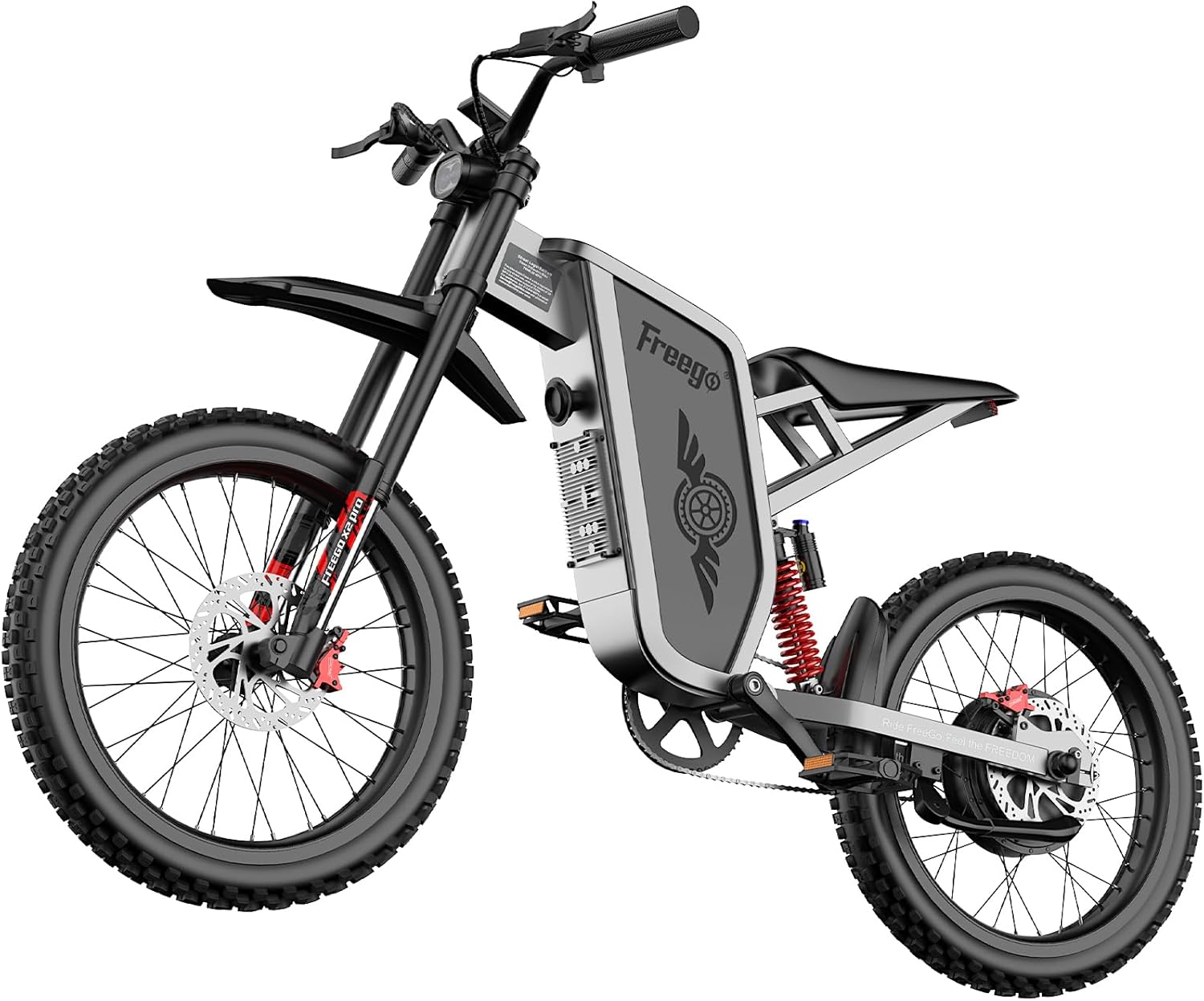
What to Look for When Buying Electric Dirt Bikes
1. Budget & Price Range
Your budget is the single most important factor when shopping for an electric dirt bike. Prices can range from under $1,000 for entry-level models to over $15,000 for professional-grade machines. Setting a realistic budget upfront helps narrow your options and prevents overspending on features you don’t need.
Entry-level bikes typically cost between $800 and $2,500. These are great for casual riders, teens transitioning to adult-sized bikes, or those testing the waters before committing to a higher-end model. Mid-range options ($2,500–$6,000) offer significantly better performance, build quality, and battery life—ideal for regular trail riding and light motocross. Premium models ($6,000–$12,000) are built for serious enthusiasts and competitive riders, featuring advanced suspension, high-capacity batteries, and race-ready components. Finally, luxury or pro-level bikes ($12,000+) deliver cutting-edge technology, carbon fiber frames, and track-tuned performance.
2. Performance Specifications
Performance specs define how your bike will behave on the trail. Key metrics include motor power (measured in watts or horsepower), torque (in lb-ft), top speed, and range per charge. For adult riders, a motor output of at least 5,000W (about 6.7 hp) is recommended for decent trail performance, while serious riders should look for 10,000W (13+ hp) or more.
Torque is especially critical for dirt bikes—it determines how quickly the bike accelerates from a stop and climbs hills. Electric motors deliver maximum torque instantly, giving them a significant advantage over gas engines that need to rev up. Look for bikes with at least 100 lb-ft of torque for aggressive riding.
Top speed varies widely: entry-level models may max out around 30 mph, while high-performance bikes can exceed 70 mph. However, speed isn’t everything—range matters just as much. Most adult electric dirt bikes offer 20–60 miles per charge, depending on terrain, rider weight, and riding style. If you plan long rides or multi-day adventures, prioritize models with swappable batteries or fast-charging capabilities.
3. Build Quality & Durability
Dirt biking is inherently tough on equipment. Your bike will face mud, rocks, jumps, and crashes—so durability is non-negotiable. Look for frames made from high-strength steel or aluminum alloys, preferably with reinforced welds and impact-resistant coatings. Suspension systems should include adjustable front forks and rear shocks capable of handling rough terrain without bottoming out.
Check the quality of components like brakes (hydraulic disc brakes are standard on good models), wheels (spoked vs. mag wheels), and drivetrain (chain vs. belt drive). Belt drives are quieter and require less maintenance but may not handle extreme abuse as well as chains. Also, inspect the IP (Ingress Protection) rating—ideally IP67 or higher—to ensure the battery and electronics are sealed against water and dust.
4. Features & Functionality
Modern electric dirt bikes come packed with smart features that enhance safety, convenience, and performance. Regenerative braking recovers energy during deceleration, extending range. Multiple riding modes (Eco, Sport, Race) let you tailor power delivery to conditions. Some models include GPS tracking, Bluetooth connectivity, and smartphone apps for diagnostics and ride logging.
Other useful features include LED lighting for night riding, quick-release battery systems, adjustable footpegs, and tool-less maintenance access. While not essential, these extras can significantly improve your riding experience—especially if you’re new to off-roading or plan to ride in varied environments.
Avoid bikes with overly complex electronics if you prefer simplicity and reliability. Sometimes, fewer features mean fewer things can go wrong in remote locations.
5. Brand Reputation
Not all electric dirt bike brands are created equal. Established names like KTM, Husqvarna, and Zero Motorcycles have decades of engineering expertise and proven track records. They invest heavily in R&D, offer robust customer support, and often participate in professional racing, which validates their performance claims.
Newer brands like Cake (Sweden) and Talaria (USA) are gaining traction with innovative designs and strong community followings. However, be cautious with unknown or no-name brands sold exclusively through online marketplaces. These may use lower-quality components, lack proper certifications, or disappear after a few sales—leaving you without warranty support.
Research brand history, read user forums, and check for third-party certifications (like UL listing for batteries). A reputable brand stands behind its product with real-world testing and transparent communication.
6. Warranty & Support
A solid warranty is your safety net against manufacturing defects and premature failures. Most reputable brands offer at least a 1-year comprehensive warranty, with some extending coverage to 2–3 years on the frame and battery. Pay close attention to what’s covered: motors, batteries, controllers, and suspension components are typically included, but wear items like tires and brake pads are usually excluded.
Customer support matters too. Can you easily reach a technician? Are replacement parts readily available? Do they offer service centers or authorized dealers near you? Brands with strong U.S.-based support networks (like Zero or Sur-Ron) tend to provide faster resolution times than overseas manufacturers.
7. Size & Portability
Adult electric dirt bikes vary significantly in size and weight. Lighter models (under 120 lbs) are easier to maneuver, lift after a fall, and transport in a truck bed or trailer. Heavier bikes (150+ lbs) offer more stability at high speeds but can be cumbersome for beginners or solo riders.
Consider your height and inseam when choosing seat height. Most adult bikes have seat heights between 32–36 inches. Taller riders may prefer extended suspension travel and higher ground clearance, while shorter riders should look for low-seat options or adjustable suspensions.
Portability also affects storage and transport. If you plan to trailer your bike frequently, check dimensions and weight limits. Some models fold or disassemble partially for compact storage—a bonus for urban riders with limited space.
8. User Reviews & Ratings
Never rely solely on manufacturer specs. Real-world feedback from actual riders provides invaluable insights into reliability, comfort, and hidden flaws. Look for detailed reviews on trusted platforms like RevZilla, Electric Bike Report, or YouTube channels dedicated to e-moto content.
Pay attention to recurring themes: if multiple users report battery degradation after six months, that’s a red flag. Conversely, consistent praise for smooth throttle response or excellent suspension tuning signals a well-engineered bike.
Be wary of overly positive or vague reviews—they may be sponsored or fake. Authentic reviews often include photos, videos, and specific usage scenarios (e.g., “rode 40 miles through rocky Arizona trails”).
—
Different Types of Electric Dirt Bikes

—
Common Buying Mistakes to Avoid
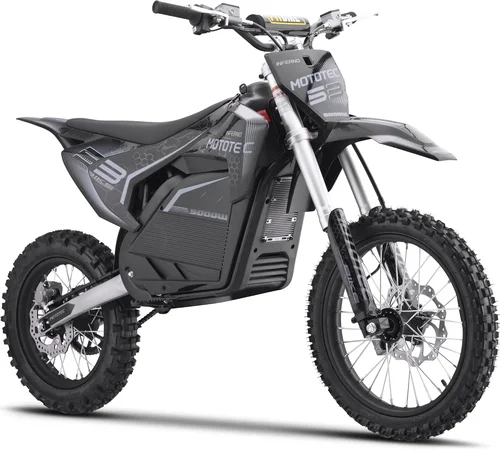
❌ Mistake: Prioritizing Price Over Performance
Why it’s bad: Choosing the cheapest bike available often leads to disappointment. Low-cost models may have weak motors, poor suspension, and short battery life—making them unsuitable for anything beyond flat, smooth terrain. You’ll quickly outgrow the bike or face frequent breakdowns.
What to do instead: Set a minimum performance threshold based on your riding goals. Even if you start with a mid-range bike, you’ll save money long-term by avoiding premature upgrades or repairs.
❌ Mistake: Ignoring Battery Technology
Why it’s bad: Not all lithium-ion batteries are equal. Some use older NMC chemistry with lower energy density and faster degradation. Others lack thermal management, leading to overheating and reduced lifespan.
What to do instead: Look for bikes with LiFePO4 (lithium iron phosphate) or high-grade NMC cells, built-in battery management systems (BMS), and active cooling. Check cycle life ratings—aim for 800+ full charges.
❌ Mistake: Overlooking Terrain Compatibility
Why it’s bad: A bike designed for flat trails won’t handle rocky mountains or deep mud. Using the wrong bike for your environment leads to poor performance, safety risks, and accelerated wear.
What to do instead: Match your bike type to your primary terrain. Trail bikes for forests, enduro for mixed conditions, motocross for tracks. Research local trail difficulty and choose accordingly.
❌ Mistake: Skipping Safety Gear
Why it’s bad: Electric dirt bikes can reach high speeds silently, increasing collision risk. Without proper protection, even minor falls can cause serious injury.
What to do instead: Invest in DOT/ECE-certified helmet, armored jacket, gloves, knee/elbow pads, and boots. Consider neck braces for aggressive riding. Safety gear is non-negotiable.
❌ Mistake: Buying Without Testing
Why it’s bad: Specs don’t tell the whole story. Throttle response, seat comfort, and handling vary greatly between models. A bike that looks perfect on paper might feel awkward or unstable in real life.
What to do instead: Attend demo days, rent before buying, or visit dealers that offer test rides. If unavailable, watch detailed ride-along videos and read hands-on reviews.
❌ Mistake: Neglecting Local Laws
Why it’s bad: Many areas restrict where electric dirt bikes can be ridden. Some require registration, licensing, or prohibit off-road use entirely. Riding illegally can result in fines or confiscation.
What to do instead: Check state and local regulations before purchasing. Look for street-legal models if you plan to ride on roads or shared trails.
❌ Mistake: Assuming All “Adult” Bikes Are Equal
Why it’s bad: Some “adult” electric dirt bikes are merely oversized kids’ models with minimal upgrades. They lack the power, suspension, and durability needed for serious riding.
What to do instead: Verify that the bike is genuinely designed for adult riders—check weight capacity (should support 200+ lbs), motor power, and component quality.
—
Budget Guidelines: How Much Should You Spend?
Entry-Level ($800 – $2,500):
These bikes are ideal for beginners, casual riders, or those on a tight budget. Expect modest power (3,000–5,000W), limited range (15–25 miles), and basic suspension. Brands like Razor, Eco-Rider, and Segway dominate this space. While not built for extreme terrain, they’re perfect for learning basics, neighborhood trails, or family fun. Just don’t expect race-day performance.
Mid-Range ($2,500 – $6,000):
This is the sweet spot for most adult riders. Bikes in this tier offer 7,000–12,000W motors, 30–50 mile ranges, and significantly improved suspension and braking. Models like the Sur-Ron Light Bee X, Talaria Sting, and Cake Kalk OR excel here. They handle moderate jumps, rocky trails, and longer rides with confidence. Great value for recreational and intermediate riders.
Premium ($6,000 – $12,000):
Designed for enthusiasts and semi-pros, these bikes deliver pro-level performance. Expect 15,000W+ motors, 50–70 mph top speeds, advanced suspension (Öhlins, WP), and swappable batteries. Zero FXE, KTM Freeride E-XC, and Husqvarna EE 5 live here. Built for aggressive trail riding, enduro competitions, and multi-day adventures. Ideal if you ride weekly and demand reliability.
Luxury ($12,000+):
The pinnacle of electric dirt biking. These machines feature carbon fiber frames, regenerative braking, GPS telemetry, and race-derived tech. Examples include the Cake Kalk& and custom-built Talaria MX. They’re for serious competitors, collectors, or those who want the absolute best—no compromises. Only recommended if budget is no concern and you ride at a professional level.
—
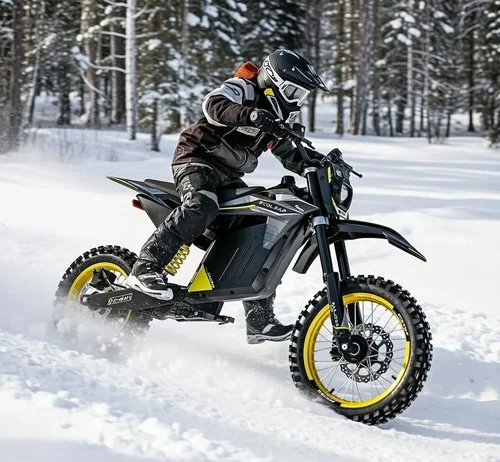
Expert Tips for Getting the Best Deal
– Shop During Off-Seasons: Demand peaks in spring and summer. Buy in late fall or winter for discounts, clearance sales, or bundled gear packages.
– Compare Retailers: Don’t limit yourself to one store. Check manufacturer websites, specialty e-moto shops, and authorized dealers. Some offer exclusive financing or trade-in programs.
– Look for Bundles: Many brands sell “adventure packs” with helmets, chargers, and tools at a reduced rate. These can save $200–$500 versus buying separately.
– Negotiate Warranty Terms: Ask if the warranty can be extended or if free maintenance is included for the first year. Some dealers offer this to close sales.
– Check Return Policies: Ensure you can return or exchange the bike within 14–30 days if it doesn’t meet expectations. Avoid retailers with strict “no returns” rules.
– Join Owner Communities: Forums like Electric Dirt Bike Riders (Facebook) or Reddit’s r/electricbikes often share exclusive promo codes, group buys, or insider deals.
– Test Before Committing: If possible, rent the exact model you’re considering for a weekend. This gives you real-world experience without the financial risk.
– Verify Certification: Ensure the bike meets U.S. safety standards (CPSC, DOT) and has UL-listed batteries. Non-certified imports may be unsafe or illegal to operate.
—

Frequently Asked Questions
Q: Are electric dirt bikes street legal?
A: It depends on the model and local laws. Some electric dirt bikes (like the Zero FXE or Cake Kalk&) can be made street-legal with added lights, mirrors, turn signals, and registration. However, most pure off-road models are not DOT-compliant and restricted to private land or designated trails. Always check your state’s DMV regulations before riding on public roads.
Q: How long do electric dirt bike batteries last?
A: A quality lithium-ion battery should last 800–1,200 charge cycles before capacity drops below 80%. With regular use, that’s roughly 3–5 years. Proper care—avoiding full discharges, storing at 50% charge, and keeping cool—can extend lifespan significantly.
Q: Can I ride an electric dirt bike in the rain?
A: Yes, but with caution. Most modern electric dirt bikes have IP67-rated protection, meaning they’re dust-tight and can withstand immersion in water up to 1 meter for 30 minutes. However, avoid deep puddles, high-pressure washes, and prolonged exposure. Dry the bike thoroughly after wet rides.
Q: Do electric dirt bikes require less maintenance than gas bikes?
A: Absolutely. No oil changes, air filters, or carburetor tuning. Maintenance focuses on chain lubrication, brake checks, tire pressure, and battery care. That said, suspension and frame inspections are still essential after hard rides.
Q: What’s the difference between hub motor and mid-drive motor?
A: Hub motors are built into the wheel (usually rear), offering simplicity and direct power but less weight distribution control. Mid-drive motors sit near the pedals (or crank), providing better balance, torque efficiency, and hill-climbing ability. Most high-end electric dirt bikes use mid-drive systems for superior performance.
Q: How fast can an adult electric dirt bike go?
A: Speeds vary widely. Entry-level models reach 25–35 mph, mid-range bikes 45–60 mph, and premium models 65–80+ mph. Top speed depends on motor power, gearing, aerodynamics, and rider weight.
Q: Can I upgrade my electric dirt bike later?
A: Some components are upgradeable—batteries, controllers, suspension, and tires. However, major upgrades (like swapping motors) are often impractical due to compatibility and cost. Choose a bike with room for future mods if you plan to evolve your setup.
Q: Are electric dirt bikes good for beginners?
A: Yes, especially models with adjustable power modes and smooth throttle response. The instant torque can be intimidating at first, but many bikes offer “beginner mode” to limit acceleration. Start slow, wear full gear, and practice in open areas.
Q: Where can I ride my electric dirt bike legally?
A: Options include private property (with owner permission), designated OHV (Off-Highway Vehicle) parks, national forests (where allowed), and motocross tracks. Avoid public roads, sidewalks, and protected wilderness areas unless explicitly permitted.
Q: How do I charge my electric dirt bike?
A: Most bikes come with a standard Level 1 charger (110V outlet), taking 4–8 hours for a full charge. Fast chargers (220V or DC) can reduce this to 1–3 hours but may cost extra. Always use the manufacturer-recommended charger to avoid damaging the battery.
—
Our Final Recommendations
Best for Budget-Conscious Buyers:
Sur-Ron Light Bee X ($4,500) – Offers exceptional value with 12,000W motor, 50+ mile range, and robust build. Perfect for trail riders who want performance without breaking the bank.
Best Overall Value:
Talaria Sting ($5,200) – Combines race-inspired design, 15,000W power, and swappable batteries. Ideal for intermediate to advanced riders seeking versatility and reliability.
Best Premium Option:
Zero FXE ($11,995) – Street-legal capability, 46 hp, and Zero’s proven reliability make this the top choice for serious adventurers who want one bike for trail and town.
Best for Beginners:
Segway X260 ($2,299) – Smooth power delivery, low seat height, and intuitive controls help new riders build confidence safely. Great for learning basics on gentle terrain.
Best for Advanced Users:
Cake Kalk& ($14,900) – Lightweight carbon fiber frame, 18,000W motor, and minimalist design cater to elite riders who prioritize agility and innovation. Built for competition and extreme conditions.
—
Conclusion: Making the Right Choice
Choosing the right electric dirt bike in 2026 isn’t just about picking the fastest or most expensive model—it’s about finding the perfect match for your riding style, terrain, budget, and long-term goals. We’ve covered everything from performance specs and build quality to safety, legality, and real-world usability. Armed with this knowledge, you’re now equipped to cut through the marketing noise and focus on what truly matters: a bike that’s fun, reliable, and built to last.
Remember, the best bike is the one you’ll actually ride. Don’t get swayed by flashy features or peer pressure—prioritize your needs, test when possible, and invest in quality gear. Whether you’re carving through desert washes, exploring mountain trails, or just enjoying quiet weekend rides, your electric dirt bike should enhance every moment.
So go ahead—take the leap into electric off-roading. The future of dirt biking is here, and it’s cleaner, quieter, and more exhilarating than ever. Happy trails!