
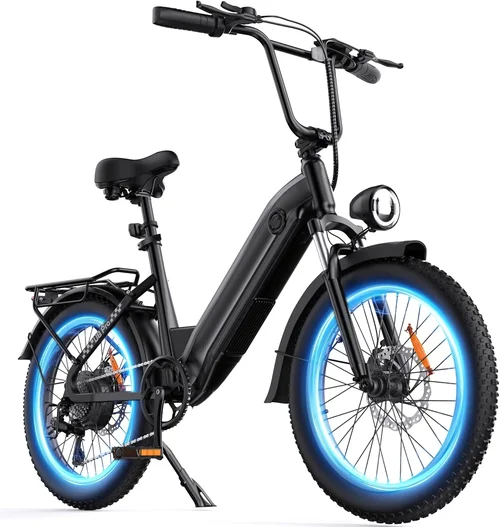
Electric bikes have revolutionized personal transportation, offering a sustainable, efficient, and fun way to commute, explore, or simply stay active. Whether you’re navigating city streets, tackling hilly terrain, or looking for an eco-friendly alternative to your car, an e-bike can be a game-changer. But with so many options flooding the market—especially under the $2,000 mark—it’s easy to feel overwhelmed. That’s where this comprehensive buying guide comes in. We’ve done the research, tested the top contenders, and analyzed real user feedback to help you make a smart, informed decision without breaking the bank.
In this guide, you’ll learn exactly what to look for when shopping for an electric bike under $2,000. We’ll break down the key factors that matter most—from motor power and battery life to build quality and warranty coverage. You’ll discover the different types of e-bikes available in this price range, understand common pitfalls to avoid, and get expert tips on how to score the best deal. Whether you’re a first-time buyer or upgrading from an older model, this guide is designed to empower you with the knowledge and confidence to choose the perfect e-bike for your lifestyle and budget.
The electric bike market has exploded in recent years, with manufacturers competing fiercely to deliver high-performance models at accessible prices. Under $2,000, you can now find e-bikes that rival premium models from just a few years ago—offering impressive range, reliable motors, and smart features like app connectivity and integrated lights. However, not all e-bikes are created equal. Some cut corners on components, while others promise more than they deliver. Our goal is to cut through the noise and highlight the models and features that truly offer value, durability, and performance. By the end of this guide, you’ll know exactly what to prioritize and how to find the best electric bike under $2,000 for your needs.
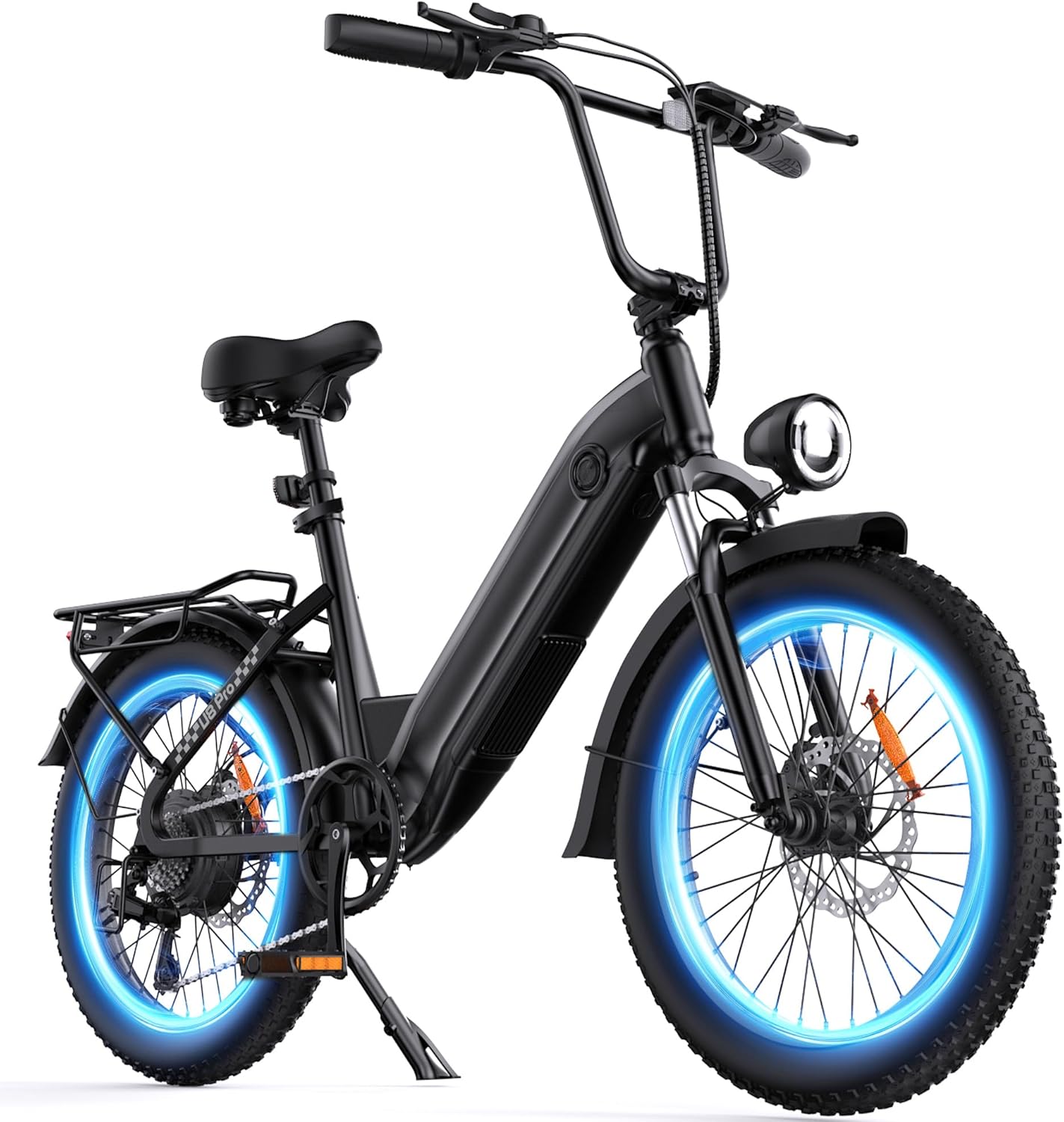
What to Look for When Buying an Electric Bike Under $2000
1. Motor Power and Type
The motor is the heart of any electric bike, and its power and placement significantly impact performance. Most e-bikes in the under-$2,000 range feature motors between 250W and 750W. A 250W motor is ideal for flat urban commutes and light assistance, while a 500W to 750W motor provides better hill-climbing ability and faster acceleration—perfect for hilly areas or heavier riders. Look for a motor with at least 40Nm of torque for responsive power delivery.
There are two main types of motors: hub motors and mid-drive motors. Hub motors are located in the front or rear wheel and are common in budget-friendly e-bikes. They’re reliable, quiet, and easy to maintain. Mid-drive motors, typically found on higher-end models, sit near the pedals and offer better weight distribution and efficiency, especially on hills. While mid-drive motors are rare under $2,000, some brands like Rad Power Bikes and Aventon offer models with upgraded hub motors that mimic mid-drive performance. Always check the motor’s continuous power rating (not peak), as this reflects real-world performance.
2. Battery Capacity and Range
Battery capacity, measured in watt-hours (Wh), determines how far you can ride on a single charge. A higher Wh rating means longer range. For example, a 48V 10.4Ah battery equals 499Wh, while a 36V 14Ah battery equals 504Wh. Most e-bikes under $2,000 offer batteries between 400Wh and 600Wh, providing a range of 25 to 50 miles depending on terrain, rider weight, assist level, and weather.
Lithium-ion batteries are standard and should be removable for easy charging. Look for batteries from reputable manufacturers like Samsung, LG, or Panasonic, as they offer better longevity and safety. Charging time typically ranges from 4 to 6 hours. Some models include fast-charging options or dual-battery compatibility, but these are rare in this price range. Always consider your daily commute distance—if you need to ride 20 miles round-trip, aim for a bike with at least 400Wh and moderate assist usage.
3. Build Quality and Frame Material
A well-built frame ensures durability, comfort, and safety. Most e-bikes under $2,000 use aluminum alloy frames, which are lightweight, rust-resistant, and strong enough for daily use. Avoid steel frames unless they’re specifically designed for heavy-duty use, as they can be significantly heavier. Look for reinforced joints, internal cable routing, and a step-through or step-over design based on your preference.
Pay attention to suspension systems. Front suspension forks absorb bumps on rough roads, while full suspension (rare under $2,000) offers even better comfort but adds weight and cost. For city riding, a rigid fork or basic suspension is usually sufficient. Check the weight capacity—most e-bikes support 250 to 300 pounds. If you’re near or above this limit, look for models with reinforced frames and heavy-duty components.
4. Pedal Assist and Throttle Options
Pedal assist (PAS) and throttle are two primary ways e-bikes deliver power. Pedal assist provides motor support only when you’re pedaling, with multiple levels (usually 3 to 5) to control intensity. This is ideal for exercise and longer rides. Throttle mode lets you ride without pedaling, similar to a scooter—great for quick starts or steep hills.
Most e-bikes under $2,000 offer both PAS and throttle, but some budget models may only include one. Throttle-only bikes are less common and often less efficient. Look for smooth, responsive PAS that adjusts seamlessly to your pedaling cadence. Some models feature torque sensors, which detect how hard you’re pedaling and adjust power accordingly—offering a more natural ride than basic cadence sensors. Torque sensors are a premium feature but are increasingly found in mid-range models.
5. Braking System
Reliable brakes are non-negotiable for safety. Disc brakes—either mechanical or hydraulic—are standard on quality e-bikes. Hydraulic disc brakes offer superior stopping power, better modulation, and require less hand force, making them ideal for heavier bikes and wet conditions. Mechanical disc brakes are more affordable and easier to maintain but may require more effort to engage.
Avoid rim brakes (V-brakes) on e-bikes, especially if you plan to ride in rain or carry heavy loads. They wear down faster and lose effectiveness when wet. Check the brake rotor size—160mm is adequate for light use, but 180mm or 203mm rotors provide better heat dissipation and stopping power. Some models include regenerative braking, but this is rare and not very effective on most e-bikes under $2,000.
6. Tires and Wheels
Tires affect comfort, traction, and rolling resistance. Wider tires (2.0” to 2.5”) provide better stability and cushioning, ideal for city streets and light trails. Narrower tires (1.75” to 2.0”) are faster and more efficient on smooth pavement. Look for puncture-resistant tires with reflective sidewalls for added safety.
Wheel size also matters. 26” wheels are common on mountain-style e-bikes and offer good maneuverability. 27.5” and 29” wheels roll over obstacles more easily and are better for taller riders. 20” wheels are found on folding e-bikes and are great for portability but may feel less stable at higher speeds. Tubeless-ready tires are a bonus but not essential in this price range.
7. Display and Connectivity
The display shows critical information like speed, battery level, assist mode, and distance. Basic LED displays are functional but limited. Color LCD displays offer better visibility and more data. Some models include Bluetooth connectivity, allowing you to sync with a smartphone app for ride tracking, navigation, and firmware updates.
Look for displays with backlighting for night riding and intuitive controls. Avoid models with overly complex menus or small screens that are hard to read while riding. While app integration is a nice-to-have, it’s not essential for most riders. Focus on clarity and ease of use.
8. Warranty and Customer Support
A good warranty reflects the manufacturer’s confidence in their product. Most reputable brands offer at least a 1-year warranty on the frame and motor, and 6 months to 1 year on the battery. Some, like Rad Power Bikes and Aventon, offer 2-year comprehensive warranties. Check what’s covered—labor, parts, shipping—and whether you need to register the bike.
Customer support is equally important. Read reviews about response times, repair services, and replacement part availability. Brands with U.S.-based support centers tend to offer faster service. Avoid no-name brands with vague warranty terms or no customer service contact. A strong warranty and responsive support can save you hundreds in repair costs down the line.
Different Types of Electric Bikes Under $2000

Common Buying Mistakes to Avoid
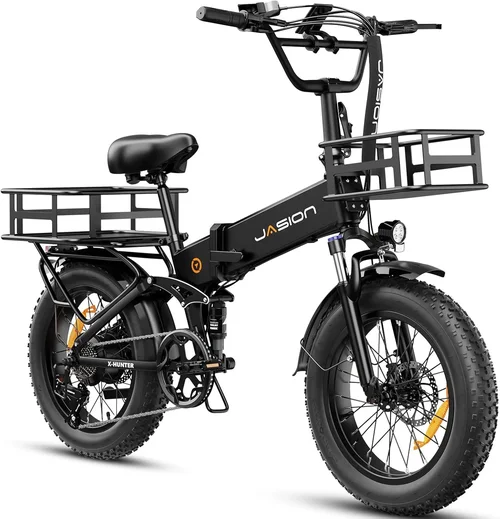
❌ Mistake: Prioritizing Price Over Quality
Why it’s bad: The cheapest e-bikes often use low-grade components, weak motors, and poor-quality batteries that degrade quickly. You may end up spending more on repairs or replacements than if you’d bought a better model upfront.
What to do instead: Set a realistic budget and focus on value, not just low cost. Look for brands with solid reputations and transparent specs. A $1,500 bike with a reliable motor and good warranty is often a better investment than a $900 model that breaks down in six months.
❌ Mistake: Ignoring Battery Range and Real-World Performance
Why it’s bad: Manufacturers often advertise maximum range under ideal conditions (flat terrain, low assist, light rider). In reality, range can be 30-50% lower, especially in cold weather or hilly areas.
What to do instead: Use the advertised range as a starting point, then divide it by two for a realistic estimate. If you need 30 miles of range, choose a bike rated for at least 50-60 miles. Check user reviews for real-world range reports.
❌ Mistake: Overlooking Weight and Portability
Why it’s bad: E-bikes are heavy—typically 40 to 70 pounds. If you need to carry it upstairs, load it into a car, or store it in a small apartment, weight becomes a major issue.
What to do instead: Consider your storage and transport needs. Folding e-bikes or lighter commuter models (under 50 lbs) are better for urban living. Check the bike’s weight and whether it has handles or a center of gravity that makes lifting easier.
❌ Mistake: Skipping the Test Ride
Why it’s bad: E-bikes handle differently based on motor placement, frame geometry, and suspension. What looks good on paper might feel uncomfortable or unstable in real life.
What to do instead: Always test ride before buying, if possible. Visit local dealers or attend e-bike demo events. Pay attention to comfort, steering responsiveness, and how the motor engages. If buying online, choose retailers with generous return policies.
❌ Mistake: Not Checking Local Laws and Regulations
Why it’s bad: E-bike laws vary by state and country. Some areas restrict motor power, speed, or throttle use. Riding an illegal e-bike can result in fines or confiscation.
What to do instead: Research your local regulations. In the U.S., most states classify e-bikes into three categories based on speed and motor power. Ensure your bike complies—especially if it has a throttle or exceeds 20 mph.
❌ Mistake: Ignoring Maintenance and Upkeep Costs
Why it’s bad: E-bikes require regular maintenance like tire checks, brake adjustments, and chain lubrication. Neglecting this can lead to safety issues and costly repairs.
What to do instead: Learn basic maintenance or budget for professional tune-ups. Choose models with standard components (e.g., Shimano drivetrains) that are easy to service. Avoid proprietary parts that are hard to replace.
❌ Mistake: Falling for “Too Good to Be True” Deals
Why it’s bad: Scam websites and counterfeit brands offer e-bikes at suspiciously low prices with fake reviews and no customer support. You may receive a defective product or nothing at all.
What to do instead: Buy from reputable retailers or directly from established brands. Check for secure payment options, clear return policies, and verifiable contact information. Read third-party reviews on sites like Trustpilot or Reddit.
Budget Guidelines: How Much Should You Spend?
Entry-Level ($800 – $1,200): This range includes basic e-bikes with 250W to 500W hub motors, 36V batteries (300-400Wh), and minimal features. Ideal for short, flat commutes under 15 miles. Expect simpler displays, mechanical disc brakes, and limited warranties. Brands like Swagtron and Ancheer offer models here, but quality can vary. Best for casual riders or those on a tight budget.
Mid-Range ($1,200 – $1,600): The sweet spot for most buyers. These e-bikes offer 500W to 750W motors, 48V batteries (400-600Wh), hydraulic disc brakes, and better build quality. You’ll find models with torque sensors, color displays, and integrated lights. Brands like Aventon, Lectric, and Rad Power Bikes dominate this space. Expect 30-50 mile range and solid warranties. Perfect for daily commuting, light trails, and longer rides.
Premium ($1,600 – $2,000): For enthusiasts and serious riders. These bikes feature high-capacity batteries (500-700Wh), powerful 750W motors, advanced suspension, and premium components. Look for models with app connectivity, regenerative braking (rare), and enhanced safety features. Some include cargo racks, child seats, or off-road capabilities. Ideal for hilly areas, heavy loads, or multi-hour rides.
Luxury ($2,000+): While outside our focus, it’s worth noting that bikes above $2,000 offer top-tier performance, lightweight carbon frames, mid-drive motors, and cutting-edge tech. If your budget stretches, consider models from Trek, Specialized, or Bosch-powered bikes. But for most riders, the $1,600-$2,000 range delivers exceptional value.
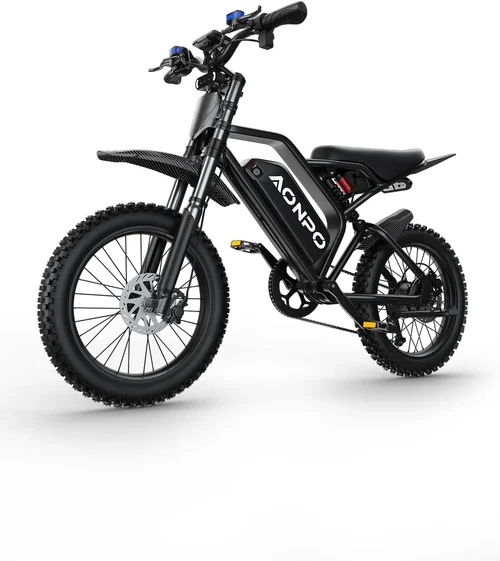
Expert Tips for Getting the Best Deal
1. Buy During Seasonal Sales: The best time to buy an e-bike is during holiday sales (Black Friday, Cyber Monday, Memorial Day) or end-of-season clearances (late summer/fall). Many brands offer discounts of 10-20%, plus free accessories like helmets or locks.
2. Shop Direct from Manufacturers: Brands like Rad Power Bikes, Aventon, and Lectric sell directly to consumers, cutting out middlemen and passing savings to you. They often have exclusive deals, extended warranties, and better customer support than third-party retailers.
3. Look for Refurbished or Open-Box Models: Certified refurbished e-bikes from reputable brands can save you 15-30% off retail. These are typically inspected, repaired, and come with warranties. Check manufacturer websites or authorized dealers for availability.
4. Compare Total Cost of Ownership: Factor in shipping, assembly, and potential upgrades. Some retailers offer free shipping and assembly, while others charge extra. A slightly higher-priced bike with free setup may be cheaper overall.
5. Read User Reviews and Watch Video Reviews: Don’t rely solely on manufacturer specs. Real user feedback reveals issues like battery degradation, poor customer service, or assembly difficulties. YouTube reviews offer visual insights into ride quality and features.
6. Check Return and Exchange Policies: A generous return window (30 days or more) lets you test the bike risk-free. Avoid retailers with restocking fees or short return periods. Some brands offer “ride and return” programs.
7. Consider Financing Options: Many brands offer 0% APR financing through partners like Klarna or Affirm. This lets you spread payments over 6-12 months without interest—ideal if you can’t pay upfront.
8. Join E-Bike Communities: Online forums (Reddit’s r/ebikes, Facebook groups) are goldmines for deals, tips, and brand recommendations. Members often share discount codes or alert others to flash sales.
Frequently Asked Questions
Q: How far can I really ride on a single charge?
A: Real-world range depends on battery capacity, terrain, rider weight, assist level, and weather. A 500Wh battery typically delivers 25-40 miles. Use lower assist modes and pedal regularly to extend range. Cold weather can reduce range by up to 30%.
Q: Can I ride an e-bike in the rain?
A: Yes, most e-bikes are water-resistant (IP65 rating), meaning they can handle light rain and splashes. Avoid submerging the battery or motor. Dry the bike after wet rides and store it indoors.
Q: Do I need a license or insurance to ride an e-bike?
A: In most U.S. states, Class 1 and Class 2 e-bikes (up to 20 mph) do not require a license or insurance. Class 3 (up to 28 mph) may require a helmet and have age restrictions. Check your local laws.
Q: How often should I charge the battery?
A: Charge regularly but avoid draining it to 0%. Lithium-ion batteries last longest when kept between 20% and 80%. Charge after each ride if possible, and store at 50% charge if not using for weeks.
Q: Can I pedal an e-bike if the battery dies?
A: Yes, e-bikes function like regular bikes when the battery is dead. However, they are heavier, so pedaling requires more effort. Choose a model with a lightweight frame if this is a concern.
Q: Are e-bikes safe?
A: When used responsibly, e-bikes are safe. Always wear a helmet, follow traffic laws, and use lights at night. Maintain brakes and tires regularly. Avoid riding on sidewalks where prohibited.
Q: How long do e-bike batteries last?
A: Most lithium-ion batteries last 500-1,000 charge cycles, equating to 3-5 years of daily use. Capacity gradually decreases over time. Replace the battery when range drops significantly.
Q: Can I upgrade components later?
A: Yes, many components like tires, saddles, and lights can be upgraded. However, motor and battery upgrades are complex and often not cost-effective. Choose a bike with room for future improvements.
Q: What’s the difference between Class 1, 2, and 3 e-bikes?
A: Class 1: Pedal-assist only, up to 20 mph. Class 2: Throttle-assisted, up to 20 mph. Class 3: Pedal-assist only, up to 28 mph. Class 3 bikes often have stricter regulations.
Q: Are folding e-bikes as durable as regular e-bikes?
A: Modern folding e-bikes are quite durable, but the hinge mechanism requires regular maintenance. Choose models with reinforced frames and quality locks. Avoid cheap folding bikes with weak joints.
Our Final Recommendations
Best for Budget-Conscious Buyers: Lectric XP 3.0 ($999) – This folding e-bike packs a 500W motor, 48V 10.4Ah battery (500Wh), and hydraulic disc brakes. With a 45-mile range and 275 lb capacity, it’s a steal for the price. Great for city commuting and storage.
Best Overall Value: Aventon Level.2 ($1,699) – A versatile commuter with a 750W motor, 48V 14Ah battery (672Wh), and torque sensor. Offers smooth ride quality, integrated lights, and a 2-year warranty. Ideal for daily use and longer rides.
Best Premium Option: Rad Power Bikes RadCity 5 Plus ($1,899) – A top-tier commuter with a 750W motor, 672Wh battery, hydraulic brakes, and full fenders. Includes a rear rack, integrated lights, and excellent customer support. Built for reliability and comfort.
Best for Beginners: Swagtron EB7 Plus ($1,199) – A user-friendly folding e-bike with a 350W motor, 36V 10.4Ah battery, and simple controls. Lightweight and easy to assemble, perfect for first-time riders.
Best for Advanced Users: Himiway Cruiser ($1,799) – A fat-tire e-bike with a 750W motor, 48V 17.5Ah battery (840Wh), and dual suspension. Designed for off-road adventures and long-range rides. High weight capacity (400 lbs) and rugged build.
Conclusion: Making the Right Choice
Choosing the best electric bike under $2,000 doesn’t have to be overwhelming. By focusing on key factors like motor power, battery capacity, build quality, and warranty, you can find a model that fits your needs and budget. Avoid common pitfalls like prioritizing price over performance or ignoring real-world range. Take advantage of seasonal sales, read user reviews, and test ride when possible.
Remember, the best e-bike is the one you’ll actually ride. Whether you’re commuting to work, exploring trails, or reducing your carbon footprint, there’s a perfect e-bike out there for you. Use this guide as your roadmap, prioritize your must-have features, and invest in a bike that will serve you well for years to come. Happy riding!