
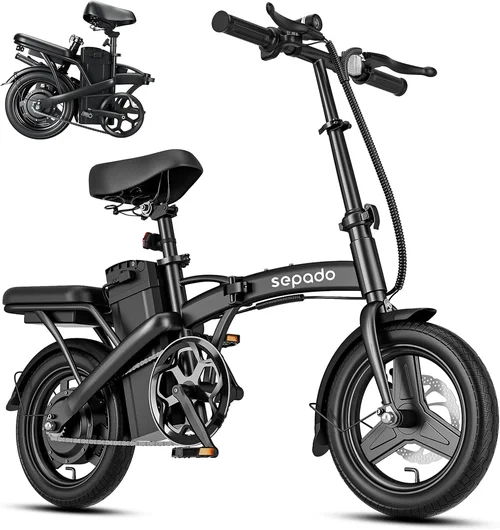
The electric bike market has exploded in popularity over the past few years, and for good reason. E-bikes offer a sustainable, efficient, and enjoyable way to commute, explore, or simply get more active—without the sweat and strain of traditional cycling. Whether you’re navigating city streets, tackling hilly trails, or just looking for a greener alternative to short car trips, there’s an e-bike out there that fits your lifestyle. But with so many options flooding the market—from budget-friendly models under $1,000 to high-end machines costing over $5,000—it’s easy to feel overwhelmed. That’s where this guide comes in.
This comprehensive buying guide is designed to cut through the noise and help you find the best electric bike for the price in 2026. We’ll walk you through every critical factor to consider, from motor power and battery life to build quality and brand reliability. You’ll learn how to avoid common pitfalls, understand what different price tiers actually deliver, and discover expert tips to get the most value for your money. Whether you’re a first-time buyer or upgrading from an older model, this guide will empower you to make a smart, informed decision—one that balances performance, durability, and affordability.
The e-bike landscape in 2026 is more diverse and competitive than ever. Major brands like Rad Power Bikes, Trek, Specialized, and Aventon continue to innovate, while emerging companies are pushing boundaries with lightweight designs, smart connectivity, and longer-range batteries. At the same time, budget models have improved dramatically, offering features once reserved for premium bikes. This means you no longer have to spend a fortune to get a reliable, feature-rich e-bike. Our goal is to help you navigate this evolving market and identify the sweet spot where price meets performance—so you can ride with confidence, comfort, and joy.

What to Look for When Buying an Electric Bike
1. Budget & Price Range
Your budget is the foundation of your e-bike purchase. It determines not only which models are available to you but also what kind of performance, build quality, and longevity you can expect. E-bikes range from under $800 for basic commuter models to over $6,000 for high-performance, full-suspension mountain e-bikes. However, price doesn’t always equal value. A $1,500 bike with a reliable motor, decent battery, and solid frame can outperform a $2,500 model with flashy features but poor engineering.
When setting your budget, consider not just the upfront cost but also long-term expenses like maintenance, battery replacement (typically every 3–5 years), and potential upgrades. A slightly higher initial investment in a well-built bike can save you hundreds in repairs and replacements down the line. Also, factor in accessories like helmets, locks, lights, and racks—these can add $100–$300 to your total cost.
2. Motor Type & Power
The motor is the heart of your e-bike, and its type and power output directly affect performance, especially on hills and during acceleration. There are two main types: hub motors and mid-drive motors.
Hub motors are located in the front or rear wheel and are common in budget and mid-range e-bikes. They’re simple, reliable, and quiet, but can feel less natural when pedaling, especially on steep inclines. Rear hub motors generally offer better traction and a more balanced ride than front hub motors.
Mid-drive motors, found near the pedals, are more advanced and efficient. They leverage the bike’s gears, providing better torque and hill-climbing ability. They also distribute weight more evenly, improving handling. However, they’re typically found in higher-end models and can be more expensive to repair.
Motor power is measured in watts (W). In the U.S., e-bikes are legally limited to 750W for Class 3 bikes (which can reach 28 mph with pedal assist). Most commuter e-bikes use 250W–750W motors. A 500W motor is sufficient for flat city riding, while 750W is ideal for hilly terrain or heavier riders. Avoid motors below 250W unless you’re only riding on flat, short routes.
3. Battery Capacity & Range
Battery capacity, measured in watt-hours (Wh), determines how far you can ride on a single charge. A higher Wh rating means longer range. For example, a 48V 10Ah battery delivers 480Wh, while a 48V 14Ah battery offers 672Wh—nearly 40% more range.
Real-world range depends on several factors: rider weight, terrain, assist level, wind, and tire pressure. A 500Wh battery might give you 30–50 miles on eco mode but only 15–20 miles on high assist over hills. Most mid-range e-bikes offer 400–700Wh batteries, which is sufficient for daily commuting and weekend rides.
Look for removable batteries—they make charging convenient and allow you to carry a spare for extended trips. Also, check the battery’s chemistry: lithium-ion (Li-ion) is standard and offers good energy density and lifespan. Avoid older lead-acid or nickel-based batteries, which are heavier and less efficient.
Charging time typically ranges from 3 to 6 hours. Fast-charging models (1–2 hours) are available but can reduce battery lifespan if used frequently.
4. Frame Material & Build Quality
The frame is the skeleton of your e-bike, and its material affects weight, durability, and ride quality. Common materials include aluminum, steel, carbon fiber, and titanium.
Aluminum is the most popular—lightweight, rust-resistant, and affordable. Most mid-range e-bikes use aluminum frames, offering a great balance of strength and weight.
Steel is heavier but extremely durable and absorbs vibrations well, making it ideal for comfort-focused or cargo e-bikes. It’s also more affordable but prone to rust if not properly treated.
Carbon fiber is lightweight and stiff, offering excellent performance, but it’s expensive and can be brittle under impact. It’s typically reserved for high-end road or mountain e-bikes.
Titanium is the premium choice—light, strong, corrosion-resistant, and long-lasting—but it’s rare and costly.
Beyond material, inspect welds, joints, and overall craftsmanship. A well-built frame should feel solid, with no flex or creaking. Test ride if possible to assess stiffness and comfort.
5. Braking System
Brakes are critical for safety, especially on e-bikes that can reach higher speeds. There are three main types: rim brakes, mechanical disc brakes, and hydraulic disc brakes.
Rim brakes (like V-brakes) are common on budget models but less effective in wet conditions and wear down rims over time.
Mechanical disc brakes use cables to activate brake pads and offer better stopping power than rim brakes. They’re affordable and easy to maintain but require more hand force.
Hydraulic disc brakes use fluid to transfer force, providing superior modulation, power, and consistency—even in rain or mud. They’re the gold standard for e-bikes, especially for mountain or high-speed riding.
For any e-bike over $1,000, hydraulic disc brakes are strongly recommended. They reduce fatigue on long rides and improve safety during sudden stops.
6. Tires & Suspension
Tires affect comfort, traction, and rolling resistance. Wider tires (2.0”–2.8”) provide better grip and cushioning, ideal for off-road or rough pavement. Narrower tires (1.75”–2.0”) are faster on smooth roads but less forgiving.
Look for puncture-resistant tires with reflective sidewalls for visibility. Tubeless setups reduce the risk of flats but require more maintenance.
Suspension improves ride quality, especially on uneven terrain. Front suspension (hardtail) is common and absorbs bumps from the front wheel. Full suspension (front and rear) offers maximum comfort but adds weight and cost.
For city commuting, a front suspension fork or rigid fork with wide tires may suffice. For trail riding or rough roads, full suspension is worth the investment.
7. Display & Connectivity Features
The display shows essential info like speed, battery level, assist mode, and distance. Basic LCD screens are functional but limited. Color displays with backlighting are easier to read in sunlight.
Advanced models include Bluetooth connectivity, GPS tracking, ride analytics, and smartphone integration. Apps can help you track fitness, plan routes, and even lock your bike remotely.
While these features are nice, they’re not essential for most riders. Focus on clarity, responsiveness, and durability. Water resistance is a must—look for IP65 or higher ratings.
8. Weight & Portability
E-bikes are heavier than regular bikes due to motors and batteries. Most weigh between 40 and 70 pounds. Heavier bikes are harder to carry upstairs or load onto racks.
If you need to transport your e-bike frequently, consider a folding model or one with a step-through frame for easier mounting. Some brands offer lightweight designs using carbon fiber or advanced alloys.
Check if the bike has a kickstand, rear rack mounts, and bottle cage bosses—these add convenience for daily use.
9. Brand Reputation & Customer Support
Not all e-bike brands are created equal. Established brands like Rad Power Bikes, Trek, and Specialized have proven track records, extensive dealer networks, and reliable customer service. They also offer better warranty coverage and easier access to parts.
Newer or lesser-known brands may offer lower prices, but they often lack support infrastructure. Research online reviews, forums, and Reddit communities to gauge real-world reliability.
A good brand stands behind its products. Look for companies that respond quickly to issues, provide clear documentation, and offer local service options.
10. Warranty & Return Policy
A strong warranty protects your investment. Most reputable brands offer:
– 1–2 years on the frame
– 1 year on motor and battery
– 6 months to 1 year on components
Some premium brands extend battery warranties to 2–3 years, which is valuable since batteries degrade over time.
Check the return policy—many online retailers offer 14–30 day trial periods. This lets you test the bike in real conditions and return it if it doesn’t meet expectations.
Avoid brands with no warranty or vague terms. A solid warranty is a sign of confidence in product quality.
Different Types of Electric Bikes

Common Buying Mistakes to Avoid
❌ Mistake: Choosing Based on Price Alone
Why it’s bad: The cheapest e-bike often comes with compromises—weak motor, short range, poor brakes, or flimsy frame. These issues can lead to frequent breakdowns, safety risks, and higher long-term costs.
What to do instead: Focus on value, not just price. Compare specs, read reviews, and prioritize reliability. A $1,500 bike with a 500W motor, 600Wh battery, and hydraulic brakes is often a better deal than a $1,000 model with inferior components.
❌ Mistake: Ignoring Test Rides
Why it’s bad: E-bikes feel different from regular bikes. Weight distribution, pedal assist responsiveness, and handling vary widely. Buying without testing can lead to discomfort or disappointment.
What to do instead: Always test ride before buying. Visit local shops, attend e-bike expos, or use online retailers with generous return policies. Pay attention to comfort, ease of use, and how the bike handles turns and hills.
❌ Mistake: Overlooking Battery Replacement Costs
Why it’s bad: Batteries degrade over time and typically need replacement every 3–5 years. A $500–$800 battery replacement can be a shock if not budgeted for.
What to do instead: Factor battery lifespan into your decision. Choose brands with accessible, reasonably priced replacement batteries. Some offer battery health monitoring via apps.
❌ Mistake: Buying Without Considering Local Laws
Why it’s bad: E-bike regulations vary by region. Some areas restrict speed, motor power, or where e-bikes can be ridden. Violating these can result in fines or confiscation.
What to do instead: Research local laws before buying. In the U.S., Class 1 (pedal-assist up to 20 mph), Class 2 (throttle up to 20 mph), and Class 3 (pedal-assist up to 28 mph) have different rules. Ensure your bike complies.
❌ Mistake: Skimping on Safety Features
Why it’s bad: Weak brakes, poor lights, or no reflectors increase accident risk, especially at night or in traffic.
What to do instead: Prioritize safety. Choose bikes with hydraulic disc brakes, integrated lights, and reflective elements. Add a high-quality helmet, mirror, and bell.
❌ Mistake: Ignoring Maintenance Needs
Why it’s bad: E-bikes require regular maintenance—tire pressure, brake adjustments, chain lubrication, and software updates. Neglecting this shortens lifespan and reduces performance.
What to do instead: Learn basic maintenance or find a reliable bike shop. Some brands offer service plans or online tutorials.
❌ Mistake: Falling for “Too Good to Be True” Deals
Why it’s bad: Scam sites or counterfeit brands may sell fake or defective e-bikes with no support or warranty.
What to do instead: Buy from reputable retailers—authorized dealers, well-known online stores, or direct from trusted brands. Check for secure payment methods and customer reviews.
Budget Guidelines: How Much Should You Spend?
Entry-Level ($800–$1,200): These bikes are ideal for casual riders or those on a tight budget. Expect basic components—hub motors (250W–500W), 300–400Wh batteries, mechanical disc or rim brakes, and aluminum frames. Range is typically 20–30 miles. Brands like Ancheer, ECOTRIC, and Swagtron offer models in this range. While functional, they may lack durability and long-term reliability.
Mid-Range ($1,200–$2,500): This is the sweet spot for most buyers. You’ll find better motors (500W–750W), larger batteries (500–700Wh), hydraulic disc brakes, and improved build quality. Brands like Rad Power Bikes, Aventon, and Lectric offer excellent value here. These bikes are suitable for daily commuting, light off-road use, and longer rides. Expect 30–60 mile range and solid warranties.
Premium ($2,500–$4,000): Designed for enthusiasts and serious riders. Features include mid-drive motors, full suspension, high-capacity batteries (700Wh+), advanced displays, and premium materials. Ideal for mountain biking, long-distance touring, or heavy cargo loads. Brands like Trek, Specialized, and Bulls dominate this tier.
Luxury ($4,000+): Top-tier performance with cutting-edge tech—carbon frames, smart connectivity, regenerative braking, and ultra-long range. These are for riders who demand the best and aren’t constrained by budget. Examples include the Specialized Turbo Levo SL and Riese & Müller models.
Expert Tips for Getting the Best Deal
1. Buy During Off-Season Sales: E-bike demand peaks in spring and summer. Shop in late fall or winter for discounts. Black Friday, Cyber Monday, and end-of-year clearance events often feature 10–30% off.
2. Consider Certified Refurbished Models: Many brands sell refurbished e-bikes at 20–40% off retail. These are inspected, repaired, and come with warranties—great for budget-conscious buyers.
3. Compare Total Cost of Ownership: Factor in accessories, maintenance, and potential upgrades. A slightly more expensive bike with lower upkeep costs may save money long-term.
4. Use Price Tracking Tools: Websites like Honey, CamelCamelCamel, or Google Shopping can alert you to price drops on specific models.
5. Check for Local Incentives: Some cities and states offer rebates or tax credits for e-bike purchases. These can reduce your cost by $200–$1,000.
6. Negotiate with Local Dealers: Independent bike shops may offer discounts, free tune-ups, or bundled accessories if you ask.
7. Read the Fine Print on Returns: Ensure the return window is long enough (at least 14 days) and covers shipping costs. Some retailers charge restocking fees.
8. Join Online Communities: Forums like Reddit’s r/ebikes or Facebook groups often share deals, reviews, and insider tips.

Frequently Asked Questions
Q: How far can an electric bike go on a single charge?
A: Range varies widely based on battery capacity, motor power, terrain, rider weight, and assist level. Most mid-range e-bikes offer 30–60 miles per charge. A 500Wh battery typically delivers 30–50 miles in real-world conditions. Use eco mode and pedal more to extend range.
Q: Are electric bikes legal everywhere?
A: In the U.S., e-bikes are legal in all 50 states but regulated by class. Class 1 and 2 are allowed on most bike paths; Class 3 may be restricted. Check local laws for speed limits, helmet requirements, and where you can ride.
Q: Do I need a license or insurance for an e-bike?
A: In most U.S. states, no license or insurance is required for Class 1–3 e-bikes. However, some cities or rental programs may have specific rules. Always verify local regulations.
Q: How long do e-bike batteries last?
A: Most lithium-ion batteries last 500–1,000 charge cycles, equating to 3–5 years of regular use. Proper care—avoiding full discharges, storing at 50% charge, and keeping cool—can extend lifespan.
Q: Can I ride an e-bike in the rain?
A: Yes, most e-bikes are water-resistant (IP54 or higher). Avoid submerging the battery or motor. Dry the bike after wet rides and check connections periodically.
Q: Are e-bikes worth the money?
A: Absolutely—if you use them. They reduce car dependency, save on fuel and parking, improve fitness, and are fun. The average rider recoups the cost in 1–2 years through transportation savings.
Q: Can I convert my regular bike to electric?
A: Yes, with a conversion kit ($300–$800). These include a motor, battery, and controller. However, they may not match the integration and reliability of a purpose-built e-bike.
Q: What’s the difference between pedal assist and throttle?
A: Pedal assist (PAS) provides power only when you pedal, offering a natural riding feel. Throttle lets you ride without pedaling, like a scooter. Class 2 e-bikes have throttles; Class 1 and 3 do not.
Q: How heavy are electric bikes?
A: Most weigh 40–70 pounds. Folding and commuter models are lighter (35–50 lbs); cargo and mountain e-bikes are heavier (60–80 lbs). Weight affects portability and handling.
Q: Can I take my e-bike on public transportation?
A: Many buses and trains allow e-bikes, especially folding models. Check with your local transit authority. Some require bikes to be covered or have removable batteries.
Our Final Recommendations
Best for Budget-Conscious Buyers: Rad Power Bikes RadCity 5 Plus ($1,699)
A versatile commuter e-bike with a 750W motor, 672Wh battery, hydraulic brakes, and integrated lights. Offers excellent value, reliable performance, and a 1-year warranty. Ideal for city riding and light hills.
Best Overall Value: Aventon Level.2 ($1,799)
Combines a 750W motor, 614Wh battery, hydraulic disc brakes, and a sleek step-through frame. Features a color display, app connectivity, and a comfortable ride. Perfect balance of price, performance, and features.
Best Premium Option: Specialized Turbo Vado SL 4.0 ($3,500)
Lightweight (33 lbs), efficient, and packed with tech. Uses a mid-drive motor, 320Wh battery (expandable), and offers up to 80 miles of range. Ideal for serious commuters and fitness riders.
Best for Beginners: Lectric XP 3.0 ($999)
Affordable, foldable, and easy to use. Features a 500W motor, 468Wh battery, and hydraulic brakes. Great for new riders, apartment dwellers, or those needing portability.
Best for Advanced Users: Trek Allant+ 9.9S ($5,500)
A high-performance commuter with a Bosch Performance Line CX motor, 625Wh battery, and full suspension. Includes GPS, smart display, and premium components. Built for long-distance, all-weather riding.
Conclusion: Making the Right Choice
Choosing the best electric bike for the price isn’t about finding the cheapest option—it’s about finding the right balance of performance, reliability, and value that matches your needs and lifestyle. Whether you’re commuting to work, exploring trails, or reducing your carbon footprint, the right e-bike can transform how you move through the world.
We’ve covered the essential factors—motor power, battery life, build quality, safety, and budget—to help you make an informed decision. We’ve also highlighted common pitfalls, shared expert tips, and provided clear recommendations across different categories and price points.
Remember, the best e-bike is the one you’ll actually ride. Prioritize comfort, usability, and durability over flashy features. Test ride when possible, read real user reviews, and don’t hesitate to invest a little more for long-term satisfaction.
The e-bike revolution is here, and 2026 offers more choices than ever. With this guide, you’re equipped to navigate the market confidently and find a bike that delivers joy, efficiency, and value mile after mile. So charge up, hit the road, and enjoy the ride.