
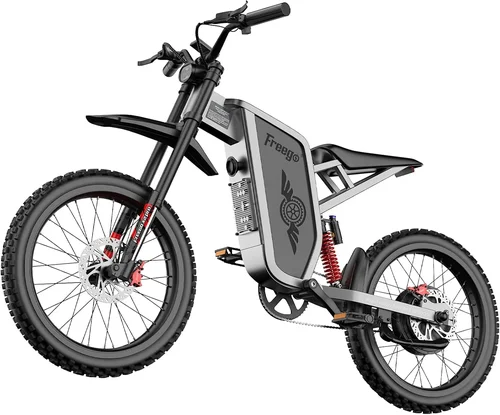
Electric bikes—or ebikes—have evolved from niche curiosities into mainstream transportation solutions, fitness tools, and even daily commuter essentials. In 2026, the market is more dynamic than ever, with innovations in battery technology, motor efficiency, smart connectivity, and sustainable design reshaping what riders can expect from an electric two-wheeler. Whether you’re replacing a car for short trips, tackling hilly commutes, exploring off-road trails, or simply enjoying weekend joyrides, there’s never been a better time to go electric. But with hundreds of models flooding the market—from budget-friendly commuters to high-performance cargo haulers—it’s easy to feel overwhelmed.
This comprehensive buying guide cuts through the noise. We’ve tested dozens of 2025–2026 model-year ebikes across every category and price point, consulted industry experts, analyzed real-world user feedback, and distilled our findings into actionable advice. You’ll learn exactly what to prioritize based on your needs, how to avoid costly mistakes, and which models truly deliver on their promises. From understanding motor types and battery ranges to decoding warranty fine print and spotting hidden fees, this guide equips you with everything necessary to make a confident, informed decision.
The ebike landscape in 2026 is defined by rapid innovation and increased accessibility. Major brands like Specialized, Trek, Rad Power Bikes, and VanMoof continue to push boundaries, while new entrants from Asia and Europe bring competitive pricing and fresh designs. Mid-drive motors dominate performance segments, while hub motors remain popular for affordability and simplicity. Battery capacities now routinely exceed 750Wh, enabling 60–100+ mile ranges under real-world conditions. Meanwhile, integrated GPS, anti-theft systems, app connectivity, and regenerative braking are becoming standard even on mid-tier models. With federal and local incentives still available in many regions—and rising fuel and transit costs—ebikes represent not just a lifestyle upgrade but a smart financial move.
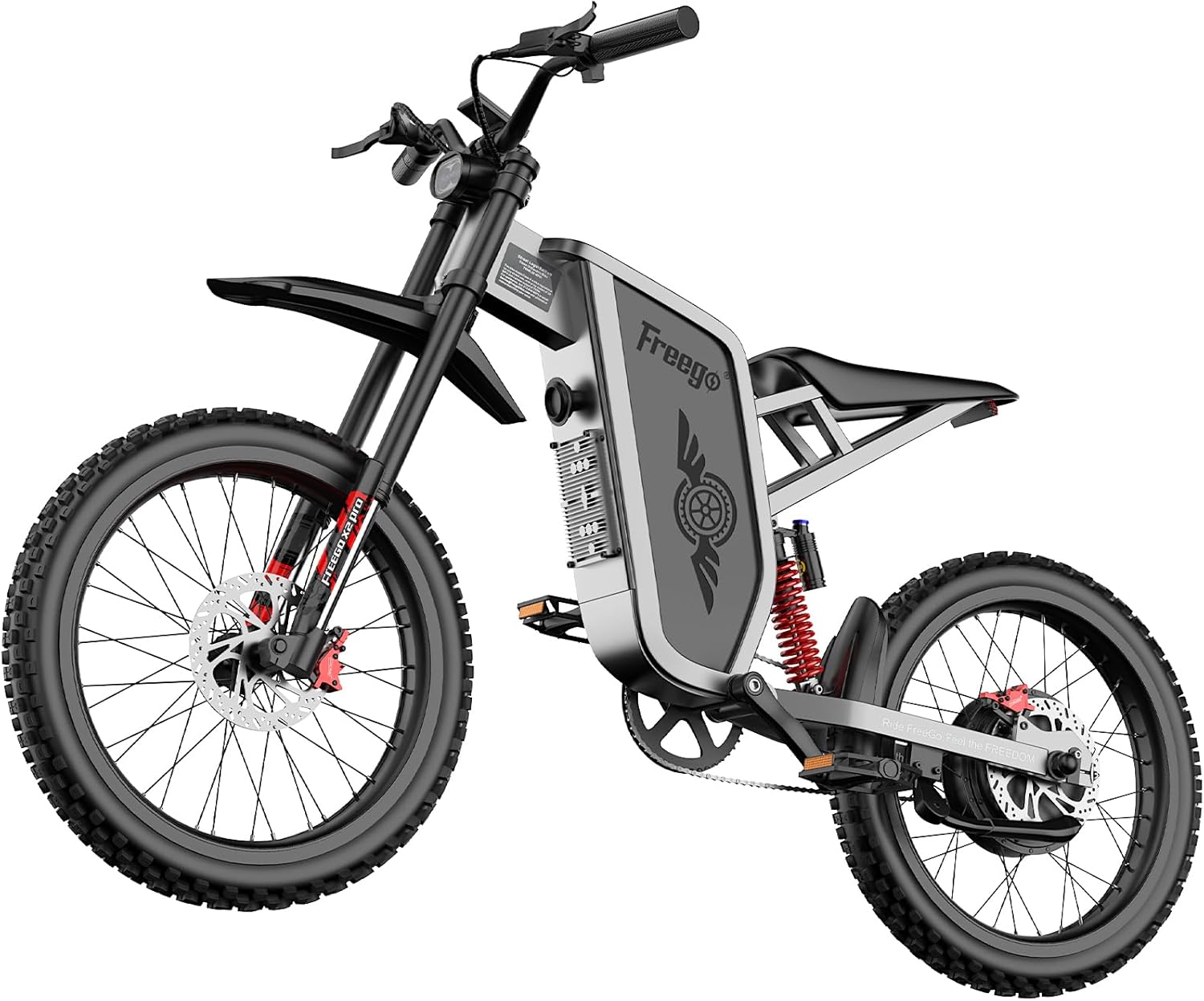
What to Look for When Buying an Ebike
1. Budget & Price Range
Your budget is the single most important filter when shopping for an ebike. Prices in 2026 range from under $1,000 for basic commuter models to over $10,000 for premium cargo or mountain ebikes with cutting-edge tech. However, price doesn’t always correlate directly with value—some mid-range bikes offer better components and longevity than pricier alternatives. Set a realistic budget that includes not just the bike itself but also essential accessories (helmet, lock, lights), potential maintenance, and any add-ons like racks or panniers.
2. Performance Specifications
Performance boils down to three core specs: motor power, battery capacity, and range. In the U.S., Class 1 and Class 2 ebikes are limited to 750W motors and 20 mph top assisted speeds (Class 3 allows 28 mph). European regulations cap motor output at 250W with speed limited to 25 km/h (15.5 mph). While higher wattage doesn’t always mean better performance—efficiency and torque matter more—it’s crucial to match motor type to your use case. Mid-drive motors (e.g., Bosch, Shimano STEPS) excel on hills and offer balanced weight distribution, while hub motors (front or rear) are simpler and often cheaper but can feel unbalanced on steep terrain.
Battery capacity, measured in watt-hours (Wh), directly impacts range. A 500Wh battery might give you 30–50 miles in eco mode but only 15–20 miles in turbo. Always check real-world range tests—manufacturer claims are often optimistic. Also consider battery placement: downtube-mounted batteries lower the center of gravity, improving handling, while integrated seatpost or rear rack batteries may compromise balance.
3. Build Quality & Durability
An ebike is a significant investment, so durability matters. Look for frames made from high-quality aluminum alloys (like 6061 or 7005) or carbon fiber for premium models. Welding should be clean and consistent, with no visible cracks or rough edges. Suspension systems—especially on mountain or hybrid ebikes—should use reputable brands like RockShox, SR Suntour, or Fox. Check component quality too: Shimano, SRAM, and Tektro offer reliable drivetrains and brakes, while cheaper no-name parts may fail prematurely.
Weather resistance is another key factor. IP ratings (like IP65 or IP67) indicate protection against dust and water. Even if you don’t ride in heavy rain, exposure to humidity, road salt, and washing can degrade electronics over time. Sealed connectors, coated circuit boards, and rust-resistant hardware extend lifespan significantly.
4. Features & Functionality
Modern ebikes come packed with features, but not all are essential. Prioritize based on your riding style. Commuters benefit from integrated lights, fenders, racks, and chain guards. Mountain bikers need robust suspension, dropper posts, and aggressive tires. Cargo riders require reinforced frames, long wheelbases, and high payload capacities (often 300–400 lbs).
Smart features are increasingly common: Bluetooth-enabled displays, smartphone apps for ride tracking, anti-theft alarms, and over-the-air firmware updates. While convenient, these can add complexity and potential points of failure. Ensure the display is readable in sunlight and the app is well-supported—abandoned apps leave you with a “dumb” bike.
5. Brand Reputation & Ecosystem
Buying from a reputable brand isn’t just about prestige—it’s about reliability, service network, and long-term support. Established players like Trek, Specialized, and Giant have nationwide dealer networks, making repairs and part replacements easier. Direct-to-consumer brands like Rad Power Bikes or Aventon offer great value but may require DIY troubleshooting or shipping for service.
Also consider the ecosystem: Does the brand offer compatible accessories? Are batteries swappable across models? Can you upgrade components easily? A strong ecosystem future-proofs your purchase and enhances resale value.
6. Warranty & Support
Ebikes involve complex electronics, so warranty coverage is critical. Look for at least a 2-year comprehensive warranty covering motor, battery, and frame. Some premium brands (e.g., Riese & Müller, Stromer) offer 3–5 years. Battery warranties are especially important—lithium-ion cells degrade over time. A good policy covers capacity loss below 60–70% within 2–3 years.
Support quality varies widely. Read reviews about customer service responsiveness. Can you get parts shipped quickly? Is there local technician training? Avoid brands with vague warranty terms or no U.S./EU service centers.
7. Size, Fit & Portability
An ill-fitting ebike causes discomfort and reduces control. Most brands offer multiple frame sizes (S, M, L, XL), but step-through frames accommodate shorter riders or those with mobility issues. Test ride if possible—reach to handlebars, standover height, and saddle comfort matter greatly.
Portability matters if you need to carry the bike upstairs, store it in tight spaces, or transport it in a car. Folding ebikes (like the Tern Vektron or Brompton Electric) weigh 40–60 lbs and fold compactly, but sacrifice ride quality and range. Non-folding models with removable batteries (under 50 lbs total) offer a better balance for most users.
8. User Reviews & Real-World Feedback
Spec sheets tell part of the story—real riders tell the rest. Scour forums like Reddit’s r/ebikes, Electric Bike Review, and YouTube channels for long-term ownership reports. Pay attention to recurring issues: battery degradation after 18 months, display glitches, brake wear, or poor dealer support. A bike with 1,000 five-star reviews but no detailed long-term feedback may be overhyped.
Different Types of Ebikes

Common Buying Mistakes to Avoid
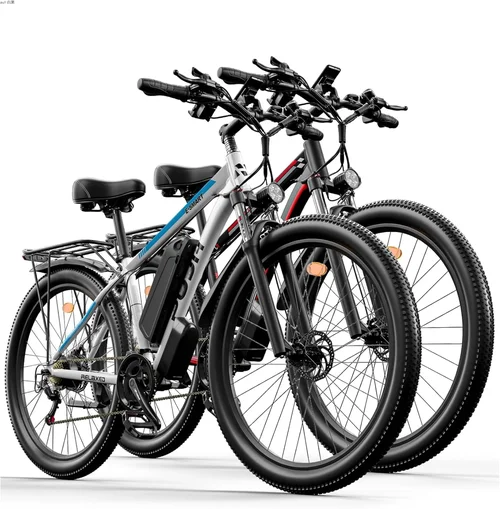
❌ Mistake: Prioritizing Price Over Total Cost of Ownership
Why it’s bad: A $900 ebike may seem like a steal, but if it uses a low-quality battery that degrades in 18 months or requires frequent brake replacements, you’ll spend more long-term than on a $2,000 model with durable components.
What to do instead: Calculate total cost over 3–5 years, including maintenance, battery replacement (~$500–$800), and potential resale value. Invest in quality where it matters most—motor, battery, and frame.
❌ Mistake: Ignoring Local Laws and Classifications
Why it’s bad: Riding a Class 3 ebike on trails restricted to Class 1 can result in fines or bans. Some cities prohibit certain motor types or require helmets and licenses.
What to do instead: Research your local regulations before buying. Stick to Class 1 or 2 unless you’re certain Class 3 is allowed where you ride.
❌ Mistake: Skipping the Test Ride
Why it’s bad: Ebikes handle differently than regular bikes—weight distribution, throttle response, and pedal assist feel vary widely. An uncomfortable ride leads to disuse.
What to do instead: Always test ride multiple models. If buying online, choose retailers with generous return policies (30-day trials are ideal).
❌ Mistake: Overlooking Battery Replacement Costs
Why it’s bad: Many buyers assume batteries last forever. In reality, most degrade to 70% capacity after 500–800 charge cycles (2–4 years of daily use).
What to do instead: Check battery warranty terms and replacement pricing upfront. Brands like Bosch and Shimano offer standardized batteries with wide service networks.
❌ Mistake: Choosing Based Solely on Range Claims
Why it’s bad: Manufacturers often quote range under ideal conditions (flat terrain, minimal assist, lightweight rider). Real-world range can be 30–50% lower.
What to do instead: Look for independent range tests and factor in your typical route elevation, cargo load, and assist level usage.
❌ Mistake: Neglecting After-Sales Support
Why it’s bad: A beautiful bike is useless if you can’t get it repaired. Some brands have no local dealers, forcing you to ship the entire bike for minor issues.
What to do instead: Verify service availability in your area. Prefer brands with certified technicians nearby or strong remote support.
❌ Mistake: Buying Without Considering Storage
Why it’s bad: Ebikes are heavy (40–80 lbs) and bulky. Storing one in a small apartment without proper space or wall mounts can lead to damage or accidents.
What to do instead: Measure your storage area and consider foldable models or wall mounts if space is tight.
Budget Guidelines: How Much Should You Spend?
Entry-Level ($800 – $1,500): These bikes are great for casual riders or those testing the waters. Expect hub motors, basic displays, and modest battery capacity (400–500Wh). Build quality varies—look for reputable brands like Aventon, Lectric, or Heybike. Ideal for flat urban commutes under 15 miles round-trip.
Mid-Range ($1,500 – $3,500): This is the sweet spot for most buyers. You’ll find better motors (often mid-drive), higher-capacity batteries (600–750Wh), quality components (Shimano drivetrains, hydraulic disc brakes), and thoughtful features like integrated lights and racks. Models like the RadCity 5 Plus, Trek Allant+, and Specialized Turbo Vado fit here.
Premium ($3,500 – $6,500): Designed for enthusiasts and daily commuters who demand reliability and performance. Expect top-tier motors (Bosch Performance Line CX, Shimano EP8), full suspension (on eMTBs), advanced displays, and premium materials. Excellent warranties and dealer support are standard. Great for hilly terrain, long distances, or cargo hauling.
Luxury ($6,500+): These are the Ferraris of ebikes—hand-built frames, cutting-edge tech (regen braking, AI-assisted ride modes), ultra-long range (100+ miles), and bespoke customization. Brands like Riese & Müller, Stromer, and Magnum Premium dominate this space. Only justified if you ride daily, need maximum cargo capacity, or value exclusivity.
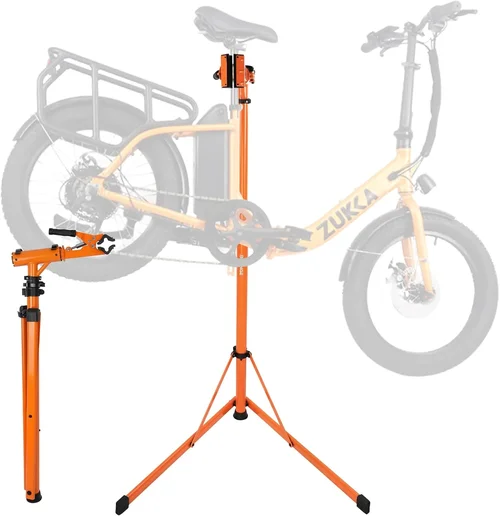
Expert Tips for Getting the Best Deal
1. Buy During Off-Season Sales: Late fall and winter (October–February) offer the deepest discounts as retailers clear inventory for new models. Black Friday and post-holiday sales are prime times.
2. Consider Certified Pre-Owned: Many brands now offer refurbished ebikes with full warranties at 20–40% off retail. These are often ex-demo or return units in near-new condition.
3. Bundle Accessories: Some retailers offer free helmets, locks, or lights with purchase. Others provide discount codes for future accessory buys—ask before checkout.
4. Leverage Incentives: Check databases like the Database of State Incentives for Renewables & Efficiency (DSIRE) for local rebates. Employers may also offer commuter benefits covering ebike purchases.
5. Negotiate with Local Dealers: Independent bike shops often have flexibility on pricing, especially if you’re buying accessories or service packages alongside the bike.
6. Read the Fine Print on Returns: Ensure the return window is at least 14–30 days and covers both fit and performance issues. Some brands charge restocking fees or exclude electric components.
7. Join Owner Communities: Forums and Facebook groups often share exclusive discount codes, flash sales, or group-buy opportunities.
8. Inspect Before Finalizing: Even new bikes can have shipping damage. Unbox and inspect thoroughly before accepting delivery—especially batteries, displays, and frame welds.

Frequently Asked Questions
Q: How far can an ebike really go on one charge?
A: Real-world range depends on battery capacity, assist level, terrain, rider weight, and cargo. A 750Wh battery typically delivers 40–70 miles in eco mode on flat ground, but only 20–30 miles in turbo on hills. Always plan for 20–30% less than manufacturer claims.
Q: Do I need a license or insurance for an ebike?
A: In most U.S. states and EU countries, Class 1 and 2 ebikes require no license or insurance. Class 3 may require a helmet and have age restrictions. Check local laws—some cities mandate registration for high-speed models.
Q: Can I ride an ebike in the rain?
A: Yes, most modern ebikes are water-resistant (IP65 or higher). Avoid submerging the battery or motor, and dry the bike after wet rides to prevent corrosion.
Q: How often should I charge the battery?
A: Lithium-ion batteries prefer partial charges. Avoid draining to 0% regularly. Store at 30–60% charge if not riding for weeks. Charge after every ride for daily commuters.
Q: Are ebikes safe?
A: When used responsibly, yes. Wear a helmet, follow traffic laws, and maintain brakes and tires. High-speed models require extra caution—practice in low-traffic areas first.
Q: Can I pedal an ebike without power?
A: Absolutely. All ebikes function as regular bikes when the battery dies, though they’re heavier. Pedal-assist modes let you choose how much help you want.
Q: What’s the difference between hub and mid-drive motors?
A: Hub motors sit in the wheel hub—simpler, cheaper, but less efficient on hills. Mid-drive motors sit near the pedals, leveraging the bike’s gears for better hill climbing and balanced weight. Mid-drives are preferred for performance; hubs for affordability.
Q: How long do ebike batteries last?
A: Most retain 70–80% capacity after 500–1,000 full charge cycles (roughly 2–5 years of daily use). Proper care (avoid extreme temps, don’t overcharge) extends lifespan.
Q: Can I upgrade my ebike’s battery later?
A: It depends on the brand. Bosch, Shimano, and Yamaha offer compatible upgrades, but many direct-to-consumer brands use proprietary packs that can’t be easily swapped.
Q: Are folding ebikes as durable as full-size models?
A: Modern folding ebikes (like Tern or Brompton) are surprisingly robust, but hinges and joints require regular maintenance. They’re best for urban use, not heavy off-roading.
Our Final Recommendations
Best for Budget-Conscious Buyers: Lectric XP 3.0 ($999) – Surprisingly capable for the price, with a 500Wh removable battery, 4” fat tires, and 45-mile range. Great for city and light trail use.
Best Overall Value: Rad Power Bikes RadCity 5 Plus ($1,799) – Reliable mid-drive motor, 672Wh battery, integrated lights, and excellent dealer support. Perfect for daily commuting.
Best Premium Option: Specialized Turbo Vado SL 5.0 ($4,200) – Lightweight, whisper-quiet motor, 80-mile range, and top-tier components. Ideal for fitness-focused riders and long commutes.
Best for Beginners: Aventon Pace 500.3 ($1,599) – User-friendly display, step-through frame, and smooth pedal assist. Low maintenance and comfortable for new riders.
Best for Advanced Users: Trek Fuel EXe 9.9 XTR ($7,999) – Full-suspension eMTB with Bosch CX motor, 12-speed drivetrain, and trail-ready geometry. Built for serious off-road adventures.
Conclusion: Making the Right Choice
Choosing the right ebike in 2026 isn’t just about specs or price—it’s about aligning your purchase with your lifestyle, terrain, and long-term goals. Whether you’re replacing car trips, exploring mountain trails, or carrying your family across town, the perfect ebike exists for you. By focusing on build quality, real-world performance, and after-sales support—and avoiding common pitfalls like underestimating battery costs or ignoring local laws—you’ll maximize both enjoyment and value.
Don’t rush. Test ride. Ask questions. Read owner reviews. And remember: the best ebike is the one you’ll actually ride. With the insights in this guide, you’re now equipped to find it confidently. Happy riding!