
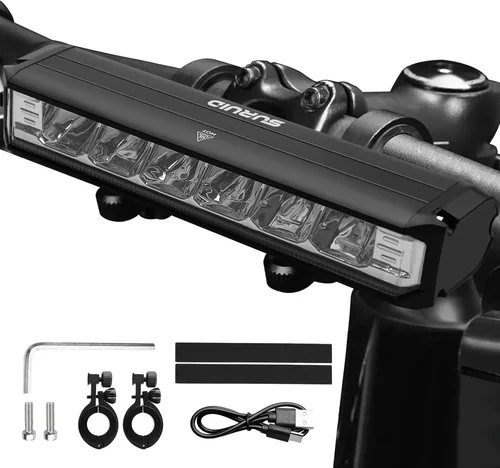
Electric bikes have revolutionized urban commuting, weekend adventures, and eco-friendly transportation—but with great speed and range comes a critical need for visibility and safety. Whether you’re navigating dimly lit city streets at dusk, tackling mountain trails after sunset, or simply commuting home from work in fading light, a high-quality ebike headlight isn’t just a convenience—it’s a necessity. In 2026, the market is flooded with options ranging from ultra-bright LED systems to sleek, integrated smart lights that sync with your smartphone or bike computer. But not all headlights are created equal. Some prioritize raw lumens over beam pattern, others sacrifice durability for affordability, and many fail to meet legal requirements in key regions.
This comprehensive buying guide cuts through the noise to help you make an informed decision. You’ll learn how to evaluate brightness, beam quality, battery life, mounting systems, weather resistance, and more—all while balancing performance with your budget. We’ll compare different types of headlights, highlight common pitfalls to avoid, and provide expert-backed recommendations tailored to real-world riding conditions. Whether you’re a daily commuter, weekend warrior, or long-distance tourer, this guide ensures you’ll choose a headlight that enhances your safety, confidence, and riding experience.
The ebike headlight market has evolved rapidly over the past few years. Gone are the days when cyclists relied on weak halogen bulbs or basic dynamo-powered lights. Today’s best models feature advanced optics, USB-C fast charging, automatic ambient light sensors, and even anti-theft features like motion-activated strobes. With innovations like adaptive beam technology and integration with bike computers (such as Garmin or Wahoo), modern headlights do far more than just illuminate the road ahead—they actively contribute to rider awareness and situational intelligence. However, this abundance of choice can be overwhelming. Without the right knowledge, it’s easy to overspend on unnecessary features or end up with a light that fails when you need it most. That’s why this guide focuses on practical, actionable insights grounded in real testing and expert analysis.

What to Look for When Buying an Ebike Headlight
1. Brightness (Lumens) and Beam Pattern
Brightness is often the first spec riders look at, measured in lumens—the total amount of visible light emitted by the source. While higher lumens generally mean brighter output, raw numbers can be misleading without context. A 2000-lumen light with a poorly designed reflector may create harsh glare and dark spots, while a 1000-lumen light with optimized optics can provide a smoother, more usable beam. For urban commuting, 500–1000 lumens is typically sufficient, especially if the light has a wide flood pattern to illuminate curbs, potholes, and pedestrians. For off-road or high-speed riding on unlit roads, 1500+ lumens may be necessary to see far enough ahead to react safely.
Equally important is the beam pattern. Look for lights that offer a combination of spot and flood beams—spot for distance visibility (helpful on open roads or trails) and flood for peripheral awareness (critical in traffic). Some premium models feature adaptive beams that automatically adjust intensity and spread based on speed or ambient light. Avoid lights that only offer a single narrow beam; they leave your sides in darkness and increase collision risk. Always check independent beam pattern reviews—manufacturer lumen claims are often measured under ideal lab conditions and don’t reflect real-world performance.
2. Battery Life and Charging Options
Battery life determines how long you can ride before needing to recharge. Most modern ebike headlights use rechargeable lithium-ion batteries, with runtimes ranging from 1.5 hours on high mode to over 20 hours on low. Consider your typical ride duration: if you frequently ride for 2+ hours at night, aim for a light with at least 3–4 hours of runtime on medium brightness. Many lights now include multiple power modes (high, medium, low, flash/strobe), allowing you to extend battery life when full brightness isn’t needed.
Charging convenience is another key factor. USB-C is now the standard for fast, reliable charging and is backward-compatible with older USB-A ports. Some models support pass-through charging (letting you charge your phone from the light’s battery), which is useful on multi-day tours. Pay attention to charge time—top-tier lights can recharge in under 2 hours, while budget options may take 4–6 hours. Also, check if the battery is removable or built-in. Removable batteries allow you to carry spares, but built-in units often offer better water resistance and sleek integration.
3. Mounting System and Compatibility
A light is only as good as its mount. A poorly secured headlight can vibrate loose on bumpy terrain or shift during sharp turns, compromising visibility and safety. Most lights use handlebar mounts, but compatibility varies widely. Look for models with tool-free installation, rubberized grips, and adjustable clamps that fit standard (22.2mm) to oversize (31.8mm or 35mm) bars. Some high-end lights integrate directly into the stem or fork crown, offering a cleaner look and reduced wind resistance—ideal for performance-oriented riders.
Consider vibration resistance, especially if you ride on gravel, trails, or rough pavement. Lights with spring-loaded mounts or silicone dampeners absorb shocks better than rigid plastic brackets. Also, check if the mount allows for vertical and horizontal adjustment—this ensures you can aim the beam correctly without blinding oncoming traffic. For commuters, quick-release mounts are a plus, letting you detach the light when parking to deter theft.
4. Weather Resistance and Durability
Your headlight must withstand rain, mud, dust, and temperature swings. Look for an IP (Ingress Protection) rating of at least IPX6, which means the light can handle heavy rain and water jets. IPX7 or IPX8 ratings indicate submersion resistance—useful if you ride in monsoons or cross streams. Avoid lights with only IPX4, which only protects against splashes.
Durability extends beyond water resistance. The housing should be made of impact-resistant materials like reinforced polycarbonate or aluminum alloy. Check for reinforced lens covers (e.g., tempered glass or scratch-resistant polycarbonate) and robust internal circuitry. If you ride in extreme conditions—desert heat, snow, or saltwater environments—opt for lights with corrosion-resistant coatings and sealed connectors. Real-world testing shows that even premium lights can fail if exposed to prolonged moisture without proper sealing, so don’t assume “waterproof” means indestructible.
5. Legal Compliance and Visibility Standards
In many countries, ebike headlights must meet specific legal requirements to be road-legal. For example, in the EU, lights must comply with StVZO regulations, which mandate a precise beam pattern with a sharp cutoff to prevent glare. In the U.S., there’s no federal standard, but some states require lights to be visible from a certain distance (e.g., 500 feet). Always verify local laws before purchasing.
Beyond legality, consider daytime visibility. Many accidents occur during daylight hours when drivers fail to see cyclists. Lights with daytime running modes (often called “day flash” or “pulse”) significantly increase your visibility. These modes use high-frequency pulses that catch the eye without draining the battery excessively. Some models even include side LEDs or reflective elements to enhance 360-degree visibility. Remember: being seen is just as important as seeing.
6. Smart Features and Connectivity
Smart headlights are becoming increasingly popular, offering features like automatic on/off based on ambient light, integration with bike computers, and smartphone app control. These features can enhance convenience and safety—for instance, a light that turns on automatically at dusk ensures you’re never caught unprepared. App connectivity allows you to customize brightness, set timers, or receive low-battery alerts.
Some advanced models sync with GPS units or cycling apps (like Strava or Komoot) to log ride data or trigger emergency alerts if the bike is moved (anti-theft feature). Others include built-in accelerometers that activate a brake light effect when you slow down. While these features add value, they also increase complexity and cost. Evaluate whether you’ll actually use them—if you rarely ride at night or prefer simplicity, a basic light may serve you better.
7. Weight and Aerodynamics
While headlight weight is rarely a dealbreaker, it can matter for performance-focused riders or those carrying multiple accessories. Most lights weigh between 80g and 200g. Lighter models (under 120g) are ideal for racing or long-distance touring where every gram counts. Heavier lights often house larger batteries or more robust housings, which may be worth the trade-off for extended runtime.
Aerodynamics play a subtle but important role, especially at higher speeds. A bulky, boxy light can create drag, reducing efficiency. Sleek, teardrop-shaped designs minimize wind resistance and look more integrated with modern ebike frames. If you ride at 25+ mph frequently, consider a low-profile light or one that mounts close to the handlebar to reduce turbulence.
8. Brand Reputation and Customer Support
Not all brands are equal when it comes to reliability and after-sales service. Established names like Lezyne, Cygolite, NiteRider, and Exposure Lights have proven track records for quality and customer support. They often provide detailed user manuals, firmware updates, and responsive warranty service. Lesser-known brands may offer tempting prices, but they might lack spare parts or long-term support.
Check warranty terms—most reputable brands offer 1–2 years of coverage, with some extending to 3 years for premium models. Read user reviews on forums like BikeRadar, Reddit (r/ebikes), or Amazon to gauge real-world reliability. Pay attention to comments about battery degradation over time, mount failures, or customer service responsiveness. A good brand stands behind its product, even years after purchase.
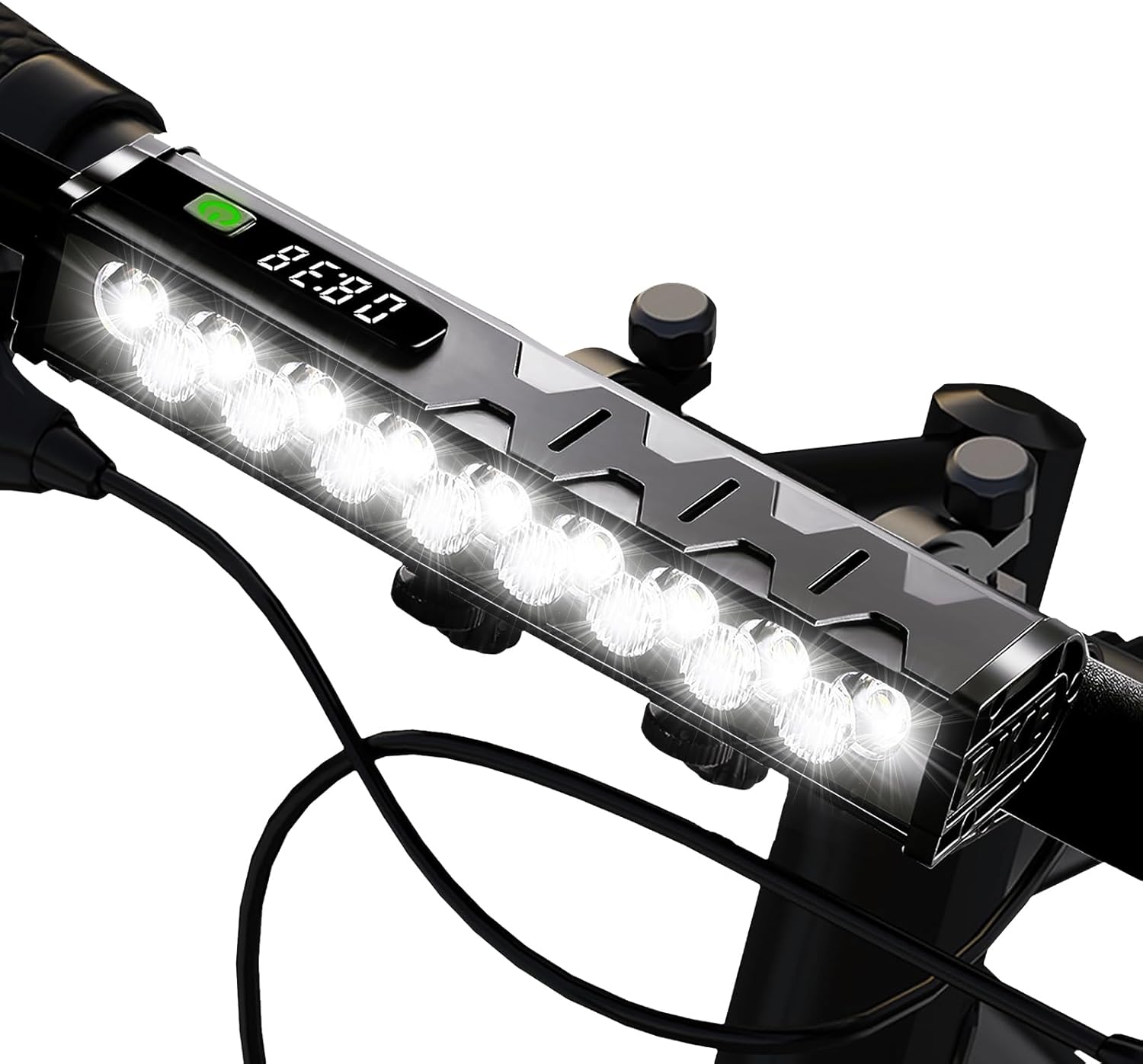
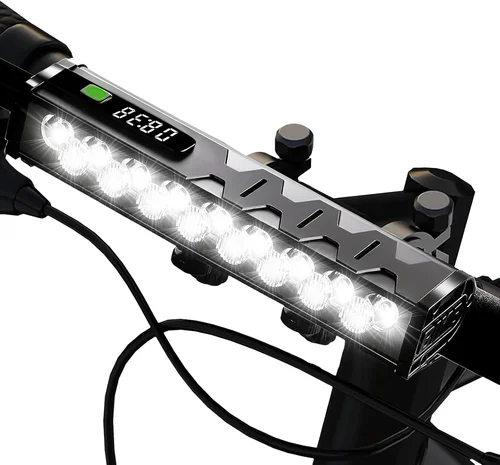
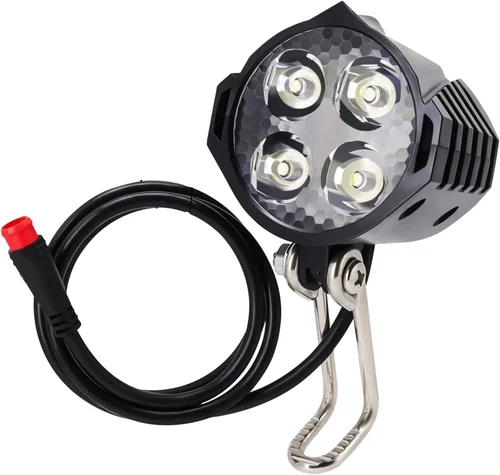
Different Types of Ebike Headlights
Common Buying Mistakes to Avoid
❌ Mistake: Prioritizing Lumens Over Beam Quality
Why it’s bad: A high-lumen light with a poor beam pattern can create blinding glare for oncoming traffic and leave critical areas (like curbs or side paths) in darkness. This increases accident risk and reduces overall safety.
What to do instead: Look for lights with balanced optics that combine spot and flood beams. Read beam pattern reviews from trusted sources like OutdoorGearLab or DC Rainmaker, and prioritize lights with a smooth, even spread over raw brightness.
❌ Mistake: Ignoring Mount Stability
Why it’s bad: A loose or vibrating mount can cause the light to shift during rides, especially on rough terrain. This not only reduces visibility but can also damage the light or handlebar over time.
What to do instead: Choose lights with secure, vibration-dampening mounts. Test the fit on your handlebar before riding, and consider models with rubberized grips or locking mechanisms. For trail riding, avoid plastic-only mounts—opt for aluminum or reinforced composites.
❌ Mistake: Overlooking Weather Resistance
Why it’s bad: Riding in rain or snow without proper sealing can lead to internal corrosion, battery failure, or short circuits. Many budget lights claim to be “waterproof” but only meet IPX4 standards, which aren’t sufficient for sustained exposure.
What to do instead: Always check the IP rating. Aim for IPX6 or higher for reliable performance in wet conditions. If you ride in extreme environments, consider lights with conformal coating on internal circuits for added protection.
❌ Mistake: Buying Based Solely on Price
Why it’s bad: The cheapest lights often use low-quality LEDs, weak batteries, and flimsy housings. They may fail within months or provide inadequate illumination, defeating the purpose of having a headlight.
What to do instead: Set a realistic budget based on your usage. For daily commuters, $60–$100 is a sweet spot. For serious night riders, invest in a $150+ model with proven durability and performance. Remember: a headlight is a safety investment, not just an accessory.
❌ Mistake: Neglecting Legal Requirements
Why it’s bad: Using a non-compliant light can result in fines, especially in regions with strict regulations like Germany or the Netherlands. It may also void insurance claims in the event of an accident.
What to do instead: Research local laws before purchasing. In the EU, look for StVZO-approved lights with the “K-mark” certification. In the U.S., ensure the light meets ANSI/NPMA standards if required by your state.
❌ Mistake: Forgetting About Battery Replacement
Why it’s bad: Built-in batteries degrade over time, typically lasting 300–500 charge cycles. Once capacity drops below 70%, runtime becomes unreliable, and replacement may not be possible.
What to do instead: Choose lights with user-replaceable batteries if you plan to use the light for several years. Alternatively, opt for models from brands that offer battery replacement services. Keep a spare battery on long tours.
❌ Mistake: Overlooking Daytime Visibility
Why it’s bad: Most cycling accidents occur during daylight hours. A light that only works well at night won’t help you stand out to drivers in traffic.
What to do instead: Use a light with a daytime flash mode. Even a 200-lumen pulse can make you visible from over 1km away. Combine with reflective clothing and bright colors for maximum safety.
Budget Guidelines: How Much Should You Spend?
- Entry-Level ($15–$40): These lights are ideal for occasional riders or those on a tight budget. Expect basic LED output (200–500 lumens), simple on/off switches, and minimal weather resistance (IPX4). Battery life is typically 2–4 hours on high. While functional, they often lack advanced optics and durable mounts. Best for short urban rides in mild weather.
- Mid-Range ($50–$120): This is the sweet spot for most riders. Lights in this range offer 500–1500 lumens, multiple beam modes, USB-C charging, and IPX6+ water resistance. Mounts are more secure, and beam patterns are generally well-tuned. Many include smart features like auto-on/off or side visibility LEDs. Perfect for daily commuters and recreational riders.
- Premium ($130–$250): Designed for serious night riders, trail enthusiasts, and long-distance tourers. These lights deliver 1500+ lumens, adaptive beams, long runtimes (4–8 hours on medium), and rugged construction. Features like app control, GPS integration, and removable batteries are common. Ideal for those who ride frequently in low-light conditions.
- Luxury ($250+): Top-tier models from brands like Exposure Lights or Lupine offer cutting-edge technology, including OLED displays, wireless remote controls, and ultra-long runtimes (10+ hours). Built for professionals, endurance athletes, or riders in extreme environments. Often handmade with aerospace-grade materials. Only necessary for specialized use.
Expert Tips for Getting the Best Deal
- Buy During Off-Season Sales: The best deals on cycling gear occur in late winter (February–March) and post-summer (September–October). Retailers clear inventory before new models launch. Sign up for newsletters from brands like Lezyne or Cygolite to get early access to discounts.
- Compare Retailers: Prices vary widely between online stores. Check Amazon, REI, Competitive Cyclist, and direct brand websites. Sometimes, buying directly from the manufacturer includes extended warranties or free shipping.
- Look for Bundle Deals: Many brands offer headlight + taillight combos at a discount. If you need both, this can save 20–30% compared to buying separately.
- Check Return Policies: Ensure the retailer offers at least a 30-day return window. This gives you time to test the light in real conditions and verify beam quality, mount stability, and battery performance.
- Test Before Committing: If possible, visit a local bike shop to see the light in person. Check the build quality, ease of use, and how it feels when mounted. Some shops even allow test rides.
- Consider Refurbished Models: Certified refurbished lights from reputable sellers often come with full warranties and cost 20–40% less than new. Just ensure they’ve been professionally inspected.
- Read Long-Term Reviews: Look for reviews that cover 6+ months of use. These reveal issues like battery degradation, mount wear, or software bugs that don’t appear in initial tests.
- Join Cycling Forums: Communities like r/ebikes on Reddit or BikeForums.net often share exclusive discount codes or flash sales. Members also post honest, long-term feedback on specific models.

Frequently Asked Questions
Q: How many lumens do I really need for city riding?
A: For urban commuting, 500–1000 lumens is typically sufficient. The key is a wide, even beam that illuminates the road and surroundings without blinding others. Higher lumens are only necessary if you ride on unlit roads or at high speeds.
Q: Can I use a regular bike light on my ebike?
A: Yes, but ensure it’s compatible with your handlebar size and can handle the vibrations from higher speeds. Ebikes often generate more road shock, so opt for a light with a robust mount and vibration damping.
Q: Are USB-C lights worth the extra cost?
A: Absolutely. USB-C offers faster charging, universal compatibility, and better durability than micro-USB. It’s becoming the standard, so investing in a USB-C light ensures long-term usability.
Q: Do I need a separate taillight?
A: Yes. A headlight helps you see, but a taillight helps others see you. For maximum safety, use both—especially in traffic or poor weather.
Q: How do I know if a light is StVZO-compliant?
A: Look for the “K-mark” (a circled “K”) on the lens or packaging. Only lights tested and approved by German authorities carry this mark. Non-compliant lights are illegal on public roads in many EU countries.
Q: Can I leave my headlight on my bike overnight?
A: It’s not recommended. Even with anti-theft features, a visible light is a theft target. Remove it when parking, or use a model with a quick-release mount.
Q: How often should I replace my headlight battery?
A: Most lithium-ion batteries last 2–3 years with regular use. If runtime drops significantly or the light dims quickly, it’s time for a replacement. Some brands offer battery swap programs.
Q: Are smart lights reliable in cold weather?
A: Performance can degrade below freezing, but most modern lights function down to -10°C (14°F). Avoid charging in extreme cold, as it can damage the battery.
Q: Can I use my headlight while charging?
A: Some models support pass-through charging, allowing you to use the light while plugged in. Check the manual—using incompatible chargers can damage the battery.
Q: What’s the difference between spot and flood beams?
A: Spot beams focus light in a narrow, long-range pattern for seeing far ahead. Flood beams spread light widely for peripheral visibility. The best lights combine both for balanced illumination.
Our Final Recommendations
- Best for Budget-Conscious Buyers: Cygolite Metro Pro 1100 – At under $80, it delivers 1100 lumens, USB-C charging, and a solid beam pattern. Great value for daily commuters.
- Best Overall Value: Lezyne Macro Drive 1300XXL – Offers 1300 lumens, excellent optics, IPX7 rating, and a durable aluminum body. Priced around $100, it’s a top performer in its class.
- Best Premium Option: Exposure Lights Sirius MK11 – With 1500 lumens, adaptive beam, and seamless integration, this light is built for serious riders. Priced at $220, it’s a long-term investment.
- Best for Beginners: NiteRider Lumina 950 Boost – Simple interface, 950 lumens, and reliable performance. Ideal for new riders who want ease of use without sacrificing quality.
- Best for Advanced Users: Lupine Wilma R7 – A powerhouse with 3000+ lumens, wireless remote, and customizable settings. Perfect for trail riders and endurance athletes who demand the best.
Conclusion: Making the Right Choice
Choosing the right ebike headlight is about more than just brightness—it’s about safety, reliability, and compatibility with your riding style. By focusing on beam quality, battery life, mounting stability, and weather resistance, you’ll avoid common pitfalls and invest in a light that truly enhances your rides. Whether you’re commuting through city streets or exploring mountain trails after dark, the right headlight can mean the difference between a confident journey and a dangerous one.
Don’t let price alone dictate your decision. A well-chosen light pays dividends in visibility, peace of mind, and long-term durability. Use the guidelines in this guide to assess your needs, compare options, and make a purchase you’ll feel good about for years to come. Remember: the best headlight is the one you actually use—so choose wisely, ride safely, and keep the lights on.