
Fat tire electric bikes have revolutionized the way we think about off-road cycling, urban commuting, and weekend adventures. Whether you’re navigating snow-covered trails, sandy beaches, muddy forest paths, or simply want a more stable and comfortable ride on city streets, a fat tire ebike offers unmatched traction, control, and versatility. As battery technology improves, motors become more efficient, and frame designs evolve, the market for fat tire ebikes has exploded—offering options for every budget, terrain, and riding style. But with so many models flooding the market, choosing the right one can feel overwhelming. That’s where this comprehensive buyer’s guide comes in.
In this guide, you’ll learn everything you need to know to make a smart, informed decision when purchasing a fat tire ebike in 2026. We’ll break down the most important factors to consider—from motor power and battery range to build quality and warranty support. You’ll discover the different types of fat tire ebikes available, understand common pitfalls to avoid, and get expert tips on how to stretch your budget without sacrificing performance. Whether you’re a first-time buyer or upgrading from a standard e-bike, this guide is designed to help you find the perfect match for your needs.
The fat tire ebike market has matured significantly over the past few years. What once was a niche segment dominated by rugged, heavy-duty models has now expanded to include lightweight commuter options, foldable designs, and even high-performance mountain e-bikes. Brands like Rad Power Bikes, Aventon, Himiway, and Juiced Bikes have raised the bar, while new entrants continue to innovate with smart features, longer ranges, and better value. With prices ranging from under $1,000 to over $5,000, there’s never been a better time to invest in a fat tire ebike—but only if you know what to look for.
What to Look for When Buying a Fat Tire Ebike
1. Motor Power and Type
The motor is the heart of any electric bike, and on a fat tire model, it needs to be robust enough to handle rough terrain and heavy loads. Most fat tire ebikes use either hub motors (located in the front or rear wheel) or mid-drive motors (mounted near the pedals). Hub motors are more common in budget and mid-range models because they’re simpler and cheaper to manufacture. Rear hub motors offer better weight distribution and traction, especially on loose surfaces like sand or snow. Front hub motors can feel twitchy and reduce steering control, so they’re less ideal for off-road use.
Mid-drive motors, while typically found on higher-end models, provide superior performance by leveraging the bike’s gears. This results in better efficiency, hill-climbing ability, and a more natural riding feel. For fat tire ebikes used on steep trails or long commutes, a mid-drive motor is often worth the extra cost. When it comes to power, look for motors rated between 500W and 1,000W. A 500W motor is sufficient for flat terrain and light off-roading, but if you plan to ride in hilly areas or carry heavy cargo, aim for 750W or higher. Some states and countries have legal limits on motor power (often 750W), so always check local regulations.
2. Battery Capacity and Range
Battery life is one of the most critical factors in determining how far you can go on a single charge. Fat tire ebikes typically require more energy due to increased rolling resistance, so battery capacity is even more important than on standard e-bikes. Battery capacity is measured in watt-hours (Wh), which is calculated by multiplying voltage (V) by amp-hours (Ah). A higher Wh rating means longer range.
For most riders, a battery with at least 600Wh is recommended. This will typically provide 30–50 miles of range, depending on terrain, rider weight, assist level, and weather conditions. If you plan to take long rides or commute daily, consider models with removable batteries or dual-battery options. Some premium fat tire ebikes now offer swappable batteries, allowing you to carry a spare for extended trips.
Battery chemistry also matters. Lithium-ion (Li-ion) batteries are standard and offer a good balance of energy density, lifespan, and weight. Avoid older lead-acid or nickel-based batteries—they’re heavier, less efficient, and degrade faster. Also, check the battery’s cycle life—most quality batteries last 800–1,000 charge cycles before capacity drops to 80%. That’s roughly 3–5 years of daily use.
3. Tire Size and Tread Pattern
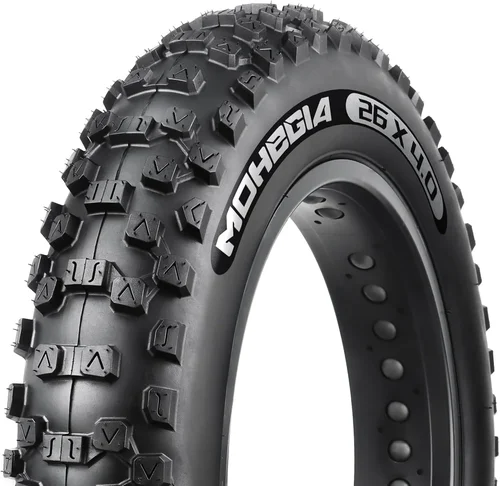
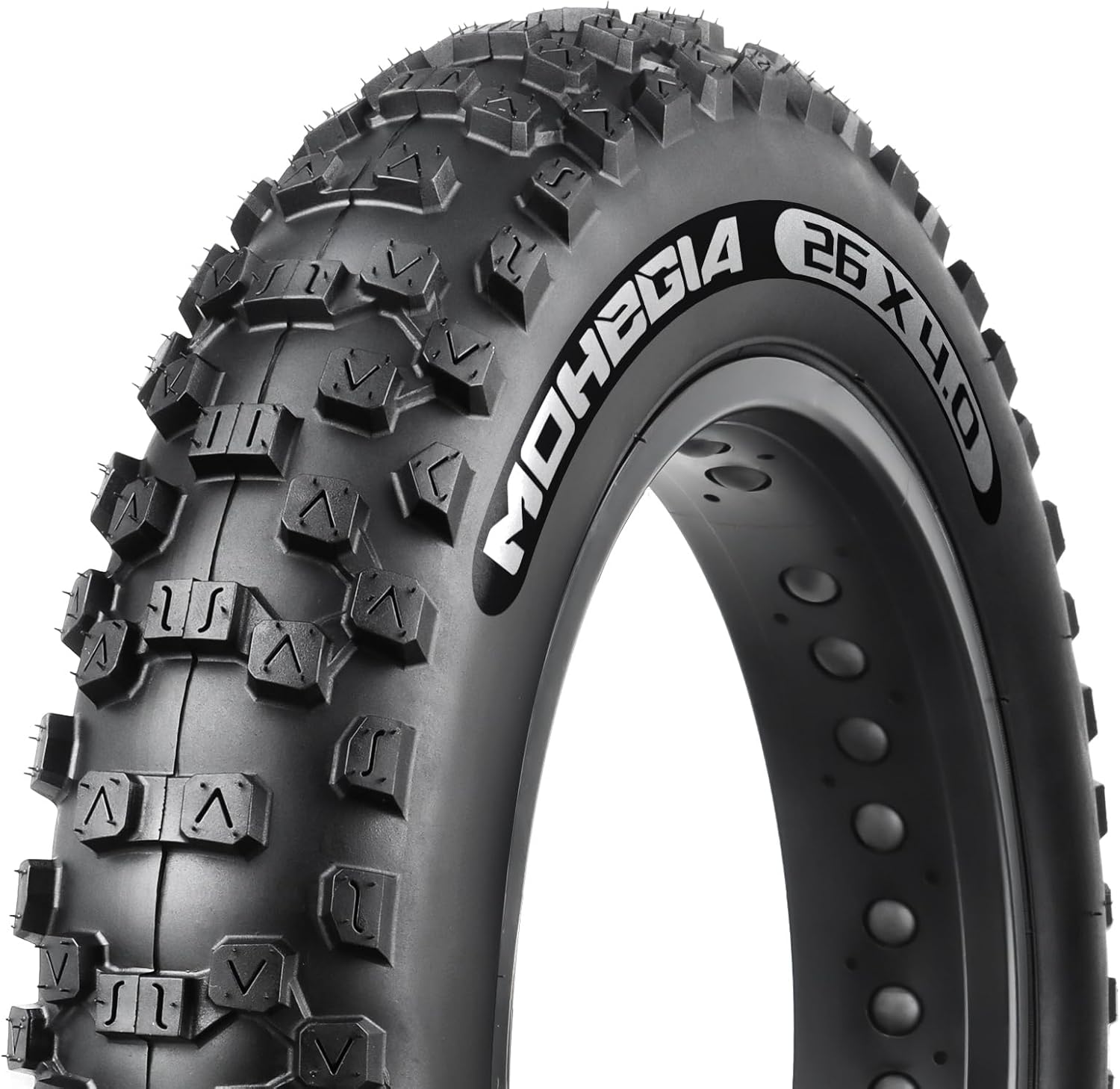
Fat tires are typically 3.8 to 5 inches wide, but not all fat tires are created equal. The ideal tire size depends on your intended use. For sand, snow, or soft terrain, go with 4.5 to 5-inch tires—they provide maximum floatation and stability. For mixed terrain or urban riding, 4-inch tires offer a good compromise between traction and rolling efficiency.
Tread pattern is equally important. Knobby, aggressive treads (like those on mountain bike tires) are excellent for off-road grip but can be noisy and slow on pavement. Semi-slick or hybrid treads with side knobs offer better pavement performance while still handling light trails. Some models come with puncture-resistant layers or tubeless-ready rims, which reduce the risk of flats—especially valuable when riding in remote areas.
Also consider tire pressure. Fat tires can be run at very low pressures (as low as 5–10 PSI), which increases traction and comfort but can increase the risk of pinch flats if you hit sharp objects. Look for bikes with adjustable suspension or wide rims that support lower pressures safely.
4. Frame Material and Build Quality
The frame is the foundation of your ebike, and on a fat tire model, it needs to be strong enough to handle the added stress of wide tires, heavy loads, and rough terrain. Most fat tire ebikes use aluminum alloy frames because they’re lightweight, corrosion-resistant, and affordable. High-end models may use carbon fiber for even greater weight savings and stiffness, but these are rare and expensive.
Pay attention to frame geometry. A well-designed frame will have a low center of gravity, which improves stability—especially important when riding on uneven or slippery surfaces. Look for reinforced dropouts, sturdy welds, and internal cable routing, which protects wires from dirt and damage.
Suspension is another key factor. Full-suspension fat tire ebikes (with both front and rear suspension) offer the best comfort and control on technical trails but add weight and cost. Hardtail models (front suspension only) are lighter and more efficient for commuting or light off-roading. Rigid frames (no suspension) are rare on fat tire ebikes due to the harsh ride, but some urban-focused models use suspension seatposts or wide tires for cushioning.
5. Braking System
With the added weight and speed of an ebike, reliable brakes are non-negotiable. Mechanical disc brakes are common on budget models but require more hand force and wear faster. Hydraulic disc brakes are superior—they offer stronger, more consistent stopping power with less effort and better modulation in wet or muddy conditions.
Look for 180mm or larger rotors, especially on heavier bikes or those used for downhill riding. Some high-end models feature dual-piston or even four-piston calipers for maximum braking force. Avoid rim brakes—they’re outdated on ebikes and can overheat or fail under heavy use.
Also consider brake integration with the motor. Most modern ebikes have motor cutoff switches that instantly disable the motor when you press the brakes. This is essential for safety, especially at high speeds or on steep descents.
6. Display and Smart Features
The display is your interface with the bike’s electronics. Basic models may have simple LED indicators, but most fat tire ebikes come with LCD or color TFT screens that show speed, battery level, assist mode, distance, and sometimes GPS or Bluetooth connectivity.
Higher-end displays offer smartphone integration via apps, allowing you to track rides, adjust settings, or even lock the bike remotely. Some models include built-in GPS for navigation or anti-theft tracking. While not essential, these features can enhance the riding experience and provide peace of mind.
Pay attention to display visibility in sunlight and weather resistance. A waterproof, backlit screen is ideal for all-conditions riding. Also, check if the display is removable—this can be useful for charging or security.
7. Weight and Portability
Fat tire ebikes are inherently heavier than standard e-bikes due to their wide tires, reinforced frames, and large batteries. Most models weigh between 60 and 85 pounds. While this is manageable for riding, it can be a challenge when lifting, storing, or transporting the bike.
If you need to carry your bike upstairs, load it into a car, or store it in a small apartment, consider a foldable fat tire ebike. These models sacrifice some rigidity and performance for portability but are excellent for urban commuters or travelers. Look for folding mechanisms that are quick and secure, and ensure the folded size fits your storage space.
Also consider wheel size. Most fat tire ebikes use 20-inch or 26-inch wheels. Smaller wheels are more compact when folded but can feel less stable at high speeds. Larger wheels roll better over obstacles but add weight and size.
8. Warranty and Customer Support
A fat tire ebike is a significant investment, so you want to protect it with a solid warranty. Most reputable brands offer at least a 1-year warranty on the frame and motor, and 6–12 months on the battery and electronics. Premium brands may extend this to 2–3 years.
Check what the warranty covers—some exclude wear items like tires, brake pads, or chains. Also, look for brands with responsive customer service and accessible repair centers. Online-only brands may offer great prices but limited local support, which can be frustrating if you need repairs.
Reading user reviews can give you insight into real-world reliability and how companies handle issues. Brands like Rad Power Bikes and Aventon have strong reputations for customer service, while some budget brands may leave you stranded.
Different Types of Fat Tire Ebikes

Common Buying Mistakes to Avoid
❌ Mistake: Prioritizing Price Over Quality
Why it’s bad: The cheapest fat tire ebikes often cut corners on critical components like motors, batteries, and brakes. This can lead to poor performance, frequent breakdowns, and safety risks. A $800 bike may seem like a bargain, but if it needs $300 in repairs in the first year, it’s not a good deal.
What to do instead: Set a realistic budget and focus on value, not just price. Look for models with reputable brands, solid warranties, and positive user reviews. Sometimes spending $500 more upfront saves you thousands in the long run.
❌ Mistake: Ignoring Local Laws and Regulations
Why it’s bad: Ebike laws vary widely by region. Some areas classify fat tire ebikes as mopeds or motorcycles due to their power and weight, requiring registration, insurance, or a license. Riding illegally can result in fines or confiscation.
What to do instead: Research your local regulations before buying. Check motor power limits, speed restrictions, and where you’re allowed to ride. Some brands offer “Class 1” or “Class 2” compliant models that meet legal standards.
❌ Mistake: Overlooking Test Rides
Why it’s bad: Fat tire ebikes handle differently than standard bikes. What looks good on paper may feel uncomfortable or unstable in real life. Without a test ride, you risk buying a bike that doesn’t suit your body or riding style.
What to do instead: Always test ride before purchasing, especially if buying online. Many retailers offer demo days or return policies. Pay attention to comfort, handling, and how the motor responds.
❌ Mistake: Neglecting Maintenance Needs
Why it’s bad: Fat tire ebikes require more maintenance than regular bikes due to their complex drivetrains, heavy use, and exposure to dirt and moisture. Ignoring upkeep can shorten the bike’s lifespan and lead to costly repairs.
What to do instead: Learn basic maintenance like cleaning the chain, checking tire pressure, and inspecting brakes. Invest in a bike stand and toolkit. Consider a service plan if available.
❌ Mistake: Buying Based on Looks Alone
Why it’s bad: A sleek design or cool color doesn’t guarantee performance. Some flashy models sacrifice functionality for aesthetics, with weak motors or poor battery life.
What to do instead: Focus on specs and real-world performance. Read detailed reviews, watch video tests, and compare components. A bike that looks average but performs well is always the better choice.
❌ Mistake: Not Considering Storage and Transport
Why it’s bad: Fat tire ebikes are bulky and heavy. If you live in an apartment or need to transport the bike frequently, a non-folding model may be impractical.
What to do instead: Measure your storage space and consider how you’ll move the bike. Folding models or those with removable batteries offer more flexibility. Some riders use bike racks or cargo trailers for transport.
❌ Mistake: Skipping the Warranty Check
Why it’s bad: A short or unclear warranty can leave you paying out of pocket for repairs. Some brands exclude batteries or motors, which are the most expensive components.
What to do instead: Read the warranty terms carefully. Choose brands with comprehensive coverage and good customer support. Register your bike promptly to activate the warranty.
Budget Guidelines: How Much Should You Spend?
– Entry-Level ($800 – $1,500): These bikes are great for casual riders or those on a tight budget. Expect basic components, lower-capacity batteries (400–500Wh), and limited range (20–30 miles). Brands like Gotrax and Ancheer offer affordable options, but build quality and support may be lacking. Ideal for light commuting or weekend rides on paved paths.
– Mid-Range ($1,500 – $3,000): This is the sweet spot for most buyers. You’ll get reliable motors (500–750W), better batteries (600–800Wh), and improved components like hydraulic brakes and suspension. Models from Rad Power Bikes, Aventon, and Himiway dominate this range, offering excellent value and performance for commuting, light off-roading, and daily use.
– Premium ($3,000 – $5,000): Designed for enthusiasts and serious riders, these bikes feature high-torque motors (750–1,000W), long-range batteries (800–1,200Wh), and advanced features like mid-drive motors, full suspension, and smart displays. Perfect for long-distance touring, mountain trails, or carrying heavy loads. Brands like Juiced Bikes and Benno offer top-tier options.
– Luxury ($5,000+): These are the Ferraris of fat tire ebikes. Expect carbon frames, dual batteries, GPS tracking, app integration, and premium components from brands like Specialized or Riese & Müller. Built for performance, comfort, and cutting-edge technology, they’re ideal for professionals, long-distance travelers, or tech-savvy riders who want the best.
Expert Tips for Getting the Best Deal
– Buy during seasonal sales: The best time to buy a fat tire ebike is in late fall or winter, when retailers clear out inventory for new models. Black Friday, Cyber Monday, and end-of-year sales often feature discounts of 15–30%.
– Shop from reputable retailers: Buy from established brands or authorized dealers to ensure warranty coverage and support. Avoid unknown online sellers on auction sites—scams are common.
– Look for bundle deals: Some brands offer free accessories like helmets, locks, lights, or racks with purchase. These can save you $100–$200 and add real value.
– Consider refurbished or open-box models: Certified pre-owned bikes from trusted retailers can offer significant savings with full warranties. These are often returned items that are inspected and repaired.
– Check return policies: Make sure the seller offers at least a 14-day return window. This gives you time to test the bike and ensure it meets your expectations.
– Test before you buy: If possible, visit a local dealer for a test ride. Online reviews are helpful, but nothing beats feeling the bike in person.
– Factor in long-term costs: Consider maintenance, battery replacement (every 3–5 years), and potential upgrades. A cheaper bike may cost more over time.
– Join owner communities: Online forums and Facebook groups can provide insider tips, deal alerts, and troubleshooting help from experienced riders.

Frequently Asked Questions
Q: Are fat tire ebikes good for city commuting?
A: Yes, especially if you ride on rough roads, bike paths, or in winter conditions. The wide tires absorb bumps and provide stability, making for a smoother, more comfortable ride. However, they’re heavier and slower on pavement than standard ebikes, so consider a commuter-specific model with efficient tires.
Q: Can fat tire ebikes go on sand or snow?
A: Absolutely. The large surface area of fat tires distributes weight, preventing sinking in soft terrain. They’re excellent for beach rides, snow-covered trails, and muddy paths. Just lower the tire pressure for better floatation.
Q: How fast can a fat tire ebike go?
A: Most fat tire ebikes are limited to 20 mph (Class 1 and 2) or 28 mph (Class 3) under motor power, per U.S. regulations. Some high-performance models can exceed this with pedal assist, but check local laws.
Q: Do fat tire ebikes require special maintenance?
A: They need regular maintenance like any ebike, but the wide tires and heavy use mean you should check tire pressure, clean the drivetrain frequently, and inspect brakes more often. Suspension components also need periodic servicing.
Q: Can I ride a fat tire ebike in the rain?
A: Yes, most are weather-resistant, but avoid submerging the battery or motor. Dry the bike after wet rides and lubricate the chain to prevent rust.
Q: Are fat tire ebikes good for beginners?
A: They can be, thanks to their stability and traction. However, their weight and power may be intimidating for new riders. Start with a lower-power model and practice in a safe area.
Q: How long do fat tire ebike batteries last?
A: With proper care, lithium-ion batteries last 800–1,000 charge cycles, or about 3–5 years of daily use. Avoid draining to 0% or charging to 100% every time—keeping it between 20% and 80% extends lifespan.
Q: Can I upgrade components on a fat tire ebike?
A: Yes, many components like tires, seats, lights, and racks can be upgraded. However, motor and battery upgrades are complex and may void the warranty. Consult a professional mechanic.
Q: Are fat tire ebikes legal everywhere?
A: Laws vary by country and region. In the U.S., they’re generally legal if they meet Class 1, 2, or 3 standards. In Europe, motor power is often limited to 250W. Always check local regulations.
Q: What’s the difference between a fat tire ebike and a regular ebike?
A: Fat tire ebikes have wider tires (3.8–5 inches), heavier frames, and often more powerful motors. They’re built for off-road use, stability, and comfort on rough terrain, while regular ebikes are lighter and more efficient on pavement.
Our Final Recommendations
– Best for Budget-Conscious Buyers: Gotrax GXL V2 Fat Tire Ebike – At under $1,200, it offers solid performance, a 500W motor, and 4-inch tires. Great for light commuting and weekend fun, though build quality isn’t top-tier.
– Best Overall Value: Rad Power Bikes RadRover 6 Plus – Priced around $1,999, it delivers 750W power, 672Wh battery, hydraulic brakes, and excellent customer support. A proven favorite for versatility and reliability.
– Best Premium Option: Juiced Bikes CrossCurrent X – With a 1,000W motor, 960Wh battery, and mid-drive-like performance, this $3,499 model is perfect for long rides, hills, and heavy loads.
– Best for Beginners: Aventon Aventure – Easy to ride, comfortable, and packed with features like a color display and integrated lights. Priced at $2,199, it’s a great entry into fat tire ebiking.
– Best for Advanced Users: Benno Boost E 10D – A high-end cargo fat tire ebike with a 750W motor, 630Wh battery, and sleek design. Ideal for families or those needing serious cargo capacity.
Conclusion: Making the Right Choice
Choosing the best fat tire ebike isn’t just about picking the most powerful or expensive model—it’s about finding the right balance of performance, comfort, and value for your specific needs. Whether you’re commuting through the city, exploring mountain trails, or carrying your kids to school, there’s a fat tire ebike designed for you. By focusing on key factors like motor power, battery life, build quality, and warranty, and avoiding common pitfalls, you can make a confident, informed decision.
Remember, the best bike is the one you’ll actually ride. Don’t get swayed by flashy ads or aggressive sales tactics. Take your time, do your research, and prioritize your riding style and environment. With the right fat tire ebike, every ride becomes an adventure—smooth, powerful, and endlessly enjoyable.
Now that you’re equipped with expert knowledge, it’s time to hit the road—or the trail. Your perfect fat tire ebike is out there. Go find it.