
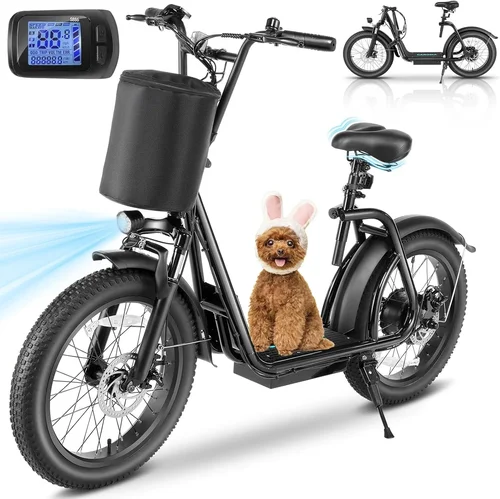
Electric scooters have evolved from niche urban curiosities into mainstream mobility solutions, and 2026 is shaping up to be a landmark year for e-scooter innovation. With cities becoming more congested, public transit systems under strain, and environmental concerns driving demand for sustainable transport, electric scooters offer a practical, eco-friendly, and often fun alternative. Whether you’re commuting to work, running errands, or simply exploring your city, the right e-scooter can transform how you move. But with hundreds of models flooding the market—ranging from budget-friendly commuter scooters to high-performance machines capable of tackling hills and long distances—choosing the best one for your needs can feel overwhelming. That’s exactly why this comprehensive buying guide exists.
In this expert-level guide, we’ll walk you through everything you need to know to make a smart, informed decision when purchasing an electric scooter in 2026. You’ll learn how to evaluate key performance specs like speed, range, and motor power, understand what build quality really means in real-world use, and discover which features actually matter—and which are just marketing fluff. We’ll break down different categories of e-scooters, highlight common pitfalls to avoid, and provide actionable tips to help you get the best value for your money. By the end, you’ll not only know what to look for—you’ll also have clear, personalized recommendations based on your lifestyle, budget, and riding goals. Whether you’re a first-time buyer or upgrading from an older model, this guide is your roadmap to finding the perfect e-scooter.
The e-scooter market in 2026 is more diverse and competitive than ever. Major brands like Gotrax, Segway-Ninebot, Xiaomi, Dualtron, and Apollo continue to push the envelope with smarter batteries, more durable frames, and advanced safety features. At the same time, new entrants are flooding the space with aggressively priced models that promise impressive specs—sometimes too good to be true. Regulatory changes in many cities are also influencing design, with manufacturers prioritizing compliance, lighting, and braking systems. Meanwhile, battery technology has seen meaningful improvements, with lithium-ion packs offering longer lifespans and faster charging times. All of this means buyers have more options than ever—but also more complexity. This guide cuts through the noise, focusing on real-world performance, reliability, and value so you can ride with confidence.

What to Look for When Buying Gotrax
1. Budget & Price Range
Your budget is the foundation of your e-scooter search. E-scooters in 2026 span a wide price spectrum, from under $300 for basic models to over $3,000 for high-end performance machines. While it’s tempting to go for the cheapest option, skimping too much can lead to poor build quality, limited range, and safety concerns. On the flip side, spending thousands doesn’t always guarantee the best experience—especially if you only need a scooter for short commutes. A good rule of thumb is to set a realistic budget based on your usage frequency and distance needs. For most casual riders, a scooter in the $400–$800 range offers the best balance of performance, durability, and features. If you plan to ride daily or over longer distances, investing $1,000 or more may be worthwhile for better motors, batteries, and suspension.
2. Performance Specifications
Performance is where many buyers get tripped up by marketing claims. Key specs to focus on include motor power (measured in watts), top speed, and range. Motor power typically ranges from 250W for entry-level models to 3,000W or more for high-performance scooters. A 250W–350W motor is sufficient for flat city streets and light hills, while 500W–800W motors handle moderate inclines with ease. For steep hills or heavy riders, look for 1,000W or dual-motor setups. Top speed varies widely—most commuter scooters cap out at 15–20 mph, while performance models can exceed 40 mph. However, higher speeds often come with reduced range and increased safety risks, so match speed to your needs. Range is perhaps the most misunderstood spec. Manufacturers often quote “ideal” range under perfect conditions (light rider, flat terrain, no wind), but real-world range is usually 20–30% lower. Always check independent reviews for verified range tests.
3. Build Quality & Durability
A scooter’s build quality determines how well it holds up over time. Look for a sturdy frame made from aircraft-grade aluminum or reinforced steel—avoid plastic-heavy designs, especially in the deck and stem. Check the weight capacity; most scooters support 220–265 lbs, but heavier riders should opt for models rated for 300+ lbs. The folding mechanism should feel solid and secure, with no wobble when locked. Water resistance is another critical factor. While few scooters are fully waterproof, an IP54 or IP65 rating means they can handle light rain and splashes. Avoid riding in heavy rain regardless, as water can still damage electronics. Finally, examine the wheels: solid rubber tires require no maintenance but offer a rougher ride, while air-filled pneumatic tires provide better shock absorption but are prone to punctures. Some premium models now feature hybrid or honeycomb tires that balance comfort and durability.
4. Features & Functionality
Modern e-scooters come packed with features, but not all are essential. A bright LED headlight and rear brake light are must-haves for nighttime safety. A clear, backlit display showing speed, battery level, and riding mode is highly useful. Regenerative braking, which recaptures energy during braking to extend range, is a nice-to-have on mid-to-high-end models. App connectivity via Bluetooth allows you to track rides, lock the scooter, or adjust settings—convenient but not critical. Suspension systems (front, rear, or dual) significantly improve ride comfort on uneven surfaces, especially if you’ll be riding on bike paths or gravel. Cruise control is another practical feature for maintaining steady speeds on long stretches. Avoid scooters that rely too heavily on gimmicks like built-in speakers or RGB lighting—these add cost without improving core functionality.
5. Brand Reputation
Brand matters—not because of logos, but because established brands tend to offer better quality control, customer support, and warranty service. Gotrax, for example, has built a solid reputation for affordable, reliable commuter scooters with decent performance for the price. Segway-Ninebot is known for premium builds and innovation, while Xiaomi delivers excellent value with sleek designs. Brands like Dualtron and Apollo cater to enthusiasts with high-performance models. Be cautious with unknown brands or those sold exclusively through flashy online ads—many cut corners on components or disappear after a few months, leaving you with no support. Research user forums, YouTube reviews, and third-party testing sites to gauge real-world reliability. A reputable brand may cost a bit more upfront, but it often saves money and frustration in the long run.
6. Warranty & Support
A strong warranty is a sign of a manufacturer’s confidence in their product. Most reputable brands offer at least a 12-month warranty covering defects in materials and workmanship. Some, like Apollo, extend this to 24 months. Pay attention to what’s included: does it cover the battery, motor, and display? Or only the frame? Battery degradation is a common issue—some brands offer partial battery replacement coverage after a certain number of charge cycles. Customer support responsiveness is equally important. Can you reach someone by phone or chat? Are replacement parts readily available? Check online reviews for experiences with warranty claims. A scooter with a great spec sheet but poor support can become a paperweight if something breaks. Always register your scooter upon purchase to activate the warranty.
7. Size & Portability
If you plan to carry your scooter on public transit, store it under a desk, or take it on trips, portability is crucial. Weight is the biggest factor—most commuter scooters weigh between 25 and 35 lbs. Anything over 40 lbs becomes difficult to carry for long periods. Folding time and folded dimensions matter too: a scooter that folds quickly and compactly is far more convenient. Look for models with a secure latch system and a handle or strap for easy carrying. Some scooters feature telescoping stems or removable batteries to reduce size further. However, ultra-lightweight models often sacrifice durability or performance, so find a balance. If you’ll be riding mostly from home to a fixed destination without carrying, weight and foldability become less critical.
8. User Reviews & Ratings
Never rely solely on manufacturer specs or promotional videos. Real user reviews—especially long-term feedback—reveal how a scooter performs in everyday conditions. Look for patterns: do multiple users report the same issue, like battery drain or loose handlebars? Are there complaints about customer service? Platforms like Amazon, Reddit (r/ElectricScooters), and specialized forums like ESG (Electric Scooter Guide) are goldmines of honest feedback. Pay attention to reviews from riders with similar weight, commute distance, and terrain as you. A scooter that works great for a 120-lb rider on flat roads may struggle for someone heavier or riding uphill. Also, check for updates: some brands release revised versions that fix earlier flaws, so look for recent reviews from 2025–2026.
Different Types of Gotrax

Common Buying Mistakes to Avoid
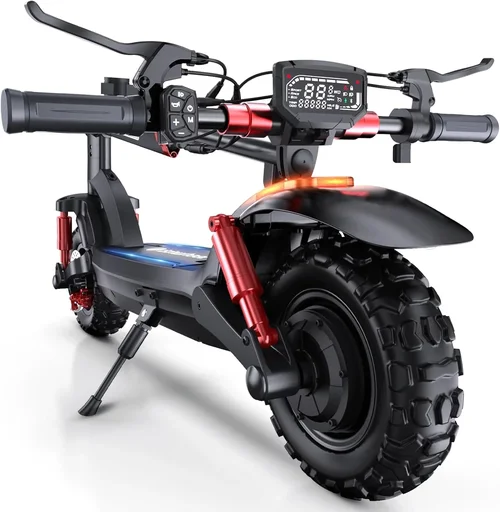
❌ Mistake: Chasing the Highest Top Speed
Why it’s bad: High-speed scooters often sacrifice range, safety, and ride comfort. They may also be illegal in your city—many jurisdictions limit e-scooters to 20 mph. Riding at high speeds increases stopping distance and crash risk, especially for inexperienced riders.
What to do instead: Match speed to your needs. For city commuting, 15–20 mph is more than sufficient and much safer. Focus on acceleration and braking performance instead.
❌ Mistake: Ignoring Real-World Range
Why it’s bad: Manufacturer range claims are often exaggerated. A scooter advertised with 30 miles of range might only deliver 18–22 miles under normal conditions, leaving you stranded.
What to do instead: Look for independent range tests and user reports. Assume real-world range is 20–30% lower than advertised. Always choose a scooter with at least 25% more range than your daily needs.
❌ Mistake: Overlooking Weight Capacity
Why it’s bad: Exceeding a scooter’s weight limit can damage the motor, battery, and frame over time. It also reduces performance and increases wear on components.
What to do instead: Check your weight (including backpack or cargo) and choose a scooter rated for at least 20–30 lbs above that. Heavier riders should consider performance or off-road models.
❌ Mistake: Buying Based on Looks Alone
Why it’s bad: A sleek design doesn’t guarantee quality. Some stylish scooters use flimsy materials or cut corners on critical components like brakes or batteries.
What to do instead: Prioritize function over form. Read detailed reviews, check build materials, and test ride if possible. A durable, reliable scooter is always better than a pretty one that breaks.
❌ Mistake: Skipping the Warranty Check
Why it’s bad: E-scooters have many electronic components that can fail. Without a solid warranty, repairs can cost nearly as much as a new scooter.
What to do instead: Always verify warranty length and coverage. Register your scooter immediately and keep proof of purchase. Consider extended warranties for high-end models.
❌ Mistake: Not Testing Before Buying
Why it’s bad: Scooters handle differently based on weight distribution, suspension, and deck size. What looks good on paper might feel unstable or uncomfortable in real life.
What to do instead: Visit a local retailer or attend a demo event. If buying online, choose retailers with generous return policies (30 days or more).
❌ Mistake: Forgetting About Maintenance
Why it’s bad: Even low-maintenance scooters need occasional care—tightening bolts, checking tire pressure, cleaning sensors. Neglecting this can lead to premature failure.
What to do instead: Learn basic maintenance tasks. Choose models with accessible parts and clear user manuals. Keep a small toolkit handy.
Budget Guidelines: How Much Should You Spend?
Entry-Level ($200–$400): These scooters are ideal for kids, teens, or occasional adult use. Expect basic specs: 250W motors, 15–18 mph top speed, and 8–12 miles of range. Build quality is often lightweight but less durable, with minimal features like basic lights and no suspension. Great for short, flat commutes under 3 miles. Models like the Gotrax GXL V2 or Xiaomi Mi Essential fall here.
Mid-Range ($400–$800): This is the sweet spot for most riders. Scooters in this range offer 350W–500W motors, 18–22 mph speeds, and 15–25 miles of range. You’ll find better build quality, LED displays, headlights, and sometimes rear suspension. Brands like Gotrax, Segway, and Hiboy excel here. Perfect for daily commuting, students, and urban explorers.
Premium ($800–$1,500): Designed for serious commuters and enthusiasts, these scooters deliver 800W–1,200W motors, 25–35 mph speeds, and 25–40 miles of range. Expect high-quality frames, dual suspension, app connectivity, and advanced safety features. Models like the Apollo City or Dualtron Mini are excellent choices for long-distance riders or those tackling hills.
Luxury ($1,500+): Top-tier scooters offer cutting-edge performance, premium materials, and extensive features. Dual motors, 40+ mph speeds, 50+ mile ranges, and rugged builds define this category. Ideal for off-road adventures, high-speed commuting, or tech enthusiasts. Examples include the Dualtron Thunder 2 and Kaabo Wolf King GT.
Expert Tips for Getting the Best Deal
1. Buy During Off-Peak Seasons: E-scooter sales peak in spring and summer. Shop in late fall or winter (October–February) for discounts, clearance sales, and bundle deals. Many retailers offer holiday promotions in November and December.
2. Compare Retailers: Prices vary widely between Amazon, Best Buy, Walmart, and brand websites. Check for exclusive online deals, free shipping, or extended return windows. Some brands offer direct-to-consumer discounts with better warranties.
3. Look for Refurbished or Open-Box Models: Certified refurbished scooters from reputable sellers often come with full warranties at 20–40% off. These are thoroughly tested and ideal for budget-conscious buyers.
4. Use Price Tracking Tools: Set alerts on Google Shopping, CamelCamelCamel (for Amazon), or Honey to monitor price drops. Some scooters fluctuate by $100 or more throughout the year.
5. Check for Student or Military Discounts: Brands like Gotrax and Segway offer discounts for students, teachers, and military personnel. Verify eligibility and save 10–15%.
6. Read the Fine Print on Returns: Ensure the retailer offers at least a 14-day return window. Some charge restocking fees or require original packaging. Avoid sellers with “all sales final” policies.
7. Test Ride When Possible: Visit local scooter shops or attend demo days. Feeling the ride quality, braking, and comfort firsthand is invaluable.
8. Join Owner Communities: Online forums and Facebook groups often share exclusive promo codes, flash sales, or group buy opportunities.
Frequently Asked Questions
Q: How long do e-scooter batteries last?
A: Most lithium-ion batteries last 300–500 full charge cycles before capacity drops to 80%. With regular use, this translates to 1.5–3 years. Proper care—avoiding full discharges, storing at 50% charge, and not exposing to extreme temperatures—can extend lifespan.
Q: Are e-scooters legal in my city?
A: Laws vary by location. Many cities allow e-scooters on bike lanes and roads with speed limits under 35 mph, but some require helmets, lights, or registration. Check your local Department of Transportation or city website for specific rules.
Q: Can I ride an e-scooter in the rain?
A: Only if it has an IP54 or higher rating. Even then, avoid deep puddles and heavy downpours. Water can damage motors and electronics. Dry the scooter thoroughly after wet rides.
Q: How fast can e-scooters go?
A: Most commuter models reach 15–25 mph. Performance scooters can hit 35–50 mph, and some racing models exceed 60 mph. Always wear protective gear at high speeds.
Q: Do I need insurance for my e-scooter?
A: Not typically required for private use, but some cities mandate liability insurance for shared scooters. Check local regulations. Personal liability coverage through homeowner’s insurance may apply.
Q: How do I charge my e-scooter?
A: Use the included charger and plug into a standard wall outlet. Charging takes 4–8 hours depending on battery size. Avoid cheap third-party chargers—they can damage the battery.
Q: Can I take my e-scooter on a plane?
A: Most airlines prohibit lithium batteries over 100Wh in checked luggage. Many commuter scooters fall under this limit and can be carried on, but check with your airline first.
Q: What’s the difference between hub motors and belt drives?
A: Hub motors are built into the wheel—simple, quiet, and low-maintenance. Belt drives use a motor and belt system—more powerful and serviceable but require occasional tension adjustments. Most modern scooters use hub motors.
Q: How do I maintain my e-scooter?
A: Regularly check tire pressure (if pneumatic), tighten bolts, clean the deck and sensors, and inspect brakes. Lubricate moving parts as needed. Store in a dry, temperate place.
Q: What should I do if my scooter breaks down?
A: First, check the warranty. Contact the manufacturer or retailer for support. For out-of-warranty issues, seek certified repair shops or DIY fixes using official parts.
Our Final Recommendations
Best for Budget-Conscious Buyers: Gotrax GXL V2 – At under $400, it offers solid 18 mph speed, 15-mile range, and reliable build quality. Perfect for students and short commutes.
Best Overall Value: Segway Ninebot Max G30LP – Priced around $700, it delivers 20 mph speed, 30+ mile range, IPX5 water resistance, and excellent durability. A top pick for daily riders.
Best Premium Option: Apollo City 2026 – With a 1,000W motor, 30 mph speed, 40-mile range, and dual suspension, it’s ideal for long commutes and hilly terrain. Priced at $1,300.
Best for Beginners: Xiaomi Mi Electric Scooter 4 Lite – Lightweight, intuitive controls, and a smooth ride make it perfect for first-time users. Great balance of price and performance.
Best for Advanced Users: Dualtron Thunder 2 – A powerhouse with dual 1,200W motors, 50 mph top speed, and 70-mile range. Built for speed demons and off-road adventurers.
Conclusion: Making the Right Choice
Choosing the best e-scooter in 2026 doesn’t have to be overwhelming—if you know what to prioritize. Start by defining your needs: How far do you ride? What’s your budget? Do you need portability or performance? From there, focus on key factors like range, build quality, safety features, and brand reliability. Avoid common pitfalls like chasing specs or ignoring real-world reviews. And remember, the most expensive scooter isn’t always the best—value comes from matching the right tool to the right task.
Whether you’re commuting across town, exploring new neighborhoods, or simply reducing your carbon footprint, the right e-scooter can make every ride smoother, safer, and more enjoyable. Use this guide as your trusted companion, and don’t rush the decision. Take your time, compare options, and when you find the one that feels right, you’ll know it. Happy riding—and welcome to the future of urban mobility.