
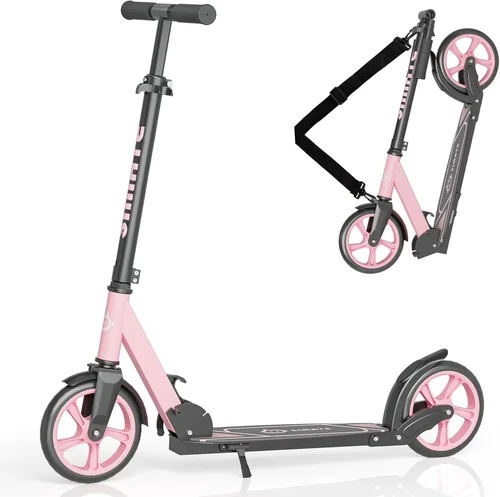
Electric scooters have evolved from niche urban gadgets into mainstream mobility solutions, reshaping how we navigate cities, campuses, and even suburban neighborhoods. Whether you’re commuting to work, running errands, or simply enjoying a weekend ride, the right e-scooter can save time, reduce stress, and cut down on transportation costs. But with dozens of brands flooding the market—each touting longer range, faster speeds, and sleeker designs—it’s easy to feel overwhelmed. That’s exactly why this comprehensive buying guide exists: to cut through the noise and help you make an informed, confident decision.
In this guide, we’ll walk you through every critical factor you need to consider before purchasing an electric scooter in 2026. From budget considerations and performance specs to build quality, safety features, and after-sales support, we’ve analyzed the latest models and industry trends to deliver actionable insights. You’ll learn how to match your lifestyle and needs to the perfect scooter, avoid common pitfalls, and even score the best deals. Whether you’re a first-time buyer or upgrading from an older model, this guide is designed to equip you with expert-level knowledge—without the jargon.
The e-scooter market has matured significantly over the past few years. What once was dominated by a handful of startups now includes established electronics brands, automotive offshoots, and specialized mobility companies. Innovations in battery technology, motor efficiency, and smart connectivity have pushed performance boundaries while driving prices down across entry-level and mid-tier segments. At the same time, regulatory changes in many cities have made safety and compliance more important than ever. With so much choice—and so many variables—it’s essential to approach your purchase strategically. This guide will help you do just that.

What to Look for When Buying an E-Scooter
1. Budget & Price Range
Your budget is the foundation of your buying decision. E-scooters span a wide price spectrum, from under $300 for basic commuter models to over $2,000 for high-performance, feature-rich machines. Setting a realistic budget upfront helps narrow your options and prevents overspending on features you don’t need. Consider not just the upfront cost but also long-term expenses like maintenance, replacement parts, and potential upgrades.
For most casual riders, spending between $500 and $800 gets you a reliable, well-built scooter with decent range and safety features. If you plan to use your scooter daily for commuting or longer distances, investing $900–$1,500 often delivers better durability, battery life, and ride comfort. Remember: the cheapest option isn’t always the most economical—poor build quality or frequent repairs can quickly erode initial savings.
2. Performance Specifications
Performance isn’t just about speed—it’s a combination of motor power, top speed, range, and hill-climbing ability. The motor, measured in watts (W), determines how quickly your scooter accelerates and how well it handles inclines. A 250W motor suits flat city streets, while 500W or higher is ideal for hilly terrain or heavier riders.
Top speed matters too, especially if you’re commuting alongside traffic. Most consumer e-scooters cap out between 15–20 mph, though some performance models hit 25–30 mph. Be mindful of local laws—many cities limit e-scooter speeds to 15 or 20 mph for safety.
Range, measured in miles per charge, is often overstated by manufacturers. Real-world range depends on rider weight, terrain, speed, and weather. A scooter advertised with a 20-mile range might only deliver 12–15 miles under typical conditions. Look for brands that provide conservative, tested range figures or offer dual-battery options for extended rides.
3. Build Quality & Durability
A scooter is only as good as its weakest component. Frame material, wheel type, suspension, and water resistance all contribute to longevity. Aluminum alloy frames are lightweight yet strong, while steel offers extra durability at the cost of added weight. Avoid flimsy plastics or poorly welded joints—they’re red flags for premature failure.
Wheels come in two main types: air-filled (pneumatic) and solid (rubber or honeycomb). Pneumatic tires provide superior shock absorption and grip but are prone to punctures. Solid tires are maintenance-free but deliver a harsher ride. Many mid-to-high-end models now use hybrid or tubeless designs to balance comfort and reliability.
Water resistance is rated using the IP (Ingress Protection) system. An IPX4 rating means splash-resistant—fine for light rain. IPX5 or higher offers better protection against jets of water, making it safer for wet conditions. Never submerge your scooter, regardless of rating.
4. Features & Functionality
Modern e-scooters pack an impressive array of features beyond basic propulsion. LED headlights and taillights improve visibility at night, while brake lights enhance safety during sudden stops. Digital displays show speed, battery level, and sometimes even GPS data or ride stats.
Smart features are increasingly common. Bluetooth connectivity lets you lock/unlock your scooter via app, track rides, or customize speed modes. Some models include anti-theft alarms, cruise control, or regenerative braking, which recaptures energy during deceleration to extend range.
Folding mechanisms matter for portability. Look for quick-release levers that allow one-step folding without tools. However, ensure the latch is secure—accidental unfolding mid-ride is dangerous. Weight also plays a role: anything over 35 lbs becomes cumbersome to carry upstairs or onto public transit.
5. Brand Reputation
Not all brands are created equal. Established names like Segway-Ninebot, Xiaomi, and Apollo have proven track records for quality control, customer service, and innovation. Lesser-known brands may offer tempting prices but often cut corners on components or lack reliable support networks.
Research brand history: How long have they been in business? Do they offer consistent firmware updates? Are spare parts readily available? User forums and third-party review sites (like Reddit’s r/ElectricScooters or specialized YouTube channels) can reveal recurring issues like battery degradation, faulty throttles, or poor warranty fulfillment.
6. Warranty & Support
A solid warranty is your safety net against manufacturing defects. Most reputable brands offer 6–12 months of coverage, with premium models sometimes extending to 18–24 months. Pay attention to what’s covered: batteries often have separate, shorter warranties (e.g., 6 months) due to their consumable nature.
Read the fine print. Some warranties void if you modify the scooter, use non-approved chargers, or ride in rain beyond the stated IP rating. Customer support responsiveness varies widely—look for brands with live chat, phone support, or detailed online troubleshooting guides.
7. Size & Portability
If you’ll be carrying your scooter frequently—up stairs, onto buses, or into offices—size and weight are crucial. Compact foldable designs are ideal for urban dwellers with limited storage. Measure the folded dimensions and test the carry weight yourself if possible.
Deck size affects comfort, especially for taller riders. A narrow deck forces an awkward stance, while a wide one improves balance. Handlebar height should allow a natural, relaxed arm position—too low causes strain; too high reduces control.
8. User Reviews & Ratings
Don’t rely solely on manufacturer specs or marketing claims. Real-world user feedback reveals nuances that lab tests miss. Look for patterns in reviews: Are multiple users reporting the same battery issue? Is the suspension too stiff for rough pavement?
Prioritize recent reviews (within the last 6–12 months), as manufacturers often revise models quietly. Video reviews are especially valuable—they show actual ride quality, folding mechanics, and app functionality in action.
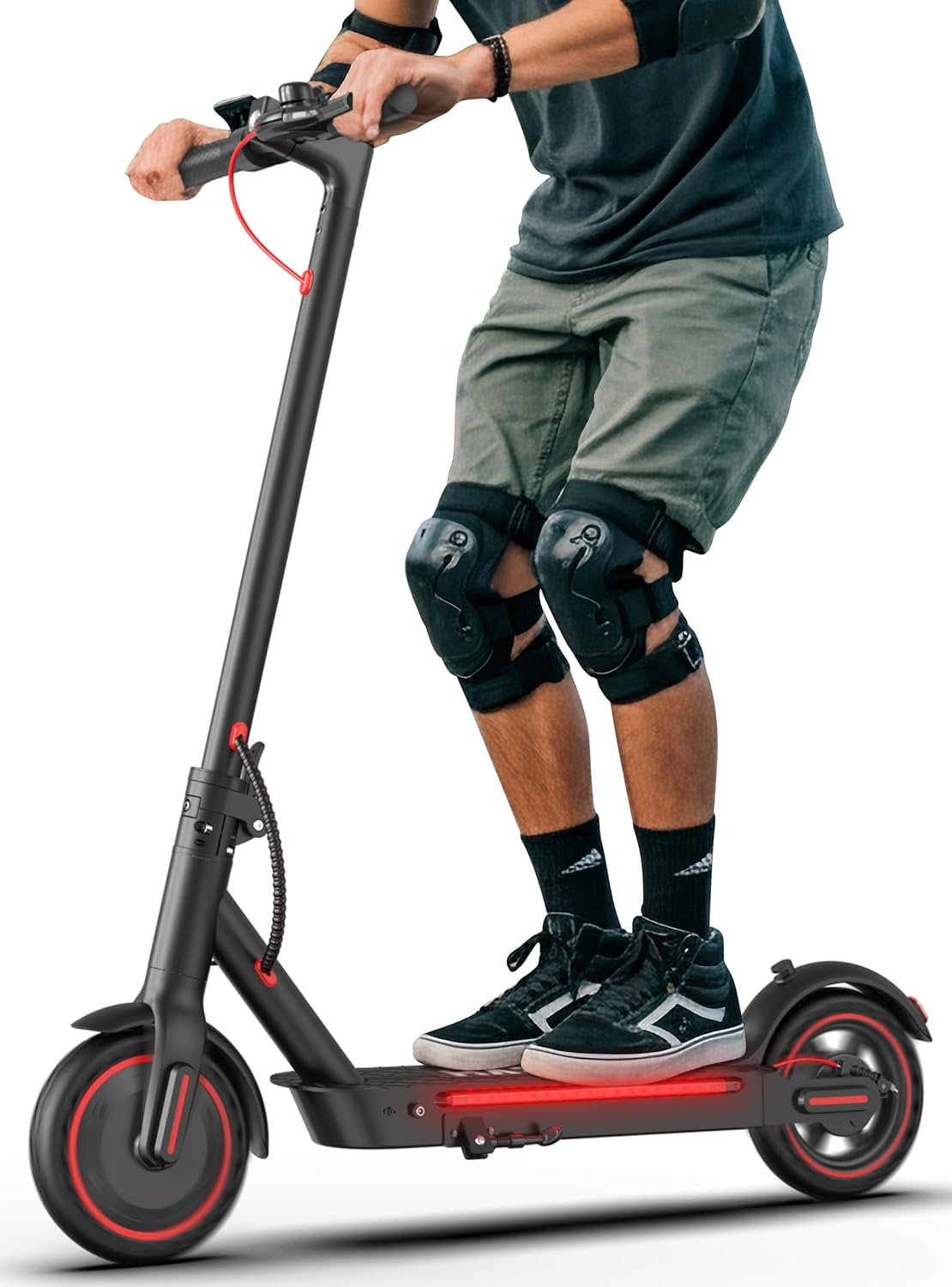
Different Types of E-Scooters
Common Buying Mistakes to Avoid
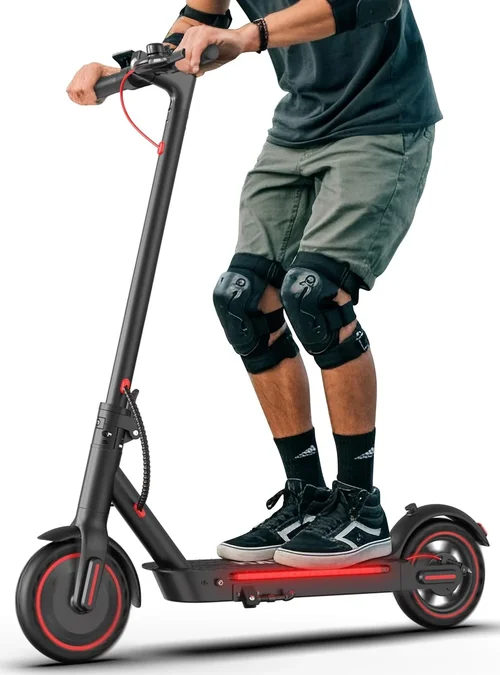
❌ Mistake: Prioritizing Top Speed Over Real-World Usability
Why it’s bad: A scooter that hits 25 mph sounds impressive, but if it struggles on mild hills or drains its battery in 10 miles, it’s impractical for daily use. High speed also increases accident risk, especially for inexperienced riders.
What to do instead: Focus on balanced specs—adequate power for your terrain, realistic range, and stable handling. Test ride if possible, or watch video reviews that demonstrate real-world performance.
❌ Mistake: Ignoring Weight and Portability
Why it’s bad: A heavy, bulky scooter becomes a liability when you need to carry it upstairs, store it under a desk, or take it on public transit. Many buyers regret choosing a powerful but unwieldy model.
What to do instead: Weigh portability against performance needs. If you’ll be lifting it often, aim for under 30 lbs. Consider foldable designs with secure latches and ergonomic handles.
❌ Mistake: Overlooking Local Laws and Regulations
Why it’s bad: Riding an illegal scooter can result in fines, confiscation, or accidents. Some cities ban e-scooters on sidewalks, limit speeds, or require helmets and lights.
What to do instead: Check your city’s micromobility regulations before buying. Choose a scooter that complies with local speed limits and safety requirements—many models have “city mode” settings to cap speed.
❌ Mistake: Skipping the Warranty Fine Print
Why it’s bad: A 12-month warranty sounds great—until you discover it doesn’t cover batteries, motors, or water damage. Some brands require you to ship the scooter at your own expense for repairs.
What to do instead: Read the warranty terms carefully. Look for brands that cover major components and offer local repair options. Consider extended warranty plans if available.
❌ Mistake: Buying Based Solely on Price
Why it’s bad: The cheapest scooter often uses low-quality batteries, weak motors, and fragile frames. You may end up replacing it within a year, costing more long-term.
What to do instead: Treat price as one factor among many. Invest in a reputable brand with proven reliability—even if it costs $100–$200 more upfront.
❌ Mistake: Neglecting Safety Features
Why it’s bad: Poor lighting, weak brakes, or no suspension can turn a routine ride into a dangerous situation, especially at night or on uneven surfaces.
What to do instead: Prioritize scooters with dual braking systems (disc + electronic), bright LEDs, and responsive suspension. Always wear a helmet, regardless of legal requirements.
❌ Mistake: Assuming All “20-Mile Range” Claims Are Equal
Why it’s bad: Manufacturers often test range under ideal conditions (light rider, flat terrain, slow speed). Real-world results can be 30–50% lower.
What to do instead: Divide advertised range by 1.5 to estimate realistic mileage. Look for independent test results or user reports that confirm range under typical conditions.
Budget Guidelines: How Much Should You Spend?
Entry-Level ($200–$400): Ideal for kids, occasional riders, or short campus trips. Expect basic motors (250W or less), solid tires, minimal features, and limited range (8–12 miles). Brands like Gotrax and Razor dominate this space. Great for testing the waters but not suited for daily commuting.
Mid-Range ($500–$900): The sweet spot for most buyers. These scooters offer reliable 350–500W motors, pneumatic or hybrid tires, decent suspension, and 15–20 mile range. Models from Xiaomi, Segway, and Apollo provide excellent value here. Perfect for urban commuters who need durability without breaking the bank.
Premium ($900–$1,500): For serious riders and daily commuters. Expect dual motors, advanced suspension, high-capacity batteries (20+ mile real range), smart features, and robust build quality. Brands like Dualtron, Kaabo, and Nami deliver top-tier performance and reliability.
Luxury ($1,500+): Reserved for enthusiasts, off-road adventurers, or professionals. These scooters boast 1,000W+ motors, hydraulic brakes, full suspension, GPS tracking, and premium materials. They’re built for speed, endurance, and rough terrain—but come with significant weight and complexity.
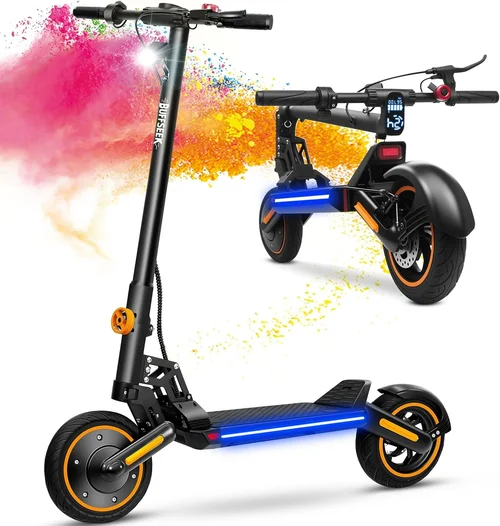
Expert Tips for Getting the Best Deal
1. Time Your Purchase Strategically: Major sales events like Black Friday, Amazon Prime Day, and back-to-school season often feature deep discounts on e-scooters. Sign up for brand newsletters to get early access to promotions.
2. Buy Direct from Reputable Retailers: While Amazon and Walmart offer convenience, buying directly from the manufacturer (e.g., Segway.com, ApolloScooters.com) often includes better warranties, exclusive bundles, or free accessories.
3. Compare Total Cost of Ownership: Factor in shipping, taxes, and potential import fees (for international brands). Some retailers offer free shipping or in-store pickup, saving you $50–$100.
4. Test Before You Buy (If Possible): Visit local electronics stores, mobility shops, or pop-up demo events. Feeling the ride quality, brake responsiveness, and folding mechanism firsthand is invaluable.
5. Check Return Policies: Ensure the retailer offers at least a 14-day return window. Some brands allow 30 days for testing—use this period to evaluate real-world performance.
6. Look for Refurbished or Open-Box Deals: Certified refurbished scooters from trusted sellers often come with full warranties at 20–30% off retail. These are rigorously tested and ideal for budget-conscious buyers.
7. Join Online Communities: Forums like r/ElectricScooters or Facebook groups frequently share flash deals, coupon codes, or group-buying opportunities. Members also warn about dud models or unreliable sellers.
8. Negotiate Add-Ons: When buying premium models, ask for free accessories like helmets, locks, or phone mounts. Many retailers bundle these to close the sale.

Frequently Asked Questions
Q: How long do e-scooter batteries last?
A: Most lithium-ion batteries retain 80% capacity after 500–800 charge cycles, which translates to 1.5–3 years of daily use. Proper care—avoiding full discharges, storing at 50% charge in cool temps—can extend lifespan.
Q: Can I ride my e-scooter in the rain?
A: Only if it has an IPX4 rating or higher. Even then, avoid deep puddles, heavy downpours, and standing water. Wet conditions reduce tire grip and increase braking distance.
Q: Are e-scooters legal where I live?
A: Laws vary by city, state, and country. In the U.S., many cities allow e-scooters on bike lanes and roads with speed limits under 35 mph, but prohibit sidewalk riding. Always check local ordinances.
Q: How fast can I go on an e-scooter?
A: Consumer models typically max out at 15–20 mph. Performance scooters can reach 25–40 mph, but such speeds require helmets, protective gear, and experience.
Q: Do I need insurance for my e-scooter?
A: Not usually, but some homeowners or renters policies cover personal mobility devices. In Europe, liability insurance is mandatory in certain countries.
Q: Can I take my e-scooter on public transit?
A: Most buses and trains allow folded e-scooters, but policies differ. Check with your local transit authority—some restrict size, weight, or battery capacity.
Q: What’s the difference between hub motors and belt-driven motors?
A: Hub motors are integrated into the wheel, offering simplicity and low maintenance. Belt-driven systems (common in high-end models) provide better torque and efficiency but require occasional belt replacement.
Q: How do I maintain my e-scooter?
A: Regularly check tire pressure (if pneumatic), tighten bolts, clean the deck, and update firmware. Lubricate moving parts sparingly and store in a dry place.
Q: Can I upgrade my scooter’s battery?
A: Some brands offer official upgrade kits, but third-party modifications often void warranties and pose safety risks. Proceed with caution and consult the manufacturer.
Q: What should I do if my scooter breaks down?
A: First, consult the user manual or app for troubleshooting. If under warranty, contact customer support. For out-of-warranty issues, seek authorized repair centers or certified technicians.
Our Final Recommendations
Best for Budget-Conscious Buyers: Xiaomi Mi Electric Scooter Essential – At around $450, it delivers reliable 250W performance, 18.6-mile range, and Xiaomi’s proven build quality. Perfect for students and casual commuters.
Best Overall Value: Segway Ninebot Max G30LP – Priced near $700, this scooter offers 350W motor power, 25-mile range, IPX5 water resistance, and exceptional durability. A favorite among urban riders for its balance of price and performance.
Best Premium Option: Apollo Explore – At $1,299, it features dual 500W motors, 34-mile range, full suspension, and a sleek design. Ideal for long commutes and riders who demand reliability and comfort.
Best for Beginners: Gotrax GXL V2 – Simple controls, lightweight frame (26 lbs), and a top speed of 15.5 mph make it safe and easy for new riders. Great entry point at under $400.
Best for Advanced Users: Dualtron Thunder 3 – With 5,400W peak power, 75-mile range, and hydraulic suspension, this $2,800 beast handles any terrain. Built for thrill-seekers and off-road enthusiasts.
Conclusion: Making the Right Choice
Choosing the best e-scooter isn’t about finding the most powerful or cheapest model—it’s about matching the right tool to your unique lifestyle, needs, and environment. By prioritizing factors like budget, performance, build quality, and safety, you’ll avoid common pitfalls and invest in a scooter that serves you reliably for years to come.
Remember: the ideal scooter enhances your daily routine, not complicates it. Whether you’re zipping through downtown traffic, exploring park trails, or simply avoiding crowded subways, the right choice will feel like an extension of yourself—smooth, intuitive, and empowering.
Take your time. Do your research. Test when you can. And don’t hesitate to reach out to communities or experts if you’re unsure. Your perfect ride is out there—this guide has given you the map. Now go find it.