
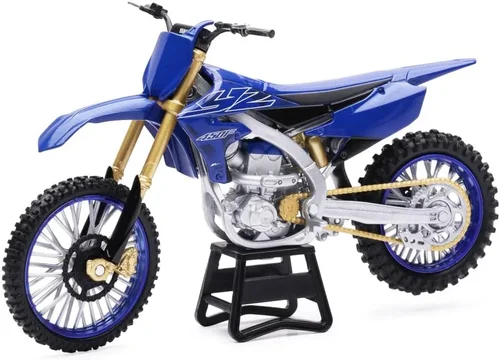
Electric dirt bikes have revolutionized off-road riding, offering a cleaner, quieter, and increasingly powerful alternative to traditional gas-powered machines. As we move deeper into 2026, the e-dirt bike market has matured significantly—no longer just a niche curiosity, these machines now deliver serious performance for trail riders, motocross enthusiasts, commuters, and even professional racers. Whether you’re a weekend warrior hitting local trails or a seasoned competitor looking to go green without sacrificing speed, choosing the right electric dirt bike can make all the difference in your riding experience.
This comprehensive buying guide is designed to cut through the noise and help you make an informed decision. We’ll walk you through every critical factor—from battery life and motor power to build quality, safety features, and long-term value. You’ll learn how to match your riding style and budget to the perfect e-dirt bike, avoid common pitfalls, and understand what separates a decent model from a truly exceptional one. By the end of this guide, you’ll have the confidence and knowledge to choose a bike that not only meets your needs today but will continue to deliver reliable performance for years to come.
The electric dirt bike landscape in 2026 is more diverse than ever. Major manufacturers like Zero Motorcycles, KTM, Husqvarna, and emerging innovators such as Cake, Sur Ron, and Talaria are pushing the boundaries of what’s possible with lithium-ion technology, regenerative braking, and smart connectivity. Prices range from under $2,000 for entry-level trail bikes to over $20,000 for race-ready machines with carbon fiber frames and AI-assisted suspension tuning. With so many options, it’s easy to feel overwhelmed—but that’s exactly why this guide exists. Let’s dive in and find your ideal ride.

What to Look for When Buying an E Dirt Bike
1. Budget & Price Range
Your budget is the foundation of your entire purchase decision. E-dirt bikes vary dramatically in price, and while it’s tempting to go for the cheapest option, doing so can lead to disappointment in performance, durability, or safety. At the same time, spending top dollar doesn’t always guarantee the best fit for your needs. A realistic budget helps narrow your options and ensures you’re comparing apples to apples.
When setting your budget, consider not just the upfront cost but also long-term expenses like maintenance, battery replacement (typically every 3–5 years), tires, and potential upgrades. Entry-level models may save you money initially but could lack serviceability or resale value. Premium bikes often include better components, longer warranties, and stronger dealer networks, which can offset higher initial costs over time.
2. Performance Specifications
Performance is where e-dirt bikes truly shine—and where they differ most from gas counterparts. Key specs to evaluate include motor power (measured in kW or horsepower), torque (in lb-ft), top speed, range per charge, and hill-climbing ability. Electric motors deliver instant torque, meaning you get maximum pulling power the moment you twist the throttle—a huge advantage on technical trails or steep inclines.
Look for continuous power ratings rather than peak numbers, which can be misleading. For example, a bike rated at “30 kW peak” might only sustain 15 kW under real-world conditions. Range is equally critical: most e-dirt bikes offer between 30–90 minutes of aggressive riding on a single charge, depending on terrain and rider weight. If you plan long trail rides, prioritize models with swappable batteries or fast-charging capabilities (e.g., 0–80% in under an hour).
Acceleration matters too. Many high-end e-dirt bikes now rival 250cc four-stroke gas bikes in 0–60 mph times, thanks to near-instantaneous power delivery. However, remember that raw speed isn’t everything—handling, weight distribution, and suspension tune often matter more for control and confidence on rough terrain.
3. Build Quality & Durability
An e-dirt bike takes a beating. From mud and water to rocks, jumps, and hard landings, your bike must withstand extreme conditions. Build quality starts with the frame—look for high-tensile steel or aircraft-grade aluminum, both of which offer excellent strength-to-weight ratios. Avoid flimsy plastics or thin-walled tubing, especially on lower-priced models.
Sealed components are non-negotiable. The motor, controller, and battery should be IP67-rated or higher, meaning they’re dust-tight and can survive immersion in water up to 1 meter deep for 30 minutes. This is crucial for trail riding where puddles, streams, and rain are common. Check reviews for reports of water ingress or electrical failures after wet rides.
Suspension quality also reflects overall build standards. Premium bikes feature fully adjustable forks and shocks from reputable brands like Öhlins, WP, or Showa. Even mid-range models should have preload and rebound adjustments. Poor suspension not only reduces comfort but increases the risk of bottoming out or losing control on jumps.
Weld quality, cable routing, and fastener types (stainless steel vs. zinc-plated) are subtle but telling signs of craftsmanship. A well-built bike feels solid, quiet, and responsive—even when idling.
4. Features & Functionality
Modern e-dirt bikes come packed with smart features that enhance safety, performance, and convenience. Regenerative braking, for instance, recovers energy during deceleration and feeds it back into the battery—extending range and reducing brake wear. Some models even let you adjust regen levels via handlebar controls.
Ride modes are another valuable feature. Eco mode conserves battery for long trail days, while Sport or Race mode unlocks full power for aggressive riding. Advanced bikes may include traction control, launch control, or even GPS-based terrain mapping that adjusts power delivery based on slope and surface type.
Connectivity is rising fast. Bluetooth-enabled dashboards allow you to monitor battery health, track ride stats, update firmware, and even geofence your bike remotely. Apps from brands like Zero or Cake provide detailed diagnostics and community features like route sharing.
Don’t overlook practical details: USB charging ports, LED lighting, tool-less air filter access, and quick-release wheels can save time and frustration in the field. For commuters, integrated storage or luggage mounts add versatility.
5. Brand Reputation & Ecosystem
Not all brands are created equal. Established names like KTM, Husqvarna, and Zero have decades of engineering experience and global dealer networks. They offer better parts availability, certified technicians, and stronger resale value. Emerging brands like Talaria or Sur Ron may offer impressive specs at lower prices, but their long-term reliability and support infrastructure are still evolving.
Research brand history: How long have they been making electric motorcycles? Do they specialize in off-road or street models? Are they transparent about battery chemistry (e.g., NMC vs. LFP) and lifecycle data? Brands with strong R&D investment tend to innovate faster and address issues proactively.
Also consider the ecosystem. Does the brand offer compatible accessories, training programs, or rider communities? A robust ecosystem enhances ownership—think firmware updates, spare parts catalogs, and local demo events. Avoid obscure brands with no service footprint; you don’t want to be stranded with a dead battery and no way to get help.
6. Warranty & Support
A solid warranty is your safety net. Most reputable brands offer 2–3 years of coverage on the frame and drivetrain, but battery warranties vary widely—from 1 year to 8 years or 10,000 miles. Lithium batteries degrade over time, so a longer battery warranty signals confidence in longevity.
Read the fine print: Does the warranty cover normal capacity loss (e.g., below 70% after 3 years)? Is it transferable if you sell the bike? What’s excluded (e.g., water damage from improper washing)? Some brands require annual inspections to maintain coverage—factor that into your decision.
Customer support matters too. Can you reach a human quickly? Are service manuals available online? Do they offer loaner bikes during repairs? Brands with U.S.-based support centers (like Zero or Cake) typically respond faster than those relying on overseas distributors.
7. Size, Weight & Ergonomics
E-dirt bikes vary significantly in size and weight—critical factors for control, maneuverability, and rider fatigue. Adult models typically weigh 180–280 lbs, while youth bikes start around 80 lbs. Heavier bikes offer stability at speed but can be tiring on technical singletrack. Lighter models are more flickable but may feel skittish on高速 straights.
Seat height is another key consideration. Taller riders (6’0″+) need at least 35 inches; shorter riders may struggle with standard 37-inch seats. Some brands offer lowered suspension kits or adjustable seats. Test ride if possible—your boots should flat-foot the ground when stopped for confidence and safety.
Ergonomics include handlebar width, footpeg position, and lever reach. Wide bars improve leverage but can snag on trees; narrow bars feel twitchy. Adjustable levers accommodate different hand sizes. A well-designed cockpit reduces arm pump and improves control over long rides.
Youth and mini bikes deserve special attention. Look for speed limiters, parental controls, and proportionally sized components. Never put a child on an adult-sized bike—it’s unsafe and discouraging.
8. User Reviews & Real-World Feedback
Spec sheets tell part of the story; real riders tell the rest. Scour forums like ThumperTalk, Reddit’s r/electricmotorcycles, and YouTube review channels for honest feedback. Pay attention to recurring themes: Are multiple users reporting the same battery issue? Is the suspension too stiff for trail use?
Look beyond star ratings. A 4.8-star average based on 5 reviews is less reliable than a 4.2 from 200. Read negative reviews carefully—sometimes complaints reveal design flaws (e.g., poor drainage leading to corrosion) or unrealistic expectations (e.g., expecting 2-hour range from a lightweight trail bike).
Join local riding groups or Facebook communities. Members often share maintenance tips, upgrade paths, and even group buys. Firsthand experience is invaluable when specs alone can’t capture nuances like “how it feels” on loose gravel or after a rainstorm.
Different Types of E Dirt Bikes
Common Buying Mistakes to Avoid
❌ Mistake: Prioritizing Price Over Total Cost of Ownership
Why it’s bad: A cheap bike may seem like a bargain, but hidden costs—frequent repairs, short battery life, lack of service—can quickly erase any savings. Many budget models use lower-grade cells that degrade faster, requiring premature replacement.
What to do instead: Calculate total cost over 3–5 years, including maintenance, battery swaps, and potential resale value. Invest in a reputable brand with proven longevity.
❌ Mistake: Ignoring Battery Chemistry and Management
Why it’s bad: Not all lithium batteries are equal. NMC (Nickel Manganese Cobalt) offers high energy density but degrades faster; LFP (Lithium Iron Phosphate) lasts longer but is heavier. Poor battery management systems (BMS) can lead to overheating or sudden shutdowns.
What to do instead: Ask about battery type, BMS features (cell balancing, thermal monitoring), and expected cycle life. Prefer brands that disclose this info transparently.
❌ Mistake: Overlooking Local Regulations
Why it’s bad: Some states or parks restrict electric motorcycles due to noise ordinances or trail access rules. Riding illegally can result in fines or bans.
What to do instead: Check your state’s DMV and local land management agencies (e.g., USFS, BLM) for e-moto regulations. Ensure your bike meets street-legal requirements if commuting.
❌ Mistake: Skipping the Test Ride
Why it’s bad: Specs don’t reveal how a bike handles on real terrain. A bike that looks great on paper might feel unbalanced, too stiff, or poorly weighted in practice.
What to do instead: Attend demo days, rent before buying, or visit dealers that offer test rides. Pay attention to clutch feel, brake response, and suspension compliance.
❌ Mistake: Neglecting Safety Gear
Why it’s bad: Electric bikes accelerate faster than gas bikes, increasing injury risk if you’re unprepared. Wearing inadequate gear turns a minor spill into a major accident.
What to do instead: Budget for DOT/ECE-certified helmet, armored jacket, knee braces, and gloves. Consider airbag vests for high-speed riding.
❌ Mistake: Assuming All “Electric” Bikes Are Quiet
Why it’s bad: While quieter than gas bikes, some e-dirt bikes still produce significant motor whine or chain noise. In noise-sensitive areas, this can attract unwanted attention.
What to do instead: Listen to audio clips or ride videos. Look for models with silent chains or acoustic damping. Some brands offer optional noise-reduction kits.
❌ Mistake: Buying Based Solely on Range Claims
Why it’s bad: Manufacturers often quote range under ideal conditions (flat terrain, light rider, eco mode). Real-world range can be 30–50% lower during aggressive riding.
What to do instead: Divide advertised range by 1.5 to estimate realistic performance. Carry a spare battery or plan charging stops for long rides.
Budget Guidelines: How Much Should You Spend?
Entry-Level ($1,500 – $4,000): Ideal for beginners, kids, or casual trail riders. Expect modest power (5–15 kW), limited range (30–60 minutes), and basic components. Brands like Sur Ron (Light Bee) or Razor offer solid value here, but build quality and service support may be limited. Great for learning basics or light recreational use.
Mid-Range ($4,000 – $10,000): The sweet spot for most riders. These bikes balance performance, durability, and features. Expect 15–25 kW motors, 60–90 minutes of range, adjustable suspension, and decent waterproofing. Models like the Talaria Sting or Cake Kalk OR represent excellent value with strong communities and upgrade paths.
Premium ($10,000 – $18,000): For serious enthusiasts and weekend racers. Full motocross capability, race-tuned suspension, swappable batteries, and advanced electronics. Zero FXE, KTM Freeride E-XC, and Husqvarna EE 5 fall here—offering near-pro-level performance with reliable dealer support.
Luxury ($18,000+): Top-tier machines built for competition or extreme adventure. Think carbon fiber frames, AI-assisted dynamics, 30+ kW output, and 2+ hour range. These are for professionals or deep-pocketed collectors who demand the absolute best. Examples include the Zero SR/F with off-road kit or custom-built race specials.
Expert Tips for Getting the Best Deal
1. Time Your Purchase Strategically: End-of-season sales (August–October) often feature discounts as dealers clear inventory for new models. Black Friday and holiday promotions can yield 10–15% off MSRP.
2. Buy Direct vs. Through Dealers: Some brands (like Cake or Zero) sell direct online with better pricing and customization. Others (KTM, Husqvarna) require dealers—but may offer financing or trade-in options. Compare total out-the-door costs.
3. Negotiate Accessories and Service Packages: Even if the bike price is firm, ask for free gear (helmet, gloves), extended battery warranty, or discounted first service. Dealers often have flexibility here.
4. Check for Rebates and Incentives: Some states offer EV incentives for electric motorcycles (e.g., California’s Clean Vehicle Rebate). Federal tax credits may apply for commercial use. Research local programs before buying.
5. Inspect Return and Exchange Policies: Ensure you can return or exchange within 14–30 days if the bike doesn’t meet expectations. Avoid “final sale” items unless thoroughly tested.
6. Join Owner Groups Before Buying: Engage with forums or Facebook groups for your target model. Owners often share deals, warn about known issues, and sometimes sell their own bikes privately.
7. Verify Charging Compatibility: Ensure your home has adequate power (240V outlet for fast charging) or plan for public charging. Some rural areas lack infrastructure—factor in charging time and availability.
8. Document Everything: Take photos of the bike upon delivery, save all receipts, and register warranties immediately. This protects you if issues arise later.
Frequently Asked Questions
Q: How long do e-dirt bike batteries last?
A: Most lithium-ion batteries retain 80% capacity after 1,000–2,000 charge cycles, translating to 3–7 years depending on usage. Proper care—avoiding full discharges, storing at 50% charge in cool temps—can extend life significantly.
Q: Can I ride an e-dirt bike in the rain?
A: Yes, if it’s IP67-rated or higher. Avoid submerging the bike or using high-pressure washers directly on electrical components. Dry thoroughly after wet rides to prevent corrosion.
Q: Are e-dirt bikes street-legal?
A: Only if equipped with headlights, turn signals, mirrors, and registered with the DMV. Dual-sport models like the Zero FXS are street-legal; pure off-road bikes are not.
Q: How fast do e-dirt bikes go?
A: Entry-level models top out at 40–50 mph; high-performance bikes exceed 80 mph. Speed depends on motor power, gearing, and rider weight.
Q: Do I need a motorcycle license?
A: In most states, yes—even for off-road use on public land. Check local laws; some allow learner permits for trail riding under supervision.
Q: Can I upgrade my e-dirt bike later?
A: Many components are upgradeable: suspension, tires, controllers, and even batteries. However, proprietary systems (e.g.,某些 brand-specific BMS) may limit third-party options.
Q: What’s the difference between hub motor and mid-drive?
A: Hub motors are built into the wheel—simpler and cheaper but heavier unsprung weight. Mid-drives (like Zero’s Z-Force) sit near the crank, offering better weight distribution and efficiency—ideal for performance riding.
Q: How do I maintain an e-dirt bike?
A: Focus on chain lubrication, tire pressure, brake pads, and suspension service. Electrical systems require minimal maintenance but should be inspected annually for loose connections or corrosion.
Q: Are spare parts readily available?
A: For major brands, yes—especially in North America and Europe. Niche or imported models may have longer wait times. Always ask about parts availability before buying.
Q: Can I take my e-dirt bike on flights?
A: Lithium batteries over 100Wh are restricted on passenger flights. Most e-dirt bike batteries exceed this limit. Ship via ground freight or remove the battery (if allowed) for air travel.
Our Final Recommendations
Best for Budget-Conscious Buyers: Sur Ron Light Bee X – At around $4,500, it delivers impressive 6 kW power, 40+ mph top speed, and a robust frame. Perfect for beginners or trail riders who want serious performance without breaking the bank.
Best Overall Value: Talaria Sting – Priced near $7,000, it offers 22 kW peak power, 70+ mph capability, and excellent build quality. Its modular design allows easy upgrades, and the community support is outstanding.
Best Premium Option: Zero FXE – At $12,000, this dual-sport marvel combines 30+ miles of range, 70 mph top speed, and Zero’s legendary reliability. Ideal for commuters who also love weekend trail adventures.
Best for Beginners: Cake Kalk INK – Minimalist design, intuitive controls, and a focus on safety make this $9,000 bike perfect for new riders. Its lightweight frame and smooth power delivery build confidence quickly.
Best for Advanced Users: KTM Freeride E-XC – With 24 kW output, WP suspension, and race-ready geometry, this $16,000 machine dominates technical terrain. It’s the closest thing to a pro-level e-moto available to consumers.
Conclusion: Making the Right Choice
Choosing the best e-dirt bike in 2026 isn’t just about specs—it’s about aligning your riding goals, budget, and lifestyle with a machine that will grow with you. Whether you’re carving up motocross tracks, exploring remote backcountry trails, or commuting silently through the city, there’s an electric dirt bike designed for your adventure.
Remember to prioritize safety, research thoroughly, and never compromise on build quality or support. The right bike will reward you with years of thrilling, eco-friendly rides. Take your time, test before you buy, and invest in gear that protects you as much as your machine protects the environment.
Ready to go electric? Start by defining your primary use case, set a realistic budget, and explore the models we’ve highlighted. The future of off-road riding is here—and it’s powered by clean, instant torque. Your perfect e-dirt bike is waiting.