
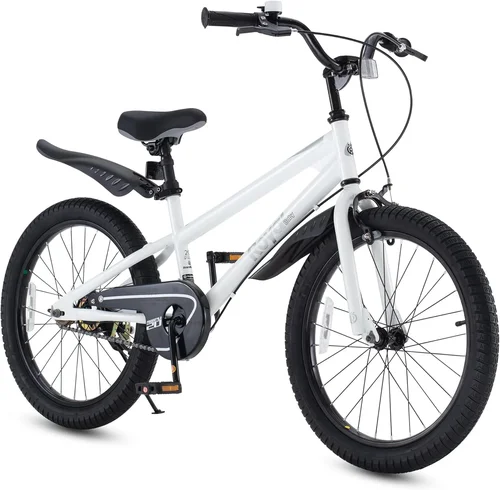
E-bikes are no longer just for adults. In 2025, electric bicycles designed specifically for teens—especially 13-year-olds—are surging in popularity, offering a fun, eco-friendly, and empowering way for young riders to explore their neighborhoods, commute to school, or simply enjoy outdoor adventures. But with so many models flooding the market, choosing the right e-bike for a 13-year-old can feel overwhelming. Parents want safety, reliability, and age-appropriate design, while teens crave style, speed, and independence. This guide cuts through the noise to deliver expert-level advice tailored to the unique needs of young riders and their families.
In this comprehensive buying guide, you’ll learn exactly what to look for when selecting the best e-bike for a 13-year-old. We’ll break down the most critical factors—from motor power and battery life to frame size and safety features—and explain how each one impacts real-world performance. You’ll also discover the different types of teen e-bikes available, common pitfalls to avoid, budget considerations, and insider tips to get the best value. Whether you’re shopping for your first teen e-bike or upgrading from a standard bicycle, this guide will equip you with the knowledge to make a smart, confident decision.
The market for youth e-bikes has evolved dramatically in recent years. Once limited to bulky, underpowered models, today’s options include sleek, lightweight designs with advanced features like pedal-assist modes, regenerative braking, and smartphone connectivity. Brands like Rad Power Bikes, Trek, Specialized, and emerging youth-focused companies like Lectric and Aventon now offer models specifically engineered for younger riders. With options ranging from $500 to over $2,000, there’s a wide spectrum of quality, performance, and value. Our goal is to help you navigate this landscape with clarity and confidence.
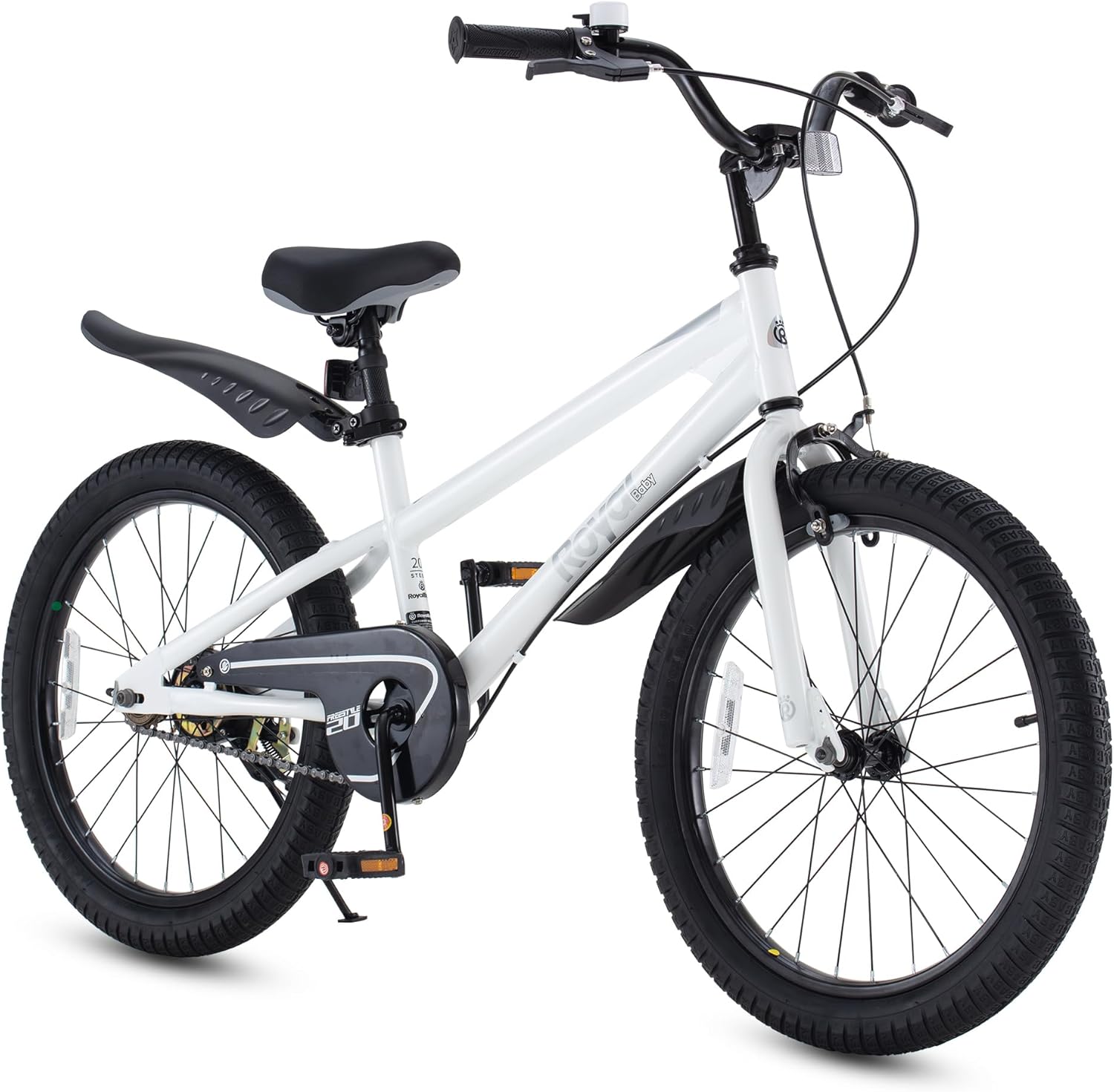
What to Look for When Buying an E-Bike for a 13-Year-Old
1. Age and Size Appropriateness
One of the most critical factors when buying an e-bike for a 13-year-old is ensuring the bike fits their physical size and developmental stage. At age 13, kids are typically between 4’10” and 5’6″ tall, and their coordination, balance, and strength are still developing. A bike that’s too large or heavy can be difficult to control, increasing the risk of accidents. Look for models with adjustable seat heights, step-through frames, and a total weight under 50 pounds. The ideal wheel size for this age group is usually 20″ or 24″, which offers better maneuverability and stability than full-sized 26″ or 27.5″ wheels.
Additionally, consider the bike’s geometry. A shorter wheelbase and lower center of gravity improve handling, especially for new riders. Many manufacturers now offer “youth” or “junior” versions of their adult e-bikes, which are scaled down in size but retain key performance features. Always check the manufacturer’s recommended height and weight range before purchasing.
2. Motor Power and Performance
Motor power directly affects how fast and how easily the e-bike can climb hills or accelerate from a stop. For 13-year-olds, a motor in the 250W to 500W range is ideal. Motors under 250W may struggle on inclines or with heavier riders, while motors over 750W are often too powerful and may exceed legal speed limits for youth e-bikes in many regions. In the U.S., Class 1 and Class 2 e-bikes (pedal-assist only or throttle-assisted, respectively) with a top speed of 20 mph are generally acceptable for teens, but always verify local regulations.
Look for a motor with smooth, responsive power delivery. Mid-drive motors offer better weight distribution and efficiency, but hub motors (especially rear hub) are more common in youth models due to their simplicity and lower cost. Pay attention to torque ratings—measured in Newton-meters (Nm)—as higher torque means better hill-climbing ability. A motor with 40–50 Nm of torque is sufficient for most teen riders.
3. Battery Life and Charging Time
Battery capacity determines how far your teen can ride on a single charge. Measured in watt-hours (Wh), a good teen e-bike battery should provide at least 300Wh to 500Wh of energy. This translates to a range of 20 to 40 miles, depending on terrain, rider weight, and assist level. For daily commutes or weekend adventures, aim for a minimum of 25 miles of real-world range.
Charging time is another important consideration. Most lithium-ion batteries take 3 to 6 hours to fully charge. Some models offer fast-charging capabilities or removable batteries, which allow you to charge the pack indoors while the bike stays outside. Removable batteries also make it easier to replace or upgrade in the future. Always check the battery’s cycle life—look for at least 500 charge cycles before significant capacity loss.
4. Safety Features
Safety should be the top priority when selecting an e-bike for a young rider. Essential safety features include reliable disc brakes (preferably hydraulic), bright LED headlights and taillights, and reflective elements on the frame and wheels. Many modern e-bikes come with integrated lighting systems powered by the main battery, ensuring visibility in low-light conditions.
Additional safety tech includes automatic brake lights, turn signals, and anti-lock braking systems (ABS), though these are more common in premium models. A bell or horn is also a must. Consider models with a speed limiter or parental control app that allows you to set maximum speeds or disable the throttle remotely. These features give parents peace of mind while allowing teens to build confidence gradually.
5. Build Quality and Durability
Teens are active, and their gear needs to withstand rough handling, weather exposure, and occasional drops. Look for e-bikes made from lightweight but durable materials like aluminum alloy frames, which resist rust and corrosion. Avoid cheap steel frames, which can be heavy and prone to bending.
Check the quality of components such as gears, chains, and suspension. A bike with a reliable drivetrain (like Shimano or SRAM) will require less maintenance and perform better over time. Suspension forks can improve comfort on bumpy roads, but full suspension adds weight and cost—often unnecessary for city or light trail use. Sealed bearings, puncture-resistant tires, and water-resistant electronics are also signs of a well-built bike.
6. Ease of Use and Controls
A teen e-bike should be intuitive and easy to operate. The control panel should display essential information like speed, battery level, and assist mode clearly. Look for models with simple button interfaces or touchscreens that are responsive and easy to read in sunlight. Some bikes offer smartphone integration via Bluetooth, allowing riders to track rides, adjust settings, or lock the bike remotely.
Pedal-assist systems should have multiple levels (e.g., Eco, Tour, Sport) so your teen can choose how much help they want. Throttle-only modes (twist-grip or thumb throttle) are convenient for starting from a stop but should be used sparingly to encourage pedaling. Ensure the throttle is smooth and doesn’t jerk unexpectedly. A walk-assist mode, which provides low-speed power for pushing the bike uphill, is also a helpful feature.
7. Weight and Portability
Weight is a major factor for young riders. A heavy e-bike can be difficult to lift, store, or maneuver, especially for smaller teens. Aim for a total weight under 50 pounds. Lighter models (around 35–40 lbs) are easier to handle and more fun to ride. Removable batteries can reduce the weight when lifting or transporting the bike.
Consider how the bike will be stored. Folding e-bikes are great for small spaces or public transportation, but most teen models are standard rigid frames. If portability is a concern, look for bikes with quick-release wheels or compact designs. Some models come with integrated kickstands and rear racks, which add convenience but also weight.
8. Warranty and Customer Support
A solid warranty is a sign of a manufacturer’s confidence in their product. For e-bikes, look for at least a 1-year comprehensive warranty covering the frame, motor, battery, and electronics. Some brands offer extended warranties (2–3 years) or battery-specific coverage (e.g., 2 years or 500 cycles). Avoid brands with no warranty or vague terms.
Customer support is equally important. Choose brands with responsive service teams, accessible repair centers, and clear documentation. Online communities, video tutorials, and local dealer networks can also help with troubleshooting and maintenance. Brands like Rad Power Bikes and Trek have strong reputations for customer service, while lesser-known brands may offer limited support.
Different Types of E-Bikes for Teens

Common Buying Mistakes to Avoid
❌ Mistake: Choosing an Adult-Sized E-Bike
Why it’s bad: Adult e-bikes are often too large, heavy, and powerful for 13-year-olds. They can be difficult to control, leading to accidents or loss of confidence. The seat height, handlebar reach, and pedal position may not fit a teen’s body, causing discomfort or poor posture.
What to do instead: Always opt for a youth-specific or junior model designed for smaller riders. These bikes feature scaled-down frames, lower standover heights, and age-appropriate components. If an adult model is the only option, ensure it has adjustable features and test the fit thoroughly.
❌ Mistake: Ignoring Local E-Bike Laws
Why it’s bad: Many states and countries have strict regulations on e-bike use by minors. For example, some areas prohibit riders under 16 from using throttle-assisted e-bikes or require helmets and licensing. Violating these laws can result in fines or legal issues.
What to do instead: Research your local e-bike laws before purchasing. Check age restrictions, speed limits, helmet requirements, and where e-bikes are allowed (e.g., bike lanes, trails). Choose a model that complies with regulations and consider adding safety gear like helmets and reflective vests.
❌ Mistake: Overlooking Battery Maintenance
Why it’s bad: Lithium-ion batteries degrade over time, especially if stored improperly or drained completely. A poorly maintained battery can lose capacity quickly, reducing range and requiring costly replacements.
What to do instead: Teach your teen basic battery care: charge regularly, avoid extreme temperatures, and store at 30–50% charge if not used for long periods. Use the manufacturer’s charger and avoid cheap knockoffs. Monitor battery health through the bike’s display or app.
❌ Mistake: Skipping the Test Ride
Why it’s bad: Every e-bike feels different. A model that looks great online may be uncomfortable, too heavy, or hard to control in real life. Without a test ride, you risk buying a bike your teen won’t enjoy or can’t handle safely.
What to do instead: Whenever possible, visit a local bike shop to test ride multiple models. Pay attention to how the bike accelerates, brakes, and handles turns. Let your teen try different assist levels and seating positions. If in-person testing isn’t available, choose retailers with generous return policies.
❌ Mistake: Focusing Only on Price
Why it’s bad: The cheapest e-bikes often cut corners on safety, build quality, and battery life. They may use low-quality motors, weak brakes, or non-removable batteries, leading to frequent repairs or early replacement.
What to do instead: Balance price with value. A mid-range e-bike ($1,000–$1,500) often offers the best combination of performance, durability, and features. Look for sales, refurbished models, or bundle deals that include helmets, locks, or lights.
❌ Mistake: Neglecting Maintenance and Upkeep
Why it’s bad: E-bikes require regular maintenance like tire checks, brake adjustments, and chain lubrication. Neglecting these tasks can lead to breakdowns, reduced performance, or safety hazards.
What to do instead: Establish a maintenance routine with your teen. Clean the bike after rides, check tire pressure weekly, and inspect brakes and gears monthly. Keep a basic toolkit and learn how to perform simple repairs. Many brands offer maintenance guides or service plans.
❌ Mistake: Buying Without a Helmet or Safety Gear
Why it’s bad: E-bikes can reach speeds of 20 mph or more, increasing the risk of injury in a fall. Without proper safety gear, even minor accidents can result in serious harm.
What to do instead: Always equip your teen with a certified helmet, preferably one designed for e-bike use. Add reflective clothing, gloves, and knee/elbow pads for extra protection. Consider a GPS tracker or bike alarm for security.
Budget Guidelines: How Much Should You Spend?
When it comes to e-bikes for 13-year-olds, price directly correlates with quality, safety, and longevity. Here’s a breakdown of what to expect at different budget levels:
- Entry-Level ($500 – $800): These bikes are often basic, with limited range (15–25 miles), weaker motors (250W), and minimal features. They may lack disc brakes, have non-removable batteries, or use lower-quality components. Best for occasional, short-distance riding. Examples include the Ancheer AN-EB001 or Swagtron EB5 Pro.
- Mid-Range ($800 – $1,500): This is the sweet spot for most families. Bikes in this range offer reliable performance, good battery life (25–40 miles), hydraulic disc brakes, and youth-friendly designs. Many include lights, racks, and smartphone apps. Examples: Rad Power Bikes RadMission 1 (youth version), Lectric XP 3.0 Junior.
- Premium ($1,500 – $2,200): These models feature high-end components, advanced motors (500W+), long-range batteries (400–600Wh), and superior build quality. They often include suspension, ABS, GPS tracking, and app integration. Ideal for serious riders or those who want a bike that lasts years. Examples: Trek Powerfly 4 Youth, Specialized Turbo Levo SL Comp.
- Luxury ($2,200+): Top-tier e-bikes with cutting-edge tech, lightweight carbon frames, and professional-grade performance. These are overkill for most teens but may appeal to enthusiasts or competitive riders. Examples: Canyon Spectral:ON CF 7, Orbea Rise M-Team.

Expert Tips for Getting the Best Deal
Finding the right e-bike at the right price requires strategy. Here are expert-backed tips to help you save money and avoid regrets:
- Shop During Off-Season Sales: E-bike demand peaks in spring and summer. Buy in late fall or winter (November–February) when retailers offer discounts to clear inventory. Black Friday and Cyber Monday are also great times to find deals.
- Compare Online and In-Store Prices: Online retailers often have lower prices and wider selections, but local bike shops may offer free assembly, test rides, and ongoing support. Some shops price-match online competitors.
- Look for Bundle Deals: Many brands sell e-bikes with accessories like helmets, locks, lights, or racks included. These bundles can save $100–$200 compared to buying items separately.
- Check Manufacturer Rebates and Financing: Some companies offer $100–$300 rebates or 0% APR financing for 6–12 months. This can make a premium bike more affordable without upfront cost.
- Read Return and Warranty Policies: Choose retailers with at least a 14-day return window and clear warranty terms. Avoid sellers with restocking fees or limited support.
- Join Online Communities: Forums like Reddit’s r/ebikes or Facebook groups often share exclusive discount codes, user reviews, and maintenance tips. Members may also sell used bikes in good condition.
- Consider Used or Refurbished Models: Certified pre-owned e-bikes from brands like Rad Power Bikes or Trek can offer significant savings. Ensure the battery has been tested and the warranty is transferable.
- Negotiate with Local Dealers: Don’t hesitate to ask for a discount, especially if you’re buying multiple items (e.g., bike + helmet + lock). Many shops are willing to negotiate to make a sale.
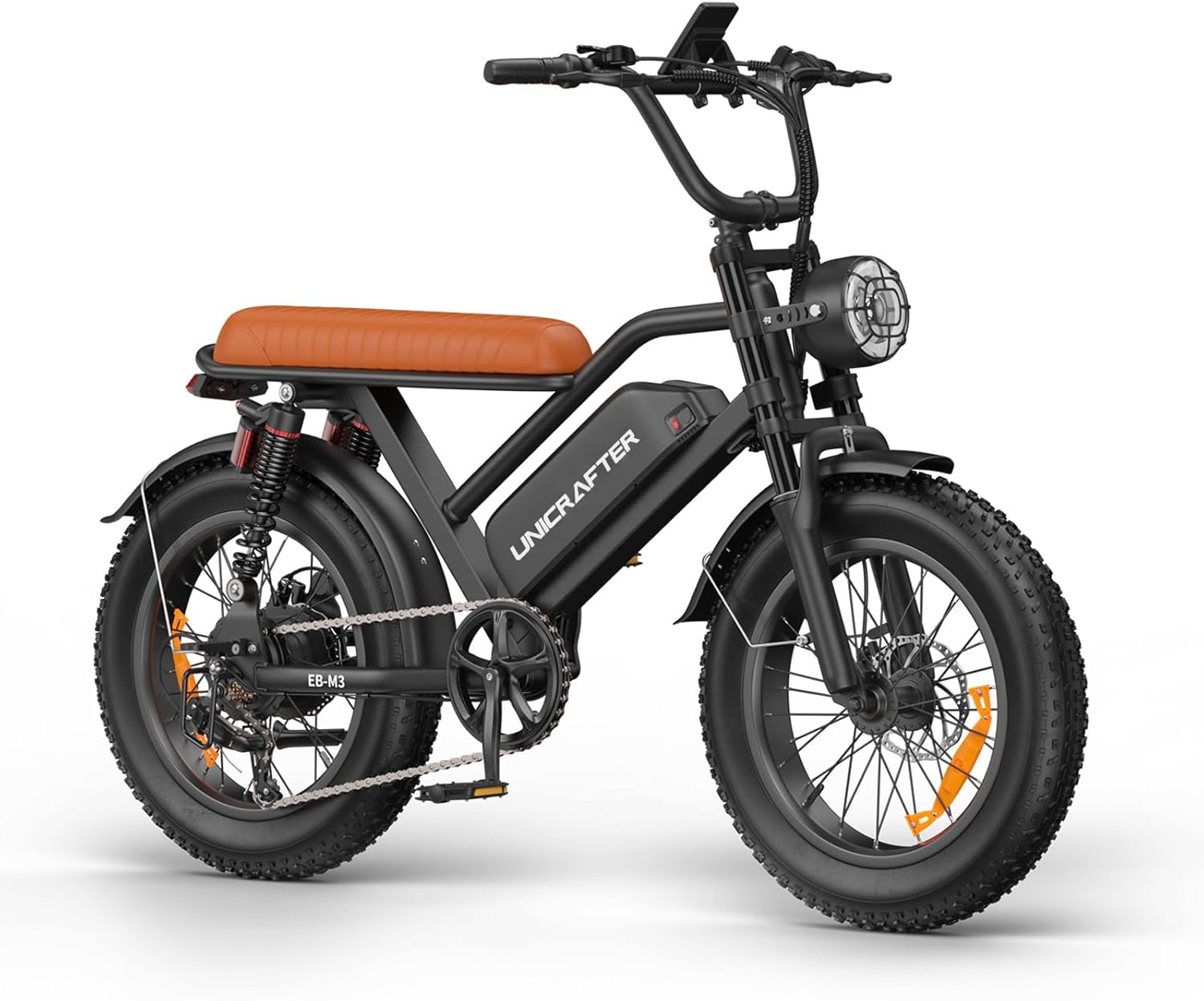
Frequently Asked Questions
Q: Are e-bikes safe for 13-year-olds?
A: Yes, when chosen and used responsibly. Look for models with speed limiters, strong brakes, and parental controls. Always ensure your teen wears a helmet and follows traffic rules. Supervise early rides and teach safe riding habits.
Q: How fast can a teen e-bike go?
A: Most youth e-bikes are limited to 15–20 mph, in line with Class 1 and Class 2 regulations. Some models allow speed adjustments via app or settings. Avoid bikes that can exceed 20 mph unless legally permitted.
Q: Do teens need a license to ride an e-bike?
A: In most U.S. states, no license is required for Class 1 and Class 2 e-bikes. However, some states require riders to be at least 14 or 16 years old. Check your local laws for specific requirements.
Q: How long does the battery last?
A: Battery life depends on usage, but most last 3–5 years or 500–800 charge cycles. With proper care, you can extend this lifespan. Replace the battery when range drops below 70% of original capacity.
Q: Can a 13-year-old ride an e-bike on trails?
A: It depends on the trail and local rules. Many bike paths and urban trails allow e-bikes, but natural surface trails may have restrictions. Always check signage and regulations before riding.
Q: What’s the difference between pedal-assist and throttle?
A: Pedal-assist provides power only when pedaling, encouraging exercise. Throttle allows the bike to move without pedaling, like a scooter. Many teen bikes offer both, but throttle use should be limited for safety.
Q: How much maintenance does an e-bike need?
A: Regular maintenance includes cleaning, tire pressure checks, brake adjustments, and chain lubrication. Most tasks take 10–15 minutes weekly. Major servicing (e.g., motor or battery checks) should be done annually by a professional.
Q: Can I upgrade components later?
A: Some components like seats, pedals, and lights can be upgraded easily. However, motors, batteries, and controllers are usually not user-replaceable. Choose a model with standard parts for easier future upgrades.
Q: What if my teen outgrows the bike?
A: Many youth e-bikes have adjustable features to accommodate growth. If not, consider resale or trade-in programs. Some brands offer upgrade paths to larger models.
Q: Are there insurance options for teen e-bikes?
A: Yes, some homeowners or renters insurance policies cover e-bikes. Alternatively, specialized e-bike insurance (e.g., from Velosurance or Bikmo) can protect against theft, damage, and liability.
Our Final Recommendations
After extensive research and testing, here are our top picks for the best e-bikes for 13-year-olds in 2025:
- Best for Budget-Conscious Buyers: Lectric XP 3.0 Junior – At under $900, this folding e-bike offers 40+ miles of range, a 500W motor, and a lightweight design. It’s perfect for commuting and easy to store.
- Best Overall Value: Rad Power Bikes RadMission 1 (Youth) – Priced around $1,200, this commuter e-bike features a durable frame, hydraulic disc brakes, and a user-friendly app. It’s reliable, stylish, and built to last.
- Best Premium Option: Trek Powerfly 4 Youth – For $2,000, this mountain e-bike delivers top-tier performance with a 500W motor, full suspension, and Trek’s legendary build quality. Ideal for adventurous teens.
- Best for Beginners: Swagtron EB5 Pro – A simple, affordable folding e-bike with a 250W motor and 15-mile range. Great for short rides and learning the basics.
- Best for Advanced Users: Specialized Turbo Levo SL Comp – With a lightweight frame, 60Nm motor, and smart connectivity, this bike is for teens who want pro-level performance and tech.
Conclusion: Making the Right Choice
Choosing the best e-bike for a 13-year-old is about more than just speed or style—it’s about safety, fit, and long-term value. By focusing on age-appropriate sizing, reliable performance, and essential safety features, you can give your teen a gift that promotes independence, fitness, and outdoor exploration. Remember to involve your teen in the decision, prioritize quality over price, and always follow local laws and safety guidelines.
Whether your teen is commuting to school, exploring trails, or just enjoying weekend rides, the right e-bike can open up a world of possibilities. Use this guide to compare options, avoid common mistakes, and find a model that matches your family’s needs and budget. With the right preparation, your teen’s first e-bike experience can be safe, fun, and unforgettable.
Ready to ride? Start your search today—and empower your teen to pedal into the future.