[FEATURED_IMAGE_PLACEGOER]
Electric bikes—or e-bikes—have surged in popularity over the past few years, and for good reason. They offer a fun, eco-friendly, and efficient way to get around, especially for teenagers who are looking for independence, mobility, and a little adventure. Whether it’s commuting to school, cruising through the neighborhood with friends, or exploring local trails, an e-bike can be a game-changer for a teen’s lifestyle. But with so many models flooding the market in 2026, choosing the right one can feel overwhelming. That’s where this guide comes in.
This comprehensive buying guide is designed specifically for parents, guardians, and teens who want to make a smart, informed decision when purchasing an e-bike. We’ll walk you through everything you need to know—from performance specs and safety features to budget considerations and brand reliability. You’ll learn how to evaluate different models, avoid common pitfalls, and find the perfect e-bike that matches your teen’s needs, riding style, and budget. By the end of this article, you’ll have the confidence to choose an e-bike that’s not only safe and durable but also exciting and practical for everyday use.
The e-bike market in 2026 is more diverse than ever, with options ranging from lightweight commuter models to rugged off-road machines. Teenagers, in particular, have unique requirements: they need bikes that are easy to handle, safe, and stylish, while also being affordable enough for most family budgets. Whether your teen is a beginner or already has some cycling experience, there’s an e-bike out there that fits. This guide will help you navigate the noise and find the best match—so your teen can ride with confidence, comfort, and joy.
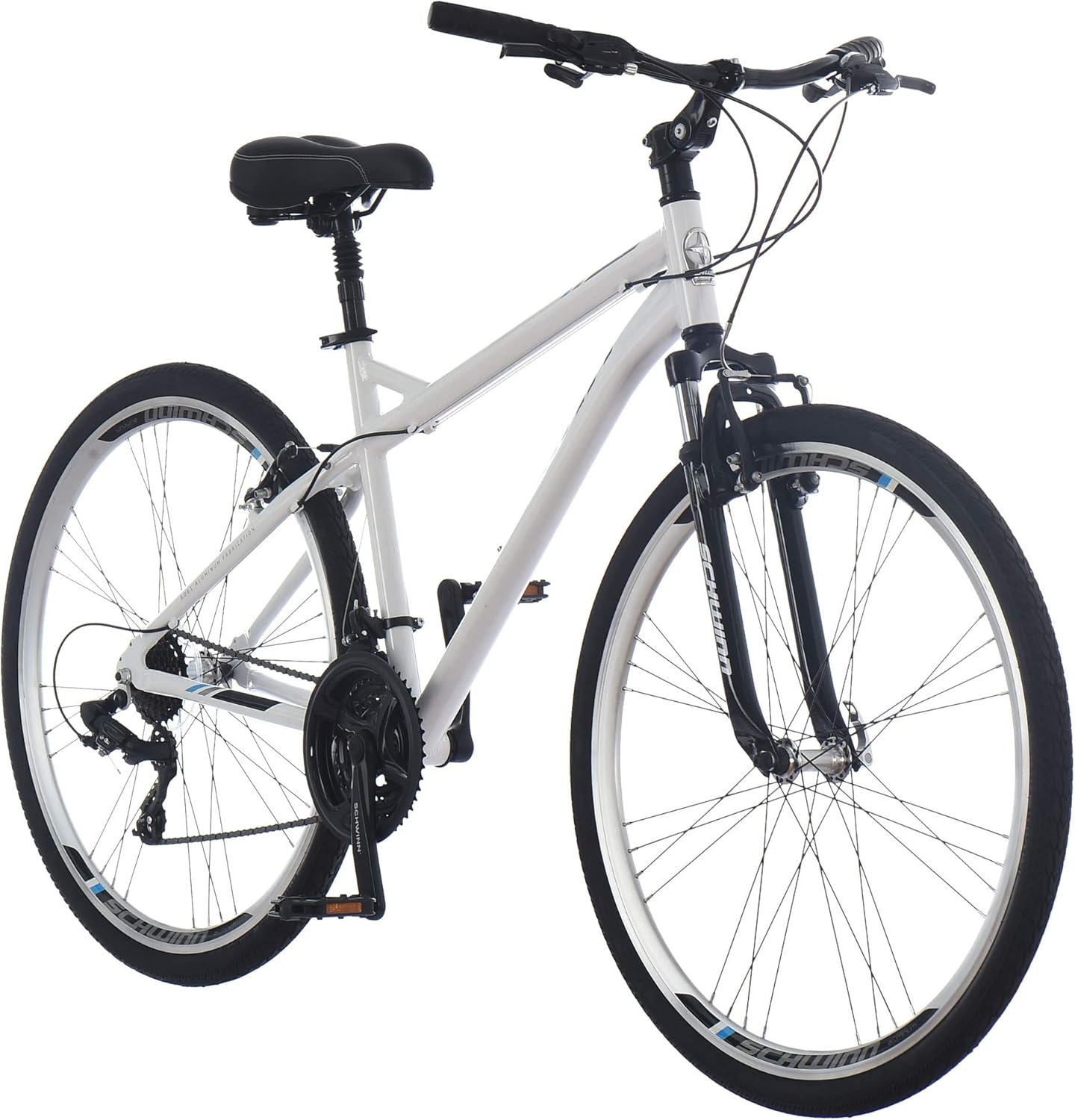
What to Look for When Buying an E-Bike for Teenagers
1. Budget & Price Range
When shopping for an e-bike for a teenager, the first and most important factor to consider is your budget. E-bikes can range from under $500 to well over $3,000, and while it’s tempting to go for the cheapest option, doing so can lead to disappointment down the road. A low-cost e-bike might save you money upfront, but it could lack essential safety features, have a weak motor, or use low-quality components that wear out quickly.
For most families, a budget between $800 and $1,500 strikes the right balance between affordability and quality. In this range, you’ll find e-bikes with reliable motors, decent battery life, and solid build quality—perfect for a teen’s daily use. If you can stretch your budget to $2,000 or more, you’ll unlock premium features like advanced suspension, higher top speeds, and longer-range batteries. However, unless your teen is an avid rider or plans to use the bike for long commutes, a mid-range model is usually sufficient.
It’s also worth considering long-term costs. Cheaper e-bikes may require more frequent repairs or battery replacements, which can add up over time. Investing in a slightly more expensive model from a reputable brand often pays off in durability and lower maintenance costs. Additionally, look for models that include a warranty—this can save you hundreds in unexpected repair bills.
2. Performance Specifications
Performance is where many e-bikes differ significantly, and it’s crucial to match the bike’s capabilities to your teen’s needs. The two main components to evaluate are the motor and the battery.
The motor is the heart of the e-bike. Most teen-friendly models come with a hub motor (located in the front or rear wheel) or a mid-drive motor (mounted near the pedals). Hub motors are simpler and more affordable, making them ideal for casual riders. Mid-drive motors offer better balance and efficiency, especially on hills, but they’re typically found on higher-end models. For most teenagers, a 250W to 500W motor is more than enough. This range provides a good balance of power and speed without being overwhelming.
Battery capacity is measured in watt-hours (Wh), and it directly affects how far the bike can go on a single charge. A battery with 300–400Wh is suitable for short commutes (10–20 miles), while 500Wh or higher is better for longer rides. Look for lithium-ion batteries, as they’re lighter, last longer, and charge faster than older battery types. Also, check the charging time—most batteries take 3–6 hours to fully charge, which is manageable for daily use.
Speed is another key factor. In the U.S., e-bikes are classified into three categories based on speed and pedal assistance. Class 1 e-bikes provide pedal assist up to 20 mph, Class 2 includes a throttle and also caps at 20 mph, and Class 3 offers pedal assist up to 28 mph. For teenagers, a Class 1 or Class 2 e-bike is usually the safest and most appropriate choice, especially if they’re new to riding or will be using bike lanes and shared paths.
3. Build Quality & Durability
Teenagers are active, and their gear needs to keep up. An e-bike that looks great but falls apart after a few months isn’t worth the investment. Build quality starts with the frame material. Aluminum alloy is the most common choice for teen e-bikes because it’s lightweight, rust-resistant, and strong enough to handle daily wear and tear. Avoid steel frames unless you’re looking for a heavy-duty model—they’re durable but can be too heavy for younger riders.
Pay attention to the welds and overall construction. A well-built bike will have clean, smooth welds and no loose parts. Check the handlebars, seat post, and pedals to ensure they’re securely attached. Also, look for features like reinforced forks and sturdy wheels, which are essential for handling bumps and rough surfaces.
Suspension is another aspect of durability. While full suspension systems are common on mountain e-bikes, most teen commuter models come with front suspension only. This is usually sufficient for city riding and light trails. However, if your teen plans to ride on rough terrain, consider a model with both front and rear suspension for better shock absorption.
Finally, consider the weight of the bike. Most e-bikes weigh between 40 and 60 pounds, which can be challenging for a teenager to lift or carry upstairs. Look for models under 50 pounds if portability is a concern. Some brands offer lightweight designs specifically for younger riders, so keep an eye out for those.
4. Features & Functionality
Modern e-bikes come packed with features that can enhance safety, convenience, and enjoyment. For teenagers, some features are more important than others.
First, lighting is essential. A built-in front headlight and rear taillight improve visibility during early morning or evening rides. Look for LED lights, which are bright, energy-efficient, and long-lasting. Some models even include brake-activated lights, which automatically flash when the rider slows down.
A digital display is another valuable feature. It shows real-time information like speed, battery level, distance traveled, and assist mode. This helps teens monitor their ride and avoid running out of battery unexpectedly. Some displays are backlit for nighttime use, which is a nice bonus.
Pedal assist levels allow riders to choose how much help they want from the motor. Most e-bikes offer 3 to 5 levels, from eco (minimal assistance) to turbo (maximum power). This flexibility is great for teens who want to build their stamina or tackle hills without overexerting themselves.
Other useful features include:
– USB charging ports for phones or devices
– Integrated locks or lock compatibility
– Fenders to protect against mud and water
– Rear racks for carrying backpacks or groceries
While these extras aren’t deal-breakers, they can significantly improve the overall riding experience. Just be careful not to get swayed by flashy features that your teen won’t actually use. Focus on functionality that aligns with their daily routine.
5. Brand Reputation
Not all e-bike brands are created equal. Some have built a strong reputation for quality, innovation, and customer service, while others prioritize low prices over reliability. When buying an e-bike for a teenager, it’s wise to stick with established brands that have a track record of producing safe, durable products.
Look for brands that specialize in e-bikes or have a long history in the cycling industry. Companies like Rad Power Bikes, Trek, Specialized, and Aventon are known for their commitment to quality and innovation. They often invest in research and development, resulting in better-performing and more reliable bikes.
Customer reviews and ratings are a great way to gauge a brand’s reputation. Check platforms like Amazon, Google Reviews, and cycling forums to see what real users are saying. Pay attention to comments about customer service, warranty claims, and long-term durability. A brand that stands behind its products with responsive support is worth the extra cost.
Also, consider where the bike is manufactured. While many components are made in China, some brands assemble their bikes in the U.S. or Europe, which can mean better quality control and faster shipping. This isn’t a deal-breaker, but it’s something to keep in mind if you’re comparing similar models.
6. Warranty & Support
A good warranty can be a lifesaver when things go wrong. E-bikes have complex electrical systems, and even the best models can develop issues over time. That’s why it’s important to choose a bike with a comprehensive warranty that covers both the frame and the electrical components.
Most reputable brands offer a 1- to 2-year warranty on the motor and battery, and a 2- to 5-year warranty on the frame. Some even provide lifetime frame warranties, which is a strong indicator of confidence in their product. Make sure the warranty is transferable and includes coverage for manufacturing defects, not just normal wear and tear.
Customer support is just as important as the warranty itself. If your teen’s e-bike breaks down, you’ll want a company that responds quickly and offers helpful solutions. Look for brands with dedicated support teams, online troubleshooting guides, and local service centers. Some companies even offer free maintenance checks or discounted repairs for the first year.
Before making a purchase, read the warranty terms carefully. Some warranties require regular maintenance or professional assembly to remain valid. Others may exclude certain types of damage, like water exposure or improper use. Understanding these details upfront can save you headaches later.
7. Size & Portability
An e-bike that’s too big or too small can be uncomfortable and even dangerous to ride. Proper sizing is essential for control, stability, and safety. Most e-bikes come in standard frame sizes (small, medium, large), but it’s important to match the size to your teen’s height and inseam.
For teenagers, a medium frame (typically for riders 5’4″ to 5’10”) is the most common fit. However, some brands offer youth-specific models with smaller frames and lower standover heights, which are ideal for younger or shorter riders. Always check the manufacturer’s size chart and, if possible, have your teen test ride the bike before buying.
Portability is another consideration, especially if your teen needs to carry the bike up stairs or store it in a small space. Folding e-bikes are a great option for this, as they can be collapsed and stored in a closet or car trunk. However, they’re often heavier and more expensive than standard models, so weigh the trade-offs carefully.
If portability isn’t a major concern, focus on a bike with a step-through frame. These designs make it easier to mount and dismount, which is helpful for teens wearing backpacks or school clothes. They’re also more accessible for riders with limited flexibility.
8. User Reviews & Ratings
One of the best ways to evaluate an e-bike is by reading reviews from real users. While manufacturer specs and marketing materials can be helpful, they don’t always tell the whole story. User reviews provide honest, real-world insights into how a bike performs over time.
Look for reviews that mention specific aspects like battery life, comfort, ease of assembly, and reliability. Pay attention to recurring complaints—if multiple users report the same issue, it’s likely a genuine problem. On the flip side, consistent praise for certain features (like smooth acceleration or great customer service) can help confirm a bike’s strengths.
Be cautious of overly positive or suspiciously negative reviews. Some may be fake or biased. Instead, focus on detailed, balanced reviews that include both pros and cons. Platforms like YouTube are also valuable, as video reviews allow you to see the bike in action and hear the motor sound.
Finally, consider the overall rating. A bike with a 4.5-star average and hundreds of reviews is generally a safer bet than one with a 5-star rating and only a few reviews. Quantity and consistency matter when it comes to user feedback.
Different Types of E-Bikes for Teenagers

Common Buying Mistakes to Avoid
❌ Mistake: Prioritizing Price Over Quality
Why it’s bad: Choosing the cheapest e-bike available often leads to disappointment. Low-cost models may use weak motors, poor-quality batteries, or flimsy frames that wear out quickly. They may also lack essential safety features like lights or reliable brakes.
What to do instead: Set a realistic budget and focus on value, not just price. Look for models that offer the best balance of performance, durability, and features within your price range. A slightly higher upfront cost can save you money in the long run.
❌ Mistake: Ignoring Safety Features
Why it’s bad: Safety should be the top priority when buying an e-bike for a teenager. Skipping features like lights, reflectors, or quality brakes can put your teen at risk, especially when riding in traffic or low-light conditions.
What to do instead: Always choose a bike with built-in lighting, reliable disc brakes, and reflective elements. Consider adding a helmet, bell, and rearview mirror for extra protection.
❌ Mistake: Buying the Wrong Size
Why it’s bad: An ill-fitting e-bike can be uncomfortable and hard to control, increasing the risk of accidents. A bike that’s too big can be intimidating, while one that’s too small may limit growth and performance.
What to do instead: Use the manufacturer’s size guide and, if possible, have your teen test ride the bike. Pay attention to standover height, reach, and seat adjustability.
❌ Mistake: Overlooking Warranty and Support
Why it’s bad: E-bikes are complex machines, and issues can arise. Without a solid warranty or reliable customer support, you could be stuck with expensive repairs or no help at all.
What to do instead: Choose a brand with a strong warranty and positive customer service reviews. Read the fine print and understand what’s covered.
❌ Mistake: Not Considering Local Laws
Why it’s bad: E-bike regulations vary by state and city. Some areas restrict speed, require helmets, or limit where e-bikes can be ridden. Ignoring these rules can lead to fines or legal trouble.
What to do instead: Research local laws before buying. Make sure the bike complies with speed and classification rules in your area.
❌ Mistake: Skipping the Test Ride
Why it’s bad: You can’t judge comfort, handling, or fit from specs alone. A bike that looks good on paper might feel awkward or unstable in real life.
What to do instead: Always test ride the bike if possible. Pay attention to how it feels on different surfaces and whether the controls are easy to use.
Budget Guidelines: How Much Should You Spend?
– Entry-Level ($500–$800): These bikes are best for occasional use or short rides. Expect basic motors, limited battery life, and minimal features. Ideal for teens who ride infrequently or on flat terrain.
– Mid-Range ($800–$1,500): This is the sweet spot for most families. You’ll find reliable motors, decent battery life, and useful features like lights and displays. Great for daily commuting and regular use.
– Premium ($1,500–$2,500): For teens who ride frequently or want more performance. These bikes offer better components, longer range, and advanced features like suspension and app connectivity.
– Luxury ($2,500+): Top-tier models with cutting-edge technology, premium materials, and professional-grade performance. Best for serious riders or those who want the best of the best.
Expert Tips for Getting the Best Deal
– Buy during off-seasons: Prices often drop in late fall and winter when demand is lower.
– Shop at local bike shops: They may offer free assembly, maintenance, and test rides.
– Look for bundle deals: Some retailers include helmets, locks, or lights with purchase.
– Check for student discounts: A few brands offer discounts for students with a valid ID.
– Read return policies: Make sure you can return or exchange the bike if it doesn’t fit.
– Compare online and in-store prices: Sometimes online deals are better, but in-store support is valuable.
– Ask about trade-in programs: Some shops accept old bikes as credit toward a new one.

Frequently Asked Questions
Q: Are e-bikes safe for teenagers?
A: Yes, when used responsibly and with proper safety gear. Choose a Class 1 or Class 2 e-bike, ensure your teen wears a helmet, and teach them traffic rules and safe riding habits.
Q: How fast can a teen e-bike go?
A: Most teen-friendly e-bikes are limited to 20 mph, which is safe for city riding and bike lanes. Some models can reach 28 mph, but these are better suited for experienced riders.
Q: Do teens need a license to ride an e-bike?
A: In most U.S. states, no license is required for Class 1 and Class 2 e-bikes. However, age restrictions and helmet laws vary, so check local regulations.
Q: How long does the battery last?
A: Battery life depends on usage, terrain, and assist level. Most batteries last 20–50 miles per charge. With proper care, a lithium-ion battery can last 3–5 years.
Q: Can a teen ride an e-bike in the rain?
A: Most e-bikes are water-resistant but not waterproof. Avoid deep puddles and heavy rain. Dry the bike after wet rides to prevent corrosion.
Q: How much maintenance do e-bikes require?
A: Regular maintenance includes checking tire pressure, cleaning the chain, and inspecting brakes. Most teens can handle basic upkeep with minimal guidance.
Q: Can I upgrade the battery later?
A: Some brands offer higher-capacity batteries as upgrades, but compatibility varies. Check with the manufacturer before purchasing.
Q: Are e-bikes eco-friendly?
A: Yes, e-bikes produce zero emissions and use far less energy than cars. They’re a sustainable alternative for short trips.
Our Final Recommendations
– Best for Budget-Conscious Buyers: Aventon Pace 350 – Affordable, reliable, and stylish with a 350W motor and 40-mile range.
– Best Overall Value: Rad Power Bikes RadCity 5 – Excellent performance, great features, and strong customer support.
– Best Premium Option: Trek Verve+ 3 – High-quality build, smooth ride, and advanced components.
– Best for Beginners: Lectric XP Lite – Lightweight, easy to use, and perfect for first-time riders.
– Best for Advanced Users: Specialized Turbo Vado SL – Lightweight, powerful, and packed with smart features.
Conclusion: Making the Right Choice
Choosing the best e-bike for your teenager is about more than just picking a cool-looking bike—it’s about finding a safe, reliable, and enjoyable mode of transportation that fits their lifestyle and your budget. By considering factors like performance, build quality, safety features, and brand reputation, you can make a decision that will serve your teen well for years to come.
Remember, the right e-bike isn’t necessarily the most expensive or the flashiest. It’s the one that matches your teen’s needs, encourages responsible riding, and brings them joy every time they hop on. Take your time, do your research, and don’t hesitate to ask questions. With the right information and a little patience, you’ll find the perfect e-bike that your teen will love—and that you’ll feel good about buying.
Now that you’re equipped with expert knowledge, it’s time to start shopping. Whether you’re looking for a daily commuter, a weekend adventurer, or a first-time rider’s dream bike, there’s an e-bike out there that’s just right. Happy riding!