
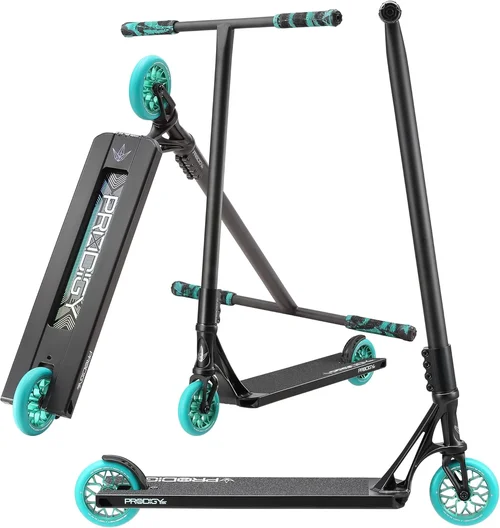
Electric scooters have evolved from niche urban curiosities into serious transportation solutions for millions of commuters worldwide. As cities grow denser and traffic congestion worsens, the demand for efficient, eco-friendly, and affordable personal mobility has never been higher. In 2026, the commuter scooter market is more competitive and technologically advanced than ever—offering everything from ultra-lightweight folding models perfect for subway transfers to high-performance machines capable of tackling hilly commutes with ease. Whether you’re a student navigating campus, a professional dodging rush-hour gridlock, or someone simply looking to reduce their carbon footprint, choosing the right scooter can dramatically improve your daily routine.
This comprehensive buying guide is designed to cut through the noise and help you make an informed decision tailored to your specific needs. We’ll walk you through every critical factor—from budget and performance specs to build quality, portability, and after-sales support—so you don’t end up with a scooter that’s either overkill for your needs or disappointingly underpowered. You’ll also learn how to avoid common pitfalls, understand different scooter categories, and discover expert tips for getting the best value in 2026. By the end, you’ll have a clear roadmap to select a commuter scooter that’s not just trendy, but truly functional, reliable, and built to last.
The market today offers an overwhelming array of options, with brands like Gotrax, Xiaomi, Segway-Ninebot, Apollo, and Unagi leading the charge. Prices range from under $300 for basic entry-level models to over $2,000 for premium, feature-rich machines. Features such as regenerative braking, app connectivity, suspension systems, and swappable batteries are now commonplace even in mid-tier models. However, not all scooters are created equal—and what works for a short downtown commute may be completely unsuitable for a 10-mile suburban trek. This guide will equip you with the knowledge to match your lifestyle, terrain, and budget with the ideal scooter.

What to Look for When Buying Gotrax
1. Budget & Price Range
Your budget is the single most important starting point when shopping for a commuter scooter. In 2026, prices vary widely based on performance, build quality, and features. Entry-level models typically start around $250–$400, while mid-range scooters fall between $500–$900. Premium models with advanced motors, long-range batteries, and robust frames often cost $1,000–$1,800, and luxury or performance-oriented scooters can exceed $2,000.
It’s tempting to go for the cheapest option, but remember: a scooter is an investment in your daily convenience and safety. A $300 model might save you money upfront but could lack essential features like reliable brakes, decent suspension, or sufficient range—leading to frustration or even accidents. Conversely, spending $2,000 on a scooter you only use for short trips is unnecessary. Aim to balance cost with value: look for scooters that offer the best combination of durability, performance, and features within your price bracket.
2. Performance Specifications
Performance determines how well your scooter handles real-world commuting conditions. Key specs include motor power (measured in watts), top speed, range per charge, and hill-climbing ability. For city commuting, a motor between 250W and 500W is usually sufficient for flat terrain and light inclines. If you live in a hilly area or carry a backpack regularly, consider a 600W–800W motor for better torque and acceleration.
Top speed matters too—most commuter scooters max out between 15–20 mph (24–32 km/h). While faster sounds better, higher speeds often come at the expense of battery life and safety. Range is equally critical: a scooter claiming “20 miles” may only deliver 12–15 miles under real-world conditions (with stops, starts, and wind resistance). Always check independent reviews for verified range tests rather than relying solely on manufacturer claims.
Hill grade capability is another often-overlooked spec. A scooter rated for 15% grade can handle moderate hills, but anything steeper may cause it to slow dramatically or stall. If your route includes bridges or steep streets, prioritize scooters with strong motors and good weight distribution.
3. Build Quality & Durability
A scooter’s build quality directly impacts its lifespan, safety, and ride comfort. Look for frames made from aircraft-grade aluminum or reinforced steel—these materials offer strength without excessive weight. Avoid flimsy plastics or thin-gauge metals that can bend or crack under stress.
Check the deck size and grip: a wider, non-slip deck provides better stability, especially in wet conditions. Handlebar construction should feel solid, with minimal wobble when locked in place. Foldable models should have secure locking mechanisms—test them if possible—to prevent accidental collapse while riding.
Tires also play a major role in durability. Solid rubber tires are puncture-proof and low-maintenance but offer a harsher ride. Pneumatic (air-filled) tires provide superior shock absorption and grip but require occasional inflation and are prone to flats. Hybrid or honeycomb tires are a growing middle ground, offering decent comfort with reduced maintenance.
4. Features & Functionality
Modern commuter scooters come packed with features that enhance convenience, safety, and usability. Essential features include bright LED headlights and taillights (with brake-activated flashing), a clear digital display showing speed, battery level, and mode, and responsive electronic or disc brakes.
Regenerative braking—which recaptures energy during deceleration—can extend range by 5–10%, especially in stop-and-go traffic. Suspension systems (front, rear, or dual) significantly improve comfort on uneven pavement or potholes. If you ride in rain or damp conditions, look for IP54 or higher water resistance ratings.
Connectivity features like Bluetooth app integration allow you to track rides, lock the scooter remotely, adjust speed limits, and receive firmware updates. Some models even offer GPS tracking and anti-theft alarms—useful in high-theft urban areas. USB charging ports let you power your phone on the go, a small but handy perk for long commutes.
Consider ease of use: intuitive controls, quick-fold mechanisms, and lightweight designs make daily use smoother. Avoid overly complex interfaces or scooters that require multiple steps to start or fold.
5. Brand Reputation
Not all scooter brands are equal in terms of reliability, customer service, and innovation. Established brands like Gotrax, Xiaomi, and Segway-Ninebot have proven track records, extensive service networks, and consistent product quality. Newer or lesser-known brands may offer attractive prices but often lack long-term support or spare parts availability.
Research brand reputation by reading user forums, checking Better Business Bureau ratings, and looking at warranty fulfillment history. A brand that honors its warranty promptly and provides accessible customer support is worth paying a slight premium for. Also, consider how long the company has been in business—startups may disappear, leaving you stranded without repairs or replacements.
Gotrax, for example, has built a strong reputation for offering reliable, affordable scooters with decent customer service, especially in North America. Their models are widely available, well-documented, and supported by a network of authorized repair centers—a major advantage over obscure brands with no local presence.
6. Warranty & Support
A solid warranty is a strong indicator of a manufacturer’s confidence in their product. Most reputable brands offer at least a 12-month limited warranty covering defects in materials and workmanship. Premium brands may extend this to 18 or even 24 months. Pay attention to what’s covered: some warranties exclude batteries, tires, or wear-and-tear parts, which can be costly to replace.
Customer support quality matters just as much as warranty length. Can you reach a human quickly? Are replacement parts readily available? Do they offer repair guides or video tutorials? Brands with responsive support teams and transparent policies save you time and frustration down the line.
Before buying, check the warranty terms on the manufacturer’s website. Avoid sellers who don’t clearly state warranty coverage or require you to register the product within a narrow window to qualify.
7. Size & Portability
If your commute involves public transit, stairs, or tight storage spaces, portability is crucial. Folding scooters should weigh under 30 lbs (13.6 kg) for comfortable carrying. Models under 25 lbs are ideal for frequent lifting. Check folded dimensions—some scooters are compact when folded but still bulky due to handlebar width or wheel size.
Look for scooters with one-step folding mechanisms that lock securely. Some include built-in carrying handles or shoulder straps for easier transport. If you plan to store your scooter under a desk or in a car trunk, measure the space first and compare it to the scooter’s folded size.
Wheel size affects both portability and ride quality. Smaller wheels (6–8 inches) make scooters lighter and more compact but struggle with cracks and bumps. Larger wheels (10+ inches) offer a smoother ride and better stability but add weight and bulk. Choose based on your priority: convenience or comfort.
8. User Reviews & Ratings
Never rely solely on manufacturer specs or marketing claims. Real-world user reviews provide invaluable insights into reliability, comfort, and hidden flaws. Look for detailed reviews on trusted platforms like Amazon, Reddit (r/scooters), or specialized review sites like Electric Scooter Insider or ScooterGrid.
Pay attention to recurring themes: if multiple users report the same issue—like battery degradation after six months or loose handlebars—it’s likely a design flaw. Conversely, consistent praise for build quality or customer service is a good sign.
Be wary of fake or incentivized reviews. Genuine reviews often include photos, videos, and specific usage scenarios. Look for reviewers who’ve used the scooter for weeks or months, not just unboxing impressions.
Different Types of Gotrax

Common Buying Mistakes to Avoid
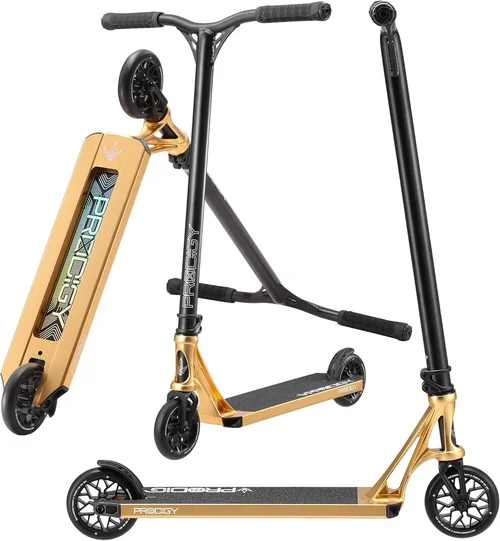
❌ Mistake: Ignoring Real-World Range Claims
Why it’s bad: Manufacturers often advertise range under ideal conditions—flat terrain, no wind, light rider weight, constant speed. In reality, most users get 20–30% less range due to stops, hills, and weather.
What to do instead: Always subtract 25% from the advertised range to estimate real-world performance. If you need 15 miles, buy a scooter rated for at least 20 miles.
❌ Mistake: Overlooking Braking Performance
Why it’s bad: Weak or unreliable brakes can lead to accidents, especially in traffic or wet conditions. Many budget scooters rely solely on electronic brakes, which lack stopping power.
What to do instead: Prioritize scooters with disc brakes or regenerative + disc combos. Test braking distance if possible—aim for under 15 feet from 15 mph.
❌ Mistake: Choosing Based on Price Alone
Why it’s bad: The cheapest scooter often costs more in the long run due to repairs, replacements, or early obsolescence.
What to do instead: Calculate total cost of ownership—including potential battery replacements ($100–$200 every 2–3 years) and maintenance. Invest in quality upfront.
❌ Mistake: Neglecting Portability Needs
Why it’s bad: A heavy or bulky scooter becomes a burden if you need to carry it upstairs or onto a bus.
What to do instead: Weigh your scooter options and consider your daily routine. If you’ll be lifting it often, aim for under 30 lbs and a compact fold.
❌ Mistake: Skipping the Test Ride
Why it’s bad: Comfort and handling vary greatly between models. What looks good on paper may feel unstable or awkward in practice.
What to do instead: Visit a local retailer or attend scooter demo events. If unavailable, watch detailed ride videos and read hands-on reviews.
❌ Mistake: Ignoring Local Laws
Why it’s bad: Some cities restrict scooter speed, require helmets, or ban riding on sidewalks. Using an illegal scooter can result in fines or confiscation.
What to do instead: Check your city’s micromobility regulations before buying. Choose a scooter that complies with local speed and safety rules.
❌ Mistake: Not Considering Battery Type
Why it’s bad: Cheaper lithium-ion batteries degrade faster and may not hold a full charge after a year.
What to do instead: Look for scooters with high-quality cells (e.g., Samsung, LG) and avoid unknown battery brands. Check warranty coverage for the battery specifically.
Budget Guidelines: How Much Should You Spend?
Entry-Level ($250–$450): These scooters, like the Gotrax GXL V2, are ideal for short, flat commutes under 5 miles. Expect basic features: 250W motors, 15–18 mph top speed, 12–15 mile range, and minimal suspension. Build quality is decent but not rugged. Best for students, casual riders, or backup transport.
Mid-Range ($500–$800): This is the sweet spot for most commuters. Models like the Gotrax XR Elite and G4 offer 350W–400W motors, 20–30 mile ranges, better brakes, and improved suspension. You’ll get app connectivity, brighter lights, and more durable frames. Perfect for daily use on mixed terrain.
Premium ($800–$1,200): Designed for serious commuters and performance enthusiasts. Expect 600W+ motors, 35–50 mile ranges, dual suspension, large air tires, and advanced safety features. The Gotrax Apex and G Max fall here—great for hilly areas or long distances.
Luxury ($1,200+): Top-tier scooters with cutting-edge tech, carbon fiber components, swappable batteries, and premium materials. These are overkill for most but ideal for tech lovers or those who treat their scooter like a primary vehicle.
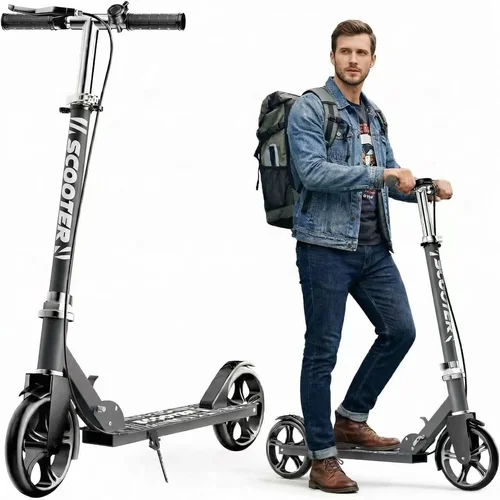
Expert Tips for Getting the Best Deal
- Shop during seasonal sales: Black Friday, Cyber Monday, and back-to-school periods often feature 15–30% discounts on popular models. Sign up for brand newsletters to get early access.
- Buy directly from manufacturers: Gotrax.com often runs exclusive promotions, bundles (free helmet or phone mount), and offers better warranty support than third-party sellers.
- Check refurbished or open-box deals: Certified pre-owned scooters from reputable sellers can save you 20–40% with full warranty coverage.
- Compare total cost: Include shipping, taxes, and potential import fees. Some “cheap” international sellers have hidden costs.
- Read return policies carefully: Ensure you can return the scooter within 14–30 days if it doesn’t meet expectations. Avoid sellers with restocking fees or short windows.
- Test before you buy: If possible, visit a store or borrow a friend’s scooter to assess comfort and handling.
- Join online communities: Forums and Facebook groups often share discount codes, flash sales, and honest reviews.
- Consider financing: Some retailers offer 0% APR financing for 6–12 months—useful if you want a premium scooter but need to spread payments.

Frequently Asked Questions
Q: How long do electric scooter batteries last?
A: Most lithium-ion batteries last 300–500 charge cycles before capacity drops to 80%. With daily use, that’s roughly 1.5–3 years. Proper care—like avoiding full discharges and storing at 50% charge—can extend lifespan.
Q: Can I ride my scooter in the rain?
A: Only if it has an IP54 or higher rating. IP54 means splash-resistant, not waterproof. Avoid deep puddles or heavy downpours to prevent motor or battery damage.
Q: Are electric scooters safe?
A: When used responsibly—wearing a helmet, obeying traffic laws, and maintaining the scooter—they are generally safe. However, accidents can happen due to potholes, sudden stops, or rider error. Always prioritize safety gear.
Q: How fast do commuter scooters go?
A: Most range from 15–20 mph. High-performance models can reach 25–30 mph, but many cities legally limit scooters to 15–20 mph in bike lanes.
Q: Do I need a license to ride an electric scooter?
A: In most U.S. states and many countries, no license is required for scooters under 20 mph. However, some cities require registration or restrict where you can ride. Always check local laws.
Q: Can I take my scooter on public transit?
A: Most buses and trains allow folded scooters, but policies vary. Check with your local transit authority. Lightweight, compact models are easiest to manage.
Q: How do I maintain my scooter?
A: Regularly check tire pressure (if pneumatic), tighten bolts, clean the deck, and store in a dry place. Avoid overcharging the battery and recalibrate it monthly by fully draining and recharging.
Q: What’s the difference between hub motors and belt drives?
A: Hub motors are built into the wheel—quieter, simpler, and more common in commuter scooters. Belt drives offer more torque and are easier to service but require maintenance. Most Gotrax models use hub motors.
Q: Can I upgrade my scooter’s battery?
A: Generally not recommended. Modifying the battery voids the warranty and can damage the motor or controller. If you need more range, buy a scooter with a larger battery from the start.
Q: How much weight can a commuter scooter support?
A: Most support 220–265 lbs (100–120 kg). Heavier riders should look for reinforced frames and higher-wattage motors to maintain performance.
Our Final Recommendations
Best for Budget-Conscious Buyers: Gotrax GXL V2 – At under $450, it delivers reliable performance, solid build quality, and essential features for short commutes. Ideal for students and first-time riders.
Best Overall Value: Gotrax XR Elite – With a 350W motor, 30-mile range, and excellent suspension, it strikes the perfect balance between price and performance for daily urban use.
Best Premium Option: Gotrax G4 – Offering 45+ miles of range, dual suspension, and app connectivity, it’s built for serious commuters who demand comfort and longevity.
Best for Beginners: Gotrax GXL V2 – Simple controls, lightweight design, and forgiving ride make it the safest entry point for new riders.
Best for Advanced Users: Gotrax Apex – With 800W peak power, aggressive suspension, and off-road capability, it’s perfect for thrill-seekers and those tackling rough terrain.
Conclusion: Making the Right Choice
Choosing the best commuter scooter in 2026 isn’t just about picking the flashiest model or the lowest price—it’s about finding the right tool for your unique lifestyle. By focusing on key factors like budget, performance, build quality, and real-world usability, you can avoid common pitfalls and invest in a scooter that enhances your daily routine for years to come.
Remember: your scooter should fit your commute, not the other way around. Whether you’re navigating crowded city streets, climbing steep hills, or simply looking for a fun way to get around, there’s a Gotrax model designed for you. Take the time to assess your needs, read honest reviews, and test when possible. And when you do buy, prioritize safety, support, and long-term value over short-term savings.
With the insights from this guide, you’re now equipped to make a confident, informed decision. Happy riding—and welcome to the future of urban mobility.