
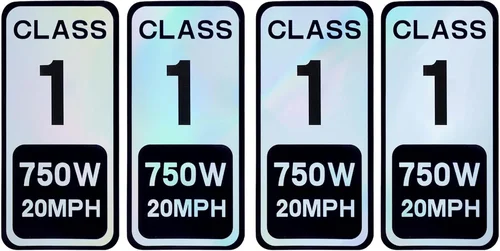
Electric bikes have revolutionized personal transportation, offering a sustainable, efficient, and fun way to commute, explore, or simply enjoy the outdoors. Among the various classifications of e-bikes, Class 1 models stand out as one of the most accessible and widely accepted options—especially for riders who want pedal-assist power without the complexity or legal restrictions that come with throttle-powered or higher-speed models. In this comprehensive buying guide for 2026, we’ll dive deep into everything you need to know about Class 1 e-bikes: what they are, how they work, what to look for when shopping, and how to avoid common pitfalls.
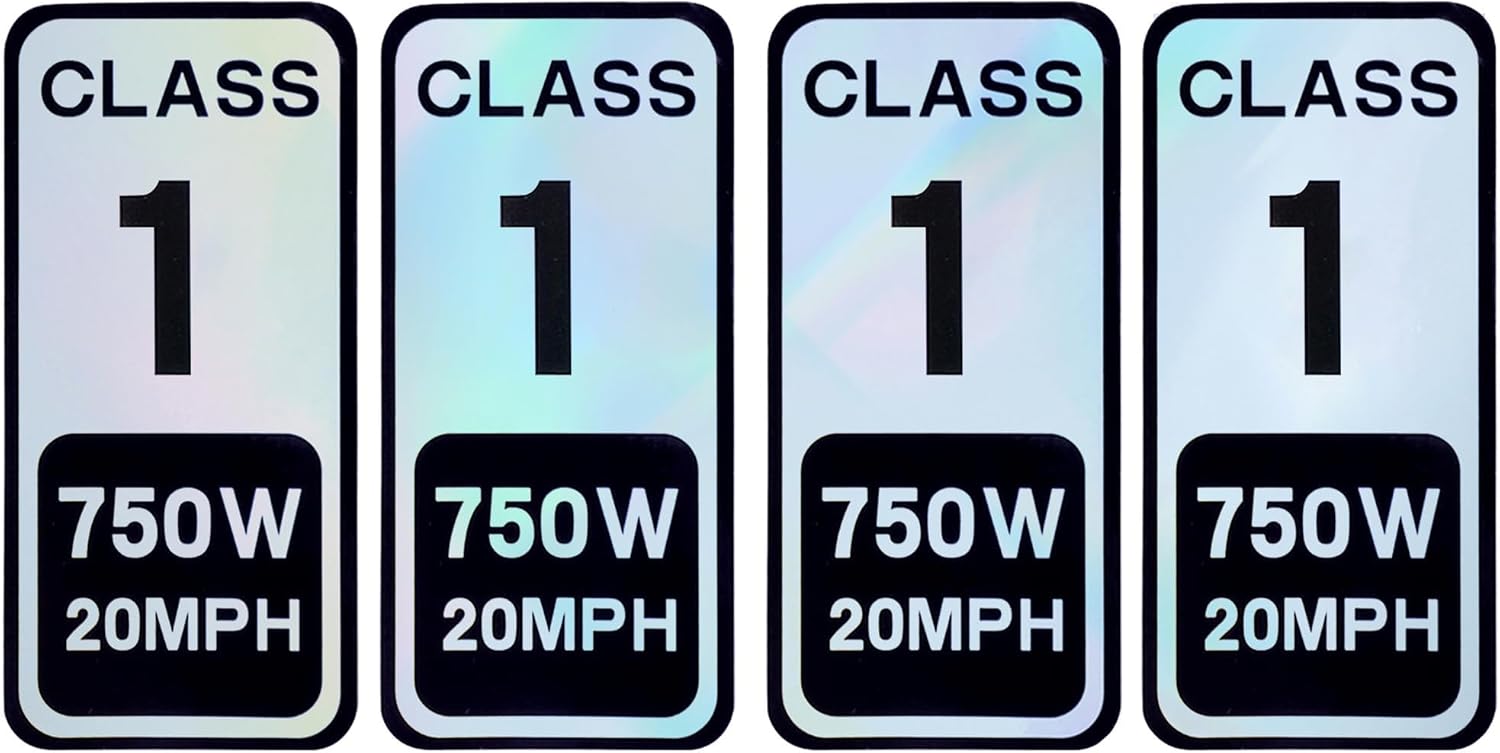
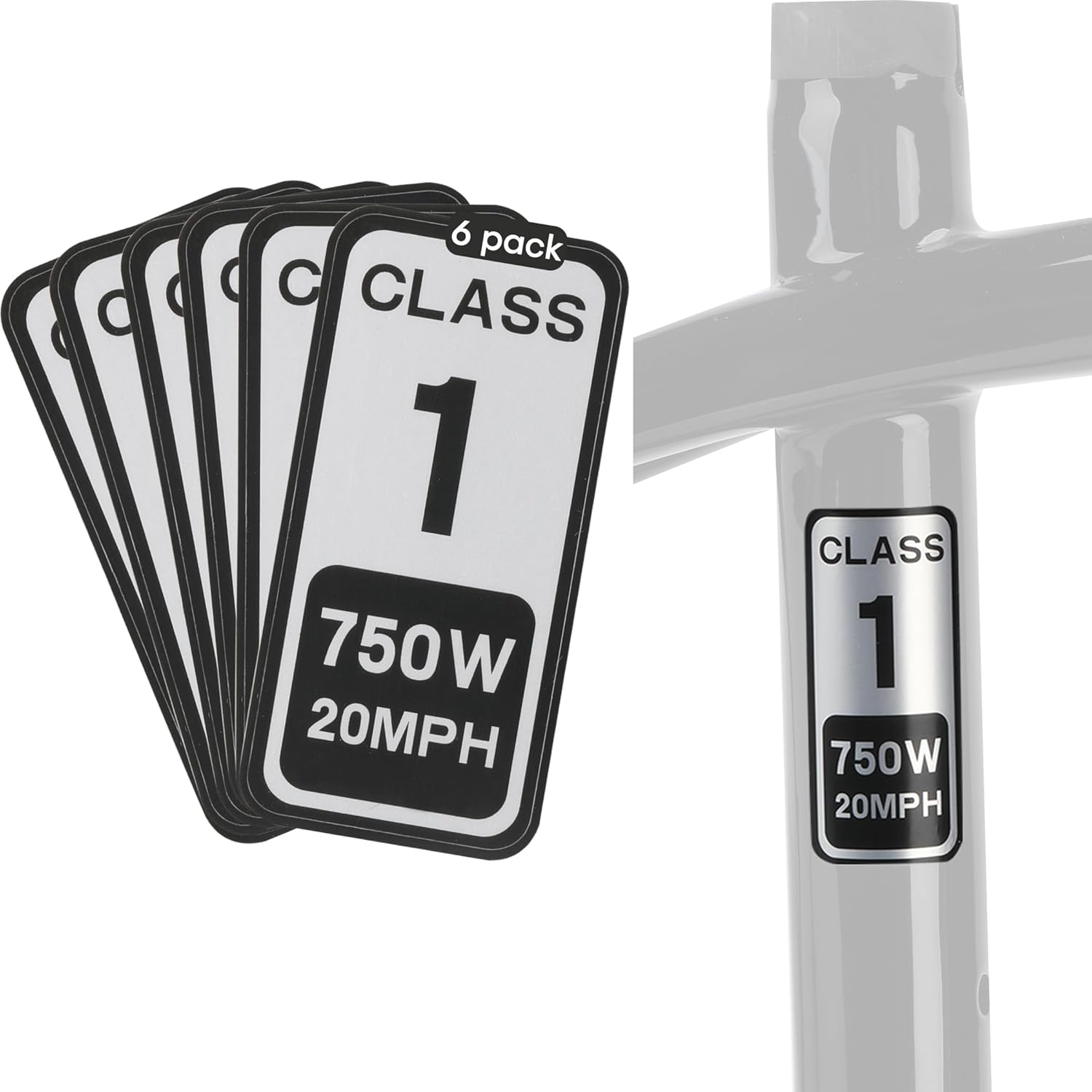
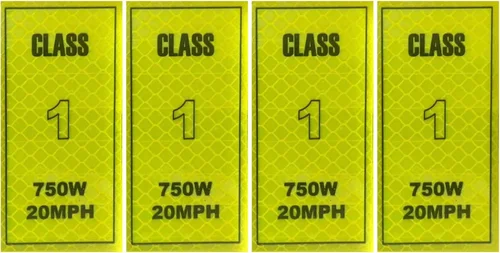
Whether you’re a daily commuter navigating city streets, a weekend adventurer seeking scenic trails, or someone looking for a low-impact way to stay active, a Class 1 e-bike could be your perfect match. Unlike Class 2 (throttle-assisted) or Class 3 (high-speed pedal-assist) e-bikes, Class 1 models provide electric assistance only when you’re pedaling—and they cap that assistance at 20 mph. This makes them ideal for bike lanes, multi-use paths, and areas with strict e-bike regulations. With advancements in battery technology, motor efficiency, and frame design, today’s Class 1 e-bikes offer impressive range, smooth performance, and sleek aesthetics—all at increasingly competitive prices.
By the end of this guide, you’ll have a clear understanding of the key features that matter most, how different models compare across categories, and exactly what to prioritize based on your budget, lifestyle, and riding goals. We’ll also share expert tips on timing your purchase, where to buy, and how to evaluate real-world performance—so you can ride away confident in your choice. The e-bike market is booming, but not all Class 1 models are created equal. Let’s cut through the noise and help you find the best fit.
What to Look for When Buying Class 1 Ebikes
1. Motor Type and Power Output
The motor is the heart of any e-bike, and for Class 1 models, it determines how smoothly and effectively your pedaling effort is amplified. Most Class 1 e-bikes use either hub motors (located in the front or rear wheel) or mid-drive motors (positioned near the pedals). Hub motors are generally more affordable, simpler to maintain, and offer reliable performance for flat terrain and casual riding. Rear hub motors tend to feel more natural, mimicking the sensation of a traditional bike being pushed from behind. Front hub motors can feel slightly unbalanced but are often lighter and cheaper.
Mid-drive motors, while typically more expensive, are considered superior for their balance, efficiency, and ability to leverage the bike’s gears. They deliver power directly to the drivetrain, which means better hill-climbing ability and longer battery life—especially on varied terrain. For Class 1 e-bikes, motor power is usually capped at 750 watts in the U.S., though many models operate well below that threshold to comply with local laws and optimize efficiency.
When evaluating motor specs, don’t just focus on wattage—look at torque (measured in Newton-meters or Nm). Higher torque means better acceleration and climbing power, which is crucial if you live in a hilly area or plan to carry cargo. A motor with 50–80 Nm of torque is excellent for most urban and suburban riders, while anything above 80 Nm is ideal for serious off-road or cargo use.
2. Battery Capacity and Range
Battery performance is arguably the most critical factor for long-term satisfaction with your Class 1 e-bike. Battery capacity is measured in watt-hours (Wh), which tells you how much energy the battery can store. A higher Wh rating generally translates to longer range, but real-world performance depends on several variables: rider weight, terrain, assist level, tire pressure, and even weather conditions.
Most Class 1 e-bikes come with batteries ranging from 300Wh to 700Wh. For city commuting or short recreational rides, a 400–500Wh battery is usually sufficient, offering 20–50 miles of range depending on usage. If you plan to ride longer distances, tackle hills regularly, or use higher assist levels, aim for 600Wh or more. Removable batteries are a major plus—they allow you to charge indoors, swap in a spare, or replace the battery down the line without replacing the entire bike.
Pay attention to battery chemistry, too. Lithium-ion (Li-ion) is the standard and offers the best balance of energy density, lifespan, and weight. Avoid older or lower-quality chemistries like lead-acid or nickel-metal hydride, which are heavier and degrade faster. Also, check the charger specs: a fast charger (3–5A) can replenish your battery in 2–3 hours, while slower chargers (1–2A) may take 6+ hours.
3. Frame Material and Build Quality
The frame is the foundation of your e-bike’s durability, ride quality, and overall lifespan. Common materials include aluminum alloy, steel, carbon fiber, and titanium. For most Class 1 e-bikes, aluminum alloy is the gold standard—it’s lightweight, corrosion-resistant, strong enough for daily use, and cost-effective. High-quality aluminum frames often feature hydroformed tubing for better strength-to-weight ratios and smoother aesthetics.
Steel frames are heavier but offer superior shock absorption and a classic, comfortable ride—ideal for touring or cargo bikes. Carbon fiber is rare in Class 1 e-bikes due to cost, but it appears in premium models where weight savings and vibration damping are priorities. Titanium is even rarer and typically reserved for ultra-high-end custom builds.
Beyond material, inspect weld quality, cable routing (internal is cleaner and more protected), and component integration. Look for reinforced dropouts, sturdy mounting points for racks and fenders, and thoughtful design details like tapered head tubes or thru-axles for improved stiffness and handling. A well-built frame should feel solid underfoot, with minimal flex during hard pedaling or cornering.
4. Drivetrain and Gearing System
Even though your e-bike has a motor, the traditional drivetrain still plays a vital role—especially on Class 1 models that rely entirely on pedal input. A good gear system ensures you can maintain efficient cadence across varying speeds and terrains. Most Class 1 e-bikes come with either single-speed, 7–9 speed, or 11–12 speed drivetrains.
Single-speed setups are simple and low-maintenance but limit your ability to tackle hills or maintain speed on flats without excessive pedaling. They’re best suited for flat cities and casual riders. Multi-speed drivetrains (typically Shimano Altus, Acera, Deore, or SRAM equivalents) offer much greater versatility. If you ride in hilly areas or want to maximize battery efficiency by shifting into easier gears on climbs, an 8-speed or higher system is strongly recommended.
Consider whether the bike uses a derailleur or internal gear hub (IGH). Derailleurs are more common, lighter, and offer wider gear ranges, but require more maintenance. IGH systems (like those from Shimano Nexus or Rohloff) are enclosed, weather-resistant, and nearly maintenance-free—but add weight and cost. For most riders, a quality derailleur setup strikes the best balance.
5. Braking System
Safety should never be compromised, and brakes are your first line of defense. Class 1 e-bikes, despite their speed limit, still require robust stopping power—especially when carrying extra weight from batteries, cargo, or passengers. Mechanical disc brakes are common on budget models and offer decent performance in dry conditions, but they struggle in wet or muddy environments due to pad and rotor contamination.
Hydraulic disc brakes are the benchmark for reliability and performance. They provide consistent, powerful braking with minimal hand effort, modulate well in all weather, and require less frequent adjustment. If you ride year-round, in rain, or on technical terrain, hydraulic discs are non-negotiable. Rim brakes (V-brakes or caliper) are increasingly rare on new e-bikes due to their inferior performance under load and susceptibility to wheel wear.
Always check rotor size: 160mm is adequate for light riders on flat ground, but 180mm or 203mm rotors offer better heat dissipation and stopping power for heavier loads or steep descents.
6. Tires and Suspension
Tires significantly influence comfort, traction, and rolling resistance. Class 1 e-bikes typically use 26”, 27.5”, or 28”/700c wheels. Wider tires (2.0”–2.4”) provide more cushion and grip, making them ideal for gravel, light trails, or rough pavement. Narrower tires (1.5”–1.95”) roll faster on smooth roads but offer less comfort and stability.
Look for puncture-resistant tires with reflective sidewalls for added visibility. Tubeless-ready setups are a bonus—they reduce the risk of flats and allow lower tire pressures for better traction. For suspension, many Class 1 e-bikes feature front suspension forks to absorb bumps. However, unless you’re riding off-road, a rigid fork may be preferable—it’s lighter, more efficient, and requires less maintenance.
Full-suspension Class 1 e-bikes exist but are uncommon and usually targeted at trail or adventure riders. For urban commuting, a quality front fork with 80–100mm of travel is sufficient. Lockout functionality is useful for saving energy on smooth pavement.
7. Display and User Interface
The display is your command center—it shows speed, battery level, assist mode, trip data, and sometimes navigation or connectivity features. Basic LCD displays are functional but lack customization. Mid-tier color displays offer better readability in sunlight and more data options. High-end models may include Bluetooth connectivity, smartphone integration, GPS tracking, or even built-in lights and turn signals.
Assist levels vary by brand, but most Class 1 e-bikes offer 3–5 modes (Eco, Tour, Sport, Turbo, etc.). The responsiveness of the pedal-assist sensor matters too: torque sensors provide smoother, more natural assistance that matches your pedaling force, while cadence sensors simply detect rotation and deliver preset power levels. Torque sensors are more expensive but vastly improve the riding experience.
8. Weight and Portability
Class 1 e-bikes are inherently heavier than traditional bikes due to motors and batteries—typically ranging from 40 to 70 pounds. While this isn’t usually an issue for riding, it becomes critical if you need to carry the bike upstairs, load it onto a car rack, or store it in a small apartment.
If portability is a concern, look for models with step-through frames (easier to mount/dismount), removable batteries (reduces weight when lifting), and foldable designs (though rare in Class 1). Some brands offer lightweight carbon or titanium builds, but these come at a premium. Always check the bike’s weight before buying—and consider how you’ll realistically transport or store it.
9. Brand Reputation and Customer Support
Not all e-bike brands are created equal. Established names like Trek, Specialized, Rad Power Bikes, Aventon, and Cannondale have proven track records for quality, innovation, and customer service. Emerging brands may offer great value, but research their warranty policies, repair networks, and online reviews carefully.
A strong brand doesn’t just mean better components—it often translates to better software updates, accessory compatibility, and long-term support. Check if the company offers local dealer service, online troubleshooting, or direct-to-consumer repairs. Avoid brands with no U.S. presence or unclear warranty terms.
10. Warranty and After-Sales Service
E-bikes are complex machines, and warranties reflect a manufacturer’s confidence in their product. A standard warranty should cover the frame (lifetime or 5+ years), motor and battery (2–3 years), and electrical components (1–2 years). Be wary of brands offering only 6–12 month coverage—especially on batteries, which are expensive to replace.
Read the fine print: some warranties void if you modify the bike, use non-approved chargers, or ride in extreme conditions. Also, confirm whether labor costs are covered during repairs. Brands with strong service networks (like Trek or Specialized) often provide better support than direct-to-consumer startups.
Different Types of Class 1 Ebikes
Common Buying Mistakes to Avoid
❌ Mistake: Prioritizing Price Over Battery Quality
Why it’s bad: A cheap battery may save you $200 upfront but could fail within a year, costing more in replacements and downtime. Low-quality cells degrade faster, offer less range, and pose safety risks.
What to do instead: Invest in a reputable battery from a known manufacturer (e.g., Samsung, LG, Panasonic cells). Check reviews for real-world longevity and warranty coverage.
❌ Mistake: Ignoring Local Laws and Trail Access
Why it’s bad: While Class 1 e-bikes are generally allowed on bike paths and multi-use trails, some parks or municipalities have specific restrictions. Assuming all Class 1 bikes are universally permitted can lead to fines or banned access.
What to do instead: Research local regulations before buying. Contact your city parks department or trail authority to confirm e-bike policies.
❌ Mistake: Overlooking Test Rides
Why it’s bad: E-bikes feel vastly different based on motor placement, frame geometry, and assist tuning. Buying online without riding can result in discomfort, poor handling, or buyer’s remorse.
What to do instead: Visit local dealers or attend e-bike demo events. If buying online, choose retailers with generous return policies (30+ days) and free shipping both ways.
❌ Mistake: Neglecting Maintenance Requirements
Why it’s bad: E-bikes require regular upkeep—brake adjustments, tire checks, chain lubrication, and software updates. Assuming they’re “maintenance-free” leads to premature wear and safety issues.
What to do instead: Learn basic maintenance or budget for annual tune-ups. Choose bikes with accessible components and clear service manuals.
❌ Mistake: Choosing Based Solely on Range Claims
Why it’s bad: Manufacturers often quote range under ideal conditions (light rider, flat terrain, eco mode). Real-world range can be 30–50% lower.
What to do instead: Use range calculators, read user reviews, and factor in your typical route and weight. Always buy a battery with 20–30% extra capacity beyond your needs.
❌ Mistake: Skipping Insurance or Theft Protection
Why it’s bad: E-bikes are high-value targets for thieves. Without insurance or a quality lock, a $2,000 bike can be stolen in seconds.
What to do instead: Use a U-lock + cable combo, register your bike, and consider adding e-bike coverage to your homeowner’s or renter’s insurance policy.
❌ Mistake: Buying Without Considering Storage
Why it’s bad: A 60-pound e-bike is hard to store in small spaces. Leaving it outdoors exposes it to weather and theft.
What to do instead: Measure your storage area beforehand. Consider wall mounts, foldable models, or apartments with secure bike rooms.
Budget Guidelines: How Much Should You Spend?
Entry-Level ($600–$1,200): These bikes are great for casual riders or those new to e-biking. Expect basic components—hub motors, lower-capacity batteries (300–400Wh), mechanical disc brakes, and minimal features. Brands like Ancheer, ECOTRIC, and Swagtron dominate this space. While functional, they may lack durability, service support, or long-term reliability. Ideal for short, flat commutes under 10 miles.
Mid-Range ($1,200–$2,500): This is the sweet spot for most buyers. You’ll find better motors (often mid-drive), higher-quality batteries (500–600Wh), hydraulic disc brakes, and improved frames. Brands like Rad Power Bikes, Aventon, Lectric, and Ride1Up offer excellent value here. These bikes balance performance, features, and price—perfect for daily commuting, weekend rides, and light cargo use.
Premium ($2,500–$4,000): Designed for enthusiasts and serious riders, premium Class 1 e-bikes feature top-tier components: Bosch or Shimano motors, 600–700Wh batteries, full integration (lights, racks, fenders), and advanced displays. Brands like Trek, Specialized, and Cannondale shine here. Expect superior build quality, longer warranties, and dealer support. Ideal for long-distance touring, hilly terrain, or those who want a “forever bike.”
Luxury ($4,000+): At this level, you’re paying for craftsmanship, innovation, and exclusivity. Think custom builds, carbon frames, titanium hardware, and cutting-edge tech like regenerative braking or AI-assisted riding. These bikes are for collectors, tech lovers, or those who prioritize aesthetics and performance above all else. Few practical advantages over premium models—but undeniable bragging rights.
Expert Tips for Getting the Best Deal
– Buy in Late Summer or Fall: Many retailers discount current-year models to clear inventory for new releases. September–November often features the best sales.
– Check Direct-to-Consumer Brands: Companies like Rad Power Bikes, Lectric, and Aventon sell online, cutting out dealer markups. Just ensure they offer good return policies and service.
– Look for Bundle Deals: Some retailers include free accessories (helmets, locks, lights) or extended warranties during promotions.
– Consider Certified Pre-Owned: Reputable dealers often sell refurbished e-bikes with warranties at 20–40% off retail. Great for testing the waters.
– Negotiate Add-Ons: Even at MSRP, ask for free assembly, tune-ups, or accessory discounts—especially at local shops.
– Read Return Policies Carefully: Some online retailers charge restocking fees or don’t cover return shipping. Aim for at least 14–30 days with free returns.
– Join Loyalty Programs: Brands like Trek and Specialized offer member discounts, early access to sales, and exclusive events.
– Monitor Cashback and Rebate Sites: Rakuten, Honey, or manufacturer rebates can save 5–15% on your purchase.

Frequently Asked Questions
Q: Are Class 1 e-bikes allowed on bike paths and trails?
A: In most U.S. states and Canadian provinces, yes—Class 1 e-bikes are treated like traditional bicycles since they’re pedal-assist only and capped at 20 mph. However, always verify local rules, as some parks or municipalities restrict e-bike access regardless of class.
Q: How fast do Class 1 e-bikes go?
A: Electric assistance cuts off at 20 mph (32 km/h). You can pedal faster, but the motor won’t help beyond that speed.
Q: Do I need a license or insurance for a Class 1 e-bike?
A: In most jurisdictions, no—Class 1 e-bikes are classified as bicycles, not motor vehicles. Requirements vary by location, so check your state or province’s DMV website.
Q: Can I ride a Class 1 e-bike in the rain?
A: Yes, most are designed for all-weather use. Look for IP65 or higher water resistance ratings on the motor and battery. Avoid submerging the bike or charging a wet battery.
Q: How often should I charge the battery?
A: Lithium-ion batteries prefer partial charges. Avoid draining to 0% regularly. Charge when it drops to 20–30%, and store at 50–60% if not using for weeks.
Q: What’s the average lifespan of an e-bike battery?
A: Quality batteries last 500–1,000 charge cycles, equating to 3–5 years or 10,000–20,000 miles with proper care.
Q: Can I upgrade components on my Class 1 e-bike?
A: Yes, but be cautious. Upgrading brakes, tires, or drivetrain is common. However, modifying the motor or battery may void warranties or violate regulations.
Q: Are Class 1 e-bikes good for hills?
A: Absolutely—especially models with mid-drive motors and high torque. Look for at least 60 Nm of torque and a wide gear range for steep climbs.
Q: How do I secure my e-bike from theft?
A: Use a high-quality U-lock (like Kryptonite New York Fahgettaboudit) through the frame and rear wheel. Add a secondary cable for the front wheel and battery. Never leave it unattended in high-risk areas.
Q: Can I take my Class 1 e-bike on public transit?
A: Most buses and trains allow e-bikes during off-peak hours. Folding models are easiest, but full-size bikes are often permitted if they fit designated areas. Check your local transit authority’s policy.
Our Final Recommendations
Best for Budget-Conscious Buyers: Lectric XP 3.0 – At under $1,000, this foldable Class 1 e-bike punches above its weight with a 500W motor, 48V battery, and solid build quality. Perfect for urban commuters who need portability and value.
Best Overall Value: Rad Power Bikes RadCity 5 Plus – A versatile, well-equipped commuter with a Bosch-inspired motor, 672Wh battery, hydraulic brakes, and integrated lights. Priced around $1,999, it’s a reliable workhorse for daily use.
Best Premium Option: Specialized Turbo Vado SL 4.0 – Lightweight, sleek, and packed with tech, this mid-drive Class 1 e-bike offers exceptional efficiency, a 320Wh battery (expandable), and a premium ride feel. Ideal for discerning riders who want performance without excess weight.
Best for Beginners: Aventon Pace 500.3 – User-friendly, stylish, and affordable ($1,599), this step-through model features a torque sensor, color display, and comfortable geometry—making it easy and enjoyable for new riders to get started.
Best for Advanced Users: Trek Allant+ 7S – Built for serious riders, this Bosch Performance Line-equipped e-bike boasts a 625Wh battery, full integration, and trail-ready components. It’s built to handle long distances, varied terrain, and daily abuse with grace.
Conclusion: Making the Right Choice
Choosing the right Class 1 e-bike isn’t just about specs—it’s about aligning your purchase with your lifestyle, terrain, and long-term goals. Whether you’re commuting to work, exploring backroads, or simply rediscovering the joy of cycling, the perfect e-bike is out there. By focusing on motor quality, battery capacity, build integrity, and real-world usability, you’ll avoid common pitfalls and invest in a machine that delivers years of reliable, enjoyable rides.
Remember: the cheapest option isn’t always the best value, and the most expensive model may be overkill for your needs. Prioritize what matters most—be it range, comfort, portability, or service support—and don’t hesitate to test ride multiple options. With the insights from this guide, you’re equipped to navigate the 2026 e-bike market with confidence.
Now’s the time to make the switch. The roads are waiting—and your future self will thank you for choosing sustainability, health, and freedom over traffic jams and gas stations. Ride on.