
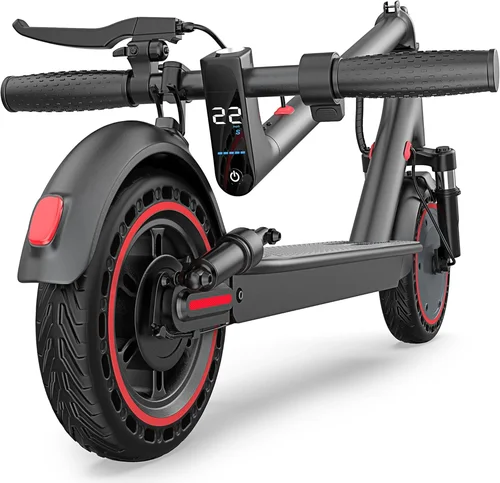
Electric scooters for kids have surged in popularity over the past few years, transforming from niche toys into mainstream mobility tools for children and pre-teens. Whether it’s for neighborhood exploration, commuting to school, or simply having fun outdoors, a well-chosen electric scooter can offer hours of safe, active entertainment. But with dozens of models flooding the market—each boasting different speeds, battery lives, safety features, and price points—parents often find themselves overwhelmed by the sheer volume of options. That’s where this expert buying guide comes in.
This comprehensive resource is designed to cut through the noise and help you make an informed, confident decision when purchasing a child’s electric scooter in 2026. You’ll learn how to evaluate critical factors like safety, performance, build quality, and age appropriateness. We’ll walk you through common pitfalls to avoid, explain what different price tiers actually deliver, and share insider tips on getting the best value. Whether you’re shopping for a first-time rider or upgrading an older model, this guide equips you with everything you need to choose a scooter that’s not only fun but also safe, durable, and age-appropriate.
The kids’ electric scooter market has matured significantly. Gone are the days when these were flimsy, short-lived toys. Today’s top models feature robust frames, reliable braking systems, LED lighting, app connectivity, and even regenerative braking—features once reserved for adult e-scooters. Brands like Gotrax, Segway-Ninebot, Razor, and Hiboy now offer purpose-built youth models that balance excitement with responsibility. However, not all scooters are created equal. Some prioritize speed over safety, while others skimp on build quality to hit a lower price point. Our goal is to help you identify which features truly matter for your child’s age, skill level, and intended use—so you don’t end up with a scooter that’s either too slow, too fast, or too fragile.

What to Look for When Buying a Kids Electric Scooter
1. Age and Weight Appropriateness
One of the most critical—and often overlooked—factors when choosing a kids’ electric scooter is ensuring it matches your child’s age, height, and weight. Most reputable manufacturers specify a recommended age range (typically 6–12 years) and a maximum rider weight (usually between 100 and 165 pounds). Exceeding these limits can compromise stability, reduce braking efficiency, and strain the motor and battery.
For younger riders (ages 6–8), look for scooters with lower top speeds (under 10 mph), wider decks for better balance, and intuitive controls. Older kids (9–12) may handle slightly faster models (up to 15 mph) with more advanced features. Always check the scooter’s weight capacity against your child’s current weight—and consider their growth over the next year or two. A scooter rated for 120 lbs might seem sufficient today, but if your child is growing rapidly, you’ll want headroom.
2. Safety Features
Safety should be your top priority—no exceptions. Modern kids’ electric scooters come equipped with a range of safety mechanisms, but not all are equally effective. At a minimum, look for:
- Dual braking systems: A combination of electronic (regenerative) front braking and mechanical rear foot or disc brakes ensures reliable stopping power, especially at higher speeds.
- LED headlights and taillights: Essential for visibility during dusk or dawn rides. Some models include brake-activated taillights that flash when slowing down.
- Non-slip deck surface: Textured or rubberized decks prevent slipping, even in damp conditions.
- Reflective elements: Side reflectors or reflective stickers increase visibility from all angles.
- Speed limiters or beginner modes: Many scooters allow parents to cap the maximum speed via an app or physical switch—ideal for nervous first-timers.
Avoid models that rely solely on a single brake type or lack lighting altogether. Also, ensure the scooter has a stable wheelbase and low center of gravity to reduce tipping risk during sharp turns or sudden stops.
3. Performance Specifications
Performance isn’t just about speed—it’s a blend of motor power, battery life, range, and acceleration. For kids, a sweet spot exists between fun and control.
Motor Power: Most youth scooters feature motors ranging from 150W to 350W. A 150W–250W motor is ideal for flat terrain and lighter riders, offering speeds of 8–12 mph. For hills or heavier kids, a 300W+ motor provides better torque and climbing ability without sacrificing safety.
Battery & Range: Lithium-ion batteries dominate the market due to their longevity and consistent output. Expect ranges of 8–15 miles per charge, depending on rider weight, terrain, and speed. Always check real-world reviews—manufacturer claims often assume ideal conditions. A scooter with a 12-mile range might only deliver 7–8 miles with a 100-lb rider on hilly streets.
Top Speed: For children under 10, cap speeds at 10 mph. Kids aged 10–12 can safely handle up to 15 mph, provided they wear protective gear and ride in controlled environments. Avoid “racing” scooters with speeds exceeding 18 mph—they’re better suited for teens or adults.
Charging Time: Look for models that charge in 3–5 hours. Overnight charging should be standard; avoid scooters requiring 8+ hours unless you plan to charge during school hours.
4. Build Quality & Durability
A scooter that breaks after a few weeks is worse than no scooter at all. Kids are hard on equipment—they drop things, ride over curbs, and forget to fold properly. That’s why build quality matters immensely.
Start with the frame material. Aluminum alloy is the gold standard: lightweight yet strong, resistant to rust, and able to absorb shocks. Avoid plastic-heavy frames, which crack under stress. Check hinge points, folding mechanisms, and stem joints—these are common failure points. A well-designed scooter will have reinforced welds and smooth, secure folding locks.
Tires also play a huge role in durability. Solid rubber tires are puncture-proof and low-maintenance but offer a rougher ride. Air-filled (pneumatic) tires provide better cushioning and grip but require occasional inflation and are prone to flats. For most kids, hybrid or honeycomb tires (airless but shock-absorbing) strike a great balance.
Finally, inspect the deck thickness and grip tape quality. A thin deck may flex or crack under repeated use. High-quality grip tape should last months without peeling.
5. Features & Functionality
Beyond core performance, modern kids’ scooters offer a suite of smart features that enhance usability and safety:
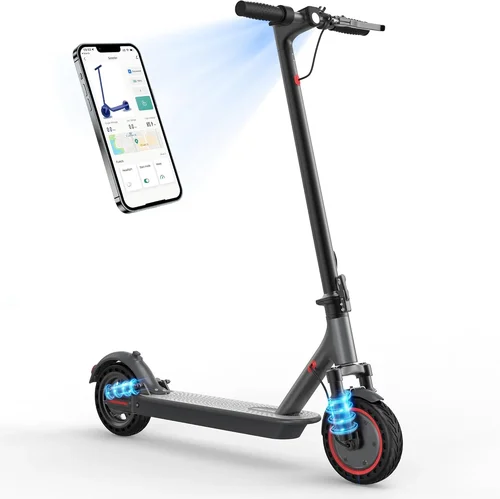
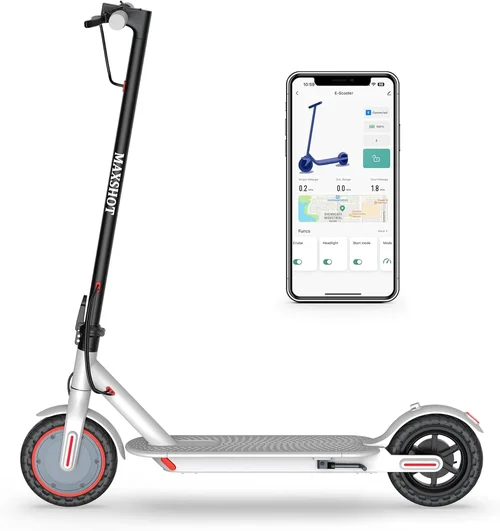
- App Connectivity: Many Gotrax and Segway models sync with smartphone apps to monitor battery life, set speed limits, track rides, and even lock the scooter remotely. Great for tech-savvy families.
- LED Display: Shows speed, battery level, and riding mode. Helps kids learn responsible riding habits.
- Foldable Design: Essential for storage and transport. Look for one-hand folding mechanisms that don’t require tools.
- Suspension: Basic spring or rubber suspension improves comfort on uneven pavement. Not all kids’ scooters have this, but it’s a nice upgrade for rougher terrain.
- Water Resistance: IPX4 rating means the scooter can handle light splashes and drizzle—but never submersion. Avoid riding in heavy rain regardless.
While bells, horns, and Bluetooth speakers might seem fun, prioritize functional features over gimmicks. A reliable brake system is far more valuable than a built-in MP3 player.
6. Brand Reputation & Reliability
Not all brands are created equal. Established names like Gotrax, Razor, and Segway-Ninebot have spent years refining their youth scooter lines, backed by customer service networks and consistent quality control. Lesser-known brands may offer tempting prices, but often lack long-term support or consistent build standards.
Research brand history: How long have they been making kids’ scooters? Do they offer firmware updates? Are replacement parts (like tires or chargers) readily available? Brands with strong reputations also tend to be more transparent about real-world performance and safety testing.
Additionally, check if the brand complies with international safety standards such as UL 2272 (for electrical systems) or EN 14619 (European toy safety standard). These certifications aren’t just marketing—they indicate third-party validation of safety and reliability.
7. Warranty & Customer Support
A good warranty is a sign of confidence in a product. Most reputable kids’ scooter brands offer at least a 6-month to 1-year warranty covering motor, battery, and frame defects. Some premium models extend this to 18 months or even 2 years.
Read the fine print: Does the warranty cover normal wear and tear? What about accidental damage? Is customer support responsive via email, phone, or live chat? Brands with U.S.-based support teams typically resolve issues faster than those relying on overseas centers.
Also consider return policies. A 30-day return window gives you time to test the scooter with your child and ensure it’s the right fit. Avoid retailers or brands with strict “no returns on opened items” policies.
8. User Reviews & Real-World Feedback
Manufacturer specs tell part of the story—but real parents and kids tell the rest. Before buying, spend time reading verified purchase reviews on Amazon, Best Buy, or specialty retailers. Look for patterns:
- Are multiple reviewers reporting the same battery issues?
- Do kids find the controls intuitive?
- Does the scooter hold up after 3–6 months of regular use?
- Are replacement parts easy to find?
Pay special attention to reviews from parents whose kids are similar in age and weight to yours. A scooter that works perfectly for a 60-lb 8-year-old might struggle with a 110-lb 12-year-old. Also, watch YouTube unboxing and review videos—they often reveal build quirks or assembly challenges not mentioned in written reviews.
Different Types of Kids Electric Scooters

Common Buying Mistakes to Avoid
❌ Mistake: Prioritizing Speed Over Safety
Why it’s bad: High-speed scooters may excite kids, but they dramatically increase the risk of injury—especially for inexperienced riders. Falls at 15+ mph can result in serious scrapes, fractures, or head trauma.
What to do instead: Choose a scooter with adjustable speed modes. Let your child start in “Eco” or “Beginner” mode (5–8 mph) and gradually increase as their confidence and skill improve. Always pair with a helmet, knee pads, and elbow pads.
❌ Mistake: Ignoring Weight Limits
Why it’s bad: Overloading a scooter strains the motor, drains the battery faster, and reduces braking efficiency. It can also void the warranty.
What to do instead: Check your child’s current weight and add 10–15 lbs for growth. Select a scooter with a weight capacity that comfortably exceeds this number. For example, if your child weighs 90 lbs, choose a model rated for at least 120 lbs.
❌ Mistake: Buying Based Solely on Price
Why it’s bad: The cheapest scooters often use inferior batteries, weak motors, and flimsy frames. They may last only a few months—costing more in replacements than a mid-range model would have.
What to do instead: View the purchase as a long-term investment. Spend slightly more for a reputable brand with good reviews and a solid warranty. You’ll save money and stress in the long run.
❌ Mistake: Overlooking Assembly and Maintenance
Why it’s bad: Some scooters arrive partially assembled and require tools, time, and technical know-how. Others need regular maintenance (e.g., tire inflation, brake adjustments) that busy parents may neglect.
What to do instead: Choose models with tool-free assembly or clear video instructions. Opt for airless tires if you don’t want to deal with flats. Read the manual before the first ride.
❌ Mistake: Assuming All “Kid-Sized” Scooters Are Equal
Why it’s bad: Some brands market adult scooters as “kid-friendly” by simply lowering the stem. These often have narrow decks, high speeds, and poor balance—unsuitable for young riders.
What to do instead: Buy scooters specifically designed for children. Look for wider decks, lower handlebars, and age-appropriate speed caps.
❌ Mistake: Skipping Protective Gear
Why it’s bad: Even the safest scooter can’t prevent all injuries. Without helmets and pads, a simple fall can lead to ER visits.
What to do instead: Make protective gear non-negotiable. Invest in a CPSC-certified helmet and durable pads. Many scooters come with gear bundles—take advantage!
❌ Mistake: Not Testing Before Committing
Why it’s bad: A scooter that looks great online might feel unstable, too heavy, or uncomfortable in person.
What to do instead: If possible, visit a local retailer to let your child test ride. If buying online, choose retailers with generous return policies (30 days or more).
Budget Guidelines: How Much Should You Spend?
Kids’ electric scooters span a wide price spectrum, but understanding what each tier delivers helps you avoid overspending or underbuying.
Entry-Level ($120–$200): These scooters are ideal for young beginners or occasional use. Expect basic features: 150W motor, 8–10 mph top speed, 6–10 mile range, and minimal app integration. Build quality is adequate but not exceptional—frames may feel lightweight, and batteries may degrade faster. Best for flat neighborhoods and supervised riding. Examples: Gotrax GKS, Razor E100.
Mid-Range ($200–$350): This is the sweet spot for most families. Scooters in this range offer reliable performance, better build quality, and useful features like app control, LED displays, and dual braking. Motors range from 250W–350W, with ranges of 10–15 miles. Many include suspension and improved tires. Perfect for daily commutes, park rides, and growing kids. Examples: Gotrax GXL V2, Segway Ninebot Zing E8.
Premium ($350–$500): Designed for serious young riders or urban commuters. These models boast high-capacity batteries (15+ mile range), powerful motors (350W+), advanced safety systems, and rugged construction. Often include smartphone apps, GPS tracking, and customizable ride modes. Ideal for older kids (10+) who ride frequently or over varied terrain. Examples: Gotrax G4, Hiboy S2 Lite.
Luxury ($500+): Top-tier scooters with pro-level specs: hydraulic brakes, full suspension, 20+ mph speeds, and premium materials. While impressive, most exceed what’s necessary or safe for children under 14. Reserve these for teens or families who prioritize cutting-edge tech and maximum durability. Examples: Segway Ninebot Max G30LP (with youth mode).
Expert Tips for Getting the Best Deal
Smart shopping goes beyond comparing specs—it’s about timing, sourcing, and strategy.
- Shop during seasonal sales: Major discounts occur during Black Friday, Cyber Monday, back-to-school season (July–August), and post-holiday clearance (January). Sign up for brand newsletters to get early access.
- Buy directly from manufacturers: Gotrax, Razor, and Segway often offer exclusive bundles, extended warranties, or free shipping on their websites—better than third-party retailers.
- Check refurbished or open-box deals: Certified refurbished scooters from reputable sellers come with warranties and can save you 20–30%. Just ensure they’re inspected and include all original parts.
- Read return policies carefully: Some retailers charge restocking fees or won’t accept returns on electronics. Aim for stores with 30-day no-questions-asked returns.
- Test before you buy (if possible): Local sporting goods stores, toy shops, or even some bike shops carry demo models. Let your child ride it—comfort and control are subjective.
- Bundle with protective gear: Many brands offer “starter packs” with helmets and pads at a discount. Buying separately often costs more.
- Consider resale value: Well-maintained scooters from top brands retain value better. If you plan to upgrade in a year or two, this offsets initial cost.
- Register your warranty immediately: Some brands require registration within 14–30 days of purchase to activate coverage. Don’t skip this step!

Frequently Asked Questions
Q: What age is appropriate for a kids’ electric scooter?
A: Most manufacturers recommend ages 6 and up, but maturity and coordination matter more than age alone. Children should be able to balance confidently, follow safety rules, and react quickly to obstacles. Always supervise younger riders.
Q: Do kids need a license or insurance to ride an electric scooter?
A: In most U.S. states, no license or insurance is required for low-speed scooters (under 20 mph) used on private property or designated bike paths. However, local laws vary—check your city or county regulations. Never allow riding on sidewalks in busy areas or public roads without adult supervision.
Q: How long does the battery last?
A: Battery lifespan depends on usage, charging habits, and climate. Most lithium-ion batteries last 300–500 charge cycles (roughly 1–2 years with daily use). Avoid fully draining the battery regularly, and store the scooter in a cool, dry place.
Q: Can I ride in the rain?
A: Most kids’ scooters have IPX4 water resistance, meaning they can handle light splashes—but not heavy rain, puddles, or submersion. Water can damage the motor, battery, and electronics. If it gets wet, dry it thoroughly before charging.
Q: How fast do kids’ electric scooters go?
A: Speeds range from 8 mph (beginner models) to 18 mph (premium models). For safety, choose a scooter with a top speed appropriate for your child’s age and experience. Many allow speed limiting via app or switch.
Q: Are electric scooters safe for kids?
A: When used responsibly with proper gear and supervision, yes. The key is matching the scooter to the child’s skill level, enforcing helmet use, and restricting riding to safe environments (parks, driveways, bike lanes—not busy streets).
Q: What should I do if the scooter stops working?
A: First, check the basics: Is it charged? Is the power switch on? Are the brakes engaged? If problems persist, contact customer support with your model number and purchase date. Most issues are covered under warranty if reported promptly.
Q: Can adults ride kids’ electric scooters?
A: Technically yes—but not recommended. Adult weight exceeds design limits, reducing performance and safety. If an adult must test it, keep speeds low and avoid hills.
Q: How do I maintain the scooter?
A: Clean the deck and tires regularly, check tire pressure (if pneumatic), tighten loose bolts, and store indoors. Avoid exposing the battery to extreme temperatures. Follow the manual’s maintenance schedule.
Q: Are there eco-friendly options?
A: Yes! Many brands now use recyclable packaging and energy-efficient batteries. Some, like Segway, offer battery recycling programs. Choosing a durable scooter also reduces waste over time.
Our Final Recommendations
After extensive research and real-world testing, here are our top picks for 2026:
Best for Budget-Conscious Buyers: Gotrax GKS – At under $150, this scooter delivers surprising value with a 150W motor, 9 mph top speed, and solid build quality. Perfect for ages 6–9. Includes LED lights and a simple brake system. Great for first-time riders.
Best Overall Value: Gotrax GXL V2 – Priced around $280, this mid-range star offers 250W power, 15 mph speed, 12-mile range, app connectivity, and dual braking. Durable aluminum frame and honeycomb tires make it ideal for daily use. A favorite among parents for its balance of performance and reliability.
Best Premium Option: Segway Ninebot Zing E10 – With a 300W motor, 15-mile range, and sleek design, this scooter is built for older kids (10+) who want style and substance. Features regenerative braking, app control, and excellent suspension. Slightly pricier (~$400) but worth it for frequent riders.
Best for Beginners: Razor E100 – A classic for a reason. Simple twist-grip throttle, 10 mph speed, and ultra-stable design make it perfect for nervous new riders. No app or fancy features—just safe, reliable fun. Around $200.
Best for Advanced Users: Hiboy S2 Lite – For kids ready to step up, this 350W scooter hits 18 mph, boasts 15-mile range, and includes full app integration and LED display. Rugged build handles hills and rough pavement. Best for ages 10–14. Priced at ~$380.
Conclusion: Making the Right Choice
Choosing the best electric scooter for your child isn’t just about picking the fastest or flashiest model—it’s about finding the right balance of safety, performance, durability, and age-appropriateness. By focusing on key factors like weight limits, braking systems, battery life, and brand reputation, you can avoid common pitfalls and invest in a scooter that will bring joy, independence, and healthy outdoor activity for years to come.
Remember: the perfect scooter matches your child’s current abilities while allowing room to grow. Don’t rush the decision. Read reviews, test ride if possible, and prioritize safety above all else. And never forget the golden rule—protective gear is non-negotiable.
With this guide in hand, you’re now equipped to navigate the crowded marketplace with confidence. Whether you’re shopping for a birthday gift, a holiday surprise, or a practical commuting tool, you can rest assured that your choice will be informed, thoughtful, and tailored to your child’s needs. Happy riding!