
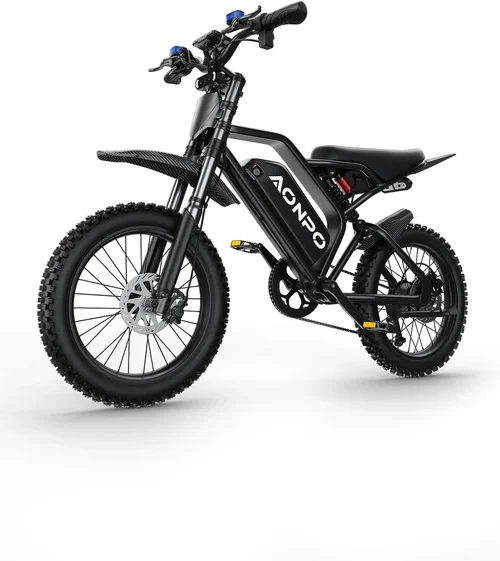
Electric bikes have revolutionized the way people commute, explore, and stay active—offering a blend of pedal-powered freedom and motor-assisted efficiency that traditional bicycles simply can’t match. But for many, the biggest barrier to entry isn’t performance or features—it’s price. The good news? In 2026, the market for affordable e-bikes has never been more competitive or accessible. With advancements in battery technology, streamlined manufacturing, and increased consumer demand, high-quality electric bikes are now available at prices that won’t break the bank. This guide is designed specifically for budget-conscious riders who want reliable, functional, and safe e-bikes without sacrificing essential performance.
Whether you’re a daily commuter looking to avoid traffic, a weekend adventurer seeking off-road thrills, or a casual rider wanting to enjoy longer rides without exhaustion, there’s a cheap e-bike out there that fits your lifestyle. But “cheap” doesn’t have to mean “cheaply made.” In fact, today’s entry-level and mid-tier e-bikes often pack impressive specs, durable frames, and smart features that rival models twice their price. The key is knowing what to look for—and what to avoid. That’s where this comprehensive buying guide comes in. We’ll walk you through every critical factor, from motor power and battery life to build quality and warranty coverage, so you can make an informed decision with confidence.
Over the past few years, the e-bike industry has seen explosive growth, with new brands emerging and established companies expanding their affordable lines. This has led to a flood of options, which is great for consumers—but also overwhelming. Some budget e-bikes offer incredible value, while others cut corners in ways that compromise safety, longevity, or usability. Our goal is to cut through the noise and help you identify the best cheap e-bikes that deliver real-world performance, reliability, and enjoyment. By the end of this guide, you’ll not only understand what makes a great budget e-bike but also know exactly how to find one that matches your needs, budget, and riding style.
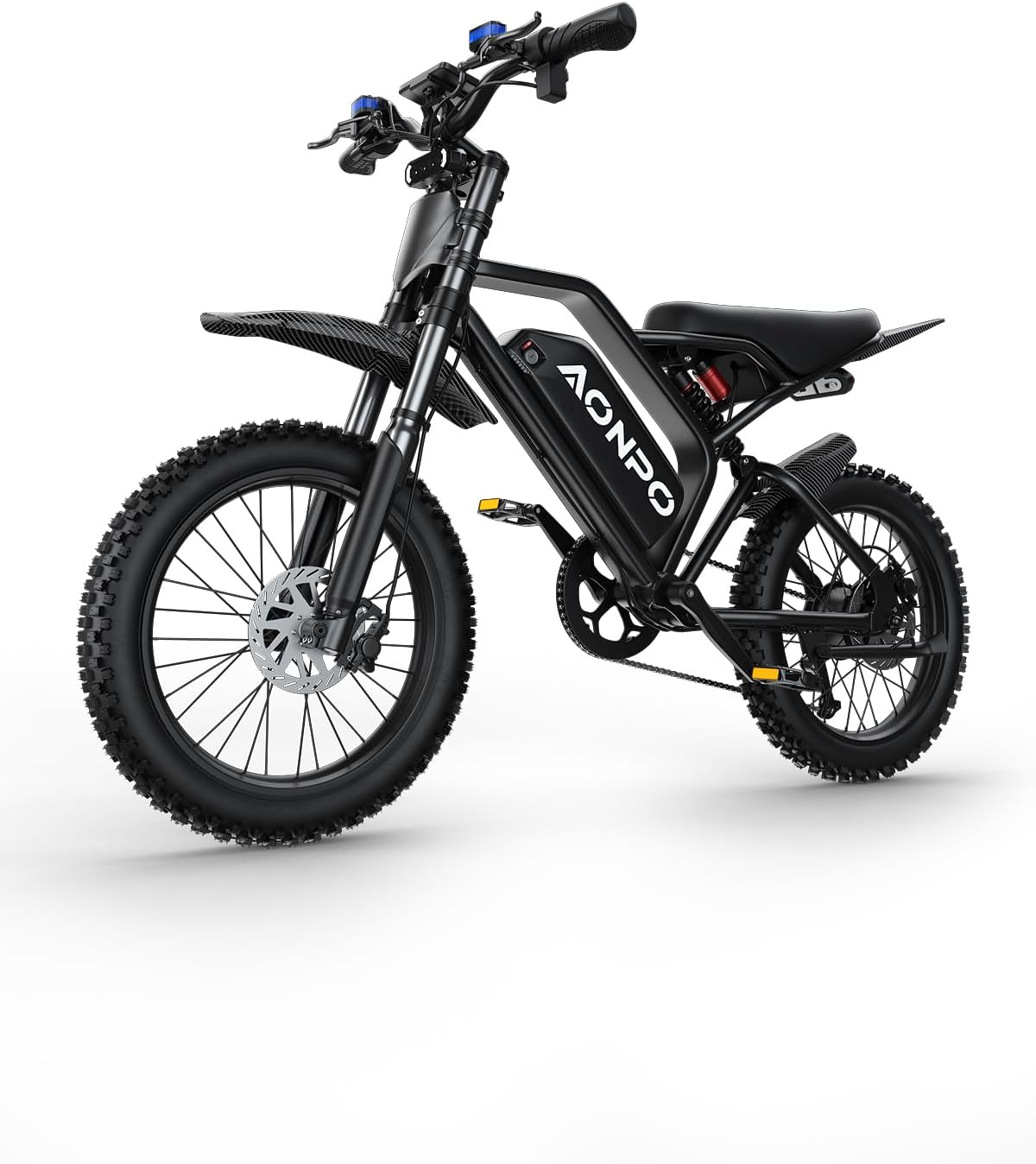
What to Look for When Buying a Cheap E-Bike
1. Budget & Price Range
Setting a realistic budget is the first and most important step in your e-bike search. While “cheap” is relative, in 2026, you can expect to find decent entry-level e-bikes starting around $600, with solid mid-range options between $800 and $1,500. Anything below $500 often comes with significant compromises—especially in motor quality, battery capacity, or frame durability. That said, don’t assume that spending more always means better value. Many brands offer aggressive pricing on their base models to attract new riders, and these can be excellent starting points.
When defining your budget, consider not just the upfront cost but also long-term expenses. Will you need to buy a helmet, lights, or a lock? Are replacement batteries or maintenance services included? Some brands offer bundled packages that include accessories, which can save you money in the long run. Also, factor in potential savings—like reduced fuel or public transit costs—if you’re using your e-bike for commuting. A $1,200 e-bike might seem expensive today, but if it replaces a $150 monthly transit pass, it pays for itself in under a year.
2. Performance Specifications
Performance is where many budget e-bikes fall short—but it doesn’t have to. The two most critical performance specs are motor power and battery capacity. Motor power is measured in watts (W), and for city riding, a 250W to 500W motor is typically sufficient. However, if you plan to tackle hills or carry heavy loads, aim for at least 500W. Some budget models advertise “peak power” (e.g., 750W peak), but this is misleading—look for continuous power ratings instead, as they reflect real-world performance.
Battery capacity is measured in watt-hours (Wh), which determines how far you can ride on a single charge. A 36V 10Ah battery, for example, delivers 360Wh. For most urban commuters, 300–400Wh is adequate for 20–30 miles of range, depending on terrain, rider weight, and assist level. Cheaper models may use lower-quality lithium-ion cells or smaller batteries that degrade faster. Always check the battery chemistry—Li-ion (lithium-ion) is standard, but avoid lead-acid or nickel-based batteries, which are outdated and heavy.
Other performance factors include pedal assist levels (usually 3–5), top speed (most are limited to 20 mph for Class 2 compliance), and torque. Higher torque means better hill-climbing ability and quicker acceleration. Some budget e-bikes now include torque sensors instead of basic cadence sensors, which provide a more natural, responsive ride. While not common in sub-$1,000 models, they’re worth seeking out if available.
3. Build Quality & Durability
You might be tempted to prioritize price over build quality, but a poorly constructed e-bike can become a money pit. The frame material is a good indicator of durability. Aluminum alloy is the standard for budget e-bikes—it’s lightweight, rust-resistant, and strong enough for daily use. Avoid steel frames unless they’re specifically designed for heavy-duty use, as they add significant weight. Check for welded joints, smooth paint finishes, and consistent welds—these details reflect manufacturing care.
Components like brakes, gears, and suspension also impact longevity. Mechanical disc brakes are common in budget models and offer reliable stopping power, but hydraulic disc brakes (found in mid-range bikes) provide better modulation and require less maintenance. If you ride in wet or hilly areas, hydraulic brakes are worth the extra cost. For gears, 7-speed Shimano Tourney or Altus drivetrains are typical in this price range and sufficient for most riders. Avoid single-speed e-bikes unless you live in a flat area—they limit your versatility.
Suspension is another area where budget bikes vary. Front suspension forks are common and help absorb bumps, but many are basic coil springs with minimal travel. If you plan to ride on rough terrain, look for models with adjustable preload or lockout features. Full suspension is rare under $1,500 but not impossible—some brands offer hybrid designs that balance comfort and cost.
4. Features & Functionality
Even on a budget, you can find e-bikes packed with useful features. The display is your main interface—look for an LCD or LED screen that shows speed, battery level, assist mode, and trip distance. Some models include USB ports for charging devices, which is handy for long rides. Integrated lights (front and rear) are a safety must-have, especially if you ride at night. Many budget e-bikes now include these as standard, but always verify—aftermarket lights can add $30–$50 to your cost.
Other features to consider include fenders (to keep you dry in rain), rear racks (for carrying bags or groceries), and kickstands. These may seem minor, but they significantly improve daily usability. Some models even offer smartphone connectivity via Bluetooth, allowing you to track rides, adjust settings, or lock the bike remotely. While not essential, these tech features can enhance your experience and are increasingly common in the $800–$1,200 range.
One often-overlooked feature is the throttle. Class 2 e-bikes include a throttle that lets you ride without pedaling—ideal for starting from a stop or climbing steep hills. If you have joint issues or prefer motor-only assistance occasionally, a throttle is a valuable addition. Just note that throttle use drains the battery faster, so balance convenience with range.
5. Brand Reputation
Not all budget e-bike brands are created equal. While new companies pop up frequently, established brands like Rad Power Bikes, Aventon, Lectric, and Heybike have built reputations for reliability and customer support. These companies often offer better warranties, more transparent specs, and easier access to replacement parts. That said, lesser-known brands can still offer great value—especially if they’re backed by positive user reviews and third-party testing.
Research the brand’s history. Have they been around for more than two years? Do they have a physical address and customer service team? Avoid companies that only exist as Amazon storefronts with no website or contact information. Look for brands that publish detailed spec sheets, not just marketing fluff. Transparency is a sign of confidence in their product.
Also, check if the brand complies with regional regulations. In the U.S., e-bikes must meet Class 1, 2, or 3 standards set by the CPSC. In Europe, EN 15194 certification is required. Reputable brands will clearly state compliance, while fly-by-night sellers may ignore these rules, putting you at risk of fines or unsafe riding conditions.
6. Warranty & Support
A strong warranty is one of the best indicators of a brand’s confidence in its product. For budget e-bikes, a minimum 1-year warranty on the frame and motor is standard, but some brands offer 2 years or more. The battery is often covered separately—look for at least 6–12 months, though 18–24 months is better. Extended warranties or optional coverage plans can be worth considering if you plan to keep the bike long-term.
Customer support matters just as much. Can you reach a real person by phone or email? Are there service centers nearby, or do you have to ship the bike back for repairs? Brands with U.S.-based support teams tend to respond faster than those relying on overseas centers. Check forums and review sites for complaints about slow repairs or unresponsive service.
Finally, consider the availability of spare parts. Can you easily replace a brake pad, chain, or battery? Some budget brands use proprietary components that are hard to source, while others stick to standard parts compatible with mainstream bike shops. This can save you time and money down the road.
7. Size & Portability
E-bikes are heavier than regular bikes—typically 40–70 lbs—so size and portability are important, especially if you need to carry it upstairs or store it in a small apartment. Step-through frames are popular for their ease of mounting and dismounting, making them ideal for riders with limited mobility or those wearing skirts or dresses. Traditional diamond frames offer more rigidity and are better for aggressive riding.
If portability is a priority, look for foldable e-bikes. These compact models can be stored in car trunks, under desks, or in closets. Brands like Swagtron, ANCHEER, and Lectric offer foldable options under $1,000. However, folding mechanisms can add weight and reduce structural integrity, so test the bike’s stability before buying.
Frame size also affects comfort. Most brands offer small, medium, and large options based on rider height. A poorly sized bike can cause back pain, numb hands, or inefficient pedaling. Use the manufacturer’s size chart and, if possible, test ride before purchasing. Some online retailers offer virtual fitting tools or generous return policies to help you get the right fit.
8. User Reviews & Ratings
Never buy an e-bike based solely on specs or marketing claims. Real-world user reviews provide invaluable insights into reliability, comfort, and hidden flaws. Look for detailed reviews on platforms like Amazon, YouTube, Reddit (r/ebikes), and specialized forums. Pay attention to recurring themes—if multiple users report the same issue (e.g., battery failure after 6 months), it’s likely a design flaw.
Be wary of fake reviews. Generic praise like “Great bike!” with no details is often suspicious. Look for reviews with photos, videos, or specific experiences (“I rode 15 miles to work every day for 3 months”). Also, check the date—older reviews may not reflect current models, especially if the brand has updated components.
Professional reviews from sites like Electric Bike Review, BikeRadar, or Wirecutter can also help, but remember that they often test higher-end models. Still, their testing methodologies (e.g., range tests, hill climbs) can give you a benchmark for evaluating budget options.
Different Types of Cheap E-Bikes

Common Buying Mistakes to Avoid
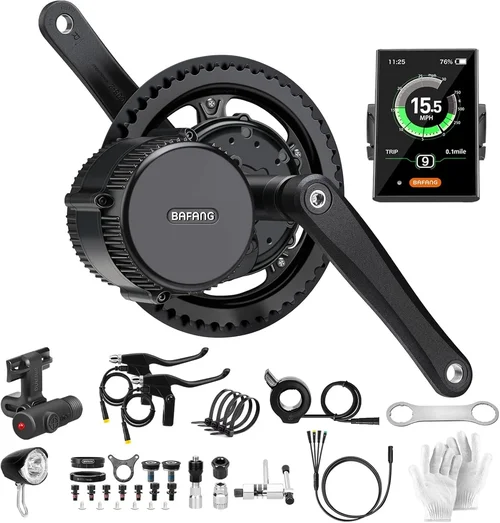
❌ Mistake: Choosing Based on Price Alone
Why it’s bad: The cheapest e-bike isn’t always the best value. Models under $500 often use low-quality motors, weak batteries, and flimsy frames that fail within months. You may end up spending more on repairs or replacements than if you’d bought a slightly more expensive, reliable model.
What to do instead: Set a minimum budget of $600–$700 and prioritize value over absolute low cost. Look for bikes that balance price with essential features like disc brakes, decent battery capacity, and a reputable brand.
❌ Mistake: Ignoring Battery Specifications
Why it’s bad: A small or low-quality battery drastically reduces range and lifespan. Some budget bikes advertise “long range” but use undersized batteries or inefficient motors that drain power quickly.
What to do instead: Always check the battery’s watt-hour (Wh) rating and chemistry. Aim for at least 300Wh for city commuting. Avoid vague claims like “up to 50 miles” without context—real-world range is usually 30–70% lower.
❌ Mistake: Overlooking Warranty and Support
Why it’s bad: Without a solid warranty, you’re on your own if the motor fails or the battery degrades. Some brands offer no support, leaving you stranded with a broken bike.
What to do instead: Choose brands with at least a 1-year warranty on major components and accessible customer service. Read the fine print—some warranties exclude normal wear or require professional installation.
❌ Mistake: Buying Without Test Riding
Why it’s bad: E-bikes feel different from regular bikes. A poorly fitted or uncomfortable model can lead to back pain, hand numbness, or unsafe handling.
What to do instead: Test ride whenever possible. If buying online, choose retailers with generous return policies (30 days or more). Some brands offer virtual fitting guides or local dealer networks.
❌ Mistake: Assuming All E-Bikes Are Street-Legal
Why it’s bad: In many regions, e-bikes must meet specific speed and power limits to be legal on roads and bike lanes. Non-compliant bikes can result in fines or confiscation.
What to do instead: Verify that the bike meets local regulations (e.g., Class 1, 2, or 3 in the U.S.). Look for certification labels and avoid modified or “off-road only” models for city use.
❌ Mistake: Neglecting Maintenance Needs
Why it’s bad: E-bikes require regular maintenance—brake adjustments, tire checks, chain lubrication—just like regular bikes. Ignoring this leads to premature wear and safety risks.
What to do instead: Learn basic maintenance or find a local bike shop that services e-bikes. Budget $100–$200 annually for tune-ups and parts.
❌ Mistake: Falling for “Too Good to Be True” Deals
Why it’s bad: Scam sellers on marketplaces like eBay or Facebook Marketplace often list fake or defective e-bikes at suspiciously low prices. You may receive a counterfeit product or nothing at all.
What to do instead: Buy from authorized retailers or well-reviewed online stores. Avoid wire transfers or cash payments. Use secure payment methods with buyer protection.
Budget Guidelines: How Much Should You Spend?
Entry-Level ($600–$800): This tier is ideal for casual riders or those on a tight budget. Expect basic components—mechanical disc brakes, 7-speed drivetrains, and 300–360Wh batteries. Brands like Heybike, Swagtron, and ANCHEER offer models in this range. While functional, these bikes may lack advanced features like torque sensors or hydraulic brakes. Best for flat terrain and short commutes under 15 miles.
Mid-Range ($800–$1,300): This is the sweet spot for most buyers. You’ll find better build quality, higher-capacity batteries (400–500Wh), and improved motors (500W continuous). Many models include integrated lights, fenders, racks, and LCD displays. Brands like Rad Power Bikes, Aventon, and Lectric dominate this space with reliable, feature-rich options. Perfect for daily commuting, weekend rides, and light off-road use.
Premium ($1,300–$2,000): For enthusiasts and serious commuters, this tier offers top-tier components—hydraulic disc brakes, torque sensors, high-end drivetrains (Shimano Deore or SRAM), and advanced displays. Batteries often exceed 500Wh, enabling 40–60 mile ranges. Some models include suspension upgrades, smartphone integration, and premium finishes. Ideal for hilly areas, long distances, or riders who want a bike that lasts 5+ years.
Luxury ($2,000+): While beyond the scope of “cheap” e-bikes, luxury models offer cutting-edge tech—GPS tracking, regenerative braking, carbon frames, and AI-assisted riding. These are for collectors, tech lovers, or professionals who demand the best. Most budget-conscious buyers don’t need this tier, but it’s worth noting for future upgrades.
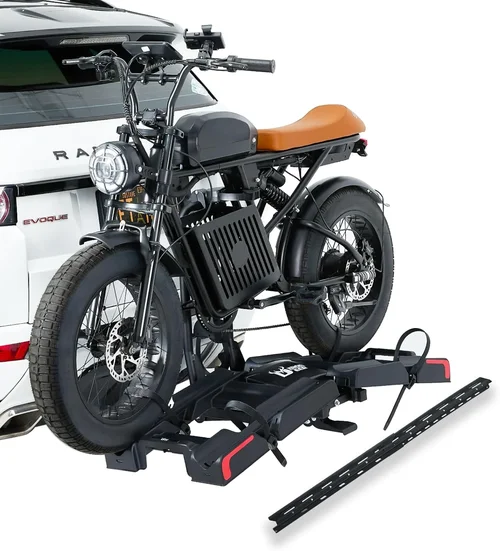
Expert Tips for Getting the Best Deal
- Buy During Off-Peak Seasons: Retailers discount e-bikes in late summer and winter when demand drops. Look for end-of-season sales in August–September or holiday promotions in December.
- Shop Direct from Manufacturers: Brands like Rad Power Bikes and Lectric sell directly online, cutting out middlemen and passing savings to you. They often offer exclusive deals and bundles.
- Check for Refurbished or Open-Box Models: Certified pre-owned e-bikes can save 20–30% off retail. Ensure they come with a warranty and have been inspected.
- Use Cashback and Coupon Sites: Rakuten, Honey, or Slickdeals can offer 5–15% cashback or promo codes at major retailers.
- Join Loyalty Programs: Some brands offer discounts for referrals, email sign-ups, or social media follows.
- Negotiate with Local Dealers: Independent bike shops may price-match online retailers or throw in free accessories.
- Read Return Policies Carefully: Ensure you can return the bike within 30 days if it doesn’t meet expectations. Some brands charge restocking fees or require you to pay return shipping.
- Consider Financing Options: Many retailers offer 0% APR financing for 6–12 months, making higher-end models more affordable.

Frequently Asked Questions
Q: How far can a cheap e-bike really go on one charge?
A: Most budget e-bikes with 300–400Wh batteries offer 20–35 miles of range under normal conditions. Factors like rider weight, terrain, wind, and assist level affect this. Using higher assist modes or throttle reduces range significantly. For longer trips, carry a spare battery or plan charging stops.
Q: Are cheap e-bikes safe?
A: Yes, if they meet safety standards and are properly maintained. Look for UL certification on the battery and motor, which indicates compliance with electrical safety norms. Avoid no-name brands with no certifications. Always wear a helmet and follow traffic laws.
Q: Can I ride a cheap e-bike in the rain?
A: Most modern e-bikes are water-resistant (IPX4 or higher), meaning they can handle light rain. However, avoid submerging the battery or motor. Dry the bike after wet rides and store it indoors when possible.
Q: Do I need a license or insurance for a cheap e-bike?
A: In most U.S. states and EU countries, Class 1 and 2 e-bikes (under 20 mph) do not require a license or insurance. However, rules vary by location—check local laws. Some cities require helmets or restrict e-bike use on certain paths.
Q: How often should I charge the battery?
A: Charge after each ride if possible, but avoid letting the battery drop below 20% regularly. Lithium-ion batteries last longest when kept between 20% and 80%. Don’t leave it plugged in overnight unless the charger has auto-cutoff.
Q: Can I upgrade a cheap e-bike later?
A: Some components like tires, seats, and lights are easy to upgrade. However, motors and batteries are often proprietary and difficult to replace. Choose a bike with standard parts if you plan future upgrades.
Q: What’s the difference between pedal assist and throttle?
A: Pedal assist (PAS) provides motor power only when you pedal, while throttle lets you ride without pedaling. Class 2 e-bikes have throttles; Class 1 do not. Throttle is convenient but uses more battery.
Q: How long do cheap e-bike batteries last?
A: A quality lithium-ion battery should last 500–1,000 charge cycles, or 2–4 years with regular use. Capacity gradually decreases over time. Replace when range drops below 70% of original.
Q: Are foldable e-bikes as durable as regular ones?
A: Generally, yes—if well-made. Look for reinforced hinges and locking mechanisms. Avoid ultra-cheap foldables with weak joints. Test the fold and unfold process to ensure stability.
Q: Can I take my e-bike on public transit?
A: Many buses and trains allow e-bikes, but rules vary. Folding e-bikes are usually permitted; full-size bikes may require off-peak hours or bike racks. Check with your local transit authority.
Our Final Recommendations
Best for Budget-Conscious Buyers: Lectric XP 3.0 ($999) – A folding fat-tire e-bike with 500W motor, 48V 10.4Ah battery (500Wh), and hydraulic disc brakes. Offers exceptional value with premium features rarely seen under $1,000.
Best Overall Value: Rad Power Bikes RadCity 5 Plus ($1,499) – A commuter favorite with 750W motor, 672Wh battery, integrated lights, fenders, and a comfortable step-through frame. Reliable, well-supported, and built to last.
Best Premium Option: Aventon Level.2 ($1,699) – Combines sleek design with performance: 750W motor, torque sensor, 614Wh battery, and hydraulic brakes. Ideal for riders who want a premium feel without luxury pricing.
Best for Beginners: Heybike Cityscape ($699) – Simple, reliable, and affordable. Features a 500W motor, 36V 10Ah battery, and step-through frame. Great for new riders or casual use.
Best for Advanced Users: Juiced CrossCurrent X ($1,899) – High-performance hybrid with 750W motor, 960Wh battery (up to 80 miles!), and advanced display. Perfect for long-distance commuters and tech-savvy riders.
Conclusion: Making the Right Choice
Buying a cheap e-bike in 2026 doesn’t mean settling for less—it means being smart about value. With the right knowledge, you can find an electric bike that’s affordable, reliable, and perfectly suited to your lifestyle. From daily commutes to weekend adventures, the right e-bike can transform how you move through the world. Remember to prioritize your needs: whether it’s range, comfort, portability, or performance, there’s a budget-friendly option that checks all your boxes.
Don’t rush the decision. Take time to research, compare models, and read real user experiences. Use the factors in this guide—budget, performance, build quality, features, brand reputation, warranty, size, and reviews—to narrow your choices. And when you find the right bike, enjoy the freedom, savings, and joy that comes with electric-assisted riding. The road ahead is electric—and it’s more accessible than ever.