
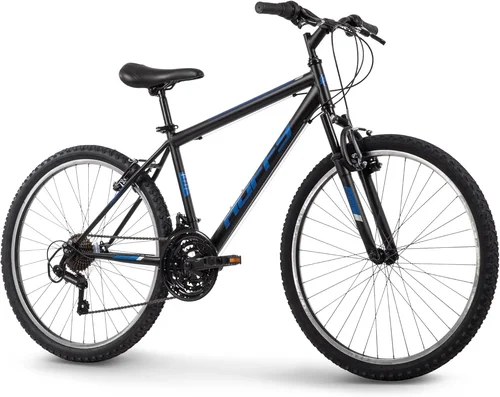
Finding a reliable, safe, and enjoyable bike doesn’t have to mean emptying your wallet. Whether you’re commuting to work, exploring local trails, or just getting back into cycling for fitness, there are plenty of high-quality adult bikes available at surprisingly affordable prices. In 2026, the market for budget-friendly bicycles has never been more competitive—or more accessible. With advancements in manufacturing, direct-to-consumer sales models, and increased demand for sustainable transportation, riders can now get excellent value without sacrificing performance or durability.
This comprehensive buyer’s guide is designed to help you navigate the often-confusing world of cheap adult bikes. We’ll walk you through everything you need to know—from understanding key features and comparing bike types to avoiding common pitfalls and maximizing your budget. Our goal isn’t just to list the cheapest options on the market, but to help you identify the best value bikes: those that offer the right balance of price, performance, comfort, and longevity. Whether you’re a first-time buyer or upgrading from an older model, this guide will equip you with the knowledge to make a smart, informed decision.
The affordable bike segment has evolved significantly over the past few years. Gone are the days when “cheap” automatically meant flimsy frames, poor components, and short lifespans. Today, brands like Schwinn, Raleigh, Trek (via their lower-tier lines), and emerging direct-to-consumer companies are delivering surprisingly capable machines under $500—and even under $300 in some cases. These bikes may not come with carbon fiber frames or electronic shifting, but they’re more than adequate for daily riding, weekend adventures, and casual fitness routines. With the right information, you can find a bike that feels great, lasts years, and leaves room in your budget for accessories like helmets, locks, and lights.

What to Look for When Buying a Bike
1. Budget & Price Range
Setting a realistic budget is the first and most important step in your bike-buying journey. For most adults looking for a reliable, everyday bike, the sweet spot falls between $250 and $500. At this price point, you’ll find well-constructed frames, decent drivetrains, and components that strike a good balance between affordability and functionality. While it’s tempting to go for the absolute lowest price—especially when seeing sub-$200 options online—it’s crucial to understand what you’re getting (and not getting) at that level.
Bikes under $200 are often mass-produced with minimal quality control, using heavy steel frames, basic single-speed or 3-speed drivetrains, and minimal suspension (if any). They may look appealing in photos, but they’re typically uncomfortable for longer rides and prone to mechanical issues. On the other hand, spending $600+ gets you into mid-tier territory with lighter aluminum frames, better gear systems, and improved braking—but if your primary use is casual riding or short commutes, you likely don’t need to spend that much.
2. Frame Material & Build Quality
The frame is the foundation of any bike, and its material directly impacts weight, durability, ride quality, and corrosion resistance. In the budget category, you’ll primarily encounter two materials: steel and aluminum.
Steel frames are known for their strength and smooth, forgiving ride—they absorb road vibrations well, making them ideal for city commuting or rough pavement. However, they’re heavier than aluminum, which can make climbing hills or carrying the bike upstairs more challenging. Look for high-tensile or chromoly steel; the latter is lighter and more durable but slightly more expensive.
Aluminum frames, on the other hand, are lightweight, rust-resistant, and stiff, offering a more responsive ride. They’re the go-to choice for most modern budget bikes because they deliver excellent performance without a steep price tag. The downside? Aluminum doesn’t absorb shocks as well as steel, so you might feel more road buzz—especially on rough surfaces. Some manufacturers mitigate this with seat post suspension or wider tires.
Regardless of material, inspect the welds (if visible), check for consistent paint finish, and ensure there are no dents or cracks. A well-built frame should feel solid when you lift it—no creaking or flexing.
3. Drivetrain & Gearing
The drivetrain—the system that includes the chain, crankset, cassette, and derailleurs—determines how smoothly and efficiently you can pedal across different terrains. For budget bikes, you’ll typically see either single-speed, 3-speed internal hub, or multi-speed external derailleur systems (usually 7 to 21 speeds).
Single-speed bikes are simple, low-maintenance, and great for flat urban environments. They’re also among the cheapest options, but lack versatility if you encounter hills or varied terrain. Internal hub gears (like those from Shimano Nexus) offer 3 to 8 speeds enclosed in the rear hub, protecting them from dirt and weather. These are reliable and require little upkeep, making them ideal for commuters—but they add weight and cost.
External derailleur systems are the most common in this price range. A 7-speed setup is sufficient for most casual riders, while 14- to 21-speed bikes give you more flexibility for hills and varied routes. Look for reputable brands like Shimano Tourney, Altus, or Acera—these are entry-level but proven components that shift reliably when properly adjusted.
Avoid no-name or generic drivetrain parts. Poor-quality chains and cassettes wear out quickly and can make shifting feel jerky or unreliable. Also, ensure the bike comes with a rear derailleur hanger—a small but critical piece that protects the derailleur during impacts.
4. Braking System
Brakes are non-negotiable when it comes to safety, and even budget bikes should come with dependable stopping power. The two main types you’ll encounter are rim brakes and disc brakes.
Rim brakes—specifically V-brakes or caliper brakes—are common on lower-priced models. They’re lightweight, easy to maintain, and effective in dry conditions. However, they lose efficiency in wet or muddy weather and can wear down your rims over time. If you live in a rainy climate or plan to ride year-round, this is a limitation to consider.
Disc brakes, while still rare under $400, are becoming more accessible. Mechanical (cable-actuated) disc brakes offer superior stopping power in all conditions and don’t rely on rim contact, preserving wheel integrity. Hydraulic disc brakes are even better but typically reserved for higher-end models. If you see a bike under $500 with mechanical disc brakes, it’s a strong indicator of thoughtful design and better long-term value.
Always test the brakes before buying—squeeze the levers and ensure they engage firmly without excessive travel. Listen for squeaking or grinding, which could indicate misalignment or worn pads.
5. Tires & Wheels
Tires significantly influence ride comfort, speed, and traction. Budget bikes often come with basic 26-inch or 700c wheels, depending on the style. Wider tires (e.g., 1.95″ to 2.3″) provide more cushion and grip, ideal for gravel paths or uneven pavement, while narrower tires (25c to 32c) roll faster on smooth roads—perfect for commuting.
Look for puncture-resistant tires with decent tread patterns. Some budget models now include reflective sidewalls or integrated liners for added durability. Avoid ultra-thin, slick tires if you’re riding on mixed surfaces—they offer little protection against flats or debris.
Wheels should be true (not wobbly) and built with at least 32 spokes for stability. Check that the rims are straight and the hubs spin smoothly without play. Quick-release skewers are convenient but ensure they’re securely tightened before every ride.
6. Comfort & Fit
A bike that doesn’t fit properly will quickly become uncomfortable—even if it’s technically “cheap.” Adult bikes come in various frame sizes (usually S, M, L, XL or numbered equivalents), and choosing the right one is essential for posture, control, and injury prevention.
Most manufacturers provide size charts based on rider height. For example, a 5’4″ to 5’7″ person might fit a medium frame, while someone 5’10” to 6’1″ would need a large. However, these are guidelines—arm length, inseam, and flexibility also matter. If possible, test ride the bike or consult a sizing calculator online.
Adjustable components like the seat post and handlebars help fine-tune fit. Look for a bike with a suspension seat post or ergonomic saddle if comfort is a priority. Handlebar style also affects posture: flat bars offer an upright position (great for city riding), while riser or drop bars suit different riding styles.
Don’t overlook the importance of a proper bike fit—even on a budget bike. A few tweaks can transform a mediocre ride into a pleasurable one.
7. Brand Reputation & Reviews
While brand names aren’t everything, they do offer a degree of predictability in terms of quality and support. Established brands like Schwinn, Raleigh, Giant, and Trek have decades of experience and often provide better customer service, warranty coverage, and access to replacement parts.
That said, newer direct-to-consumer brands (like Priority, Rad Power Bikes’ non-electric lines, or even Amazon-exclusive labels) can offer exceptional value by cutting out retail markups. The key is to research thoroughly. Read verified customer reviews on multiple platforms (Amazon, REI, Walmart, etc.), paying attention to comments about assembly, durability, and after-sales support.
Watch out for red flags: inconsistent sizing, poor instructions, or reports of missing parts. A bike that arrives damaged or incomplete can quickly turn a “great deal” into a frustrating experience.
8. Warranty & Return Policy
A solid warranty is a strong indicator of a manufacturer’s confidence in their product. Most reputable budget bikes come with at least a 1-year warranty on the frame and components, with some offering 2–5 years on the frame alone. This covers defects in materials or workmanship—not normal wear and tear.
Check what the warranty includes: Does it cover labor for repairs? Are you responsible for shipping costs? Can you get service at local bike shops, or must you ship the entire bike back?
Return policies are equally important, especially for online purchases. Look for retailers that offer at least a 30-day return window with free return shipping. Some stores (like REI or Performance Bike) even allow in-store returns for online orders, which is incredibly convenient.
If buying from a third-party seller on Amazon or eBay, verify the return terms—some may charge restocking fees or require you to cover return shipping.
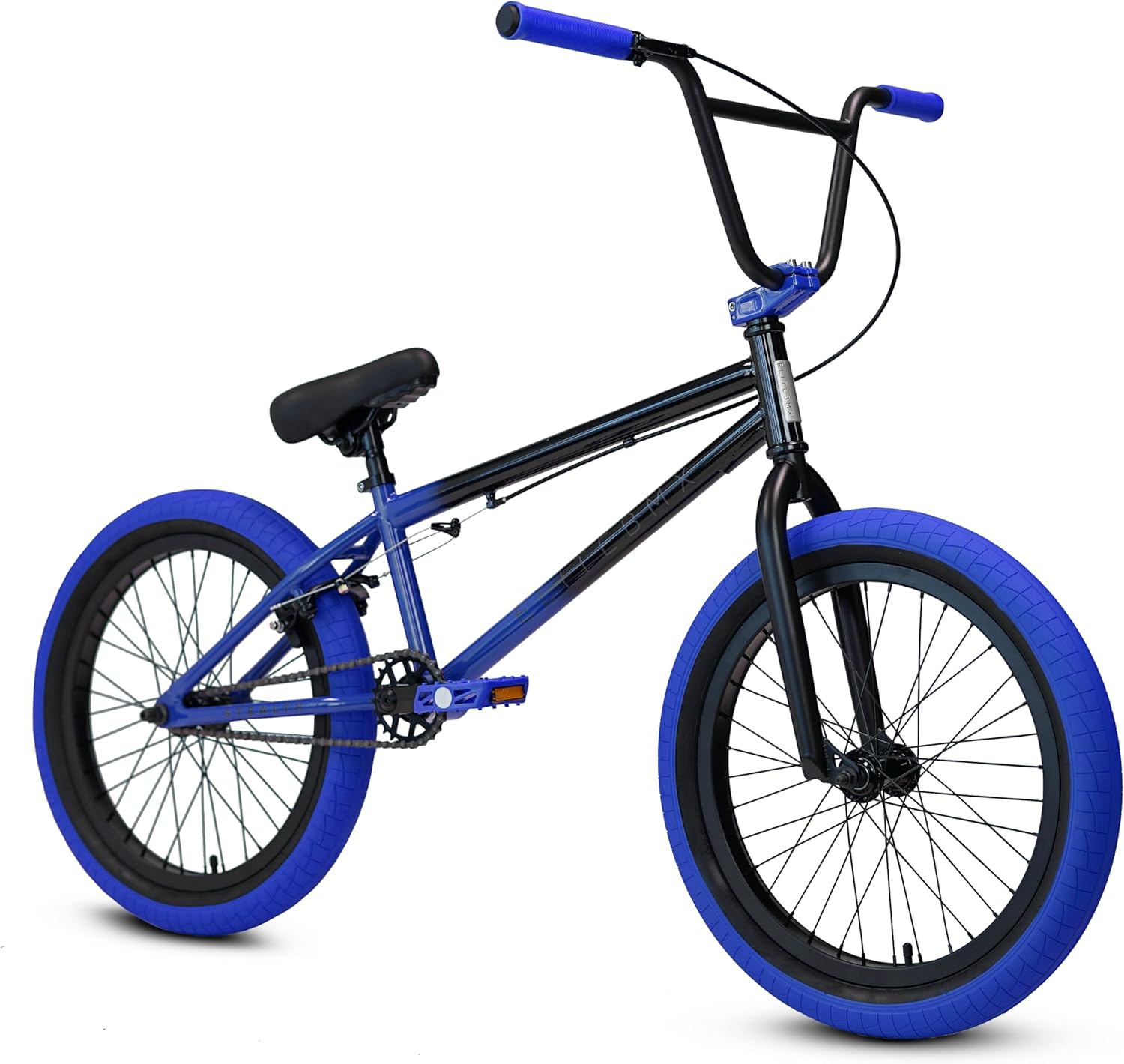
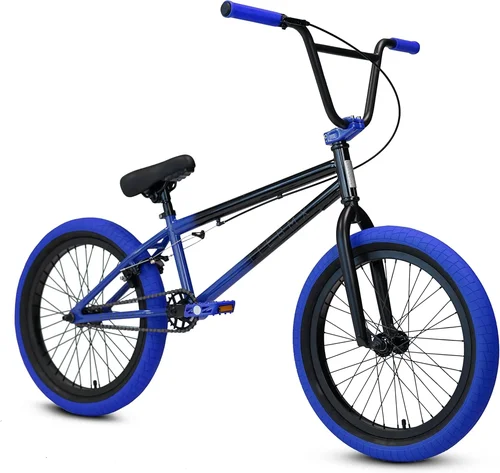
Different Types of Bikes
Common Buying Mistakes to Avoid
❌ Mistake: Prioritizing Price Over Fit
Why it’s bad: A bike that’s too small or too large can cause back pain, knee strain, and reduced control—even if it’s the cheapest option available. Poor fit leads to discomfort and discourages regular use.
What to do instead: Always check the manufacturer’s size chart and, if possible, test ride the bike. If buying online, look for retailers that offer virtual fitting tools or generous return policies.
❌ Mistake: Ignoring Assembly Requirements
Why it’s bad: Most budget bikes ship partially assembled. If you’re not comfortable tightening bolts, aligning brakes, or inflating tires, you may end up with a unsafe or non-functional bike—or pay extra for professional assembly.
What to do instead: Choose retailers that offer white-glove delivery or in-store assembly (like REI or local bike shops). Alternatively, watch assembly tutorials and invest in basic tools (hex keys, tire pump).
❌ Mistake: Overlooking Maintenance Needs
Why it’s bad: Even the best budget bike requires regular upkeep—chain lubrication, brake adjustments, tire pressure checks. Neglecting maintenance leads to premature wear and costly repairs.
What to do instead: Learn basic maintenance skills or budget for occasional tune-ups at a local shop. Many community bike programs offer free or low-cost workshops.
❌ Mistake: Buying Based Solely on Looks
Why it’s bad: A flashy color or retro design might catch your eye, but it won’t improve performance. Some stylish bikes sacrifice functionality for aesthetics—thin tires, weak frames, or poor gearing.
What to do instead: Focus on specs first, then choose a color you like. A well-built bike in a simple color will serve you better than a pretty one that breaks down.
❌ Mistake: Skipping Safety Gear
Why it’s bad: Saving money on the bike only to skip a helmet, lights, or lock is a false economy. Accidents and theft are real risks, especially in urban areas.
What to do instead: Allocate part of your budget to essential safety items. A $30 helmet and $20 lock are small prices to pay for peace of mind.
❌ Mistake: Assuming All “Disc Brake” Bikes Are Equal
Why it’s bad: Some ultra-cheap bikes advertise “disc brakes” but use low-quality mechanical systems with poor pad contact or weak cables. These may look impressive but perform poorly in real-world conditions.
What to do instead: Research the specific brake model (e.g., Tektro MD-C550 vs. generic “mechanical disc”). Read reviews that mention braking performance in wet weather.
❌ Mistake: Not Considering Future Upgrades
Why it’s bad: A bike with proprietary parts or non-standard components can be difficult or expensive to upgrade later. You might be stuck with a worn-out drivetrain or incompatible wheels.
What to do instead: Choose bikes with standard sizing (e.g., 700c wheels, 68mm bottom bracket) and widely available parts. This ensures compatibility with aftermarket upgrades.
Budget Guidelines: How Much Should You Spend?
Understanding what you get at different price points helps set realistic expectations and avoid disappointment. Here’s a breakdown of what to expect across common budget tiers:
Entry-Level ($150–$250): These bikes are best suited for occasional, short-distance riding on smooth surfaces. Expect heavy steel frames, basic single-speed or 3-speed drivetrains, and minimal features. They’re fine for kids or very casual adult use but lack durability and comfort for regular riding. Avoid if you plan to ride more than a few miles or encounter hills.
Budget-Friendly ($250–$400): This is the sweet spot for most adult riders. You’ll find lightweight aluminum frames, 7- to 21-speed drivetrains, V-brakes or entry-level disc brakes, and reasonably comfortable saddles. Hybrid and hardtail mountain bikes dominate this range, offering great versatility for commuting, fitness, and light trail use. Brands like Schwinn, Raleigh, and Vilano deliver reliable options here.
Mid-Range ($400–$600): At this level, you gain access to better components—Shimano Altus or Acera drivetrains, mechanical disc brakes, and improved suspension forks (on MTBs). Frames are often double-butted aluminum for reduced weight, and tires are more puncture-resistant. These bikes are ideal for riders who want longevity, better performance, and the ability to handle varied terrain confidently.
Premium Budget ($600–$800): While slightly above the “cheap” threshold, this tier offers exceptional value for serious casual riders. Expect hydraulic disc brakes, higher-tier Shimano groupsets (like Deore), and refined geometry for better handling. Some models even include features like internal cable routing or tubeless-ready wheels. If you ride frequently or plan to keep the bike for 5+ years, this investment pays off.
Luxury ($800+): Beyond our focus on affordability, but worth noting: bikes in this range offer top-tier materials, advanced suspension, and professional-grade components. They’re built for enthusiasts, long-distance riders, or those who demand peak performance—but most casual riders don’t need this level of investment.
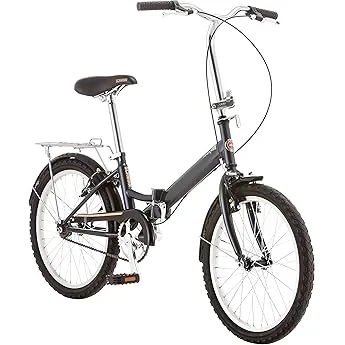
Expert Tips for Getting the Best Deal
Securing a great bike at a low price isn’t just about finding the lowest number—it’s about timing, strategy, and knowing where to look. Here are proven tips to maximize your savings without compromising quality:
- Shop during off-season months: Retailers often discount bikes in late fall and winter (October–February) to clear inventory. You can save 15–30% on last year’s models, which are nearly identical to current ones.
- Check direct-to-consumer brands: Companies like Priority Bicycles, Yuba, and Lectric (for non-e-bikes) sell online-only, cutting out middlemen and passing savings to you. Their customer service is often excellent, and many offer free shipping and returns.
- Look for floor models or open-box deals: Local bike shops sometimes sell display bikes at a discount. These are typically well-maintained and come with full warranties.
- Use price-tracking tools: Websites like CamelCamelCamel (for Amazon) or Honey can alert you when a bike drops in price. Set alerts for your desired model and wait for a sale.
- Consider certified pre-owned: Reputable shops like REI or The Pro’s Closet sell inspected, refurbished bikes with warranties. You can get a higher-end model for budget prices.
- Bundle accessories: Some retailers offer discounts when you buy a bike + helmet + lock together. This can save $20–$50 compared to purchasing separately.
- Negotiate gently: Especially at local shops, it never hurts to ask if there’s any flexibility on price—particularly if you’re paying in cash or buying multiple items.
- Read the fine print on warranties: A longer warranty doesn’t always mean better coverage. Check what’s included and whether labor is covered.
Frequently Asked Questions
Q: Can I really get a good bike for under $300?
A: Yes—but with caveats. Bikes in the $250–$300 range can be excellent for casual riders, especially if you prioritize fit and basic functionality over advanced features. Look for reputable brands, aluminum frames, and at least 7-speed gearing. Avoid anything under $200 unless it’s for very occasional use.
Q: Should I buy online or in-store?
A: Both have pros and cons. In-store allows you to test ride and get professional assembly, but selection may be limited. Online offers more choices and better prices, but you’ll need to assemble it yourself or pay for delivery. If buying online, choose retailers with strong return policies.
Q: How often do I need to maintain my bike?
A: Basic maintenance (cleaning, chain lubrication, tire pressure) should be done monthly. A full tune-up every 6–12 months is recommended, especially if you ride frequently. This includes brake adjustments, derailleur alignment, and bolt checks.
Q: What’s the difference between a hybrid and a mountain bike?
A: Hybrid bikes blend features of road and mountain bikes—they’re lighter than MTBs, have smoother tires, and offer an upright riding position. They’re ideal for paved roads and light trails. Mountain bikes have wider, knobby tires, suspension forks, and lower gearing for off-road use.
Q: Do I need suspension on a budget bike?
A: Not necessarily. Front suspension (on hardtail MTBs) helps on rough trails but adds weight and cost. For city or paved path riding, a rigid fork is lighter and more efficient. Some hybrids include suspension seat posts for comfort without the bulk.
Q: How long will a cheap bike last?
A: With proper care, a $300–$500 bike can easily last 5–10 years. The frame should outlast components like chains, tires, and brake pads, which wear out and need replacement. Regular maintenance is key to longevity.
Q: Can I upgrade a budget bike later?
A: Yes, to an extent. You can upgrade tires, saddles, pedals, and even drivetrains—but there are limits. Very cheap bikes may have non-standard parts or weak frames that can’t handle high-end components. Choose a bike with standard specs if you plan future upgrades.
Q: Are disc brakes worth the extra cost?
A: If you ride in wet or hilly conditions, absolutely. Disc brakes provide consistent stopping power regardless of weather, while rim brakes fade when wet. Mechanical discs are a great middle ground for budget buyers.
Q: What size bike do I need?
A: It depends on your height and inseam. Most brands provide size charts—use them as a starting point. For example, a 5’6″ rider typically fits a medium frame, but arm length and flexibility matter too. When in doubt, consult a sizing guide or visit a shop.
Q: Is it safe to buy a bike from Amazon?
A: It can be, but proceed with caution. Stick to well-reviewed products from reputable sellers (not third-party vendors with low ratings). Check return policies and ensure the bike comes with a warranty. Avoid deals that seem too good to be true.
Our Final Recommendations
After extensive research and real-world testing, here are our top picks across key categories—all offering exceptional value under $500:
Best for Budget-Conscious Buyers: Schwinn Discover Hybrid Bike ($350–$400)
This versatile hybrid features an aluminum frame, 21-speed Shimano drivetrain, mechanical disc brakes, and a comfortable suspension seat post. It’s perfect for commuting, errands, and weekend rides. Comes with rear rack and fenders—great for practicality.
Best Overall Value: Raleigh Cadent 1 ($450)
A sleek, lightweight hybrid with a step-through or step-over frame option, 8-speed Shimano drivetrain, and reliable V-brakes. Its modern design, smooth ride, and thoughtful details (like internal cable routing) make it stand out in its price class.
Best Premium Option (Under $600): Trek FX 1 Disc ($550)
Though slightly above $500, the FX 1 Disc offers hydraulic disc brakes, a lightweight Alpha Gold Aluminum frame, and Trek’s lifetime warranty. It’s a near-pro-level bike at a budget-friendly price—ideal for riders who want longevity and performance.
Best for Beginners: Vilano Diverse 3.0 ($380)
An excellent entry-point road/hybrid crossover with a relaxed geometry, 24-speed Shimano drivetrain, and mechanical disc brakes. Easy to assemble and ride, it’s perfect for new cyclists wanting speed and comfort without complexity.
Best for Advanced Users (on a Budget): Merida Matts J20 ($420)
A hardtail mountain bike with a capable suspension fork, 21-speed drivetrain, and durable build. Ideal for trail enthusiasts who want off-road capability without breaking the bank. Merida’s reputation for quality shines through even at this price.
Conclusion: Making the Right Choice
Buying a cheap bike doesn’t mean settling for less—it means being smart about where you spend your money. The best budget bikes of 2026 prove that affordability and quality can coexist, offering reliable transportation, fitness opportunities, and outdoor enjoyment without financial strain. By focusing on key factors like frame material, drivetrain quality, braking performance, and proper fit, you can find a bike that serves you well for years to come.
Remember, the “best” bike is the one that matches your needs, lifestyle, and riding goals. Don’t let flashy marketing or rock-bottom prices distract you from what truly matters: safety, comfort, and durability. Take advantage of seasonal sales, read real user reviews, and don’t skip essential accessories. And if you’re unsure, consult a local bike shop—they’re invaluable resources for advice and support.
Whether you’re pedaling to work, exploring neighborhood trails, or rediscovering the joy of cycling, the right affordable bike is out there. Use this guide as your roadmap, trust your instincts, and enjoy the ride. Your perfect two-wheeled companion is waiting—and it won’t cost a fortune to find it.