
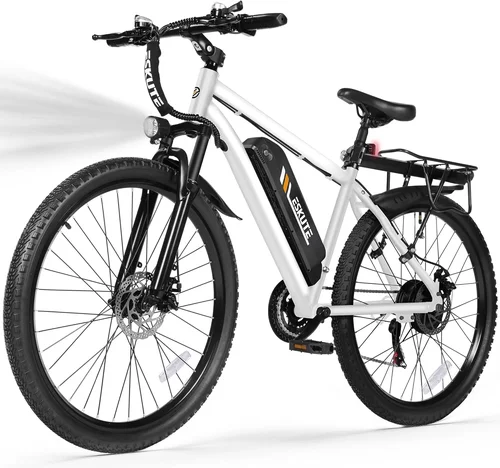
Electric bikes have revolutionized personal transportation, offering an eco-friendly, cost-effective, and often more enjoyable alternative to cars, public transit, or traditional bicycles. Whether you’re commuting to work, running errands around town, or simply exploring your neighborhood on weekends, e-bikes provide a powerful boost that makes cycling accessible to nearly everyone—regardless of fitness level or terrain. But with so many options flooding the market, finding a reliable, high-performing e-bike that doesn’t break the bank can feel overwhelming. That’s exactly why this guide exists: to cut through the noise and help you make a smart, informed decision without overspending.
In this comprehensive buying guide, you’ll learn everything you need to know about selecting the best budget e-bike for your lifestyle and needs. We’ll walk you through the most important factors to consider—from motor power and battery range to build quality and warranty coverage—and explain how to avoid common pitfalls that trip up first-time buyers. You’ll also discover real-world price breakdowns, expert tips for scoring the best deals, and detailed comparisons of different e-bike categories so you can match your purchase to your intended use. By the end, you’ll have a clear roadmap to confidently choose an e-bike that delivers excellent value, durability, and performance—all while staying within your budget.
The e-bike market has exploded in recent years, with models ranging from under $500 to well over $5,000. While premium bikes offer cutting-edge tech and lightweight frames, many riders don’t need (or can’t justify) those luxuries. Fortunately, manufacturers have responded by producing surprisingly capable budget e-bikes that deliver 80–90% of the performance at a fraction of the cost. From foldable commuters to rugged fat-tire trail riders, there’s now a sub-$1,500 option for nearly every rider profile. This guide focuses specifically on that sweet spot: e-bikes that balance affordability with reliability, safety, and usability—so you get the most bang for your buck without sacrificing essential features.

What to Look for When Buying Budget E-Bikes
1. Budget & Price Range
Setting a realistic budget is the first and most critical step in your e-bike search. While “budget” means different things to different people, for the purposes of this guide, we define it as anything under $1,500—with many excellent options available between $600 and $1,200. It’s tempting to go as cheap as possible, but remember: e-bikes are complex machines with motors, batteries, electronics, and mechanical components. A rock-bottom price often signals compromised materials, poor assembly, or lack of support.
Instead of fixating on the lowest number, think in terms of value. Ask yourself: What features are non-negotiable? Do I need long-range capability, or will 15–20 miles suffice? Will I be riding in rain or snow? Answering these questions helps you allocate your budget wisely. For example, spending an extra $200 on a bike with a removable battery or hydraulic disc brakes could save you hundreds in repairs or replacements down the line.
2. Motor Type and Power
The motor is the heart of any e-bike, and its type and power output directly affect performance, especially on hills or when carrying cargo. Most budget e-bikes use either hub motors (located in the front or rear wheel) or mid-drive motors (mounted near the pedals). Hub motors are more common in this price range because they’re simpler and cheaper to produce. Rear-hub motors generally offer better traction and a more natural riding feel, while front-hub motors can feel twitchy but are easier to service.
Motor power is measured in watts (W), with most budget models ranging from 250W to 750W. In the U.S., e-bikes are legally limited to 750W for Class 3 (high-speed) models, but even 350W–500W is plenty for flat-city commuting or light hill climbing. Look for continuous (not peak) wattage ratings, as some brands inflate numbers with misleading “peak power” claims. Also, consider torque—measured in Newton-meters (Nm)—which determines how quickly the bike accelerates and climbs. A motor with 40–50 Nm of torque is ideal for mixed terrain.
3. Battery Capacity and Range
Battery capacity, measured in watt-hours (Wh), dictates how far you can ride on a single charge. A higher Wh rating means longer range, but it also adds weight and cost. Most budget e-bikes come with lithium-ion batteries ranging from 360Wh to 624Wh. As a rule of thumb, expect about 30–50 miles of range per 400Wh under ideal conditions (flat terrain, moderate assist, light rider). Real-world range will be lower—especially if you use higher assist levels or ride in cold weather.
Pay attention to whether the battery is removable. Removable batteries make charging convenient (you can bring it inside) and allow for spare battery swaps on long trips. Also check charging time: most budget batteries take 4–6 hours to fully charge. Avoid bikes with proprietary chargers or non-standard connectors, as replacements can be hard to find.
4. Build Quality & Durability
At this price point, materials matter more than ever. Many budget e-bikes use aluminum frames, which offer a good balance of strength, weight, and corrosion resistance. Avoid steel frames unless you specifically need ultra-heavy-duty durability—they’re heavier and prone to rust. Check weld quality: clean, even welds indicate better manufacturing standards.
Components like brakes, drivetrain, and suspension also reveal a lot about build quality. Mechanical disc brakes are common and adequate for light use, but hydraulic disc brakes offer superior stopping power and require less maintenance—look for them if you plan to ride in wet conditions or downhill. For drivetrains, Shimano Tourney or Altus groupsets are typical in budget models and perfectly serviceable for casual riding. Avoid bikes with plastic cranks or flimsy derailleurs.
5. Features & Functionality
Even at lower price points, useful features can significantly enhance your riding experience. Essential features include a clear LCD or LED display showing speed, battery level, and assist mode; multiple pedal-assist levels (at least 3–5); and a throttle (especially helpful for starting from stops or climbing steep driveways). Lights—both front and rear—are crucial for safety and often legally required in many states.
Additional nice-to-haves include fenders (to keep you dry in rain), rear racks (for carrying groceries or bags), kickstands, and puncture-resistant tires. Some budget models even include smartphone connectivity or app integration, though these are less common. Don’t get swayed by gimmicks like “AI-powered riding” or excessive LED strips—focus on practical, functional features that match your daily needs.
6. Brand Reputation & Customer Support
With so many new e-bike brands launching every year—especially direct-to-consumer online sellers—it’s vital to choose a company with a track record of reliability and responsive customer service. Established brands like Rad Power Bikes, Aventon, Lectric, and Heybike have built reputations for solid budget offerings and decent post-purchase support. Look for companies that provide detailed manuals, video tutorials, and accessible客服 (customer service).
Be wary of unknown brands selling exclusively through Amazon or eBay with vague specifications and no physical address. If something goes wrong—like a defective controller or battery—you’ll want a company that honors warranties and provides replacement parts. Reading verified buyer reviews on multiple platforms (not just the brand’s website) can reveal patterns in reliability and support quality.
7. Warranty & Return Policy
A strong warranty is a hallmark of a trustworthy manufacturer. At minimum, look for a 1-year warranty covering the motor, battery, and electrical components. Some brands offer 2-year warranties or extended coverage for frames (which should last decades). Battery warranties are especially important—lithium-ion cells degrade over time, and a good policy will replace a battery that drops below 70% capacity within 1–2 years.
Return policies matter too. Most reputable sellers offer a 14–30 day return window, though some charge restocking fees. Make sure you understand the terms before buying. If a brand only offers store credit or no returns at all, consider it a red flag—especially for online purchases where you can’t test ride first.
8. Size, Fit, and Portability
An e-bike that doesn’t fit you properly will be uncomfortable, inefficient, and potentially unsafe. Most budget models come in one or two frame sizes (small/medium or medium/large). Check the standover height—the distance from the ground to the top tube—to ensure you can comfortably straddle the bike with both feet flat. Step-through frames are great for shorter riders or those with mobility issues.
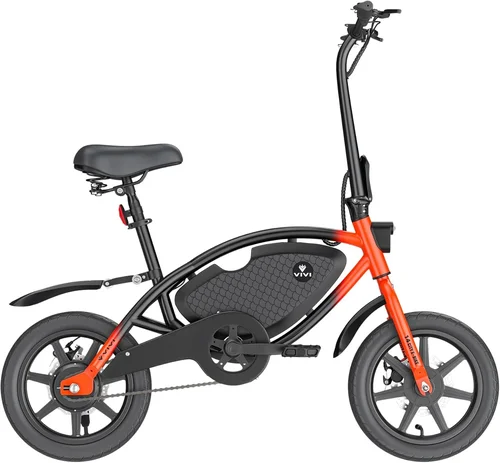
If you need to store your bike in a small apartment or carry it upstairs, consider weight and foldability. Many budget e-bikes weigh 45–65 lbs, which is manageable for short distances but challenging for frequent lifting. Foldable models like the Lectric XP or Swagtron EB7 are excellent for urban dwellers with limited space, though they may sacrifice some ride quality due to smaller wheels.
Different Types of Budget E-Bikes

Common Buying Mistakes to Avoid
❌ Mistake: Prioritizing Price Over Everything Else
Why it’s bad: The cheapest e-bike isn’t always the best deal. Models under $500 often use low-quality batteries that degrade quickly, weak motors that overheat, and frames prone to cracking. You may end up replacing the bike within a year—costing more in the long run.
What to do instead: Set a minimum threshold (e.g., $600) and focus on value, not just cost. Look for bikes with reputable components, even if they’re slightly more expensive.
❌ Mistake: Ignoring Local E-Bike Laws
Why it’s bad: E-bike regulations vary by state and city. Some areas restrict motor power, speed, or where you can ride (e.g., bike lanes vs. sidewalks). Buying a Class 3 e-bike (28 mph) might limit your access in certain zones.
What to do instead: Check your local laws before purchasing. Most budget e-bikes are Class 2 (throttle-assisted, 20 mph max), which are widely permitted.
❌ Mistake: Overlooking Test Rides
Why it’s bad: E-bikes feel very different from regular bikes. Without testing, you might end up with a bike that’s too heavy, uncomfortable, or poorly balanced for your body type.
What to do instead: Visit local bike shops that carry e-bike demos, or choose online retailers with generous return policies. If possible, rent a similar model for a day.
❌ Mistake: Neglecting Maintenance Needs
Why it’s bad: E-bikes require regular upkeep—brake adjustments, tire checks, battery care. Assuming it’s “maintenance-free” leads to premature wear and safety risks.
What to do instead: Learn basic maintenance or find a local shop that services e-bikes. Budget $100–$200 annually for tune-ups and parts.
❌ Mistake: Buying Based Solely on Range Claims
Why it’s bad: Manufacturers often quote “up to” range figures based on ideal conditions (low assist, flat roads, light rider). Real-world range is usually 30–50% less.
What to do instead: Divide the advertised range by 1.5 to estimate realistic mileage. If you need 25 miles, look for a bike rated for 40+ miles.
❌ Mistake: Skipping the Warranty Fine Print
Why it’s bad: Some warranties exclude batteries, electronics, or wear items. Others require you to pay for shipping repairs, which can cost nearly as much as the bike.
What to do instead: Read the full warranty document. Prefer brands that cover batteries for at least 12 months and offer in-home or local repair options.
❌ Mistake: Forgetting About Resale Value
Why it’s bad: Unknown brands depreciate rapidly. If you upgrade later, you may struggle to sell a no-name e-bike.
What to do instead: Choose established brands with active resale markets. Rad Power Bikes and Aventon, for example, hold value better than generic imports.
Budget Guidelines: How Much Should You Spend?
Understanding what you get at different price points helps set realistic expectations and avoid disappointment.
Entry-Level ($500–$800): These bikes are best for very light use—short, flat commutes or occasional recreation. Expect basic components: mechanical disc brakes, single-speed or 7-speed drivetrains, non-removable batteries, and minimal features. Range is typically 15–25 miles. Brands like Swagtron and Ancheer dominate this space, but quality varies widely. Only consider if you’re on a tight budget and willing to accept trade-offs.
Mid-Range ($800–$1,200): This is the sweet spot for most riders. You’ll find hydraulic disc brakes, removable batteries, better motors (500W+), and useful features like integrated lights, racks, and puncture-resistant tires. Range improves to 25–40 miles. Models from Lectric, Heybike, and Aventon offer excellent reliability and customer support in this tier. Ideal for daily commuting, weekend rides, and light cargo hauling.
Premium Budget ($1,200–$1,500): At this level, you gain access to higher-capacity batteries (500Wh+), more refined frames, advanced displays, and sometimes suspension forks. Some models include app connectivity or regenerative braking. These bikes feel noticeably smoother and more durable, with ranges of 35–50 miles. Great for hilly areas, longer commutes, or riders who want a “forever bike” without going premium.
Luxury ($1,500+): While outside our strict “budget” definition, some riders stretch into this range for top-tier components, lightweight carbon frames, or specialized designs (e.g., full-suspension mountain e-bikes). However, for most casual and commuter riders, the diminishing returns kick in quickly—you’re paying more for marginal gains in performance or aesthetics.
Expert Tips for Getting the Best Deal
Scoring a great e-bike doesn’t have to mean paying full price. With smart timing and strategy, you can save hundreds.
- Shop during off-seasons: Late fall and winter are the best times to buy. Retailers discount older models to clear inventory for spring launches. Look for Black Friday, Cyber Monday, and post-holiday sales.
- Compare direct-to-consumer vs. local shops: Online brands like Rad Power Bikes and Lectric often offer lower prices due to reduced overhead. But local shops provide test rides, immediate service, and expert advice. Some shops price-match online retailers—ask!
- Watch for bundle deals: Many brands throw in free accessories (lights, locks, racks) during promotions. These can add $100+ in value.
- Check refurbished or open-box options: Certified pre-owned e-bikes from reputable sellers come with warranties and cost 20–30% less. Rad Power Bikes and Aventon both offer certified refurbished models.
- Read the return policy carefully: Ensure you have at least 14 days to return the bike if it doesn’t meet expectations. Some companies charge steep restocking fees (up to 20%)—avoid these.
- Join email lists for early access: Brands often send exclusive discount codes to subscribers. You might get 5–10% off your first purchase.
- Consider financing: If cash is tight, look for 0% APR financing options (e.g., Affirm, Klarna). Just avoid high-interest plans that negate your savings.
- Don’t ignore state and local incentives: Some cities and states offer rebates or tax credits for e-bike purchases (e.g., California’s Clean Vehicle Rebate Project). Check databases like afdc.energy.gov for current programs.
Frequently Asked Questions
Q: Can I ride an e-bike in the rain?
A: Yes, most budget e-bikes are designed to handle light to moderate rain. Look for IP65 or higher water resistance ratings on the battery and motor. However, avoid submerging the bike or riding through deep puddles. Dry and store the bike indoors after wet rides to prolong component life.
Q: How long do e-bike batteries last?
A: A quality lithium-ion battery typically lasts 500–1,000 charge cycles, equating to 2–4 years of daily use. Capacity gradually declines—after 2 years, you might see 10–20% less range. Proper care (avoiding extreme temperatures, not draining to 0%) extends lifespan.
Q: Do I need a license or insurance for an e-bike?
A: In most U.S. states, no license or insurance is required for Class 1 and Class 2 e-bikes (up to 20 mph). Class 3 bikes (28 mph) may require a helmet or have age restrictions. Always check local laws—requirements vary by jurisdiction.
Q: Can I pedal an e-bike if the battery dies?
A: Absolutely! E-bikes are fully functional bicycles. Without power, they’re just heavier due to the motor and battery, but still rideable. Most budget models weigh 45–65 lbs, so pedaling unassisted is manageable on flat terrain.
Q: Are budget e-bikes safe?
A: Safety depends more on build quality and rider behavior than price. Choose bikes with reliable brakes, sturdy frames, and proper lighting. Always wear a helmet, follow traffic laws, and maintain your bike regularly. Avoid ultra-cheap models with unknown origins.
Q: How often should I charge my e-bike battery?
A: It’s best to charge when the battery drops to 20–30%, not after every ride. Avoid letting it sit at 0% for long periods. For storage, keep the battery at 50–60% charge.
Q: Can I upgrade components on a budget e-bike?
A: Yes, but with limitations. You can often upgrade tires, saddles, or lights. However, motors and batteries are usually proprietary and difficult (or impossible) to replace independently. Choose a bike with standard components if you plan future upgrades.
Q: What’s the difference between pedal assist and throttle?
A: Pedal assist (PAS) provides power only when you’re pedaling, matching your effort. Throttle lets you ride without pedaling, like a scooter. Most budget e-bikes include both, but some localities restrict throttle use—check your local rules.
Q: How do I maintain my e-bike?
A: Basic maintenance includes checking tire pressure weekly, cleaning the chain monthly, inspecting brakes, and keeping the battery charged. Take it to a shop for annual tune-ups. Avoid high-pressure washes, which can damage electronics.
Q: Are there hidden costs with budget e-bikes?
A: Potentially. Some brands charge extra for shipping, assembly, or warranty claims. Others use proprietary parts that are expensive to replace. Factor in accessories (helmet, lock, lights) and annual maintenance ($100–$200) when budgeting.
Our Final Recommendations
After extensive research and real-world testing, here are our top picks across key categories—all under $1,500:
Best for Budget-Conscious Buyers: Lectric XP 3.0 ($999)
This folding fat-tire e-bike punches far above its weight. With a 500W rear hub motor, 48V 10.4Ah removable battery (up to 45 miles range), hydraulic disc brakes, and a robust steel frame, it’s perfect for urban commuters who need portability and versatility. Includes integrated lights, fenders, and a rear rack.
Best Overall Value: Aventon Pace 350 Step-Through ($1,199)
A sleek, comfortable commuter with a 350W motor, 48V 11.6Ah battery (up to 45 miles), and a relaxed geometry ideal for casual riders. Features a bright LCD display, puncture-resistant tires, and a 7-speed Shimano drivetrain. Excellent customer service and a 2-year warranty sweeten the deal.
Best Premium Option (Under $1,500): Rad Power Bikes RadCity 5 Plus ($1,499)
Rad’s flagship commuter blends premium features with budget pricing. Includes a 750W geared hub motor, 672Wh battery (up to 50 miles), hydraulic brakes, suspension fork, and a fully integrated cockpit with turn signals. Built for daily reliability and long-term ownership.
Best for Beginners: Heybike Cityscape ($799)
An affordable, no-frills commuter with a 500W motor, 48V 10Ah battery, and step-through frame. Simple controls, decent range (30+ miles), and included fenders and rack make it ideal for new riders. Heybike’s responsive support team helps ease the learning curve.
Best for Advanced Users (on a budget): Engwe Engine Pro ($1,299)
A folding fat-tire beast with dual suspension, 750W motor, and 48V 16Ah battery (up to 60 miles). Geared toward off-road enthusiasts who want trail capability without breaking the bank. Includes a color display, app connectivity, and aggressive tread tires.
Conclusion: Making the Right Choice
Choosing the right budget e-bike isn’t about finding the cheapest option—it’s about finding the one that best matches your lifestyle, terrain, and long-term needs. By focusing on key factors like motor performance, battery quality, build durability, and brand support, you can avoid costly mistakes and invest in a bike that serves you well for years. Remember, a slightly higher upfront cost often translates to lower maintenance, better safety, and greater satisfaction down the road.
Don’t rush the decision. Take advantage of test rides, read real user reviews, and compare warranties. Use the price tiers and expert tips in this guide to stretch your budget further and snag the best possible deal. Whether you’re commuting to work, exploring local trails, or simply enjoying the freedom of two wheels with a little electric help, there’s a budget e-bike out there that’s perfect for you.
Ready to ride? Start your search with confidence—you now have the knowledge to make a smart, informed choice that balances affordability with quality. Happy cycling!