
Electric bikes have evolved from niche urban curiosities to mainstream transportation solutions, and 2026 is shaping up to be a landmark year for e-bike innovation—especially with Black Friday deals that can slash prices by 20% to 40%. Whether you’re commuting to work, exploring weekend trails, or simply looking for a greener way to get around, an electric bike can transform your daily routine. But with so many models, brands, and technical specs flooding the market, choosing the right one can feel overwhelming. That’s where this guide comes in.
This comprehensive buyer’s guide is designed to cut through the noise and help you make a smart, informed decision—especially during the high-stakes shopping season of Black Friday. We’ll walk you through everything from performance specs and build quality to hidden costs and warranty pitfalls. You’ll learn how to spot genuine value, avoid common traps, and identify which e-bike truly fits your lifestyle, budget, and riding goals. By the end, you won’t just know what to buy—you’ll know why it’s the right choice for you.
The electric bike market has exploded in recent years, with global sales expected to surpass $50 billion by 2026. Major retailers like Amazon, REI, Best Buy, and specialized e-bike brands such as Rad Power Bikes, Aventon, and Trek are all competing for your attention—and your wallet. Black Friday 2026 promises some of the deepest discounts we’ve ever seen, but not all deals are created equal. Some are genuine bargains, while others are inflated “sales” designed to lure in unprepared shoppers. This guide will equip you with the knowledge to distinguish between the two, so you can ride away with confidence—and savings.

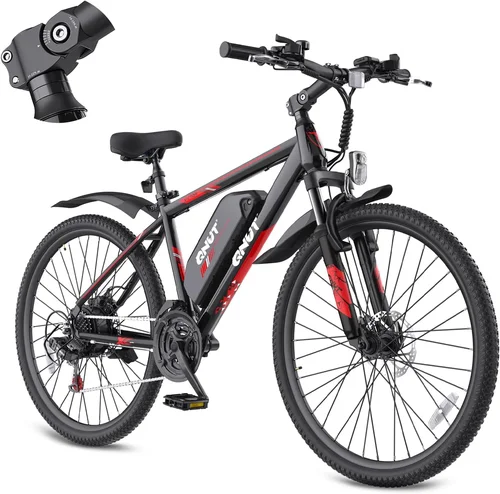
What to Look for When Buying Gotrax
1. Budget & Price Range
Your budget is the foundation of your e-bike decision. E-bikes range from under $500 to over $5,000, and while it’s tempting to go for the cheapest option, doing so can lead to disappointment in performance, durability, and safety. A good rule of thumb: spend at least $800 for a reliable entry-level model, and aim for $1,200–$2,000 for a well-rounded bike with solid components. Black Friday often brings mid-tier models into the sub-$1,000 range, making it an ideal time to upgrade without overspending.
When evaluating price, consider the total cost of ownership. Cheaper bikes may save you upfront but could require frequent repairs, battery replacements, or lack essential features like lights, fenders, or puncture-resistant tires. Also, check if the price includes shipping, assembly, or accessories—some retailers advertise low prices but charge extra for these essentials.
2. Performance Specifications
Performance is where e-bikes truly differentiate themselves. Key specs to evaluate include motor power, battery capacity, range, and top speed. Most commuter e-bikes feature motors between 250W and 750W. In the U.S., Class 1 and Class 3 e-bikes (pedal-assist only, up to 20 mph and 28 mph respectively) are street-legal without special licensing, making them ideal for urban use.
Battery capacity, measured in watt-hours (Wh), directly impacts how far you can ride on a single charge. A 400Wh battery typically delivers 25–40 miles, depending on terrain, rider weight, and assist level. Look for lithium-ion batteries from reputable manufacturers like Samsung or LG—they offer better longevity and safety than generic alternatives.
Range anxiety is real, but manageable. If your daily commute is 15 miles round-trip, a bike with a 30-mile range gives you a comfortable buffer. For longer rides or hilly areas, consider models with removable batteries or dual-battery options. Black Friday often features bundle deals that include extra batteries or fast chargers—don’t overlook these.
3. Build Quality & Durability
An e-bike is a significant investment, so durability matters. Frame material is a key indicator: aluminum alloys are lightweight, rust-resistant, and common in mid-to-high-end models. Steel frames are heavier but more durable and better at absorbing road vibrations—ideal for rough terrain. Carbon fiber is rare in e-bikes due to cost but offers the best strength-to-weight ratio.
Check the quality of components like brakes, drivetrain, and suspension. Mechanical disc brakes are standard, but hydraulic disc brakes offer superior stopping power—especially important when riding at higher speeds or in wet conditions. A 7- or 8-speed Shimano drivetrain ensures smooth shifting, while front suspension forks improve comfort on uneven surfaces.
Water resistance is another often-overlooked factor. Look for an IP rating (e.g., IP65) indicating protection against dust and water. This is crucial if you ride in rain or store your bike outdoors.
4. Features & Functionality
Modern e-bikes come packed with features that enhance convenience and safety. Integrated LED lights (front and rear) are essential for visibility and often legally required. Fenders protect you from mud and water, while rear racks allow you to carry groceries, backpacks, or panniers.
A digital display should show speed, battery level, assist mode, and trip data. Some advanced models include GPS tracking, Bluetooth connectivity, and smartphone app integration for route planning and theft alerts. While these aren’t necessary for everyone, they add significant value for tech-savvy riders.
Other useful features include:
– Throttle mode (for instant power without pedaling)
– Regenerative braking (recharges battery slightly during deceleration)
– USB charging ports (to power devices on the go)
– Foldable design (for easy storage and transport)
During Black Friday, pay attention to bundle deals that include accessories like phone mounts, locks, or helmets—these can save you $50–$100 compared to buying separately.
5. Brand Reputation
Not all e-bike brands are created equal. Established companies like Rad Power Bikes, Aventon, Trek, and Specialized have proven track records for quality, customer service, and innovation. They also tend to offer better warranties and replacement parts availability.
Newer or lesser-known brands may offer lower prices, but they often cut corners on components or customer support. Before buying, research the brand’s history, read customer reviews, and check if they have a physical service network. A brand with local dealers or service centers can save you time and money if repairs are needed.
Black Friday is a great time to try a premium brand at a discount. For example, a $2,500 Aventon might drop to $1,800—putting it within reach of budget-conscious buyers.
6. Warranty & Support
A strong warranty is a sign of a manufacturer’s confidence in their product. Most reputable e-bike brands offer at least a 1-year warranty on the entire bike, with 2–3 years on the battery and motor. Some, like Rad Power Bikes, offer 2-year comprehensive coverage.
Read the fine print: some warranties exclude wear-and-tear items like tires and brake pads, or require registration within 30 days of purchase. Also, check if the warranty is honored by third-party retailers or only through the manufacturer.
Customer support matters too. Can you reach a real person quickly? Is there a live chat, phone line, or service center nearby? Brands with responsive support teams make troubleshooting and repairs much easier.
7. Size & Portability
E-bikes are heavier than traditional bikes—typically 40–70 pounds—due to the motor and battery. This affects portability, especially if you need to carry it upstairs or store it in a small apartment.
Step-through frames are easier to mount and dismount, making them ideal for shorter riders or those with mobility issues. Folding e-bikes, like the Gotrax GXL V2 or Swagtron EB7, are excellent for commuters who combine biking with public transit.
Check the bike’s dimensions and weight before buying. If you plan to store it indoors, measure your doorway and closet space. Some models come with integrated carrying handles or wheels for easier transport.
8. User Reviews & Ratings
Never buy an e-bike based solely on specs or marketing claims. Real-world user reviews provide invaluable insights into reliability, comfort, and hidden flaws. Look for patterns in reviews: if multiple users report the same issue—like a faulty display or weak battery—it’s likely a design flaw.
Focus on reviews from verified purchasers and long-term users (6+ months). Short-term reviews may not reveal durability issues. Websites like Trustpilot, Reddit (r/ebikes), and YouTube offer honest, detailed feedback.
During Black Friday, be cautious of inflated ratings on deal pages. Some retailers manipulate reviews or only show positive ones. Cross-reference with independent review sites to get a balanced view.
Different Types of Gotrax
Common Buying Mistakes to Avoid
❌ Mistake: Focusing Only on Price
Why it’s bad: The cheapest e-bike often comes with subpar components, weak batteries, and poor customer support. You may end up spending more on repairs or replacements than if you’d bought a better model upfront.
What to do instead: Prioritize value over price. Look for bikes with solid reviews, reputable brands, and comprehensive warranties—even if they cost a bit more.
❌ Mistake: Ignoring Local Laws and Regulations
Why it’s bad: E-bike laws vary by state and country. In some areas, Class 3 bikes require helmets, registration, or are banned from bike paths. Riding illegally can result in fines or confiscation.
What to do instead: Check your local regulations before buying. Most U.S. states follow the three-class system, but rules on speed, age, and where you can ride differ.
❌ Mistake: Overlooking Test Rides
Why it’s bad: E-bikes feel different from regular bikes. A model that looks great on paper might be uncomfortable, too heavy, or have poor handling in real life.
What to do instead: Test ride at least two or three models. Many retailers offer in-store demos or partner with local bike shops for trials.
❌ Mistake: Buying Without Considering Storage
Why it’s bad: E-bikes are bulky and heavy. If you live in an apartment or have limited space, a non-folding model might be impractical.
What to do instead: Measure your storage area and consider a folding or compact model if space is tight.
❌ Mistake: Skipping the Warranty Check
Why it’s bad: A short or limited warranty can leave you stranded if the motor or battery fails after a few months.
What to do instead: Choose a brand with at least a 1-year full warranty and 2-year coverage on the battery and motor.
❌ Mistake: Falling for “Too Good to Be True” Deals
Why it’s bad: Some Black Friday deals are inflated—retailers raise prices weeks before the sale to make discounts look bigger.
What to do instead: Use price-tracking tools like Honey or CamelCamelCamel to verify historical pricing. If a deal seems suspicious, it probably is.
❌ Mistake: Neglecting Safety Gear
Why it’s bad: E-bikes go faster than regular bikes, increasing the risk of injury in a crash.
What to do instead: Always wear a helmet, use lights, and consider reflective clothing. Invest in a high-quality U-lock to prevent theft.
Budget Guidelines: How Much Should You Spend?
Entry-Level ($500–$800): These bikes are best for casual riders or short commutes on flat terrain. Expect basic components, limited range (15–25 miles), and minimal features. Brands like Gotrax and Ancheer dominate this space. While affordable, they may lack durability and long-term reliability.
Mid-Range ($800–$1,500): This is the sweet spot for most buyers. You’ll get better motors (500W+), longer range (30–50 miles), and features like disc brakes, suspension, and integrated lights. Models from Rad Power Bikes, Aventon, and Lectric are excellent choices. Black Friday often brings these into the $900–$1,200 range.
Premium ($1,500–$3,000): Ideal for serious commuters, weekend adventurers, or those who want top-tier performance. These bikes offer high-capacity batteries, advanced displays, hydraulic brakes, and premium frames. Brands like Trek, Specialized, and Riese & Müller excel here.
Luxury ($3,000+): For enthusiasts and professionals. These bikes feature cutting-edge tech, ultra-lightweight materials, and custom builds. They’re overkill for most riders but offer unmatched performance and prestige.
Expert Tips for Getting the Best Deal
1. Start Early: The best Black Friday e-bike deals often sell out within hours. Sign up for newsletters from your favorite brands and retailers in October to get early access.
2. Compare Across Retailers: Don’t assume Amazon has the lowest price. Check REI, Best Buy, Walmart, and direct brand websites. Some offer price matching.
3. Look for Bundle Deals: Many brands include free accessories (helmets, locks, lights) during sales. These can add $100+ in value.
4. Use Cashback and Rewards: Credit cards with cashback or points can save you 2–5% extra. Combine with retailer promotions for maximum savings.
5. Check Return Policies: Ensure you can return or exchange the bike if it doesn’t fit or perform as expected. Some retailers offer 30-day test periods.
6. Avoid Impulse Buys: Make a list of your must-have features and stick to it. It’s easy to get swayed by flashy ads or limited-time offers.
7. Consider Financing: Some brands offer 0% APR financing during Black Friday. This lets you spread payments without interest—ideal for higher-end models.
8. Read the Fine Print: Check if the discount applies to all models or just specific ones. Some “50% off” deals only apply to outdated or low-stock items.

Frequently Asked Questions
Q: Are e-bikes worth it for short commutes?
A: Absolutely. Even for 5–10 mile trips, an e-bike saves time, reduces sweat, and eliminates parking hassles. The motor assists on hills and headwinds, making your ride smoother and faster.
Q: How long do e-bike batteries last?
A: Most lithium-ion batteries last 500–1,000 charge cycles, equating to 3–5 years with regular use. Proper care—like avoiding extreme temperatures and not draining to 0%—can extend lifespan.
Q: Can I ride an e-bike in the rain?
A: Yes, most e-bikes are water-resistant (IP54 or higher). Avoid submerging the battery or motor, and dry the bike after wet rides to prevent corrosion.
Q: Do I need a license to ride an e-bike?
A: In most U.S. states, no license is required for Class 1 and Class 2 e-bikes. Class 3 bikes may require a helmet or have age restrictions. Check local laws.
Q: Are e-bikes safe?
A: When used responsibly, e-bikes are safe. Always wear a helmet, follow traffic laws, and maintain your bike. The higher speed means greater risk in collisions, so defensive riding is key.
Q: Can I upgrade my e-bike later?
A: Some components like tires, seats, and lights can be upgraded. However, motors and batteries are usually not user-replaceable. Choose a model with serviceable parts.
Q: What’s the difference between pedal-assist and throttle?
A: Pedal-assist provides power only when you pedal, while throttle lets you ride without pedaling (like a scooter). Throttle is convenient but drains the battery faster.
Q: How much do e-bikes weigh?
A: Most weigh 40–70 pounds. Folding models are lighter (30–50 lbs), while cargo bikes can exceed 80 lbs.
Q: Can I take my e-bike on public transit?
A: Many transit systems allow folding e-bikes. Full-size models may be restricted during peak hours. Check local policies.
Q: What should I do if my e-bike breaks down?
A: Contact the manufacturer or retailer first. If under warranty, they may repair or replace it. For older bikes, local bike shops can often help with repairs.
Our Final Recommendations
Best for Budget-Conscious Buyers: Gotrax GXL V2 – At under $600 (often discounted to $450 on Black Friday), this folding e-bike offers solid performance, a 20-mile range, and portability. Ideal for students and urban commuters.
Best Overall Value: Rad Power Bikes RadCity 5 Plus – Priced around $1,600 (frequently drops to $1,200 on sale), it features a 750W motor, 50-mile range, integrated lights, and a step-through frame. Excellent for daily commuting.
Best Premium Option: Aventon Aventure.2 – A fat-tire adventure bike with a 750W motor, 60-mile range, and premium components. Often discounted from $2,299 to $1,799 during Black Friday.
Best for Beginners: Lectric XP 3.0 – Affordable ($999, often $799 on sale), foldable, and packed with features. Great for first-time e-bike owners.
Best for Advanced Users: Specialized Turbo Vado SL 5.0 – A lightweight, high-performance commuter with a 32-mile range and smart connectivity. Priced around $3,500, but worth it for serious riders.
Conclusion: Making the Right Choice
Choosing the right electric bike in 2026—especially during Black Friday—requires balancing budget, performance, and personal needs. This guide has equipped you with the tools to evaluate specs, avoid pitfalls, and spot genuine value. Remember, the best e-bike isn’t the most expensive or the flashiest—it’s the one that fits your lifestyle, enhances your mobility, and delivers reliable performance year after year.
Don’t rush. Take your time, test ride when possible, and prioritize quality over quick savings. With the right research and timing, you can score an incredible deal and enjoy the freedom, fitness, and fun that only an electric bike can provide. Ride smart, ride safe, and enjoy the journey.