
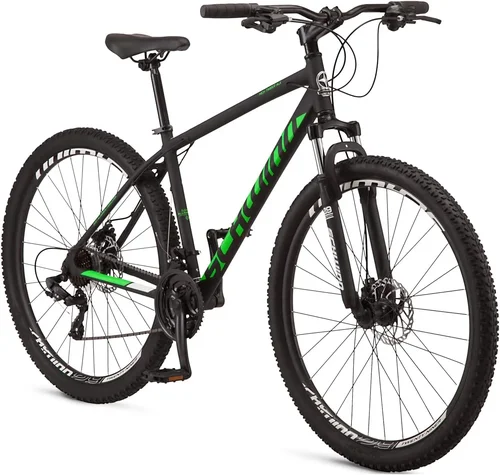
Choosing the right bike for a teenager is about more than just picking a color or style. It’s about safety, confidence, independence, and fun. For many teens, a bike isn’t just a mode of transportation—it’s a rite of passage, a tool for exploration, and a way to connect with friends and nature. Whether they’re commuting to school, cruising through the neighborhood, hitting local trails, or learning to ride with confidence, the right bike can make all the difference in their experience. That’s why this comprehensive buying guide exists: to help parents, guardians, and teens themselves make an informed, smart decision in 2025.
In this guide, you’ll learn everything you need to know about selecting the best bike for teenagers. We’ll break down the most important factors to consider—from budget and build quality to performance specs and safety features—and compare the different types of bikes available today. You’ll discover common mistakes to avoid, get expert tips on timing your purchase and where to buy, and find clear recommendations tailored to different needs and budgets. Whether you’re shopping for a 13-year-old just getting into cycling or a 17-year-old ready for serious trail riding, this guide will arm you with the knowledge to choose wisely.
The teen bike market in 2025 is more diverse and competitive than ever. With advancements in materials, gearing systems, and safety technology, today’s bikes offer better performance, durability, and value than ever before. From lightweight aluminum frames to hydraulic disc brakes and integrated lighting systems, modern teen bikes are built to handle real-world use. At the same time, prices range from under $200 for basic models to over $1,000 for high-performance machines. With so many options, it’s easy to feel overwhelmed—but with the right guidance, you can find a bike that fits your teen’s lifestyle, skill level, and budget perfectly.

What to Look for When Buying a Bike for Teenagers
1. Budget & Price Range
Setting a realistic budget is the first and most crucial step in buying a bike for a teenager. Prices for teen bikes can vary dramatically, from around $150 for entry-level models to over $1,200 for premium performance bikes. The key is to balance affordability with quality—cheap bikes often cut corners on materials and components, which can lead to frequent repairs, poor performance, and even safety issues.
When determining your budget, consider how often your teen will use the bike, the terrain they’ll ride on, and their skill level. A casual rider who bikes to school twice a week doesn’t need the same investment as a teen who plans to tackle mountain trails or participate in cycling clubs. A good rule of thumb is to aim for at least $300–$500 for a reliable, long-lasting bike. This range typically offers solid frames, decent components, and better warranties. Avoid the temptation to go too low—bikes under $200 often use heavy steel frames, low-quality brakes, and unreliable gear systems that can frustrate young riders and wear out quickly.
That said, you don’t need to break the bank for a great bike. Many mid-range models ($400–$700) offer excellent value, with lightweight aluminum frames, smooth-shifting drivetrains, and durable tires. If your teen is serious about cycling or plans to use the bike for several years, investing $800–$1,000 in a higher-end model can be worthwhile, especially if it includes features like hydraulic disc brakes, suspension systems, or advanced gearing.
2. Performance Specifications
Performance specs determine how a bike handles, accelerates, and responds to different riding conditions. For teenagers, the right performance features can mean the difference between a frustrating ride and an enjoyable one. Key specs to evaluate include gearing, braking systems, suspension, and wheel size.
Gearing is especially important for teens who ride on varied terrain. Bikes with multiple gears (typically 7 to 21 speeds) allow riders to adjust resistance based on hills, wind, or speed needs. Look for reliable drivetrains from reputable brands like Shimano or SRAM. Entry-level bikes may use basic Shimano Tourney or Altus components, which are functional but less smooth than higher-tier groupsets like Shimano Acera or Deore. For trail or mountain biking, a wide gear range with low gears for climbing is essential.
Braking performance is non-negotiable when it comes to safety. Rim brakes (like V-brakes) are common on budget bikes and work well in dry conditions, but they struggle in wet or muddy environments. Disc brakes—especially mechanical or hydraulic disc brakes—offer superior stopping power and consistency in all weather. Hydraulic disc brakes, found on higher-end models, require less hand force and provide smoother modulation, making them ideal for teens who may not have developed strong hand strength yet.
Suspension systems are another performance factor. Full-suspension bikes absorb shocks from rough terrain, making them great for off-road riding, but they add weight and cost. Hardtail bikes (front suspension only) are lighter and more efficient for mixed use. For city or light trail riding, a front suspension fork with 80–100mm of travel is usually sufficient. Avoid bikes with “fake” suspension seats or overly stiff forks that don’t actually improve comfort.
Wheel size also affects performance. Most teen bikes use 24-inch or 26-inch wheels. 24-inch wheels are ideal for younger teens (ages 12–14) or those under 5’4″, offering better maneuverability and control. 26-inch wheels are standard for older teens and adults, providing better rolling efficiency and stability at higher speeds.
3. Build Quality & Durability
A bike’s build quality directly impacts its lifespan, safety, and maintenance needs. Teenagers are active, adventurous, and often hard on their gear—so durability is a top priority. The frame material is the foundation of build quality. Steel frames are strong and affordable but heavy, making them less ideal for performance riding. Aluminum frames are lighter, rust-resistant, and offer a good balance of strength and weight, making them the most common choice for teen bikes in the $300–$800 range.
Higher-end models may use carbon fiber or advanced alloys, which are lighter and stiffer but come at a premium price. While carbon fiber is excellent for racing or serious mountain biking, it’s often overkill for most teen riders and can be more susceptible to impact damage.
Pay attention to weld quality, tube thickness, and overall construction. A well-built frame should feel solid when you lift it—no creaking or flexing. Check for smooth welds, proper alignment, and reinforced joints. Avoid bikes with flimsy-looking frames or excessive flex, as these can lead to cracks or failures over time.
Components like the drivetrain, brakes, and wheels also contribute to durability. Look for sealed bearings in hubs and bottom brackets, which resist dirt and moisture. Double-wall rims are stronger and better at handling impacts than single-wall rims. Tires should be puncture-resistant and appropriate for the intended use—knobby tires for trails, smoother treads for pavement.
Finally, consider the brand’s reputation for quality. Established brands like Trek, Giant, Specialized, and Cannondale have rigorous testing standards and consistent manufacturing processes. While lesser-known brands may offer lower prices, they often lack the same level of quality control and long-term support.
4. Features & Functionality
Modern teen bikes come with a range of features designed to enhance comfort, safety, and usability. While not all features are essential, some can significantly improve the riding experience. Start with the basics: adjustable seat height and handlebars are must-haves, allowing the bike to grow with your teen. A quick-release seat post makes adjustments easy, while ergonomic grips reduce hand fatigue on longer rides.
Safety features are critical. Integrated front and rear lights powered by dynamo hubs or rechargeable batteries improve visibility in low-light conditions. Reflective strips on tires, frames, and pedals add extra visibility. Some bikes come with built-in bells, horns, or even GPS trackers—useful for parents concerned about security.
For commuters, practical features matter. Fenders protect against mud and water spray, while rear racks allow for carrying backpacks, groceries, or school supplies. Pannier mounts and water bottle cages add convenience. If your teen plans to ride in rain or snow, consider a bike with full-coverage fenders and a chainguard to keep clothes clean.
Technology is also making its way into teen bikes. Some models now include smartphone mounts, Bluetooth-enabled gear shifters, or apps that track speed, distance, and route. While these features are fun, they’re not essential—focus on core functionality first.
Comfort features like padded saddles, suspension seat posts, and ergonomic handlebar shapes can make long rides more enjoyable. However, avoid overly soft saddles that cause numbness—look for ones with cutouts or gel padding designed for longer use.
5. Brand Reputation
Brand reputation matters because it reflects consistency, customer support, and long-term reliability. Well-known brands invest in research, design, and quality control, which translates into better-performing, longer-lasting bikes. They also typically offer better warranties, customer service, and access to replacement parts.
Top-tier brands like Trek, Giant, Specialized, and Cannondale dominate the teen and adult bike market for good reason. They offer a wide range of models tailored to different riding styles, from city commuting to mountain biking. Their bikes are widely available at local bike shops, making it easy to get professional fitting, maintenance, and repairs.
Mid-tier brands like Schwinn, Raleigh, and Diamondback offer solid value and are often found at big-box retailers. While their quality can vary, many of their teen models are well-built and suitable for casual to moderate use. Just be sure to read reviews and inspect the bike carefully before buying.
Avoid no-name or ultra-cheap brands sold online with vague descriptions and no customer support. These bikes often use counterfeit components, poor-quality frames, and lack safety certifications. If a deal seems too good to be true, it probably is.
That said, some lesser-known brands are gaining traction for offering high-quality bikes at competitive prices. Brands like Polygon, Marin, and Kona have strong followings among enthusiasts and offer excellent value. Researching user reviews and expert opinions can help you identify hidden gems.
6. Warranty & Support
A good warranty is a sign of a manufacturer’s confidence in their product—and a safety net for you. Most reputable brands offer at least a 1–2 year warranty on frames and components, with some providing lifetime frame warranties. This covers defects in materials and workmanship but not normal wear and tear or damage from accidents.
When comparing warranties, check what’s included. A comprehensive warranty should cover the frame, fork, drivetrain, and brakes. Some brands also offer free tune-ups or discounts on repairs during the warranty period. Be sure to register your bike online after purchase—many warranties are only valid if the bike is registered.
Customer support is just as important. Can you easily reach a representative? Are replacement parts available? Do they have a network of authorized dealers? Brands with strong support systems make it easier to maintain and repair your teen’s bike over time.
Local bike shops often provide better support than online-only retailers. They can help with assembly, fitting, and ongoing maintenance. Buying from a shop with a service department ensures your teen’s bike stays in top condition.
Finally, consider the return policy. Some retailers offer 30-day return windows or satisfaction guarantees. This is especially useful if the bike doesn’t fit well or your teen isn’t happy with the ride quality.
7. Size & Fit
A properly sized bike is essential for comfort, control, and safety. A bike that’s too big or too small can lead to poor posture, reduced handling, and increased risk of accidents. Teenagers grow quickly, so it’s important to find a bike that fits well now but can be adjusted as they grow.
Start with frame size, which is determined by your teen’s height and inseam. Most manufacturers provide size charts based on height ranges. For example, a 24-inch wheel bike typically fits riders 4’8″ to 5’4″, while a 26-inch wheel bike suits those 5’4″ to 6’0″. However, individual proportions vary, so always test ride when possible.
Key fit measurements include:
- Standover height: 1–3 inches of clearance between the top tube and inseam.
- Reach: The distance from the saddle to the handlebars should allow a slight bend in the elbows.
- Saddle height: When seated, your teen’s leg should be almost fully extended at the bottom of the pedal stroke.
- Handlebar height: Should be level with or slightly below the saddle for a comfortable riding position.
Adjustable components like seat posts and stem lengths help fine-tune the fit. Some bikes come with shorter stems or riser handlebars designed specifically for younger riders.
If your teen is between sizes, it’s usually better to go with the smaller frame—it’s easier to adjust a smaller bike to fit than to stretch a larger one. And remember: a bike that fits well today may need adjustments in a few months as your teen grows.
8. User Reviews & Ratings
User reviews and ratings provide real-world insights that specs and marketing materials can’t match. They reveal how a bike performs over time, how durable it is, and whether it lives up to expectations. Look for reviews from other parents or teens who have used the bike in similar conditions.
Pay attention to recurring themes. If multiple reviewers mention poor brake performance, uncomfortable saddles, or frequent flat tires, those are red flags. Conversely, consistent praise for smooth shifting, lightweight frames, or excellent customer service is a good sign.
Check multiple sources—retailer websites, cycling forums, YouTube reviews, and social media groups. Professional reviews from outlets like Bicycling Magazine, Outside, or BikeRadar offer expert analysis, but user reviews give you the everyday perspective.
Be wary of fake or overly promotional reviews. Look for detailed feedback with photos or videos. Reviews that mention specific use cases (e.g., “great for commuting to school” or “handles trails well”) are more reliable than vague praise.
Finally, consider the overall rating. A bike with a 4.5-star average from hundreds of reviews is likely a solid choice. But don’t dismiss a bike with a 4.0 rating if the negative reviews are about minor issues like color options or packaging.
Different Types of Bikes for Teenagers

Common Buying Mistakes to Avoid
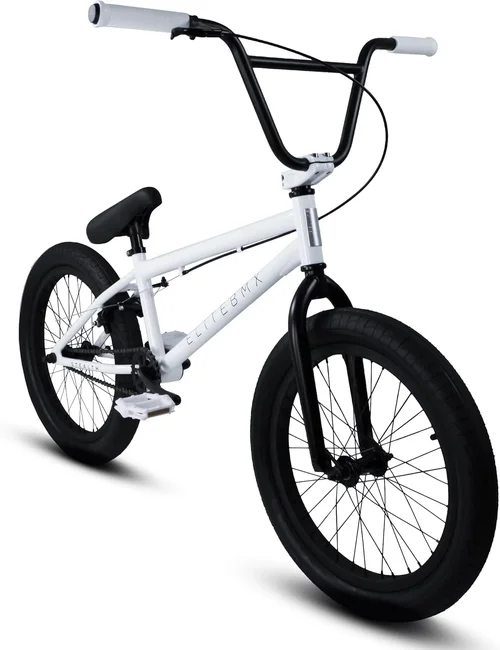
❌ Mistake: Buying a Bike That’s Too Small or Too Big
Why it’s bad: A poorly sized bike can cause discomfort, reduce control, and increase the risk of accidents. Teens may avoid riding altogether if the bike doesn’t fit well.
What to do instead: Use manufacturer size charts and test ride whenever possible. Prioritize adjustable components and aim for a bike that fits now but can grow with your teen.
❌ Mistake: Choosing Style Over Safety
Why it’s bad: Flashy designs or trendy colors may appeal to teens, but they shouldn’t come at the expense of safety features like reliable brakes, lights, or reflectors.
What to do instead: Involve your teen in the decision, but emphasize safety and functionality. Look for bikes with integrated lights, disc brakes, and reflective elements.
❌ Mistake: Skipping the Test Ride
Why it’s bad: You can’t judge a bike’s comfort, handling, or fit from specs alone. A test ride reveals how it feels in real-world conditions.
What to do instead: Always test ride before buying. Visit local bike shops or attend demo days. If buying online, choose retailers with generous return policies.
❌ Mistake: Ignoring Maintenance Needs
Why it’s bad: Bikes require regular maintenance—tire pressure, brake adjustments, chain lubrication. Neglecting this leads to poor performance and safety risks.
What to do instead: Teach your teen basic maintenance or schedule regular tune-ups at a bike shop. Choose a bike with accessible components and good local support.
❌ Mistake: Overlooking the Helmet and Safety Gear
Why it’s bad: A bike is only as safe as the rider’s gear. Without a helmet, knee pads, or lights, even the best bike can be dangerous.
What to do instead: Budget for a high-quality helmet that fits properly. Consider reflective clothing, gloves, and lights for added safety.
❌ Mistake: Buying Based on Price Alone
Why it’s bad: The cheapest bike often costs more in the long run due to repairs, replacements, and frustration.
What to do instead: Focus on value—look for the best combination of quality, features, and durability within your budget.
❌ Mistake: Not Considering Future Use
Why it’s bad: A bike bought for casual riding may not handle more demanding use as your teen’s skills grow.
What to do instead: Think ahead. If your teen shows interest in mountain biking or long-distance rides, choose a bike that can adapt or plan for an upgrade in a year or two.
Budget Guidelines: How Much Should You Spend?
- Entry-Level ($150–$300): These bikes are best for occasional, casual use. Expect basic steel or low-end aluminum frames, rim brakes, and simple gearing. They’re heavy and may require frequent adjustments, but they’re affordable for short-term use.
- Mid-Range ($300–$600): The sweet spot for most teen riders. These bikes offer lightweight aluminum frames, reliable drivetrains, and better components. Many include disc brakes, suspension forks, and practical features like racks and fenders.
- Premium ($600–$1,000): Ideal for serious riders or those planning to use the bike for several years. Expect high-quality frames, advanced gearing, hydraulic disc brakes, and durable tires. Great for commuting, trail riding, or fitness.
- Luxury ($1,000+): Top-tier bikes with carbon frames, professional-grade components, and cutting-edge technology. Best for competitive riders or enthusiasts, but often overkill for most teens.
Expert Tips for Getting the Best Deal
- Buy at the Right Time: Late summer and early fall offer the best deals as retailers clear out inventory. Avoid peak spring buying seasons when prices are highest.
- Shop Local When Possible: Local bike shops offer expert fitting, free tune-ups, and better support. They often price-match online retailers.
- Check for Student Discounts: Some brands and shops offer discounts for students with a valid ID.
- Look for Package Deals: Some retailers bundle bikes with helmets, locks, and lights at a discount.
- Consider Used Bikes: High-quality used bikes from reputable sources can offer excellent value. Inspect carefully and verify the seller.
- Read the Fine Print: Understand warranty terms, return policies, and assembly requirements before buying.
- Test Before You Buy: Always test ride to ensure comfort, fit, and performance.

Frequently Asked Questions
Q: What size bike does my 14-year-old need?
A: Most 14-year-olds fit a 24-inch or 26-inch wheel bike, depending on height. Riders under 5’4″ typically do well with 24-inch wheels; taller teens should go with 26-inch. Always check the manufacturer’s size chart and test ride.
Q: Should I buy a bike with suspension?
A: It depends on use. For city or light trail riding, a front suspension fork is helpful. For serious off-road use, consider a hardtail or full-suspension mountain bike. Avoid bikes with unnecessary or low-quality suspension.
Q: Are disc brakes worth the extra cost?
A: Yes, especially for teens. Disc brakes offer better stopping power in all conditions and require less hand strength, making them safer and more reliable than rim brakes.
Q: How often should a teen bike be serviced?
A: At least once a year, or every 300–500 miles. More frequent use or rough terrain may require more frequent tune-ups.
Q: Can a teen bike grow with my child?
A: To some extent. Adjustable seats and handlebars help, but frame size is fixed. Plan to upgrade every 2–3 years as your teen grows.
Q: Is it safe to buy a bike online?
A: It can be, if you choose a reputable retailer with good reviews, clear return policies, and assembly support. Avoid unknown brands or sellers with no customer service.
Q: What’s the best bike for a beginner teen?
A: A hybrid or entry-level mountain bike with a lightweight frame, easy-to-use gears, and reliable brakes. Look for models with a comfortable upright riding position.
Q: Do teens need special bikes, or can they ride adult models?
A: Many adult bikes come in smaller sizes suitable for teens. However, youth-specific models often have shorter reach, narrower handlebars, and lighter components that better suit younger riders.
Q: How important is the helmet?
A: Extremely important. A properly fitted helmet can reduce the risk of head injury by up to 85%. Always wear one, no matter the ride length.
Q: Can I upgrade components later?
A: Yes, many components like saddles, pedals, and tires can be upgraded. However, major upgrades like drivetrains or brakes may require professional installation.
Our Final Recommendations
- Best for Budget-Conscious Buyers: Schwinn GTX Comfort Adult Bike – A reliable hybrid under $300 with front suspension, 21-speed drivetrain, and comfortable design.
- Best Overall Value: Trek Marlin 5 – A versatile hardtail mountain bike ($550) with a lightweight frame, hydraulic disc brakes, and excellent components for the price.
- Best Premium Option: Specialized Rockhopper Sport 29 – A high-performance mountain bike ($850) with advanced suspension, reliable Shimano components, and durable build quality.
- Best for Beginners: Giant Escape 3 – A user-friendly hybrid ($400) with a step-through frame option, smooth shifting, and comfortable ride for new riders.
- Best for Advanced Users: Cannondale Trail 5 – A trail-ready mountain bike ($700) with aggressive geometry, powerful brakes, and excellent off-road capability.
Conclusion: Making the Right Choice
Choosing the best bike for a teenager is a decision that combines practicality, safety, and personal preference. By focusing on key factors like budget, performance, build quality, and fit, you can find a bike that not only meets your teen’s current needs but also supports their growth and passion for cycling. Avoid common pitfalls, invest in quality, and prioritize safety—because a great bike isn’t just a purchase, it’s an investment in confidence, independence, and adventure.
Remember, the best bike is the one your teen will actually ride. Involve them in the process, listen to their preferences, and encourage them to test different models. With the right guidance and a little research, you can find a bike that brings joy, freedom, and countless miles of fun in 2025 and beyond.