
Finding the right bike when you weigh 300 pounds isn’t just about comfort—it’s about safety, durability, and long-term usability. Too many riders in this weight range settle for bikes that aren’t built to handle their body weight, leading to broken frames, worn-out components, and even accidents. Whether you’re looking to improve your fitness, commute to work, or simply enjoy weekend rides, choosing a bike designed for heavier riders is essential. This guide cuts through the marketing fluff and delivers expert-backed advice tailored specifically for individuals around or above 300 pounds.
In this comprehensive buying guide, you’ll learn how to evaluate bikes based on critical factors like frame strength, wheel durability, weight capacity, and component quality. We’ll walk you through different bike types—from sturdy hybrids to heavy-duty cruisers—and explain which ones offer the best support for larger riders. You’ll also discover common pitfalls to avoid, budget-friendly options that don’t compromise on safety, and insider tips to get the most value for your money. By the end, you’ll have a clear roadmap to confidently choose a bike that fits your body, your lifestyle, and your goals.
The market for bikes suitable for 300+ lb riders has improved significantly in recent years, but not all manufacturers prioritize strength over style. Many budget bikes claim high weight limits but use thin tubing, weak spokes, or flimsy suspension systems that fail under real-world stress. Our goal is to help you separate fact from fiction, so you invest in a reliable machine built to last—not one that cracks after a few months of use.

What to Look for When Buying a Bike for a 300 lb Man
1. Weight Capacity & Frame Strength
The most important factor when shopping for a bike at this weight is the manufacturer’s stated weight capacity. Look for bikes rated for at least 300–350 lbs—ideally more. A higher limit provides a safety buffer and ensures components aren’t constantly stressed near their breaking point. Frame material matters too: chromoly steel and reinforced aluminum are ideal because they offer excellent strength-to-weight ratios and absorb road vibrations better than cheaper alloys.
Avoid bikes with “maximum rider weight” disclaimers buried in fine print. Reputable brands like Trek, Specialized, and Rad Power Bikes clearly list load ratings on product pages. Also, inspect the frame geometry: look for reinforced joints, double-butted tubing, and oversized down tubes. These features distribute weight more evenly and reduce the risk of cracks or bends over time.
2. Wheel Size & Spoke Count
Wheels take a beating under heavy loads, so don’t skimp here. For riders around 300 lbs, 26-inch or 27.5-inch wheels with at least 32–36 spokes per wheel are recommended. More spokes mean better load distribution and reduced risk of spoke breakage. Avoid lightweight racing wheels with only 16–20 spokes—they’re designed for speed, not strength.
Rim width also plays a role: wider rims (1.75” to 2.35”) provide better stability and support wider tires, which improve traction and cushioning. Look for double-wall rims made from durable alloys like 7005 or 6061 aluminum. Tubeless-ready wheels are a bonus, as they reduce pinch flats and allow lower tire pressures for a smoother ride.
3. Tire Quality & Width
Wider tires (2.0” or more) are non-negotiable for heavy riders. They offer greater surface area, better shock absorption, and reduced rolling resistance on rough terrain. Look for puncture-resistant tires with reinforced casings—brands like Schwalbe, Continental, and Kenda offer excellent options designed for e-bikes and cargo bikes, which inherently carry more weight.
Avoid thin, high-pressure road tires (under 1.5”). They may feel fast on smooth pavement but offer minimal cushioning and are prone to blowouts under heavy loads. For mixed terrain, consider semi-slick or all-terrain treads that balance grip and efficiency. Proper inflation is key: always stay within the recommended PSI range printed on the sidewall to prevent sidewall tears or bead slippage.
4. Suspension System (Front vs. Full)
Suspension helps absorb bumps and reduces stress on your joints and the bike frame. For a 300 lb rider, a front suspension fork with at least 100mm of travel is advisable—especially if you plan to ride on gravel, trails, or uneven city streets. However, ensure the fork is rated for your weight; many budget forks use weak springs or air chambers that bottom out quickly under heavy loads.
Full-suspension bikes offer even better comfort but come at a higher cost and require more maintenance. They’re best suited for off-road adventures or long-distance touring. If you’re sticking to paved paths or light trails, a quality rigid fork or front suspension is usually sufficient. Avoid cheap coil springs labeled “universal”—they often lack proper preload adjustment and can sag excessively.
5. Brake Type & Stopping Power
At 300 lbs, momentum is your enemy—and reliable brakes are your best friend. Mechanical disc brakes are acceptable, but hydraulic disc brakes are strongly recommended. They provide stronger, more consistent stopping power with less hand effort, which is crucial when descending hills or reacting to traffic.
Avoid rim brakes (V-brakes or calipers) on heavy-duty builds. They wear down rims faster under high friction and lose effectiveness in wet conditions. Look for 180mm or 203mm rotors—larger rotors dissipate heat better and offer more leverage. Brands like Shimano, SRAM, and Tektro offer robust hydraulic systems tested for e-bike and cargo applications.
6. Seat Post & Saddle Support
A comfortable, supportive saddle is vital for longer rides. Look for saddles with wide bases (160mm+), generous padding, and cutouts to relieve pressure on sensitive areas. Gel inserts can help, but avoid overly soft saddles—they bottom out under weight and cause discomfort.
The seat post should be made of steel or reinforced aluminum and securely clamped with a robust quick-release or bolt mechanism. Suspension seat posts (like the ones from Suntour or Thudbuster) add extra cushioning and are highly recommended for riders over 250 lbs. Ensure the post diameter matches your frame (common sizes: 27.2mm, 30.9mm, 31.6mm).
7. Drivetrain & Gear Range
A wide gear range helps you tackle hills without straining your knees or the chain. Look for bikes with at least a 3×7 drivetrain or a 1×11 setup with a wide-range cassette (e.g., 11-42T or 11-50T). This gives you low gears for climbing and high gears for cruising.
Chain strength matters too: heavier riders put more torque on the drivetrain. Opt for bikes with reinforced chains (like KMC X10 or Shimano HG) and derailleurs rated for trekking or mountain biking. Avoid single-speed or fixed-gear bikes unless you live in a completely flat area—they offer no gear relief and increase injury risk.
8. Brand Reputation & Real-World Testing
Not all brands are created equal. Stick with companies known for building durable, rider-weight-conscious bikes. Rad Power Bikes, Trek (with their FX and DualSport lines), Specialized (Roll and Sirrus models), and Giant (Escape and ATX series) consistently receive praise from heavier riders for their robust construction.
Read verified customer reviews—especially those mentioning weight. Look for phrases like “holds up at 300+ lbs,” “no frame issues after a year,” or “spokes haven’t broken.” Avoid brands that only showcase slim models in ads or lack detailed spec sheets. Transparency is a sign of confidence in product durability.
Different Types of Bikes for Heavy Riders

Common Buying Mistakes to Avoid
❌ Mistake: Ignoring the Weight Limit
Why it’s bad: Riding a bike rated for 250 lbs when you weigh 300 lbs puts excessive stress on the frame, wheels, and drivetrain. This can lead to catastrophic failures—like a snapped seat tube or collapsed rear wheel—while riding.
What to do instead: Always check the manufacturer’s official weight capacity before purchasing. If it’s not listed clearly, contact customer service. Choose a bike rated for at least 350 lbs to allow for gear, water bottles, and unexpected loads.
❌ Mistake: Choosing Style Over Substance
Why it’s bad: Sleek, minimalist designs often use lightweight materials that sacrifice durability. A flashy paint job or trendy geometry won’t help if the frame bends after a few rides.
What to do instead: Prioritize function. Look for bikes with visible reinforcement—thicker tubing, gusseted joints, and industrial-grade welds. A slightly heavier bike is worth it if it lasts years instead of months.
❌ Mistake: Skimping on Tires and Wheels
Why it’s bad: Thin tires and low-spoke wheels are the first components to fail under heavy loads. Blowouts, bent rims, and broken spokes are common and dangerous.
What to do instead: Invest in quality wheels with 32+ spokes and wide, puncture-resistant tires. Consider upgrading to tubeless setups or adding tire liners for extra protection.
❌ Mistake: Overlooking Suspension Needs
Why it’s bad: Riding without adequate suspension on rough roads transmits shock directly to your spine and joints, increasing fatigue and injury risk.
What to do instead: Test ride bikes with front suspension or consider a suspension seat post. Even on pavement, a little cushioning goes a long way for comfort and control.
❌ Mistake: Buying Online Without Testing
Why it’s bad: Fit is personal. A bike that looks good online might feel unstable or uncomfortable in real life—especially for larger riders who need proper standover height and reach.
What to do instead: Visit a local bike shop for a test ride. Many offer extended return policies or assembly services. If buying online, choose retailers with generous trial periods (e.g., 30-day returns).
❌ Mistake: Neglecting Maintenance
Why it’s bad: Heavy riders accelerate wear on brakes, chains, and bearings. Ignoring routine checks leads to premature failure and unsafe conditions.
What to do instead: Schedule regular tune-ups every 3–6 months. Keep tires properly inflated, lubricate the chain, and inspect spokes and bolts for looseness.
Budget Guidelines: How Much Should You Spend?
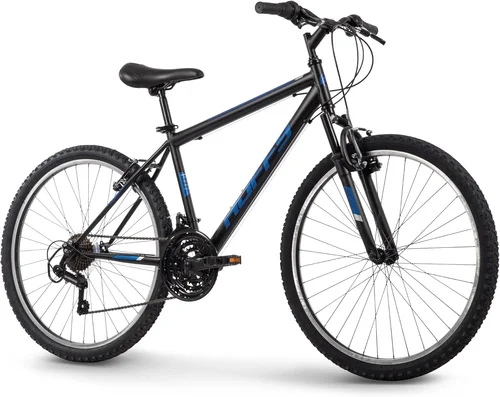
Entry-Level ($400–$700): At this price, you’ll find basic hybrids and cruisers with decent weight capacities (300–350 lbs). Expect alloy frames, mechanical disc brakes, and 21–24 speeds. Brands like Schwinn, sixthreezero, and Huffy offer reliable models, but inspect welds and component quality carefully. These bikes work well for casual riders on flat terrain.
Mid-Range ($700–$1,300): This is the sweet spot for most 300 lb riders. You’ll get stronger frames (chromoly or reinforced aluminum), hydraulic disc brakes, better suspension, and higher spoke counts. Models like the Trek FX 3, Giant Escape 2, and RadCity 5 Plus fall here. They balance performance, durability, and value.
Premium ($1,300–$2,500): Ideal for serious riders or those tackling hills and long distances. Expect full hydraulic systems, advanced drivetrains (Shimano Deore or SRAM NX), and premium tires. E-bikes in this range (like the RadRover 6 Plus) include powerful motors and extended-range batteries, reducing physical strain.
Luxury ($2,500+): Top-tier builds with custom frames, full suspension, carbon-reinforced components, and smart features (GPS, app integration). These are overkill for most but ideal for enthusiasts or those needing maximum comfort and performance. Brands like Specialized, Canyon, and Yuba dominate this space.
Expert Tips for Getting the Best Deal
- Buy in Late Summer/Fall: Retailers discount current-year models to clear inventory for new stock. September–November often features 15–30% off select bikes.
- Shop Local First: Support bike shops that offer free tune-ups, fitting services, and honest advice. Many will price-match online retailers.
- Check Manufacturer Rebates: Brands like Rad Power Bikes and Trek occasionally offer $100–$200 rebates or free accessories with purchase.
- Consider Refurbished Models: Certified pre-owned bikes from reputable sellers come with warranties and cost 20–40% less than new.
- Read the Fine Print on Warranties: Frame warranties should cover at least 5 years. Avoid brands that exclude “overloading” unless clearly defined.
- Test Ride Multiple Bikes: Spend at least 15 minutes on each candidate. Pay attention to stability, braking feel, and saddle comfort.
- Negotiate Add-Ons: Ask for free pedals, bottle cages, or a helmet if buying in-store. Most shops include these to close the sale.
- Join Owner Forums: Communities like Reddit’s r/bicycletouring or BikeForums.net offer real-user insights and deal alerts.

Frequently Asked Questions
Q: Can I modify a regular bike to support 300 lbs?
A: While you can upgrade components (wheels, tires, seat post), the frame itself is the limiting factor. If the frame isn’t designed for your weight, modifications won’t prevent structural failure. It’s safer and more cost-effective to buy a bike built for heavy riders from the start.
Q: Are electric bikes better for heavier riders?
A: Yes—especially if you face hills or want to reduce joint impact. The motor assists pedaling, making it easier to maintain momentum and climb inclines. Most e-bikes are engineered with reinforced frames and higher weight capacities (400+ lbs), making them ideal for 300 lb riders.
Q: How do I know if a bike fits me?
A: Stand over the top tube—there should be 1–3 inches of clearance for hybrids, 2–4 inches for mountain bikes. Your arms should rest comfortably on the handlebars without straining, and your knees should slightly bend at the pedal’s lowest point. Many shops offer professional fitting services.
Q: What’s the difference between chromoly and aluminum frames?
A: Chromoly steel is stronger, more durable, and absorbs vibrations better than aluminum, but it’s heavier. Aluminum is lighter and stiffer but can fatigue over time under heavy loads. For 300+ lb riders, chromoly or reinforced aluminum (with thicker tubing) is preferred.
Q: Do I need a special saddle?
A: Absolutely. Look for saddles labeled “wide,” “comfort,” or “trekking.” Avoid narrow racing saddles—they concentrate pressure and cause numbness. Gel or memory foam padding helps, but ensure the base is firm enough to support your weight.
Q: Can I ride a fat tire bike on pavement?
A: Yes, but they’re slower and less efficient than hybrids due to rolling resistance. Fat tires excel on sand, snow, or loose gravel but are overkill for city commuting unless you frequently encounter rough surfaces.
Q: How often should I maintain my bike?
A: Heavy riders should inspect their bike monthly: check tire pressure, brake pads, chain wear, and spoke tension. Get a professional tune-up every 500 miles or 6 months—whichever comes first.
Q: Are there bikes specifically made for 300+ lb riders?
A: Yes! Brands like Rad Power Bikes, Yuba, and Surly design models with extended weight limits (350–400+ lbs), reinforced frames, and heavy-duty components. These are worth the investment for long-term reliability.
Q: What if my local shop doesn’t carry heavy-duty bikes?
A: Many shops can special-order models or recommend online retailers with strong return policies. Don’t settle—your safety depends on having the right equipment.
Q: Can I lose weight by riding a bike at 300 lbs?
A: Definitely! Cycling is low-impact and effective for burning calories. Start with 20–30 minutes of easy riding 3–4 times per week. As your fitness improves, increase duration and intensity. Pair it with a balanced diet for best results.
Our Final Recommendations
Best for Budget-Conscious Buyers: sixthreezero EVRYjourney Men’s Cruiser – Rated for 300 lbs, comfortable upright design, and reliable mechanical disc brakes. Great for flat commutes under $600.
Best Overall Value: Rad Power Bikes RadCity 5 Plus – 400 lb capacity, hydraulic brakes, 7-speed Shimano drivetrain, and a powerful 750W motor. Perfect blend of strength, comfort, and tech for $1,799.
Best Premium Option: Specialized Roll Sport Step-Through – Reinforced aluminum frame, wide tubeless tires, and ergonomic grips. Ideal for long-distance comfort and urban exploration at $1,400.
Best for Beginners: Giant Escape 2 Disc – Simple 8-speed setup, durable frame, and excellent customer support. Easy to maintain and ride right out of the box ($750).
Best for Advanced Users: Yuba Spicy Curry Electric Cargo Bike – Built for 400+ lbs, full suspension option, and modular cargo system. Ideal for riders who want to carry gear, kids, or groceries effortlessly ($3,200).
Conclusion: Making the Right Choice
Choosing the right bike when you weigh 300 pounds is about more than just finding something that “fits”—it’s about investing in a machine that supports your health, safety, and enjoyment. Prioritize strength, comfort, and real-world durability over flashy features or low prices. Remember: a bike that fails under your weight isn’t just inconvenient—it’s dangerous.
Use this guide as your checklist. Evaluate weight capacity first, then wheels, tires, brakes, and suspension. Test ride whenever possible, and don’t hesitate to ask questions at bike shops or online forums. With the right bike, you’ll not only build fitness and confidence but also rediscover the joy of riding without limits.
Your journey starts with one pedal stroke. Choose wisely, ride safely, and enjoy every mile.