Electric bikes have revolutionized the way adults commute, explore, and stay active. No longer just a niche alternative for eco-conscious riders or tech enthusiasts, e-bikes have become a mainstream transportation solution—offering speed, convenience, and sustainability in one sleek package. Whether you’re navigating city streets, tackling hilly trails, or simply looking to reduce your carbon footprint, an adult electric bike can transform your daily routine. With advancements in battery technology, motor efficiency, and smart integration, today’s e-bikes are more powerful, reliable, and accessible than ever before.
This comprehensive buying guide is designed to cut through the noise and help you make an informed decision. We’ll walk you through every critical factor—from budget and performance to build quality and brand reputation—so you can confidently choose the best electric bike for your lifestyle. Whether you’re a first-time buyer or upgrading from an older model, this guide equips you with expert insights, real-world comparisons, and actionable tips. By the end, you’ll know exactly what to look for, what to avoid, and how to get the most value for your investment.
The adult e-bike market has exploded in recent years, with hundreds of models across dozens of brands. From budget-friendly commuter bikes under $1,000 to high-performance off-road machines exceeding $5,000, the options are vast and varied. Some prioritize portability and foldability, while others emphasize raw power and long-range capabilities. With so many choices, it’s easy to feel overwhelmed. That’s why understanding your needs, knowing the key specifications, and recognizing quality construction are essential. This guide demystifies the process, helping you navigate the landscape with confidence and clarity.

What to Look for When Buying an Adult Electric Bike
1. Budget & Price Range
Your budget is the foundation of your e-bike purchase. It determines not only which models you can consider but also the quality, features, and longevity you can expect. E-bikes range from under $800 for basic models to over $8,000 for premium, high-performance machines. Setting a realistic budget upfront helps narrow your options and prevents overspending on features you don’t need.
When evaluating price, consider the total cost of ownership—not just the sticker price. Factor in maintenance, battery replacement (typically every 3–5 years), and potential upgrades. A cheaper bike may save you money initially but could cost more in the long run if it requires frequent repairs or has a short lifespan. Conversely, investing in a mid-range or premium model often pays off through durability, better components, and superior customer support.
2. Performance Specifications
Performance is where e-bikes truly differentiate themselves. The core specs to evaluate include motor power, battery capacity, range, and top speed. These elements directly impact how the bike handles, how far you can go, and how it performs under load.
Motor power is measured in watts (W). Most adult e-bikes feature motors between 250W and 750W. A 250W motor is sufficient for flat terrain and light loads, ideal for city commuting. For hilly areas or heavier riders, a 500W to 750W motor provides better torque and acceleration. Some high-end models even offer 1,000W+ motors for off-road or cargo use.
Battery capacity is measured in watt-hours (Wh). This determines how far you can ride on a single charge. A 400Wh battery typically offers 20–40 miles of range, depending on terrain, rider weight, and assist level. For longer commutes or weekend adventures, look for 500Wh or higher. Lithium-ion batteries are standard and offer the best balance of weight, lifespan, and efficiency.
Top speed varies by region due to legal restrictions. In the U.S., Class 1 and Class 2 e-bikes are limited to 20 mph, while Class 3 can reach 28 mph. Always check local regulations—some areas require helmets or restrict e-bike use on certain paths.
3. Build Quality & Durability
A well-built e-bike should feel solid, stable, and capable of handling daily use. Frame material is a key indicator of durability. Aluminum alloy is the most common—lightweight, rust-resistant, and strong. Steel frames are heavier but offer superior shock absorption, making them ideal for rough terrain. Carbon fiber is rare and expensive but offers the best strength-to-weight ratio.
Pay attention to component quality. Look for reputable brands like Shimano, SRAM, or Tektro for drivetrains and brakes. Hydraulic disc brakes are superior to mechanical ones, offering better stopping power and less maintenance. Suspension systems—front fork or full suspension—improve comfort on uneven surfaces but add weight and cost.
Weld quality, cable routing, and overall fit-and-finish also matter. A poorly assembled bike may develop rattles, loose parts, or electrical issues over time. Always inspect the bike in person if possible, or rely on detailed reviews and brand reputation.
4. Features & Functionality
Modern e-bikes come packed with features that enhance usability, safety, and convenience. Consider which ones align with your needs.
Display and controls: A clear, backlit LCD or LED display shows speed, battery level, assist mode, and trip data. Some models offer Bluetooth connectivity, GPS tracking, or smartphone integration via apps.
Lighting: Integrated front and rear lights improve visibility and safety, especially for night riding. Look for models with automatic sensors or USB-rechargeable lights.
Fenders and racks: These practical additions protect you from mud and rain and allow you to carry groceries, backpacks, or cargo. A rear rack with a high weight capacity (50+ lbs) is ideal for commuters.
Throttle vs. pedal-assist: Class 2 e-bikes include a throttle, letting you ride without pedaling—great for starting from a stop or climbing hills. Class 1 and 3 rely solely on pedal-assist, which some prefer for a more natural cycling experience.
Smart features: Some premium models include anti-theft alarms, regenerative braking, or app-based ride analytics. While not essential, these can enhance the overall experience.
5. Brand Reputation
Not all e-bike brands are created equal. Established brands like Rad Power Bikes, Trek, Specialized, and Aventon have proven track records for quality, innovation, and customer service. They invest in research, testing, and support networks, which translates to better long-term satisfaction.
Research brand history, customer reviews, and industry awards. A brand with a strong reputation is more likely to honor warranties, provide timely repairs, and offer firmware updates. Avoid unknown or “no-name” brands that may disappear after a few years, leaving you without support.
Also consider where the bike is manufactured and assembled. Bikes assembled in the U.S. or EU often undergo stricter quality control than those made in unregulated facilities.
6. Warranty & Support
A solid warranty is a sign of a manufacturer’s confidence in their product. Most reputable brands offer at least a 1-year comprehensive warranty, with 2–3 years on the frame and battery. Some, like Rad Power Bikes, provide up to 2 years of full coverage.
Check what the warranty includes: Does it cover the motor, battery, electronics, and labor? Are there exclusions for wear and tear or improper use? Also, verify the availability of service centers or authorized repair shops in your area. A long warranty is useless if you can’t get it serviced locally.
Customer support responsiveness is equally important. Read reviews about how quickly brands respond to issues, replace parts, or handle recalls. A brand with excellent support can turn a frustrating experience into a positive one.
7. Size & Portability
E-bikes are heavier than traditional bikes—typically 40–70 lbs—due to the motor and battery. This affects portability, storage, and maneuverability. Consider your living situation: Do you need to carry the bike upstairs? Store it in a small apartment? Transport it in a car?
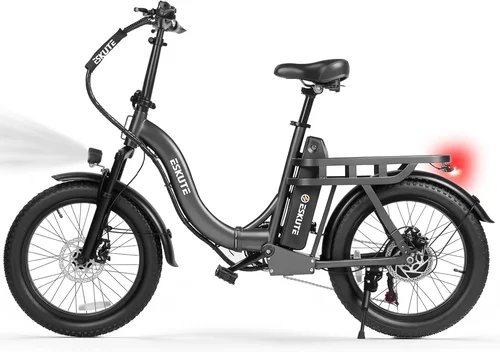
Step-through frames are easier to mount and dismount, especially for shorter riders or those with mobility issues. Folding e-bikes, like the Brompton Electric or Tern Vektron, are ideal for commuters who combine biking with public transit.
Wheel size also impacts ride quality. 26-inch wheels are stable and good for trails. 27.5-inch and 29-inch wheels roll over obstacles more easily, ideal for off-road use. Smaller 20-inch wheels are common on folding bikes and offer better portability.
8. User Reviews & Ratings
While specs and marketing materials provide useful data, real-world user experiences offer invaluable insights. Look for detailed reviews on platforms like YouTube, Reddit (r/ebikes), or specialized forums. Pay attention to recurring themes: Are users praising the battery life? Complaining about brake wear? Noticing software glitches?
Check both professional and customer reviews. Professional reviewers often test bikes under controlled conditions, while customer reviews reflect long-term use and real-life challenges. A bike with 4.8 stars and hundreds of reviews is generally more trustworthy than one with 5 stars from just a few users.
Be wary of fake reviews—look for detailed, balanced feedback that mentions both pros and cons. Also, check how the brand responds to negative reviews. A company that addresses concerns publicly shows accountability and care.
Different Types of Adult Electric Bikes

Common Buying Mistakes to Avoid
❌ Mistake: Choosing Based on Price Alone
Why it’s bad: The cheapest e-bike often cuts corners on motor quality, battery life, and frame construction. You may end up with a bike that breaks down frequently, has poor range, or feels unsafe to ride.
What to do instead: Balance price with value. Look for mid-range models ($1,500–$2,500) that offer the best combination of performance, durability, and features.
❌ Mistake: Ignoring Local Laws and Regulations
Why it’s bad: E-bike laws vary by state and country. Riding a Class 3 bike on a path that only allows Class 1 could result in fines or confiscation.
What to do instead: Research your local regulations before buying. Ensure the bike’s speed, throttle, and classification comply with local rules.
❌ Mistake: Overlooking Battery Replacement Costs
Why it’s bad: E-bike batteries degrade over time and typically need replacement every 3–5 years. A $500–$800 replacement can be a surprise expense.
What to do instead: Factor battery replacement into your long-term budget. Choose brands with accessible, affordable replacement batteries.
❌ Mistake: Not Test Riding Before Buying
Why it’s bad: A bike that looks great online may feel uncomfortable or unbalanced in person. Fit and ride quality are subjective and hard to assess remotely.
What to do instead: Visit local dealers or attend e-bike demo events. Test ride multiple models to find the right feel.
❌ Mistake: Buying Without Considering Maintenance
Why it’s bad: E-bikes require regular maintenance—brake adjustments, tire checks, software updates. Without local service, repairs can be costly and time-consuming.
What to do instead: Choose a brand with a strong service network. Check for nearby repair shops or mobile service options.
❌ Mistake: Prioritizing Speed Over Safety
Why it’s bad: High-speed e-bikes require better brakes, suspension, and rider skill. Pushing limits without proper equipment increases accident risk.
What to do instead: Match speed capabilities to your experience and environment. Invest in safety gear like helmets, lights, and reflective clothing.
❌ Mistake: Falling for “Too Good to Be True” Deals
Why it’s bad: Extremely low-priced e-bikes often use counterfeit parts, weak motors, or unsafe batteries. They may pose fire risks or fail prematurely.
What to do instead: Stick to reputable retailers and brands. If a deal seems unbelievable, it probably is.
Budget Guidelines: How Much Should You Spend?
Entry-Level ($800 – $1,200): These bikes are best for occasional use on flat terrain. Expect basic components, limited range (15–25 miles), and minimal features. Ideal for short commutes or recreational riding. Brands like Ancheer or Swagtron offer models in this range, but quality can vary.
Mid-Range ($1,200 – $2,500): This is the sweet spot for most buyers. You’ll find reliable motors (500W), decent batteries (400–600Wh), and better build quality. Models from Rad Power Bikes, Aventon, and Lectric XP fit here. These bikes often include fenders, racks, lights, and smartphone apps.
Premium ($2,500 – $4,500): Designed for enthusiasts and daily commuters who demand performance. Expect high-capacity batteries (600–750Wh), advanced motors, hydraulic brakes, and smart features. Brands like Trek, Specialized, and Riese & Müller dominate this tier.
Luxury ($4,500+): Top-tier e-bikes with cutting-edge technology, premium materials, and exceptional craftsmanship. These include full-suspension eMTBs, integrated GPS, regenerative braking, and custom builds. Ideal for serious riders, long-distance touring, or those who want the best.

Expert Tips for Getting the Best Deal
1. Buy During Off-Season Sales: E-bike demand peaks in spring and summer. Shop in late fall or winter for discounts. Many brands offer end-of-season clearance sales.
2. Consider Certified Pre-Owned: Reputable dealers sell refurbished e-bikes with warranties. You can save 20–40% off retail while getting a quality ride.
3. Check for Rebates and Incentives: Some cities and states offer e-bike purchase rebates. California’s Clean Bike Rebate Program, for example, provides up to $1,000 off.
4. Compare Online and In-Store: Online retailers often have lower prices, but in-store purchases allow test rides and immediate support. Some brands price-match.
5. Negotiate Accessories: Ask for free add-ons like locks, helmets, or phone mounts. Dealers may include them to close a sale.
6. Read the Fine Print on Returns: Ensure the return window is at least 14–30 days. Some brands charge restocking fees or require original packaging.
7. Join Loyalty Programs: Brands like Rad Power Bikes offer referral bonuses and member discounts. Sign up for newsletters to get early access to sales.
8. Test Ride Multiple Models: Don’t settle for the first bike you try. Compare ride feel, comfort, and responsiveness across different brands and styles.

Frequently Asked Questions
Q: How far can an electric bike go on a single charge?
A: Range varies widely based on battery capacity, terrain, rider weight, and assist level. Most e-bikes offer 20–60 miles per charge. A 500Wh battery typically provides 30–50 miles under normal conditions.
Q: Do I need a license or insurance to ride an e-bike?
A: In most U.S. states, no license or insurance is required for Class 1, 2, or 3 e-bikes. However, some cities have specific rules—check local regulations.
Q: Can I ride an e-bike in the rain?
A: Yes, most e-bikes are water-resistant and safe for light rain. Avoid submerging the battery or motor. Dry the bike after wet rides to prevent corrosion.
Q: How often should I charge the battery?
A: Charge after each ride for optimal battery health. Avoid letting the battery drop below 20% regularly. Store with 50–60% charge if not used for weeks.
Q: Are e-bikes good for exercise?
A: Absolutely. Even with pedal-assist, you’re still pedaling and burning calories. Adjust the assist level to increase workout intensity.
Q: Can I upgrade my e-bike’s battery or motor?
A: Some brands allow battery upgrades, but motor swaps are rare and complex. Check compatibility and warranty terms before modifying.
Q: What’s the difference between hub and mid-drive motors?
A: Hub motors are in the wheel—simpler, cheaper, and good for flat terrain. Mid-drive motors are near the pedals—more efficient, better weight distribution, and ideal for hills.
Q: How heavy are electric bikes?
A: Most weigh 40–70 lbs. Folding and commuter models are lighter (35–50 lbs), while cargo and mountain e-bikes can exceed 70 lbs.
Q: Can I take my e-bike on public transit?
A: Many buses and trains allow e-bikes, especially folding models. Check local transit rules—some restrict battery size or require removal.
Q: What should I do if my e-bike breaks down?
A: Contact the manufacturer or local dealer. Keep records of purchase and warranty. For roadside assistance, consider a bike rescue service.
Our Final Recommendations
Best for Budget-Conscious Buyers: Lectric XP 3.0 – At under $1,000, it offers impressive value with a 500W motor, 45+ mile range, and foldable design. Great for city commuting.
Best Overall Value: Rad Power Bikes RadCity 5 Plus – Priced around $1,800, it combines reliability, comfort, and features like a 750W motor, integrated lights, and a rear rack.
Best Premium Option: Specialized Turbo Vado SL 5.0 – A high-end commuter with a lightweight frame, 80-mile range, and advanced tech. Ideal for serious riders.
Best for Beginners: Aventon Level.2 – User-friendly, affordable ($1,699), and packed with features. Excellent for new e-bike owners.
Best for Advanced Users: Trek Rail 9.9 XTR – A top-tier eMTB with full suspension, 1,000W motor, and trail-ready specs. Built for off-road enthusiasts.
Conclusion: Making the Right Choice
Choosing the best adult electric bike isn’t just about picking the flashiest model or the lowest price. It’s about aligning the bike’s capabilities with your lifestyle, needs, and long-term goals. Whether you’re commuting to work, exploring trails, or reducing your environmental impact, the right e-bike can enhance your daily life in meaningful ways.
We’ve covered everything from budget planning and performance specs to brand reputation and safety considerations. Remember to prioritize quality over cost, test ride before you buy, and invest in a model that offers reliable support and durability. With the insights from this guide, you’re equipped to make a confident, informed decision.
Take your time, do your research, and don’t rush the process. The perfect e-bike is out there—waiting to take you farther, faster, and with more joy than ever before. Happy riding!