
[FEATURED_IMAGE_PLACEGOER]
Electric bikes have revolutionized personal transportation, offering a blend of efficiency, sustainability, and fun. But for tall riders—those 6 feet and above—finding the right e-bike can be a frustrating challenge. Many standard models are designed with average-height riders in mind, leaving taller individuals cramped, uncomfortable, or even at risk of injury due to poor fit. Whether you’re commuting to work, exploring trails, or simply enjoying a weekend ride, an ill-fitting e-bike can turn what should be a joy into a daily struggle. That’s why this comprehensive buying guide exists: to help tall riders navigate the crowded e-bike market and find a model that truly fits their body, riding style, and lifestyle.
In this expert-level guide, you’ll learn exactly what to look for when shopping for an electric bike as a tall rider. We’ll break down the most critical factors—from frame geometry and standover height to handlebar reach and seat post extension—and explain how each impacts comfort, control, and long-term usability. You’ll also discover the different types of e-bikes available, common pitfalls to avoid, budget considerations, and insider tips to get the best value. By the end, you’ll be equipped with the knowledge to make a confident, informed decision—no more guessing, no more returns, just the perfect ride tailored to your height.
The electric bike market has exploded in recent years, with hundreds of models flooding the scene from both established brands and new startups. While this variety is great for consumers, it also means more confusion—especially for niche needs like tall rider compatibility. Some brands openly cater to taller users with extended frames and adjustable components, while others offer little to no accommodation. This guide cuts through the noise, focusing exclusively on what matters most for riders over 6 feet tall. Whether you’re 6’1″, 6’5″, or even taller, we’ve got you covered with real-world insights, expert analysis, and actionable advice.

What to Look for When Buying an Electric Bike as a Tall Rider
1. Frame Size and Geometry
For tall riders, frame size is the single most important factor. A bike that’s too small will force you into a hunched position, straining your back, neck, and shoulders. Look for e-bikes with larger frame sizes—typically labeled as “Large,” “XL,” or “XXL.” Many brands now offer extended geometry frames specifically designed for riders over 6 feet. These often feature longer top tubes, taller head tubes, and increased standover height to accommodate longer legs and torsos.
Pay close attention to the effective top tube length—this determines how stretched out you’ll be when riding. Taller riders generally need a top tube of at least 24 inches, with some requiring 26 inches or more. Also check the head tube length; a taller head tube reduces the need to bend forward, improving comfort on longer rides. Brands like Rad Power Bikes, Trek, and Specialized offer models with extended geometry, making them excellent starting points.
2. Seat Post Length and Adjustability
A long seat post is essential for tall riders to achieve proper leg extension. Most standard e-bikes come with seat posts around 300–350mm, which may not be enough. Look for models with seat posts of 400mm or longer, or those that allow for aftermarket upgrades. Some high-end e-bikes feature dropper posts or extended seat posts that can be adjusted on the fly, giving you more flexibility.
Additionally, check the minimum and maximum saddle height. Tall riders often need saddle heights exceeding 36 inches from the ground. If the bike doesn’t allow for this, it’s a red flag. Brands like Gazelle, Riese & Müller, and Benno offer models with extended seat post options or compatibility with long-travel posts. Always test the maximum height during a demo ride to ensure your knees aren’t overly bent at the bottom of the pedal stroke.
3. Handlebar Reach and Stem Length
Reach refers to the distance from the saddle to the handlebars. For tall riders, excessive reach can cause discomfort in the shoulders, arms, and lower back. A bike with a short stem and riser handlebars can help reduce reach, but if the frame itself is too small, even the best handlebars won’t save you.
Look for e-bikes with adjustable stems or models that come with longer stems to fine-tune your position. Some commuter and touring e-bikes feature swept-back handlebars or ergonomic grips that improve comfort for taller riders. Consider models with handlebar height adjustability—some allow you to raise the bars several inches, which can make a huge difference in posture. Brands like Urban Arrow and Tern offer modular cockpits that let you customize reach and height.
4. Standover Height
Standover height is the distance from the ground to the top tube when you stand over the bike. For tall riders, this should be at least 30–32 inches, depending on inseam length. A low standover height may seem convenient, but for taller individuals, it often means the frame is too small, leading to a cramped riding position.
Check manufacturer specs for standover height, and if possible, test the bike in person. You should be able to stand flat-footed over the top tube with at least 1–2 inches of clearance. Step-through frames, while convenient for mounting, often have lower standover heights and may not suit very tall riders unless specifically designed with extended geometry. Look for “high-step” or “performance” frame styles if you need more clearance.
5. Wheel Size and Tire Clearance
Larger wheels can improve ride quality and stability, which is especially beneficial for taller riders who may feel less balanced on smaller frames. Most e-bikes come with 26″, 27.5″, or 29″ wheels. For tall riders, 27.5″ or 29″ wheels are often preferable, as they offer better rollover capability and a more natural fit for longer legs.
Also consider tire clearance. Wider tires (2.2″ to 2.8″) provide better cushioning and grip, which can help absorb road vibrations that taller riders may feel more acutely due to their height. Fat tire e-bikes (3″ to 4.8″) are great for off-road use but may feel sluggish on pavement. Ensure the frame and fork can accommodate the tire size you prefer, especially if you plan to upgrade later.
6. Motor Power and Torque
While motor power (measured in watts) is important, torque (measured in Newton-meters or Nm) is even more critical for tall riders. Heavier riders or those carrying cargo need more torque to accelerate smoothly and climb hills without straining the motor. Look for motors with at least 60 Nm of torque, with 80+ Nm being ideal for taller or heavier riders.
Mid-drive motors, like those from Bosch, Shimano, and Brose, are generally better for tall riders because they leverage the bike’s gears, providing more efficient power delivery. Hub motors are simpler and often cheaper, but they can feel less responsive under load. Consider your typical terrain—hilly areas demand more torque, while flat cities may get by with less.
7. Battery Range and Capacity
Battery capacity, measured in watt-hours (Wh), determines how far you can ride on a single charge. Taller riders may consume more energy due to higher body weight and longer crank arms, so aim for a battery with at least 500Wh. For longer commutes or weekend adventures, 625Wh or higher is recommended.
Also consider battery placement. Frame-integrated batteries lower the center of gravity, improving stability—important for taller riders who may feel less balanced. Removable batteries are convenient for charging but can raise the bike’s center of gravity if mounted high. Brands like Bosch and Yamaha offer smart battery systems that optimize power based on terrain and rider input.
8. Suspension and Ride Comfort
Tall riders often experience more road shock due to their height and longer leverage on the frame. A good suspension system can make a significant difference in comfort. Look for e-bikes with front suspension forks (at least 100mm travel) and, if possible, rear suspension or a suspension seat post.
Full-suspension e-bikes are ideal for off-road or rough terrain but add weight and cost. For city riding, a quality front fork and ergonomic saddle may suffice. Consider models with adjustable suspension settings to fine-tune firmness based on your weight and riding style. Brands like Haibike and Bulls offer excellent suspension options for taller riders.
Different Types of Electric Bikes for Tall Riders

Common Buying Mistakes to Avoid
❌ Mistake: Ignoring Frame Size and Assuming “Large” is Enough
Why it’s bad: Many brands label their largest frame as “Large,” but this may still be too small for riders over 6’2″. Assuming all “Large” frames are equal can lead to poor fit and discomfort.
What to do instead: Always check the manufacturer’s size chart and compare your inseam and height to their recommendations. Look for brands that offer XL or XXL frames, and consider extended geometry models designed specifically for tall riders.
❌ Mistake: Overlooking Seat Post Length
Why it’s bad: A short seat post limits saddle height, forcing your knees to bend too much and reducing pedaling efficiency. This can cause knee pain and fatigue on longer rides.
What to do instead: Choose a bike with a seat post of at least 400mm, or ensure it’s compatible with aftermarket extended posts. Test the maximum saddle height during a demo ride.
❌ Mistake: Choosing a Step-Through Frame for Convenience
Why it’s bad: Step-through frames often have lower standover heights and shorter top tubes, which can result in a cramped riding position for tall riders—even if they’re easier to mount.
What to do instead: Opt for a high-step or performance frame if you need more room. Some step-through models now offer extended geometry, so check specs carefully.
❌ Mistake: Prioritizing Price Over Fit
Why it’s bad: A cheap e-bike that doesn’t fit properly will lead to discomfort, reduced enjoyment, and potentially costly adjustments or replacements down the line.
What to do instead: Invest in a bike that fits your body first. You can often find good deals on mid-range models from reputable brands that offer proper sizing for tall riders.
❌ Mistake: Neglecting Test Rides
Why it’s bad: Specs don’t tell the whole story. A bike may look right on paper but feel awkward in practice due to handlebar angle, stem length, or saddle shape.
What to do instead: Always test ride before buying. If purchasing online, choose retailers with generous return policies and local dealer support.
❌ Mistake: Ignoring Weight and Portability
Why it’s bad: Tall riders often need larger, heavier frames. If you plan to carry the bike upstairs or load it onto a car rack, weight becomes a major factor.
What to do instead: Check the bike’s weight and consider models with integrated handles or lightweight materials. Carbon fiber frames are lighter but more expensive.
❌ Mistake: Overlooking Warranty and Support
Why it’s bad: E-bikes are complex machines. Without proper warranty coverage, repairs can be costly, especially for motor and battery issues.
What to do instead: Choose brands with at least a 2-year warranty on the frame and motor, and 1 year on the battery. Look for companies with strong customer service and local dealer networks.
Budget Guidelines: How Much Should You Spend?
Entry-Level ($1,000 – $2,000): At this price point, you’ll find basic e-bikes with hub motors, limited range (30–50 miles), and minimal adjustability. While some models may accommodate taller riders, fit is often compromised. Look for brands like Ancheer or Swagtron, but be prepared to upgrade components like the seat post or handlebars.
Mid-Range ($2,000 – $3,500): This is the sweet spot for most tall riders. You’ll find better frame geometry, longer seat posts, and higher-quality components. Brands like Rad Power Bikes, Aventon, and Lectric offer models with XL frames and extended reach. Motors are more powerful (750W+), and batteries often exceed 500Wh.
Premium ($3,500 – $6,000): For enthusiasts and daily commuters, premium e-bikes offer top-tier performance, full suspension, and advanced features like integrated displays, smart connectivity, and customizable ride modes. Brands like Trek, Specialized, and Gazelle excel here, with models designed specifically for taller riders.
Luxury ($6,000+): These are the Ferraris of e-bikes—hand-built, ultra-lightweight, and packed with cutting-edge tech. Think Riese & Müller, Stromer, or Bosch-equipped models with dual batteries, GPS tracking, and premium materials. Ideal for serious riders who want the best fit, performance, and longevity.
Expert Tips for Getting the Best Deal
- Buy during off-season sales: Late fall and winter are the best times to find discounts on e-bikes, as retailers clear inventory for new models.
- Check manufacturer refurbished programs: Many brands sell certified pre-owned e-bikes at 20–30% off, often with full warranties.
- Compare online and in-store prices: Online retailers may offer lower prices, but local shops provide test rides and service. Some offer price matching.
- Look for bundle deals: Some retailers include free accessories (helmets, locks, lights) with purchase—great value for tall riders who need specialized gear.
- Consider financing options: Many brands offer 0% APR financing for 6–12 months, making premium models more accessible.
- Read user reviews from tall riders: Search forums like Reddit’s r/ebikes or Electric Bike Review for feedback from riders over 6 feet.
- Negotiate with dealers: Especially at local shops, you may be able to negotiate price, free tune-ups, or accessory discounts.
- Check for government incentives: Some states and cities offer rebates or tax credits for e-bike purchases—up to $1,000 in some cases.

Frequently Asked Questions
Q: What’s the minimum frame size for a 6’4″ rider?
A: For a 6’4″ rider, look for an XL or XXL frame with a top tube length of at least 25–26 inches. Brands like Rad Power Bikes, Trek, and Specialized offer models in this range. Always verify standover height and seat post length.
Q: Can I modify a standard e-bike to fit a tall rider?
A: Yes, to some extent. You can upgrade to a longer seat post, adjustable stem, or riser handlebars. However, if the frame itself is too small, modifications won’t fully solve fit issues. It’s better to start with a properly sized frame.
Q: Are folding e-bikes suitable for tall riders?
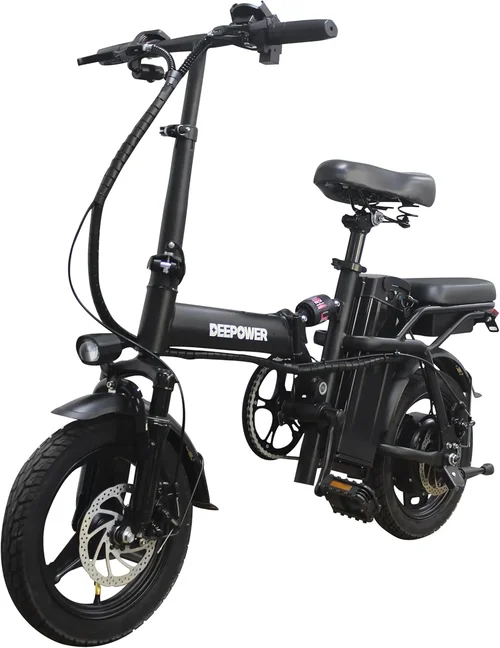
A: Most folding e-bikes are too small for riders over 6 feet. However, a few models like the Tern Vektron S10 or Brompton Electric have extended versions that may work. Check specs carefully and test ride if possible.
Q: Do taller riders need more powerful motors?
A: Not necessarily more power, but more torque. Taller riders often weigh more and may carry cargo, so a motor with 70+ Nm of torque is recommended for smooth acceleration and hill climbing.
Q: How important is suspension for tall riders?
A: Very important. Taller riders experience more road vibration due to their height and longer leverage on the frame. A front suspension fork or suspension seat post can significantly improve comfort.
Q: Can I use a regular bike seat post on an e-bike?
A: Only if it’s compatible with the frame diameter and length. E-bike seat posts are often longer and may have internal routing for wires. Check with the manufacturer before upgrading.
Q: What’s the best type of e-bike for a 6’5″ commuter?
A: A commuter e-bike with an XL or XXL frame, extended seat post, and upright geometry. Models like the RadCity 5 Plus or Trek Allant+ 7 are excellent choices.
Q: How do I know if an e-bike will fit me without riding it?
A: Use the manufacturer’s size chart and compare your height and inseam. Look for videos or reviews from riders of similar height. Some brands offer virtual fit tools online.
Q: Are there e-bikes designed specifically for tall riders?
A: Yes. Brands like Rad Power Bikes, Benno, and Riese & Müller offer models with extended geometry, longer top tubes, and higher standover heights tailored for taller users.
Q: What’s the average lifespan of an e-bike for a tall rider?
A: With proper maintenance, a quality e-bike can last 5–10 years. Tall riders should pay extra attention to frame stress and component wear due to increased leverage and weight.
Our Final Recommendations
Best for Budget-Conscious Buyers: Rad Power Bikes RadCity 5 Plus (XL) – At around $1,999, this commuter e-bike offers an XL frame, 400mm seat post, and 750W motor. It’s one of the few budget models designed with tall riders in mind.
Best Overall Value: Aventon Level.2 (XL) – Priced at $2,299, it features a long top tube, adjustable stem, and 500Wh battery. Excellent fit for riders 6’2″ to 6’6″.
Best Premium Option: Trek Allant+ 7 (XXL) – With Bosch motor, 625Wh battery, and extended geometry, this $4,499 e-bike is built for performance and comfort. Ideal for serious commuters.
Best for Beginners: Lectric XP 3.0 (XL) – At $1,099, it’s affordable and surprisingly spacious. The XL frame and 350mm seat post make it a great entry point for tall new riders.
Best for Advanced Users: Riese & Müller Superdelite GT Touring (XXL) – A luxury full-suspension e-bike with dual batteries, 1,250Wh total capacity, and custom geometry. Priced at $10,000+, it’s for those who demand the absolute best.
Conclusion: Making the Right Choice
Finding the right electric bike as a tall rider doesn’t have to be a guessing game. By prioritizing frame size, seat post length, handlebar reach, and overall geometry, you can avoid the discomfort and frustration that come with ill-fitting models. Remember, the cheapest bike isn’t always the best value—invest in fit first, and the rest will follow.
Use this guide as your roadmap. Compare models, test ride whenever possible, and don’t hesitate to reach out to manufacturers for sizing advice. The perfect e-bike is out there—one that matches your height, your riding style, and your budget. With the right information and a little patience, you’ll be cruising in comfort and confidence in no time.
Now it’s your turn. Take what you’ve learned, explore your options, and ride tall. Your ideal e-bike awaits.