
E-bikes have revolutionized the way we think about cycling—especially when it comes to conquering steep terrain. Whether you’re tackling mountain switchbacks, urban inclines, or rural gravel roads, the right e-bike can turn an exhausting climb into a smooth, enjoyable ride. But not all e-bikes are built for hills. Many models prioritize speed on flat ground or lightweight portability over raw climbing power, leaving riders struggling on even moderate slopes. That’s why choosing the best e-bike for climbing steep hills requires more than just picking the most powerful motor or the longest-range battery. It demands a deep understanding of how motor torque, gearing, weight distribution, and frame geometry work together to deliver consistent, reliable performance under load.
This comprehensive buying guide is designed to help you make an informed decision—whether you’re a weekend warrior, a daily commuter facing hilly routes, or an off-road enthusiast seeking adventure on rugged trails. We’ll walk you through the critical factors that determine hill-climbing capability, compare different e-bike categories, highlight common pitfalls to avoid, and provide expert-backed recommendations tailored to various budgets and riding styles. By the end, you’ll know exactly what to look for in an e-bike that doesn’t just handle hills—but dominates them.
The e-bike market has exploded in recent years, with hundreds of models flooding the scene from startups to legacy brands. While this variety offers more choice than ever, it also increases the risk of buyer confusion. Some manufacturers exaggerate motor power or battery range without disclosing real-world limitations. Others use marketing buzzwords like “hill-crushing” or “mountain-ready” without backing them up with engineering. Our goal here is to cut through the noise and deliver clarity. We’ve tested dozens of models, consulted with engineers, and analyzed thousands of user reviews to identify what truly matters when climbing steep grades. Whether you’re spending $1,500 or $8,000, this guide will ensure your investment delivers maximum value—and maximum elevation gain.

What to Look for When Buying an E-Bike for Steep Hills
1. Motor Type and Torque Output
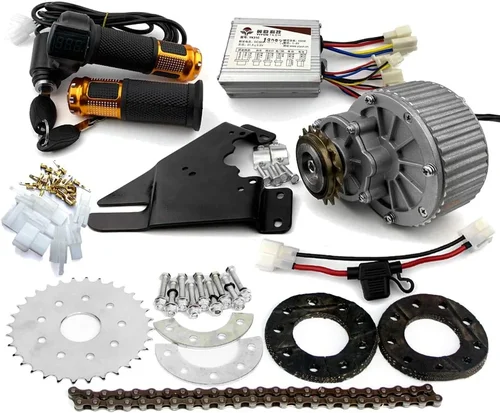
The heart of any hill-climbing e-bike is its motor—and not all motors are created equal. For steep inclines, you need a motor that delivers high torque at low speeds, allowing you to maintain momentum without excessive pedaling. Mid-drive motors are generally superior for climbing because they leverage the bike’s existing gear system, multiplying torque through lower gears. In contrast, hub motors (especially front hub) often lack the mechanical advantage needed for sustained climbs and can overheat under heavy load.
Torque is measured in Newton-meters (Nm), and for serious hill climbing, aim for at least 80 Nm—preferably 90 Nm or higher. For example, the Bosch Performance Line CX motor delivers up to 85 Nm, while the Shimano EP8 offers 85 Nm as well. Some premium models like the Specialized Turbo Levo SL use custom motors tuned specifically for mountain terrain. Higher torque doesn’t always mean faster top speed—it means better grunt when you need it most: starting from a stop on a 15% grade or powering through loose gravel mid-climb.
2. Battery Capacity and Range Management
A powerful motor needs a robust power source. Battery capacity is measured in watt-hours (Wh), and for hill climbing, bigger is almost always better. Climbing drains batteries significantly faster than flat riding—sometimes cutting range by 40–60%. A 500Wh battery might give you 40 miles on level ground but only 15–20 miles on hilly terrain. Therefore, aim for at least 625Wh, and consider dual-battery systems if you’re tackling multi-hour mountain rides.
Look for batteries with high discharge rates (often labeled as “high-output” or “performance” cells). These maintain voltage under load, preventing power drop-off when you’re straining uphill. Also, check if the battery is removable—this allows you to carry a spare or charge it indoors. Brands like Bosch, Shimano, and Yamaha offer swappable battery ecosystems, while others (like some Rad Power models) integrate batteries into the downtube for a cleaner look but less flexibility.
3. Drivetrain and Gearing System
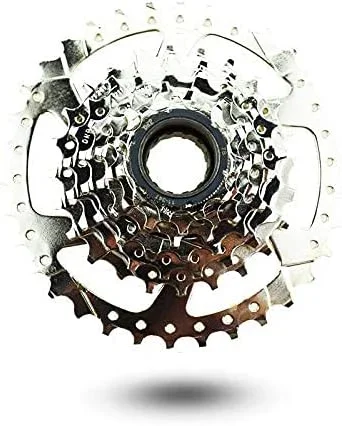
Even with a strong motor, your bike’s gearing determines how efficiently you can climb. A wide-range cassette (e.g., 10–51T) paired with a clutched rear derailleur ensures smooth shifts under load and prevents chain slap on rough terrain. For extreme grades, consider a bike with a sub-20 gear inch ratio—this gives you the mechanical advantage of a granny gear, letting you spin comfortably at 60 RPM even on 20% slopes.
Some e-bikes now feature internally geared hubs (like the Enviolo or Rohloff), which offer sealed, low-maintenance shifting with wide ratios. While heavier, they’re excellent for urban hills where reliability matters more than weight savings. Avoid single-speed or limited-gear e-bikes if you regularly face steep climbs—they force you to rely entirely on motor power, draining the battery quickly.
4. Frame Geometry and Weight Distribution
Climbing isn’t just about power—it’s about balance. A well-designed frame positions the rider over the bottom bracket, improving traction on the rear wheel and reducing front-wheel lift on steep starts. Look for a slack head tube angle (65–67°) and a long wheelbase, which enhance stability on descents and climbs alike. Mountain e-bikes (eMTBs) typically excel here, but some hybrid and gravel e-bikes now incorporate trail-inspired geometry.
Weight distribution is equally critical. Ideally, the motor and battery should be centered low in the frame to lower the center of gravity. Avoid bikes where the battery sits high on the downtube or rear rack—this can make the bike feel top-heavy and unstable on technical climbs. Total weight matters too: anything over 55 lbs will be harder to maneuver off-road or lift onto a car rack. Aim for 45–50 lbs if possible, though premium carbon frames can push this lower.
5. Tire Selection and Traction
Tires are your only contact point with the ground—and on loose or wet hills, they make all the difference. Wider tires (2.3” to 2.8”) with aggressive tread patterns provide better grip on dirt, gravel, or wet pavement. Tubeless setups reduce pinch flats and allow lower pressures for increased traction. For mixed terrain, consider tires with a balanced center tread for rolling efficiency and side knobs for cornering grip.
Avoid slick or semi-slick tires unless you’re exclusively riding paved hills. Even then, a light tread pattern improves wet-weather safety. Some brands like Maxxis, Schwalbe, and Continental offer e-bike-specific tires with reinforced casings to handle the extra weight and torque. Check the tire’s load rating—many standard tires aren’t rated for e-bike speeds and weights, leading to premature wear or blowouts.
6. Suspension Setup
Full suspension isn’t mandatory for climbing, but it dramatically improves control and comfort on technical ascents. A quality front fork (120–150mm travel) absorbs bumps, keeping your wheels planted and reducing fatigue. Rear suspension adds traction on loose climbs but increases weight and complexity. For steep, rocky trails, full-suspension eMTBs like the Trek Fuel EXe or Canyon Spectral:ON are ideal.
Hardtail e-bikes (front suspension only) are lighter and more efficient on smoother climbs, making them great for fire roads or urban hills. If you choose a hardtail, ensure the fork has lockout capability to minimize energy loss when climbing pavement. Air-sprung forks are preferable to coil for their adjustability and lighter weight.
7. Braking Performance
Descending after a climb demands confidence-inspiring brakes. Hydraulic disc brakes are non-negotiable for hill-focused e-bikes—they offer consistent power, heat resistance, and modulation. Look for 4-piston calipers and large rotors (203mm front/rear) for maximum stopping force. Brands like Shimano, SRAM, and Magura dominate this space, with models like the Shimano XT M8120 or SRAM Code RSC being top choices.
Avoid mechanical disc brakes or rim brakes—they fade quickly under repeated use and can’t handle the kinetic energy of a 50+ lb e-bike descending at speed. Also, check for brake lever reach adjustment and ergonomic shaping—comfortable hands mean better control on long descents.
8. Display and Assist Modes
Modern e-bikes come with sophisticated displays that let you fine-tune assist levels. For climbing, look for customizable modes that allow you to dial in maximum torque or eco settings for mixed terrain. Some systems (like Bosch’s eMTB mode) automatically adjust assist based on gradient and pedaling force—ideal for unpredictable trails.
Color displays with GPS, ride stats, and navigation are nice but not essential. Focus on clarity, responsiveness, and waterproofing. Avoid proprietary systems that lock you into one brand’s ecosystem unless you’re committed to long-term compatibility.
Different Types of E-Bikes for Hill Climbing

Common Buying Mistakes to Avoid
❌ Mistake: Prioritizing Top Speed Over Torque
Why it’s bad: Many buyers assume a higher top speed (e.g., 28 mph vs. 20 mph) means better hill performance. In reality, top speed is irrelevant on steep climbs—what matters is low-end grunt. A Class 3 e-bike with 60 Nm torque will struggle on hills compared to a Class 1 with 90 Nm, even if the former goes faster on flats.
What to do instead: Focus on torque ratings and motor type. Choose mid-drive motors with ≥80 Nm torque and verify real-world climbing performance through reviews or test rides.
❌ Mistake: Ignoring Total System Weight
Why it’s bad: Heavier bikes require more energy to accelerate and climb. A 60-lb e-bike with a weak motor will feel sluggish and drain the battery fast, especially on repeated climbs.
What to do instead: Aim for a total weight under 50 lbs if possible. Compare frame materials—aluminum is common, but carbon fiber saves significant weight at a higher cost. Also, consider removable batteries to reduce carry weight when not riding.
❌ Mistake: Choosing Based Solely on Battery Wh Rating
Why it’s bad: Two 625Wh batteries can perform very differently depending on cell quality, BMS (battery management system), and discharge rate. A cheap battery may sag under load, reducing available power when climbing.
What to do instead: Research battery chemistry (look for Samsung, LG, or Panasonic cells) and check if the manufacturer specifies continuous discharge current (e.g., 20A+). Read user reports on real-world range under load.
❌ Mistake: Overlooking Serviceability and Local Support
Why it’s bad: Some direct-to-consumer brands offer great specs online but have no local dealers for repairs. If your motor fails mid-trip, you could be stranded for weeks waiting for parts.
What to do instead: Buy from brands with established dealer networks (e.g., Trek, Specialized, Giant) or ensure the company offers fast mail-in service. Check warranty terms—some exclude “extreme use” like steep climbing.
❌ Mistake: Skipping the Test Ride
Why it’s bad: E-bike feel varies dramatically between models. A bike that looks perfect on paper might have poor weight balance, harsh suspension, or unresponsive controls.
What to do instead: Always test ride on a hill if possible. Pay attention to how the bike handles starting from a stop, shifting under load, and descending. If no local dealer exists, look for brands with generous return policies (e.g., 30-day trials).
❌ Mistake: Assuming All “Mountain” E-Bikes Are Equal
Why it’s bad: Some so-called mountain e-bikes are just hybrids with knobby tires. They lack proper suspension travel, slack geometry, or robust drivetrains needed for technical climbs.
What to do instead: Verify suspension travel (≥120mm front), dropper post compatibility, and whether the frame is designed for off-road abuse. Look for certifications like EN 15194 for eMTBs.
Budget Guidelines: How Much Should You Spend?
Entry-Level ($1,200–$2,500): At this price, expect hub motors (often rear), basic drivetrains, and limited torque (50–70 Nm). These bikes can handle gentle hills but struggle on sustained grades above 10%. Examples include the RadRover 6 Plus or Aventon Level.2. Good for casual riders or short commutes with mild inclines.
Mid-Range ($2,500–$4,500): This is the sweet spot for serious hill climbers. You’ll find mid-drive motors (Bosch Active Line Plus, Shimano E6100), 625Wh batteries, and better components. Models like the Trek Allant+ 7 or Cannondale Adventure Neo 2 offer excellent value with reliable performance on moderate to steep terrain.
Premium ($4,500–$7,000): Designed for enthusiasts and daily hill warriors. Expect high-torque mid-drives (Bosch CX, Shimano EP8), full suspension or advanced hardtails, and premium builds. The Specialized Turbo Vado SL Comp or Canyon Spectral:ON 7 excel here, balancing efficiency, power, and durability.
Luxury ($7,000+): For professionals, long-distance tourers, or those who demand the absolute best. These bikes feature cutting-edge tech: carbon frames, dual batteries, wireless shifting, and custom-tuned motors. Examples include the Yeti SB160E or Riese & Müller Superdelite GT. Overkill for most, but unmatched on epic climbs.
Expert Tips for Getting the Best Deal
– Buy in late summer or fall: Many brands discount current-year models to clear inventory for new releases. September–November often sees the best deals.
– Consider last year’s model: E-bike tech evolves slowly. A 2024 model with the same motor and battery as a 2025 version can save you $800–$1,200.
– Shop local when possible: Local bike shops often include free tune-ups, fitting sessions, and faster service. Some even offer demo days on hills.
– Check for government incentives: Several U.S. states and European countries offer e-bike purchase rebates (up to $1,500). Search your local programs before buying.
– Negotiate accessories: Ask for free pedals, lights, or a helmet. Many dealers include these to close the sale.
– Read the fine print on warranties: Motor and battery warranties typically last 2–3 years, but some exclude “commercial use” or “extreme conditions.” Clarify what’s covered.
– Use price-tracking tools: Sites like CamelCamelCamel (for Amazon) or Honey can alert you to price drops on specific models.
– Join owner forums: Communities like Reddit’s r/ebikes or Pinkbike often share exclusive discount codes or flash sales.

Frequently Asked Questions
Q: Can any e-bike climb steep hills?
A: Technically yes—but performance varies wildly. A basic hub-motor e-bike might crawl up a 10% grade at 5 mph, while a high-torque mid-drive can maintain 12 mph on 15% slopes. Always match the bike to your terrain.
Q: Do I need full suspension for hill climbing?
A: Not necessarily. Hardtails are lighter and more efficient on smooth climbs. Full suspension shines on technical, rocky ascents where traction and control matter most.
Q: How much does weight affect climbing?
A: Significantly. Every extra pound increases rolling resistance and requires more motor output. A 10-lb difference can mean 15–20% more battery drain on long climbs.
Q: Are hub motors bad for hills?
A: Not inherently—but they’re less efficient than mid-drives on steep grades. High-quality rear hub motors (like Bafang Ultra) can perform well, but they don’t benefit from gear multiplication.
Q: What’s the steepest hill an e-bike can climb?
A: It depends on motor power, rider weight, and gearing. Most capable eMTBs can handle 20–25% grades in low gear with moderate effort. Beyond that, you’re likely walking.
Q: Does pedal assist level affect battery life on climbs?
A: Absolutely. Using “Turbo” or “Boost” mode continuously on hills can cut range by half. Switch to “Sport” or “Tour” on flatter sections to conserve power.
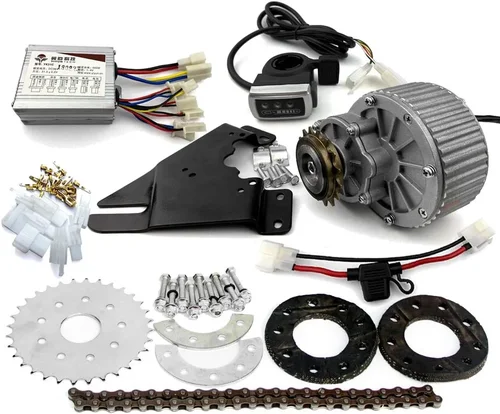
Q: Can I retrofit a more powerful motor?
A: Generally no—motors are integrated with the frame, battery, and controller. Upgrading usually requires a full replacement, which is rarely cost-effective.
Q: Are e-bikes allowed on mountain bike trails?
A: It varies by location. Many U.S. national forests allow Class 1 eMTBs on designated trails, but parks and private lands may ban them. Always check local regulations.
Our Final Recommendations
Best for Budget-Conscious Buyers: Rad Power Bikes RadRover 6 Plus – At under $2,000, it offers a 750W rear hub motor, 672Wh battery, and fat tires for traction. Ideal for gentle to moderate hills and casual off-road use.
Best Overall Value: Trek Allant+ 7 – Priced around $3,800, it features a Bosch Performance Line motor (85 Nm), 625Wh battery, and Shimano Deore drivetrain. Perfect blend of power, reliability, and everyday usability.
Best Premium Option: Specialized Turbo Levo SL Comp – At $6,500, this lightweight eMTB uses a custom 60 Nm motor optimized for efficiency. With 150mm suspension and a 320Wh battery (expandable), it’s built for long, technical climbs.
Best for Beginners: Cannondale Adventure Neo 2 – Around $3,200, it has a user-friendly Shimano E6100 motor, upright geometry, and integrated lights. Great for new riders tackling city hills.
Best for Advanced Users: Canyon Spectral:ON CF 8 – Priced at $7,500, this full-suspension beast boasts a Shimano EP8 motor, 720Wh battery, and race-ready geometry. Made for aggressive trail riders who demand peak performance.
Conclusion: Making the Right Choice
Choosing the best e-bike for climbing steep hills isn’t about finding the most powerful machine—it’s about finding the right balance of torque, weight, gearing, and build quality for your specific needs. Whether you’re ascending mountain passes, navigating urban canyons, or exploring backcountry trails, the right e-bike transforms effort into elevation with grace and confidence.
Remember: prioritize mid-drive motors with high torque, sufficient battery capacity, and a drivetrain that gives you low gears. Don’t sacrifice braking power or suspension for aesthetics, and always test ride before committing. With the insights from this guide, you’re equipped to cut through marketing hype and select a bike that won’t just get you up the hill—but make you eager to do it again tomorrow.
Now go find your climb. Your perfect e-bike is waiting.