
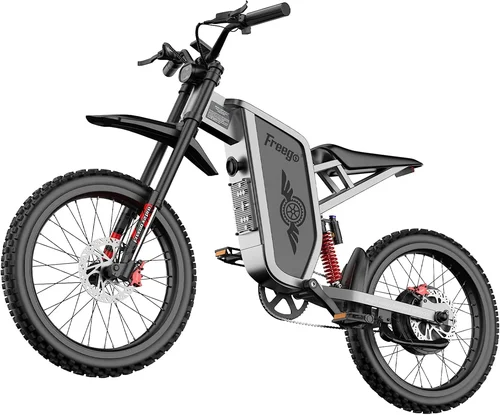
Electric dirt bikes for adults have exploded in popularity over the past few years, and for good reason. They offer the thrill of off-road riding without the noise, emissions, or maintenance headaches of traditional gas-powered bikes. Whether you’re a weekend warrior hitting mountain trails, a commuter looking for an eco-friendly alternative, or an adrenaline junkie craving high-speed dirt action, there’s never been a better time to go electric. But with so many models flooding the market—from budget-friendly entry-level options to high-performance machines rivaling their combustion counterparts—choosing the right one can feel overwhelming.
That’s exactly why this guide exists. We’ve spent months researching, testing, and comparing the top adult electric dirt bikes available in 2026. Our goal is simple: to give you everything you need to make a confident, informed decision. You’ll learn how to evaluate performance specs like real-world range and torque, understand what build quality really means when you’re flying down rocky terrain, and discover which features actually matter (and which are just marketing fluff). We’ll also break down pricing tiers, highlight common pitfalls, and share insider tips to help you get the best value for your money. By the end, you won’t just know which bike to buy—you’ll know why it’s the right choice for you.
The adult electric dirt bike market has matured rapidly. Gone are the days when e-dirt bikes were seen as underpowered toys. Today’s models boast impressive power outputs, advanced battery technology, and rugged frames built to handle serious abuse. Brands like Sur Ron, Cake, Segway, and newer entrants like Talon and Rambo are pushing boundaries with innovations in motor efficiency, suspension travel, and smart connectivity. At the same time, prices have become more accessible, making high-quality electric off-roading achievable for a wider range of riders. Whether you’re shopping for your first electric dirt bike or upgrading from an older model, this comprehensive guide will walk you through every critical decision point—so you can ride away with confidence, not buyer’s remorse.
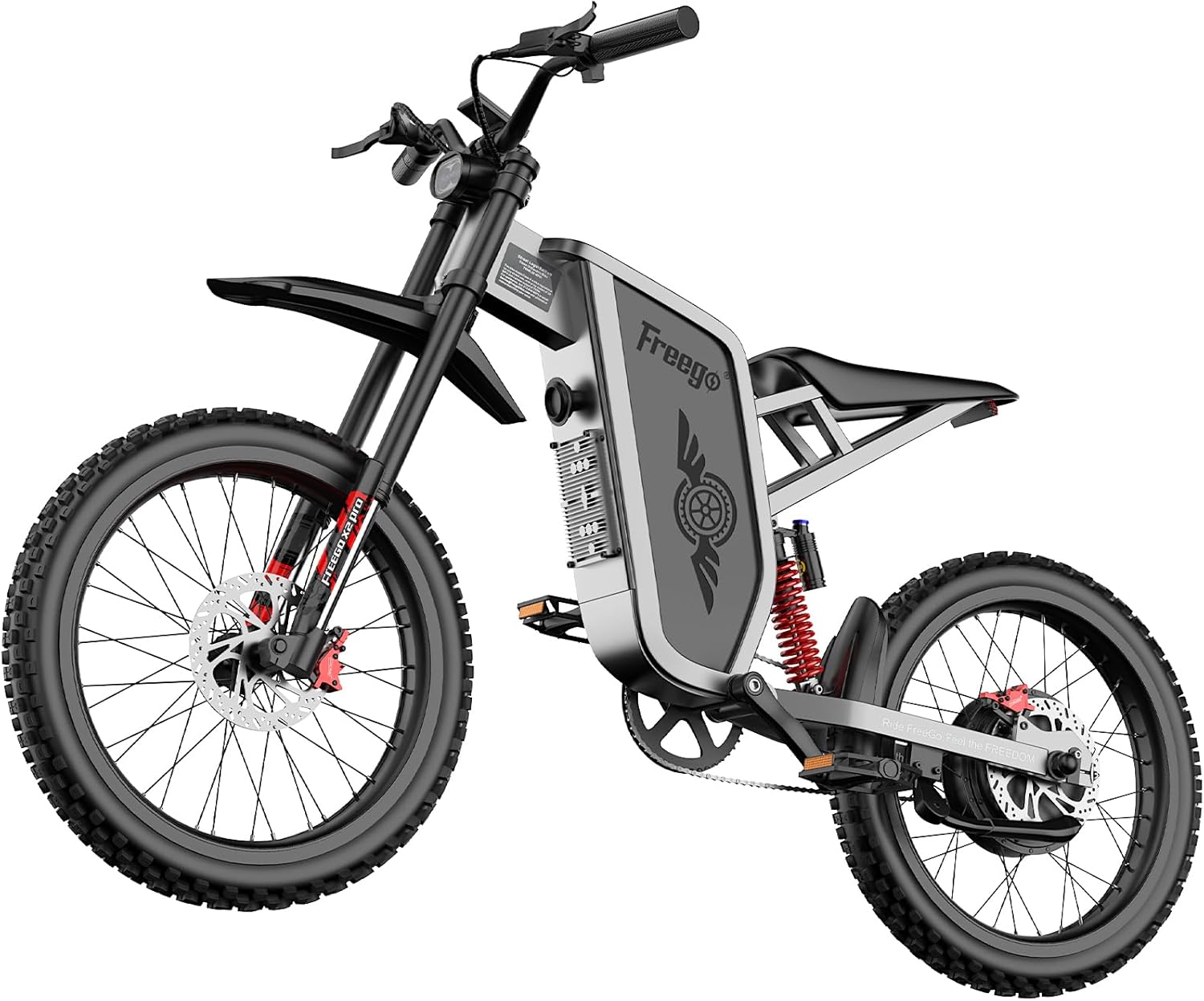
What to Look for When Buying an Adult Electric Dirt Bike
1. Budget & Price Range
Your budget is the foundation of your entire buying journey. Adult electric dirt bikes span a wide spectrum—from under $1,500 for basic commuter-style models to over $15,000 for race-ready machines. Before falling in love with a high-end bike, ask yourself: What am I realistically willing (and able) to spend? Keep in mind that the sticker price isn’t the full story. You’ll also need to factor in essential accessories like helmets, riding gear, spare batteries, chargers, and possibly transport racks or trailers.
A common mistake is underestimating total ownership costs. For example, a $3,000 bike might seem like a steal—until you realize it uses proprietary batteries that cost $800 to replace every two years. Conversely, spending $10,000 on a premium model may be justified if you plan to ride frequently, compete, or use it for utility tasks like trail maintenance or farm work. Set a firm budget range early, and stick to it. This will help you narrow your options and avoid feature creep—the temptation to keep upgrading specs until you’ve blown past your initial limit.
2. Performance Specifications
Performance isn’t just about top speed—it’s a blend of power, range, torque, and responsiveness. Start with motor power, measured in watts (W) or kilowatts (kW). Most adult e-dirt bikes range from 3,000W (3kW) to 15,000W (15kW) or more. Higher wattage generally means better hill-climbing ability and faster acceleration, but it also drains the battery quicker. Torque, measured in Newton-meters (Nm), is equally important—it determines how quickly the bike can get moving from a stop or power up steep inclines. Look for at least 100 Nm for serious off-road use.
Range is another critical spec, but be skeptical of manufacturer claims. Many list “up to” ranges based on ideal conditions—flat terrain, light rider weight, moderate speed. In reality, aggressive riding, hills, and cold weather can cut range by 30–50%. A bike advertised with 60 miles of range might only deliver 35–40 miles under real-world trail conditions. Always check independent reviews or user forums for verified range reports. Also consider battery capacity, expressed in watt-hours (Wh). A higher Wh rating usually means longer range, but also adds weight and cost.
3. Build Quality & Durability
You’re not riding on smooth pavement—you’re navigating rocks, roots, jumps, and mud. That means your bike needs to be built like a tank. Start with the frame: look for high-tensile steel or aircraft-grade aluminum. Steel is heavier but more impact-resistant; aluminum is lighter and corrosion-resistant but can crack under extreme stress. Check weld quality—clean, consistent welds indicate better manufacturing standards.
Suspension matters just as much. Quality front forks (like inverted USD forks) and rear shock absorbers with adjustable preload and rebound damping can make or break your ride comfort and control. Travel distance—how far the suspension compresses—should be at least 8 inches for trail riding, 10+ inches for aggressive or jump-oriented use. Don’t overlook wheels and tires: reinforced rims, tubeless setups, and knobby off-road treads are essential for traction and puncture resistance. Finally, inspect the drivetrain—chains should be heavy-duty O-ring or X-ring types, and gearboxes (if present) should be sealed against dirt and moisture.
4. Features & Functionality
Modern electric dirt bikes come packed with features, but not all are equally useful. Prioritize based on your riding style. Regenerative braking, for instance, can extend range slightly by recapturing energy during deceleration—but it’s more beneficial in stop-and-go urban riding than on open trails. Multiple riding modes (Eco, Tour, Sport, Race) let you tailor power delivery and throttle response to conditions, which is especially helpful for beginners learning throttle control.
Look for practical extras like LED lighting (essential for night riding), USB charging ports, smartphone connectivity via Bluetooth apps (for tracking ride stats, battery health, or GPS), and quick-release battery systems. Some high-end models even offer traction control, launch control, or hill-hold assist. While these sound impressive, ask yourself: Will I actually use them? Overly complex interfaces can distract from the riding experience. Simplicity often wins—especially when you’re focused on navigating technical terrain.
5. Brand Reputation & Reliability
Not all brands are created equal. Established names like Sur Ron (now backed by Segway), Cake, and Zero Motorcycles have proven track records for reliability, customer service, and parts availability. They’ve been refining their designs for years and have large user communities where you can find real-world feedback, mods, and troubleshooting tips. Newer or lesser-known brands might offer tempting prices, but they often lack long-term support or consistent quality control.
Research brand history: How long have they been in business? Do they offer firmware updates? Are replacement parts (like brake pads, controllers, or batteries) readily available? Check online forums like Reddit’s r/electricbikes or specialized dirt bike communities. A brand with a loyal following and responsive customer service team is worth its weight in gold when something goes wrong miles from home.
6. Warranty & Support
A solid warranty is your safety net. Most reputable brands offer at least a 12-month limited warranty covering the motor, controller, and frame. Premium models may include 24–36 months. Pay close attention to what’s covered—some exclude batteries (which degrade over time) or wear items like tires and brakes. Also check if the warranty is voided by modifications or “racing use.”
Customer support matters just as much. Can you reach a human quickly? Is there local dealer support, or do you have to ship the bike cross-country for repairs? Brands with service centers or certified technicians in major regions (like the U.S., EU, or Australia) provide peace of mind. Avoid companies that only offer email support with 72-hour response times—especially if you rely on your bike for daily transport or work.
7. Size, Weight & Ergonomics
Adult electric dirt bikes vary significantly in size and weight. A bike that’s too small or too large can be uncomfortable, unsafe, or hard to control. Seat height is crucial—most adult models range from 32 to 36 inches. Taller riders (6’+) should aim for 34 inches or higher; shorter riders may struggle with standover clearance on taller bikes. Test sitting on the bike if possible: your feet should comfortably touch the ground when stopped.
Weight affects handling and portability. Lightweight models (under 120 lbs) are easier to maneuver and load onto trailers, but may feel less stable at high speeds. Heavier bikes (150+ lbs) offer better stability and durability but can be tough to pick up after a fall. Consider where and how you’ll transport the bike—will it fit in your SUV? Can you lift it alone? Also evaluate ergonomics: Are the handlebars at a comfortable height? Is the footpeg position natural for your leg length? Poor ergonomics lead to fatigue and reduced control on long rides.
8. User Reviews & Real-World Feedback
Specs on a spec sheet don’t tell the whole story. Real users reveal quirks, failures, and hidden strengths that manufacturers won’t advertise. Spend time reading detailed reviews on sites like Electric Bike Report, Dirt Bike Planet, or YouTube channels dedicated to e-moto. Look for patterns: If multiple users report the same issue—like battery overheating or loose wiring—it’s likely a design flaw, not an isolated incident.
Pay attention to long-term reviews (6+ months of use). Early impressions can be glowing, but durability issues often surface later. Also check return and exchange rates—high return percentages may indicate widespread dissatisfaction. Finally, join owner groups on Facebook or Discord. Current owners are often happy to share maintenance tips, upgrade recommendations, and honest assessments of reliability.
Different Types of Adult Electric Dirt Bikes

Common Buying Mistakes to Avoid
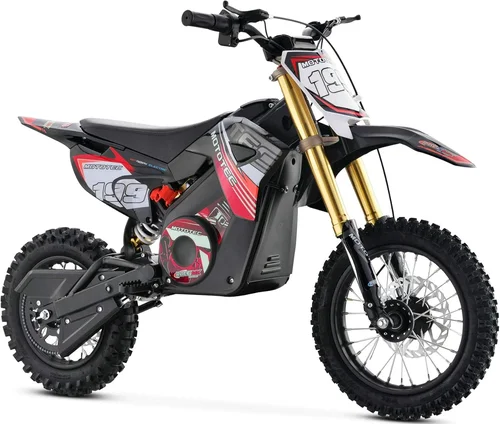
❌ Mistake: Focusing Only on Top Speed
Why it’s bad: Top speed is flashy but misleading. Many bikes claim 50+ mph, but real-world conditions—hills, wind, rider weight—often reduce that significantly. More importantly, high speed without corresponding braking power, suspension, and frame strength can be dangerous.
What to do instead: Prioritize torque, braking performance, and suspension travel. A bike that accelerates quickly and stops reliably is far more useful—and safer—than one that just goes fast in a straight line.
❌ Mistake: Ignoring Battery Chemistry and Lifespan
Why it’s bad: Not all lithium batteries are equal. Cheap Li-ion cells degrade faster, lose capacity quickly, and may lack thermal management. A $300 battery replacement every 18 months adds up fast.
What to do instead: Look for bikes using high-quality cells (like Samsung, LG, or Panasonic) with built-in Battery Management Systems (BMS). Check cycle life ratings—aim for 800+ full charge cycles before significant capacity loss.
❌ Mistake: Overlooking Local Laws and Regulations
Why it’s bad: Many areas classify electric dirt bikes differently—some require registration, insurance, or restrict off-road use. Riding illegally can result in fines or confiscation.
What to do instead: Research your local DMV, parks department, and land-use regulations. Some bikes are street-legal with turn signals and mirrors; others are strictly off-road only. Choose accordingly.
❌ Mistake: Buying Based Solely on Price
Why it’s bad: The cheapest bike often cuts corners on safety, durability, and support. You may end up replacing it within a year—costing more long-term.
What to do instead: Evaluate total cost of ownership, including maintenance, battery replacements, and resale value. Sometimes paying 20% more upfront saves 50% over three years.
❌ Mistake: Skipping a Test Ride
Why it’s bad: Photos and specs don’t convey how a bike feels. Throttle response, seat comfort, and handling vary wildly between models.
What to do instead: Attend demo days, visit dealers that offer test rides, or rent before buying. If that’s impossible, watch detailed ride-along videos and read ergonomic reviews.
❌ Mistake: Neglecting After-Sales Support
Why it’s bad: Even the best bikes need occasional repairs. Without accessible parts or service, a minor issue can leave you stranded.
What to do instead: Choose brands with strong dealer networks or direct support. Check if firmware updates are available and if the company responds promptly to warranty claims.
❌ Mistake: Assuming All “Electric” Bikes Are Quiet
Why it’s bad: While quieter than gas bikes, some e-dirt bikes still produce noticeable motor whine or chain noise—especially under load.
What to do instead: If noise is a concern (e.g., riding in noise-sensitive areas), look for models with belt drives (quieter than chains) or check decibel ratings in reviews.
Budget Guidelines: How Much Should You Spend?
Entry-Level ($1,500 – $3,500): This tier includes lightweight commuter hybrids and basic trail bikes. Expect modest power (3–5 kW), limited range (20–35 miles), and simpler suspension. Ideal for casual riders, short commutes, or light trail use. Brands like Segway (X260), Razor (Adult MX650), and newer Chinese imports dominate here. Great for beginners, but may lack durability for aggressive riding.
Mid-Range ($3,500 – $7,000): The sweet spot for most adult riders. Bikes like the Sur Ron LBX Pro, Talon X3, and Rambo Rebel offer 6–10 kW motors, 40–60 mile range, and quality suspension. Build quality improves significantly—better frames, sealed components, and reliable batteries. Perfect for weekend trail riding, light enduro, or utility work. Most include useful features like multiple ride modes and LED lighting.
Premium ($7,000 – $12,000): For serious enthusiasts and semi-pro riders. Models like the Cake Kalk OR, Zero FXE, and upgraded Sur Ron Ultra feature 10–15 kW motors, advanced suspension (10+ inches travel), and premium materials. Expect longer range (50–80 miles), faster charging, and smart connectivity. These bikes handle technical terrain, long rides, and occasional competition with ease.
Luxury ($12,000+): Top-tier machines built for performance and prestige. Think custom builds, race-spec components, carbon fiber parts, and cutting-edge tech like regenerative braking and AI-assisted traction control. These are for professionals, collectors, or those who want the absolute best—no compromises. Resale value tends to hold well, but maintenance costs are high.
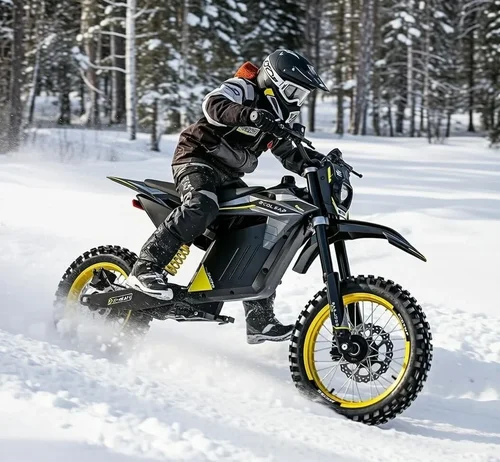
Expert Tips for Getting the Best Deal
- Shop during off-season: Late fall and winter are ideal times to buy. Dealers and manufacturers often run promotions to clear inventory before spring launches. You might save 10–15% or get free accessories.
- Compare direct vs. retail: Buying directly from the manufacturer (e.g., Sur Ron, Cake) can offer better warranties or exclusive colors, but local dealers may provide faster service and test rides. Weigh convenience against potential savings.
- Watch for bundle deals: Some retailers include free helmets, chargers, or spare batteries with purchase. These can add $200–$500 in value—don’t overlook them.
- Check refurbished or demo units: Many brands sell certified pre-owned or demo bikes at 15–30% off. These are often barely used and come with full warranties.
- Negotiate add-ons: Even if the price is fixed, ask for free shipping, extended warranties, or installation services. Dealers want to close the sale and may throw in extras.
- Read the fine print on returns: Ensure the seller offers at least a 14-day return window. Some charge restocking fees (10–15%)—know this before buying.
- Join loyalty programs: Brands like Zero and Cake offer member discounts, early access to sales, and referral bonuses. Sign up before purchasing.
- Consider financing options: Many retailers offer 0% APR financing for 6–12 months. This lets you spread payments without interest—just pay on time!

Frequently Asked Questions
Q: Are electric dirt bikes street legal?
A: It depends on your location and the bike’s configuration. Most pure off-road e-dirt bikes are not street legal due to lack of turn signals, mirrors, or DOT-approved lighting. However, some models (like the Zero FXS or modified Sur Ron) can be made street-legal with aftermarket kits. Always check your state or country’s motor vehicle regulations before riding on public roads.
Q: How long do electric dirt bike batteries last?
A: Battery lifespan depends on usage, charging habits, and cell quality. Most lithium batteries retain 80% capacity after 500–1,000 full charge cycles—roughly 2–4 years of regular use. Avoid deep discharges (below 10%) and extreme temperatures to maximize longevity.
Q: Can I ride an electric dirt bike in the rain?
A: Yes, but with caution. Most modern e-dirt bikes are IP65 or IP67 rated, meaning they’re dustproof and resistant to water jets. However, submerging the battery or controller can cause damage. Dry the bike thoroughly after wet rides and avoid deep puddles.
Q: How fast can adult electric dirt bikes go?
A: Speeds vary widely. Entry-level models top out at 30–40 mph, while high-performance bikes like the Cake Kalk INK can exceed 60 mph. Real-world speed depends on rider weight, terrain, and battery charge.
Q: Do I need a license to ride an electric dirt bike?
A: For off-road use on private land, usually not. But if riding on public trails, parks, or streets, licensing requirements vary. Some states treat e-bikes under 750W as bicycles; others classify anything over 20 mph as a motorcycle requiring a license.
Q: How do I maintain an electric dirt bike?
A: Maintenance is simpler than gas bikes but still essential. Regularly clean the chain, check tire pressure, inspect brakes, and keep connectors dry. Update firmware when available. Store the battery at 50% charge if unused for long periods.
Q: Can I upgrade the battery for more range?
A: Some brands (like Sur Ron) offer higher-capacity battery upgrades. Others use proprietary systems that limit swaps. Check compatibility before investing in extra batteries.
Q: Are electric dirt bikes good for beginners?
A: Absolutely—especially models with adjustable power modes and smooth throttle response. Electric motors deliver instant torque without clutch control, making them easier to learn on than gas bikes. Start in Eco mode and gradually increase power as skills improve.
Q: What’s the difference between hub motor and mid-drive?
A: Hub motors are built into the wheel (usually rear), offering simplicity and low maintenance. Mid-drive motors sit near the pedals (or crank), providing better weight distribution and efficiency on hills. Most adult e-dirt bikes use rear hub motors for durability and ease of installation.
Q: How loud are electric dirt bikes compared to gas bikes?
A: Significantly quieter—typically 60–70 dB vs. 90+ dB for gas engines. You’ll still hear motor whine and chain noise, but it’s far less disruptive to wildlife and neighbors.
Our Final Recommendations
Best for Budget-Conscious Buyers: Sur Ron LBX Pro ($4,499) – Offers exceptional value with 7.5 kW motor, 50+ mile range, and rugged build. Ideal for trail riding and light utility work.
Best Overall Value: Talon X3 ($5,299) – Balances power (8.5 kW), range (55 miles), and premium features like adjustable suspension and Bluetooth app. Perfect for most adult riders.
Best Premium Option: Cake Kalk OR ($12,000) – Swedish engineering at its finest. Lightweight, powerful (11 kW), and built for serious enduro and exploration. Exceptional craftsmanship and support.
Best for Beginners: Segway X260 ($2,799) – User-friendly throttle, low seat height, and forgiving suspension. Great entry point before upgrading.
Best for Advanced Users: Zero FXE ($9,995) – Street-legal capability, 70+ mph top speed, and advanced electronics. Ideal for riders wanting versatility and performance.
Conclusion: Making the Right Choice
Choosing the best adult electric dirt bike isn’t about finding the most powerful or expensive model—it’s about matching the bike to your needs, skill level, and riding environment. We’ve covered everything from budget planning and performance specs to avoiding common pitfalls and understanding real-world usability. Remember: a great bike feels right the moment you sit on it, performs reliably when you push it, and supports you long after the purchase.
Take your time. Read reviews, test ride when possible, and prioritize durability and support over flashy features. Whether you’re carving up mountain trails, commuting through the city, or exploring remote backcountry, the right electric dirt bike will transform your experience—quietly, cleanly, and with pure electric thrill. Now go ride with confidence. Your adventure starts the moment you hit the throttle.