
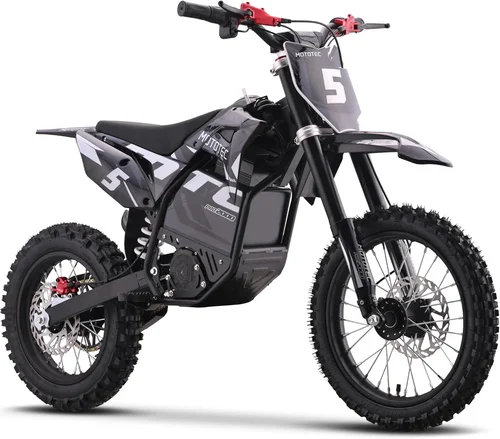
The electric dirt bike market has exploded in recent years, transforming from a niche curiosity into a legitimate alternative to traditional gas-powered off-road machines. With advancements in battery technology, motor efficiency, and frame design, electric dirt bikes now deliver impressive performance, lower maintenance, and near-silent operation—all while being environmentally friendly. Whether you’re a weekend trail rider, a motocross enthusiast, or a parent looking for a safe yet thrilling ride for your teen, there’s never been a better time to go electric. This comprehensive buying guide is designed to help you navigate the rapidly evolving landscape of electric dirt bikes under $5,000—a sweet spot where performance, reliability, and value converge.
In this guide, you’ll learn everything you need to know to make an informed decision. We’ll break down the key factors that matter most—from motor power and battery life to build quality and brand reputation—so you can match your needs with the right bike. You’ll also discover the different types of electric dirt bikes available, common pitfalls to avoid, and expert tips for getting the best deal. Whether you’re a beginner or an experienced rider, our goal is to empower you with the knowledge and confidence to choose a bike that delivers fun, durability, and long-term satisfaction—without breaking the bank.
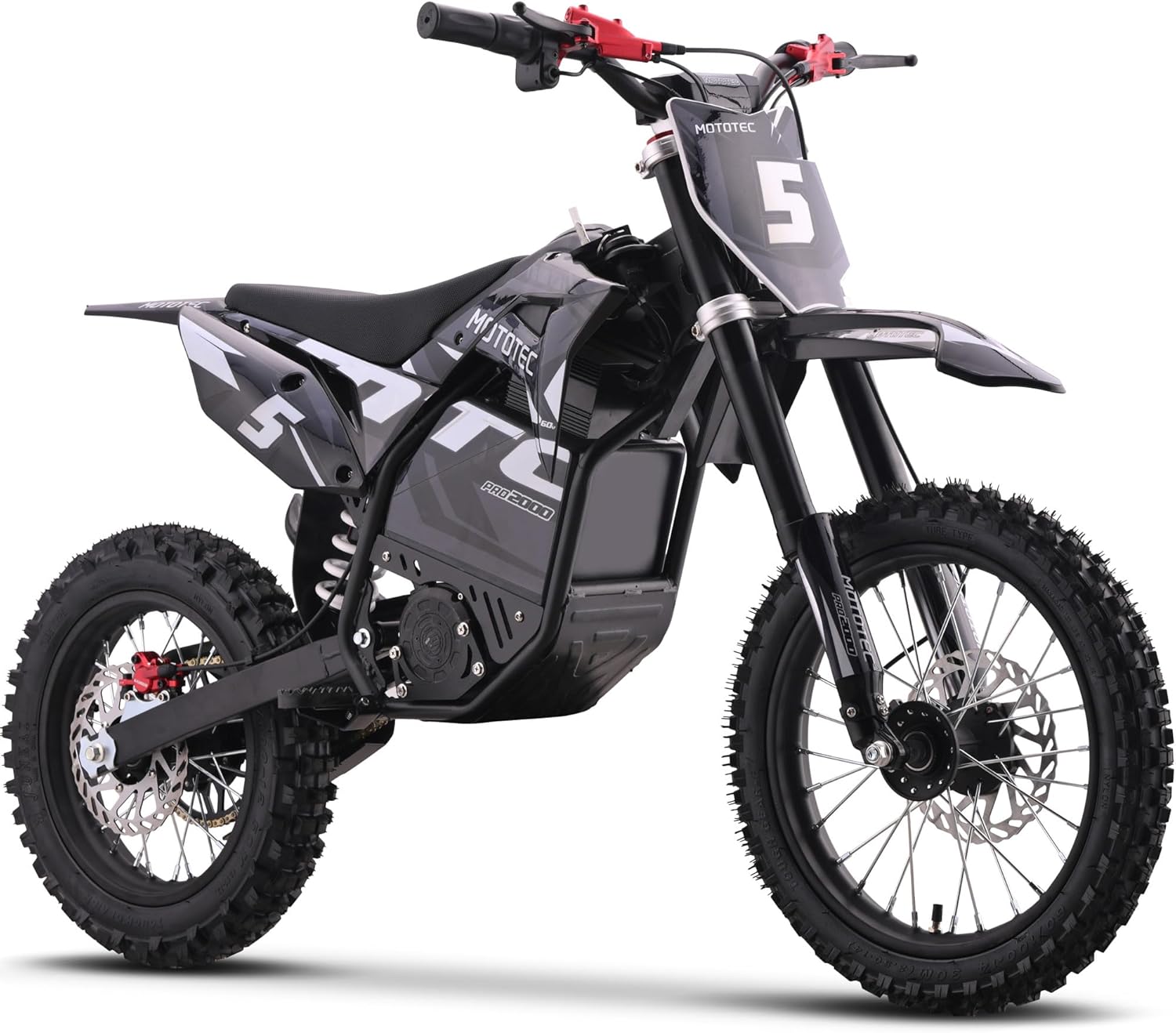
What to Look for When Buying Tuttio
1. Budget & Price Range
Setting a clear budget is the first and most critical step in your buying journey. With a $5,000 cap, you’re entering a highly competitive segment where manufacturers are pushing the boundaries of performance and features. However, it’s important to understand that not all bikes within this range offer equal value. Some models may appear affordable upfront but lack essential components like quality suspension or reliable brakes, leading to higher long-term costs. Others might include premium features like regenerative braking or smartphone connectivity, which can justify a higher price tag.
When evaluating price, consider the total cost of ownership. This includes not just the initial purchase, but also maintenance, replacement parts, and potential upgrades. For example, a bike with a removable battery might cost more initially but save you hundreds in the long run by allowing you to swap batteries instead of waiting hours to recharge. Additionally, look for models that come with essential accessories like a charger, tool kit, or protective gear—these can add significant value and reduce out-of-pocket expenses.
2. Performance Specifications
Performance is where electric dirt bikes truly shine, and it’s essential to match specs to your riding style and terrain. The three most important performance metrics are motor power (measured in watts or horsepower), top speed, and range (how far you can ride on a single charge). Most electric dirt bikes under $5,000 feature motors ranging from 3,000W to 7,000W, with higher wattage generally translating to better acceleration and hill-climbing ability.
Top speeds typically range from 35 mph to over 60 mph, depending on the model. While speed is exciting, consider your skill level and intended use. Beginners may prefer a bike with adjustable power modes that allow them to start slow and gradually increase performance. Advanced riders, on the other hand, will want a bike capable of sustained high speeds and quick throttle response. Range is equally important—most bikes in this price range offer between 20 and 50 miles per charge, but real-world results can vary based on terrain, rider weight, and riding style.
Other performance factors include torque (measured in Newton-meters), which affects how quickly the bike accelerates from a stop, and regenerative braking, which recaptures energy during deceleration to extend range. Some models also feature multiple riding modes (Eco, Sport, Race) that let you tailor performance to your needs. Always check whether the manufacturer provides real-world range estimates or only lab-tested figures—the latter can be overly optimistic.
3. Build Quality & Durability
An electric dirt bike is a significant investment, and you want it to last. Build quality encompasses frame material, suspension system, braking components, and overall craftsmanship. Look for bikes with aluminum or chromoly steel frames, which offer an excellent balance of strength and weight. Avoid models with flimsy plastic components or poorly welded joints—these are red flags for long-term reliability.
The suspension system is critical for off-road performance. A good electric dirt bike should have adjustable front forks and a rear shock absorber that can handle jumps, bumps, and uneven terrain. Entry-level models may have basic coil springs, while higher-end bikes feature air or hydraulic suspension with compression and rebound damping. Similarly, braking performance is non-negotiable—disc brakes (preferably hydraulic) are standard on quality models, offering consistent stopping power even in wet or muddy conditions.
Durability also extends to weather resistance. While no electric dirt bike is fully waterproof, many are designed to handle rain, mud, and dust. Look for IP ratings (Ingress Protection) that indicate resistance to water and particles. For example, an IP65 rating means the bike is dust-tight and protected against water jets. Additionally, check the quality of seals on the battery compartment and motor housing—these are common failure points if not properly protected.
4. Features & Functionality
Modern electric dirt bikes come packed with features that enhance safety, convenience, and performance. One of the most valuable is a removable battery, which allows you to carry a spare for extended rides or charge the battery indoors while the bike remains outside. This is especially useful for riders who don’t have access to outdoor charging stations.
Other useful features include LED lighting for night riding, digital displays with real-time data (speed, battery level, trip distance), and smartphone connectivity via Bluetooth. Some models even offer GPS tracking, ride analytics, and firmware updates through a mobile app. While these aren’t essential, they can significantly improve the user experience, especially for tech-savvy riders.
Safety features are equally important. Look for bikes with kill switches, emergency stop buttons, and traction control systems that prevent wheel spin on loose surfaces. Adjustable power modes are also a major plus, allowing riders to limit speed and torque for beginners or conserve battery on long trails. Finally, consider ergonomics—handlebar height, seat comfort, and footpeg position should suit your body size and riding style.
5. Brand Reputation
With so many new brands entering the electric dirt bike market, it’s crucial to choose a manufacturer with a proven track record. Established brands like Sur Ron, Talaria, and Cake have built reputations for quality, innovation, and customer support. They often invest more in research and development, resulting in better-engineered products and longer lifespans.
Research customer reviews, professional evaluations, and online forums to gauge reliability. Pay attention to how the company handles warranty claims and customer service. A brand that responds quickly to issues and offers transparent support is far more trustworthy than one with vague policies or poor communication. Additionally, check if the brand has a local dealer or service center near you—this can make maintenance and repairs much easier.
Beware of “too good to be true” deals from unknown brands. While some new entrants offer competitive pricing, they may cut corners on components or lack proper testing. Stick with brands that have been around for at least a few years and have a history of positive feedback from real users.
6. Warranty & Support
A solid warranty is a strong indicator of a manufacturer’s confidence in their product. Most reputable electric dirt bike brands offer warranties ranging from 6 months to 2 years, covering the motor, battery, and frame. Some even provide extended warranties for an additional fee. Pay close attention to what’s included and excluded—many warranties don’t cover wear-and-tear items like tires, brake pads, or chains.
Customer support is just as important as the warranty itself. Look for brands that offer responsive service via phone, email, or live chat. Check if they provide detailed manuals, video tutorials, and troubleshooting guides. Some companies even have online communities where users share tips and solutions. If a brand is difficult to contact or slow to respond, it could signal future problems if something goes wrong.
Also consider the availability of spare parts. A bike with a strong support network will have readily available replacement batteries, motors, and components. This is especially important for long-term ownership, as parts may wear out or become damaged over time.
7. Size & Portability
Electric dirt bikes vary significantly in size and weight, which affects how easy they are to transport and store. Most models weigh between 100 and 150 pounds, but some high-performance bikes can exceed 200 pounds. If you plan to load the bike into a truck bed or trailer, consider the weight and whether you’ll need assistance or a ramp.
Portability also depends on dimensions. A compact bike with a shorter wheelbase is easier to maneuver on tight trails and store in a garage or shed. Some models feature foldable handlebars or removable batteries, making them more convenient for transport. If you’re planning to ride in remote areas, consider how you’ll get the bike to the trailhead—will it fit in your vehicle? Do you need a roof rack or trailer?
For younger riders or those with smaller frames, look for bikes with adjustable seats and lower standover heights. This ensures a comfortable and safe riding position, reducing the risk of accidents due to poor fit.
8. User Reviews & Ratings
Nothing beats real-world feedback from actual users. Before making a purchase, read through customer reviews on retailer websites, YouTube, and off-road forums. Look for patterns in the feedback—consistent praise for battery life or complaints about poor suspension can reveal important insights.
Pay attention to long-term reviews (6 months or more), as they provide a better picture of durability and reliability. Short-term reviews may highlight initial excitement but miss issues that develop over time. Also, consider the reviewer’s experience level—a beginner’s opinion may differ significantly from that of a seasoned rider.
Be cautious of overly positive or negative reviews that seem biased or fake. Genuine reviews often include both pros and cons, and may mention specific scenarios (e.g., “Great for trail riding but struggles on steep hills”). Use this information to compare models and narrow down your choices.
Different Types of Tuttio

Common Buying Mistakes to Avoid
❌ Mistake: Ignoring Battery Technology
Why it’s bad: The battery is the heart of an electric dirt bike, and choosing the wrong type can lead to poor performance, short lifespan, or even safety hazards. Many budget bikes use lower-quality lithium-ion cells that degrade quickly or overheat under heavy load.
What to do instead: Look for bikes with high-quality lithium-ion (Li-ion) or lithium iron phosphate (LiFePO4) batteries from reputable manufacturers like Samsung, LG, or Panasonic. Check the battery’s cycle life (number of charge/discharge cycles before degradation) and ensure it has built-in protection circuits to prevent overcharging or short circuits.
❌ Mistake: Overlooking Suspension Quality
Why it’s bad: Poor suspension leads to a harsh ride, reduced control, and increased risk of injury—especially on rough terrain. Many entry-level bikes skimp on suspension to cut costs, resulting in a bumpy and uncomfortable experience.
What to do instead: Prioritize bikes with adjustable front forks and rear shocks. Test the suspension if possible, or look for reviews that mention ride comfort. A good suspension system should absorb impacts smoothly and maintain traction on uneven ground.
❌ Mistake: Choosing Based on Top Speed Alone
Why it’s bad: While high speed is impressive, it’s not the only measure of performance. A bike with a high top speed but poor torque or short range may not be practical for real-world use. Speed without control can also be dangerous, especially for inexperienced riders.
What to do instead: Balance speed with other factors like acceleration, range, and handling. Consider your typical riding conditions—do you need speed for racing, or is low-end torque more important for climbing hills? Look for bikes with multiple power modes to match your needs.
❌ Mistake: Skipping the Test Ride
Why it’s bad: Buying a bike without riding it first is like buying shoes without trying them on. You might end up with a model that feels uncomfortable, too heavy, or poorly balanced for your body type or riding style.
What to do instead: Whenever possible, test ride the bike at a dealership or demo event. Pay attention to seat height, handlebar position, throttle response, and overall feel. If a test ride isn’t available, watch detailed video reviews that show the bike in action.
❌ Mistake: Ignoring Local Laws and Regulations
Why it’s bad: Some electric dirt bikes are not street-legal, and riding them on public roads or trails without proper registration can result in fines or confiscation. Even off-road use may be restricted in certain areas.
What to do instead: Research local regulations before purchasing. Check if the bike requires a license, registration, or helmet. If you plan to ride on public land, ensure the bike meets noise and emissions standards. Some dual-sport models are designed to be street-legal, making them a better choice for mixed use.
❌ Mistake: Neglecting Maintenance Requirements
Why it’s bad: While electric bikes require less maintenance than gas-powered ones, they still need regular care. Neglecting tire pressure, chain tension, or brake adjustments can lead to poor performance or safety issues.
What to do instead: Learn basic maintenance tasks like checking tire pressure, lubricating the chain, and inspecting brake pads. Keep a maintenance log and follow the manufacturer’s service schedule. Invest in a quality tool kit to make upkeep easier.
❌ Mistake: Falling for Flashy Marketing
Why it’s bad: Some brands use exaggerated claims or misleading specs to attract buyers. For example, a bike advertised as “100 mph capable” may only reach that speed under ideal lab conditions, not in real-world use.
What to do instead: Focus on verified performance data from independent reviews and user feedback. Be skeptical of marketing buzzwords like “revolutionary” or “unbeatable.” Instead, compare real-world metrics like range, charging time, and durability.
Budget Guidelines: How Much Should You Spend?
With a $5,000 budget, you have access to a wide range of electric dirt bikes, but understanding how your money translates into features and performance is key. Here’s a breakdown of what to expect at different price tiers:
Entry-Level ($2,000 – $3,000): These bikes are ideal for beginners, casual riders, or parents buying for teens. Expect motors in the 3,000W to 5,000W range, top speeds of 35-45 mph, and ranges of 20-30 miles. Build quality may be adequate but not exceptional, with basic suspension and mechanical disc brakes. Features are minimal, and warranties are often shorter (6-12 months). While these bikes offer good value for learning and light trail use, they may struggle on steep terrain or extended rides.
Mid-Range ($3,000 – $4,000): This is the sweet spot for most buyers. Bikes in this range typically feature 5,000W to 7,000W motors, top speeds of 50-60 mph, and ranges of 30-45 miles. You’ll find better suspension systems, hydraulic brakes, and more durable frames. Many models include removable batteries, LED lighting, and digital displays. Warranties are usually 12-18 months, and customer support is more reliable. These bikes strike an excellent balance between performance, features, and price.
Premium ($4,000 – $5,000): For enthusiasts and advanced riders, this tier offers top-tier performance and build quality. Expect high-output motors (7,000W+), aggressive suspension, and advanced features like regenerative braking, smartphone connectivity, and multiple riding modes. Batteries are larger and more efficient, delivering 40-50+ miles of range. Frames are often made from lightweight chromoly steel or aerospace-grade aluminum. Warranties typically extend to 2 years, and brands offer strong support networks. These bikes are built for serious off-road use, racing, or long-distance adventure riding.
Luxury ($5,000+): While this guide focuses on bikes under $5,000, it’s worth noting that models above this threshold offer cutting-edge technology, such as carbon fiber components, AI-assisted ride tuning, and ultra-fast charging. However, for most riders, the performance gains may not justify the higher cost. Stick to the $5,000 limit unless you’re a professional or have very specific needs.
Expert Tips for Getting the Best Deal
- Buy During Off-Season: Electric dirt bikes are most in demand during spring and summer. Shop in late fall or winter when retailers are clearing inventory, and you’re more likely to find discounts or bundled deals.
- Compare Multiple Retailers: Prices can vary significantly between online stores, local dealers, and manufacturer websites. Check for price matching policies and free shipping offers.
- Look for Bundle Deals: Some retailers offer packages that include helmets, gloves, chargers, or spare batteries at a reduced price. These can save you $200-$500 compared to buying items separately.
- Check for Manufacturer Rebates: Brands like Sur Ron and Talaria occasionally run promotions or offer rebates for first-time buyers. Sign up for newsletters to stay informed.
- Consider Refurbished or Open-Box Models: Certified pre-owned bikes can offer significant savings while still providing warranty coverage. Just ensure they’ve been inspected and tested.
- Read the Fine Print on Warranties: Understand what’s covered, how to file a claim, and whether you need to register the product. Some warranties require proof of purchase and regular maintenance records.
- Join Online Communities: Forums and Facebook groups dedicated to electric dirt bikes often share exclusive discount codes, group buys, or early access to sales.
- Negotiate with Dealers: If buying in person, don’t hesitate to ask for a better price, especially if you’re paying in cash or bundling accessories.

Frequently Asked Questions
Q: How long does it take to charge an electric dirt bike?
A: Charging time depends on the battery capacity and charger type. Most bikes under $5,000 come with standard chargers that take 4-8 hours for a full charge. Fast chargers (sold separately) can reduce this to 2-3 hours. Some models support dual charging, allowing you to charge two batteries simultaneously.
Q: Are electric dirt bikes street-legal?
A: It depends on the model and local laws. Most electric dirt bikes are designed for off-road use only and lack turn signals, mirrors, or license plate mounts. However, some dual-sport models are street-legal and can be registered for road use. Always check your state or country’s regulations before riding on public roads.
Q: How long do electric dirt bike batteries last?
A: A high-quality lithium-ion battery typically lasts 500-1,000 charge cycles, which translates to 3-5 years of regular use. Proper care—like avoiding full discharges and storing at 50% charge—can extend lifespan. Replacement batteries usually cost $800-$1,500.
Q: Can I ride an electric dirt bike in the rain?
A: Most electric dirt bikes are water-resistant but not fully waterproof. Riding in light rain is generally safe, but avoid submerging the bike or riding through deep puddles. After wet rides, dry the bike and check for water in the battery compartment.
Q: Do electric dirt bikes require a license?
A: For off-road use, no license is usually required. However, if the bike is street-legal and you plan to ride on public roads, a motorcycle license or endorsement may be necessary. Check local laws to be sure.
Q: How do I maintain an electric dirt bike?
A: Regular maintenance includes checking tire pressure, cleaning the chain, inspecting brakes, and keeping the battery charged. Unlike gas bikes, there’s no oil changes or air filter replacements. Follow the manufacturer’s maintenance schedule and store the bike in a dry, cool place.
Q: Can I upgrade my electric dirt bike?
A: Yes, many components can be upgraded, including batteries, motors, suspension, and tires. However, modifications may void the warranty. Consult with the manufacturer or a certified technician before making changes.
Q: Are electric dirt bikes safe for kids?
A: Youth models are specifically designed for younger riders, with lower power output, adjustable speed limits, and safety features like kill switches. Always supervise children and ensure they wear proper protective gear.
Q: How far can I ride on a single charge?
A: Range varies based on terrain, rider weight, and riding style. Most bikes under $5,000 offer 20-50 miles per charge. Eco mode can extend range, while aggressive riding reduces it. Carrying a spare battery is the best way to increase range.
Q: What’s the difference between hub motors and mid-drive motors?
A: Hub motors are built into the wheel and are simpler and more affordable. Mid-drive motors are located near the pedals (or crank) and offer better weight distribution and efficiency, especially on hills. Most electric dirt bikes use hub motors for cost and simplicity.
Our Final Recommendations
Best for Budget-Conscious Buyers: Sur Ron LBX – At around $3,500, the LBX offers exceptional value with a 6,000W motor, 40+ mile range, and robust build quality. It’s perfect for beginners and trail riders who want performance without overspending.
Best Overall Value: Talaria Sting – Priced at $4,200, the Sting delivers 7,000W of power, a top speed of 60 mph, and a removable 72V battery. Its advanced suspension and street-legal options make it versatile and future-proof.
Best Premium Option: Cake Kalk OR – At $4,900, the Kalk OR is a high-end machine with a minimalist design, 50+ mile range, and exceptional build quality. Ideal for serious off-road enthusiasts who value craftsmanship and performance.
Best for Beginners: Segway X260 – At $2,800, the X260 features adjustable power modes, a low seat height, and a user-friendly design. It’s safe, reliable, and perfect for learning the basics.
Best for Advanced Users: Sur Ron Storm Bee – At $4,800, the Storm Bee is a powerhouse with 10,000W peak power, aggressive suspension, and race-ready components. It’s built for experienced riders who demand top-tier performance.
Conclusion: Making the Right Choice
Choosing the best electric dirt bike under $5,000 doesn’t have to be overwhelming. By focusing on your needs—whether that’s budget, performance, or versatility—you can find a bike that delivers excitement, reliability, and long-term value. Remember to prioritize key factors like battery life, build quality, and brand reputation, and don’t fall for flashy marketing or unrealistic claims.
Take your time, do your research, and whenever possible, test ride before you buy. With the right information and a clear understanding of what you’re looking for, you’ll be ready to hit the trails with confidence. The future of off-road riding is electric—and it’s more accessible than ever. So gear up, charge up, and get ready to experience the thrill of silent, powerful, and eco-friendly adventure.