
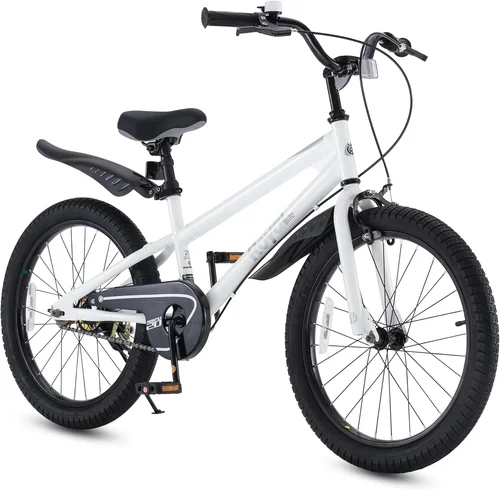
Choosing the right electric bike for a 13-year-old is about more than just picking a flashy design or the most powerful motor. At this age, teens are navigating a unique stage of physical development, growing independence, and evolving interests. They’re often eager to explore their neighborhoods, commute to school, or simply enjoy outdoor adventures with friends—and an e-bike can be a safe, fun, and eco-friendly way to do it. But with so many models flooding the market, parents and teens alike can feel overwhelmed by the options. That’s why this guide exists: to cut through the noise and help you make a smart, informed decision.
In this comprehensive buying guide, we’ll walk you through everything you need to know to find the best ebike for a 13-year-old in 2026. From understanding key safety features and performance specs to comparing price ranges and avoiding common pitfalls, we’ve done the research so you don’t have to. Whether you’re shopping on a tight budget or looking for a premium ride that will last through high school, we’ll cover all the bases. By the end, you’ll have a clear picture of what to prioritize, what to avoid, and how to get the best value for your investment.
The market for youth and teen e-bikes has exploded in recent years, driven by advancements in battery technology, lighter frame materials, and growing awareness of sustainable transportation. Brands now offer models specifically designed for younger riders, with adjustable components, lower standover heights, and speed limits appropriate for their age group. However, not all “teen-friendly” e-bikes are created equal. Some prioritize style over safety, while others pack in features that are unnecessary—or even dangerous—for a 13-year-old. This guide will help you separate the wheat from the chaff and choose a bike that balances fun, functionality, and long-term value.
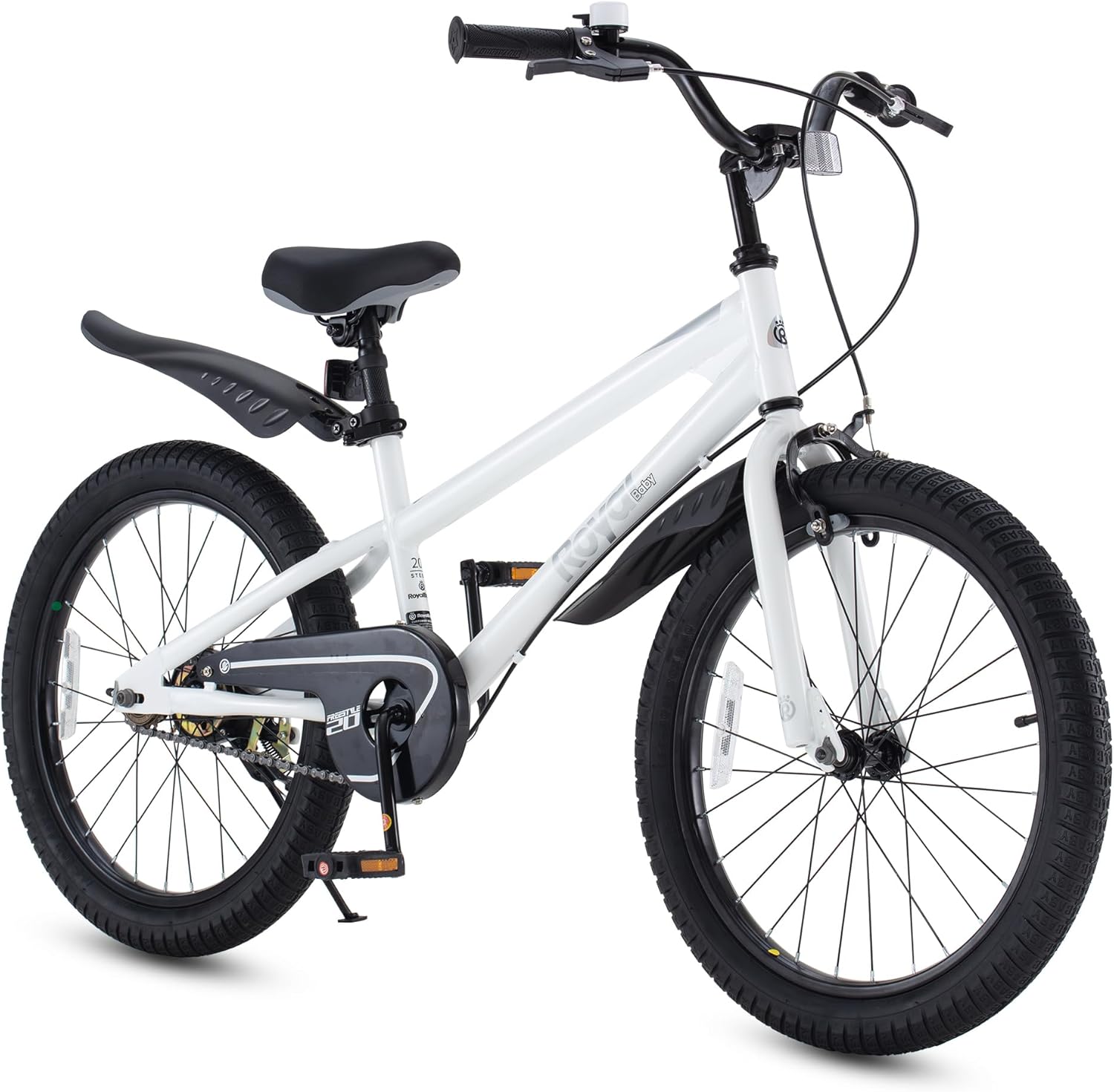
What to Look for When Buying an Ebike for a 13-Year-Old
1. Safety Features and Speed Limitations
Safety should always be the top priority when selecting an e-bike for a young rider. Unlike adult e-bikes, which can reach speeds of 20 mph or more, models intended for teens should have built-in speed governors or class restrictions that cap assist levels at 15–18 mph. In the U.S., Class 1 and Class 2 e-bikes are typically recommended for younger riders because they limit motor assistance to lower speeds and often include pedal-assist-only modes (no throttle). Look for bikes with reliable braking systems—preferably hydraulic disc brakes—which offer better stopping power than mechanical or rim brakes, especially in wet conditions.
Another critical safety feature is a well-designed frame geometry that allows the rider to easily put both feet flat on the ground when stopped. This improves balance and confidence, particularly for shorter riders. Additionally, integrated lighting (front and rear) is essential for visibility during early morning or evening rides. Some models even include reflective strips, turn signals, or automatic brake lights. Always check whether the bike meets local regulations—many states require helmets, lights, and age restrictions for e-bike use.
2. Motor Power and Battery Range
Motor power directly affects how easily the bike can handle hills, carry weight, and maintain speed. For a 13-year-old, a motor between 250W and 500W is usually ideal. Anything above 500W may be overkill and could push the bike into higher speed classes that aren’t suitable for younger riders. A 250W–350W motor is sufficient for flat terrain and light inclines, while a 500W motor offers better performance on steeper hills or when carrying a backpack.
Battery range is equally important. Most teen e-bikes offer between 20 and 40 miles per charge, depending on terrain, rider weight, and assist level. If your teen plans to ride to school and back (a common 5–10 mile round trip), a 30-mile range should be plenty. However, if they’ll be exploring longer trails or riding with friends across town, aim for 35+ miles. Lithium-ion batteries are standard and offer good energy density, but pay attention to battery placement—under-the-frame designs lower the center of gravity and improve stability.
Charging time also matters. Most batteries take 3–6 hours to fully recharge. Some models feature removable batteries, which allow you to charge indoors while the bike stays outside—a convenient option if storage space is limited.
3. Frame Size and Adjustability
A properly sized bike ensures comfort, control, and safety. For a 13-year-old, who typically stands between 4’10” and 5’6″, look for a bike with a standover height of 26–30 inches and a step-through or low-step frame design. This makes mounting and dismounting easier and reduces the risk of falls.
Adjustable components are crucial because teens grow quickly. Seek models with:
– Adjustable seat posts (preferably with a quick-release lever)
– Handlebars that can be raised or lowered
– Pedals that accommodate smaller feet
Many quality teen e-bikes come in “youth” or “junior” sizes, which are scaled-down versions of adult models. Avoid buying an adult-sized bike “to grow into”—it will be harder to control and could compromise safety. Instead, choose a bike that fits well now and offers room for growth through adjustable parts.
4. Weight and Portability
E-bikes are inherently heavier than traditional bikes due to the motor and battery. However, for a 13-year-old, excess weight can make handling difficult, especially when lifting the bike onto a rack or carrying it upstairs. Aim for a total weight under 50 pounds—ideally closer to 40–45 lbs. Lighter aluminum frames help reduce overall weight without sacrificing durability.
Portability features like folding mechanisms can be useful if the bike needs to be stored in a small space or transported in a car. However, folding e-bikes often sacrifice ride quality and stability, so weigh the trade-offs carefully. If your teen will primarily ride on paved paths or sidewalks, a standard rigid frame is usually the better choice.
5. Build Quality and Durability
Teens aren’t always gentle with their gear. Look for bikes made from high-quality materials like 6061 aluminum alloy, which offers a good balance of strength and lightness. Check weld points, bolt tightness, and overall finish—cheaper bikes often have rough edges, loose components, or flimsy welds that can fail over time.
Suspension systems can enhance comfort on rough terrain, but full suspension adds weight and cost. For most urban or suburban riders, a front suspension fork is sufficient. Rear suspension is rarely needed unless riding off-road trails regularly.
Also consider the drivetrain: a reliable 7- or 8-speed Shimano or SRAM gear system will provide smooth shifting and better control on varied terrain. Avoid single-speed e-bikes unless you live in a completely flat area—they lack the versatility most teens need.
6. Features and Functionality
Modern e-bikes come packed with features, but not all are necessary for a 13-year-old. Focus on practicality over gimmicks. Essential features include:
– Multiple pedal-assist levels (so they can choose how much help they want)
– LCD display showing speed, battery level, and distance
– USB charging port (for powering a phone or lights)
– Kickstand and rear rack compatibility (for carrying books or gear)
Avoid bikes with complex apps, GPS tracking, or Bluetooth connectivity unless you’re comfortable managing those features and ensuring privacy. Some parents appreciate GPS for tracking their child’s location, but this raises concerns about surveillance and data security—especially for minors.
7. Brand Reputation and Customer Support
Stick with established brands that specialize in youth or family e-bikes. Companies like Rad Power Bikes, Trek, Specialized, and Lectric have strong reputations for quality and customer service. Read independent reviews (not just those on the brand’s website) and check forums like Reddit’s r/ebikes for real user experiences.
Pay attention to how responsive the company is to warranty claims or technical questions. A brand that offers live chat, detailed manuals, and video tutorials shows they care about customer satisfaction. Avoid no-name brands sold exclusively through Amazon or eBay—they often lack proper support and may use counterfeit components.
8. Warranty and Return Policy
A good warranty protects your investment. Look for at least a 1-year comprehensive warranty covering the frame, motor, and battery. Some premium brands offer 2–3 years. The battery itself should have a separate warranty (typically 1–2 years), as it’s the most expensive component to replace.
Return policies matter too. Ideally, you should have 14–30 days to test the bike and return it if it doesn’t fit or perform as expected. Some retailers offer “try before you buy” programs or in-store demos—take advantage of these whenever possible.
Different Types of Ebikes for Teens

Common Buying Mistakes to Avoid
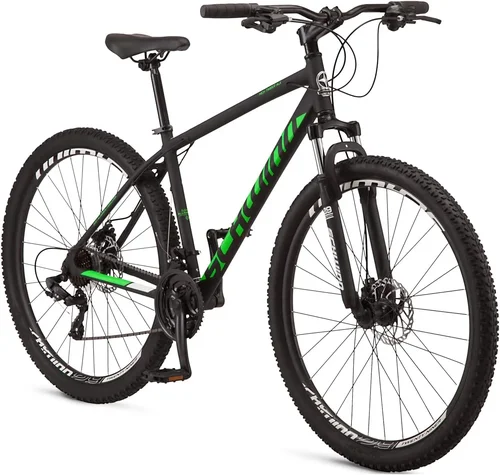
❌ Mistake: Prioritizing Speed Over Safety
Why it’s bad: High-speed e-bikes can be thrilling, but they’re inappropriate and potentially dangerous for inexperienced teen riders. Many states classify e-bikes that exceed 20 mph as motor vehicles, requiring registration, insurance, and a license—none of which a 13-year-old can obtain.
What to do instead: Choose a Class 1 or Class 2 e-bike with a top assisted speed of 15–18 mph. This gives enough boost for hills and headwinds without compromising control.
❌ Mistake: Buying an Adult-Sized Bike “To Grow Into”
Why it’s bad: An oversized bike is harder to balance, stop, and maneuver. It increases the risk of accidents and can discourage your teen from riding altogether.
What to do instead: Select a youth-specific model with adjustable components. Even if it fits snugly now, the seat and handlebars can be raised as they grow.
❌ Mistake: Ignoring Local Laws and Regulations
Why it’s bad: E-bike laws vary widely by state and municipality. In some places, teens under 16 aren’t allowed to ride e-bikes at all. Violating these rules can result in fines or confiscation of the bike.
What to do instead: Check your local Department of Motor Vehicles (DMV) or transportation authority website before purchasing. Ensure the bike complies with age, speed, and equipment requirements.
❌ Mistake: Overlooking Maintenance Needs
Why it’s bad: E-bikes require regular upkeep—tire pressure checks, brake adjustments, chain lubrication, and battery care. Neglecting maintenance shortens the bike’s lifespan and can lead to breakdowns.
What to do instead: Teach your teen basic maintenance tasks and schedule professional tune-ups annually. Invest in a simple toolkit and keep spare tubes and a pump handy.
❌ Mistake: Choosing Based Solely on Price
Why it’s bad: The cheapest e-bikes often use low-quality motors, weak batteries, and flimsy frames. They may break down quickly or pose safety risks.
What to do instead: Set a realistic budget ($800–$1,500 is typical for a good teen e-bike) and prioritize value over the lowest price. Read reviews and compare specs carefully.
❌ Mistake: Skipping the Test Ride
Why it’s bad: Comfort and handling are subjective. A bike that looks great online might feel awkward or unstable in person.
What to do instead: Visit a local bike shop that carries e-bikes and let your teen test ride several models. Pay attention to how easily they can reach the brakes, shift gears, and stand over the frame.
❌ Mistake: Forgetting About Insurance
Why it’s bad: While not always required, e-bikes can be expensive to replace if stolen or damaged. Standard homeowners’ policies may not cover them.
What to do instead: Add the e-bike to your homeowner’s or renter’s insurance policy, or purchase standalone e-bike insurance. Some credit cards also offer purchase protection.
Budget Guidelines: How Much Should You Spend?
– Entry-Level ($600–$900): These bikes are best for casual, short-distance riding on flat terrain. Expect basic components, limited range (15–25 miles), and minimal features. Brands like Ancheer or Ecotric offer models in this range, but quality can vary. Ideal for occasional use or as a starter bike.
– Mid-Range ($900–$1,500): This is the sweet spot for most families. Bikes in this tier offer reliable motors (350W–500W), decent batteries (30–40 mile range), and solid build quality. Models from Rad Power Bikes, Lectric, and Aventon provide excellent value with features like integrated lights, racks, and responsive brakes. Perfect for daily commuting or weekend adventures.
– Premium ($1,500–$2,200): Designed for serious young riders who want performance and durability. These bikes often include advanced suspension, higher-capacity batteries, and premium components from brands like Trek or Specialized. Great for teens who ride frequently, tackle hills, or explore trails.
– Luxury ($2,200+): Top-tier e-bikes with cutting-edge tech, ultra-light frames, and extended warranties. While impressive, they’re usually overkill for a 13-year-old unless they’re passionate about cycling or competing. Consider waiting until they’re older and more committed to the sport.
Expert Tips for Getting the Best Deal
– Buy during off-peak seasons: Demand for e-bikes peaks in spring and summer. Shop in winter or early fall for better prices and availability.
– Check manufacturer websites directly: Many brands offer exclusive discounts, free shipping, or bundle deals (e.g., free helmet or lock) that aren’t available through third-party retailers.
– Look for refurbished or open-box models: Certified pre-owned e-bikes from reputable sellers can save you 20–30% while still coming with warranties.
– Read the fine print on warranties: Some warranties are voided if the bike is assembled by anyone other than an authorized dealer. If you buy online, factor in assembly costs.
– Negotiate at local bike shops: Unlike big-box stores, independent shops may be willing to match online prices or throw in free accessories.
– Consider financing options: Brands like Rad Power Bikes offer 0% APR financing for qualified buyers, spreading payments over 6–12 months with no extra cost.
– Join loyalty programs: Sign up for newsletters from e-bike brands and retailers. They often send early access to sales and member-only discounts.
– Don’t forget accessories: Budget for essentials like a U-lock ($40–$80), helmet ($50–$100), and rear rack ($30–$60). These add up but are crucial for safety and utility.

Frequently Asked Questions
Q: Is it legal for a 13-year-old to ride an e-bike?
A: It depends on your location. In most U.S. states, teens aged 13 and older can ride Class 1 or Class 2 e-bikes on bike paths and roads, but some states require riders to be 14 or 16. Always check local laws—some cities ban e-bikes from sidewalks or require helmets regardless of age.
Q: How fast can a teen e-bike go?
A: Most teen-appropriate e-bikes are limited to 15–18 mph under motor assist. This is fast enough for practical use but slow enough to maintain control and comply with regulations.
Q: Do teens need a license to ride an e-bike?
A: No—in the U.S., e-bikes that meet Class 1 or Class 2 criteria do not require a license, registration, or insurance. However, this varies by country, so verify local rules.
Q: How long does the battery last?
A: A lithium-ion e-bike battery typically lasts 500–1,000 charge cycles, which translates to 2–4 years of regular use. Proper care (avoiding extreme temperatures and deep discharges) can extend its life.
Q: Can a 13-year-old ride an e-bike to school?
A: Yes, if local laws permit and the route is safe. Many parents appreciate e-bikes as a sustainable alternative to driving. Ensure your teen knows traffic rules and wears high-visibility clothing.
Q: Are e-bikes safe for kids?
A: When chosen wisely and used responsibly, yes. Prioritize safety features, proper fit, and supervised practice. Start in low-traffic areas before progressing to busier streets.
Q: What if my teen outgrows the bike quickly?
A: Look for models with long seat posts and adjustable stems. Some brands also offer trade-in programs or resale support. Alternatively, consider buying a slightly larger youth bike that fits for 2–3 years.
Q: Should I buy new or used?
A: New is generally safer and comes with warranties, but certified used bikes from trusted sources can be a great value. Avoid private sales unless you can inspect the bike thoroughly.
Q: How do I maintain an e-bike?
A: Regularly check tire pressure, clean the chain, inspect brakes, and store the battery indoors. Take it to a professional mechanic once a year for a full tune-up.
Q: Can e-bikes be ridden in the rain?
A: Most modern e-bikes are water-resistant (IPX4 or higher), meaning they can handle light rain. However, avoid submerging the battery or motor, and dry the bike after wet rides to prevent corrosion.
Our Final Recommendations
– Best for Budget-Conscious Buyers: Lectric XP Youth – At under $900, this compact, foldable e-bike offers 40+ mile range, 500W motor, and a low step-through frame perfect for shorter riders. Includes lights, rack, and a 1-year warranty.
– Best Overall Value: Rad Power Bikes RadMission 1 Youth – Priced around $1,200, it combines reliability, performance, and safety. Features a 750W peak motor (capped at 18 mph for teens), hydraulic brakes, and a sleek design teens love.
– Best Premium Option: Trek Powerfly 4 Youth – For families willing to invest $2,000+, this mountain e-bike offers full suspension, a Bosch motor, and exceptional build quality. Ideal for adventurous teens who ride trails regularly.
– Best for Beginners: Aventon Pace 350 Step-Thru – With its relaxed geometry, intuitive controls, and smooth ride, this bike is perfect for first-time e-bike riders. Priced at $1,399, it includes a color display and integrated lighting.
– Best for Advanced Users: Specialized Turbo Levo SL Comp Youth – A high-performance trail e-bike with smart connectivity, lightweight carbon frame, and adaptive ride modes. Best for teens already experienced with mountain biking.
Conclusion: Making the Right Choice
Finding the best ebike for a 13-year-old isn’t just about specs or style—it’s about matching the bike to your teen’s maturity level, riding environment, and long-term needs. Safety, proper fit, and reliability should always come first. While it’s tempting to chase the latest tech or the lowest price, the right bike will grow with your child, encourage outdoor activity, and provide years of enjoyment.
Take your time, involve your teen in the decision-making process, and don’t hesitate to ask questions at local bike shops. Remember, the goal isn’t to buy the most impressive e-bike on the market—it’s to choose one that feels right, rides safely, and sparks a lifelong love of cycling. With the insights from this guide, you’re now equipped to make a confident, informed purchase that both you and your teen will feel good about. Happy riding!