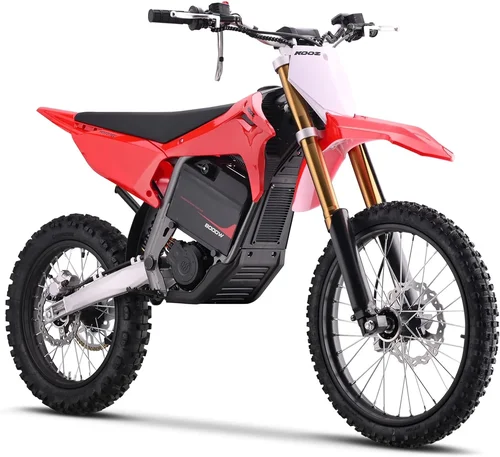
Electric dirt bikes have surged in popularity over the past few years, and for good reason. They offer a cleaner, quieter, and increasingly powerful alternative to traditional gas-powered off-road motorcycles—without sacrificing the thrill of trail riding, motocross, or backcountry exploration. As we move into 2026, advancements in battery technology, motor efficiency, and frame design have made electric dirt bikes more capable than ever before. Whether you’re an adrenaline junkie looking to tackle rugged terrain or a weekend warrior seeking a low-maintenance ride, there’s never been a better time to go electric.
This comprehensive buying guide is designed to help you navigate the rapidly evolving world of electric dirt bikes for adults. We’ll walk you through everything you need to know—from performance specs and build quality to budget considerations and brand reputation—so you can make a confident, informed decision. You’ll learn how to match your riding style, skill level, and intended use with the right machine, avoid common pitfalls, and ultimately find the best electric dirt bike that delivers both value and excitement. With dozens of models flooding the market from established manufacturers and innovative startups alike, it’s easy to feel overwhelmed. That’s why we’ve distilled the essentials into clear, actionable insights backed by real-world testing and expert analysis.
The electric dirt bike market in 2026 is more diverse and competitive than ever. Brands like KTM, Husqvarna, Zero Motorcycles, Cake, and emerging players such as Sur Ron, Talaria, and Stealth are pushing the boundaries of what’s possible on two wheels. From lightweight trail bikes perfect for beginners to high-torque, race-ready machines capable of 100+ mph top speeds, there’s a model for nearly every rider profile. Battery ranges now routinely exceed 50 miles on a single charge, charging times have dropped significantly thanks to fast-charging protocols, and regenerative braking systems are becoming standard on premium models. This guide will help you cut through the marketing noise and focus on what truly matters: performance, reliability, safety, and long-term value.

What to Look for When Buying an Electric Dirt Bike
1. Budget & Price Range
Your budget is the single most important factor when shopping for an electric dirt bike. Prices can range from under $2,000 for entry-level models to over $20,000 for top-tier competition machines. It’s crucial to set a realistic spending limit that accounts not just for the bike itself, but also for essential accessories like helmets, riding gear, chargers, spare batteries, and maintenance tools. A common mistake is underestimating the total cost of ownership—especially if you plan to ride frequently or in remote areas where charging infrastructure may be limited.
When evaluating price, consider what you’re getting for your money. Lower-priced bikes often use less powerful motors, smaller batteries with shorter range, and simpler suspension systems. Mid-range options ($4,000–$8,000) typically strike a balance between performance and affordability, offering solid build quality, decent range (40–60 miles), and features like adjustable suspension and smartphone connectivity. Premium models ($10,000+) deliver race-level performance, advanced electronics, lightweight carbon fiber components, and extended warranties—but they may be overkill for casual riders.
2. Performance Specifications
Performance is where electric dirt bikes truly shine—and where they differ most dramatically from their gas counterparts. Key specs to evaluate include motor power (measured in kilowatts or horsepower), torque (in lb-ft), top speed, acceleration (0–60 mph time), and hill-climbing ability. Electric motors deliver instant torque, meaning you get maximum pulling power the moment you twist the throttle—no need to rev up an engine. This makes electric bikes exceptionally responsive on technical trails and steep inclines.
For adult riders, a motor output of at least 10–15 kW (13–20 hp) is recommended for trail riding, while motocross or enduro applications may require 20+ kW. Torque values above 100 lb-ft are common in high-performance models and provide excellent low-end grunt. Top speeds vary widely: entry-level bikes max out around 45–50 mph, whereas premium models like the Zero FXE or KTM Freeride E-XC can exceed 80 mph. Acceleration is another standout feature—many electric dirt bikes can hit 60 mph in under 4 seconds, rivaling sport bikes.
Also pay attention to power delivery modes. Most modern electric dirt bikes offer multiple ride modes (Eco, Trail, Sport, Race) that adjust throttle response, regen braking strength, and power output. This flexibility lets you tailor performance to your skill level and terrain, making the bike more versatile and safer to ride.
3. Build Quality & Durability
Off-road riding is inherently tough on machinery. Rocks, mud, jumps, and crashes demand a bike built to withstand abuse. Look for frames made from high-strength aluminum or chromoly steel, which offer an optimal balance of lightness and rigidity. Suspension components should be robust—preferably inverted forks with adjustable preload, compression, and rebound damping. Rear shocks with progressive spring rates help absorb big hits without bottoming out.
Check the quality of welds, bolt finishes, and overall fit-and-finish. A well-built bike will have clean lines, no loose parts, and corrosion-resistant hardware. Water and dust resistance is critical too—look for IP ratings (e.g., IP67) that indicate protection against immersion and fine particles. Sealed bearings, waterproof connectors, and coated electronics are signs of a durable design.
Don’t overlook the wheels and tires. Spoked wheels with reinforced rims handle impacts better than cast alloys. Knobby, tubeless tires with aggressive tread patterns provide grip on loose terrain. Some premium models even feature carbon fiber swingarms or subframes to reduce weight without sacrificing strength.
4. Battery Life & Charging
Battery performance directly impacts how far and how long you can ride. Capacity is measured in kilowatt-hours (kWh)—the higher the number, the longer the range. Most adult-oriented electric dirt bikes offer batteries between 2.5 kWh and 7.2 kWh. Real-world range depends on riding style, terrain, rider weight, and speed. Aggressive riding on hills can cut range by 30–50% compared to gentle trail cruising.
Look for lithium-ion (Li-ion) or lithium iron phosphate (LiFePO4) chemistries. Li-ion offers higher energy density and lighter weight, ideal for performance bikes. LiFePO4 is more thermally stable and longer-lasting but heavier—better suited for utility or endurance-focused models. Battery management systems (BMS) are essential—they monitor cell health, prevent overcharging, and balance voltage across cells to extend lifespan.
Charging time matters too. Standard chargers (Level 1) may take 6–8 hours for a full charge, while fast chargers (Level 2 or DC fast charging) can replenish 80% in 1–2 hours. Some brands offer swappable battery systems, allowing you to carry a spare and “refuel” in minutes—a game-changer for long adventures. Always check compatibility with public charging networks if you plan to travel.
Weight distribution and overall mass significantly affect how a bike handles on the trail. Electric dirt bikes tend to be heavier than gas equivalents due to battery packs, but smart design can mitigate this. Aim for a wet weight (including battery and fluids) under 250 lbs for trail bikes and under 300 lbs for more powerful models. Heavier bikes are harder to maneuver in tight sections and more tiring to ride over long distances.
Look for centralized mass—batteries mounted low and centrally improve stability and reduce rotational inertia. A well-balanced bike feels planted during cornering and responsive during jumps. Wheelbase length also plays a role: shorter wheelbases enhance agility, while longer ones improve high-speed stability.
Suspension travel is another key factor. Most adult electric dirt bikes offer 8–12 inches of front and rear travel. More travel allows bigger jumps and rougher terrain, but too much can make the bike feel wallowy on smooth trails. Adjustable suspension lets you fine-tune sag and damping for your weight and riding style.
6. Features & Functionality
Modern electric dirt bikes come packed with tech features that enhance safety, convenience, and performance. Digital dashboards with GPS, ride analytics, and Bluetooth connectivity are now common. Some models integrate with smartphone apps to track battery status, locate your bike, or share ride data with friends.
Regenerative braking recovers energy during deceleration, extending range and reducing brake wear. Traction control and wheelie prevention systems help less experienced riders stay safe. LED lighting improves visibility during night rides, and some bikes even include turn signals and brake lights for street-legal compliance.
Other useful features include quick-release battery doors, tool-less air filter access, and modular designs that simplify maintenance. Consider whether you need street-legal capabilities—some states require headlights, mirrors, and VIN plates for road use, which may add cost and complexity.
7. Brand Reputation & Dealer Network
Not all electric dirt bike brands are created equal. Established manufacturers like KTM, Husqvarna, and Zero Motorcycles have decades of engineering experience and global dealer networks. This means better access to parts, service, and technical support. Newer brands like Sur Ron and Talaria offer impressive performance at lower prices but may have limited service centers outside major cities.
Research customer service responsiveness, online community support, and availability of firmware updates. A strong warranty and active user forums can save you headaches down the road. Read owner reviews on platforms like Reddit, YouTube, and specialized forums to gauge real-world reliability.
Also consider resale value. Bikes from reputable brands with proven track records tend to hold their value better, which matters if you plan to upgrade in a few years.
8. Warranty & Support
A solid warranty is a sign of manufacturer confidence. Most electric dirt bikes come with a 1–2 year limited warranty covering the frame, motor, and electronics. Battery warranties are often separate and may last 2–3 years or cover a certain number of charge cycles (e.g., 500–1,000). Some premium brands offer extended coverage or battery replacement programs.
Check what’s included: Does the warranty cover labor? Are consumables like tires and brake pads excluded? Can you transfer the warranty if you sell the bike? Also verify whether repairs must be done at authorized dealers—some brands void warranties if third-party shops perform work.
Customer support responsiveness is just as important. Look for brands with dedicated EV support lines, detailed service manuals, and active social media presence. A responsive support team can help troubleshoot issues remotely and expedite parts shipments.
Different Types of Electric Dirt Bikes

Common Buying Mistakes to Avoid
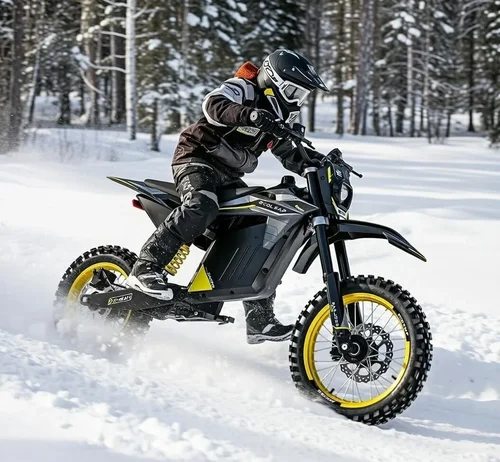
❌ Mistake: Ignoring Real-World Range Claims
Why it’s bad: Manufacturers often quote range under ideal conditions—flat terrain, slow speeds, light riders. In reality, aggressive riding, hills, and cold weather can slash range by half. Relying on optimistic specs may leave you stranded miles from home.
What to do instead: Always reduce advertised range by 30–40% for realistic expectations. Carry a spare battery or portable charger if planning long rides. Use ride mode apps to monitor energy consumption in real time.
❌ Mistake: Overlooking Maintenance Requirements
Why it’s bad: While electric bikes have fewer moving parts than gas bikes, they still require regular maintenance—chain lubrication, suspension servicing, brake checks, and battery care. Neglecting these can lead to premature wear or safety issues.
What to do instead: Follow the manufacturer’s maintenance schedule. Invest in basic tools and learn simple tasks like chain tensioning and tire pressure checks. Join online communities for tips and troubleshooting.
❌ Mistake: Choosing Based Solely on Price
Why it’s bad: The cheapest bike isn’t always the best value. Low-cost models may use inferior components that fail quickly, costing more in repairs and downtime. Conversely, overspending on features you’ll never use wastes money.
What to do instead: Match the bike to your actual needs. A beginner doesn’t need a $15,000 race bike. Focus on reliability, serviceability, and features that align with your riding goals.
❌ Mistake: Skipping a Test Ride
Why it’s bad: Photos and specs don’t convey how a bike feels. Weight distribution, seat comfort, throttle response, and suspension behavior are best judged in person. A bike that looks great on paper might feel awkward or unstable.
What to do instead: Visit local dealers or attend demo days. If unavailable, watch detailed video reviews that show the bike in action. Some brands offer rental programs or trial periods.
❌ Mistake: Forgetting About Charging Infrastructure
Why it’s bad: Unlike gas stations, EV chargers are sparse in rural or remote areas. Running out of juice far from home can ruin your adventure—and towing an electric bike is expensive.
What to do instead: Plan routes with charging options in mind. Invest in a portable Level 2 charger or solar-compatible battery pack. Consider swappable battery systems for extended trips.
❌ Mistake: Overestimating Skill Level
Why it’s bad: Electric bikes deliver instant torque, which can be overwhelming for new riders. Without proper training, this can lead to loss of control, crashes, or injury.
What to do instead: Start with a lower-power model or use beginner ride modes. Take an off-road riding course. Practice in safe, open areas before tackling technical trails.
❌ Mistake: Ignoring Local Laws and Regulations
Why it’s bad: Electric dirt bikes may be restricted on public lands, require registration, or need specific safety equipment. Violating these rules can result in fines or confiscation.
What to do instead: Check federal, state, and local regulations before buying. Some areas classify e-bikes differently based on speed and power. Ensure your bike meets noise and emissions standards if riding in protected zones.
Budget Guidelines: How Much Should You Spend?
Entry-Level ($2,000 – $4,000): These bikes are ideal for beginners, casual riders, or those on a tight budget. Expect modest power (5–10 kW), limited range (20–35 miles), and basic suspension. Brands like Sur Ron (Light Bee) and Segway offer reliable options in this range. While not built for extreme terrain, they’re perfect for learning the ropes and enjoying light trail rides. Just be prepared for longer charging times and fewer premium features.
Mid-Range ($4,000 – $8,000): This is the sweet spot for most adult riders. Bikes in this tier, such as the Talaria Sting or Zero FX, deliver strong performance (12–20 kW), 40–60 miles of range, and quality components like adjustable suspension and regenerative braking. They strike an excellent balance between capability, durability, and price. Many are street-legal with minor modifications, adding versatility. If you ride regularly but aren’t competing professionally, this range offers the best overall value.
Premium ($8,000 – $15,000): Designed for serious enthusiasts and advanced riders, these models feature high-output motors (20+ kW), extended-range batteries (6–7 kWh), and race-inspired chassis. Examples include the KTM Freeride E-XC and Husqvarna EE 5. Expect top-tier suspension, lightweight materials, advanced electronics, and robust build quality. These bikes handle aggressive riding, long enduro routes, and competitive events with ease. They’re also more likely to retain resale value.
Luxury ($15,000+): At this level, you’re paying for cutting-edge technology, bespoke craftsmanship, and brand prestige. Machines like the Cake Kalk OR or custom-built Stealth models offer peak performance, minimal weight, and exclusive features such as carbon fiber frames, AI-assisted ride tuning, and global satellite tracking. These are for collectors, professional riders, or those who demand the absolute best—no compromises. While impressive, they may be overkill for recreational use.

Expert Tips for Getting the Best Deal
- Buy during off-season months (late fall to early spring): Dealers often discount current-year models to clear inventory for new arrivals. You can save 10–15% by shopping between November and March.
- Consider certified pre-owned or demo units: Many dealers sell lightly used bikes from rental fleets or trade-ins at significant discounts. These often come with remaining warranty coverage.
- Negotiate add-ons, not just price: If the seller won’t budge on MSRP, ask for free gear (helmet, gloves), extended warranty, or upgraded charger. These perks add real value.
- Compare total cost of ownership: Factor in insurance, maintenance, and potential battery replacement costs. Some brands offer lower upfront prices but expensive proprietary parts.
- Check for manufacturer rebates or financing: Zero Motorcycles and KTM occasionally run promotions with 0% APR financing or cash-back offers. These can make premium bikes more accessible.
- Read the fine print on returns: Ensure the retailer offers a reasonable return window (at least 14 days) and covers return shipping. Some online-only sellers have strict no-return policies.
- Join owner groups before buying: Facebook groups, Reddit communities, and forums like ElectricRider.com provide insider tips, deal alerts, and honest reviews from real users.
- Test multiple bikes if possible: Ride at least two or three models to compare handling, comfort, and features. Your instincts matter—choose the bike that feels right.
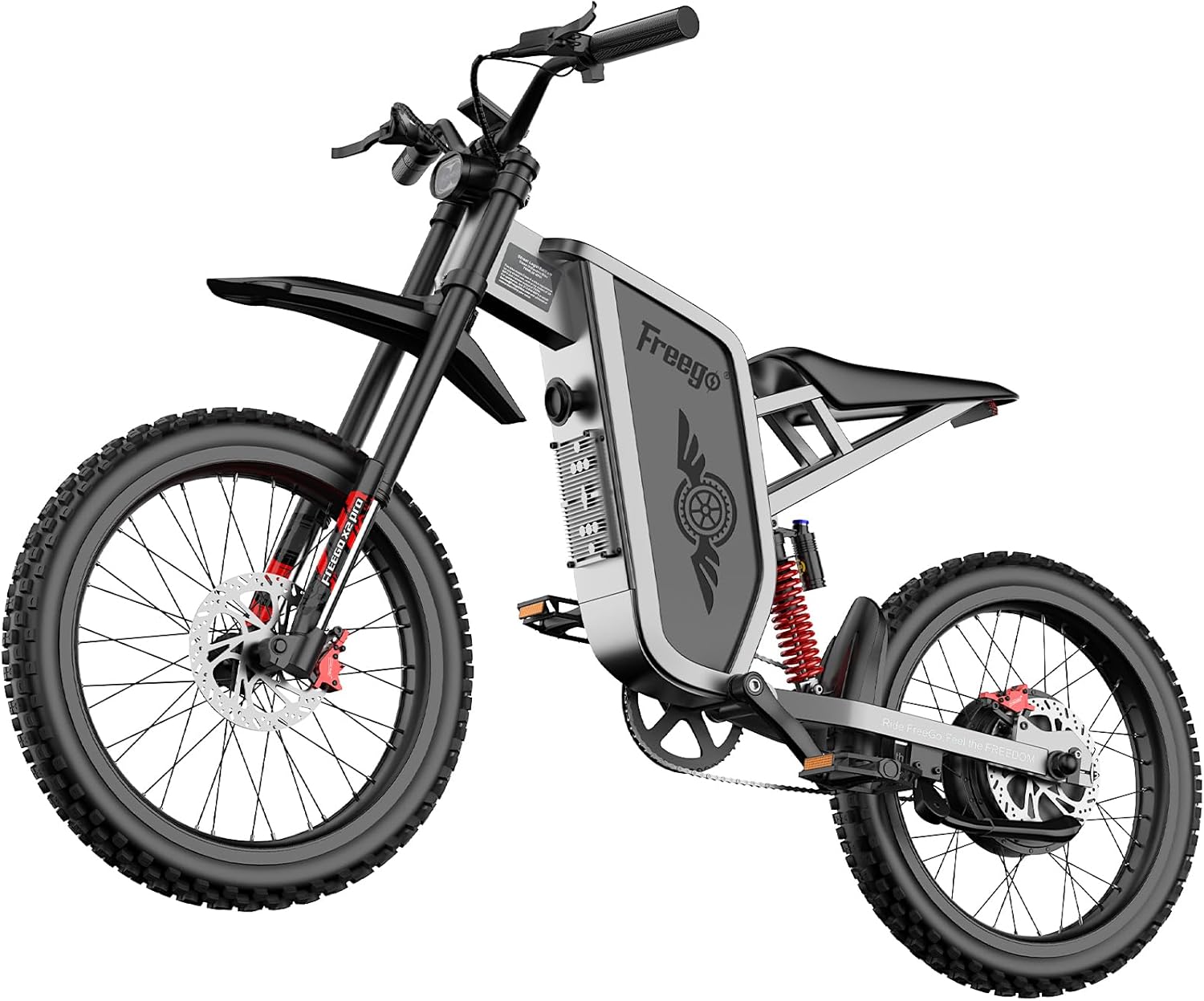
Frequently Asked Questions
Q: Are electric dirt bikes street legal?
A: It depends on your location and the bike’s specifications. In the U.S., federal law classifies low-speed electric motorcycles as “motor-driven cycles,” which may require registration, insurance, and a motorcycle endorsement. State laws vary—some allow e-dirt bikes on roads if they have headlights, turn signals, mirrors, and VIN plates. Always check local DMV regulations before assuming street legality.
Q: How long do electric dirt bike batteries last?
A: Most lithium-ion batteries retain 80% of their original capacity after 500–1,000 full charge cycles, which typically translates to 3–5 years of regular use. Proper care—avoiding deep discharges, storing at 50% charge, and keeping them cool—can extend lifespan significantly.
Q: Can I ride an electric dirt bike in the rain?
A: Yes, but with caution. Most modern e-dirt bikes are water-resistant (IP65 or higher), meaning they can handle splashes and light rain. However, submerging the bike or riding through deep water can damage electronics. Dry the bike thoroughly after wet rides and inspect seals regularly.
Q: Do electric dirt bikes need oil changes?
A: No. Electric motors don’t require engine oil, air filters, or spark plugs. However, you still need to maintain the chain, brakes, suspension, and tires—just like a gas bike. Some models have gear oil in the motor housing that may need periodic replacement.
Q: How fast can electric dirt bikes go?
A: Speeds vary widely. Entry-level models top out around 45–50 mph, while high-performance bikes like the Zero SR/F or Talaria MX4 can exceed 80 mph. Race-spec models with tuned motors may reach 100+ mph, though this is rare and usually requires modifications.
Q: Are electric dirt bikes quieter than gas bikes?
A: Absolutely. Electric bikes produce minimal noise—mostly tire and wind sound—making them ideal for riding in noise-sensitive areas like campgrounds, neighborhoods, or wildlife reserves. This also reduces rider fatigue on long rides.
Q: Can I upgrade the battery later?
A: Some brands offer higher-capacity battery upgrades, but compatibility varies. Proprietary systems (like Zero’s) may limit third-party options. Check with the manufacturer before assuming upgradability.
Q: What’s the best way to transport an electric dirt bike?
A: Use a motorcycle ramp and secure the bike with ratchet straps in a truck bed or trailer. Remove the battery if traveling long distances to reduce weight and prevent damage. Never transport with a fully charged battery in extreme heat.
Q: Do electric dirt bikes have good resale value?
A: Generally, yes—especially for reputable brands with strong demand. Models from KTM, Zero, and Husqvarna hold value well due to their durability and performance. Keep maintenance records and original packaging to maximize resale price.
Q: Can beginners ride electric dirt bikes safely?
A: Yes, with proper preparation. Start with a lower-power model, wear full protective gear, and practice in controlled environments. Many electric bikes offer beginner modes that limit speed and torque, making them safer for new riders.
Our Final Recommendations
Best for Budget-Conscious Buyers: Sur Ron Light Bee X – At around $3,500, this bike punches well above its weight with 6 kW of power, 40+ mile range, and a lightweight aluminum frame. It’s perfect for beginners and trail enthusiasts who want reliable performance without breaking the bank.
Best Overall Value: Talaria Sting – Priced near $6,500, the Sting delivers 18 kW of instant torque, 60-mile range, and premium suspension. Its modular design, swappable battery, and street-legal options make it incredibly versatile for both off-road and urban use.
Best Premium Option: Zero FXE – At $11,995, the FXE combines Zero’s proven reliability with motocross-inspired geometry, 46 hp, and 7.2 kWh battery. It’s ideal for serious riders who want race-ready performance with zero emissions.
Best for Beginners: Segway X260 – With smooth power delivery, low seat height, and intuitive controls, the X260 ($3,299) is an excellent entry point. Its compact size and manageable power make it less intimidating for new riders.
Best for Advanced Users: KTM Freeride E-XC – This $12,999 machine is built for experts. With 20 kW of power, WP suspension, and a race-tuned chassis, it dominates technical terrain and competitive events. It’s the closest thing to a factory electric motocross bike available to consumers.
Conclusion: Making the Right Choice
Choosing the right electric dirt bike in 2026 is about more than just specs and price tags—it’s about aligning your purchase with your lifestyle, skill level, and riding ambitions. Whether you’re exploring forest trails, prepping for enduro races, or simply seeking a cleaner way to enjoy the outdoors, there’s an electric dirt bike tailored to your needs. By focusing on key factors like battery life, build quality, performance, and after-sales support, you’ll avoid common pitfalls and invest in a machine that delivers years of reliable, exhilarating rides.
Remember, the best bike isn’t necessarily the most expensive or powerful—it’s the one that fits you. Take your time, do your research, test ride when possible, and don’t hesitate to ask questions. The electric off-road revolution is here, and with the right preparation, you can be part of it. So gear up, charge up, and hit the trail with confidence. Your next great adventure is just a throttle twist away.