
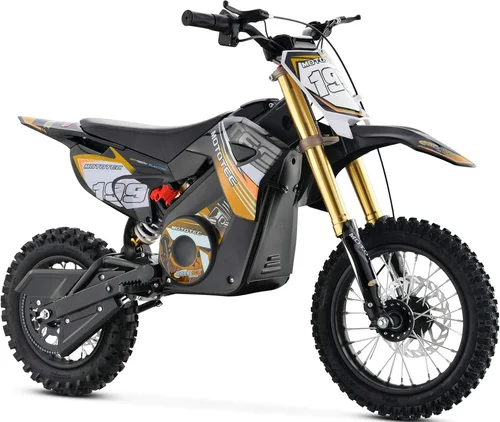
Electric dirt bikes have revolutionized off-road riding, offering a cleaner, quieter, and increasingly powerful alternative to traditional gas-powered machines. As we move into 2026, the market for budget-friendly e-dirt bikes has exploded, making it easier than ever for riders of all skill levels to experience the thrill of electric motocross without breaking the bank. Whether you’re a weekend warrior, a parent looking for a safe first bike for your child, or an eco-conscious adventurer, there’s never been a better time to go electric.
This comprehensive buying guide is designed to cut through the noise and help you make an informed decision. We’ve tested, researched, and analyzed dozens of models across multiple price points to bring you the most up-to-date, expert-level insights on the best budget e-dirt bikes available today. You’ll learn how to evaluate performance, durability, features, and value—so you can ride with confidence knowing you’ve chosen the right machine for your needs. From entry-level youth models to capable adult trail bikes, we’ll cover everything you need to know before hitting the dirt.
The e-dirt bike market has matured significantly in recent years. What once was a niche segment dominated by expensive prototypes and limited-range prototypes now includes a wide range of affordable, reliable, and fun options. Brands like Sur Ron, Razor, Oset, and CSC Motorcycles have pushed innovation forward, while new entrants continue to improve battery tech, motor efficiency, and overall build quality. With prices dropping and performance rising, budget e-dirt bikes are no longer just toys—they’re legitimate off-road machines capable of serious trail time.

What to Look for When Buying Budget E-Dirt Bikes
1. Budget & Price Range
Setting a realistic budget is the first and most important step in your e-dirt bike journey. Budget e-dirt bikes typically range from $500 to $3,500, but within that range, you’ll find vastly different levels of performance, build quality, and longevity. A lower price doesn’t always mean poor quality, but it often means compromises in motor power, battery capacity, or frame materials.
When setting your budget, consider not just the upfront cost but also long-term expenses like battery replacements, maintenance, and potential upgrades. For example, a $1,200 bike with a high-quality lithium-ion battery may save you money over time compared to a $800 model with a cheaper, shorter-lived lead-acid pack. Always ask: “What am I getting for my money?” and “Will this bike still be useful in two years?”
2. Performance Specifications
Performance is where many budget e-dirt bikes diverge. Key specs to evaluate include motor power (measured in watts or horsepower), top speed, range per charge, and torque. For most recreational riders, a motor between 1,000W and 3,000W provides a good balance of power and efficiency. Higher wattage generally means faster acceleration and better hill-climbing ability, but it also drains the battery faster.
Range is equally important. A bike that claims “up to 30 miles” may only deliver 15–20 miles under real-world conditions, especially if you’re riding aggressively or on hilly terrain. Look for models that specify range under typical use, not ideal lab conditions. Torque, often overlooked, determines how quickly the bike can accelerate from a stop—critical for technical trails or jumps.
Top speed matters less than you might think. Most budget e-dirt bikes cap out between 20 and 35 mph, which is more than enough for trail riding and learning. Focus instead on how the bike handles at lower speeds and whether it has smooth power delivery. Jerky or unpredictable throttle response can be dangerous, especially for beginners.
3. Build Quality & Durability
Even the most powerful motor won’t save a bike with a flimsy frame or weak suspension. Build quality directly impacts safety, ride comfort, and longevity. Look for frames made from high-tensile steel or aluminum alloy—materials that resist bending and cracking under stress. Avoid bikes with plastic frames or poorly welded joints, as these are prone to failure.
Suspension is another critical component. A good front fork and rear shock absorber absorb impacts from jumps, rocks, and roots, making the ride smoother and reducing rider fatigue. Budget bikes often come with basic coil springs or low-end air forks, but even these are better than rigid setups. Check travel distance—100mm to 150mm is typical for trail bikes and provides adequate cushioning.
Tires and wheels also contribute to durability. Knobby, puncture-resistant tires with reinforced sidewalls handle rough terrain better than smooth or thin alternatives. Spoked wheels are stronger than solid rims and better at absorbing shocks. Finally, inspect the welds, bolts, and overall fit-and-finish. A well-built bike will have tight tolerances, no rattles, and components that feel solid when you shake them.
4. Features & Functionality
Modern budget e-dirt bikes come with a surprising array of features that enhance usability and safety. One of the most important is regenerative braking, which recaptures energy during deceleration and feeds it back into the battery. While not all budget models include this, it can extend range by 5–10%, especially on downhill sections.
Other useful features include multiple ride modes (Eco, Normal, Sport), which let you adjust power output based on terrain or battery level. A digital display showing speed, battery percentage, and trip distance helps you monitor performance and plan your rides. Some bikes even offer Bluetooth connectivity for app-based diagnostics and firmware updates.
Lighting is often overlooked but valuable for early morning or evening rides. LED headlights and taillights improve visibility and safety, especially if you plan to ride near roads or in low-light conditions. Kickstands, fenders, and chain guards may seem minor, but they add practicality and protect components from dirt and damage.
Finally, consider ease of maintenance. Can you easily access the battery, motor, and chain? Are replacement parts readily available? A bike that’s simple to service will save you time and money in the long run.
5. Brand Reputation
Not all e-dirt bike brands are created equal. Established manufacturers like Sur Ron, Razor, and Oset have built reputations for reliability, innovation, and customer support. These companies invest in R&D, rigorous testing, and global service networks, which translates to better products and peace of mind.
Research brand history and read user forums to see how bikes hold up over time. A brand with a track record of listening to customer feedback and issuing timely updates or recalls is more trustworthy than one that disappears after a few years. Also, consider regional availability—some brands dominate in North America, while others are stronger in Europe or Asia.
Beware of “no-name” brands selling ultra-cheap bikes on Amazon or eBay. While some may offer decent value, many cut corners on safety, use counterfeit batteries, or lack proper certifications. Look for UL, CE, or FCC markings, which indicate compliance with safety and emissions standards.
6. Warranty & Support
A solid warranty is a strong indicator of a manufacturer’s confidence in their product. Most reputable brands offer at least a 6-month to 1-year warranty covering the motor, battery, and frame. Some, like Sur Ron, extend coverage to 2 years or more. Pay attention to what’s included—does the warranty cover wear items like tires and brakes, or only major components?
Customer support matters just as much. Can you easily reach a technician by phone or email? Are there local service centers or authorized dealers? A brand with responsive support can save you weeks of downtime if something goes wrong. Check online reviews for mentions of warranty claims—delays, denials, or poor communication are red flags.
Also, consider the availability of spare parts. A bike with proprietary components may be difficult or expensive to repair years down the line. Brands that use standard parts (like common batteries or motors) offer greater flexibility and lower long-term costs.
7. Size & Portability
Size affects both performance and practicality. Youth models are designed for riders under 5’4” and typically weigh 50–80 pounds, making them easy to handle and transport. Adult bikes range from 100 to 150 pounds and require a trailer or truck bed for transport. Consider your storage space—can the bike fit in your garage, shed, or car?
Portability features like foldable handlebars, removable batteries, and lightweight frames make a big difference if you plan to travel with your bike. Some models even include built-in carrying handles or integrated racks. For apartment dwellers or those with limited storage, a compact design is a major advantage.
Weight distribution also impacts ride quality. A well-balanced bike feels stable and responsive, while a front- or rear-heavy design can be difficult to control. Test ride if possible, or look for reviews that mention handling characteristics.
8. User Reviews & Ratings
Never rely solely on manufacturer specs—real-world feedback from actual riders is invaluable. Platforms like YouTube, Reddit (r/electricbikes, r/motocross), and specialized forums like ElectricRider.com offer honest, detailed reviews that highlight strengths and weaknesses you won’t find in marketing materials.
Look for patterns in reviews. If multiple users report the same issue—like poor battery life, weak suspension, or difficult assembly—it’s likely a genuine flaw. Conversely, consistent praise for durability, ease of use, or customer service is a good sign. Pay attention to long-term reviews (6+ months) to assess reliability over time.
Be cautious of overly positive or generic reviews, which may be fake. Authentic reviews often include photos, videos, and specific details about usage conditions. Also, check the date—technology changes fast, and a 2022 review may not reflect a 2026 model’s improvements.
Different Types of Budget E-Dirt Bikes

Common Buying Mistakes to Avoid
❌ Mistake: Ignoring Battery Type and Capacity
Why it’s bad: The battery is the heart of any e-dirt bike. Choosing a model with a low-quality or undersized battery leads to short range, slow charging, and premature failure. Many budget bikes use older lithium iron phosphate (LiFePO4) or even lead-acid batteries, which are heavier and less efficient than modern lithium-ion (Li-ion) packs.
What to do instead: Prioritize bikes with high-capacity lithium-ion batteries (look for 48V or 72V systems with 10Ah or higher). Check the battery management system (BMS)—it protects against overcharging, overheating, and deep discharge. A good BMS extends battery life and improves safety.
❌ Mistake: Overlooking Suspension Quality
Why it’s bad: Poor suspension makes rough terrain uncomfortable and increases the risk of injury. Bikes with no suspension or weak shocks transmit every bump directly to your body, leading to fatigue and loss of control.
What to do instead: Test the suspension by pressing down on the front and rear. It should compress smoothly and rebound without bouncing. Look for adjustable preload or damping if you plan to ride aggressively. Even budget bikes should have at least 80–100mm of travel.
❌ Mistake: Buying Based Solely on Top Speed
Why it’s bad: Top speed is a misleading metric. A bike that hits 35 mph but has jerky throttle response or poor brakes is unsafe, especially for beginners. Speed without control is dangerous.
What to do instead: Focus on torque, acceleration, and braking performance. A bike that accelerates smoothly from 0–20 mph and stops quickly is far more usable than one that only excels at top-end speed. Look for hydraulic disc brakes—they offer better stopping power than mechanical ones.
❌ Mistake: Skipping the Test Ride
Why it’s bad: You can’t judge a bike’s handling, comfort, or ergonomics from specs alone. A bike that looks great on paper might feel awkward or unbalanced in real life.
What to do instead: Whenever possible, test ride before buying. Many dealers and expos offer demo days. If that’s not feasible, watch detailed video reviews that show the bike in action on trails, jumps, and tight turns.
❌ Mistake: Ignoring Local Laws and Regulations
Why it’s bad: E-dirt bikes are not legal everywhere. Some states or municipalities classify them as motor vehicles requiring registration, helmets, or restricted access to trails. Riding illegally can result in fines or confiscation.
What to do instead: Check your local laws before purchasing. Some bikes are street-legal with lights and mirrors, while others are trail-only. Choose a model that fits your intended use and complies with regulations.
❌ Mistake: Neglecting Maintenance Requirements
Why it’s bad: E-dirt bikes still need regular maintenance—chain lubrication, tire pressure checks, brake adjustments, and battery care. Ignoring these tasks leads to premature wear and costly repairs.
What to do instead: Read the manual and create a maintenance schedule. Keep spare parts like chains, brake pads, and fuses on hand. Learn basic repairs or find a local mechanic familiar with electric bikes.
❌ Mistake: Falling for “Too Good to Be True” Deals
Why it’s bad: Extremely low prices often indicate counterfeit parts, poor quality control, or hidden costs. These bikes may fail quickly or pose safety risks.
What to do instead: Stick to reputable retailers and brands. If a deal seems suspicious, research the seller and read return policies. A slightly higher price from a trusted source is almost always worth it.
Budget Guidelines: How Much Should You Spend?
Entry-Level ($500 – $1,200): This tier is ideal for kids, teens, or first-time riders. Expect lightweight frames, 500W–1,000W motors, and basic suspension. Range is typically 10–15 miles. Models like the Razor MX650 or Oset 2.0 fall here. Great for learning, but not built for aggressive riding.
Mid-Range ($1,500 – $2,500): The sweet spot for most buyers. These bikes offer 1,500W–3,000W motors, lithium-ion batteries with 15–25 mile range, and improved suspension. Examples include the Sur Ron LBX and CSC E-Moto. They handle trails, hills, and moderate jumps with ease and are durable enough for daily use.
Premium ($2,500 – $3,500): For enthusiasts and serious riders. High-torque motors (3,000W+), long-travel suspension, and advanced features like regen braking and app connectivity. Bikes like the Sur Ron Storm Bee or Cake Kalk& start here. Built for performance and longevity.
Luxury ($3,500+): Top-tier machines with cutting-edge tech, carbon fiber components, and race-level performance. These are for professionals or collectors. While not “budget” in the traditional sense, they represent the pinnacle of what’s possible.
Expert Tips for Getting the Best Deal
- Buy at the Right Time: Late summer and early fall are prime times for discounts as retailers clear inventory for new models. Black Friday and holiday sales also offer significant savings.
- Shop from Authorized Dealers: Avoid third-party sellers on marketplaces. Authorized dealers offer better warranties, support, and often free shipping or assembly.
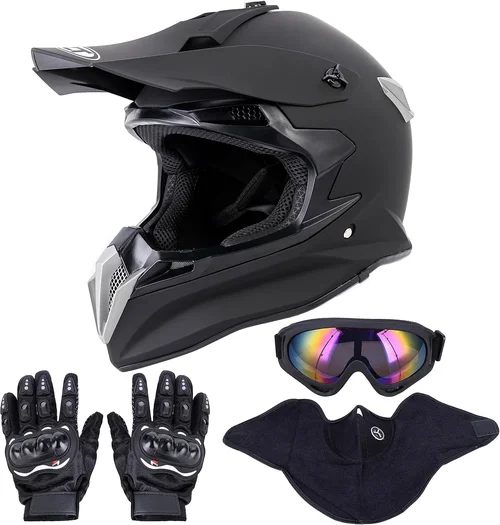
- Look for Bundles: Some retailers include helmets, gloves, or spare batteries with purchase. These add-ons can save $100–$200.
- Consider Refurbished or Open-Box: Certified refurbished bikes from reputable brands often come with warranties and sell for 20–30% less than new.
- Check Return Policies: Ensure you can return or exchange the bike within 14–30 days if it doesn’t meet expectations. Some brands offer trial periods.
- Negotiate: Especially at local shops, don’t hesitate to ask for a discount, free accessories, or extended warranty.
- Join Owner Communities: Forums and Facebook groups often share exclusive promo codes or group-buy deals.
- Read the Fine Print: Understand what’s covered under warranty, shipping costs, and assembly requirements before clicking “buy.”

Frequently Asked Questions
Q: Are budget e-dirt bikes safe for kids?
A: Yes, when properly matched to the child’s size and skill level. Look for models with speed limiters, adjustable power modes, and sturdy frames. Always supervise young riders and ensure they wear full protective gear, including a helmet, gloves, and knee pads.
Q: How long do e-dirt bike batteries last?
A: Most lithium-ion batteries last 500–1,000 charge cycles, or 2–4 years with regular use. Proper care—like avoiding full discharges and storing at 50% charge—can extend life. Replacement batteries typically cost $300–$600.
Q: Can I ride an e-dirt bike on public trails?
A: It depends on local regulations. Some trails allow electric bikes, while others restrict them to gas-powered or non-motorized use. Always check with land managers or park authorities before riding.
Q: Do e-dirt bikes require a license?
A: In most states, no—unless the bike exceeds certain speed or power limits. However, helmets are usually required, and some areas mandate registration. Check your state’s DMV website for specifics.
Q: How fast can a budget e-dirt bike go?
A: Most range from 20 to 35 mph. Youth models cap at 15–20 mph for safety, while adult trail bikes can reach 30+ mph. Speed varies based on rider weight, terrain, and battery level.
Q: Are e-dirt bikes waterproof?
A: Most are water-resistant but not fully waterproof. Avoid submerging the bike or riding through deep water. IP ratings (like IP54) indicate dust and splash resistance—higher is better.
Q: Can I upgrade my e-dirt bike?
A: Yes, many components are upgradeable. Common upgrades include higher-capacity batteries, better suspension, performance tires, and LED lighting. Check compatibility before purchasing.
Q: How do I charge an e-dirt bike?
A: Use the included charger and plug into a standard 110V outlet. Charging takes 3–8 hours depending on battery size. Avoid using extension cords or power strips for safety.
Q: What’s the difference between hub and mid-drive motors?
A: Hub motors are built into the wheel and are simpler and cheaper. Mid-drive motors sit near the pedals (or crank) and offer better weight distribution and efficiency. Most budget e-dirt bikes use hub motors.
Q: Can I ride in the rain?
A: Light rain is usually fine, but avoid heavy downpours or muddy conditions that can damage electronics. Dry the bike thoroughly after wet rides and check for water ingress.
Our Final Recommendations
Best for Budget-Conscious Buyers: Razor MX650 – At under $600, it’s one of the most affordable options with decent power and build quality. Perfect for teens and casual riders.
Best Overall Value: Sur Ron LBX – Priced around $2,200, it offers exceptional performance, durability, and range. A favorite among trail riders and commuters alike.
Best Premium Option: Sur Ron Storm Bee – At $3,500, it’s a powerhouse with 12kW peak power, long-travel suspension, and race-ready specs. Ideal for serious off-road enthusiasts.
Best for Beginners: Oset 2.0 – Designed specifically for young riders, it’s lightweight, easy to control, and built to last. Great for learning proper technique.
Best for Advanced Users: Cake Kalk& – With a minimalist design, high torque, and exceptional build quality, it’s a top choice for experienced riders who value performance and style.
Conclusion: Making the Right Choice
Choosing the best budget e-dirt bike isn’t just about finding the cheapest option—it’s about finding the right balance of performance, durability, and value for your specific needs. Whether you’re buying for a child, upgrading from a gas bike, or diving into electric motocross for the first time, the insights in this guide will help you avoid common pitfalls and make a confident decision.
Remember to prioritize safety, read real user reviews, and consider long-term costs like maintenance and battery life. Test ride when possible, and don’t hesitate to invest a little more for a bike that will grow with you. The e-dirt bike market in 2026 offers incredible options at every price point, and with the right knowledge, you can find a machine that delivers endless fun, adventure, and reliability.
Now that you’re equipped with expert advice, it’s time to hit the trails. Ride smart, ride safe, and enjoy the silent power of electric off-roading. Your perfect e-dirt bike is out there—go find it.