
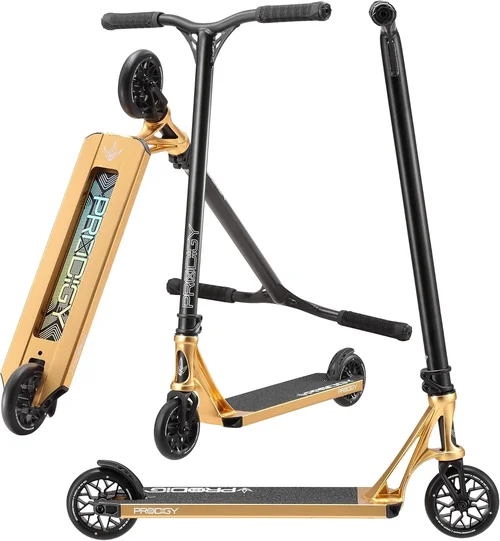
Stunt scooters aren’t just toys—they’re precision-engineered tools built for gravity-defying tricks, high-impact landings, and relentless durability. Whether you’re a beginner learning your first tailwhip or a seasoned rider pushing the limits with barspins and double flairs, choosing the right scooter can make or break your progression. With the market flooded with options ranging from flimsy kids’ models to pro-level rigs costing hundreds of dollars, it’s easy to get overwhelmed. That’s why this comprehensive buying guide exists: to cut through the noise, decode technical specs, and help you invest in a scooter that matches your skill level, style, and budget.
In this guide, you’ll learn exactly what separates a stunt scooter from a casual commuter model, how to evaluate key components like forks, decks, and wheels, and which brands consistently deliver performance under pressure. We’ll break down the critical factors every rider should consider—from build quality and weight distribution to warranty coverage and brand reputation. You’ll also discover common pitfalls that lead to buyer’s remorse, smart budgeting strategies, and insider tips for scoring the best deal. By the end, you’ll have the confidence to choose a scooter that doesn’t just look cool—but actually performs when it counts.
The stunt scooter market in 2026 is more competitive than ever. Brands like Envy, Madd Gear, Native, and Blunt have raised the bar with aerospace-grade aluminum, reinforced compression systems, and modular designs that allow for easy upgrades. Meanwhile, entry-level riders benefit from improved affordability without sacrificing core functionality. Whether you’re shopping for a first-time rider or upgrading to a pro setup, understanding the nuances of modern stunt scooters ensures you get maximum value, longevity, and fun from your purchase.

What to Look for When Buying Gotrax
1. Budget & Price Range
Your budget is the foundation of your buying decision—but it shouldn’t be the only factor. Stunt scooters vary dramatically in price, from under $100 for basic models to over $400 for professional-grade setups. The key is aligning your spending with your commitment level. Beginners who are still testing the waters may not need a $350 scooter, while advanced riders will quickly outgrow cheaper options that can’t handle complex tricks or frequent use.
A good rule of thumb: if you plan to ride regularly (at least 2–3 times per week), aim for the mid-range ($150–$250). This tier offers the best balance of durability, performance, and value. Entry-level scooters under $120 often use weaker materials like low-grade aluminum or plastic components that crack under stress. On the other hand, premium scooters ($300+) include features like titanium axles, custom graphics, and ultra-lightweight decks—ideal for competition riders but overkill for casual use.
Don’t forget to factor in long-term costs. A slightly more expensive scooter with replaceable parts (like grips, wheels, or bearings) can save money over time compared to a cheap model that requires full replacement after a few months. Always ask: “Will this scooter grow with me?”
2. Performance Specifications
Performance isn’t just about speed—it’s about responsiveness, stability, and control during tricks. Key specs to evaluate include wheel size, deck dimensions, handlebar height, and compression system type. Most stunt scooters use 110mm or 120mm wheels; smaller wheels offer quicker acceleration and tighter turns, while larger ones provide smoother rides over rough surfaces but can feel sluggish during spins.
Deck size matters too. A wider deck (typically 4.5″ to 5.5″) gives better foot placement for landings, especially during grinds and flips. However, narrower decks are lighter and easier to maneuver for technical tricks. Handlebar height should match your riding stance—too low causes back strain, too high reduces control. Adjustable bars are great for growing riders or those sharing the scooter.
The compression system—the mechanism connecting the handlebars to the fork—is critical for smooth operation and durability. Common types include IHC (Internal Headset Compression), which is affordable and reliable for beginners, and SCS (Standard Compression System), favored by pros for its strength and clean look. HIC (Hidden Internal Compression) offers a middle ground. Always check that the compression system matches the fork and bar compatibility to avoid wobbling or failure mid-trick.
3. Build Quality & Durability
Stunt scooters take a beating. From rail slides to stair drops, every component must withstand repeated impacts. Look for scooters made from 6061-T6 aluminum—a military-grade alloy known for its strength-to-weight ratio. Avoid models using “aircraft aluminum” without specifying the grade; this is often marketing fluff. The deck should have reinforced dropouts (the slots where the wheels attach) and a concave shape for better grip.
Forks should be one-piece forged or CNC-machined, not welded, to prevent cracking under stress. Welded forks are cheaper but prone to failure during high-impact tricks. Similarly, the stem (where the bars connect to the deck) must be solid and well-secured. Loose stems cause wobbling and increase crash risk.
Wheels should use high-rebound polyurethane (PU) with a durometer rating of 88A–95A—softer for grip, harder for speed and slide. Cheap scooters often use brittle PU that chunks or cracks after a few sessions. Bearings should be ABEC-7 or higher for smooth spinning, though some riders prefer sealed cartridge bearings for dirt resistance.
Finally, inspect the finish. Powder-coated decks resist scratches and chips better than painted ones. Rust-resistant bolts and stainless steel hardware are must-haves if you ride in wet conditions.
4. Features & Functionality
Beyond core specs, modern stunt scooters offer features that enhance performance and customization. One of the most important is the brake system. Most use a rear fender brake activated by foot pressure. Look for scooters with adjustable brake tension—this lets you fine-tune stopping power without replacing parts. Some high-end models include dual brakes or integrated brake systems for smoother deceleration.
Grips are often overlooked but crucial for control. Lock-on grips (secured with clamps instead of glue) stay in place during intense tricks and are easy to replace. Look for soft, ergonomic designs with good shock absorption. Titanium or steel bars reduce weight without sacrificing strength, though they come at a premium.
Modularity is another key feature. Scooters with interchangeable parts—like swappable decks, bars, or forks—allow you to upgrade individual components as your skills improve. This extends the scooter’s lifespan and saves money long-term. Some brands even offer color-matched upgrade kits for a personalized look.
Weight is also a functional consideration. Lighter scooters (under 7 lbs) are easier to flip and spin, ideal for technical riders. Heavier models (8+ lbs) offer more stability for big air and landings but can tire you out faster. Aim for a balance based on your riding style.
5. Brand Reputation
Not all scooter brands are created equal. Established names like Envy, Madd Gear (MG), Native, and Blunt have built reputations through years of innovation, pro rider sponsorships, and consistent quality. These brands invest in R&D, rigorous testing, and customer feedback to refine their products. Buying from a reputable brand often means better materials, smarter design, and reliable customer service.
Be cautious with unknown or generic brands sold on online marketplaces. While some offer decent value, many cut corners on materials and safety. Check if the brand has a physical presence—website, social media, retail partners—and whether real riders endorse their products. Look for videos of pros using the scooter in action; if only stock photos exist, that’s a red flag.
Also consider community support. Brands with active rider communities (forums, Instagram groups, local events) make it easier to find tips, replacement parts, and secondhand deals. A strong brand ecosystem adds long-term value beyond the initial purchase.
6. Warranty & Support
A good warranty is a sign of confidence in product quality. Most reputable brands offer at least a 6-month to 1-year warranty covering manufacturing defects—but not wear and tear from normal use (like scratched decks or worn wheels). Read the fine print: some exclude high-impact damage, which defeats the purpose for stunt riders.
Look for brands that offer extended warranties or loyalty programs. For example, Envy provides a 12-month warranty with optional coverage for accidental damage. Madd Gear offers free replacement parts for registered owners. These perks can save you $50–$100 in repairs over time.
Customer support matters too. Can you reach a real person quickly? Do they respond to emails or DMs? Test this before buying by sending a question about compatibility or sizing. Brands with slow or unhelpful support may leave you stranded if something breaks.
Finally, check return policies. Most retailers allow 14–30 days for returns, but some charge restocking fees or require original packaging. If you’re unsure about fit or feel, buy from a store with a generous return window.
7. Size & Portability
While stunt scooters aren’t designed for long commutes, portability still matters—especially if you carry your scooter to skate parks, school, or friend’s houses. Folding mechanisms are rare in stunt models (they weaken the frame), but some offer detachable handlebars for easier transport.
Consider the overall dimensions. A compact scooter (around 28″ tall when folded) fits in backpacks or under chairs. Taller models (32″+) may require a dedicated scooter bag. Weight also affects portability; anything over 8 lbs becomes cumbersome for younger riders.
If you travel frequently, look for scooters with TSA-friendly designs. Most stunt scooters meet airline size limits when disassembled, but confirm with your carrier. Some brands sell travel cases with wheels and padding for protection.
8. User Reviews & Ratings
Never buy a scooter based solely on specs or ads. Real-world feedback from other riders is invaluable. Check verified purchase reviews on Amazon, Scooter Hut, or Urban Ride. Look for patterns: if multiple users report cracked decks or loose bars, that’s a serious concern.
Pay attention to reviews from riders at your skill level. A beginner might praise a scooter for being “smooth and easy,” while an advanced rider calls it “too heavy for flips.” Both perspectives are valid—but only one applies to you.
Watch unboxing and review videos on YouTube. Seeing the scooter in action reveals details photos can’t show: how it sounds when landing, how the brake feels, or how easily it assembles. Channels like Scooter Resource or The Stunt Scooter Review offer honest, detailed assessments.
Lastly, check return rates. High return percentages (visible on some retail sites) often indicate design flaws or misleading marketing. A scooter with 95% positive reviews but a 20% return rate warrants extra scrutiny.
Different Types of Gotrax

Common Buying Mistakes to Avoid
❌ Mistake: Prioritizing Looks Over Performance
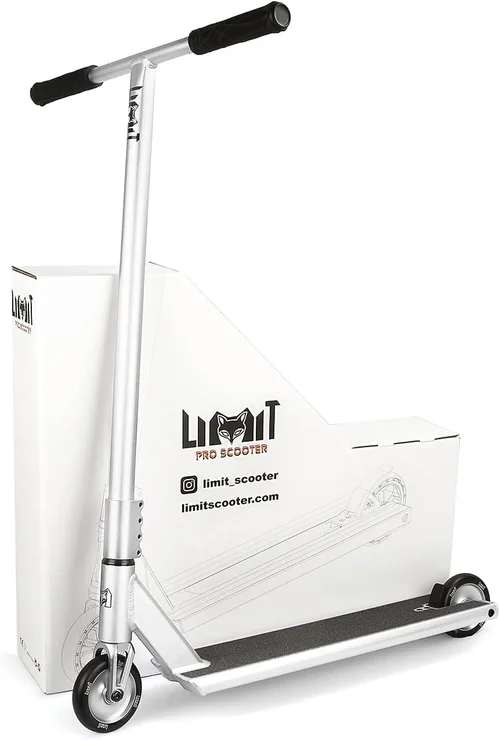
Why it’s bad: Flashy graphics and neon colors might catch your eye, but they don’t improve trick execution. Many budget scooters use attractive designs to mask weak construction. A scooter that looks cool but breaks after two weeks is a waste of money.
What to do instead: Focus on core specs first—deck material, fork type, compression system—then choose a color you like. Remember: performance is permanent, paint is temporary.
❌ Mistake: Buying Too Big or Too Small
Why it’s bad: A scooter that doesn’t fit your body size affects control and safety. Too tall, and you’ll struggle with balance; too short, and you’ll outgrow it quickly. Kids especially suffer from improper sizing, leading to frustration or injury.
What to do instead: Use sizing charts based on rider height. Most brands provide recommendations: e.g., 48″–52″ for riders 4’6″–5’2″. Test ride if possible, or buy from a retailer with a good return policy.
❌ Mistake: Ignoring Compatibility
Why it’s bad: Not all parts work together. Mixing an SCS bar with an IHC fork causes instability. Using oversized wheels on a narrow deck can damage the brake or frame. Incompatible setups lead to poor performance or dangerous failures.
What to do instead: Stick to complete scooters from reputable brands, or consult compatibility guides before upgrading. When in doubt, ask the manufacturer or an experienced rider.
❌ Mistake: Overlooking Maintenance Needs
Why it’s bad: Stunt scooters require regular upkeep—tightening bolts, cleaning bearings, replacing worn grips. Neglecting maintenance leads to premature wear, reduced performance, and safety risks.
What to do instead: Learn basic maintenance: check bolt tightness weekly, clean wheels monthly, and inspect for cracks after big falls. Keep a small toolkit with you.
❌ Mistake: Choosing Based on Celebrity Endorsements Alone
Why it’s bad: Pro riders use custom setups tuned to their style. A scooter endorsed by a champion might be overkill or mismatched for your needs. Marketing often exaggerates benefits.
What to do instead: Use pro models as inspiration, but prioritize your own skill level and goals. Read independent reviews and compare specs objectively.
❌ Mistake: Skipping the Test Ride
Why it’s bad: Scooters feel different in person. Weight distribution, grip texture, and brake responsiveness vary widely. Buying online without testing increases the risk of disappointment.
What to do instead: Visit a local skate shop or attend a scooter event. If buying online, choose retailers with free returns or demo programs.
❌ Mistake: Forgetting About Future Upgrades
Why it’s bad: A scooter with non-replaceable parts becomes obsolete quickly. You’ll either outgrow it or be forced to buy a whole new setup.
What to do instead: Choose modular scooters with standard-sized components (e.g., 31.8mm bars, 110mm wheels). This allows incremental upgrades as you progress.
Budget Guidelines: How Much Should You Spend?
- Entry-Level ($80–$130): Ideal for beginners or occasional riders. Expect basic aluminum decks, IHC compression, and 100–110mm wheels. Brands like Fuzion or Globber offer decent starter models. Don’t expect pro-level durability, but these scooters are great for learning fundamentals.
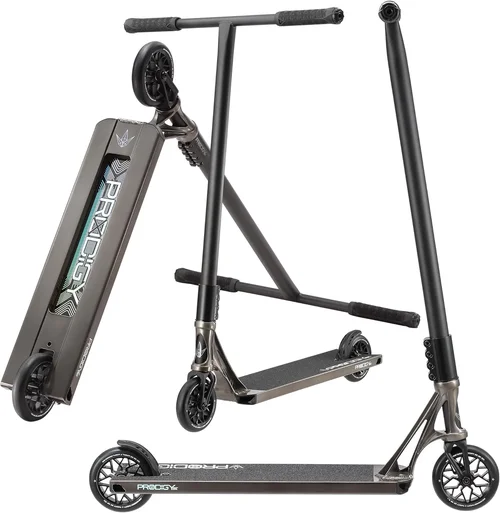
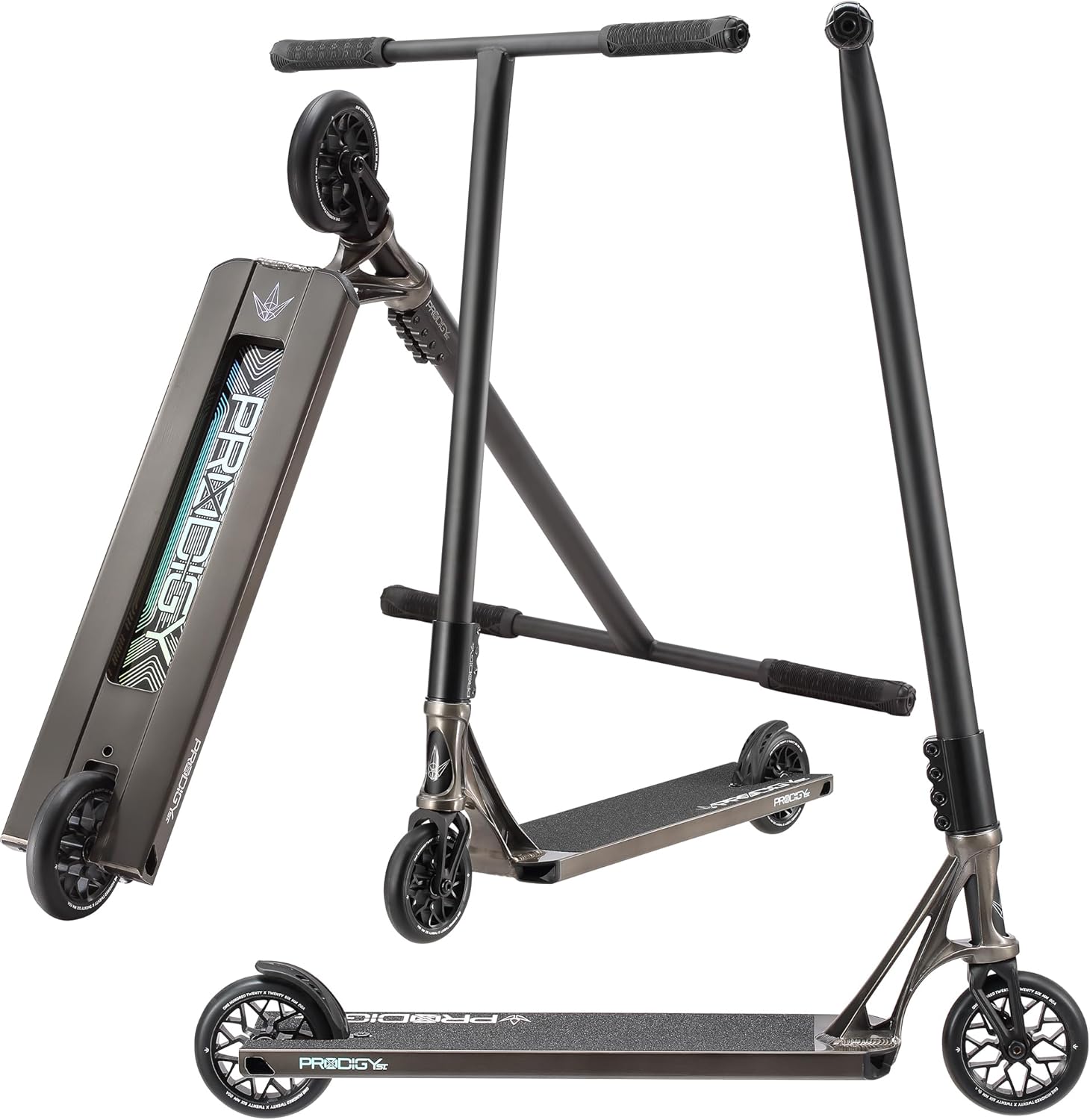
- Mid-Range ($150–$250): The sweet spot for most riders. You’ll get 6061-T6 aluminum decks, stronger forks, better bearings, and improved brakes. Models like the Envy Prodigy S9 or Madd Gear Pro Scooter dominate this tier. These scooters handle daily park sessions and intermediate tricks with ease.
- Premium ($280–$400): For serious riders and competitors. Features include CNC-machined parts, titanium components, custom graphics, and advanced compression systems. Scooters like the Native Stem or Blunt Aerobar offer pro-level performance and longevity. Worth the investment if you ride 4+ times a week.
- Luxury ($400+): Top-tier custom builds or limited editions. Often handmade with exotic materials (carbon fiber accents, hand-polished finishes). These are collector’s items or competition weapons, not everyday riders. Only consider if you’re sponsored or deeply committed to the sport.
Expert Tips for Getting the Best Deal
- Shop During Off-Season: Prices drop in late fall and winter when demand is low. Black Friday, Cyber Monday, and post-holiday sales offer 20–30% off top models.
- Buy Direct from Brands: Envy, Madd Gear, and Native often run exclusive promotions on their websites—free shipping, bonus parts, or early access to new releases.
- Check Secondhand Markets: Facebook Marketplace, eBay, and local scooter groups sell used pro scooters in great condition for 40–60% off retail. Inspect thoroughly for cracks or wear.
- Sign Up for Newsletters: Retailers like Scooter Hut, Urban Ride, and The Vault send discount codes to subscribers. You’ll also get alerts for restocks and flash sales.
- Consider Last Year’s Model: New releases come out annually. Previous-year models are nearly identical but cheaper. Perfect for riders who don’t need the latest tech.
- Use Price Tracking Tools: Apps like Honey or CamelCamelCamel track price history and alert you when a scooter drops to your target price.
- Ask About Student or Youth Discounts: Some brands offer 10–15% off for students or under-18 riders. Just provide a school email or ID.
- Bundle with Accessories: Buying a scooter + helmet + tool kit together often saves $30–$50 versus purchasing separately.
Frequently Asked Questions
Q: Can I use a stunt scooter for commuting?
A: Technically yes, but it’s not ideal. Stunt scooters have small wheels and stiff frames designed for tricks, not comfort over long distances or rough pavement. For commuting, consider a hybrid or electric scooter with larger wheels and suspension.
Q: How long does a stunt scooter last?
A: With proper care, a mid-range scooter lasts 1–2 years of regular use. Pro models can go 3+ years. Replaceable parts (wheels, grips, bearings) extend lifespan significantly.
Q: Are stunt scooters safe for kids?
A: Yes, with supervision and proper gear. Choose age-appropriate sizes (8+ for most models) and ensure they wear helmets. Avoid high-impact tricks until they master basics.
Q: Do I need to assemble the scooter myself?
A: Most come 90% assembled—just attach the handlebars and tighten bolts. Tools are usually included. Allow 10–15 minutes for setup.
Q: Can I upgrade my scooter later?
A: Absolutely. Swap out wheels, bars, or decks as you progress. Just ensure compatibility—check diameter, length, and compression type.
Q: What’s the difference between IHC, SCS, and HIC?
A: IHC is beginner-friendly and affordable. SCS is stronger and cleaner-looking, preferred by pros. HIC offers a balance—stronger than IHC, simpler than SCS.
Q: Why do stunt scooters have no suspension?
A: Suspension adds weight and complexity, reducing responsiveness during tricks. Stunt riders prefer direct feedback and control over comfort.
Q: How do I know if my scooter is too heavy?
A: If you struggle to flip it or feel fatigued after short sessions, it’s likely too heavy. Aim for under 7.5 lbs for technical riding.
Q: Are branded scooters worth the extra cost?
A: Generally yes. Reputable brands use better materials, rigorous testing, and offer better support. The long-term value outweighs the upfront cost.
Q: What should I do if my scooter breaks?
A: First, check the warranty. If covered, contact the manufacturer. If not, inspect for user error (e.g., over-tightening). Replace damaged parts or consider upgrading.
Our Final Recommendations
- Best for Budget-Conscious Buyers: Fuzion Z300 – At under $120, it offers solid 6061 aluminum construction, smooth bearings, and a lightweight design perfect for beginners.
- Best Overall Value: Envy Prodigy S9 – Priced around $200, it’s the gold standard for intermediate riders. Durable, responsive, and backed by a 12-month warranty.
- Best Premium Option: Native Stem – At $350, it’s built for pros. CNC-machined deck, titanium axle, and SCS compression make it a competition-ready machine.
- Best for Beginners: Madd Gear Kick Scooter – Simple, safe, and affordable ($90). Great for kids and first-time riders learning balance and basic tricks.
- Best for Advanced Users: Blunt Aerobar – Ultra-lightweight (6.2 lbs), precision-engineered for technical tricks. Favored by street riders and competitors.
Conclusion: Making the Right Choice
Choosing the right stunt scooter isn’t just about picking the shiniest model or the cheapest price tag—it’s about finding a tool that matches your ambition, skill level, and riding environment. Throughout this guide, we’ve covered the essential factors: from understanding build quality and performance specs to avoiding common pitfalls and maximizing your budget. Remember, the best scooter is the one that helps you progress, not hold you back.
Prioritize durability over aesthetics, compatibility over convenience, and long-term value over short-term savings. Whether you’re dropping into a halfpipe, grinding a rail, or just learning your first bunny hop, your scooter should feel like an extension of your body—responsive, reliable, and ready for anything. Take your time, do your research, and don’t hesitate to ask the community for advice. The stunt scooter world is welcoming, and the right ride will open doors to endless creativity and fun.
Now that you’re equipped with expert knowledge, it’s time to make your move. Visit a local shop, test a few models, and trust your instincts. Your perfect stunt scooter is out there—go find it, and start building your legacy one trick at a time.