
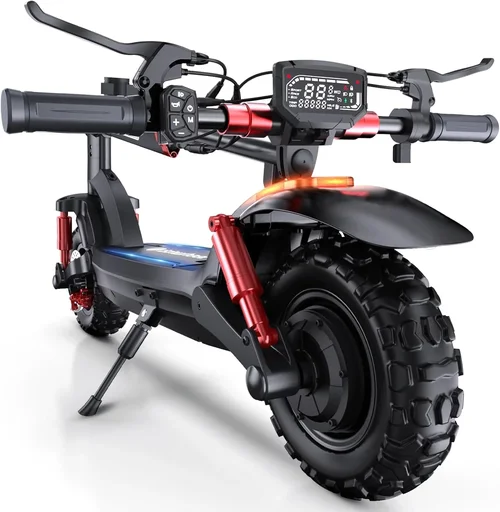
Electric adult scooters have surged from niche urban curiosities to mainstream mobility solutions in just a few short years. Whether you’re commuting across town, running errands, or simply enjoying a weekend ride through the park, an electric scooter offers a blend of convenience, eco-friendliness, and pure fun that few other personal transport options can match. As we move further into 2026, the market is more crowded—and more competitive—than ever, with dozens of brands offering everything from budget-friendly entry-level models to high-performance machines capable of speeds once reserved for motorcycles.
This guide exists because choosing the right electric scooter isn’t as simple as picking the shiniest model on the shelf. With so many variables—range, speed, build quality, portability, safety features, and price—it’s easy to feel overwhelmed or make a purchase you’ll regret. Our goal is to cut through the noise and give you a clear, expert-backed roadmap to finding the perfect electric scooter for your lifestyle. You’ll learn how to evaluate key specs, avoid common pitfalls, understand what different price tiers really deliver, and ultimately make a confident, informed decision—whether you’re spending $300 or $3,000.
The electric scooter market has matured significantly since its early days. Gone are the days when most models were flimsy, short-range toys. Today’s best electric adult scooters rival bicycles in performance and reliability, with advanced battery tech, regenerative braking, smartphone integration, and rugged frames designed for daily use. Brands like Gotrax, Segway-Ninebot, Xiaomi, Apollo, and Unagi have pushed innovation forward, while new entrants continue to raise the bar. But with progress comes complexity: more features mean more decisions. That’s where this guide comes in—to help you navigate the landscape, prioritize what matters most to you, and find a scooter that fits your needs, budget, and expectations.

What to Look for When Buying an Electric Scooter
1. Budget & Price Range
Your budget is the single most important factor in narrowing down your options. Electric scooters span a wide spectrum—from under $300 for basic commuter models to over $3,000 for premium, high-performance machines. Setting a realistic budget upfront prevents impulse buys and helps you focus on scooters that offer the best value within your range. Remember: the cheapest option isn’t always the most cost-effective long-term. A $400 scooter that breaks after six months may end up costing more than a $700 model built to last years.
When setting your budget, consider not just the upfront cost but also potential expenses like replacement tires, batteries, maintenance, and accessories (helmets, locks, phone mounts). Also, factor in how often you’ll use the scooter. If you plan to ride daily for commuting, investing in a mid-range or premium model makes sense. For occasional weekend use, a budget-friendly option may suffice.
2. Performance Specifications
Performance boils down to three core metrics: top speed, range, and motor power. These determine how well your scooter handles real-world conditions like hills, headwinds, and stop-and-go traffic.
Top speed typically ranges from 15 mph (24 km/h) on entry-level models to 40+ mph (64+ km/h) on high-performance scooters. For city commuting, 18–25 mph is ideal—fast enough to keep up with traffic but safe for bike lanes and sidewalks. Higher speeds require better brakes, suspension, and rider skill.
Range refers to how far the scooter can travel on a single charge. Manufacturer claims are often optimistic; real-world range depends on rider weight, terrain, speed, and weather. A scooter advertised with a 25-mile range might only deliver 15–18 miles under typical conditions. Always check independent reviews for verified range tests.
Motor power is measured in watts (W). Entry-level scooters usually have 250W–350W motors, suitable for flat terrain and light riders. Mid-range models offer 500W–800W, capable of handling moderate hills. Premium scooters feature 1000W+ motors, often dual-motor setups, for steep inclines and rapid acceleration.
3. Build Quality & Durability
A scooter’s frame, materials, and construction determine how well it withstands daily wear and tear. Look for aircraft-grade aluminum or reinforced steel frames—avoid plastic-heavy builds that feel flimsy. Check weld quality, hinge mechanisms (especially on foldable models), and overall fit and finish.
Durability also extends to components like tires, suspension, and electronics. Solid rubber tires are puncture-proof but offer a rougher ride; pneumatic (air-filled) tires provide better shock absorption but require maintenance. Suspension systems (front, rear, or dual) significantly improve comfort on uneven surfaces.
Water resistance is another key durability factor. Most scooters carry an IP rating (e.g., IPX4 or IP54), indicating protection against splashes or light rain. Avoid riding in heavy rain unless your scooter is specifically rated for it (IP67 or higher). Even then, prolonged exposure can damage electronics.
4. Features & Functionality
Modern electric scooters come packed with features that enhance safety, convenience, and ride quality. Essential features include:
– LED headlights and taillights for visibility at night
– Brake lights that activate when you slow down
– Digital displays showing speed, battery level, and riding mode
– Multiple speed modes (eco, normal, sport) to conserve battery or boost performance
– Regenerative braking, which recaptures energy during deceleration to extend range
– Smartphone connectivity via Bluetooth for firmware updates, ride tracking, and anti-theft alerts
Advanced models may include turn signals, cruise control, app-based ride analytics, GPS tracking, and even integrated dashcams. While these aren’t essential, they can significantly improve the riding experience—especially for frequent commuters.
5. Brand Reputation
Not all brands are created equal. Established names like Segway-Ninebot, Xiaomi, and Gotrax have proven track records for reliability, customer service, and parts availability. Newer or lesser-known brands may offer tempting deals, but they often lack long-term support.
Research brand reputation by reading user reviews on forums like Reddit’s r/ElectricScooters, YouTube long-term reviews, and retailer feedback. Pay attention to how companies handle warranty claims, software updates, and recalls. A brand that stands behind its products is more likely to deliver a positive ownership experience.
Also consider regional availability. Some brands dominate in North America (e.g., Apollo, Unagi), while others are stronger in Europe or Asia. Parts and service centers should be accessible in your area—especially if you rely on your scooter daily.
6. Warranty & Support
A solid warranty is a strong indicator of a manufacturer’s confidence in its product. Most reputable brands offer at least a 12-month warranty covering defects in materials and workmanship. Premium brands often provide 18–24 months, sometimes with extended coverage for the battery (which degrades over time).
Read the fine print: some warranties exclude “wear and tear” items like tires, brakes, and batteries. Others require registration within a certain timeframe or void coverage if the scooter is modified. Customer support responsiveness matters too—can you reach a real person quickly? Are replacement parts readily available?
7. Size & Portability
If you plan to carry your scooter on public transit, store it in a small apartment, or lift it frequently, portability is crucial. Key considerations include weight, folded dimensions, and ease of folding.
Most adult electric scooters weigh between 25 and 45 pounds. Anything over 35 pounds becomes cumbersome for daily carrying. Folding mechanisms should be quick and secure—look for one-hand operation and locking latches that prevent accidental unfolding.
Measure where you’ll store the scooter: under a desk, in a closet, or in a car trunk. Some models are more compact when folded than others. Also consider wheel size: smaller wheels (6–8 inches) are lighter and more portable but less stable on rough terrain; larger wheels (10+ inches) offer a smoother ride but add bulk.
8. User Reviews & Ratings
Spec sheets tell part of the story—real-world user experiences tell the rest. Look beyond star ratings and read detailed reviews that discuss long-term reliability, customer service interactions, and performance under actual conditions.
Pay special attention to comments about:
– Battery degradation after 6–12 months
– Brake performance over time
– App functionality and connectivity issues
– Comfort during extended rides
– Ease of maintenance and part replacement
Forums and YouTube channels dedicated to electric scooters often provide the most honest, in-depth feedback. Avoid relying solely on retailer reviews, which can be filtered or incentivized.
Different Types of Electric Scooters

Common Buying Mistakes to Avoid
❌ Mistake: Prioritizing Price Over Performance
Why it’s bad: Choosing the cheapest scooter often means sacrificing essential features like reliable brakes, decent range, or hill-climbing ability. You may end up frustrated, unsafe, or needing to replace it within a year.
What to do instead: Set a minimum performance threshold based on your needs. If you live in a hilly area, don’t buy a scooter with a weak motor just to save $100. Invest in capability that matches your environment.
❌ Mistake: Ignoring Real-World Range Claims
Why it’s bad: Manufacturers often quote range under ideal conditions (light rider, flat ground, slow speed). In reality, range can be 30–40% lower.
What to do instead: Divide the advertised range by 1.5 to estimate real-world performance. Always buy a scooter with at least 20–30% more range than your daily commute requires.
❌ Mistake: Overlooking Braking Systems
Why it’s bad: Poor brakes are a leading cause of scooter accidents. Many budget models rely solely on electronic or foot brakes, which fail under heavy use or wet conditions.
What to do instead: Choose scooters with dual braking systems (e.g., disc + regenerative) and test braking responsiveness before buying. Avoid models with only rear fender foot brakes.
❌ Mistake: Skipping the Test Ride
Why it’s bad: Comfort is subjective. A scooter that looks great on paper might feel unstable, too stiff, or poorly balanced in person.
What to do instead: Visit local retailers or attend scooter demo events. If buying online, choose retailers with generous return policies (30 days or more).
❌ Mistake: Neglecting Maintenance Requirements
Why it’s bad: Some scooters require frequent tire inflation, brake adjustments, or software updates. Others are nearly maintenance-free.
What to do instead: Research maintenance needs before purchasing. Pneumatic tires need regular checks; solid tires don’t but offer a harsher ride. Choose based on your willingness to maintain it.
❌ Mistake: Buying Based on Looks Alone
Why it’s bad: A sleek design doesn’t guarantee reliability. Flashy lights and colors can distract from critical specs like motor power or build quality.
What to do instead: Focus on functionality first. A plain-looking scooter with excellent brakes and suspension is safer and more enjoyable than a stylish one that breaks down often.
❌ Mistake: Forgetting About Local Laws
Why it’s bad: Electric scooter regulations vary widely by city and country. Some places ban them on sidewalks, limit speeds, or require helmets and registration.
What to do instead: Check your local transportation authority’s rules before buying. Ensure your scooter complies with speed limits and usage zones in your area.
Budget Guidelines: How Much Should You Spend?
Entry-Level ($200–$500):
These scooters are ideal for light, occasional use—think weekend rides, short campus trips, or teens learning to ride. Expect modest specs: 15–20 mph top speed, 10–15 mile range, 250W–350W motors, and basic features like LED lights and digital displays. Build quality varies; some are surprisingly durable, while others feel cheap. Brands like Gotrax and Razor dominate this space. Great for beginners, but not recommended for daily commuting or hilly areas.
Mid-Range ($500–$1,200):
This is the sweet spot for most adult riders. Scooters in this range offer reliable performance, better build quality, and useful features like regenerative braking, app connectivity, and improved suspension. Expect 20–25 mph speeds, 15–25 mile ranges, and 500W–800W motors. Models from Xiaomi, Segway, and Apollo shine here. Perfect for urban commuters who need dependability without breaking the bank.
Premium ($1,200–$2,500):
Designed for enthusiasts and serious commuters, premium scooters deliver high performance, long range, and advanced tech. Dual motors, hydraulic brakes, full suspension, and 30+ mile ranges are common. These scooters handle hills, rough roads, and daily abuse with ease. Brands like Unagi, Dualtron, and Kaabo excel in this tier. Ideal if you ride daily, live in a hilly city, or want a scooter that lasts 5+ years.
Luxury ($2,500+):
At this level, you’re paying for cutting-edge engineering, premium materials, and top-tier performance. Expect speeds over 40 mph, ranges exceeding 40 miles, carbon fiber components, and features like GPS tracking, turn signals, and adaptive lighting. These are for riders who view their scooter as a primary vehicle or a high-end hobby. Not necessary for most, but unmatched in capability and refinement.
Expert Tips for Getting the Best Deal
– Buy during off-peak seasons: Scooter sales dip in winter (November–February). Retailers often offer discounts to clear inventory before spring launches. Black Friday and Cyber Monday are prime times for deals.
– Shop at authorized retailers: Buying directly from brands or certified dealers ensures warranty validity, access to genuine parts, and better customer support. Avoid third-party sellers on marketplaces unless verified.
– Compare total value, not just price: A $700 scooter with a 2-year warranty, app support, and replaceable parts may offer better long-term value than a $600 model with no support.
– Check for bundle deals: Some retailers include free helmets, locks, or phone mounts with purchase. These add-ons can save $50–$100.
– Read return policies carefully: Ensure you can return or exchange the scooter within 14–30 days if it doesn’t meet expectations. Some brands charge restocking fees.
– Test before you buy: If possible, visit a store or attend a demo event. Feel the weight, test the brakes, and ride on different surfaces.
– Join scooter communities: Online forums often share exclusive discount codes, flash sales, or group buys you won’t find elsewhere.
– Consider refurbished or open-box models: Many brands sell certified pre-owned scooters at 20–40% off with full warranties. These are often as good as new.

Frequently Asked Questions
Q: How fast do electric scooters go?
A: Most adult electric scooters range from 15 mph to 40+ mph. Commuter models typically top out at 18–25 mph, while performance and off-road scooters can exceed 40 mph. Always wear a helmet and check local speed limits.
Q: How far can an electric scooter go on a single charge?
A: Range varies widely—from 8 miles on basic models to over 50 miles on high-end scooters. Real-world range is usually 20–30% less than advertised due to rider weight, terrain, and speed. Plan for 15–25 miles as a realistic average for mid-range models.
Q: Are electric scooters safe?
A: When used responsibly, yes. Safety depends on rider behavior, helmet use, road conditions, and scooter quality. Choose models with reliable brakes, good lighting, and stable handling. Avoid riding in heavy rain or on uneven terrain unless your scooter is designed for it.
Q: Do I need a license or insurance?
A: In most U.S. states and many countries, no license or insurance is required for low-speed electric scooters (under 20–30 mph). However, rules vary by location. Some cities require registration, helmets, or restrict where you can ride. Always check local laws.
Q: Can I ride an electric scooter in the rain?
A: Only if it has a high IP rating (IPX5 or higher). Most commuter scooters are splash-resistant but not waterproof. Riding in heavy rain can damage electronics and reduce brake effectiveness. If you must ride in wet conditions, go slowly and avoid puddles.
Q: How long do electric scooter batteries last?
A: Lithium-ion batteries typically last 300–500 charge cycles before capacity drops to 80%. With daily use, that’s about 1–2 years. Proper care—avoiding extreme temperatures, not draining to 0%, and storing at 50% charge—can extend lifespan.
Q: Can I take my scooter on public transit?
A: Many buses, trains, and subways allow folded electric scooters, but policies vary. Check with your local transit authority. Lightweight, compact models are easiest to carry.
Q: What’s the difference between hub motors and belt-driven motors?
A: Hub motors are integrated into the wheel—simple, quiet, and low-maintenance. Belt-driven motors use a belt and pulley system—often more powerful and serviceable but require occasional belt replacement. Most modern scooters use hub motors for reliability.
Q: How do I maintain my electric scooter?
A: Regular maintenance includes checking tire pressure (if pneumatic), tightening bolts, cleaning the deck, updating firmware, and inspecting brakes. Store in a dry place and charge regularly—even if not in use.
Q: Can I upgrade my scooter’s battery or motor?
A: Some high-end models allow battery upgrades, but most are sealed units. Motor upgrades are rarely feasible due to frame and controller limitations. Always consult the manufacturer before modifying your scooter—it may void the warranty.
Our Final Recommendations
Best for Budget-Conscious Buyers: Gotrax G4
At under $500, the G4 delivers surprising value with a 20 mph top speed, 25-mile range, and solid build quality. It’s lightweight, folds easily, and includes app connectivity—perfect for students and casual commuters.
Best Overall Value: Segway Ninebot Max G30LP
Priced around $700, this scooter balances performance, durability, and features. With a 30-mile range, 20 mph speed, IPX5 water resistance, and reliable hydraulic brakes, it’s a workhorse for daily urban use.
Best Premium Option: Unagi Model One Voyager
At $1,690, the Voyager offers dual motors, a sleek magnesium frame, 28-mile range, and exceptional ride quality. Ideal for professionals who want style, performance, and portability in one package.
Best for Beginners: Xiaomi Mi Electric Scooter 4 Lite
Simple, intuitive, and affordable ($450), this scooter is easy to learn on. It’s lightweight, has a clear display, and offers smooth acceleration—great for first-time riders.
Best for Advanced Users: Apollo Phantom V3
For riders who demand power and precision, the Phantom V3 ($1,899) features dual 1200W motors, 40 mph top speed, 50-mile range, and full suspension. Built for speed, hills, and long-distance comfort.
Conclusion: Making the Right Choice
Choosing the best electric adult scooter in 2026 isn’t about finding the most expensive or fastest model—it’s about matching the right tool to your specific needs, lifestyle, and budget. Whether you’re navigating city streets, exploring trails, or simply seeking a greener way to get around, the perfect scooter is out there. By focusing on key factors like performance, build quality, safety features, and long-term support, you’ll avoid common pitfalls and invest in a ride that delivers joy, reliability, and value for years to come.
Remember: the best scooter is the one you’ll actually use. Don’t overcomplicate it—start with your must-haves (range, portability, terrain), set a realistic budget, and prioritize safety and durability. Read real user reviews, test when possible, and don’t hesitate to spend a little more for peace of mind. Electric scooters are more than gadgets; they’re personal mobility solutions that can transform how you move through the world.
Now that you’re armed with expert knowledge, it’s time to make your move. Compare your top contenders, check local deals, and take that first ride with confidence. The future of urban travel is electric—and it starts with the right scooter in your hands.