
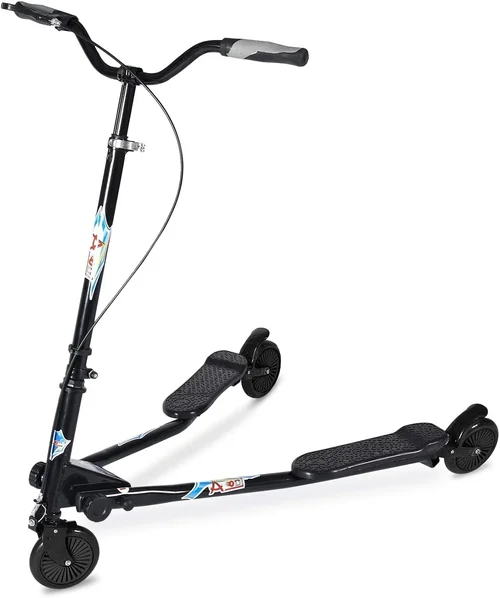
Pro scooters have evolved far beyond their humble beginnings as simple kids’ toys. Today, they’re high-performance machines used by urban commuters, freestyle riders, and even professional athletes pushing the limits of what’s possible on two wheels. Whether you’re navigating city streets, hitting skate parks, or simply looking for a fun and eco-friendly way to get around, choosing the right pro scooter can make all the difference in your experience.
This comprehensive buying guide is designed to cut through the noise and help you make an informed decision. With dozens of brands, hundreds of models, and rapidly advancing technology, it’s easy to feel overwhelmed. That’s why we’ve done the deep dive—testing, comparing, and analyzing the best-rated pro scooters on the market in 2026. You’ll learn exactly what to look for, how to avoid common pitfalls, and which scooters offer the best value for your needs and budget. From build quality and performance specs to warranty coverage and real-world user feedback, we cover every critical factor so you don’t have to guess.
The pro scooter market has matured significantly over the past few years. What was once dominated by a handful of niche brands now features serious competition from established names in action sports, electronics, and even automotive-inspired engineering. Innovations in materials like aircraft-grade aluminum, hydraulic braking systems, and smart connectivity have raised the bar across the board. At the same time, pricing has become more accessible, with solid entry-level options available under $200 and premium models offering race-level performance for under $800. This guide will walk you through that entire spectrum, ensuring you find a scooter that matches your skill level, riding style, and financial plan.

What to Look for When Buying a Pro Scooter
1. Budget & Price Range
Your budget is the foundation of any purchase decision, and pro scooters are no exception. Prices can range from under $150 for basic models to over $1,000 for elite-level competition machines. However, price doesn’t always correlate directly with quality or suitability. A $300 scooter might be perfect for a daily commuter, while a $700 freestyle beast could be overkill—or even unsafe—for a beginner.
When setting your budget, consider not just the upfront cost but also long-term value. Cheaper scooters often use lower-grade materials that wear out faster, leading to frequent repairs or replacements. Mid-range models ($250–$500) typically offer the best balance of durability, performance, and features. Premium scooters ($500+) are built for serious riders who demand precision, responsiveness, and longevity. Always ask: “Will this scooter still perform well after six months of regular use?” If the answer is uncertain, it may not be worth the savings.
2. Performance Specifications
Performance specs define how your scooter will behave in real-world conditions. Key metrics include top speed, acceleration, hill-climbing ability, braking efficiency, and suspension (if applicable). For urban commuters, a scooter with a top speed of 15–20 mph and strong regenerative or disc brakes is ideal. Freestyle riders, on the other hand, prioritize maneuverability, lightweight frames, and responsive handling over raw speed.
Motor power (measured in watts) is a critical spec—especially for electric pro scooters. A 250W motor suits flat city riding, while 500W+ motors handle hills and heavier riders with ease. For non-electric (kick) scooters, performance hinges on wheel size, bearing quality, and deck stability. Larger wheels (100mm–125mm) roll smoother over cracks and debris, while smaller wheels offer quicker turns and better control in tricks.
Always check the weight limit. Most pro scooters support 200–250 lbs, but some premium models are rated for 300+ lbs. Exceeding the limit can compromise safety and void warranties.
3. Build Quality & Durability
A pro scooter is only as good as its weakest component. Look for frames made from aircraft-grade aluminum (6061-T6 is industry standard), reinforced forks, and double or triple-clamp setups for added rigidity. Weld quality matters—clean, even welds indicate careful manufacturing. Avoid scooters with visible gaps, rough edges, or flimsy-looking joints.
Deck material should be grippy and impact-resistant. Many top models use textured grip tape or composite decks with reinforced edges. Handlebars should feel solid when gripped firmly; wobbling or flexing is a red flag. Forks and compression systems (like IHC, SCS, or HIC) must be compatible and securely assembled—mismatched parts can lead to failure during high-impact tricks.
Durability also extends to wear items: wheels, bearings, and brakes. High-quality urethane wheels (88A–95A hardness) last longer and provide better shock absorption. ABEC-7 or higher bearings ensure smooth rolling, while hydraulic or mechanical disc brakes offer reliable stopping power even in wet conditions.
4. Features & Functionality
Modern pro scooters come packed with features that enhance safety, convenience, and performance. Electric models may include LED displays, app connectivity, cruise control, and regenerative braking. Some even offer customizable ride modes (eco, sport, turbo) to match your environment.
For freestyle riders, features like threadless forks, integrated headsets, and removable brake systems allow for greater customization and trick versatility. Folding mechanisms are essential for portability—look for quick-release levers that don’t compromise structural integrity when locked.
Lighting is another often-overlooked feature. Front and rear LEDs improve visibility during night rides, while brake-activated taillights add an extra layer of safety. Water resistance (IPX4 or higher) is crucial if you ride in rain or wet conditions—though no scooter should be fully submerged.
Don’t forget ergonomics: adjustable handlebar height, comfortable grips, and a wide enough deck for stable footing all contribute to a better riding experience.
5. Brand Reputation
Not all scooter brands are created equal. Established names like Razor, Mongoose, Envy, and Fuzion have built reputations over years of consistent quality and innovation. Newer entrants like Gotrax, Segway-Ninebot, and Xiaomi have disrupted the market with tech-forward designs and competitive pricing—but may lack the long-term track record of legacy brands.
Research brand history: How long have they been making scooters? Do they specialize in action sports or general mobility? Check for recalls, customer service responsiveness, and community presence. Brands active in rider forums, sponsor events, or offer robust online support tend to stand behind their products.
Beware of “no-name” brands sold exclusively through third-party marketplaces. While some offer surprisingly good value, others cut corners on safety and materials. If a brand has no website, limited contact info, or sparse reviews, proceed with caution.
6. Warranty & Support
A strong warranty is a sign of confidence in product quality. Most reputable brands offer at least a 6-month to 1-year limited warranty covering manufacturing defects. Premium brands may extend this to 2 years or more. Read the fine print: many warranties exclude normal wear items (wheels, brakes, grips) and damage from misuse or modifications.
Customer support matters too. Can you easily reach a human being? Is there a clear return process? Do they offer replacement parts? Brands with U.S.-based support centers or local service networks provide faster resolution than those relying solely on overseas fulfillment.
7. Size & Portability
Even pro scooters need to be transported. Consider weight, folded dimensions, and ease of carrying. Most adult pro scooters weigh between 8–15 lbs; electric models can exceed 20 lbs due to batteries. If you’ll be taking your scooter on public transit or upstairs, lighter is better.
Folding mechanisms vary: some use a simple latch, others a complex hinge system. Test how quickly and securely it folds—and whether it stays folded when carried. Handlebar width and deck length also affect portability; narrower profiles fit better in tight spaces.
For kids or teens, adjustable handlebars are essential to accommodate growth. Many brands offer youth-specific models with scaled-down dimensions and lower weight limits.
8. User Reviews & Ratings
Never rely solely on manufacturer claims. Real-world user reviews reveal truths about comfort, reliability, and hidden flaws. Look for patterns: if multiple users report the same issue (e.g., “brakes failed after 3 months”), it’s likely a design flaw.
Focus on verified purchases and detailed reviews with photos or videos. Platforms like Amazon, Reddit (r/scooters), and specialized forums like ScooterTalk offer unfiltered insights. Pay attention to reviews from riders with similar needs—commuters won’t care about trick compatibility, while stunt riders will ignore battery life.
Be skeptical of overly glowing reviews with generic language—they may be fake. Authentic reviews often mention both pros and cons, even for highly rated products.
Different Types of Pro Scooters

Common Buying Mistakes to Avoid
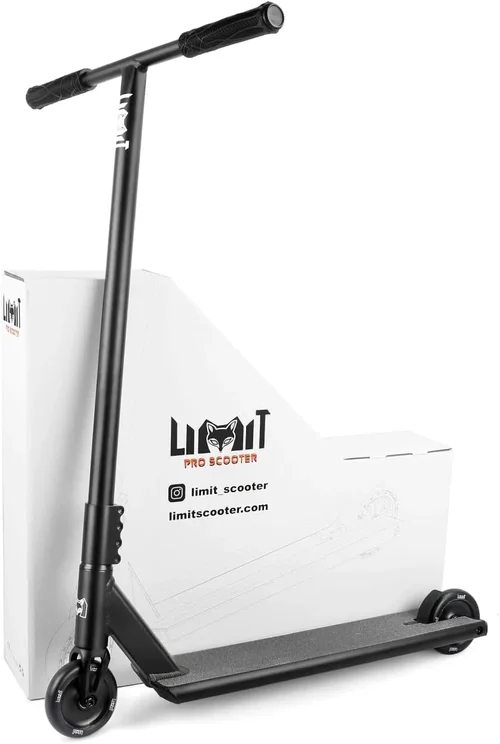
❌ Mistake: Prioritizing Price Over Build Quality
Why it’s bad: A cheap scooter might save you $50 upfront, but if it breaks after a month, you’ve wasted money and risked injury. Low-cost models often use thin aluminum, weak welds, and poor bearings that fail under stress.
What to do instead: Invest in a scooter from a reputable brand with verified durability. Look for reinforced frames, quality certifications, and positive long-term reviews.
❌ Mistake: Ignoring Weight Limits
Why it’s bad: Riding a scooter rated for 150 lbs when you weigh 200 lbs can cause fork failure, deck cracking, or brake malfunction—especially during jumps or hard stops.
What to do instead: Always check the manufacturer’s stated weight capacity and choose a model rated for at least 20–30 lbs above your body weight for safety margin.
❌ Mistake: Buying Based Solely on Looks
Why it’s bad: Flashy colors, LED lights, and aggressive graphics don’t improve performance. Some decorative scooters sacrifice structural integrity for aesthetics.
What to do instead: Focus on specs first, then choose a design you love. A well-built scooter in a simple color will outperform a pretty but fragile one every time.
❌ Mistake: Overlooking Maintenance Needs
Why it’s bad: Many buyers assume scooters are “set it and forget it.” In reality, bearings need cleaning, bolts tightening, and brakes adjusting regularly—especially for electric models.
What to do instead: Choose a scooter with accessible components and clear maintenance instructions. Avoid overly complex designs if you’re not mechanically inclined.
❌ Mistake: Skipping the Test Ride
Why it’s bad: Comfort is subjective. A scooter that feels stiff or unbalanced in-store might be unbearable on longer rides.
What to do instead: If possible, test ride before buying. Many specialty shops and events offer demo days. For online purchases, check return policies—some brands offer 30-day trials.
❌ Mistake: Assuming All “Pro” Scooters Are Equal
Why it’s bad: The term “pro” is loosely regulated. Some entry-level scooters are marketed as “pro” despite lacking essential features like reinforced forks or quality bearings.
What to do instead: Verify technical specs against known pro standards. Look for features like threadless forks, SCS compression, and 110mm+ wheels.
❌ Mistake: Neglecting Safety Gear
Why it’s bad: Even the best scooter can’t prevent injury if you fall. Wrist guards, helmets, and knee pads are non-negotiable for freestyle or high-speed riding.
What to do instead: Budget for protective gear alongside your scooter. Many brands offer bundled deals that include helmets and pads at a discount.
Budget Guidelines: How Much Should You Spend?
Entry-Level ($80–$200): Ideal for kids, casual riders, or those trying scooters for the first time. Expect basic aluminum frames, 100mm wheels, and minimal features. Brands like Razor A5 Lux or Fuzion Z300 offer solid value here. Durability may be limited with heavy use.
Mid-Range ($200–$450): The sweet spot for most riders. These scooters feature upgraded materials (6061-T6 aluminum), better bearings (ABEC-7), and improved braking systems. Models like the Envy Prodigy S9 or Gotrax GXL V2 deliver excellent performance for commuting or light freestyle. Most include warranties and responsive customer support.
Premium ($450–$700): Built for serious enthusiasts and competitive riders. Expect aircraft-grade components, hydraulic brakes, customizable setups, and advanced features like app connectivity or regenerative braking. Scooters in this range, such as the Mongoose Rise or Segway Ninebot MAX G30LP, are designed to last years with proper care.
Luxury ($700+): Reserved for professionals, extreme commuters, or collectors. These top-tier models boast carbon fiber elements, dual motors, long-range batteries (20+ miles), and race-inspired geometry. While overkill for casual use, they offer unmatched performance and prestige.
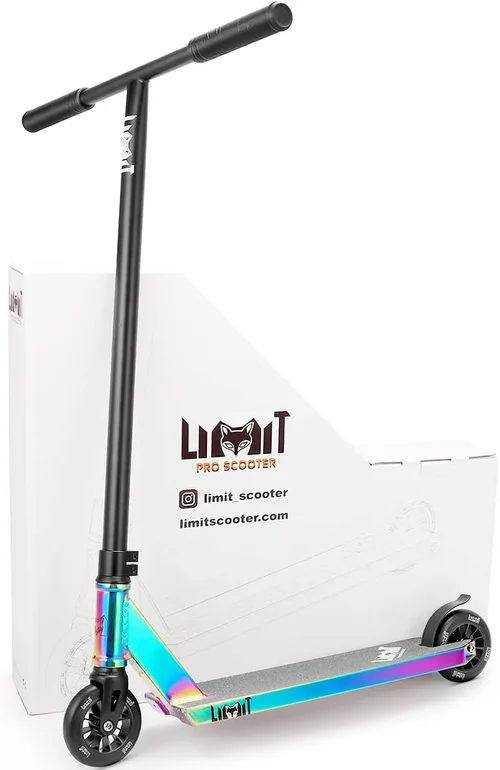
Expert Tips for Getting the Best Deal
1. Shop During Off-Peak Seasons: Scooter sales peak in spring and summer. Buy in late fall or winter (especially January) for discounts of 20–30% as retailers clear inventory.
2. Compare Retailers Strategically: Big-box stores (Walmart, Target) often have competitive pricing but limited selection. Specialty shops (SkatePro, The Scooter Hut) offer expert advice and exclusive models. Online marketplaces (Amazon, RevZilla) provide user reviews and fast shipping—but watch for third-party sellers.
3. Sign Up for Newsletters: Brands like Gotrax, Envy, and Razor frequently offer subscriber-only promo codes (10–15% off) and early access to sales.
4. Check Refurbished or Open-Box Options: Certified refurbished scooters from manufacturer websites often come with full warranties at 20–40% off retail. These are rigorously tested and ideal for budget-conscious buyers.
5. Read Return Policies Carefully: Some retailers charge restocking fees or only accept returns in original packaging. Look for stores with 30-day no-questions-asked returns.
6. Bundle Accessories: Many brands sell scooter + helmet + lock packages at a discount. Even if you already own gear, bundling can still save money.
7. Use Price Tracking Tools: Browser extensions like Honey or CamelCamelCamel alert you when prices drop on Amazon or other sites.
8. Consider Local Pickup: Avoid shipping fees and damage risks by picking up in-store when available. Plus, you can inspect the scooter before taking it home.

Frequently Asked Questions
Q: Can adults ride pro scooters, or are they just for kids?
A: Absolutely! Many pro scooters are designed specifically for adults, with higher weight capacities, larger decks, and stronger components. Electric commuter models are particularly popular among urban professionals.
Q: How long do pro scooters typically last?
A: With proper maintenance, a quality pro scooter can last 2–5 years. Freestyle scooters may need part replacements (wheels, bearings) every 6–12 months due to impact wear, while commuter models see less stress and last longer.
Q: Are electric pro scooters worth the extra cost?
A: If you commute regularly, yes. Electric scooters save time, reduce fatigue, and handle hills effortlessly. However, they’re heavier, require charging, and cost more upfront. For short distances or trick riding, kick scooters remain superior.
Q: Do I need a license to ride a pro scooter?
A: In most U.S. states, no license is required for non-motorized or low-speed electric scooters (under 20 mph). However, local laws vary—check your city’s regulations regarding sidewalk riding, helmet use, and age restrictions.
Q: Can I modify my pro scooter?
A: Yes, but cautiously. Swapping handlebars, wheels, or compression systems is common in the freestyle community. However, modifications may void your warranty and affect safety if not done correctly. Always use compatible, high-quality parts.
Q: What’s the difference between IHC, SCS, and HIC compression?
A: These are fork compression systems that affect how the handlebars connect to the front wheel. SCS (Standard Compression System) is the strongest and most common in pro scooters. IHC (Internal Headset Compression) is lighter but less durable. HIC (Headset Integrated Compression) is outdated and rarely used today.
Q: How do I maintain my scooter?
A: Regularly clean the deck and wheels, tighten bolts, lubricate bearings, and inspect brakes. For electric models, keep the battery charged (but not overcharged) and store in a dry place. A monthly check-up prevents most issues.
Q: Are pro scooters safe?
A: When used responsibly with proper gear, yes. Always wear a helmet, ride in designated areas, and avoid wet or uneven surfaces. Most injuries result from user error—not equipment failure.
Q: Can I take my scooter on a plane?
A: Non-electric scooters are generally allowed as checked baggage. Electric models with lithium batteries over 100Wh are prohibited in cargo holds; check airline policies carefully. Some airlines allow smaller batteries in carry-on.
Q: What’s the best scooter for beginners?
A: Look for a mid-range kick scooter with a wide deck, adjustable handlebars, and smooth bearings. The Fuzion Z300 or Gotrax GXL V2 are excellent starter options that grow with your skills.
Our Final Recommendations
Best for Budget-Conscious Buyers: Gotrax GXL V2 – At under $250, it offers surprising durability, a 15.5 mph top speed, and reliable disc braking. Perfect for teens and casual commuters.
Best Overall Value: Envy Prodigy S9 – A freestyle favorite with a lightweight 6061-T6 frame, SCS compression, and butted handlebars. Priced around $350, it’s trusted by pros and beginners alike.
Best Premium Option: Segway Ninebot MAX G30LP – For electric commuters, this $650 scooter delivers 40-mile range, IPX5 water resistance, and app-based diagnostics. Built to handle daily urban abuse.
Best for Beginners: Fuzion Z300 – Affordable ($180), easy to control, and built with safety in mind. Great for learning basics without breaking the bank.
Best for Advanced Users: Mongoose Rise – With a reinforced deck, hydraulic brakes, and race-tuned geometry, this $550 scooter is built for serious riders who demand precision and power.
Conclusion: Making the Right Choice
Choosing the best-rated pro scooter isn’t just about picking the shiniest model or the one with the most features. It’s about aligning your purchase with your lifestyle, skill level, and long-term goals. Whether you’re commuting to work, mastering kickflips at the park, or exploring city trails, the right scooter will enhance your experience—not hinder it.
Remember: prioritize build quality over aesthetics, verify specs against your needs, and never skip safety gear. Read real reviews, test when possible, and don’t be afraid to invest a little more for something that will last. The pro scooter market in 2026 offers incredible options at every price point—so take your time, do your research, and ride with confidence.
Your perfect scooter is out there. Now go find it.