
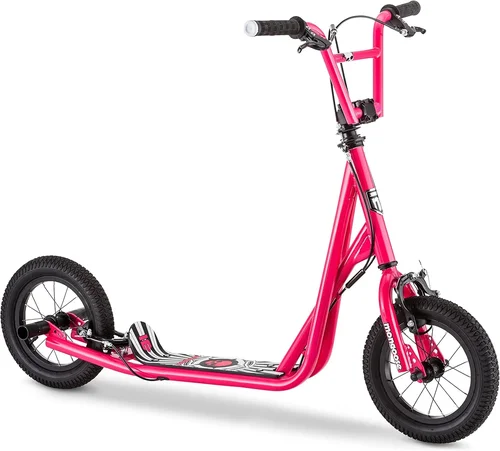
Electric scooters have surged from niche urban curiosities to mainstream transportation staples in just a few short years. Whether you’re commuting across town, running errands, or simply exploring your city on two wheels, an electric scooter offers a blend of convenience, eco-friendliness, and sheer fun that few other vehicles can match. As we move through 2026, the market has matured significantly—offering more models, better technology, and greater reliability than ever before. But with so many options flooding the market, choosing the right one can feel overwhelming. That’s exactly why this guide exists: to cut through the noise, demystify the specs, and help you make a smart, informed decision based on your real-world needs.
In this comprehensive buying guide, you’ll learn how to evaluate electric scooters like a seasoned pro. We’ll walk you through the most critical factors—from motor power and battery life to build quality and safety features—so you know exactly what matters (and what doesn’t). You’ll also discover the different categories of scooters available today, common pitfalls to avoid, budget-friendly recommendations, and expert tips for scoring the best deal. Whether you’re a first-time buyer or upgrading from an older model, this guide is designed to equip you with everything you need to choose a scooter that fits your lifestyle, budget, and expectations.
The electric scooter market in 2026 is more diverse and competitive than ever. Major brands like Gotrax, Segway-Ninebot, Xiaomi, and Apollo continue to innovate, while newer entrants bring fresh designs and aggressive pricing. At the same time, regulations are evolving in cities worldwide, influencing everything from speed limits to helmet requirements. With advancements in battery tech, regenerative braking, app connectivity, and foldable designs, today’s scooters are smarter, safer, and more capable than their predecessors. This guide will help you navigate this dynamic landscape with confidence.

What to Look for When Buying Gotrax
1. Budget & Price Range
Your budget is the foundation of your buying decision. Electric scooters span a wide price spectrum—from under $300 for basic commuter models to over $2,000 for high-performance machines built for speed and endurance. Setting a realistic budget upfront helps narrow your options and prevents overspending on features you may never use. Consider not just the upfront cost but also long-term expenses like maintenance, replacement tires, or battery upgrades.
For most casual riders, a scooter between $400 and $800 offers the best balance of performance, durability, and value. If you plan to use your scooter daily for commuting or longer rides, investing in a mid-to-high-tier model often pays off in reliability and comfort. Avoid ultra-cheap scooters under $250—they often use low-quality components, weak motors, and short-lived batteries that can leave you stranded.
2. Performance Specifications
Performance boils down to three core specs: motor power, top speed, and range. Motor power, measured in watts (W), determines how well your scooter handles hills and accelerates. A 250W motor suits flat city streets, while 500W or higher is ideal for inclines and heavier riders. Top speed typically ranges from 15 mph (24 km/h) on entry-level models to 30+ mph (48+ km/h) on performance scooters—but remember, local laws often cap legal speeds.
Range—the distance you can travel on a single charge—is arguably the most misunderstood spec. Manufacturers often quote “ideal” range under perfect conditions (light rider, flat terrain, no wind). In reality, expect 60–80% of the advertised range. For daily commutes under 10 miles round-trip, a 15–20 mile (24–32 km) real-world range is sufficient. Always check if the battery is removable or swappable, as this extends usability significantly.
3. Build Quality & Durability
A scooter’s frame material, wheel type, and suspension system directly impact its lifespan and ride comfort. Aluminum alloy frames are lightweight yet strong—ideal for daily use. Avoid plastic-heavy builds, which crack under stress. Wheel type matters too: solid rubber tires are puncture-proof but offer a rougher ride; pneumatic (air-filled) tires provide better shock absorption but require occasional maintenance.
Suspension isn’t just a luxury—it’s a necessity for rough roads. Entry-level scooters often skip suspension entirely, leading to jarring rides over potholes. Mid-range and premium models typically include front, rear, or dual suspension systems. Look for reinforced decks, sealed electronics (IP rating), and quality welds. A well-built scooter should feel solid when you shake it—no rattling or flexing.
4. Features & Functionality
Modern electric scooters come packed with features that enhance safety, convenience, and usability. Essential features include bright LED headlights and taillights (with brake-activated lighting), a clear digital display showing speed, battery level, and mode, and responsive electronic or disc brakes. Regenerative braking, which recaptures energy during deceleration, improves efficiency and extends range.
Advanced features worth considering include app connectivity (for ride tracking, firmware updates, and anti-theft alerts), cruise control (for steady highway speeds), and multiple riding modes (Eco, Sport, etc.). Some models even offer turn signals, phone charging ports, or integrated locks. While these aren’t deal-breakers, they can significantly improve your riding experience—especially for frequent commuters.
5. Brand Reputation
Not all brands are created equal. Established names like Gotrax, Segway-Ninebot, and Xiaomi have proven track records for reliability, customer service, and parts availability. Gotrax, in particular, has carved out a strong niche in the affordable commuter segment, offering solid warranties and consistent performance across its lineup.
Research brand history: How long have they been in business? Do they offer firmware updates? Are spare parts easy to find? Brands with global service networks or authorized repair centers give you peace of mind. Be wary of obscure brands selling “too good to be true” deals—they often vanish after a few months, leaving you with no support.
6. Warranty & Support
A good warranty is your safety net against defects and premature failures. Most reputable brands offer at least a 12-month limited warranty covering the motor, battery, and controller. Some premium models extend this to 18 or even 24 months. Pay attention to what’s included: Does it cover wear items like tires and brake pads? Is labor covered, or only parts?
Customer support matters just as much. Can you reach someone by phone or live chat? Are troubleshooting guides available online? Read user reviews about post-purchase experiences—delayed responses or denied claims can turn a great scooter into a frustrating paperweight. Gotrax, for example, provides U.S.-based support and clear warranty terms, which adds significant value.
7. Size & Portability
If you’ll be carrying your scooter on public transit, storing it under a desk, or taking it upstairs, portability is crucial. Weight, folded dimensions, and handle design all play a role. Most commuter scooters weigh between 25–35 lbs (11–16 kg)—light enough for most adults to carry comfortably for short distances.
Look for scooters with one-step folding mechanisms and secure latches. Some models feature telescopic stems or removable batteries to reduce bulk. Measure your storage space beforehand: a scooter that’s too long or wide won’t fit in tight corners. Also consider wheelbase length—shorter wheelbases improve maneuverability but may sacrifice stability at higher speeds.
8. User Reviews & Ratings
Never rely solely on manufacturer claims. Real-world user reviews reveal hidden flaws, quirks, and long-term reliability insights that specs sheets omit. Check multiple sources: Amazon, Reddit (r/ElectricScooters), YouTube reviews, and specialized forums. Look for patterns—if multiple users report the same issue (e.g., battery degradation after 6 months), take note.
Pay attention to verified purchase reviews and those with photos or videos. Be skeptical of overly glowing reviews that read like ads. Balance positive feedback with constructive criticism. A scooter with 4.2 stars and detailed pros/cons is often more trustworthy than one with 4.8 stars and vague praise.
Different Types of Gotrax

Common Buying Mistakes to Avoid
❌ Mistake: Prioritizing Top Speed Over Real-World Usability
Why it’s bad: A scooter advertised as “30 mph!” might only reach that speed downhill with a lightweight rider. In city traffic, you’ll rarely exceed 15–18 mph due to stops, turns, and safety concerns. Overemphasizing speed can lead you to buy an overpowered, heavy scooter that’s impractical for daily use.
What to do instead: Focus on consistent performance within legal limits. Test ride if possible—feel how it handles at moderate speeds. For most urban riders, 18–20 mph is more than sufficient and much safer.
❌ Mistake: Ignoring Weight and Portability
Why it’s bad: A 45-lb scooter might seem manageable in the store, but carrying it up three flights of stairs daily becomes exhausting. Heavy scooters are also harder to stow on buses or trains.
What to do instead: Weigh your scooter options realistically. If you need to carry it often, aim for under 30 lbs. Consider foldability and handle ergonomics—some scooters have awkward grips that make carrying uncomfortable.
❌ Mistake: Believing Advertised Range Without Context
Why it’s bad: Manufacturers often test range with a 150-lb rider on flat ground at low speed. If you weigh more, ride hills, or use Sport mode, your actual range will be significantly lower.
What to do instead: Divide the advertised range by 1.5 to estimate real-world performance. Always choose a scooter with at least 20–30% more range than your daily needs to account for battery aging and weather.
❌ Mistake: Skipping Safety Features
Why it’s bad: Riding without proper lighting, reliable brakes, or reflectors increases accident risk—especially at night or in low visibility. Many cheap scooters cut corners on safety to save cost.
What to do instead: Insist on front and rear lights, dual braking systems (electronic + mechanical), and reflective elements. Wear a helmet regardless of local laws—it’s non-negotiable for safety.
❌ Mistake: Overlooking Local Regulations
Why it’s bad: Some cities ban e-scooters on sidewalks, limit speeds to 15 mph, or require registration. Buying a 25 mph scooter could result in fines or confiscation.
What to do instead: Check your city’s micromobility laws before purchasing. Choose a scooter with adjustable speed modes so you can comply with local rules.
❌ Mistake: Neglecting After-Sales Support
Why it’s bad: Scooters have moving parts that wear out. Without accessible repair services or spare parts, a minor issue like a worn brake pad can render your scooter unusable.
What to do instead: Buy from brands with strong service networks. Gotrax, for instance, offers U.S.-based support and sells replacement parts online. Avoid “disposable” scooters with no repair pathway.
❌ Mistake: Falling for Flashy Features Over Core Functionality
Why it’s bad: RGB lights, Bluetooth speakers, or touchscreens look cool but add cost and complexity without improving ride quality. They can also drain the battery faster.
What to do instead: Prioritize essentials: battery life, braking, suspension, and build quality. Save gimmicks for later upgrades—if you even want them.
Budget Guidelines: How Much Should You Spend?
- Entry-Level ($250–$400): Ideal for teens, occasional riders, or short campus commutes. Expect basic motors (250–350W), modest range (8–12 miles), and minimal features. Build quality varies—stick to trusted brands like Gotrax GXL or Xiaomi Mi Essential. Great for testing the waters but not built for daily heavy use.
- Mid-Range ($400–$800): The sweet spot for most buyers. Scooters like the Gotrax G4 or Segway Ninebot ES4 offer 400–500W motors, 15–20 mile ranges, better suspension, and essential safety features. Durable enough for daily commuting, with reliable warranties and decent portability. This tier delivers the best value for money.
- Premium ($800–$1,500): Designed for enthusiasts and serious commuters. Expect high-capacity batteries (36V–48V), powerful motors (600W+), advanced braking, full suspension, and smart features like app control. Models like the Apollo City or Gotrax XR Elite excel here—offering speed, comfort, and longevity for riders who depend on their scooter.
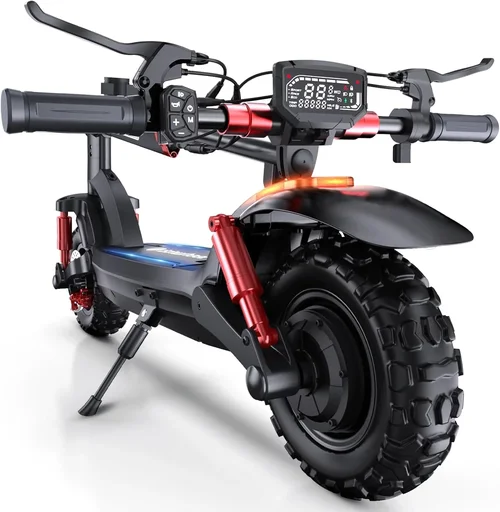
- Luxury ($1,500+): For those who want the absolute best. These scooters boast top-tier components, aerospace-grade frames, ultra-long range (30+ miles), and cutting-edge tech. Often used for off-roading or long-distance travel. While impressive, they’re overkill for casual riders and come with steep maintenance costs.
Expert Tips for Getting the Best Deal
- Shop During Seasonal Sales: Major discounts happen during Black Friday, Cyber Monday, Amazon Prime Day, and back-to-school seasons (July–August). Sign up for brand newsletters to get early access to deals.
- Compare Retailers: Prices vary between Amazon, brand websites, Best Buy, and specialty stores. Sometimes the manufacturer offers exclusive bundles or extended warranties not available elsewhere.
- Check Refurbished Options: Certified refurbished scooters from reputable sellers (like Gotrax’s official store) can save you 20–30% with full warranty coverage. These are thoroughly tested and often indistinguishable from new units.
- Read the Fine Print on Returns: Ensure the retailer offers at least a 14-day return window. Some charge restocking fees or exclude opened electronics—know the policy before buying.
- Test Ride When Possible: Visit local dealers or pop-up events to try before you buy. Feel the acceleration, braking, and comfort firsthand. Online reviews can’t replicate the real experience.
- Negotiate Bundles: If buying in-store, ask if they’ll throw in a free helmet, lock, or carrying bag. Many retailers are willing to sweeten the deal to close a sale.
- Monitor Price Drops: Use tools like CamelCamelCamel (for Amazon) or Honey to track price history and get alerts when your desired model goes on sale.
- Consider Total Cost of Ownership: A cheaper scooter with frequent repairs or short battery life may cost more long-term than a slightly pricier, reliable model. Factor in maintenance, replacement parts, and expected lifespan.

Frequently Asked Questions
Q: How long do electric scooter batteries last?
A: Most lithium-ion batteries last 300–500 charge cycles before capacity drops to 80%. With daily use, that’s roughly 1.5–3 years. Proper care—avoiding full discharges, storing at 50% charge in winter, and using the correct charger—can extend lifespan significantly.
Q: Can I ride an electric scooter in the rain?
A: It depends on the IP rating. Scooters with IPX4 or higher can handle light rain and splashes, but avoid submerging them or riding through deep puddles. Never charge a wet scooter. For frequent wet-weather use, look for IPX5 or IPX6 ratings.
Q: Do I need a license or insurance to ride an e-scooter?
A: In most U.S. states and many countries, no license is required for scooters under 20 mph. However, some cities mandate helmets, registration, or restrict where you can ride. Insurance is rarely required but recommended for high-value models.
Q: How fast do electric scooters go?
A: Speeds range from 12 mph (kids’ models) to over 40 mph (high-performance off-road scooters). Most commuter scooters cap out at 15–20 mph, which aligns with urban speed limits and safety best practices.
Q: Are electric scooters safe?
A: When used responsibly—with a helmet, obeying traffic laws, and maintaining the scooter—they are generally safe. However, accidents can happen due to potholes, distracted drivers, or mechanical failure. Choose models with reliable brakes and avoid riding at night without proper lighting.
Q: Can I take my scooter on a plane?
A: Most airlines prohibit lithium batteries over 100Wh in checked luggage. Many commuter scooters fall under this limit and can be carried onboard if folded and approved by the airline. Always check with your carrier beforehand.
Q: How do I maintain my electric scooter?
A: Regular maintenance includes checking tire pressure (if pneumatic), tightening bolts, cleaning the deck, inspecting brakes, and updating firmware. Store in a dry place and avoid extreme temperatures. Replace worn parts promptly.
Q: What’s the difference between hub motors and belt-driven motors?
A: Hub motors are integrated into the wheel—simple, quiet, and low-maintenance. Belt-driven motors use a belt and pulley system, offering better torque and hill-climbing ability but require occasional belt replacement. Most consumer scooters use hub motors for reliability.
Q: Can I upgrade my scooter’s battery?
A: Some models allow battery upgrades, but it’s not common. Modifying the battery can void your warranty and pose safety risks. If you need more range, consider buying a scooter with a higher-capacity battery from the start.
Q: Is Gotrax a reliable brand?
A: Yes. Gotrax has built a solid reputation since 2016 for offering well-engineered, affordable scooters with good customer support. Their models consistently receive positive reviews for value, durability, and ease of use—making them a top choice for budget-conscious buyers.
Our Final Recommendations
- Best for Budget-Conscious Buyers: Gotrax GXL V2 – At around $350, it delivers reliable 15.5 mph speed, 12-mile range, and solid build quality. Perfect for students and short commutes.
- Best Overall Value: Gotrax G4 – Priced under $600, it features a 400W motor, 20-mile range, front suspension, and app connectivity. A near-perfect blend of performance, portability, and price.
- Best Premium Option: Apollo City 2026 – With dual motors, 30-mile range, and premium suspension, it’s built for serious riders who demand comfort and capability.
- Best for Beginners: Xiaomi Mi Electric Scooter Essential – Simple controls, lightweight design, and excellent safety features make it ideal for first-time riders.
- Best for Advanced Users: Gotrax XR Elite – A 600W powerhouse with 28-mile range, hydraulic brakes, and off-road tires. Built for those who push limits.
Conclusion: Making the Right Choice
Choosing the best electric scooter isn’t about finding the flashiest model or the highest specs—it’s about matching the right tool to your unique needs. Whether you’re navigating busy city streets, exploring suburban trails, or simply looking for a fun way to get around, the perfect scooter exists for you. By focusing on core factors like budget, performance, build quality, and safety, you’ll avoid common pitfalls and invest in a vehicle that serves you reliably for years to come.
Remember, the cheapest option isn’t always the most economical, and the most powerful scooter isn’t necessarily the most practical. Take your time, read real user reviews, test ride when possible, and prioritize features that align with your daily routine. With the insights from this guide, you’re now equipped to make a confident, informed decision.
So go ahead—embrace the freedom, efficiency, and joy that electric scooters bring. Your ideal ride is out there. Happy scooting!