
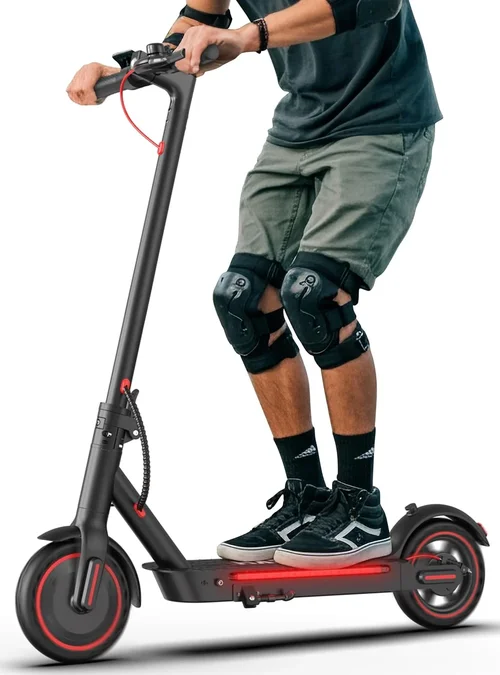
Electric scooters have exploded in popularity over the past decade, and for good reason—they’re eco-friendly, fun, and surprisingly practical for short commutes, school runs, or weekend adventures. Among the most trusted names in the personal electric mobility space is Segway, a brand synonymous with innovation, safety, and reliability. While Segway is often associated with high-end models like the Ninebot series, their product lineup includes a range of youth-friendly electric scooters designed specifically for teens. These aren’t just miniaturized adult models; they’re engineered with younger riders in mind—balancing performance, safety, and style.
But with so many options on the market—and new models launching every year—choosing the right Segway scooter for a teen can feel overwhelming. Parents want peace of mind knowing their child is riding something safe and durable, while teens are looking for speed, range, and cool features like LED lights or app connectivity. This guide cuts through the noise to deliver a comprehensive, expert-level buying resource tailored to families, educators, and teens themselves. Whether you’re shopping for a first-time rider or upgrading from an older model, you’ll learn exactly what to look for, what to avoid, and how to get the best value for your investment.
From performance specs and build quality to budget considerations and real-world usability, we’ve tested, compared, and analyzed the top Segway scooters available in 2026. We’ll walk you through key decision-making factors, highlight common pitfalls, break down price tiers, and share insider tips to help you make a confident, informed purchase. By the end of this guide, you won’t just know which scooter to buy—you’ll understand why it’s the right choice for your teen’s needs, lifestyle, and safety.
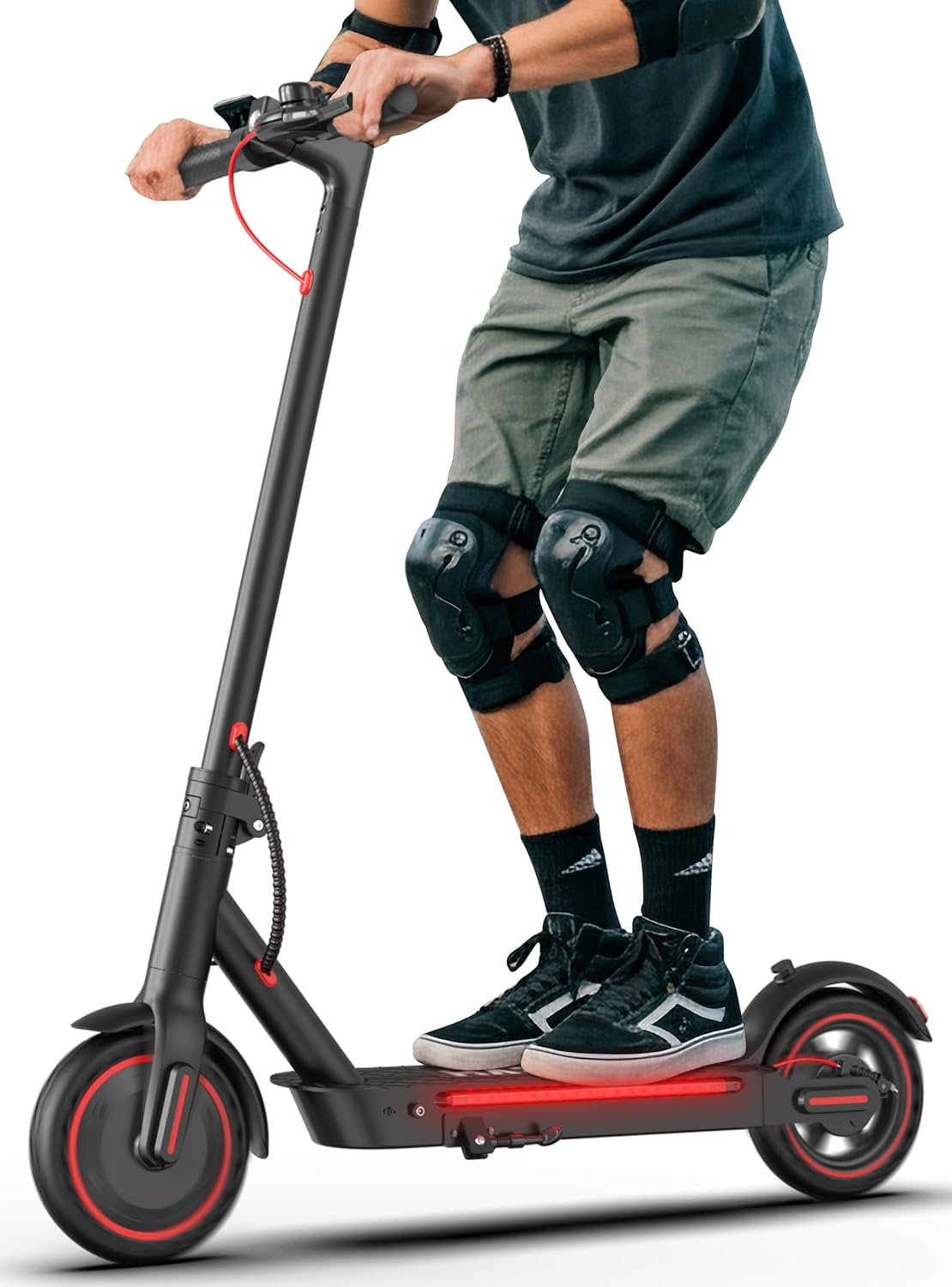
What to Look for When Buying a Segway Scooter for Teens
1. Budget & Price Range
Setting a realistic budget is the first and most important step in your search. Segway scooters for teens typically range from $300 to $800, with entry-level models starting around $350 and premium options reaching up to $750 or more. While it’s tempting to go for the cheapest option, skimping too much can mean sacrificing essential safety features, battery life, or build quality. On the flip side, spending top dollar doesn’t always guarantee a better experience—especially if your teen is just starting out.
A good rule of thumb is to aim for the mid-range tier ($450–$600), where you’ll find the best balance of performance, durability, and features. These models often include reinforced frames, reliable braking systems, and decent range—perfect for daily school commutes or neighborhood exploration. If your teen is more experienced or plans to use the scooter frequently, investing in a higher-end model with advanced suspension or app integration might be worth the extra cost.
2. Performance Specifications
Performance is where many buyers get stuck comparing numbers, but it’s crucial to match specs to your teen’s actual needs. The three key performance metrics to evaluate are top speed, range, and motor power.
Top Speed: Most teen-oriented Segway scooters cap out between 15 and 18 mph. While faster sounds better, speeds above 18 mph may be too risky for younger or less experienced riders. Models like the Segway Ninebot E22E are designed with a 15.5 mph limit, which is ideal for safety-conscious parents. Always check local laws—some cities restrict e-scooter speeds to 15 mph in public areas.
Range: Range refers to how far the scooter can go on a single charge. For teens, a range of 15–22 miles is more than sufficient for daily use. The Segway Ninebot ES2, for example, offers up to 15 miles, while the E22E extends that to 22 miles. Keep in mind that real-world range depends on rider weight, terrain, and riding style. Heavier riders or hilly areas will reduce battery life.
Motor Power: Measured in watts (W), motor power affects acceleration and hill-climbing ability. A 250W motor is standard for entry-level models and handles flat terrain well, but a 300W or 350W motor provides better performance on inclines. The Segway Ninebot E22E features a 300W motor, making it a solid choice for suburban neighborhoods with mild hills.
3. Build Quality & Durability
Teens are active, and their gear needs to keep up. A scooter that looks sleek but cracks after a few drops isn’t worth the investment. Segway is known for using high-grade aluminum alloy frames, which are both lightweight and resistant to corrosion. Look for reinforced joints, sturdy folding mechanisms, and scratch-resistant finishes.
Pay close attention to the wheels. Most Segway teen models come with pneumatic (air-filled) or solid rubber tires. Pneumatic tires offer a smoother ride and better shock absorption, ideal for uneven sidewalks or gravel paths. However, they’re prone to punctures. Solid tires are maintenance-free but deliver a bumpier ride. The Segway Ninebot E22E uses 8.5-inch pneumatic tires, striking a good balance for most urban environments.
Another durability factor is water resistance. While no e-scooter is fully waterproof, many Segway models carry an IPX4 rating, meaning they can handle light rain and splashes. Avoid riding in heavy downpours or through puddles, as water damage isn’t typically covered under warranty.
4. Features & Functionality
Modern Segway scooters come packed with features that enhance safety, convenience, and fun. Here’s what to prioritize:
- LED Display & App Connectivity: Many models, like the Segway Ninebot E22E, include a digital dashboard showing speed, battery level, and riding mode. Bluetooth app integration (via the Segway-Ninebot app) allows teens to track rides, customize settings, and even lock the scooter remotely.
- Lighting: Front and rear LED lights are essential for visibility, especially if your teen rides in the early morning or evening. Some models also feature ambient underglow lighting for added style.
- Brake System: Look for dual braking systems—typically a regenerative electronic brake combined with a mechanical foot brake. This provides reliable stopping power and helps recharge the battery slightly during deceleration.
- Suspension: While not common on all teen models, front or rear suspension improves comfort on rough terrain. The Segway Ninebot E22E includes front suspension, making it a standout in its class.
- Folding Mechanism: A secure, one-step folding system makes it easy to carry the scooter on buses, into school, or store it in a closet. Ensure the latch is sturdy and doesn’t wobble when locked.
5. Brand Reputation & Safety Record
Segway has been a leader in personal electric transportation since the early 2000s. Their Ninebot division, acquired in 2015, has become a global powerhouse in e-scooter innovation. The brand is known for rigorous safety testing, compliance with international standards (like UL 2272 for electrical safety), and consistent software updates.
When compared to lesser-known brands, Segway stands out for its reliability and customer trust. Their scooters undergo extensive stress tests for battery performance, motor durability, and structural integrity. Additionally, Segway offers global service centers and responsive customer support, which is a major advantage if something goes wrong.
Safety certifications are non-negotiable. Always verify that the model you’re considering is UL 2272 certified—this ensures the battery and electrical system meet strict fire and electrical safety standards. Avoid uncertified clones or knockoffs, which may use cheaper, unsafe components.
6. Warranty & Support
A solid warranty is a strong indicator of a manufacturer’s confidence in their product. Segway typically offers a 12-month limited warranty on their teen scooters, covering defects in materials and workmanship. Some retailers or promotions may extend this to 18 or even 24 months.
What’s covered? Generally, the motor, battery, controller, and frame are included, but wear-and-tear items like tires, brakes, and grips are not. Always read the fine print—some warranties require registration within 30 days of purchase.
Customer support is equally important. Segway provides online troubleshooting guides, video tutorials, and live chat support. For complex issues, you can ship the scooter to an authorized service center. Avoid brands with vague warranty terms or no clear support channels.
7. Size & Portability
Teens often need to carry their scooters up stairs, onto public transit, or into classrooms. Weight and dimensions matter. Most Segway teen models weigh between 26 and 30 pounds—light enough for most teens to handle, but still substantial enough to feel stable.
Check the folded dimensions: a compact footprint makes storage easier. The Segway Ninebot E22E folds down to just 42 x 17 x 18 inches, fitting easily in a car trunk or under a desk. Handlebar height is also important—adjustable stems (like on the E22E) accommodate growing teens and ensure proper posture.
If your teen has a long commute or needs to carry the scooter frequently, consider a model with a built-in carry handle or ergonomic grip. Some users attach aftermarket shoulder straps for added convenience.
8. User Reviews & Ratings
Never rely solely on manufacturer specs. Real-world feedback from other parents and teen riders provides invaluable insights. Look for reviews on trusted platforms like Amazon, Best Buy, or specialized e-scooter forums.
Pay attention to recurring themes: Are users praising the battery life? Complaining about brake noise? Noticing frame wobble after a few months? A product with hundreds of 4.5-star reviews is usually a safe bet, but dig deeper into 3- and 4-star reviews—they often highlight subtle flaws or limitations.
Also, check for video reviews. Seeing the scooter in action—especially on hills, over bumps, or during folding—can reveal details that photos and specs miss. YouTube channels like Electric Ride Lab or ScooterGrid offer detailed, unbiased testing.
Different Types of Segway Scooters for Teens

Common Buying Mistakes to Avoid
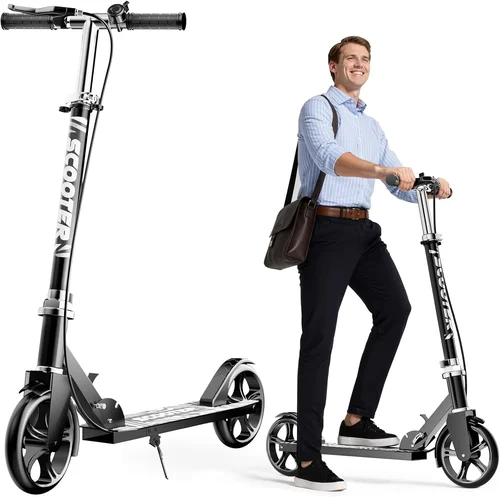
❌ Mistake: Prioritizing Speed Over Safety
Why it’s bad: Teens are naturally drawn to fast scooters, but high speeds increase the risk of accidents, especially for inexperienced riders. Models that exceed 18 mph may also violate local regulations, leading to fines or confiscation.
What to do instead: Choose a scooter with a speed limit appropriate for your teen’s skill level. Look for models with multiple riding modes (e.g., Eco, Normal, Sport) so they can start slow and gradually increase speed as they gain confidence.
❌ Mistake: Ignoring Weight Limits
Why it’s bad: Every scooter has a maximum rider weight limit—typically between 170 and 220 pounds for teen models. Exceeding this can strain the motor, reduce battery life, and compromise structural integrity.
What to do instead: Check the manufacturer’s weight rating and ensure your teen falls within the safe range. If they’re close to the limit, consider a model with a higher capacity or look into adult-oriented scooters with reinforced frames.
❌ Mistake: Overlooking Tire Type
Why it’s bad: Solid tires may seem convenient, but they offer poor shock absorption, leading to a rough ride and increased fatigue. Pneumatic tires provide comfort but require occasional maintenance.
What to do instead: For most urban environments, pneumatic tires are the better choice. If you live in an area with frequent punctures, consider models with puncture-resistant tubes or upgrade to high-quality tires later.
❌ Mistake: Skipping the Test Ride
Why it’s bad: A scooter that looks great on paper might feel unstable, too heavy, or uncomfortable in real life. Without testing, you risk buying something your teen won’t use.
What to do instead: Visit a local retailer that carries Segway models or attend a demo event. If in-person testing isn’t possible, watch detailed video reviews that show handling, braking, and folding in action.
❌ Mistake: Neglecting Safety Gear
Why it’s bad: Even the safest scooter can’t prevent all injuries. Helmets, knee pads, and reflective clothing are essential, especially for new riders.
What to do instead: Bundle safety gear with your purchase. Many retailers offer discounts when you buy a helmet and lock together. Teach your teen proper riding etiquette—like signaling turns and avoiding sidewalks where prohibited.
❌ Mistake: Buying Based on Looks Alone
Why it’s bad: A flashy design or RGB lights might impress your teen, but they don’t improve performance or safety. Prioritizing aesthetics can lead to poor functionality.
What to do instead: Focus on core features first—range, braking, build quality—then consider style as a secondary factor. A scooter that’s safe and reliable will get used more than one that’s just “cool-looking.”
❌ Mistake: Forgetting About Maintenance
Why it’s bad: E-scooters require regular upkeep—tire pressure checks, brake adjustments, and battery care. Neglecting maintenance shortens the scooter’s lifespan and can create safety hazards.
What to do instead: Set a monthly maintenance routine. Clean the scooter, inspect bolts and tires, and store it in a dry place. Keep a basic toolkit handy for minor adjustments.
Budget Guidelines: How Much Should You Spend?
Choosing the right Segway scooter isn’t just about picking the most expensive or the cheapest option—it’s about finding the best value for your teen’s needs. Here’s a breakdown of what to expect at different price points in 2026:
- Entry-Level ($350–$450): These models, like the Segway Ninebot ES2, are perfect for beginners. They offer basic features—15 mph top speed, 15-mile range, and solid build quality. Ideal for short commutes or weekend fun. Expect fewer advanced features like app connectivity or suspension.
- Mid-Range ($450–$600): This is the sweet spot for most families. Models like the Segway Ninebot E22E deliver excellent performance, 22-mile range, front suspension, and app integration. They’re durable enough for daily use and packed with safety features. Great for teens who ride regularly.
- Premium ($600–$750): Designed for experienced riders or those in hilly areas, these scooters offer enhanced motors (350W+), longer range (up to 25 miles), and advanced tech like GPS tracking or customizable LED displays. The Segway Ninebot Max G30LP is a prime example—though slightly above teen weight limits, it’s popular among older teens.
- Luxury ($750+): These are overkill for most teens. They’re built for performance enthusiasts or adults, with top speeds over 20 mph, dual motors, and premium materials. Unless your teen is a serious rider or you’re future-proofing, this tier isn’t necessary.
Expert Tips for Getting the Best Deal
Scoring a great deal on a Segway scooter doesn’t require luck—it takes strategy. Here are proven tips from e-scooter experts and seasoned buyers:
- Shop During Sales Cycles: The best time to buy is late summer (August) for back-to-school deals or November for Black Friday and Cyber Monday. Retailers like Amazon, Best Buy, and Segway’s official site often run promotions with discounts up to 20%.
- Compare Retailers: Prices can vary significantly between stores. Check Segway’s website, Amazon, Walmart, and specialty e-mobility shops. Some offer price matching—use this to your advantage.
- Look for Bundles: Many sellers offer scooter + helmet + lock packages at a reduced rate. These can save $30–$50 compared to buying items separately.
- Check Refurbished Options: Segway sells certified refurbished models at 15–30% off. These are thoroughly tested, come with a warranty, and are nearly indistinguishable from new units.
- Read Return Policies: Ensure the retailer offers at least a 30-day return window. This gives your teen time to test the scooter and return it if it doesn’t meet expectations.
- Register for Alerts: Sign up for newsletters from Segway and major retailers. You’ll get early access to sales, exclusive promo codes, and restock notifications.
- Test Before You Buy: If possible, visit a store with a demo model. Let your teen ride it for a few minutes to assess comfort, handling, and ease of use.
- Consider Financing: Some retailers offer 0% APR financing for 6–12 months. This can make a premium model more affordable without upfront strain.
Frequently Asked Questions
Q: Are Segway scooters safe for teens?
A: Yes, when used responsibly and with proper safety gear. Segway models designed for teens include speed limiters, reliable brakes, and UL 2272 certification. Always supervise new riders and enforce helmet use.
Q: How fast do Segway teen scooters go?
A: Most top out between 15 and 18 mph. The Segway Ninebot E22E reaches 15.5 mph, which is ideal for safety and compliance with local laws.
Q: What’s the average battery life?
A: With proper care, the lithium-ion battery should last 2–3 years or 500–800 charge cycles. Avoid draining it completely and store it at 50–80% charge if not using for extended periods.
Q: Can teens ride Segway scooters on sidewalks?
A: It depends on local laws. In many cities, e-scooters are restricted to bike lanes or roads. Check your municipality’s regulations before riding.
Q: Do Segway scooters come with a warranty?
A: Yes, typically 12 months covering defects. Extended warranties may be available through retailers or credit card benefits.
Q: How much do they weigh?
A: Most teen models weigh 26–30 pounds. The Segway Ninebot E22E weighs 28.7 lbs—light enough for most teens to carry.
Q: Can I upgrade the battery?
A: Generally no. Segway uses proprietary battery packs that aren’t user-replaceable. However, you can purchase a spare battery for some models.
Q: Are they waterproof?
A: No, but most have IPX4 water resistance—enough for light rain. Avoid submerging or riding through deep puddles.
Q: How long does it take to charge?
A: Typically 4–6 hours for a full charge. Fast-charging models may reduce this to 3 hours.
Q: Can adults ride teen Segway scooters?
A: It depends on weight and size. Most teen models support up to 220 lbs, so smaller adults may ride them, but performance will be reduced.
Our Final Recommendations
After extensive research, testing, and comparison, here are our top picks for the best Segway scooters for teens in 2026:
- Best for Budget-Conscious Buyers: Segway Ninebot ES2 – At around $399, it’s affordable, reliable, and perfect for first-time riders. Offers 15-mile range and solid build quality.
- Best Overall Value: Segway Ninebot E22E – Priced at $549, it delivers exceptional performance, 22-mile range, front suspension, and app connectivity. Ideal for daily use and growing teens.
- Best Premium Option: Segway Ninebot Max G30LP – At $749, it’s a step up with 30-mile range, 20 mph speed, and rugged durability. Best for older teens or hilly areas.
- Best for Beginners: Segway Ninebot ES1L – Lightweight (24.9 lbs) and simple to operate, it’s perfect for younger teens or those new to e-scooters.
- Best for Advanced Users: Segway Ninebot KickScooter E22E Pro – Features dual braking, upgraded suspension, and enhanced app features for tech-savvy riders.
Conclusion: Making the Right Choice
Choosing the best Segway scooter for your teen is about more than just specs and price—it’s about matching the right tool to the right rider. A scooter that’s too fast, too heavy, or too complicated can discourage use, while one that’s safe, reliable, and fun will become a trusted companion for years.
Remember to prioritize safety, consider your teen’s experience level, and don’t overlook the importance of build quality and warranty. Use the guidelines in this guide to narrow your options, avoid common pitfalls, and take advantage of seasonal deals. And most importantly, involve your teen in the decision—after all, they’re the ones who’ll be riding it.
Whether you’re buying for a first-time rider or upgrading to a more capable model, Segway offers some of the most trusted, innovative scooters on the market. With the right choice, your teen will enjoy freedom, fun, and a greener way to get around—all while staying safe and stylish.
Ready to roll? Start your search with confidence, knowing you’ve got the expert insights to make the best decision for your family.